
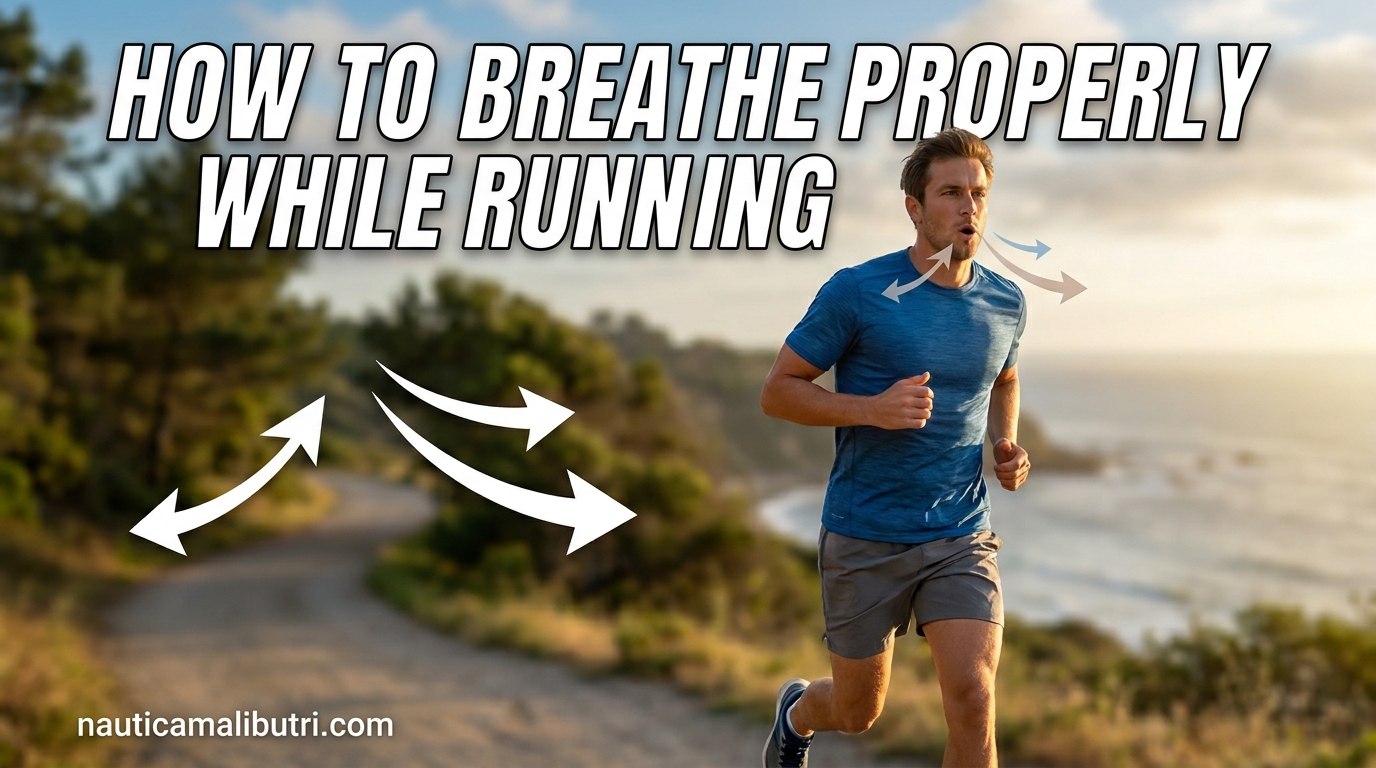
Learning how to breathe properly while running can transform your training from a struggle into a sustainable, enjoyable practice. I remember when I first started running, gasping for air after just a few minutes and wondering why everyone else seemed to float along effortlessly. The truth is, breathing efficiently is a skill that anyone can develop with the right techniques and consistent practice.
Your breathing directly impacts your running performance, endurance, and comfort. When you master proper breathing mechanics, you deliver more oxygen to working muscles, delay fatigue, and reduce the likelihood of painful side stitches. Whether you are training for your first 5K or preparing for an Ironman triathlon, the breathing techniques in this guide will help you run stronger and longer in 2026.
In this comprehensive guide, I will walk you through everything from foundational belly breathing to advanced rhythmic patterns. You will learn practical solutions for side stitches, the nose versus mouth debate, and even triathlon-specific breathing strategies that address the unique challenges of swim-to-bike-to-run transitions.
Table of Contents
The Basics of Breathing While Running
Most runners breathe incorrectly without realizing it. Shallow chest breathing is the default pattern for many people, especially when exertion increases and stress kicks in. This approach limits oxygen intake because you are only using the upper portion of your lungs, leaving significant capacity untapped.
Your diaphragm is a dome-shaped muscle that sits beneath your lungs. When it contracts, it moves downward, creating space for your lungs to expand fully and draw in more air. Proper breathing while running requires engaging this muscle rather than relying solely on your chest and shoulders. This is called diaphragmatic or belly breathing, and it forms the foundation of every technique we will cover.
Breathing efficiently also helps maintain a stable core. When your breath syncs with your stride pattern, you reduce the impact stress on your diaphragm and surrounding muscles. This coordination prevents the cramping that causes side stitches, a problem that plagues runners at every level.
Belly Breathing Technique for Runners
Belly breathing transforms how much oxygen you can pull into your lungs with each breath. Instead of your chest rising and falling, your abdomen expands outward as you inhale and contracts as you exhale. This movement indicates that your diaphragm is doing the work it was designed to do.
Understanding Diaphragmatic Breathing
When you breathe with your chest alone, you are fighting against gravity and using accessory muscles that tire quickly. Your shoulders tense up, your posture suffers, and your breathing becomes labored. Diaphragmatic breathing reverses this pattern by using your body’s most efficient breathing muscle.
The diaphragm requires less energy to operate than chest breathing. This efficiency matters during long runs when every bit of energy conservation counts. Research suggests that proper diaphragmatic breathing can increase your tidal volume, the amount of air moved per breath, by up to 50 percent compared to shallow chest breathing.
How to Practice Belly Breathing
Start by lying flat on your back with one hand on your chest and the other on your belly. Close your eyes and take a slow breath in through your nose for four counts. You should feel the hand on your belly rise while the hand on your chest stays relatively still.
Exhale slowly through your mouth for six counts, feeling your belly hand fall as your diaphragm relaxes upward. Repeat this cycle for five minutes daily until the pattern feels natural. The goal is to retrain your body so belly breathing becomes automatic, not something you need to think about constantly.
Once comfortable lying down, practice while sitting at your desk or watching television. Place both hands on your ribs and focus on expanding them outward like a bucket handle lifting. This lateral expansion is another sign that your diaphragm is working properly rather than your chest dominating the movement.
Transitioning to Running
After a week of daily practice lying and sitting, begin incorporating belly breathing into walking. Maintain a steady pace and match your breathing to your steps. Try inhaling for three steps and exhaling for three steps while keeping your focus on belly expansion.
When you transition to running, start at a conversational pace where you can still speak in full sentences. Your breathing will naturally quicken, but the belly movement should remain your primary focus. If you catch yourself chest breathing, slow down for thirty seconds, reset your posture, and return to belly breathing before picking up the pace again.
Rhythmic Breathing Patterns
Rhythmic breathing connects your breath to your stride, creating a synchronized pattern that stabilizes your core and reduces impact stress. This technique, popularized by running coach Budd Coates, has helped countless runners eliminate side stitches and run more efficiently.
The basic principle involves matching your inhales and exhales to your foot strikes. Since your foot strike creates impact force that travels up through your body, coordinating your breathing with that impact reduces the stress on your diaphragm. This coordination is especially valuable for triathletes who need sustainable breathing patterns across three disciplines.
What is Rhythmic Breathing
Rhythmic breathing uses specific ratios of inhales to exhales, typically tied to an odd number of total foot strikes per breath cycle. The most common patterns are 3:2 (three foot strikes on inhale, two on exhale), 2:2, 2:1, and 1:1. Each pattern serves a different running intensity level.
The genius of odd-number patterns like 3:2 is that you alternate which foot hits the ground when you exhale. Since exhalation relaxes your core muscles slightly, distributing that relaxation between left and right sides prevents the repetitive stress that causes side stitches.
The 3:2 Pattern for Easy Runs
The 3:2 pattern works best for easy runs and warm-ups when you are running at a conversational pace. Take three steps as you inhale, then two steps as you exhale. This five-step cycle means you will alternate your exhalation foot with every breath, balancing the impact stress.
To practice, start at a slow jog and count your steps silently. Inhale through your nose or mouth while counting one, two, three. Exhale through your mouth while counting one, two. Repeat this cycle until it becomes automatic. Most runners find this pattern sustainable for hours of easy running.
The 2:2 Pattern for Moderate Runs
As you pick up the pace to a steady state or tempo effort, transition to a 2:2 pattern. Inhale for two steps, exhale for two steps. This four-step cycle increases your breathing rate to match your higher oxygen demands while still maintaining some alternation between sides.
The 2:2 pattern is symmetrical, meaning you exhale on the same foot every time. While this does not provide the stitch-prevention benefit of odd-number patterns, it is more sustainable than faster ratios during moderate efforts. Many runners naturally fall into this pattern without conscious effort.
The 2:1 and 1:1 Patterns for Hard Efforts
During intervals, hill repeats, or race finishes, your oxygen demands spike dramatically. The 2:1 pattern, with two steps on the inhale and one on the exhale, provides the rapid breathing rate needed for these efforts. Inhale for left-right, then exhale sharply on the next step.
For all-out sprints or the final kick of a 5K race, the 1:1 pattern takes over. Every step gets either an inhale or an exhale. This pattern cannot be sustained long, but it maximizes oxygen exchange when you need every bit of power you can generate. Your breathing becomes audible and forceful, which is entirely appropriate for maximum effort.
Breathing Patterns by Run Intensity
| Run Type | Pattern | Steps per Cycle | Best For |
|---|---|---|---|
| Easy/Recovery | 3:2 | 5 | Preventing stitches, long runs |
| Moderate/Steady | 2:2 | 4 | Tempo runs, marathon pace |
| Hard/Threshold | 2:1 | 3 | Intervals, hill repeats |
| Sprint/Race Finish | 1:1 | 2 | 5K finish, final kick |
Nose vs Mouth Breathing: What Works Best
The debate between nose and mouth breathing generates endless discussion in running forums. Some coaches insist nasal breathing is superior, while others say mouth breathing is necessary for performance. The truth depends on your running intensity and personal physiology.
Benefits of Nasal Breathing
Breathing through your nose filters, warms, and humidifies the air before it reaches your lungs. This conditioning reduces irritation to your airways, especially in cold or dry conditions. Your nasal passages also produce nitric oxide, a molecule that helps dilate blood vessels and improve oxygen delivery to muscles.
Nasal breathing activates your parasympathetic nervous system, the rest-and-digest mode that promotes relaxation and efficient oxygen use. Many runners report feeling calmer and more in control when they maintain nasal breathing during easy runs. This relaxation response can help you find the flow state often described as being in the zone.
When Mouth Breathing Makes Sense
As intensity increases, your oxygen demands eventually exceed what nasal breathing can supply. During tempo runs, intervals, or races, mouth breathing becomes necessary to move enough air volume. Trying to force nasal breathing during hard efforts creates unnecessary restriction and stress.
Your mouth provides a larger airway than your nostrils, allowing faster exchange of oxygen and carbon dioxide. When your body is producing significant lactic acid and demanding rapid fuel delivery, the increased ventilation from mouth breathing supports performance.
Finding Your Balance
The practical approach uses both methods strategically. Breathe through your nose during warm-ups, easy runs, and recovery periods. Switch to mouth breathing or a combination when the pace picks up. Some runners use nose-in, mouth-out as a middle ground during moderate efforts.
If you want to develop nasal breathing capacity, practice it consistently during easy runs over several weeks. Your nasal passages will gradually adapt, allowing more airflow. But never compromise your race performance by forcing a breathing style that limits oxygen delivery when you need it most.
Preventing and Treating Side Stitches
Side stitches, technically called exercise-related transient abdominal pain, affect up to 70 percent of runners annually. That sharp, stabbing sensation beneath your ribs can stop a workout in its tracks or ruin a race you trained months for. Understanding what causes stitches and how to prevent them changes everything.
What Causes Side Stitches
Side stitches occur when your diaphragm goes into spasm, typically from the repetitive stress of running impact combined with inadequate blood flow. When you exhale, your diaphragm relaxes upward. If that relaxation consistently coincides with the same foot striking the ground, that side of your diaphragm absorbs disproportionate impact stress.
Other contributing factors include eating too close to your run, dehydration, shallow breathing patterns, and starting too fast without proper warm-up. The pain is real, and it is physiological, not psychological. Understanding this helps you approach prevention systematically.
The Exhale-on-Opposite-Foot Technique
The most effective stitch prevention technique uses rhythmic breathing with odd-number patterns. The 3:2 pattern ensures you alternate which foot hits when you exhale, distributing impact stress evenly between both sides of your diaphragm. This alternation eliminates the repetitive strain that triggers spasms.
If you feel a stitch coming on during a run, change your breathing pattern immediately. Slow your pace slightly and switch to a 2:1 pattern, focusing on a complete exhale. Some runners find relief by pressing their fingers into the painful area while continuing to run, which seems to help the diaphragm relax.
Additional Prevention Tips
Timing your pre-run meals matters significantly. Allow at least two hours after a large meal before running, and at least thirty minutes after a small snack. Foods high in fat, fiber, or sugar take longer to leave your stomach and increase stitch risk.
A proper warm-up gradually increases your breathing rate and blood flow to your diaphragm. Start with five minutes of walking, then transition to easy jogging before picking up the pace. Sudden intensity spikes shock your respiratory system and invite stitches.
Stay hydrated throughout the day rather than chugging water right before your run. Dehydration makes your diaphragm and other muscles more prone to cramping. But avoid overhydrating immediately pre-run, as a sloshing stomach contributes to discomfort.
What To Do When You’re Out of Breath
Even experienced runners find themselves gasping occasionally. Knowing how to recover efficiently keeps minor breathing setbacks from derailing your entire workout. The key is responding quickly with specific actions rather than just hoping the feeling passes.
Slow down immediately. Drop to a walk if necessary. Your body is signaling that oxygen demand exceeds supply, and ignoring this signal leads to poor form and excessive fatigue. There is no shame in adjusting your pace, whether you are a beginner or an elite athlete.
Focus on your exhale rather than trying to inhale more. A complete exhale clears carbon dioxide from your lungs, making room for fresh oxygen. Many runners hold residual air, reducing their effective lung capacity. Forcefully exhale until you feel your lungs empty, then let the inhale happen naturally.
Shake out your arms and relax your shoulders. Tension in your upper body restricts breathing and wastes energy. Drop your arms to your sides, wiggle your fingers, and roll your shoulders backward. This physical relaxation signals your nervous system to calm down.
Return to conversational pace before resuming your intended workout intensity. If you cannot speak in full sentences, you are still going too hard. Build back gradually rather than immediately returning to the pace that caused the problem.
Triathlon-Specific Breathing Considerations
Triathletes face unique breathing challenges that pure runners do not encounter. Managing your breath across three disciplines, each with different demands, requires specific strategies. The transitions between sports create abrupt changes in breathing patterns that can derail your race if not handled properly.
Managing the Swim-to-Bike Transition
Coming out of the water, your breathing is often rapid and upper-chest dominant from the swim. The horizontal position and bilateral breathing pattern of swimming engage different muscles than cycling or running. When you exit T1 and mount your bike, give yourself two to three minutes to settle your breathing before pushing the pace.
Focus on deep belly breaths while spinning an easy gear. Your heart rate is elevated from the swim, and forcing hard efforts immediately spikes it further. Use the first miles of the bike leg to find your rhythm, then gradually build to race pace as your breathing stabilizes.
The Bike-to-Run Transition (T2)
The run leg presents the most dramatic breathing challenge in triathlon. Your legs are heavy from cycling, your core is fatigued from maintaining an aerodynamic position, and the vertical position of running changes blood flow dynamics. Most triathletes start the run breathing harder than they should.
Begin the run at a pace slower than your target. Focus entirely on belly breathing and establishing a 3:2 rhythmic pattern. The first mile should feel almost too easy. Once your breathing settles into a sustainable rhythm, then increase the pace gradually. Starting conservatively prevents the oxygen debt that ruins the second half of your run.
Different Demands by Discipline
Each triathlon discipline uses your respiratory muscles differently. Swimming requires controlled bilateral breathing with brief oxygen windows. Cycling in an aerodynamic position restricts diaphragm expansion slightly. Running demands the most vertical stabilization and core engagement.
Train each sport with its appropriate breathing pattern. Practice bilateral breathing in the pool even if you prefer one side. Spend time in your aero position focusing on deep breaths during bike training. These discipline-specific habits translate to better breathing on race day.
Posture for Better Breathing
Your running posture directly impacts how effectively you can breathe. Slouching compresses your diaphragm and restricts lung expansion. Proper alignment creates space for your respiratory muscles to work efficiently.
Run tall with your head up and eyes looking forward, not down at your feet. This alignment opens your chest and allows your diaphragm to descend fully. Imagine a string pulling the top of your head toward the sky.
Keep your shoulders back and relaxed, away from your ears. Tense, hunched shoulders restrict breathing and waste energy. Shake out your arms every few minutes during long runs to release accumulated tension.
Engage a slight forward lean from your ankles, not your waist. This lean should feel like falling forward into your next step rather than bending at the hips. The forward momentum from this posture actually assists your breathing rhythm rather than fighting against it.
Frequently Asked Questions About Breathing While Running
What is the optimal way to breathe while running?
The optimal way to breathe while running combines diaphragmatic (belly) breathing with rhythmic patterns synchronized to your stride. Use belly breathing to maximize oxygen intake, and match your breath to your steps using patterns like 3:2 for easy runs, 2:2 for moderate efforts, and 2:1 for hard intervals. Nose breathing works best at easy paces, while mouth breathing becomes necessary as intensity increases.
What is the 4 7 8 rule for breathing?
The 4 7 8 breathing rule is a relaxation technique, not specifically a running technique. You inhale for 4 counts, hold your breath for 7 counts, and exhale for 8 counts. This pattern activates the parasympathetic nervous system, reducing stress and anxiety. While not practical during actual running, you can use 4 7 8 breathing before bed or during post-run recovery to calm your body and lower cortisol levels.
Do breathing exercises reduce cortisol?
Yes, controlled breathing exercises can reduce cortisol levels. Slow, deep breathing activates the parasympathetic nervous system, which counteracts the stress response that releases cortisol. Nasal breathing in particular has been shown to increase nitric oxide production and promote relaxation. Regular practice of diaphragmatic breathing, both during exercise and at rest, helps train your body to maintain lower stress hormone levels overall.
Why do I struggle with my breathing when I run?
Common reasons for breathing struggles include starting too fast without proper warm-up, using shallow chest breathing instead of belly breathing, poor posture that restricts your diaphragm, and side stitches that cause protective shallow breathing. Most beginners also have underdeveloped respiratory muscles that improve with consistent training. The good news is that breathing is a learnable skill, and with practice, proper techniques become automatic.
Conclusion
Mastering how to breathe properly while running transforms your experience from gasping struggle to sustainable enjoyment. The techniques covered in this guide, from belly breathing to rhythmic patterns to side stitch prevention, give you a complete toolkit for every training scenario in 2026 and beyond.
Start with five minutes of belly breathing practice lying down each day. Progress to walking, then easy running with the 3:2 rhythmic pattern. Be patient with yourself as these patterns become automatic. Most runners need several weeks of conscious practice before the techniques feel natural.
Remember that breathing is highly individual. Experiment with the patterns and nose versus mouth approaches to find what works best for your body and running goals. The best breathing technique is the one that lets you run comfortably, efficiently, and joyfully for years to come.