
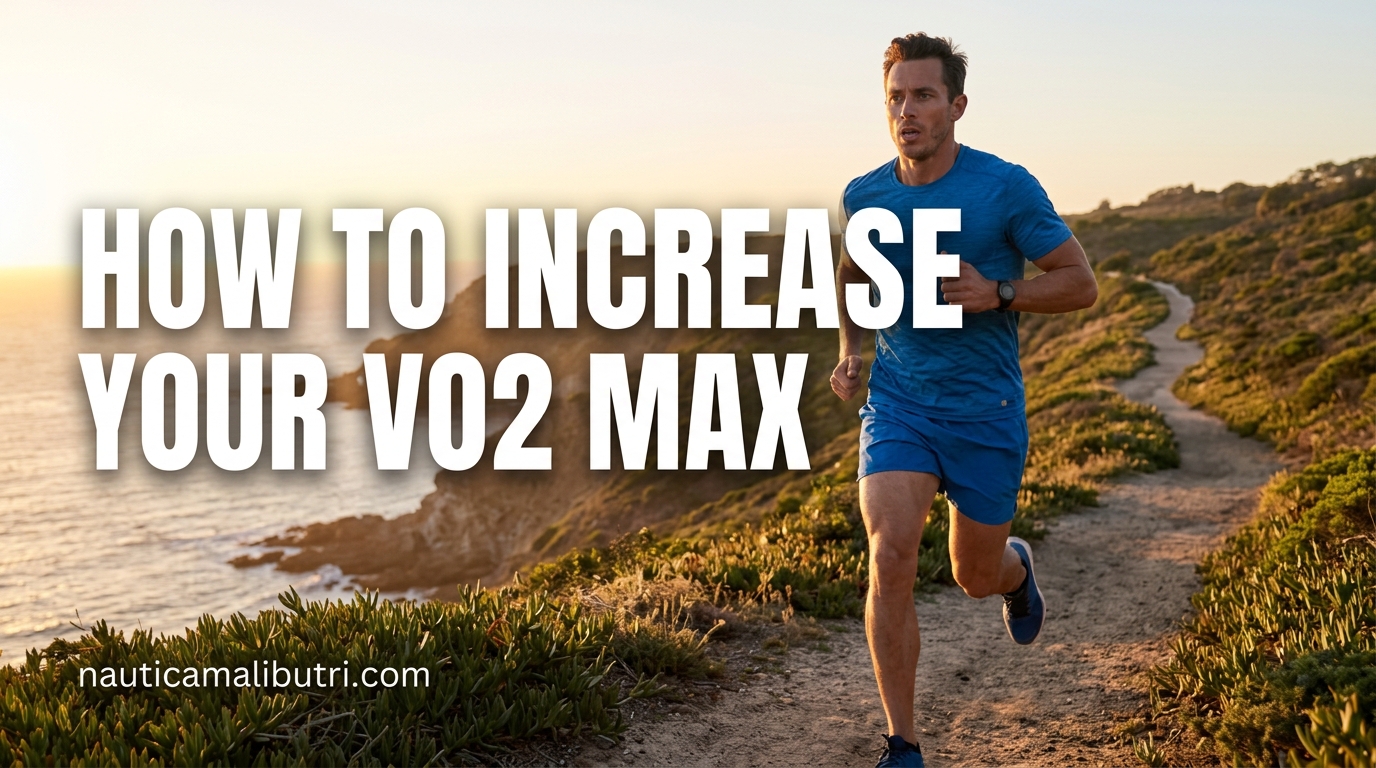
After three years of chasing podium finishes in sprint and Olympic distance triathlons, I hit a frustrating plateau. My swim times stagnated, my bike power would not budge, and my run splits felt stuck in quicksand. My coach pulled up my training data and asked one simple question: When was the last time you trained your VO2 max specifically?
I had spent months building base miles, doing tempo work, and racing every weekend. But I was missing the high-intensity stimulus that drives real aerobic adaptation. Once I added structured VO2 max training to my program, my FTP increased by 8% in eight weeks. My 5K run times dropped by 45 seconds. Most importantly, I was no longer gasping for air during the final kilometer of the run leg.
This guide covers how to increase your VO2 max for triathlon performance in 2026. Whether you are preparing for your first sprint triathlon or chasing a Kona qualification, understanding and training your aerobic capacity will transform your multisport racing. We will explore the science, the protocols that actually work, and the tools that help you track progress across all three disciplines.
Table of Contents
What Is VO2 Max and Why Does It Matter for Triathletes?
VO2 max represents the maximum volume of oxygen your body can consume, transport, and utilize during intense exercise. Measured in milliliters of oxygen per kilogram of body weight per minute (ml/kg/min), it reflects the integrated capacity of your lungs, heart, blood vessels, and muscles to deliver and process oxygen.
For triathletes, VO2 max matters in unique ways. Unlike single-sport endurance athletes, you need aerobic capacity across three distinct disciplines with different muscle recruitment patterns, body positions, and metabolic demands. A strong VO2 max allows you to sustain higher intensities during the swim without premature fatigue. It powers you over rolling hills on the bike without dipping into anaerobic reserves. It carries you through the final miles of the run when glycogen stores deplete.
Elite male triathletes typically demonstrate VO2 max values between 70 and 85 ml/kg/min. Elite females range from 60 to 75 ml/kg/min. Age-group athletes showing values above 50 ml/kg/min for men and 45 ml/kg/min for women generally find themselves competitive in local and regional events. These numbers provide context, but the real metric is improvement over time.
How to Measure Your VO2 Max: Lab Testing vs Wearable Estimates
Accurate measurement forms the foundation of effective VO2 max training. You have two primary options: laboratory testing and wearable device estimates. Each approach serves different purposes and budgets.
Lab testing remains the gold standard. You wear a mask connected to a metabolic cart while running on a treadmill or cycling on a trainer. The equipment measures your oxygen consumption and carbon dioxide production directly. A protocol gradually increases intensity until you reach voluntary exhaustion. This test pinpoints your exact VO2 max, identifies your ventilatory thresholds, and reveals whether your lungs, heart, or muscles represent your primary limiting factor. Costs typically range from $100 to $300 depending on your location and the comprehensiveness of the analysis.
Wearable devices offer convenient ongoing monitoring. Modern GPS watches from Garmin and other manufacturers estimate VO2 max by analyzing your heart rate data during sustained hard efforts, combined with pace or power output. These estimates typically fall within 5-10% of lab-measured values for most athletes. While not perfect for absolute numbers, they excel at tracking trends over time.
Understanding VO2 Max Benchmarks by Age and Sex
Context helps you interpret your numbers. A VO2 max of 47 ml/kg/min means different things depending on your demographic profile.
For a 30-year-old male, 47 represents a good aerobic capacity suitable for completing sprint and Olympic triathlons. For a 30-year-old female, that same number indicates very good fitness placing you in the top 25% of your age group. Age-adjusted norms matter because VO2 max naturally declines by approximately 1% per year after age 30 in untrained individuals. Consistent training can slow or even temporarily reverse this decline.
How to Increase Your VO2 Max: Proven Training Strategies
Research and practical experience point to specific training modalities that reliably improve VO2 max. The key principle: you must stress your cardiovascular system at intensities approaching your maximum capacity. This creates the signal for physiological adaptation.
High-Intensity Interval Training (HIIT): The Norwegian 4×4 Protocol
The Norwegian 4×4 protocol stands as the most researched and effective method for increasing VO2 max. Developed by exercise scientists in Norway, this approach has produced measurable improvements in everyone from cardiac rehabilitation patients to elite endurance athletes.
Here is the exact protocol:
Step 1: Warm up for 10 minutes at an easy conversational pace.
Step 2: Perform four intervals of 4 minutes each at 90-95% of your maximum heart rate.
Step 3: Recover for 3 minutes at an easy pace between each interval.
Step 4: Cool down for 5-10 minutes.
The 4-minute duration matters because it allows your heart rate to climb to the target zone while keeping the effort long enough to trigger central cardiovascular adaptations. The 3-minute recovery allows sufficient restoration to maintain quality across all four intervals without premature fatigue.
I incorporate one 4×4 session weekly during build phases. The workout never feels easy. By the third interval, you are questioning your life choices. But the adaptations are undeniable. Studies show consistent 4×4 training produces 5-15% VO2 max improvements in previously untrained individuals and 2-5% gains in well-trained athletes over 8-12 weeks.
Zone 2 Base Training: Building Your Aerobic Foundation
High-intensity work builds your ceiling, but Zone 2 training raises your floor. The polarized training model popularized by elite endurance coaches suggests spending 80% of your training time at low intensity and 20% at high intensity. This distribution maximizes aerobic adaptations while minimizing injury and burnout risk.
Zone 2 corresponds to 60-70% of your maximum heart rate or a conversational pace where you could speak in full sentences without gasping. These sessions should feel almost too easy. They stimulate mitochondrial biogenesis, increase capillary density in working muscles, and improve your body’s ability to oxidize fat for fuel.
For triathletes, Zone 2 work serves another purpose. It builds movement-specific durability across all three disciplines. Long easy swims develop stroke efficiency and muscular endurance in the upper body. Extended Zone 2 rides train your back, neck, and legs to handle bike position for hours. Easy long runs build the connective tissue resilience necessary for the run leg.
Triathlon-Specific VO2 Max Workouts
General fitness protocols help, but triathlon-specific sessions address the unique demands of racing. Here are proven workouts for each discipline that target VO2 max development.
Swim VO2 Max Session: After a 500-meter warm-up, perform 8-12 repetitions of 100 meters at your maximum sustainable pace with 20 seconds rest between each. Focus on maintaining stroke efficiency even as fatigue mounts. Cool down with 300 meters easy. This session mimics the repeated surge and recover pattern of pack swimming and sighting.
Bike VO2 Max Session: Complete a 20-minute warm-up with progressive intensity. Then perform 5-8 intervals of 3 minutes at 105-110% of your FTP (functional threshold power) with 3 minutes easy spinning recovery. Cool down for 15 minutes. Use your power meter to maintain consistent output rather than fading as fatigue accumulates.
Run VO2 Max Session: Warm up for 10-15 minutes. On a track or flat measured path, perform 6-8 repetitions of 800 meters at your 5K race pace with 2 minutes jog recovery. The 800-meter distance forces you to sustain VO2 max intensity long enough for adaptation while allowing enough volume to create training stimulus. Cool down with 10 minutes easy jogging.
Brick Workouts for VO2 Max Development
Brick workouts represent triathlon’s unique contribution to endurance training. Combining disciplines in single sessions trains your body to handle the metabolic and biomechanical transitions of race day. When designed with VO2 max intent, bricks become powerful adaptation tools.
VO2 Max Brick Protocol: Complete a 30-minute bike session including 3×3 minutes at FTP with 3 minutes easy between efforts. Transition immediately to your running shoes. Complete 4×2 minutes at 5K race pace with 2 minutes jog recovery between each. This session teaches your body to extract and process oxygen efficiently even when cycling-fatigued muscles must suddenly support running.
Start with one VO2 max brick session every two weeks during base building. Increase to weekly as you approach race season. These sessions are demanding. Schedule them when you have 48 hours of easier training ahead for proper recovery.
Essential Tools for VO2 Max Training
Accurate data collection separates effective VO2 max training from guesswork. The right tools help you hit target intensities, track progress, and identify when to push harder or back off. Here are five products our team has tested extensively for VO2 max development work.
1. Garmin Forerunner 55 – Best Entry-Level GPS Watch for VO2 Max Tracking

- Exceptional 2-week battery life eliminates charging anxiety
- Accurate GPS tracking and heart rate monitoring
- Daily suggested workouts based on fitness level and recovery
- Lightweight at 37g for 24/7 wear including sleep tracking
- Durable and water-resistant for swim training
- No touchscreen interface may frustrate some users
- No strength training profiles like higher-end Garmin models
- Heart rate monitor occasionally gives erratic readings after months of use
I started my structured VO2 max training with the Forerunner 55 after losing patience with charging my previous watch every other day. The two-week battery life transformed my consistency. I could track sleep, monitor recovery metrics, and never worry about the battery dying mid-workout.
The VO2 max estimation feature requires outdoor runs with heart rate data. After about two weeks of consistent running, the watch establishes your baseline and begins tracking changes. My estimated VO2 max climbed from 48 to 52 over three months of structured 4×4 training. While this may not match lab precision, the upward trend validated my training approach.
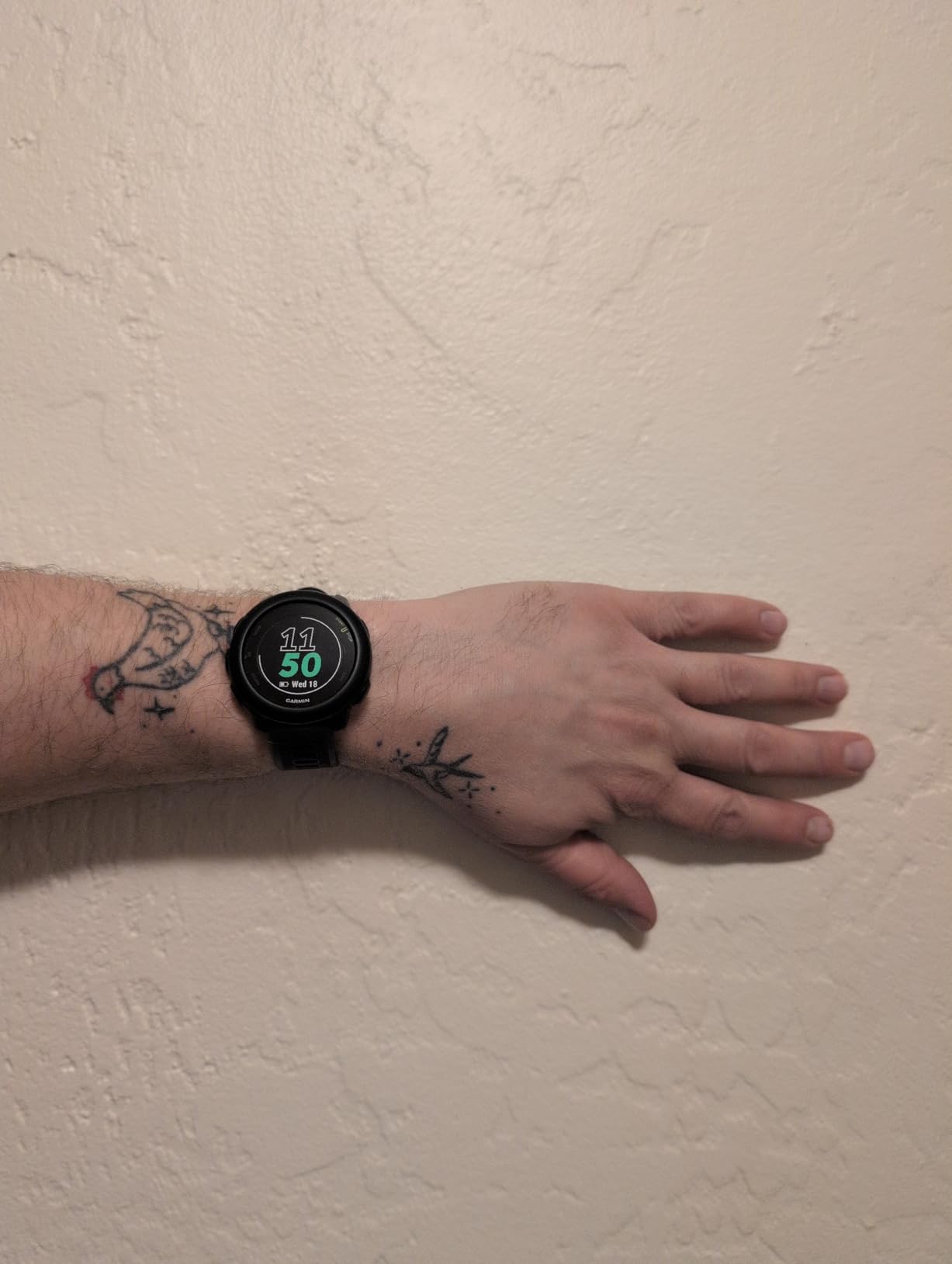
The daily suggested workouts feature proved surprisingly useful for triathletes juggling multiple disciplines. On days when I was unsure whether to run easy or hit some intervals, the watch analyzed my recent training load and recommended appropriate sessions. This prevented the common mistake of going too hard on easy days, which sabotages VO2 max development by limiting recovery.
For swimmers, the pool swim mode tracks distance, pace, stroke count, and rest intervals accurately. I used it for my VO2 max swim sessions, uploading the data to TrainingPeaks for comprehensive tracking. The watch is rated to 50 meters water resistance, and I have worn it through countless pool sessions and open water swims without issues.
The PacePro feature deserves mention for triathletes who race hilly courses. It creates pacing strategies based on elevation profile, helping you avoid blowing up your heart rate (and VO2 max capacity) on early hills. This translates training fitness into race execution.
2. Garmin Venu Sq 2 – Advanced Health Monitoring for Serious Triathletes

- Bright AMOLED display with always-on mode is readable in all conditions
- Up to 11 days battery life significantly better than Apple Watch
- Body Battery energy monitoring helps optimize training timing
- Garmin Coach provides free adaptive training plans for running
- Works with external heart rate monitors for maximum accuracy
- Screen scratches easily without protector
- GPS tracking occasionally spotty in dense tree cover
- Screen protectors reduce touchscreen responsiveness
- Silicone band may irritate skin during all-day wear for some users
The Venu Sq 2 became my daily driver after I realized that VO2 max training success depends on managing fatigue, not just hammering intervals. The Body Battery feature combines heart rate variability, stress, sleep quality, and activity data to give you an energy score from 0-100.
This changed how I scheduled hard sessions. Instead of blindly following a calendar plan, I would check my Body Battery each morning. Scores above 80 meant it was time to hit the 4x4s or the VO2 max brick workout. Scores below 50 signaled that Zone 2 base training or rest would produce better long-term adaptations than forcing intensity.
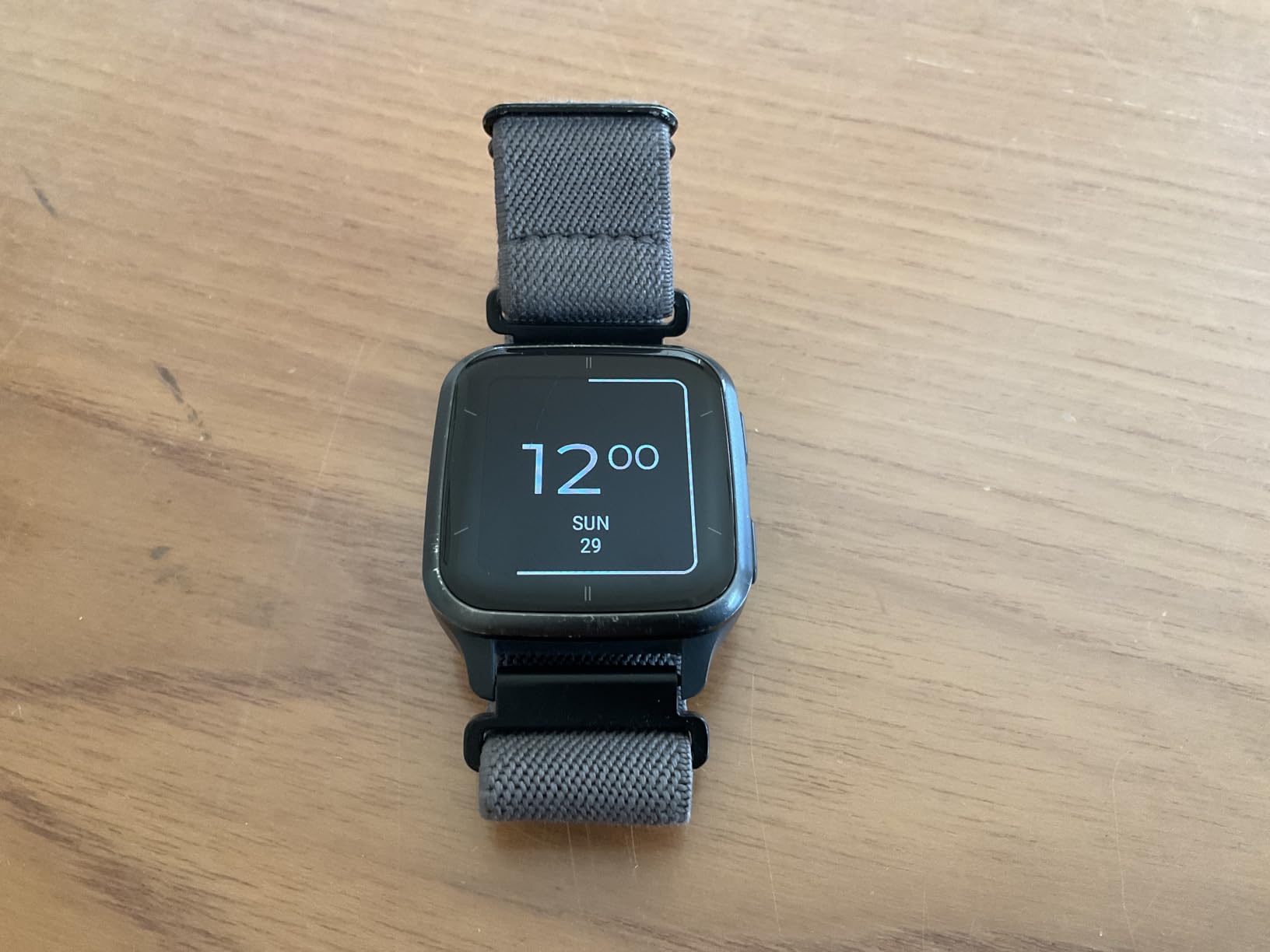
The AMOLED display makes checking data mid-workout effortless. Unlike memory-in-pixel screens that can look washed out in certain light, this display is readable at a glance whether you are swimming in dim pool lighting or running in bright sun. The always-on mode does not significantly impact the impressive 11-day battery life.
For VO2 max training specifically, the Venu Sq 2 tracks your estimated VO2 max across running and cycling. The cycling estimation requires a power meter connection, which brings us to our next recommended product. The watch connects seamlessly to external sensors via Bluetooth and ANT+, giving you flexibility in building your training ecosystem.
The sleep score feature also deserves mention. Poor sleep devastates VO2 max adaptations by limiting recovery hormone release and glycogen restoration. The Venu Sq 2 tracks sleep stages, movement, and SpO2 levels (with compatible accessories) to give you actionable sleep quality data. I noticed my estimated VO2 max stalled during a period of poor sleep, then resumed climbing once I prioritized 8 hours nightly.
3. COOSPO H6 Heart Rate Monitor – Accurate Zone Training on a Budget
- Budget-friendly alternative to premium brands costing 3x more
- Excellent compatibility with virtually all fitness devices and apps
- Accurate readings comparable to medical-grade chest straps
- Dual Bluetooth and ANT+ connectivity
- Dual Bluetooth and ANT+ connectivity for universal pairing
- Long 300-hour battery life with easily replaceable CR2032
- Strap durability concerns with heavy sweating during summer training
- May need to moisten electrodes before dry winter workouts
- Some users report connectivity dropouts with certain Garmin watches
Wrist-based heart rate monitoring works for steady-state efforts, but VO2 max interval training demands accuracy. During high-intensity efforts with rapid heart rate changes and arm movement variations, optical wrist sensors lag and miss peaks. A chest strap measures electrical signals directly from your heart, providing the ±1 BPM precision you need for effective zone training.
The COOSPO H6 delivers this accuracy at a fraction of the cost of name-brand alternatives. I have used it for two years of VO2 max training across all three triathlon disciplines. The readings stay locked on even during the hardest 4×4 intervals when my heart rate hits 175+ BPM and my arms are pumping aggressively.
The dual Bluetooth and ANT+ connectivity proves essential for triathletes with multiple devices. I pair the H6 with my Garmin watch for outdoor runs, with my bike computer for cycling intervals, and with my phone for Zwift sessions on the trainer. The strap remembers multiple connections and switches seamlessly.
Battery life is exceptional. With 300 hours of use from a single CR2032 battery, I replace it roughly once per year despite training 8-12 hours weekly. The battery compartment opens easily without tools, unlike some competing designs that require a coin or screwdriver.
For VO2 max training specifically, the H6 enables precise execution of the Norwegian 4×4 protocol. You need to hit 90-95% of maximum heart rate during the 4-minute work periods. Guessing based on perceived exertion often leads to under-shooting the target intensity, which limits adaptations. The H6 gives you real-time feedback to adjust pace and ensure you are stressing the system sufficiently.
4. Favero Assioma Uno Power Meter Pedal – Data-Driven Cycling Training

- Installs in minutes like regular pedals no mechanic needed
- Rechargeable battery eliminates ongoing replacement costs
- Accurate power measurement for data-driven training
- Bluetooth and ANT+ ensures compatibility with any bike computer
- Cleanable and maintainable design unlike crank-based meters
- Single-sided measurement only on UNO model may miss leg imbalances
- Higher price point than budget alternatives
- Not Prime eligible so shipping takes longer
Cycling VO2 max work demands precise power targets. Unlike running where pace varies with terrain and fatigue, power output is absolute. Two hundred watts today equals two hundred watts next month, regardless of wind, hills, or how you feel. This consistency makes power meters invaluable for VO2 max development.
The Favero Assioma Uno brings power training to any cyclist without permanent bike modifications. Installation requires only a standard pedal wrench. You swap these for your existing pedals in minutes, transfer them between bikes instantly, and remove them when selling your bike. This flexibility appeals to triathletes who often maintain multiple bikes for training and racing.
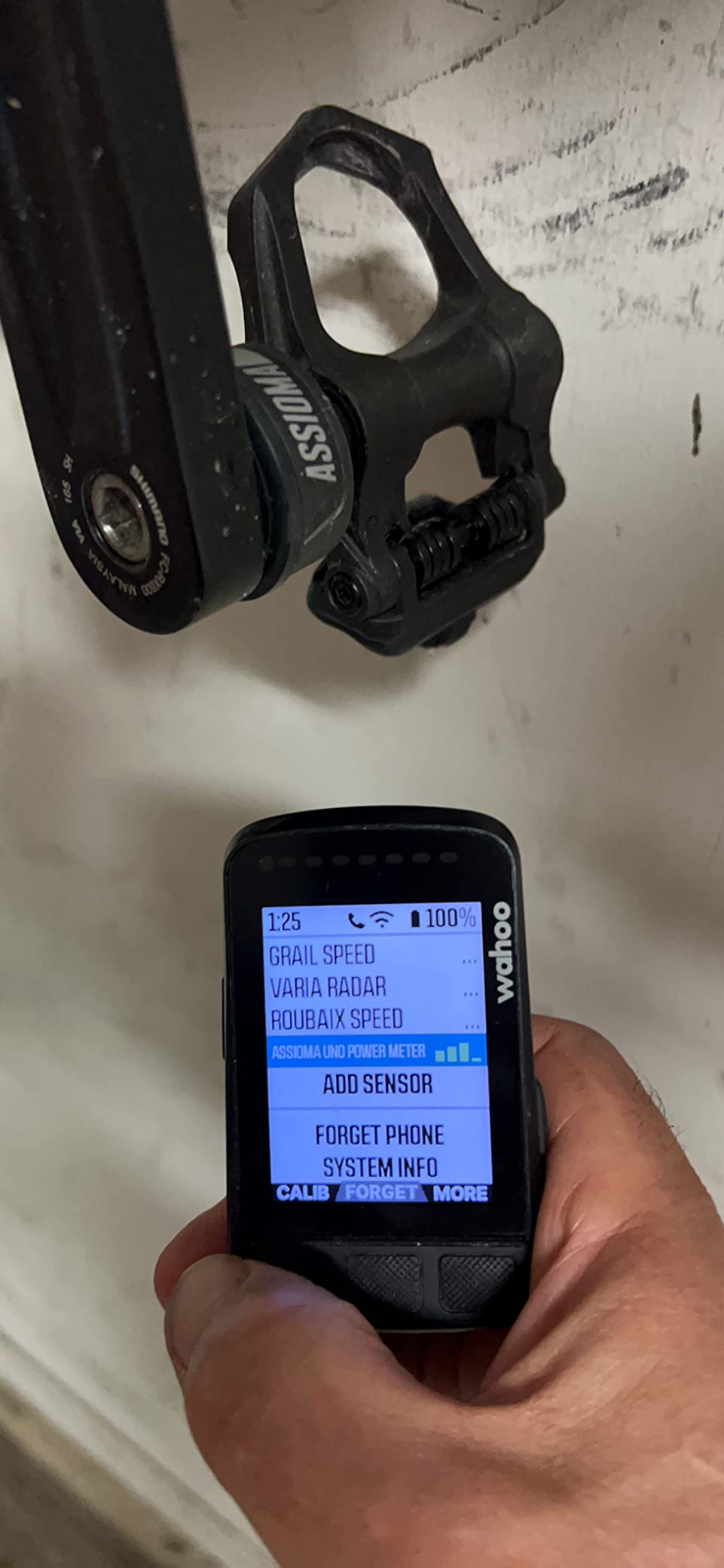
For VO2 max intervals, I program my bike computer with power targets. During 3-minute VO2 max efforts, I hold 105-110% of my FTP. The Assioma provides second-by-second feedback, keeping me honest when fatigue tempts me to ease off. Between intervals, I watch the power drop to Zone 1 levels to ensure adequate recovery before the next effort.
The rechargeable battery eliminates the anxiety of finding rare coin cell batteries before important workouts. Each charge provides 50 hours of use. I recharge monthly, and the process takes 30 minutes via USB. The battery indicator in the companion app warns you when levels drop, so you are never surprised by a dead meter mid-session.
The single-sided measurement of the Uno model assumes your left leg produces 50% of total power. For most athletes, this assumption holds within 1-2%. If you discover a significant leg imbalance through other testing, the DUO model measures both sides independently. But for VO2 max training purposes, the Uno provides sufficient accuracy at a lower price point.
5. Zacurate Pro Series 500DL Pulse Oximeter – Monitor Recovery and Altitude Adaptation

- Highly accurate SpO2 readings validated against medical devices
- Only LED pulse oximeter that reads up to 100% SpO2
- Fast 10-second measurement time
- Large display faces user for easy self-reading
- Accommodates wide range of finger sizes from age 12+
- Excellent value with included batteries and accessories
- Requires proper finger positioning for consistent readings
- Nail polish or artificial nails may affect accuracy
- Limited advanced features compared to hospital-grade units
Blood oxygen saturation (SpO2) and VO2 max share a physiological connection. While VO2 max measures your maximum oxygen processing capacity, SpO2 indicates how effectively your blood carries oxygen to working muscles. Monitoring SpO2 helps triathletes identify overtraining, altitude adaptation status, and respiratory limitations affecting performance.
The Zacurate 500DL provides medical-grade accuracy at consumer pricing. I use it each morning during hard training blocks. Normal SpO2 readings range from 95-100%. If I wake with readings consistently below 94%, it signals insufficient recovery, potential respiratory infection, or altitude effects requiring training modification.
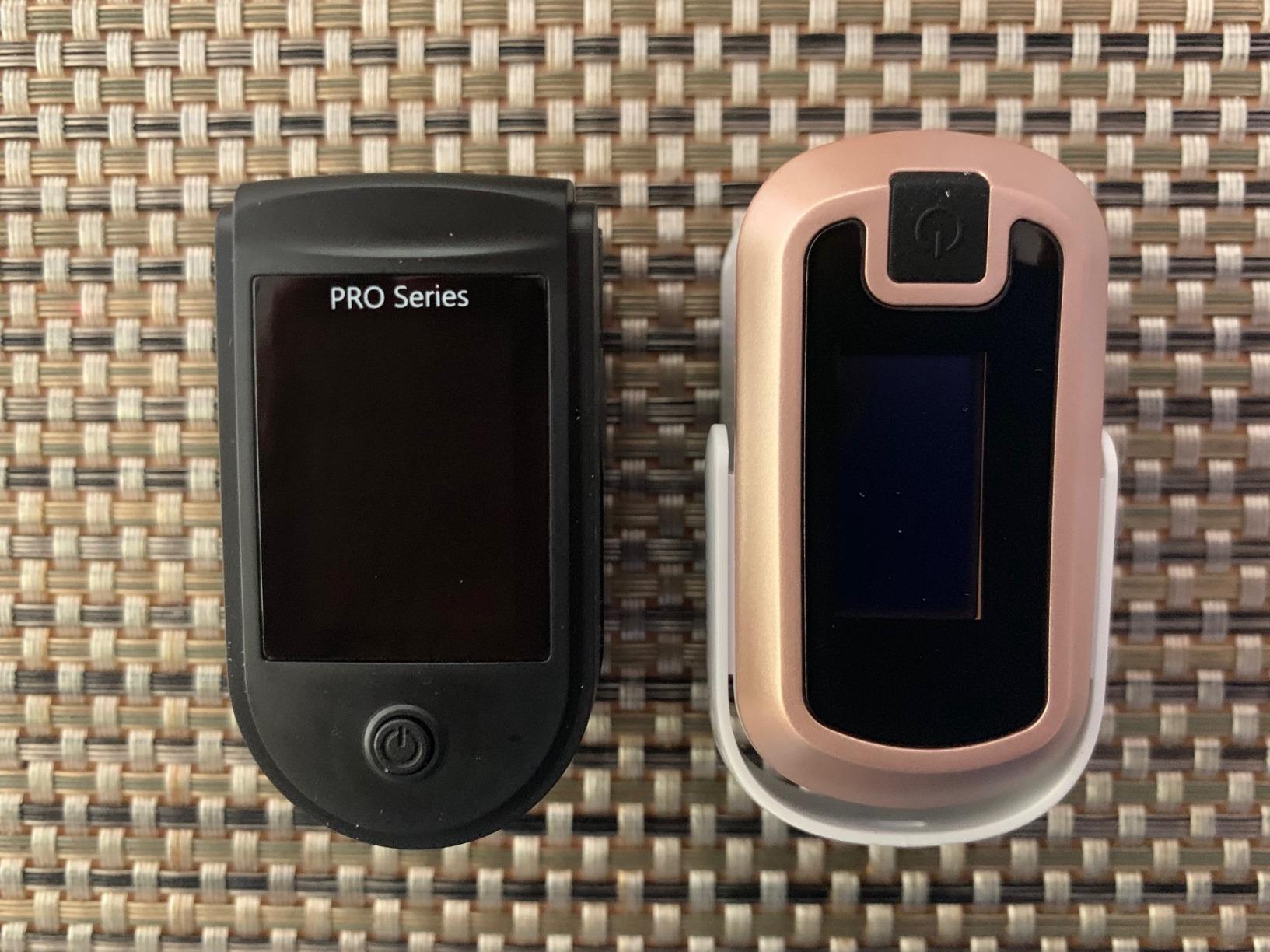
For triathletes training or racing at altitude, this device becomes essential. VO2 max drops approximately 10% for every 1,000 meters of elevation gain due to reduced oxygen partial pressure. The Zacurate helps you track adaptation progress. As your body increases red blood cell production over 2-3 weeks at altitude, resting SpO2 returns toward sea level values. This metric indicates when you have adapted sufficiently to resume high-intensity VO2 max training.
The Smart Spring System accommodates the wide finger size range common among triathletes. Swimmers often develop broader hands and fingers from years of pulling water. Cyclists and runners may have slimmer digits. The device adjusts to fit securely without pinching or loose readings.
I also use this oximeter during VO2 max test sessions. Measuring SpO2 immediately after a hard 4×4 interval sometimes reveals whether my respiratory system limits my performance. If SpO2 drops significantly during intervals, I incorporate specific breathing exercises and inspiratory muscle training alongside my interval work.
Supporting Factors: Nutrition, Recovery, and Periodization
Training stimulus creates the potential for improvement, but supporting factors determine whether that potential becomes reality. Neglecting nutrition, recovery, or intelligent periodization while hammering VO2 max intervals leads to stagnation or overtraining.
Nutrition for VO2 Max Development: High-intensity intervals deplete glycogen rapidly. Ensure adequate carbohydrate availability before VO2 max sessions by consuming 1-4 grams of carbohydrate per kilogram of body weight in the 3-4 hours pre-workout. Post-workout, consume protein and carbohydrates within 30 minutes to maximize mitochondrial protein synthesis. Hydration affects plasma volume and oxygen delivery. Even mild dehydration reduces VO2 max performance.
Sleep and Recovery: Growth hormone release during deep sleep drives the tissue repair necessary for VO2 max adaptation. Aim for 7-9 hours nightly, with consistent sleep and wake times. Heart rate variability monitoring helps identify when your autonomic nervous system has recovered sufficiently for another hard session. HRV scores below your baseline suggest incomplete adaptation.
Periodization for Triathlon: Structure your VO2 max training across the season. Base phase focuses on Zone 2 volume with minimal intensity. Build phase introduces one weekly VO2 max session. Peak phase may increase to two sessions weekly for sprint and Olympic distance athletes. Taper reduces VO2 max work to maintain fitness without fatigue. Ironman athletes typically prioritize threshold work over VO2 max development due to race demands.
Common Mistakes That Prevent VO2 Max Improvement
Forum discussions reveal consistent patterns among triathletes struggling to improve their aerobic capacity. Avoid these pitfalls to ensure your training produces results.
Mistake 1: Going too easy during intervals. VO2 max work must reach 90-95% of maximum heart rate. Many athletes fear the discomfort and unconsciously back off to 85% or below. This trains threshold fitness, not VO2 max. Use a heart rate monitor and respect the numbers even when they hurt.
Mistake 2: Insufficient recovery between efforts. The 3-minute recoveries in the 4×4 protocol exist for physiological reasons. Your heart rate must drop sufficiently to allow high cardiac output during the next interval. Cutting recovery short compromises workout quality.
Mistake 3: Too much intensity, too often. More is not better. Two quality VO2 max sessions weekly beats four mediocre ones. High-intensity work produces rapid results but also rapid fatigue. Respect the 48-hour recovery minimum between hard sessions.
Mistake 4: Neglecting the aerobic base. VO2 max represents your ceiling, but aerobic capacity determines how close to that ceiling you can sustain effort. Without Zone 2 base training, you will lack the substrate utilization efficiency to express your VO2 max potential during races.
Mistake 5: Chasing wearable numbers obsessively. Garmin and other devices estimate VO2 max from heart rate and pace data. These estimates fluctuate with heat, hydration, fatigue, and algorithm updates. Focus on performance trends rather than daily number changes.
Frequently Asked Questions
What is a good VO2 max by age?
VO2 max norms vary by age and sex. For men aged 20-29, excellent is above 55 ml/kg/min, good is 48-55, and average is 42-48. Women in the same age range: excellent above 50, good 44-50, average 38-44. Values decline approximately 1% per year after age 30 without training, but consistent exercise can maintain or even improve VO2 max into your 50s and 60s.
Will walking improve VO2 max?
Walking improves VO2 max for beginners and sedentary individuals by establishing an aerobic base. However, trained athletes require intensities above 80% of maximum heart rate to stimulate further VO2 max adaptation. Brisk walking builds recovery capacity and fat oxidation but should be combined with high-intensity intervals for maximum VO2 max development.
What VO2 max is a 10 minute mile?
A 10-minute mile pace typically corresponds to a VO2 max of approximately 35-40 ml/kg/min depending on age, body weight, and running economy. Runners with better biomechanical efficiency may achieve this pace with lower VO2 max values, while less efficient runners may require higher aerobic capacity to maintain the same speed.
Is 47 a good VO2 max score?
For a 30-year-old male, 47 ml/kg/min represents good aerobic capacity placing you above average for the general population and competitive in age-group triathlons. For a 30-year-old female, 47 is very good, ranking in the top 25% of fitness levels. Context matters: elite male triathletes often exceed 70, while elite females exceed 60 ml/kg/min.
How long does it take to improve VO2 max?
Beginners typically see VO2 max improvements within 4-6 weeks of consistent training, with gains of 10-20% possible in the first 3 months. Well-trained athletes require 8-12 weeks to achieve 2-5% improvements. Genetic factors influence your ceiling, but most triathletes can continue improving for 1-2 years before approaching their personal maximum.
Conclusion
Increasing your VO2 max requires structured high-intensity training, patient base building, and attention to recovery. The Norwegian 4×4 protocol provides the most researched path to improvement. Triathlon-specific workouts address the unique demands of multisport racing. The right tools help you execute sessions precisely and track progress over months.
Start with one VO2 max session weekly during your next training block. Add a second session as you approach race season if targeting sprint or Olympic distances. Prioritize sleep and nutrition to support adaptation. With consistent application of these principles, you will see your estimated VO2 max climb and your race times drop throughout 2026.