
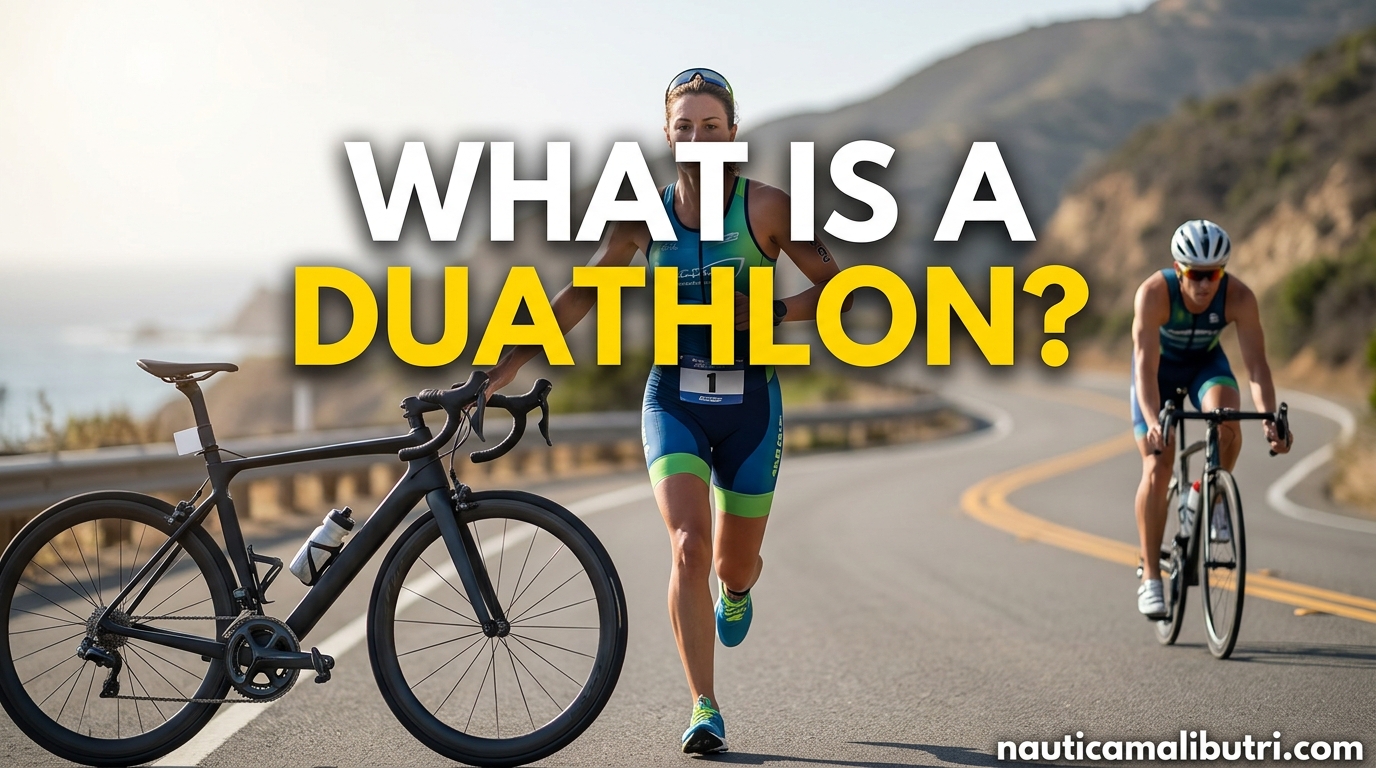
A duathlon is a multi-sport endurance event that combines running and cycling in a continuous run-bike-run format. Unlike a triathlon, there is no swimming involved. This makes it the perfect entry point for athletes who want the challenge of a multi-sport race without the pool or open water component.
I remember signing up for my first duathlon after years of running 5Ks. The idea of adding cycling scared me less than learning to swim efficiently for a triathlon. What I discovered was a sport that tests your endurance in unique ways, with transitions that can make or break your race.
Whether you are a runner looking to add cross-training, a cyclist wanting to improve your running, or someone who simply does not enjoy swimming, a duathlon offers a fantastic multi-sport experience. Let me walk you through everything you need to know about this exciting two-sport race.
Table of Contents
What Is a Duathlon
A duathlon is exactly what the name suggests: a race involving two disciplines. You run, then bike, then run again. The format is deceptively simple but creates unique physical challenges that differ from standalone running or cycling events.
The standard run-bike-run structure tests your ability to switch between muscle groups while maintaining race pace. Your legs will feel different transitioning from running to cycling, and the second run leg after biking is where many beginners struggle. This heavy-legged sensation, while challenging, is part of what makes finishing a duathlon so rewarding.
Duathlons attract a diverse crowd. You will find pure runners testing their cycling legs, triathletes building base fitness during off-season, and cyclists adding running to round out their fitness. The absence of swimming removes a significant barrier for many athletes, making duathlons accessible to anyone with basic running and biking abilities.
Duathlon Distances
Duathlons come in several standard distances, allowing beginners to start small and experienced athletes to test their endurance. Here are the three main categories you will encounter:
Sprint Duathlon: Typically 5K run, 20K bike, 2.5K run. This is the most common beginner distance. Total time usually ranges from 1 to 2 hours depending on fitness level.
Standard Duathlon: Usually 10K run, 40K bike, 5K run. This is the Olympic-distance equivalent in duathlon racing. Expect to spend 2 to 3 hours on the course.
Long Course Duathlon: Often called Powerman events, these feature distances like 10K run, 60K bike, 10K run or even longer formats. These races test serious endurance and can take 4 to 6 hours to complete.
Local races may offer super-sprint distances with shorter legs for absolute beginners. Check race listings in your area to find an event that matches your current fitness level.
How Duathlon Differs from Triathlon
The obvious difference is the missing swim segment. For many athletes, this is the main attraction. You do not need to worry about pool access, wetsuit purchases, or open water anxiety.
However, the physical demands differ in important ways. In a triathlon, the swim provides a full-body warm-up before the bike leg. In a duathlon, your first run is just that: a hard run with cold cycling muscles waiting afterward. The transition from run to bike requires your legs to switch gears immediately.
The bike-to-run transition (T2) in a duathlon hits harder than in a triathlon because you have already run before cycling. Your legs are more fatigued, making that final run leg a true test of mental toughness. Many duathletes say the second run is where races are won or lost.
Training approaches also vary. Duathlon training emphasizes brick workouts combining running and cycling back-to-back. You will spend more time practicing transitions and less time in the pool. The overall weekly training volume can be similar, but the distribution shifts toward run-bike combinations.
Understanding Transitions
Transitions in a duathlon are called T1 and T2. T1 is the switch from the first run to the bike. T2 is the switch from the bike to the second run. Both count toward your total race time, so efficient transitions matter.
T1 (Run to Bike): You finish your first run, enter the transition area, find your bike, put on your helmet (mandatory), and head to the bike mount line. The challenge here is switching from running muscles to cycling muscles. Your legs may feel wobbly for the first few pedal strokes.
T2 (Bike to Run): You dismount before the designated line, rack your bike, remove your helmet, and start your second run. This transition creates the famous heavy leg feeling. Your cycling muscles are pumped with blood, and switching back to running gait feels awkward and slow.
Practicing these transitions during training is essential. Even saving 30 seconds in each transition can improve your overall placement, especially in shorter sprint events where margins are tight.
Equipment You Need
Duathlon requires less gear than triathlon, which helps keep costs down for beginners. Here is what you actually need:
Essential Gear:
- Running shoes that fit well
- A functioning bicycle (road bike, mountain bike, or hybrid)
- Helmet (mandatory at all sanctioned events)
- Comfortable cycling shorts or tri shorts
Recommended Additions:
- Clipless pedals and cycling shoes (improve bike efficiency)
- Sunglasses (eye protection during both disciplines)
- Flat kit or spare tube (mechanical issues happen)
- Race belt for your number
Many first-time duathletes worry about needing an expensive road bike. The reality is that a mountain bike works fine for your first event. I completed my first sprint duathlon on a hardtail mountain bike with knobby tires. You will not be the fastest cyclist out there, but you will finish and learn whether you want to invest in better equipment.
Training Tips for Beginners
Success in duathlon comes from preparing for the unique demands of the run-bike-run format. Standard running and cycling training helps, but you need specific preparation for the transitions and combined fatigue.
Master Brick Workouts: A brick workout combines two disciplines back-to-back. For duathlon training, this means run-bike bricks and bike-run bricks. Start with short combinations: run 15 minutes, bike 30 minutes, or bike 45 minutes, run 15 minutes. These sessions teach your body to handle the heavy leg sensation.
Pace the First Run: The most common beginner mistake is running the first leg too hard. Remember, you still have the entire bike leg and another run ahead. Start conservatively and negative split if possible.
Practice Transitions: Set up a mock transition area in your driveway or a park. Time yourself changing from run to bike and bike to run. Lay out your gear exactly as you will on race day. Smooth transitions save minutes without requiring additional fitness.
Train the Bike-to-Run Feeling: That awkward, heavy feeling when you start the second run never fully disappears, but you can reduce it through training. Weekly bike-run bricks help your neuromuscular system adapt to the switch. Within a few weeks, you will notice the second run feels less terrible.
Common Mistakes to Avoid
Learning from others errors can save you pain on race day. Here are the mistakes I see most often from beginner duathletes:
Going Out Too Hard on the First Run: Your fresh legs feel great, so you hammer the first 5K. Then you suffer through the bike and crawl the final run. Start at a conversational pace and build.
Neglecting Transition Practice: Flying mounts and dismounts look cool, but smooth, safe transitions beat flashy crashes every time. Practice until your transition routine is automatic.
Forgetting Helmet Rules: Your helmet must be buckled before you unrack your bike and must stay buckled until after you rack your bike at T2. Race officials will penalize or disqualify you for violations.
Poor Pacing on the Bike: The bike leg is not a recovery session. Push hard enough to make gains, but save enough for the second run. A power meter helps, but perceived exertion works if you stay honest with yourself.
Skipping Brick Workouts: You cannot fake the bike-to-run transition on race day. Without specific training, the second run will shock your system.
Frequently Asked Questions
What is a duathlon distance?
Duathlons come in three main distances. Sprint duathlons typically feature a 5K run, 20K bike, and 2.5K run. Standard duathlons use a 10K run, 40K bike, 5K run format. Long course duathlons, sometimes called Powerman events, feature extended distances like 10K run, 60K bike, 10K run.
Is a duathlon harder than a triathlon?
Duathlons and triathlons present different challenges rather than one being universally harder. Duathlons skip the swimming but require managing two run legs with a bike in between. The bike-to-run transition creates heavy legs that many find tougher than the triathlon run-after-bike feeling. Beginners often find duathlons more accessible due to the lack of swimming.
Can duathlon be swimming and running?
No, a duathlon is specifically a run-bike-run event with no swimming involved. The term duathlon refers to running and cycling only. If you want a swimming and running event, you would be looking for an aquathlon, which combines swimming and running without the cycling component.
What do you wear during a duathlon?
Most duathletes wear tri shorts or cycling shorts with a running top or cycling jersey. Tri shorts work well because they have a thinner chamois that does not interfere with running. You will wear the same outfit for both runs and the bike leg. A race belt holds your number, and a helmet is mandatory whenever you are touching your bike.
Do I need a special bike for duathlon?
No special bike is required for duathlon. Road bikes, mountain bikes, and hybrids are all acceptable at most amateur events. Time trial or triathlon bikes offer aerodynamic advantages but are not necessary for beginners. The best bike for your first duathlon is the one you already own and know how to ride.
How do I train for my first duathlon?
Start with your current running and cycling fitness as a base. Add one brick workout per week, either run-bike or bike-run. Practice transitions to save time on race day. Build your longest run and ride to exceed race distances so the actual event feels manageable. Most beginners can prepare for a sprint duathlon in 8 to 12 weeks.
Conclusion
A duathlon is a run-bike-run multi-sport endurance event that offers all the excitement of racing without the swimming component. Whether you are building toward a future triathlon, seeking a new challenge as a runner, or simply prefer keeping your races on land, duathlons provide an accessible and rewarding experience.
The format tests your ability to transition between disciplines, pace yourself wisely, and push through the challenging second run when your legs feel like concrete. With proper brick workout training and attention to transition efficiency, anyone with basic running and cycling fitness can complete a sprint duathlon.
If you have been curious about multi-sport racing but intimidated by the swim, a duathlon might be your perfect starting point. Find a local sprint event, commit to 8 to 12 weeks of training, and discover why so many athletes fall in love with this two-sport challenge.