
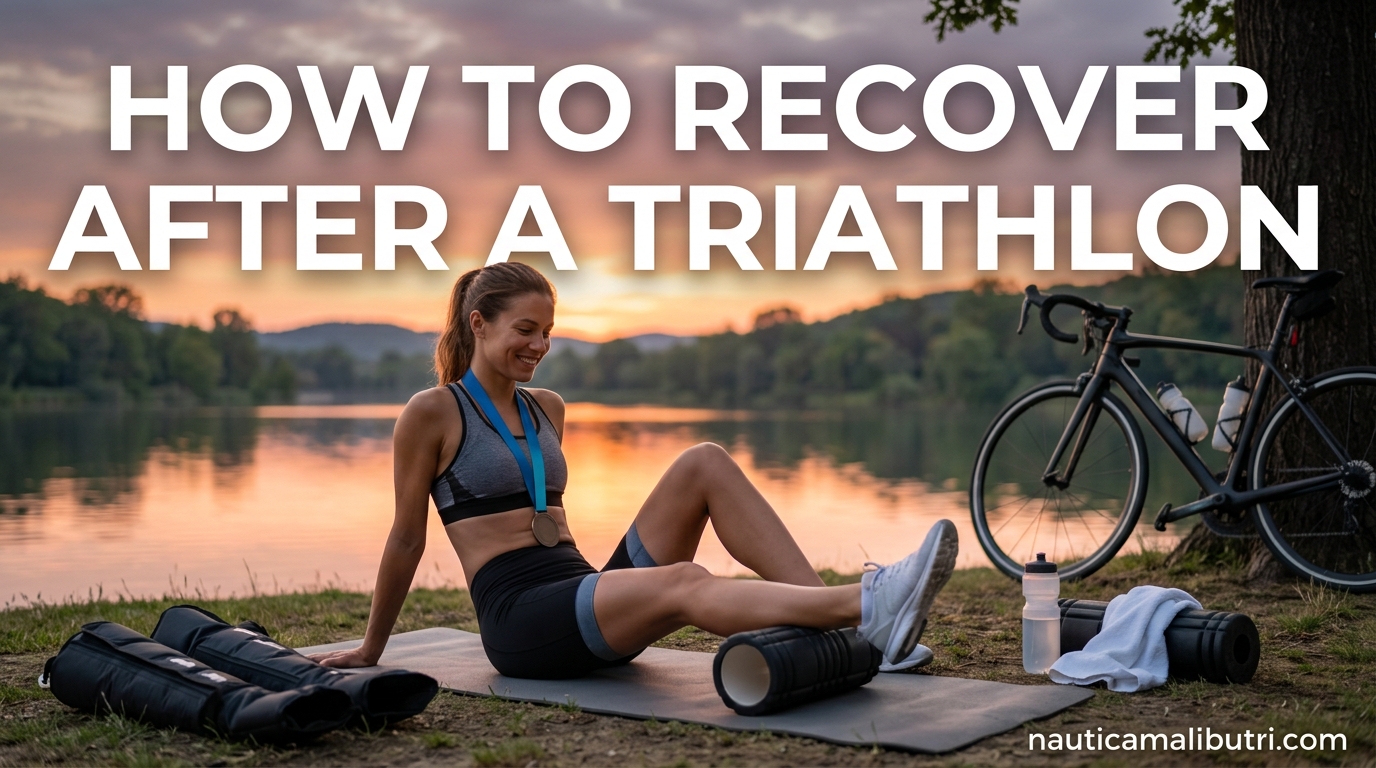
Crossing the finish line of a triathlon is one of the most rewarding moments in endurance sports. Whether you completed your first sprint distance or conquered a full Ironman, your body has just endured hours of sustained exertion across swimming, cycling, and running. Knowing how to recover after a triathlon is just as important as the training you put in before race day.
I have coached triathletes for over a decade, and I have seen the difference between athletes who prioritize recovery and those who rush back into training. The ones who recover properly come back stronger, avoid injuries, and maintain their enthusiasm for the sport. Those who skip recovery steps often face extended fatigue, nagging injuries, or early-season burnout.
This guide will walk you through every phase of triathlon recovery, from the moment you cross the finish line through your return to full training. You will learn specific nutrition targets, sleep requirements, active recovery techniques, and mental decompression strategies that work for athletes at every level.
Table of Contents
Triathlon Recovery Timeline by Race Distance
Recovery time varies significantly based on the distance you raced. Here is a quick reference for how long your body needs to fully recover before returning to serious training:
- Sprint Triathlon (750m swim, 20km bike, 5km run): 5 to 7 days for full recovery
- Olympic Triathlon (1.5km swim, 40km bike, 10km run): 7 to 10 days for full recovery
- Half Ironman / 70.3 (1.9km swim, 90km bike, 21.1km run): 10 to 14 days for full recovery
- Full Ironman / 140.6 (3.8km swim, 180km bike, 42.2km run): 14 to 21 days for full recovery, with some athletes needing up to 4 weeks
These timeframes represent complete physiological recovery, not just when you feel good enough to jog. Your muscles, hormones, and immune system all need time to return to baseline after the stress of race day.
Immediate Post-Race: The First 30 Minutes
The actions you take in the first 30 minutes after finishing are the most critical for starting your recovery properly. This period sets the foundation for everything that follows.
Keep Moving After You Finish
Resist the urge to collapse immediately after crossing the line. Your body needs to transition gradually from race pace to rest. Walk slowly through the finish chute for at least 5 to 10 minutes. This gentle movement helps maintain blood circulation, which prevents blood from pooling in your legs and reduces the risk of dizziness or fainting.
Walking also helps your heart rate descend gradually rather than dropping abruptly. An abrupt stop after intense exercise can cause blood pressure drops that leave you feeling lightheaded or nauseous.
The 20-Minute Metabolic Window
Your body has a approximately 20-minute window after exercise when it can absorb nutrients most efficiently. During this time, your muscles are primed to take in glucose and amino acids to begin repairing the micro-damage caused by hours of exertion.
Aim to consume 20 to 30 grams of protein and 40 to 60 grams of carbohydrates within this window. This 2:1 or 3:1 carb-to-protein ratio optimizes glycogen replenishment while providing the building blocks for muscle repair. A recovery shake is ideal here because it is easy to consume when your appetite might be suppressed after racing.
Chocolate milk has become a popular recovery drink because it delivers this ratio naturally, along with electrolytes and fluid. Many athletes also use dedicated recovery shakes designed specifically for post-endurance nutrition.
Hydration Starts Immediately
Begin drinking fluids as soon as you finish, even if you do not feel thirsty. Your body has likely lost more fluid than you realize during the race. Start with 500ml of water or an electrolyte drink in the first hour after finishing.
Your urine should return to a pale yellow color within 4 to 6 hours of finishing. Dark urine indicates ongoing dehydration that will delay your recovery if not addressed.
Change Out of Wet Clothes
Once you have walked through the finish area and consumed your initial recovery nutrition, change into dry clothes as soon as possible. Wet triathlon suits or running clothes can cause chafing and keep your body temperature lower than optimal for recovery.
The First 24 Hours: Setting Up Your Recovery
The first full day after your triathlon is about giving your body the resources it needs to repair itself. This means proper nutrition, adequate hydration, and prioritizing sleep above all else.
Nutrition Strategy for Day One
Your calorie needs will be elevated for 24 to 48 hours after racing. Your metabolic rate remains higher than normal as your body repairs muscle tissue and replenishes glycogen stores. Do not restrict calories during this period, even if your appetite is reduced.
Target 1.4 to 2.2 grams of protein per kilogram of body weight spread throughout the day. This higher protein intake supports muscle protein synthesis, which is the process of repairing the micro-tears in your muscle fibers caused by the race.
Continue emphasizing carbohydrates alongside your protein. Your muscles can only store about 500 grams of glycogen total, and a long triathlon can deplete most of these stores. Full replenishment takes 24 to 48 hours with adequate carbohydrate intake.
Include anti-inflammatory foods like tart cherries, blueberries, fatty fish, and leafy greens. These foods can help manage the inflammatory response that naturally follows intense exercise.
Sleep Is Your Number One Priority
If there is one thing experienced triathletes agree on, it is that sleep equals speed when it comes to recovery. Most of your muscle repair and hormone rebalancing happens during deep sleep stages.
Aim for 8 to 10 hours of sleep the night after your race. This may be challenging because many athletes find it difficult to sleep after racing due to lingering adrenaline and cortisol. Create a sleep-friendly environment by keeping your room cool, dark, and quiet. Avoid screens for at least an hour before bed.
If you cannot fall asleep easily, do not stress about it. Simply lying down with your eyes closed provides some recovery benefit. Consider a short nap the following afternoon if your nighttime sleep was poor.
Light Movement Only
Avoid complete bed rest during the first 24 hours. Light walking, gentle stretching, or easy swimming for 15 to 20 minutes promotes blood flow to your muscles without adding stress.
This light movement helps clear metabolic waste products from your muscles and delivers nutrients to tissues that need repair. Think of it as active recovery rather than training. Your heart rate should stay low, and you should feel better after the movement, not more tired.
Days 2 to 7: Active Recovery Phase
The first week after your triathlon focuses on active recovery techniques that promote healing without adding training stress. This is when you can incorporate specific recovery modalities to accelerate your return to full function.
Cold Therapy and Ice Baths
Cold water immersion, commonly called ice baths, can help reduce inflammation and muscle soreness in the first 48 to 72 hours after racing. The cold causes blood vessels to constrict, which may help flush metabolic waste from your muscles.
If you choose to use cold therapy, limit sessions to 10 to 15 minutes in water between 10 to 15 degrees Celsius. Longer or colder sessions can be counterproductive and may actually delay muscle repair.
Wait at least 6 hours after finishing your race before taking an ice bath. Your muscles need some time to begin the inflammatory repair process naturally before cold exposure. After 72 hours post-race, switch to warm baths or contrast therapy if you want to continue hydrotherapy.
Massage and Bodywork
Massage can be beneficial during the first week, but timing matters. Wait at least 24 hours after your race before getting a deep tissue massage. Your muscles need time for initial recovery before aggressive manipulation.
Schedule a lighter, flushing massage between 24 and 48 hours post-race. This type of massage focuses on promoting circulation rather than deep tissue work. Wait until day 3 or 4 for any deep tissue work on specific tight areas.
If professional massage is not available, self-massage with a foam roller or massage gun can help. Keep the pressure moderate and avoid working any areas that are extremely tender or bruised.
Compression Gear Benefits
Compression socks, tights, or boots can aid recovery by promoting venous return and reducing swelling in your legs. Many athletes find wearing compression gear for several hours during the first few days after racing helps their legs feel fresher.
Wear compression gear during the day while resting or during light activity. You do not need to sleep in compression gear unless you find it comfortable. The benefits come from wearing them during waking hours when gravity causes fluid to pool in your lower legs.
Active Recovery Workouts
Starting on day 2 or 3, you can begin short active recovery sessions. These should feel almost effortless and should leave you feeling better than when you started.
- Days 2 to 3: 20 to 30 minutes of easy walking, light cycling, or gentle swimming at conversational pace
- Days 4 to 5: 30 to 40 minutes of easy movement, possibly including very light jogging if your legs feel good
- Days 6 to 7: 40 to 60 minutes of easy aerobic activity, keeping heart rate in zone 1
These sessions are not training. They exist solely to promote circulation and maintain movement patterns while your body repairs itself. If you feel any lingering soreness or fatigue, keep the sessions shorter or skip them entirely.
Monitoring Your Recovery
Pay attention to these indicators during your first week:
- Morning heart rate: If your resting heart rate remains elevated by more than 10 beats above your normal baseline, you need more rest
- Sleep quality: Poor sleep indicates your nervous system is still stressed
- Muscle soreness: Delayed onset muscle soreness typically peaks at 48 hours and should improve after day 3
- Energy levels: General fatigue should gradually improve throughout the week
Week Two and Beyond: Returning to Training
The second week marks your transition from pure recovery back into structured training. The key word here is gradual. Your body may feel ready, but your systems are still rebuilding.
Signs You Are Ready to Train
Before resuming normal training, check for these signs:
- Your morning resting heart rate has returned to your pre-race baseline
- You have had two consecutive nights of good sleep without difficulty falling asleep
- Muscle soreness has resolved completely
- You feel mentally eager to train, not just obligated
- Your appetite has normalized
- You can complete daily activities without unusual fatigue
If you have checked all these boxes, you are likely ready to begin the return to training process. If several are still missing, give yourself a few more days.
The Graded Return Protocol
Do not jump straight back into your pre-race training volume. Instead, follow a graded return that rebuilds your fitness systematically.
- Week 2: 50 to 60 percent of your normal training volume, all at easy intensity
- Week 3: 70 to 80 percent of normal volume, introducing light intensity sessions
- Week 4: Return to full volume if your body is responding well, or continue building gradually if you still feel residual fatigue
For Ironman athletes, this timeline extends. Many professional triathletes take 3 to 6 weeks before resuming serious training after a full Ironman. Your endocrine system, in particular, needs extended time to rebalance after the extreme stress of a 140.6-mile race.
Warning Signs You Are Pushing Too Soon
Watch for these indicators that you have returned to training too quickly:
- Persistent muscle soreness that does not resolve with easy training
- Decreased performance in workouts despite feeling recovered
- Disrupted sleep patterns returning
- Increased resting heart rate
- Irritability or decreased motivation
- Frequent illness or feeling run down
If you experience these symptoms, back off your training immediately and return to recovery focus for several more days. Pushing through will only dig you into a deeper hole.
Mental Recovery: The Overlooked Component
Physical recovery is only half the equation. Your mind needs time to decompress after the mental intensity of race preparation and execution. This aspect of recovery is rarely discussed but critically important.
The Post-Race Blues
Many triathletes experience a period of low mood or lack of motivation in the days following a race. This is completely normal. You have spent months building toward a specific goal, and suddenly that goal is behind you.
The combination of physical exhaustion, hormonal changes, and psychological letdown can create genuine feelings of sadness or emptiness. Acknowledge these feelings rather than fighting them. They are a sign that you cared deeply about your race, which is something to be proud of.
Processing Your Race Experience
Take time to reflect on your race while it is fresh in your mind. Write down what went well, what you learned, and what you might do differently next time. This mental processing helps you extract value from the experience and creates closure.
Share your experience with training partners, friends, or family who understand what you accomplished. The social connection reinforces the meaning of your achievement and helps counter any post-race loneliness.
Mental Decompression Strategies
Give yourself permission to think about something other than triathlon for a few days. Read books unrelated to sports, spend time with non-triathlete friends, or pursue hobbies you set aside during training.
Meditation or mindfulness practice can help calm your nervous system after the prolonged stress of race preparation. Even 10 minutes of quiet breathing exercises can shift your mental state toward recovery.
Avoid making immediate decisions about your next race or training block. Let your mind rest for at least a week before committing to new goals. Decisions made in the immediate post-race period often do not reflect your true priorities.
Avoiding Burnout
The biggest mistake I see athletes make is planning their next race before they have recovered from the current one. This creates a cycle of perpetual fatigue that eventually leads to burnout or injury.
Take a true off-season if your race was a season goal. A few weeks of unstructured movement will not hurt your fitness, and it will protect your long-term enthusiasm for the sport. You will come back mentally fresh and physically ready to build for your next challenge.
Complete Triathlon Recovery Nutrition Guide
Proper nutrition accelerates every aspect of your recovery. Here is a detailed breakdown of what your body needs and when.
Protein Requirements by Body Weight
Protein provides the amino acids your muscles need to repair damage and build new tissue. During recovery, aim for 1.4 to 2.2 grams of protein per kilogram of body weight daily.
- 60kg athlete: 84 to 132 grams of protein daily
- 70kg athlete: 98 to 154 grams of protein daily
- 80kg athlete: 112 to 176 grams of protein daily
- 90kg athlete: 126 to 198 grams of protein daily
Spread this protein intake across 4 to 6 meals rather than concentrating it in one or two large meals. Your body can only utilize about 30 to 40 grams of protein at once for muscle synthesis.
Carbohydrate Timing and Amounts
Carbohydrates replenish your glycogen stores and provide energy for the recovery process. In the first 24 hours after racing, consume 7 to 10 grams of carbohydrates per kilogram of body weight.
Prioritize easily digestible carbohydrates immediately after your race. Fruit, rice, pasta, bread, and potatoes are good choices. As your digestive system normalizes over the following days, include more complex carbohydrates and fiber.
Hydration Calculator
Use this simple method to ensure adequate hydration:
- Weigh yourself before your race and immediately after
- Each kilogram of weight lost equals approximately 1 liter of fluid deficit
- Drink 150 percent of your fluid deficit over the next 4 to 6 hours
For example, if you lost 2 kilograms during your race, you need to consume 3 liters of fluid in the recovery period. This includes water, sports drinks, and water content from foods.
Include electrolytes with your fluids, especially sodium. Your sweat contains salt, and replacing only water can dilute your blood sodium levels. Sports drinks, broth, or salty foods all help restore electrolyte balance.
Anti-Inflammatory Foods for Recovery
While some inflammation is necessary for muscle repair, excessive inflammation delays recovery. Include these foods to manage inflammation naturally:
- Tart cherry juice: Contains anthocyanins that reduce inflammation
- Fatty fish: Salmon, mackerel, and sardines provide omega-3 fatty acids
- Leafy greens: Spinach and kale contain antioxidants and magnesium
- Berries: Blueberries and strawberries reduce oxidative stress
- Turmeric: Contains curcumin, a powerful anti-inflammatory compound
- Ginger: Natural anti-inflammatory that also aids digestion
Frequently Asked Questions About Triathlon Recovery
How long does it take to recover after a triathlon?
Recovery time depends on race distance. Sprint triathletes typically need 5 to 7 days, Olympic distance requires 7 to 10 days, Half Ironman takes 10 to 14 days, and Full Ironman requires 14 to 21 days for complete physiological recovery. Your age, fitness level, and race intensity all affect individual recovery time.
What should I eat immediately after finishing a triathlon?
Consume 20 to 30 grams of protein and 40 to 60 grams of carbohydrates within 20 minutes of finishing. This 2:1 or 3:1 ratio optimizes recovery. A recovery shake, chocolate milk, or banana with a protein source works well. Eat solid food within 2 hours when your appetite returns.
When can I start training again after a triathlon?
Wait until your morning resting heart rate returns to baseline, muscle soreness has resolved, and you feel mentally eager to train. Typically this means 5 to 7 days for Sprint, 7 to 10 days for Olympic, 10 to 14 days for Half Ironman, and 14 to 21 days for Full Ironman races.
Is it normal to feel depressed after a triathlon?
Yes, post-race blues are common and normal. Months of buildup toward a goal creates psychological investment, and the sudden absence of that focus can leave you feeling empty. Combined with physical exhaustion and hormonal changes, this creates temporary low mood that typically resolves within a week.
Should I get a massage after a triathlon?
Massage can help recovery, but timing matters. Wait at least 24 hours after racing before any deep tissue work. Schedule a light, circulation-focused massage between 24 and 48 hours post-race. Deep tissue massage is best saved for day 3 or 4 when initial acute recovery has occurred.
How do I reduce muscle soreness after a triathlon?
Reduce soreness with cold water immersion in the first 48 hours, light walking and gentle movement to promote circulation, compression gear to reduce swelling, adequate protein intake for repair, and proper sleep. Delayed onset muscle soreness typically peaks at 48 hours and improves after day 3.
Final Thoughts: Respect the Recovery Process
Learning how to recover after a triathlon is one of the most valuable skills you can develop as an endurance athlete. The training you do breaks your body down. Recovery is when you build back stronger.
Follow the timeline outlined in this guide based on your race distance. Prioritize sleep above all else, fuel your body with adequate protein and carbohydrates, and give yourself permission to rest both physically and mentally. The athletes who respect this process are the ones who enjoy long, successful careers in the sport.
Your next race will come. For now, celebrate what you accomplished, take care of your body, and trust that proper recovery now will lead to better performance later. You earned this rest.