
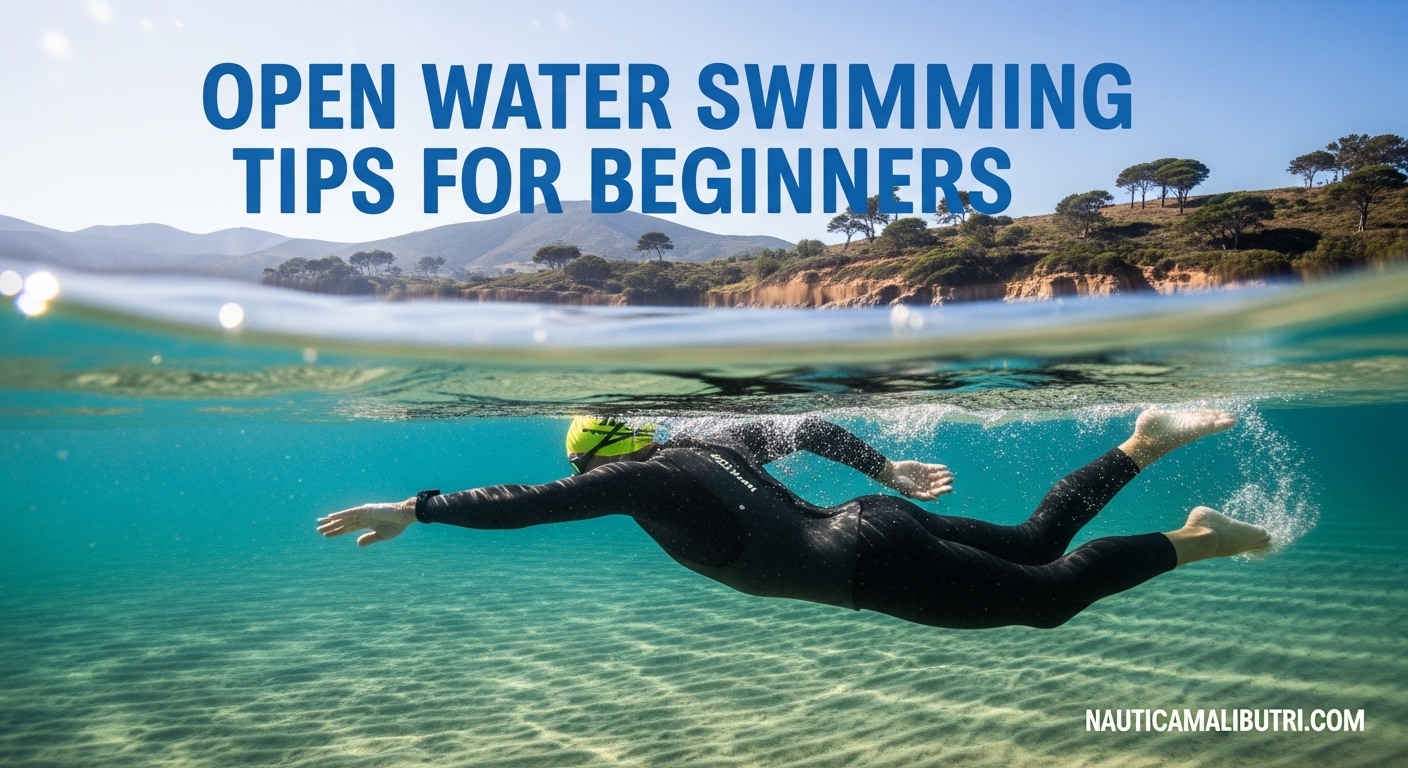
Standing at the edge of a lake or the shoreline, looking out at the open water, feels completely different from standing at a poolside. The vastness can be intimidating. Yet there is something magnetic about open water swimming that draws thousands of beginners every year to trade the chlorinated confines of their local pool for lakes, rivers, and seas.
I remember my first open water swim vividly. Despite being a competent pool swimmer, that initial plunge into cold, dark water triggered a primal fear response. My breathing went haywire. I could not see the bottom. Every shadow looked like it might be something alive. That experience taught me that open water swimming tips for beginners are not just helpful. They are essential for safety and enjoyment.
This guide shares everything I have learned from coaches, experienced swimmers, and personal trial and error. Whether you are preparing for your first triathlon, seeking a new fitness challenge, or simply curious about wild swimming, these techniques will help you enter the water with confidence.
Table of Contents
Open Water Swimming Tips for Beginners: Safety First
The golden rule of open water swimming is simple and non-negotiable. Never swim alone. Even experienced swimmers follow this rule religiously. Water conditions can change instantly. Cold water shock can incapacitate the strongest athletes. Having someone with you, or at minimum someone watching from shore, provides a safety net that could save your life.
Before every swim, tell someone your exact plans. Share your entry point, intended route, estimated duration, and expected return time. If you do not return when expected, they know to raise the alarm. Many experienced swimmers use waterproof phone pouches or GPS watches that allow tracking by friends or family.
Check conditions before you swim. Look up tide times if you are swimming in the sea. Check weather forecasts for wind speed and direction. Strong winds create chop that makes sighting difficult and swimming exhausting. Understand rip currents and how to escape them by swimming parallel to shore rather than fighting directly against them.
Start in shallow water close to the shore. You can always swim further as your confidence builds. Many beginners make the mistake of heading straight for deep water. This removes the psychological safety net of being able to stand up if needed. Build your comfort zone gradually.
Essential Equipment for Your First Open Water Swim
Having the right gear makes your first open water experience significantly more comfortable and safer. You do not need to invest a fortune, but a few key items are worth the expense.
A wetsuit is the most important piece of equipment for most beginners. It provides buoyancy, which helps your body position in the water, and insulation against cold temperatures. For swimming, you need a proper swimming wetsuit, not a surfing or diving suit. Swimming wetsuits have flexible shoulders that allow full range of motion for your stroke. They are also more hydrodynamic, reducing drag as you move through the water.
When choosing a wetsuit, fit is everything. Too loose and water flushes through, making you cold. Too tight and you cannot breathe properly. Most manufacturers provide sizing charts based on height and weight. If you are between sizes, try both. Many triathlon shops offer wetsuit hire, which is perfect for testing before committing to a purchase.
Tinted or polarised goggles are essential for outdoor swimming. Clear pool goggles work poorly in bright sunlight. Look for goggles with UV protection and anti-fog coating. Many open water swimmers prefer larger lens masks over traditional pool goggles because they provide a wider field of vision, which helps with sighting.
A tow float is a brightly coloured inflatable that attaches to your waist with a short leash. It serves multiple purposes. It makes you visible to boats, kayakers, and other water users. It provides something to hold onto if you need a rest. Some models include dry bags for storing keys, phone, and nutrition. Brightly coloured swim caps serve a similar visibility purpose. Choose orange, pink, or yellow over black or dark colours.
Earplugs help prevent cold water from entering your ears, which reduces the risk of ear infections and helps prevent dizziness caused by the caloric reflex. Neoprene swim socks and gloves extend your swimming season into colder months. Anti-chafing products like petroleum jelly or specialist balms prevent wetsuit rub, particularly around the neck.
Sighting Technique: How to Swim in a Straight Line
One of the biggest shocks for pool swimmers transitioning to open water is discovering they cannot swim in a straight line. Without the black line on the pool floor or lane ropes to guide you, swimmers typically zigzag, adding significant distance to their swims.
Sighting is the technique of lifting your eyes to see where you are going without disrupting your stroke rhythm. Poor sighting costs energy and time. Good sighting keeps you on course with minimal effort.
The most effective sighting method for beginners is called the alligator eyes technique. As your leading arm enters the water and your head naturally rotates for a breath, lift your eyes just enough to look forward. Your eyes should barely break the surface, like an alligator’s eyes peeking above water. This minimizes drag and keeps your body position streamlined.
Pick a landmark before you start swimming. Buoys are obvious targets during races or organised swims. In training, choose something tall and distinct: a tree, building, or pylon. Avoid choosing something low to the water or that blends into the background. Water level affects how landmarks appear, so reconfirm your target periodically.
Sight every six to eight strokes as a beginner. More experienced swimmers might sight less frequently, but until you develop a reliable sense of direction, frequent checks keep you on course. In choppy conditions, time your sighting with the wave pattern. Look as the wave crest passes, giving you the clearest view.
Practice sighting in the pool before attempting it in open water. Try swimming with your eyes closed for several strokes to simulate the lack of visual cues. Notice how quickly you drift off course. Then practice the alligator eyes lift during every third breath. Pool practice builds the motor pattern so it feels natural when you need it outdoors.
Breathing Techniques for Open Water Conditions
Breathing in open water presents challenges that rarely exist in pools. Waves and chop can splash into your mouth just as you try to inhale. Cold water temperatures trigger gas reflex, making breath control difficult. Wind direction can create a wall of water on one side of your body.
Bilateral breathing, meaning breathing on both left and right sides, is an essential skill for open water swimming. In a pool, breathing to one side might be a comfortable habit. In open water, it can be a liability. If waves or wind are coming from your breathing side, you will swallow water with every breath. Being able to switch sides allows you to breathe away from the chop.
Practice bilateral breathing in the pool until it feels natural. Start by breathing every three strokes, alternating sides. Many swimmers have a preferred side that feels stronger. Work on your weaker side specifically. Count strokes to maintain rhythm. Some swimmers prefer a 2-3-2-3 pattern, taking two breaths to one side, then three strokes with a breath to the other, then back to two.
Exhale continuously underwater. Holding your breath creates carbon dioxide buildup, which increases anxiety and the urge to breathe. A steady stream of bubbles should escape your nose and mouth throughout the underwater phase of your stroke. This leaves your lungs empty and ready to inhale immediately when your face clears the water.
When waves are present, time your breathing with the wave pattern. As a wave passes, there is often a moment of relative calm in the trough behind it. That is your breathing window. In rough conditions, you might need to breathe more frequently, perhaps every two strokes rather than three, to ensure adequate air intake.
How to Acclimatise to Cold Water: A Step-by-Step Guide
Cold water is one of the biggest barriers for beginner open water swimmers. Water temperatures below 15 degrees Celsius trigger cold water shock, an involuntary gasp reflex that can cause hyperventilation and panic. Acclimatisation is the process of gradually adapting your body to cold water exposure, reducing the shock response and making swimming comfortable and safe.
Follow this step-by-step process to acclimatise safely:
Step 1: Start in summer or early autumn when water temperatures are at their warmest. In the UK and northern Europe, this typically means July through September. Beginning your open water journey when water is 18 to 20 degrees gives you time to adapt as temperatures gradually drop through autumn.
Step 2: Enter the water slowly. Do not jump or dive in. Walk in gradually, splashing water on your wrists, neck, and face as you go. This alerts your nervous system to the temperature change and begins the acclimatisation process before full immersion.
Step 3: Focus on your breathing for the first minute. The initial cold water shock causes an involuntary gasp. Consciously extend your exhales and slow your inhale. Box breathing works well: inhale for four counts, hold for four, exhale for four, hold for four. Repeat until your breathing normalises.
Step 4: Keep moving. Stationary floating allows heat to escape rapidly. Begin swimming easy freestyle immediately, building intensity gradually as your body generates heat. The first two minutes are the hardest. After that, most swimmers find a rhythm where cold becomes manageable.
Step 5: Limit your first few swims to ten minutes regardless of how you feel. Cold water can impair judgment. Set a timer on your watch or tow float. Build duration gradually over multiple sessions, adding five minutes per week as autumn progresses.
Step 6: Exit the water before you feel uncomfortably cold. Shivering while still in the water is a sign you have stayed too long. Learn to recognise the early warning signs: teeth beginning to chatter, fingers losing dexterity, or a sudden feeling of warmth that paradoxically indicates significant core temperature drop.
Consistency matters more than duration. Short, regular swims build cold tolerance faster than occasional long sessions. Swimming twice weekly maintains your acclimatisation through winter. Stopping for several weeks means starting the process over again.
Pool Training That Prepares You for Open Water
You do not need open water access to prepare for open water swimming. Specific pool drills develop the skills that transfer directly to lakes, rivers, and seas.
Practice sighting in every pool session. Even though you have a black line to follow, simulate open water conditions. Lift your head to sight every six strokes, just as you would outdoors. Try the Tarzan drill: swim with your head completely out of the water, looking forward, using a high elbow recovery. This strengthens your neck and back muscles while practicing the sighting position.
Swim without touching the walls to simulate continuous open water swimming. In open water, there are no walls to push off. You must maintain momentum continuously. Try swimming ten lengths without stopping or pushing off. This builds endurance and teaches pacing without the artificial rest of wall turns.
Practice bilateral breathing until it becomes automatic. Dedicate entire sets to breathing every three strokes, then every five, forcing adaptation to both sides. Use a centre snorkel occasionally to focus purely on stroke technique without breathing complications, then remove it and apply the technique with normal breathing.
Drafting practice requires a swim buddy. Swim directly behind another swimmer’s feet, staying close enough to benefit from their slipstream without touching them. You will immediately feel reduced resistance. Practice rotating positions so you both experience leading and following. In triathlons, drafting saves enormous energy, but even in casual swimming, understanding how to follow another swimmer helps group cohesion and safety.
Swim in crowded lanes to simulate the mass start chaos of triathlon events. Having other swimmers around you, bumping elbows occasionally, prepares you for the contact that occurs in open water races. Many beginners panic at the first touch from another swimmer. Pool practice normalises contact so you can stay calm.
Managing Fear and Anxiety in Open Water
Fear is the most common experience for beginner open water swimmers. I have heard it described as terrifying, paralysing, and overwhelming by swimmers who are completely comfortable in pools. Understanding that this fear is normal, and having strategies to manage it, separates swimmers who quit from those who fall in love with the sport.
The fear response is biological, not a character flaw. Open water triggers primal survival instincts. Deep water, cold temperatures, poor visibility, and isolation from solid ground activate the sympathetic nervous system. Your heart rate spikes. Adrenaline floods your system. Breathing becomes rapid and shallow. Recognising these responses as physiological rather than psychological is the first step in managing them.
Mental preparation before your swim makes a significant difference. Visualise success, not failure. Before entering the water, spend two minutes breathing deeply and imagining yourself swimming calmly, breathing easily, and finishing your planned distance. Visualisation primes your nervous system for positive outcomes.
Start with a short out-and-back route. Knowing that you are never more than a few minutes from shore provides psychological security. Many beginners fear being swept away or unable to return. A simple parallel-to-shore route, swimming fifty meters out and back, keeps the exit point constantly visible.
If panic strikes despite preparation, know how to respond. Switch to breaststroke immediately. Breaststroke allows you to keep your head above water, see your surroundings, and control your breathing. Float on your back if needed. Most tow floats support your weight if you need to stop completely. Signal to your swim buddy if you have one.
The RNLI teaches a technique called Float to Live that every open water swimmer should know. If you find yourself struggling, relax back into the water. Extend your arms and legs like a starfish. Tilt your head back to keep your face clear. Breathe slowly and regularly. Floating keeps you at the surface with minimal effort, conserving energy and calming the panic response. Practice floating in a pool first. Many swimmers discover they can float indefinitely with minimal effort, which transforms their confidence.
Join a local swimming group. Swimming with experienced open water swimmers accelerates your learning and provides immediate safety support. Groups know the safest entry points, understand local conditions, and provide moral support during the challenging early sessions. The open water swimming community is famously welcoming to beginners.
Afterdrop: What It Is and How to Handle It
Afterdrop is a phenomenon that surprises many beginners. You finish your swim feeling relatively comfortable, perhaps even warm. Ten minutes later, you are shivering uncontrollably. This delayed cold response is afterdrop, and understanding it prevents dangerous situations.
When you swim in cold water, blood vessels in your extremities constrict, shunting warm blood to your core to protect vital organs. Your hands and feet become numb. Your core temperature drops gradually but remains protected. When you exit the water, the constricted peripheral blood vessels reopen. Cold blood from your limbs returns to your core, causing a sudden drop in core temperature.
The danger lies in thinking you are fine immediately after swimming. You might skip proper warming up, delay changing, or drive home wet. Then afterdrop hits while you are behind the wheel or unable to get warm quickly. This is when hypothermia becomes a real risk.
Exit the water before you feel very cold. As mentioned in the acclimatisation section, shivering in the water means you have stayed too long. Learn your limits conservatively. Ten minutes of swimming safely beats twenty minutes followed by dangerous afterdrop.
Have warm, dry clothes ready immediately. Do not rely on towels alone. Lay out your changing clothes before you swim so they are waiting when you exit. Prioritise covering your head and torso. A thick beanie and warm layers on your core provide more warming benefit than trousers over cold legs.
Change out of your wetsuit quickly. Wet neoprene against skin continues conducting heat away. Even standing in a wetsuit delays recovery. Dry off and get into warm clothes as fast as possible. Many swimmers use changing robes, oversized waterproof coats that allow you to change underneath while protected from wind.
Drink a warm, sweet beverage. The sugar provides quick energy for your body to generate heat. The warm liquid warms you from inside. Avoid alcohol. It dilates blood vessels and accelerates heat loss, worsening afterdrop despite the temporary warming sensation.
Keep moving gently after your swim. Light walking generates metabolic heat. Vigorous exercise can be counterproductive, diverting blood to muscles when your core needs it. Gentle movement, warm clothes, and a hot drink form the perfect recovery protocol.
Triathlon-Specific Open Water Tips
If you are preparing for a triathlon, open water swimming takes on additional dimensions. Race day conditions differ significantly from casual training swims. Mass starts, buoy turns, and the urgency of transition add complexity that pool training cannot fully replicate.
Practice swimming in a wetsuit before race day. Wetsuits change your body position, buoyancy, and stroke feel. Some swimmers find the constriction around the chest triggers anxiety. Discovering this during your race is disastrous. Train in your wetsuit at least three times before competing.
Learn to sight while swimming straight lines between buoys. Triathlon swim courses rarely follow straight lines due to wind, currents, and course design. You might sight a buoy directly ahead yet need to angle your swimming direction significantly to reach it. Practice swimming at angles to your sighting target.
Buoy turns require practice. Sharp turns cost momentum and energy. Approach the buoy wide, turn tightly around it, then get back on course. Drafting behind other swimmers around buoys saves energy, but be prepared for contact. Elbows and feet collide in tight spaces. Stay calm and keep moving.
Mass starts create chaos. Hundreds of swimmers converge on the same small space. Arms and legs everywhere. Water churned into froth making breathing impossible. Start at the back or side if you are nervous. Let the main pack go, then find clear water and your own rhythm. Time lost in positioning is regained through calmer swimming.
Practice exit strategy. Triathlon swims end with a run to transition. Your legs feel like jelly after horizontal swimming. Practise swimming until your hand touches bottom, then standing and immediately jogging. This vertigo-inducing transition becomes manageable with practice.
How do I get better at open water swimming?
You get better at open water swimming by practicing consistently, starting with short sessions and gradually building distance. Focus on bilateral breathing, practice the alligator eyes sighting technique, and train in a pool to build fitness that transfers to open water. Joining a local swim group accelerates improvement through safety, support, and learning from experienced swimmers.
What is the 80/20 rule in swimming?
The 80/20 rule in swimming means 80% of your training should be at low intensity, and 20% at high intensity. This polarised training approach builds aerobic endurance without excessive fatigue, allowing your body to adapt and improve consistently over time.
Does swimming help a blocked nose?
Swimming can help relieve a blocked nose by thinning mucus through the humid environment and gentle exercise. However, cold water swimming might temporarily worsen congestion for some people. Warm pool swimming is generally more beneficial for nasal congestion than cold open water.
What is the 25/10 rule in swimming?
The 25/10 rule refers to a pacing strategy where you swim at a pace you could maintain for 25 minutes, but only swim for 10 minutes at that effort. This builds aerobic fitness sustainably. The rule emphasises swimming conservatively to develop endurance rather than racing every session.
Conclusion: Your Open Water Swimming Journey Starts Now
Open water swimming tips for beginners come down to preparation, patience, and respect for the environment. Start with safety fundamentals. Never swim alone. Invest in proper equipment. Master the techniques of sighting and bilateral breathing. Acclimatise to cold water gradually. Learn to manage fear through mental preparation and the Float to Live technique. Understand afterdrop and how to recover properly.
The transformation from terrified first-timer to confident open water swimmer happens gradually. Every successful swim builds confidence. Every challenge overcome adds to your capability. The open water swimming community welcomes newcomers warmly, eager to share the joy of swimming in nature.
Your next step is simple. Find a local swim group or designated swimming venue. Check the safety protocols. Gather your essential gear. Take that first plunge. The water is waiting.