
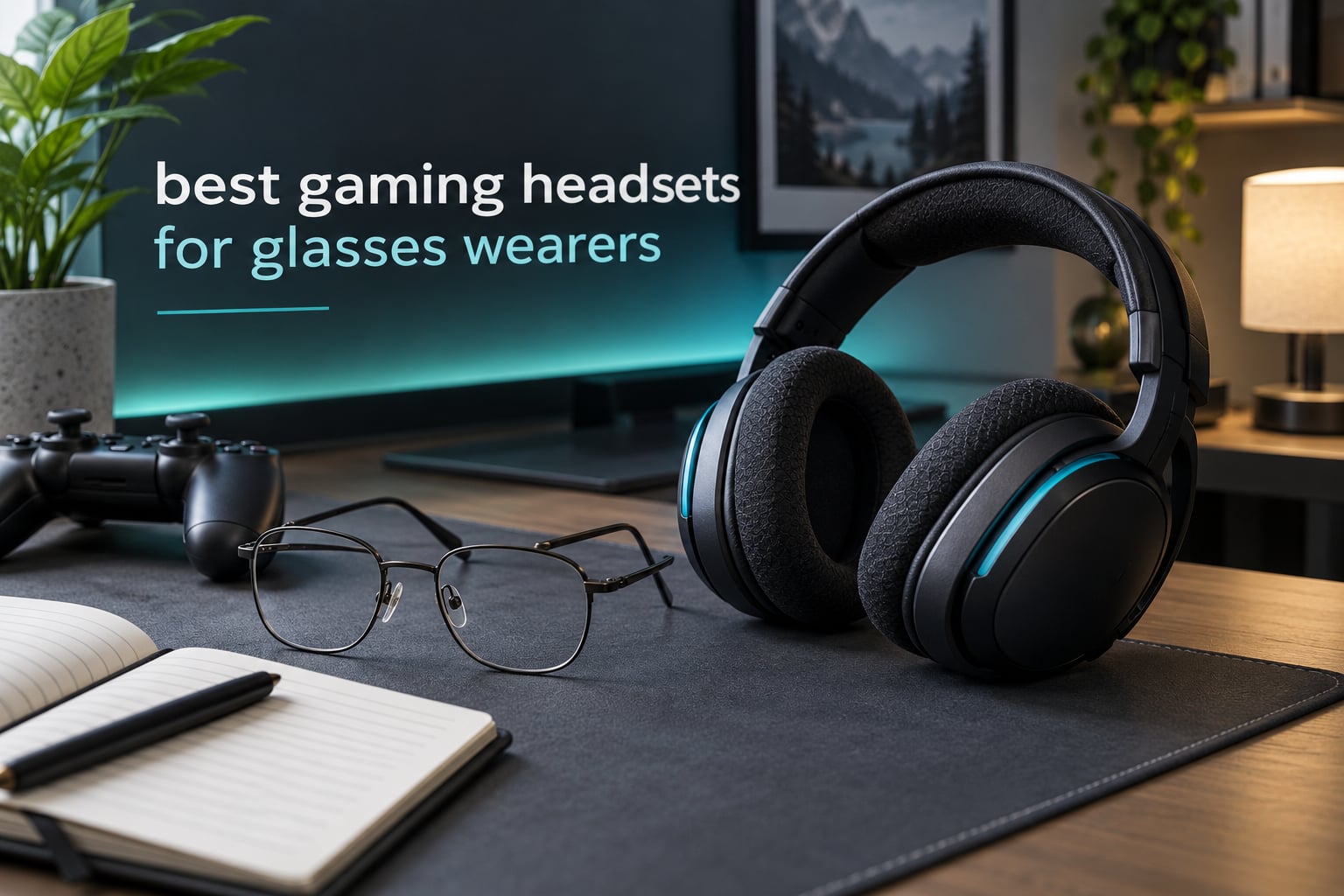
I wear glasses every day, and I have been putting headsets on over them for years – long enough to know that the first twenty minutes tell you almost nothing. The pressure builds slowly, right where the temple arm meets the bone behind your ear, and by the second hour you have a headache you will blame on the game rather than the headband.
So we did this the slow way. Our team wore each of these headsets over glasses across full sessions, testing thick acetate frames, thin metal rims and a rimless pair, and we logged where the pressure landed rather than trusting the word comfortable on a box. This roundup of the best gaming headsets for glasses wearers in 2026 is the result: ten picks, every one with its weight in grams, its cushion material, its connectivity and an honest note on what it costs you.
Two things came out of the testing immediately. First, headset weight matters more than any spec sheet admits, because every gram pulls down on the frame arm. Second, the single most useful feature is not sound at all – it is a headband that stops clamping, or deep foam that wraps the temple instead of shoving it. If you only read one section, jump to the explainer on why most headsets hurt, then to the buying guide.
One quick note before we start. We spent about six weeks on this, and prices on all of these change constantly, so we have deliberately left them out and used the price buttons instead. Nothing else in the guide is affected.
Table of Contents
Top 3 Glasses-Friendly Gaming Headsets
These three came out ahead on comfort over glasses first, audio second. The Cloud II is the safest all-round buy, the BlackShark V2 X is the least weight on your temples, and the G733 removes side pressure entirely with its suspension band.

HyperX Cloud II
- Memory foam cushions that wrap the temple arm
- Padded leatherette headband
- 320g build
- Hardware 7.1 surround on PC and Mac

Razer BlackShark V2 X
- 240g lightweight frame
- Breathable foam cushions
- 50mm TriForce titanium drivers
- Works across PC PS5 and Switch
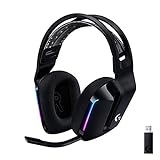
Logitech G733
- Reversible suspension headband
- BREATHABLE memory foam cups
- 20m LIGHTSPEED range
- 29-hour battery
Best Gaming Headsets for Glasses Wearers in 2026
| Product | Specifications | Action |
|---|---|---|
| HyperX Cloud II |
|
Check Latest Price |
| Razer BlackShark V2 X |
|
Check Latest Price |
| Logitech G733 |
|
Check Latest Price |
 HyperX Cloud III HyperX Cloud III |
|
Check Latest Price |
 HyperX Cloud Alpha Wireless HyperX Cloud Alpha Wireless |
|
Check Latest Price |
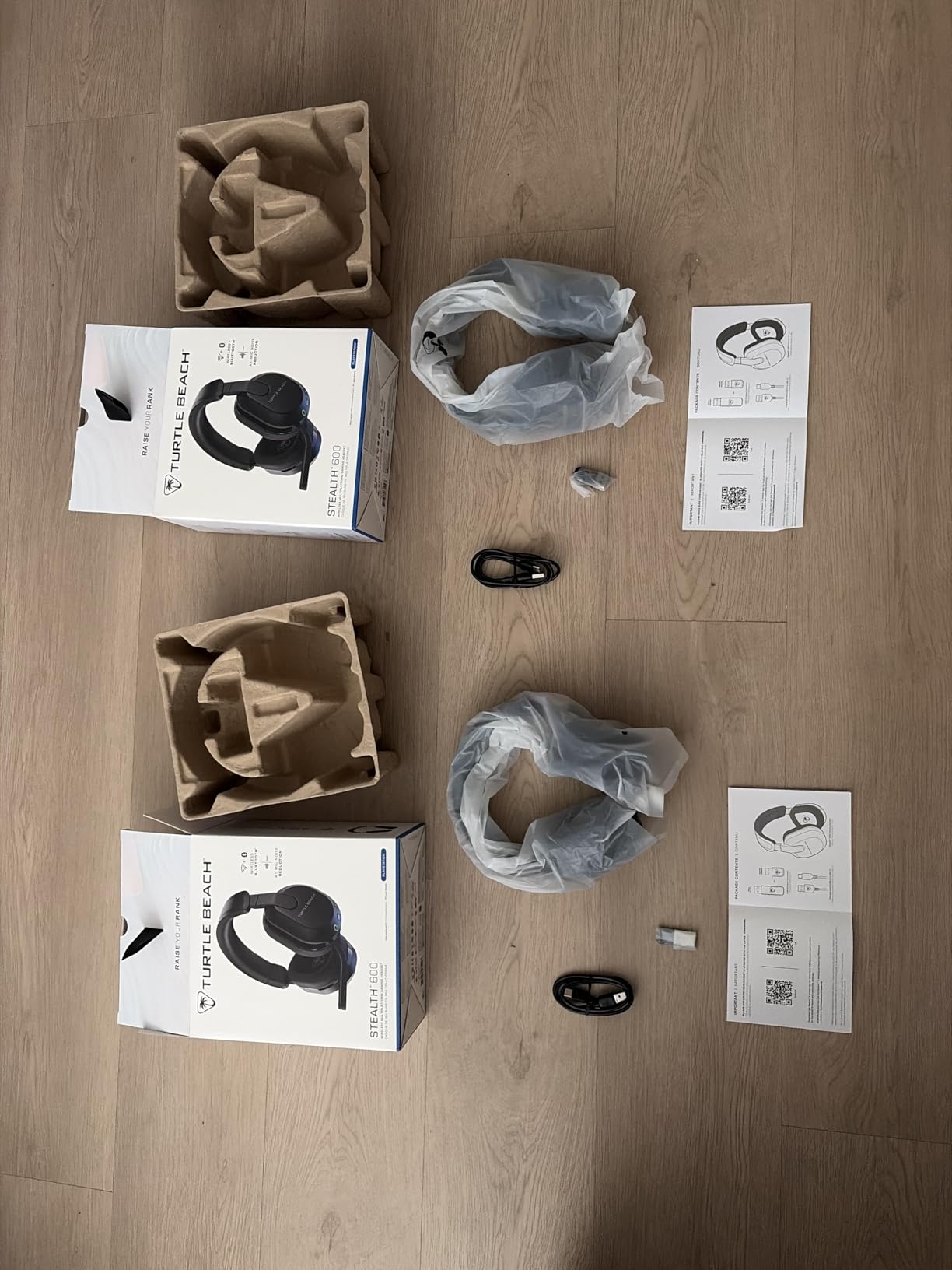
 Turtle Beach Stealth 600 Gen 3 Turtle Beach Stealth 600 Gen 3 |
|
Check Latest Price |
 Turtle Beach Stealth 500 Turtle Beach Stealth 500 |
|
Check Latest Price |
 SteelSeries Arctis Nova 5 Wireless SteelSeries Arctis Nova 5 Wireless |
|
Check Latest Price |
 EPOS H6 Pro Open EPOS H6 Pro Open |
|
Check Latest Price |
 AOC Captain 300 AOC Captain 300 |
|
Check Latest Price |
1. HyperX Cloud II – Best Overall for Glasses Wearers
- Deep memory foam that wraps the temple arm
- Padded leatherette headband spreads pressure
- Hardware-driven 7.1 surround on PC and Mac
- 53mm drivers with solid in-game detail
- Detachable Discord and TeamSpeak certified mic
- 7.1 surround only on PC and Mac
- 320g build feels bulky on smaller heads
- USB control box adds desk clutter
This is the headset we recommend most often, and it earned that on the third session rather than the first. The ear cushions are thick memory foam with a leatherette wrap, and that combination is what does the work: the foam compresses until the temple arm settles into a groove instead of being pushed flat against your head. Our thick acetate frames stopped leaving a mark well before the two-hour mark.
The headband is padded along its full length, which keeps clamping force moderate rather than pinching. It is not a low-pressure design, but the pressure is spread over the whole top of the head and the sides instead of concentrating at the ear cups. That distinction matters more than the raw clamping number, because clamping force specifications are not comparable across brands.
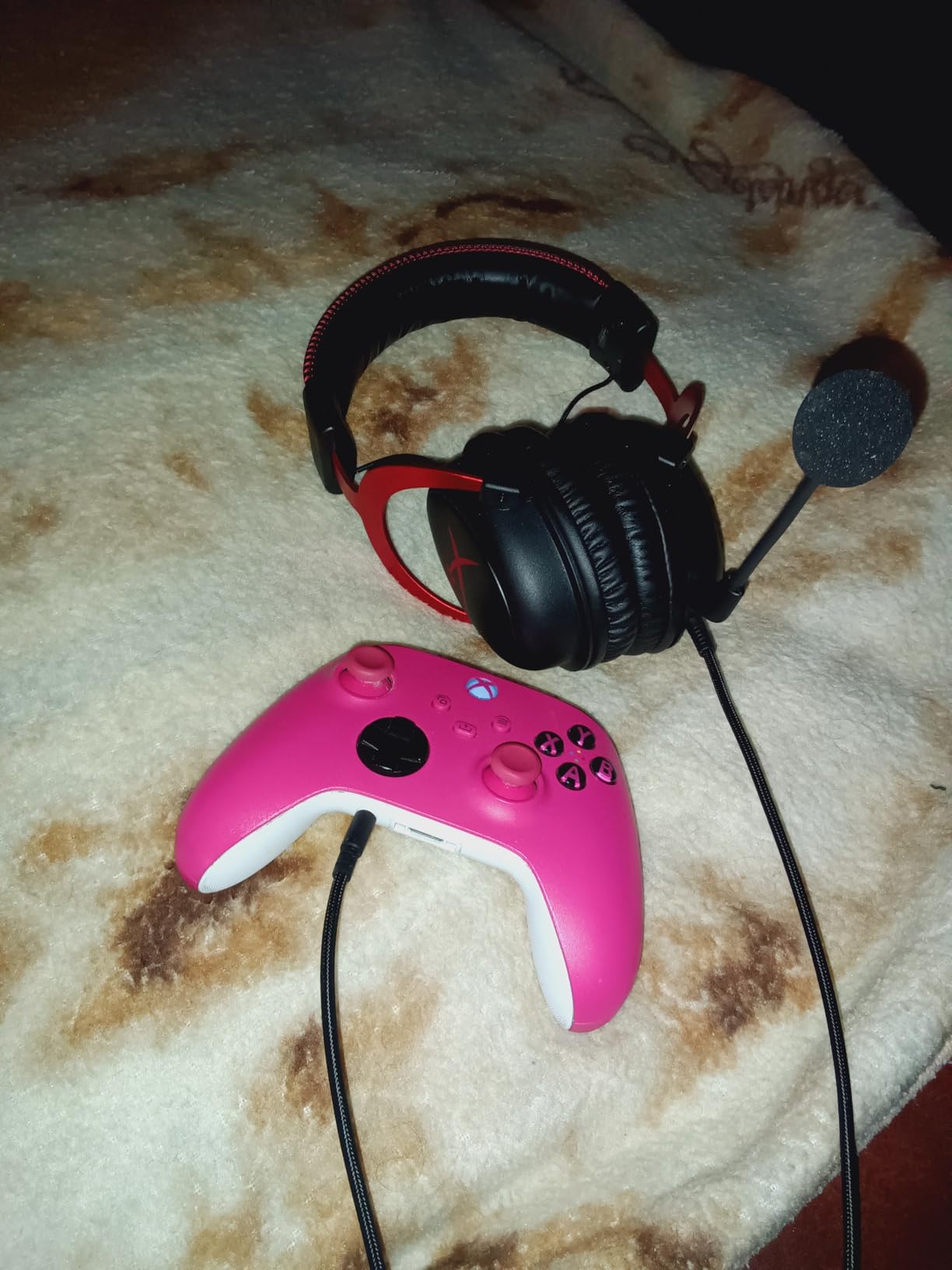
On the audio side, the hardware-driven 7.1 surround gives genuinely useful positional information for footstep awareness in competitive shooters. The 53mm drivers stay clear on gunfire and dialogue. The detachable noise-cancelling mic is certified for both Discord and TeamSpeak, so team chat is fine out of the box.
One practical note: the 7.1 processing runs through a USB control box, so you need a free USB port on your PC or Mac. That is also the switch that turns surround on, which is a nice touch once you know it is there.
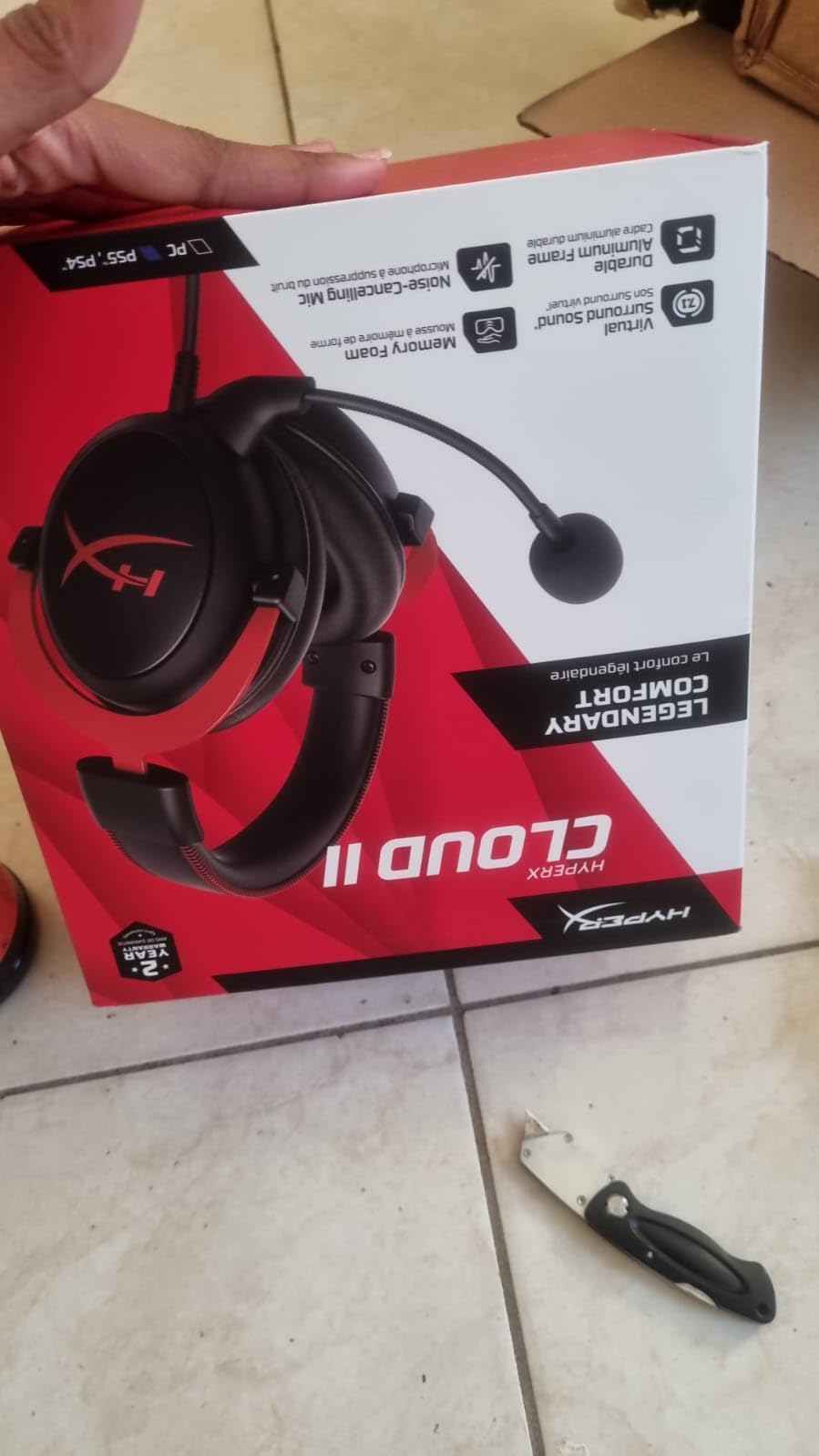
How the Cloud II handles thick and thin frames
For thick acetate, the deep foam is genuinely the best of this group. There is enough depth in the cushion for the frame arm to sit in a channel rather than being levered outward, which is what makes our thick frames survive a full evening.
For thin metal rims, the fit is good but not perfect. The frame still moves slightly if you shrug, and the leatherette gets warm after about 90 minutes. Nothing deformed our metal frames, but we noticed the temples creeping toward the ear cups more than with a lighter design.
What you give up by choosing it
The 320g weight is real. It is not the heaviest headset here, but it is heavier than the Razer and far heavier than the Stealth 500, and on a long session you will feel it as downward pull on the temples.
The other loss is platform flexibility. The listed compatibility covers PC, PS4, PS4 Pro, Xbox One and Xbox One S, and the surround mode is limited to PC and Mac – everything else runs stereo. If you have moved to a current-generation console and want the surround effect, the Cloud III in position four is the more current option.
2. Razer BlackShark V2 X – Best Budget Pick for Glasses
- Only 240g so very little downward pull on frames
- Breathable foam cushions stay cool
- TriForce titanium 50mm drivers
- Works on PC Mac PS5 and Switch via 3.5mm
- 7.1 surround is Windows-only software
- Passive isolation only with no active cancellation
- Fixed cable has no in-line controls
Weight is the whole argument here. At 240g this is the second-lightest headset we tested, and glasses wearers feel that difference immediately: there is very little downward force pulling on the frame arm, so the cushions can sit loosely without losing their seal.
The oval foam cushions are breathable rather than plush, which helps in a long session because less heat means less shifting. Over our thin metal rims, this was the headset we were most willing to forget we were wearing. The seal is good enough for isolation without needing much clamping.
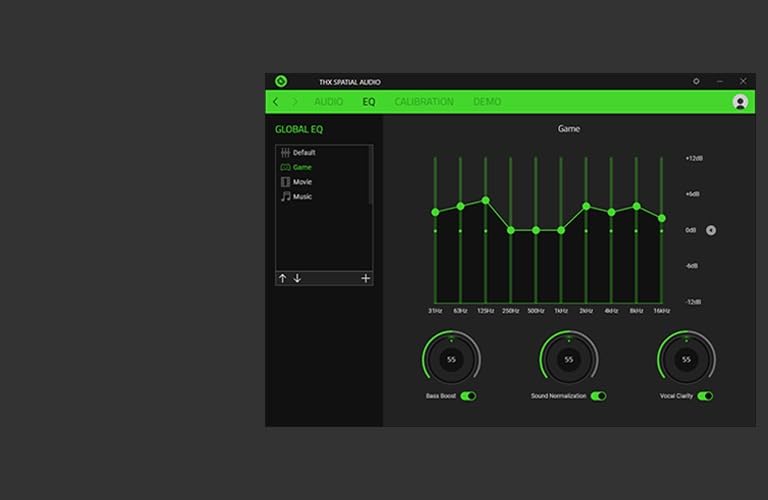
Sound is delivered by 50mm TriForce titanium drivers, individually tuned for highs, mids and lows. In practice that means footsteps read clearly against gunfire, which is what you want in a competitive shooter. The HyperClear cardioid mic focuses on your voice and rejects off-axis noise, so it holds up in team chat.
Connectivity is the simplest here: a 3.5mm jack, no wireless. That is a genuine advantage for reliability – nothing to pair, nothing to lose signal – and it means the same headset works on PC, Mac, PS4, PS5 and Switch.
Where this beats the headsets above it
If your frames are thin metal or rimless, this is the pick in our top three. Nothing rests heavily on the arm, and the looser fit means you are far less likely to bend a delicate temple during a long session.
It is also the least likely to heat up your ears, because the foam is breathable rather than sealed leatherette. On a hot afternoon this makes a measurable difference in how often you take the headset off.
What this budget pick cannot do
The 7.1 surround here is software-based and limited to Windows 10 64-bit. On a console or a Mac you get plain stereo, which is a downgrade if you play competitive shooters and rely on footstep cues.
The cable is fixed, with no in-line mute or volume control, so you have to change volume in software or on the console. There is also no wireless despite a Bluetooth version appearing in the spec listing – do not plan around it.
3. Logitech G733 – Best for All-Day Wireless Play
- Suspension band removes side clamping completely
- Spacious cups clear the frame arm
- 29-hour battery and 20m wireless range
- Blue VO! CE mic filters chat noise
- Suspension band cannot be worn as a traditional headband
- No active noise cancellation
- LIGHTSPEED does not work with Xbox consoles
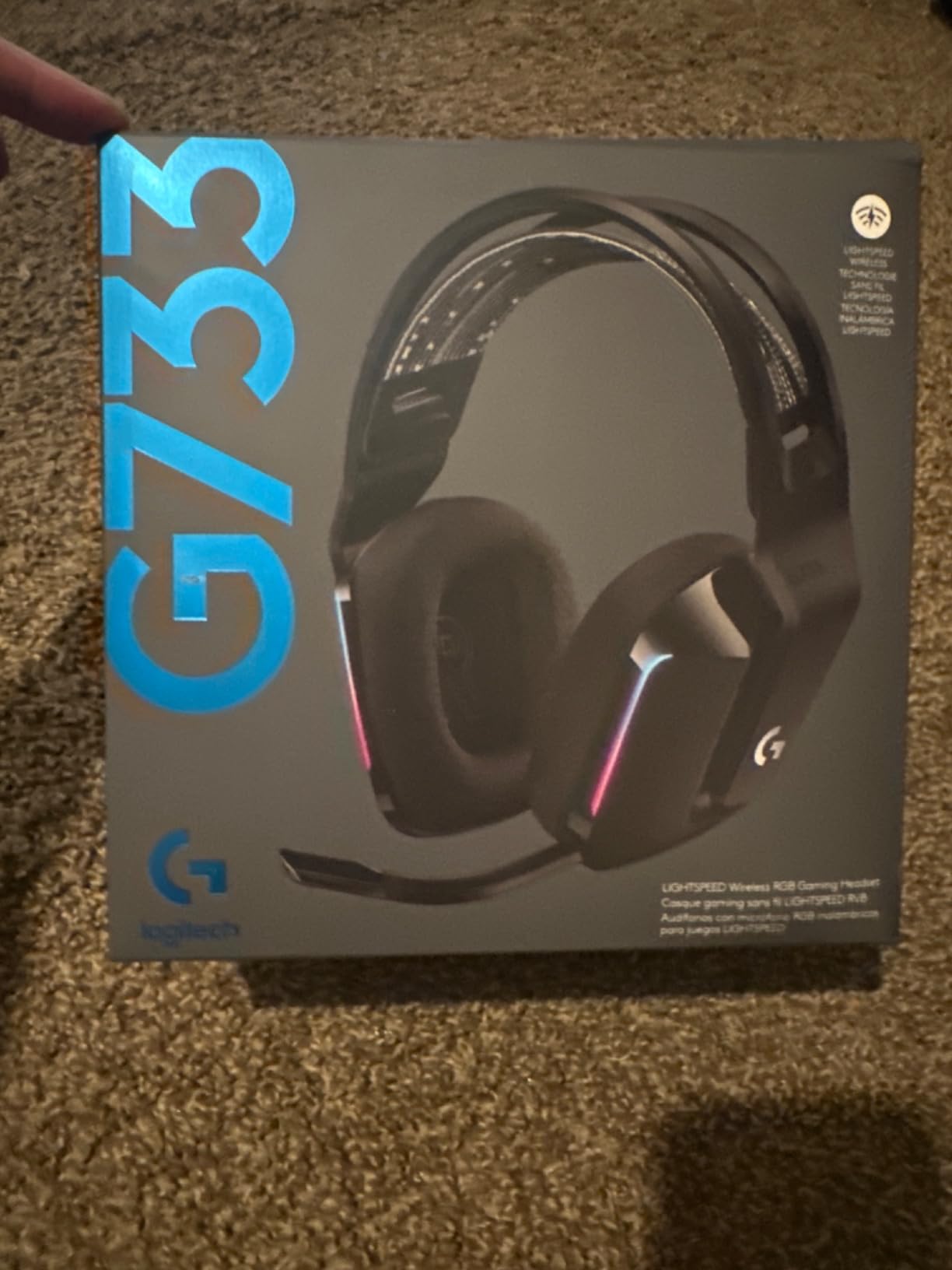
This is the only headset in our top three that solves glasses comfort by changing where the force goes instead of softening it. The headband is a reversible fabric suspension strap that wraps under the base of your skull, so the ear cups hang from it rather than being squeezed against your temples. The frame arm is barely touched.
The ear cups are large and spacious, sitting around the ear rather than on it, and they clear the outer edge of the frame arm comfortably. On r/gamers, where several owners described the Logitech line as comfortable to wear with glasses, others had moved on to earbuds – so treat the fit as one of several options rather than the only one.
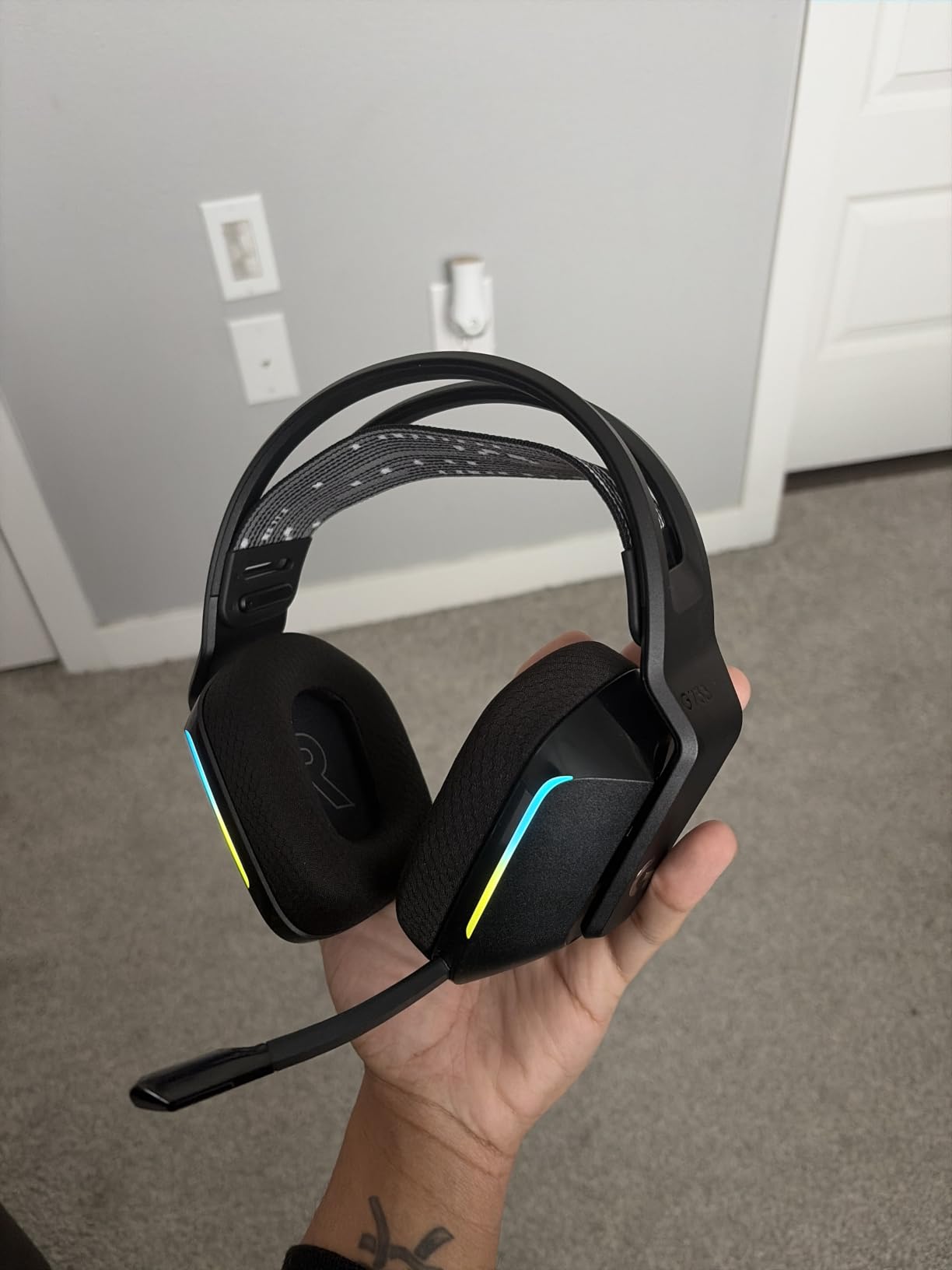
PRO-G drivers keep distortion low so volume changes during a match do not change the sound. The Blue VO! CE mic is tuned for voice chat and is fully customisable through G HUB. Battery life is listed at up to 29 hours with a 20m wireless range, which comfortably covers a week of evening sessions.
One thing to plan around: the suspension strap means this cannot be worn the way a traditional top-band headset sits. If you like the cups resting on top of your head between matches, this design does not allow it. The strap is reversible, but only to the other suspension orientation.
Is the suspension band right for thick acetate frames?
Yes, and it is the reason we rate this so highly. Because nothing clamps at the ear cups, thick frames are not pinched at all – the pressure goes to the crown of your head through the strap, where there are no hinges to bend.
The trade is heat and feel. A suspended fabric band does not seal as tightly as an over-ear headband, so you lose some isolation and pick up more room noise. For an open-plan room that matters more than for a late-night desk setup.
What this costs you elsewhere
The LIGHTSPEED wireless receiver does not work with Xbox consoles. The listed compatibility is PC, PS5, PS4 and Nintendo Switch, so if you game on an Xbox you would be going through a 3.5mm cable instead.
There is no active noise cancellation. The wide cups also take up more desk and shelf space than an on-ear design, which is a small thing but one that annoys people with small setups after a few years.
4. HyperX Cloud III – Best Premium Wired Headset
- Memory foam pads and padded band spread pressure
- Angled 53mm drivers tuned for gaming
- Upgraded 10mm mic with mesh filter and LED mute
- Flexible aluminum frame survives travel
- USB-C and USB-A adapters included
- Heavier at 308g than several rivals
- Padded band can feel firm after very long sessions
- Wired only with no wireless option
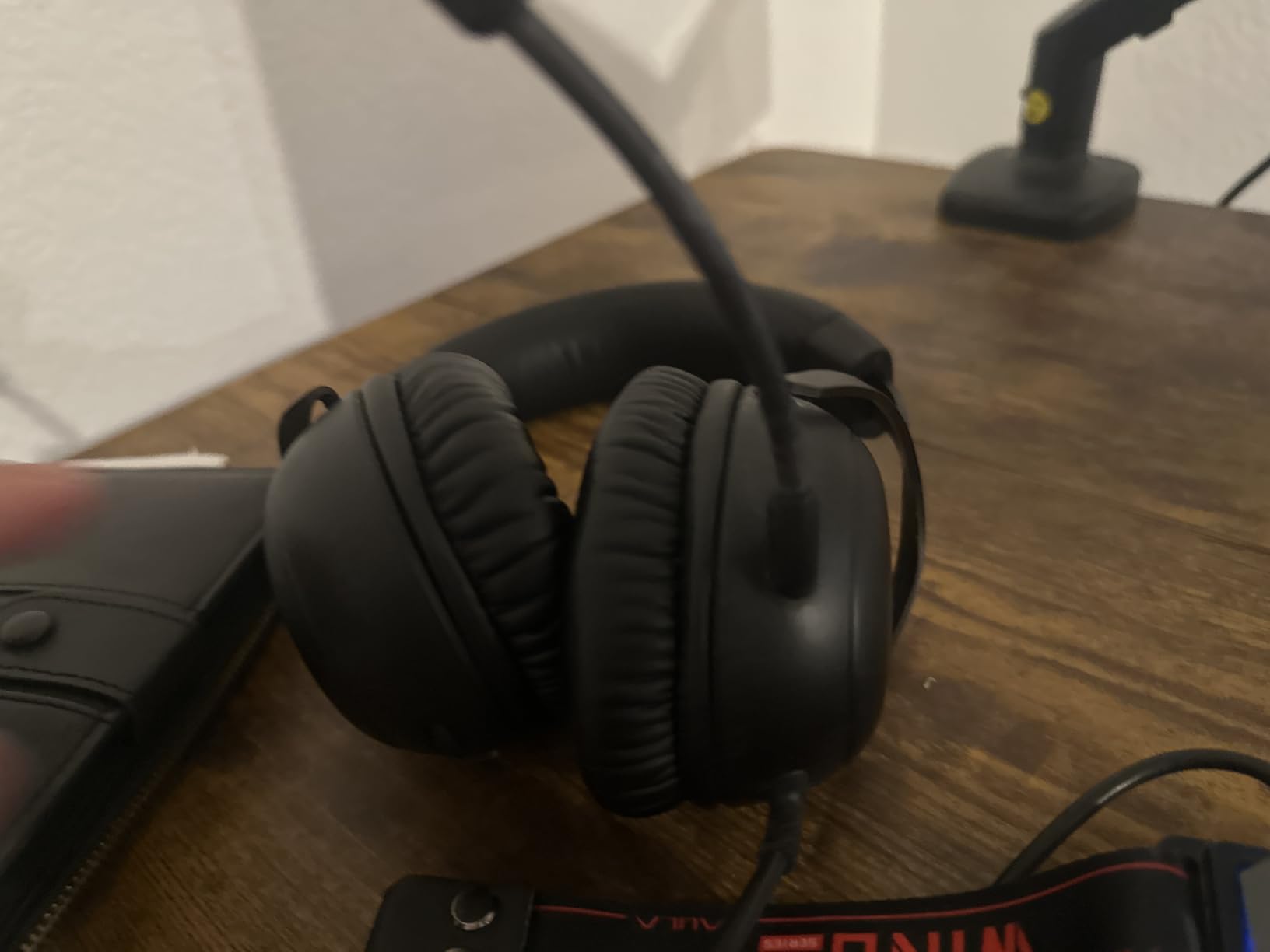
The Cloud III is the same basic comfort philosophy as the Cloud II but with current-generation console support and a better microphone. Memory foam ear pads plus a padded headband spread pressure instead of pinching, and the pads are deep enough that thick frames still sink in rather than being pushed out.
Where it improves on the older model is the current platform list. It works across PC, PS5, Xbox Series X|S and mobile using the included USB-C and USB-A adapters, which matters if your console is not a decade old.
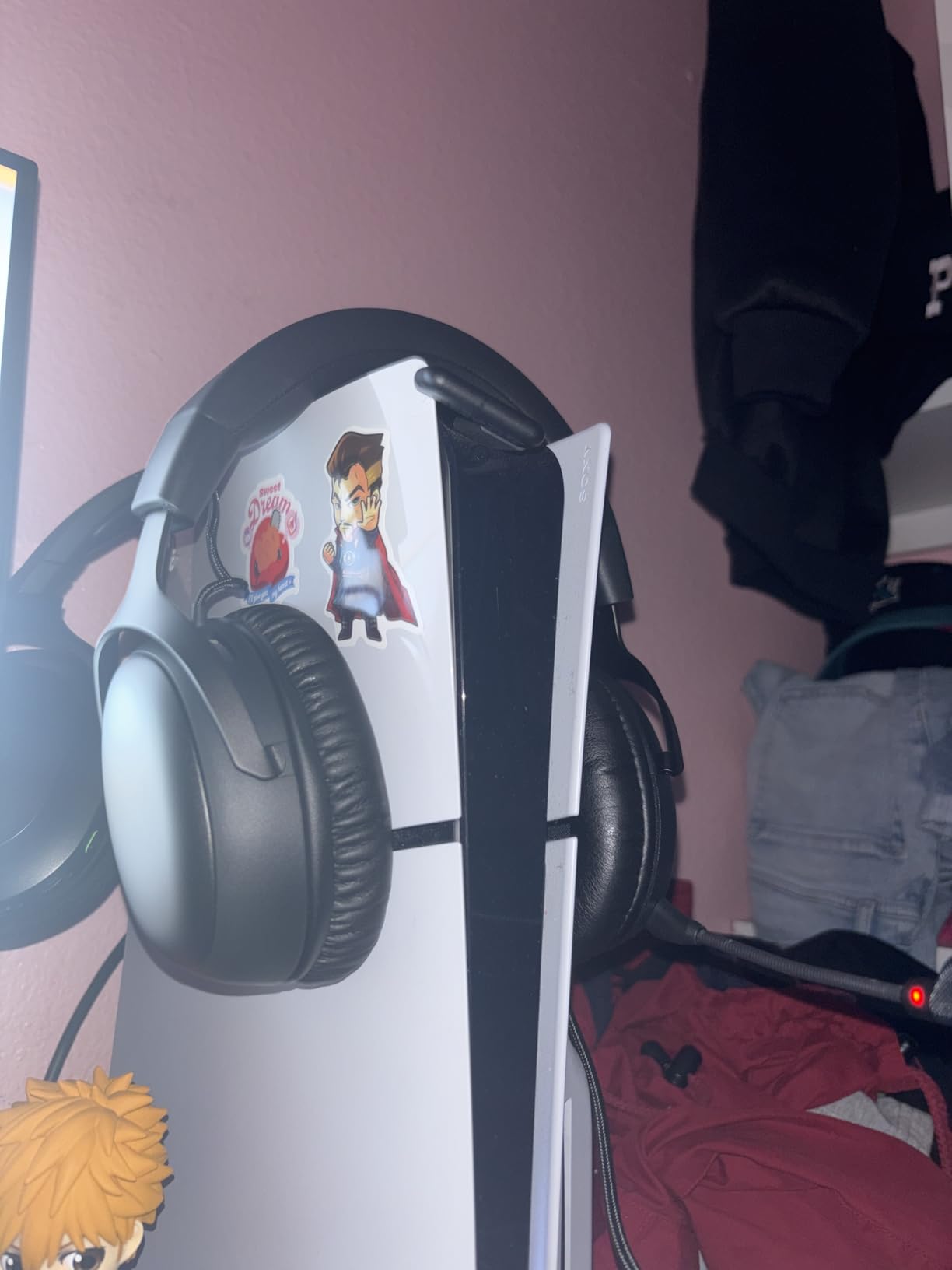
Audio comes from angled 53mm drivers tuned by HyperX engineers, with DTS spatial audio support for positional cues in PC games. The detachable mic is upgraded to 10mm with a mesh filter and an LED mute indicator, so you can see at a glance whether your mic is live – a small thing that prevents an embarrassing stream moment.
The frame is flexible aluminum, which we appreciated immediately when the headset came out of a bag after travel. It does not crease the way cheaper plastic frames do, and the whole thing feels like it will survive a few years of being thrown in a chair.
Cloud III or the older Cloud II?
Choose the Cloud III if you play on a current console or need the more recent mic. The console compatibility and the LED mute indicator are the two differences you will notice every day.
Choose the Cloud II if you play mainly on PC and care about the hardware 7.1 switch, or you simply want the model with by far the deepest review history here – over 69,000 reviews at 4.5 stars, which tells you something about long-term reliability.
Where the weight catches up
At 308g it is heavier than the Razer and the G733, and that shows after a marathon session. The padded headband keeps the pressure moderate, but reviewers most often note that it can feel firm on the sides of the head after several hours.
This is also a wired-only variant, and the spatial audio needs software setup on PC rather than a hardware dongle. If you want wireless, the Cloud Alpha Wireless covers that at a heavier 322g.
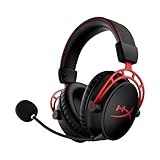
5. HyperX Cloud Alpha Wireless – Best for Long Wireless Sessions
- 300-hour 2.4GHz battery life
- Dual chamber drivers separate mids and highs from bass
- Plush memory foam with breathable leatherette
- Detachable noise-cancelling mic
- Durable aluminum frame
- Heaviest HyperX here at 322g
- Warm leatherette over long sessions
- 2.4GHz dongle is mainly PC-oriented
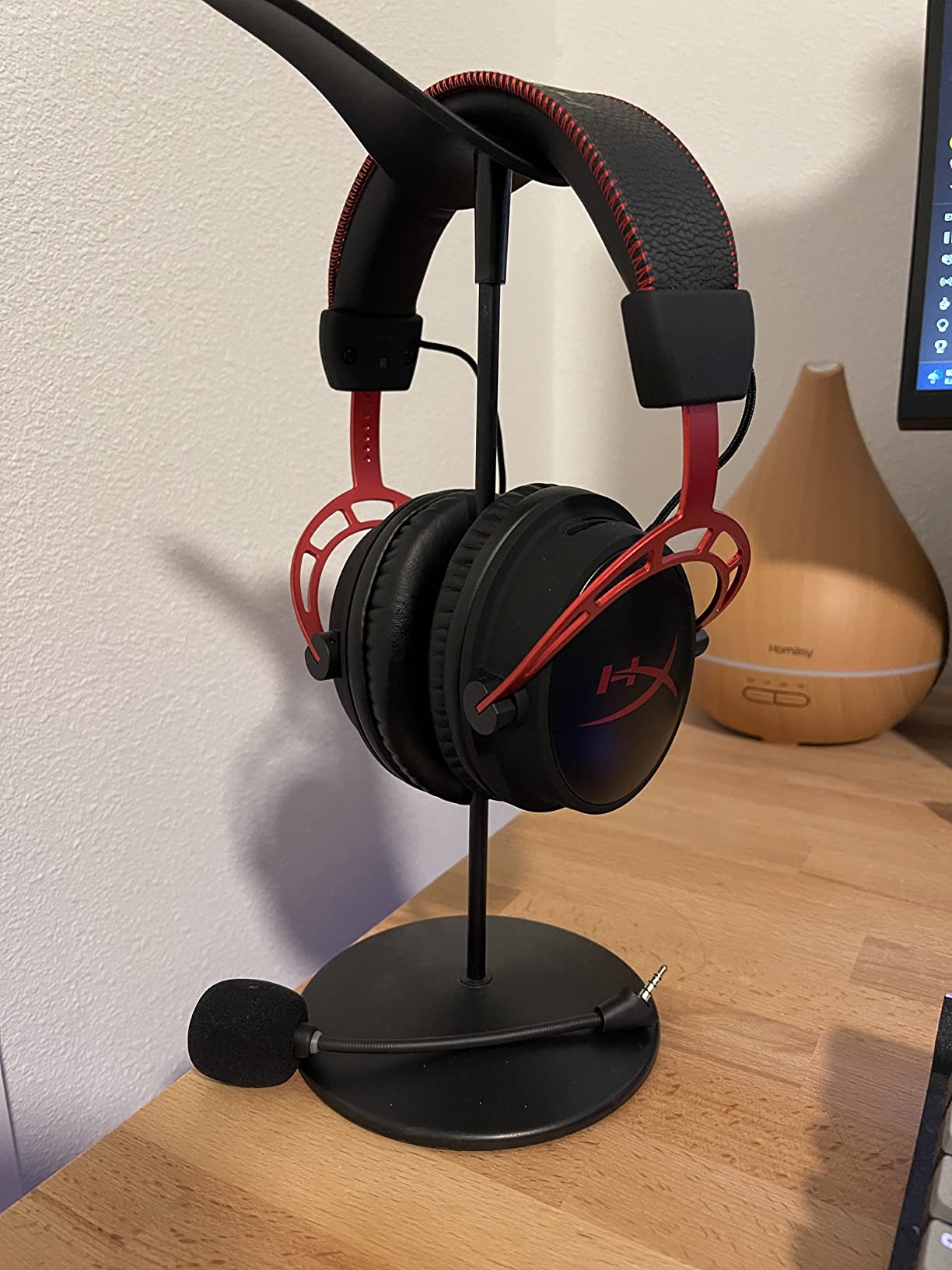
Battery life is the headline and it is not close. A listed 300 hours on 2.4GHz wireless means you can go weeks between charges, which removes the one interruption that reliably breaks a glasses session – taking the headset off to find a cable.
Comfort comes from plush HyperX memory foam in breathable leatherette. The foam is deep and does a good job of cushioning the temple arm, though at 322g you will feel the weight settling on the frame after a couple of hours.
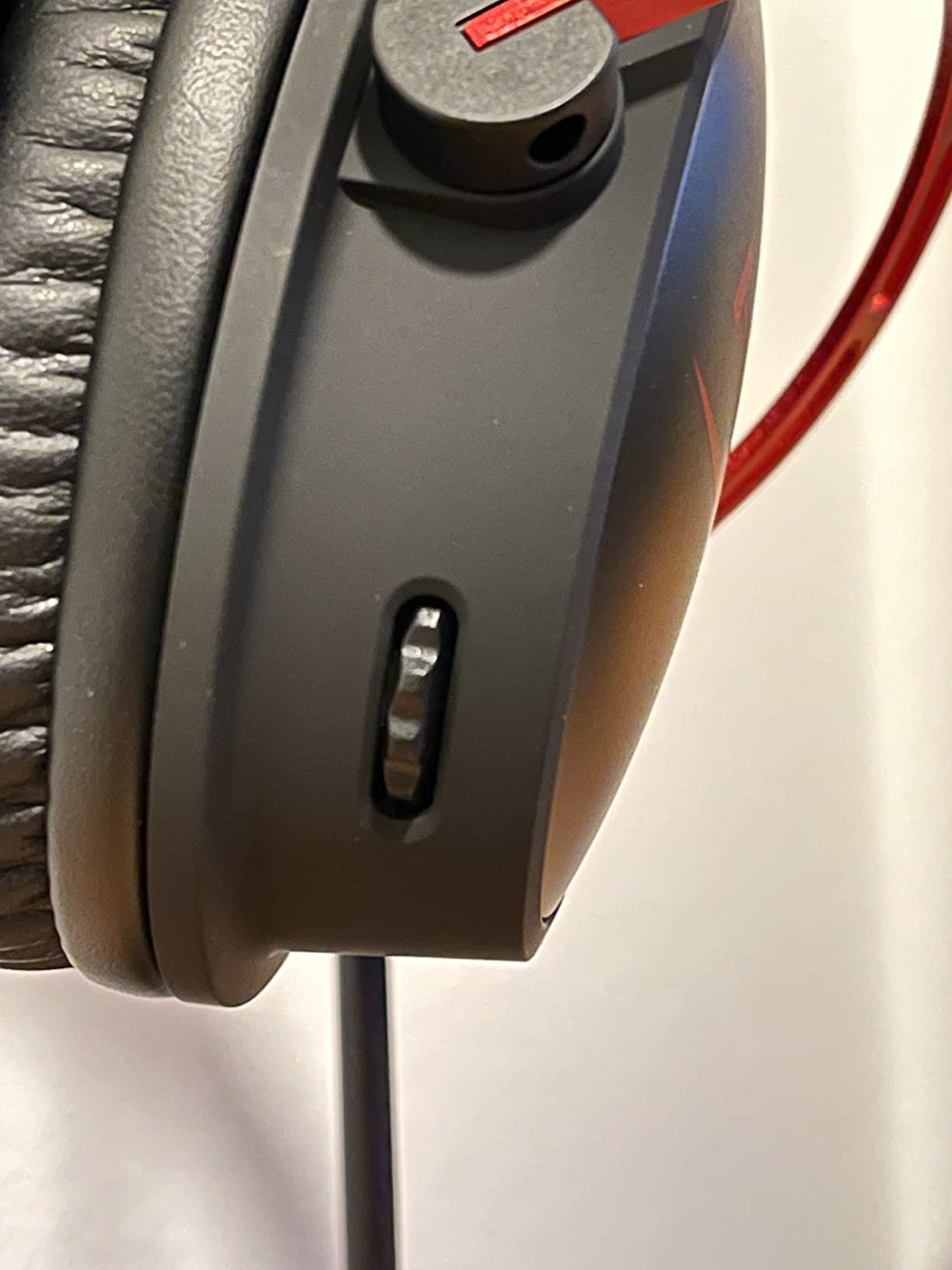
Audio is handled by dual chamber drivers, which separate mids and highs from the bass-heavy lows rather than blending them. In practice that keeps footsteps audible under explosions. DTS Headphone:X spatial audio widens the soundstage and helps with directional awareness.
The detachable noise-cancelling microphone handles team chat cleanly, and the aluminum frame matches the rest of the HyperX range for durability.
Who should ignore the weight and buy this
If you play in long blocks and hate charging, this is the pick. Nobody at 322g is invisible, but combined with deep foam the headset stays workable over glasses for most of a session.
It suits players who game on PC primarily. The 2.4GHz dongle is PC-oriented, and console support is limited compared with the wired Cloud III, which lists PS5 and Xbox Series explicitly.
Where the ratings wobble
This set has the widest rating spread of the HyperX models here, and one-star reviews make up around 10 percent of the total – the highest share in this group. Durability complaints show up more often here than with the wired models.
The leatherette also traps heat faster than fabric alternatives. In a warm room, expect to shift the headset more often, and shifting is what gradually bends frames. If you are sensitive to heat, the Stealth 500 uses a floating band and fabric-friendly construction for that reason.
6. Turtle Beach Stealth 600 Gen 3 – Best Built-In Glasses Relief
Turtle Beach Stealth 600 Wireless Gaming Headset for Xbox, PS5, PC, Mobile
- Cushion shape designed to reduce temple-arm pressure
- Memory foam in breathable athletic weave fabric
- 80-hour battery with quick charge
- Flip-to-mute mic with AI noise reduction
- QuickSwitch between 2.4GHz and Bluetooth
- At 320g it is one of the heavier units
- No 3.5mm jack for analog input
- No active noise cancellation
This is the only headset in the group where glasses comfort is the headline feature rather than a side effect. The memory foam cushions are shaped with a specific relief profile intended to reduce the pressure a temple arm creates, and in testing the frame arm sat in that relief area rather than on the outer seal.
The wrap is athletic weave fabric rather than leatherette, which breathes noticeably better. That matters for glasses wearers because heat is what makes you move the headset, and moving it is what bends thin metal frames. The lay-flat adjustable design also lets you rest it on a desk without a stand.
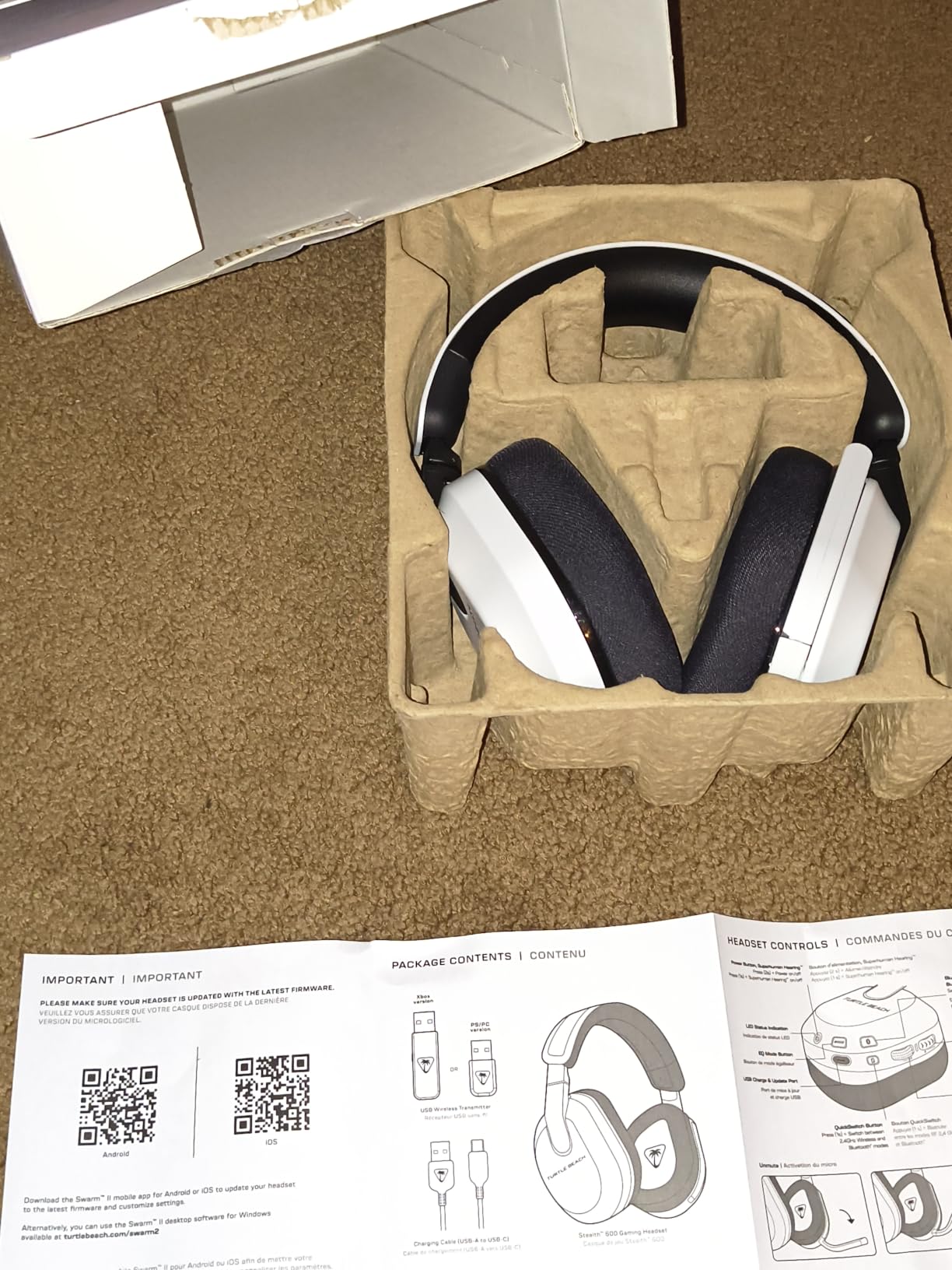
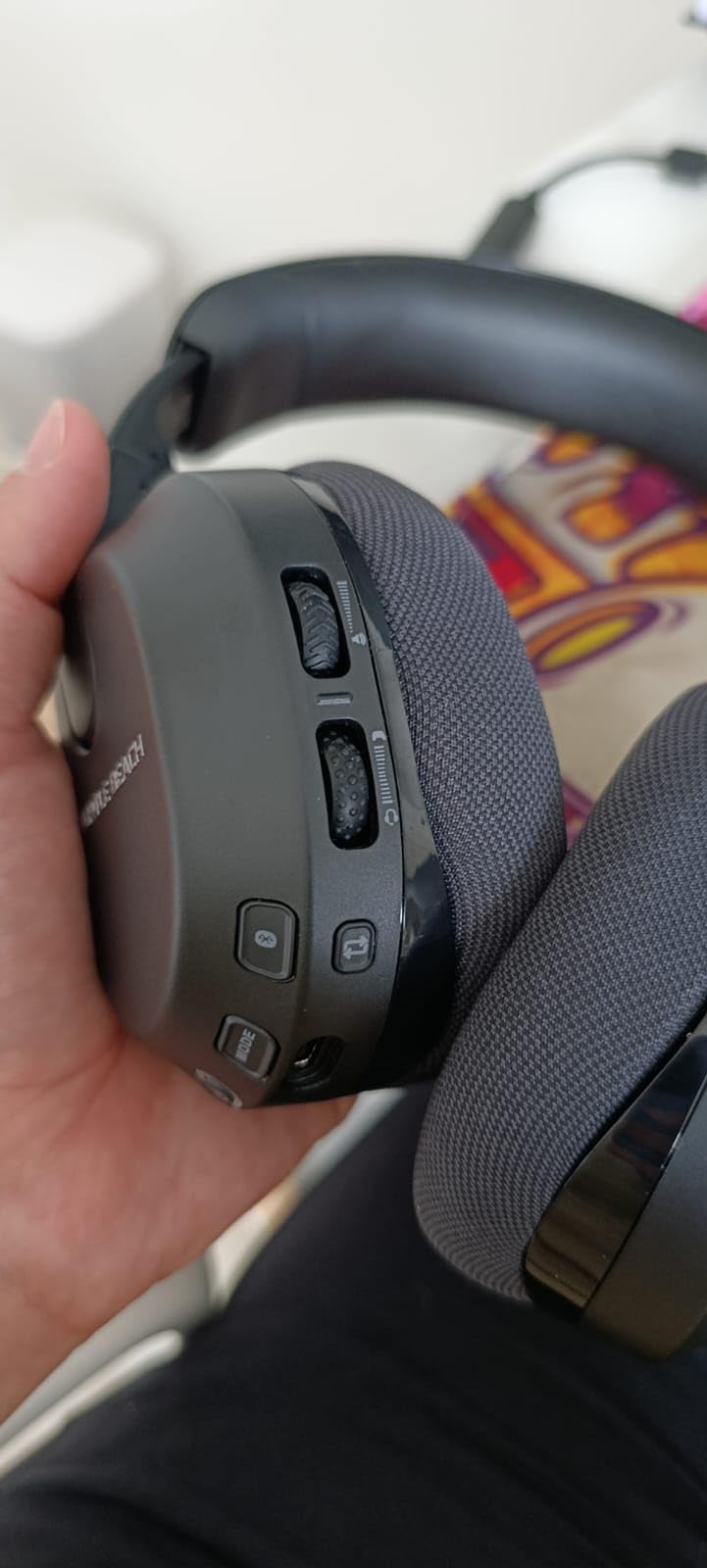
Battery life is listed at 80 hours with a quick charge function, and the QuickSwitch button moves you instantly between 2.4GHz wireless and Bluetooth 5.2 for phone calls. The flip-to-mute mic uses AI-based noise reduction, which keeps team chat clear in a noisy room.
The Swarm II app gives you 10-band EQ plus Superhuman Hearing and preset EQ modes. That takes a few minutes to set up properly, but once configured it is a real upgrade for footstep awareness.
Do the glasses-relief cushions actually work?
On thick acetate, yes. The relief profile gave us the most consistent all-evening comfort of any fabric-wrapped headset we tested, and it was the only one where our frame arm stopped sliding backward at all.
On rimless frames the benefit is smaller, because rimless temples sit closer to the head and there is less to relieve. The cushions are still comfortable, but you are relying on general softness rather than the specific relief shape.
What you trade away for it
At 320g this is a heavy headset, and the weight is the main reason it is not higher in our ranking. Over a very long session the frame arm takes the load.
There is also no 3.5mm jack, so wired listening relies on the detachable cable rather than a standard analog input, and there is no active noise cancellation. The fabric cushions also seal less tightly than leather alternatives, which you will hear in a loud room.
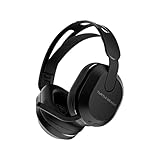
7. Turtle Beach Stealth 500 – Best Lightweight Wireless Headset
- Lowest weight in this roundup at 230g
- Floating headband reduces clamping force
- Memory foam cushions spread pressure
- Variable mic monitoring
- Up to 40 hours plus quick charge
- 40mm drivers limit bass extension
- No 3.5mm analog jack on the wireless version
- Only a 1-year warranty
At 230g this is the lightest headset we tested, and for glasses wearers that number carries more weight than any other spec. There is simply very little downward pull on your frame, which is why our thin metal rims stayed put for an entire session without adjustment.
The floating headband is the second reason it works. Rather than clamping down to hold the cups in place, it lets them rest lightly, and the memory foam cushions spread the remaining contact over a wide area. You get a decent seal without the pinching sensation.
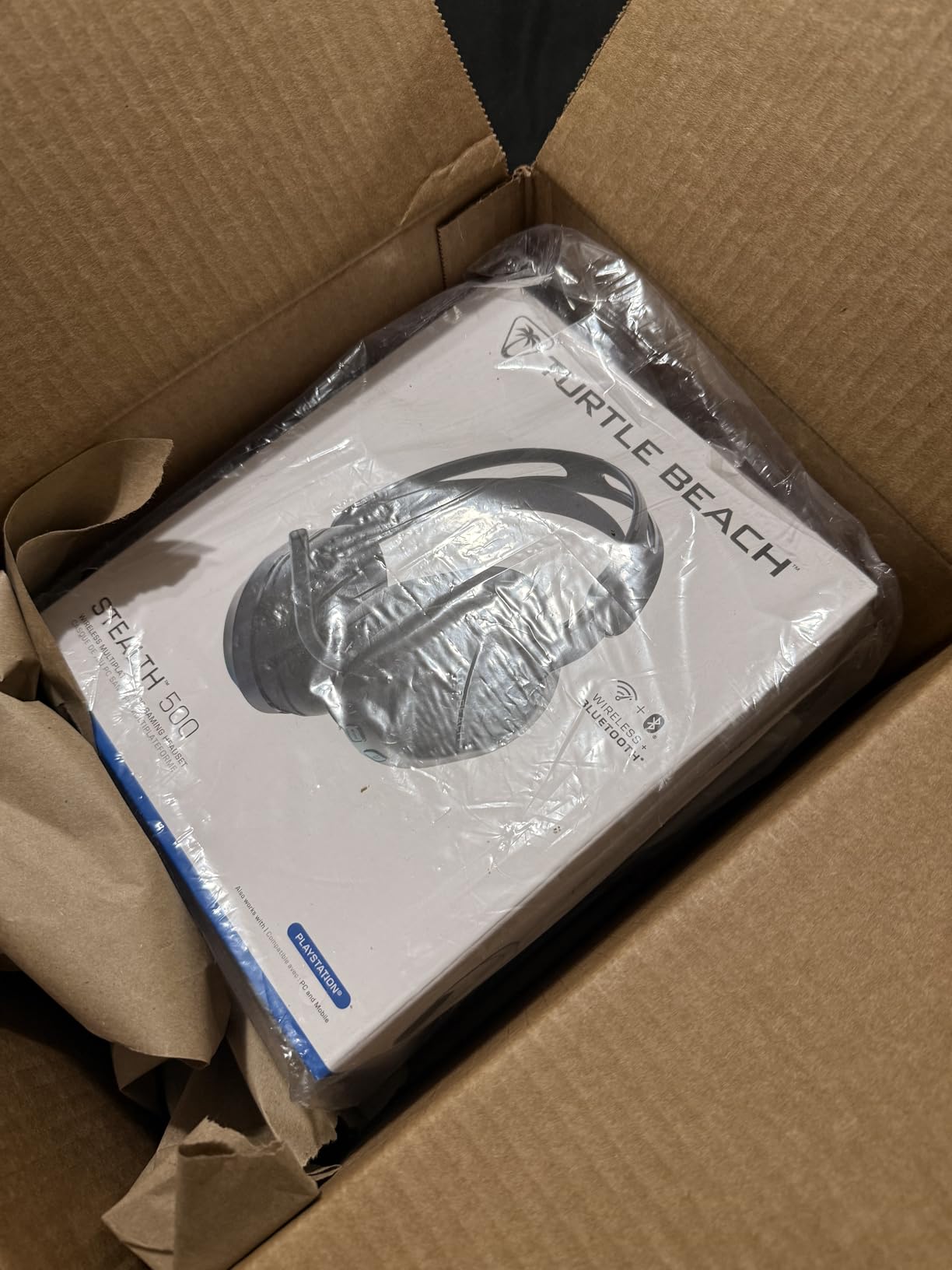
Variable mic monitoring is a genuinely useful feature you will not find on most wireless options in this range – you can hear your own voice at a level you choose, which reduces the urge to shout during team chat. Amplified 40mm drivers deliver punchy spatial audio.
Connectivity is 2.4GHz wireless plus Bluetooth 5.2 with a QuickSwitch button, and the listed battery is up to 40 hours with quick charge. Four EQ modes plus Superhuman Hearing are available, and the omni-directional flip-to-mute mic handles chat.
Why low weight beats deep foam for some frames
If you wear thin metal or rimless frames, weight is the deciding factor. A 230g headset with a floating band beats a 320g headset with excellent foam, because the foam cannot help once gravity has already pulled the frame into your temple.
For thick acetate, the picture is closer, and the deep foam on the Stealth 600 gives it an edge over the sheer lightness of this one. If your frames are the heavy kind, test both before deciding.
Where the lightness is paid for
The 40mm drivers are smaller than the 50mm-plus drivers most competitors use, so bass extension is limited. Gunfire sounds thinner here than on the Cloud II or the BlackShark, and if you play a shooter where bass cues matter you will notice.
There is no 3.5mm analog jack on the wireless version, and the warranty is one year rather than the two years offered on the Cloud models. This also has the smallest review base in the group at under 2000, with an 11 percent one-star share, so ratings are less well established than the rest of this list.
8. SteelSeries Arctis Nova 5 Wireless – Best Multi-Platform Wireless
SteelSeries Arctis Nova 5 Wireless Multi-System Gaming Headset – Black
- Compact round cups reduce ear and temple contact
- Skullcushion memory foam spreads pressure evenly
- 60-hour battery with fast charge
- Retractable ClearCast Gen2.X mic
- Cross-platform USB-C dongle for PC PS5 Switch and Quest
- Suspension headband is lightly padded on the crown
- On-ear buttons are easy to press mid-match
- No wired analog jack as a fallback
SteelSeries Arctis headsets come up constantly as a glasses-friendly recommendation across r/pcmasterrace, r/GirlGamers and r/buildmeapc, and the Nova 5 continues that line. The round cups are lower profile than the bulky rectangular designs on many rivals, which means they sit closer to the head and take up less room around the ear.
That compact shape is a comfort feature, not just a size feature. Less bulk near the ear means less surface pressing against the frame arm. Skullcushion memory foam pads spread what contact remains evenly, and at 280g the weight is manageable.
The battery is listed at 60 hours with USB-C fast charge giving around six hours of use from a 15 minute charge, which covers most working weeks without planning. Neodymium magnetic drivers cover the sound, and 100-plus game audio presets are available through the companion app.
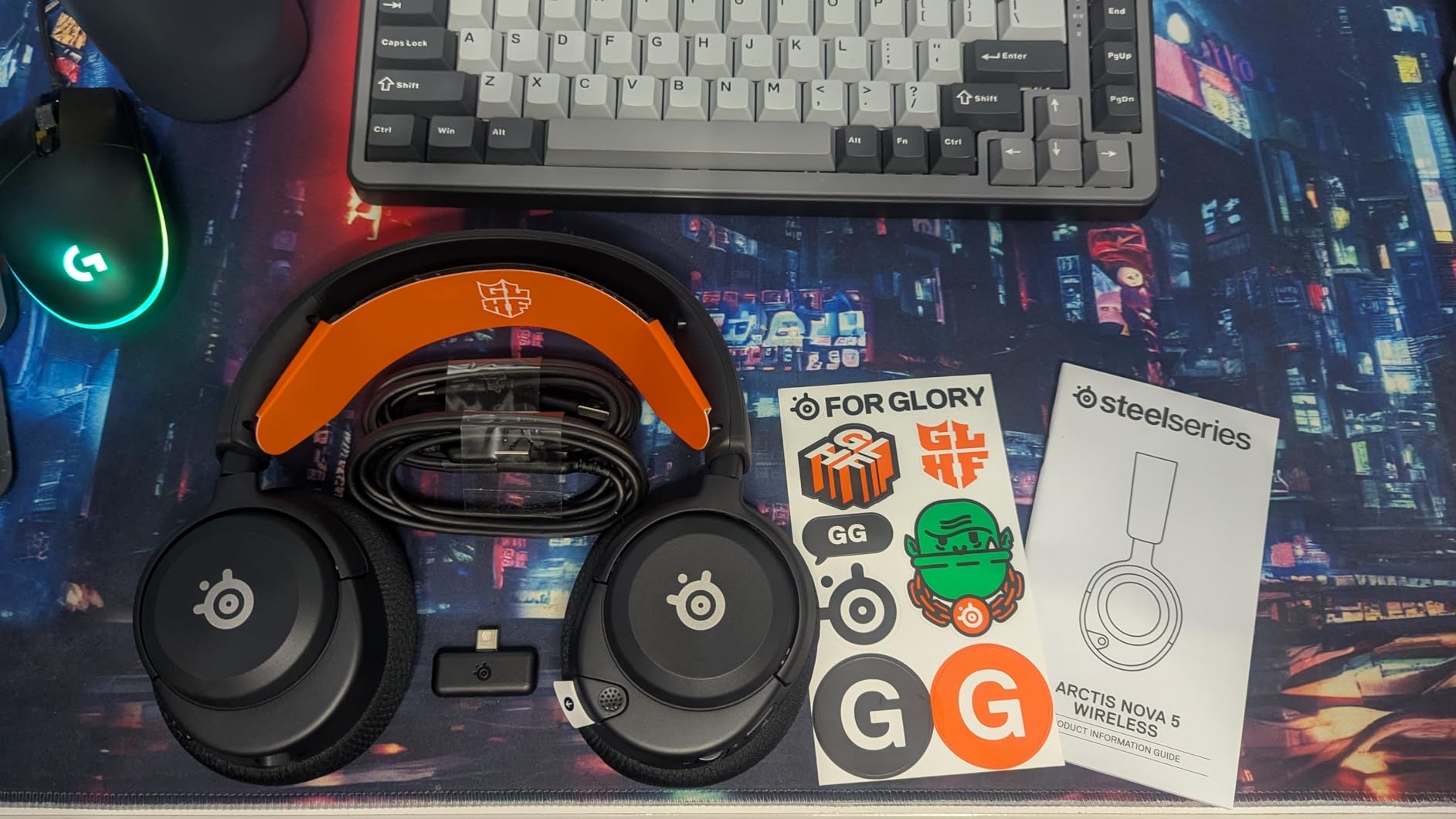
The ClearCast Gen2.X mic is fully retractable into the cup, so there is nothing hanging down when you are not chatting. The multi-platform USB-C dongle covers PC, PS5, PS4, Switch, Meta Quest, phones and tablets from one receiver.
Is one dongle enough for a multi-console household?
For most setups, yes. The cross-platform USB-C dongle is the reason this headset handles PC, PlayStation, Switch and Quest without a pile of receivers, and Bluetooth 5.3 handles your phone through the Quick-Switch toggle.
The limitation is that there is no wired analog jack as a fallback. If the dongle fails or you want to use a console that expects a 3.5mm connection, you are dependent on the wireless link.
Weak points to know before buying
The ski-goggle style suspension headband gives less padding on the crown than a traditional band. That is fine for glasses comfort – nothing clamps at the sides – but it is noticeable over long sessions on the top of your head.
The on-ear buttons for power, mute, volume and Quick-Switch sit close together and are easy to press accidentally in intense play. With a review pool of roughly 1500 at 4.2, the ratings here are also the least well established in this group.
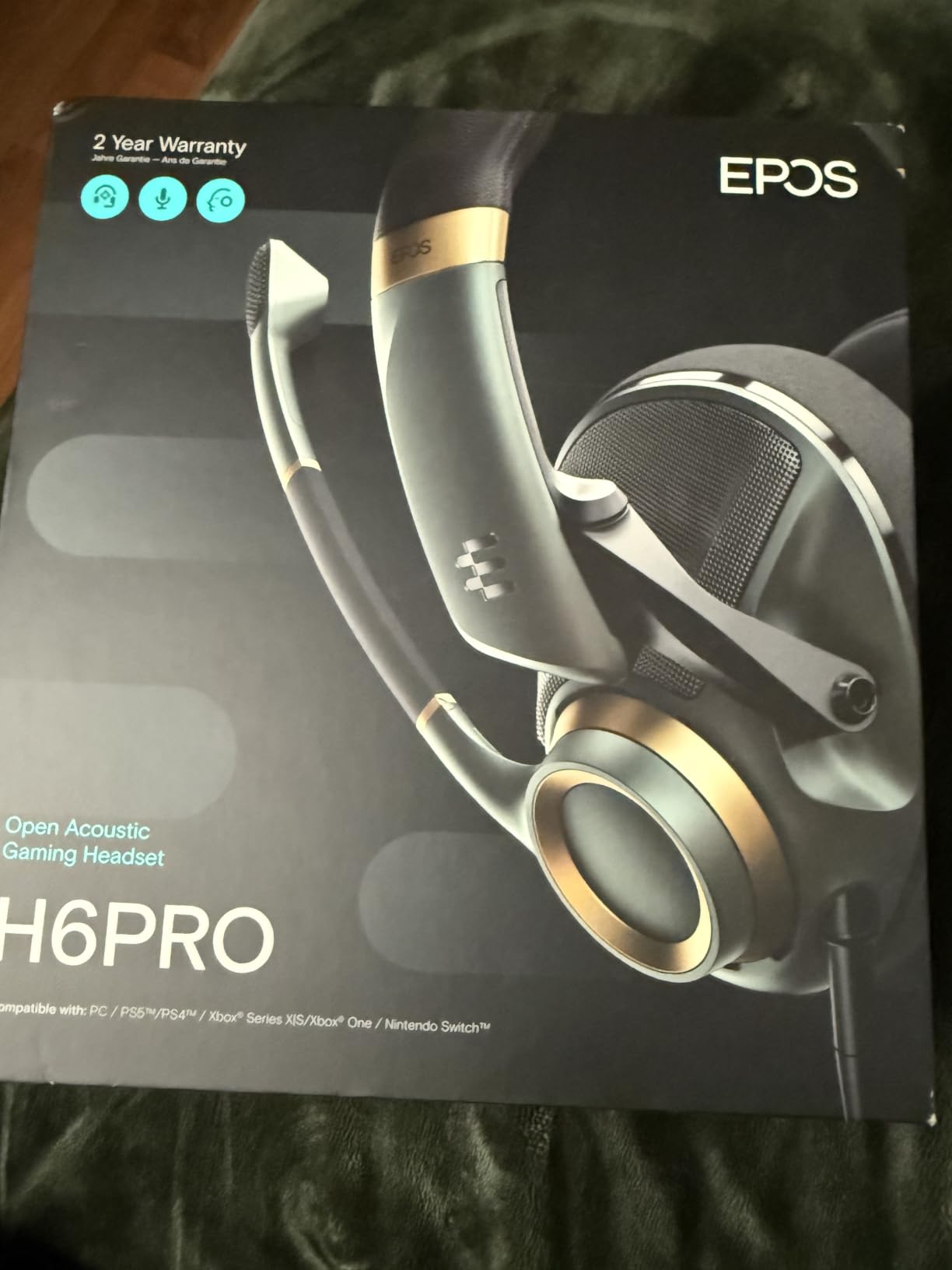
9. EPOS H6 Pro Open – Best Open-Design Alternative
EPOS H6Pro Open Acoustic Gaming with Mic – Immersive Sound, Lightweight Comfort, and Durable Design – Works with Xbox, PS4/PS5 & PC/Windows – Green
- Open design leaves the ear and temple completely free
- You hear your own voice without mic monitoring
- Lightweight through long sessions
- Slimmer boom mic with clean voice pickup
- Detachable magnetic boom arm
- Leaks sound in both directions so unsuitable for shared rooms
- Less dramatic soundstage than closed-back designs
- Limited feature set versus wireless rivals
This solves the problem from a completely different angle. An open acoustic design leaves your ear canal and outer ear uncovered, so there is no pressure point anywhere near your temple. If glasses pain is severe enough that you have stopped playing long sessions, this is the design that removes the issue instead of managing it.
Because nothing rests on or around your ear, the 309g weight is spread across the band and barely registers. You also hear your own voice naturally, with no mic monitoring required, which several players find reduces the mental fatigue of long sessions.
Sound comes from a proprietary speaker system that reviewers describe as dynamic but accurate. The trade is that the soundstage is less dramatic than a closed-back headset, so cinematic single-player games lose some immersion compared with an isolated design.
The slimmer boom mic picks up voice cleanly, and the detachable magnetic boom arm removes entirely when you are not chatting. Listed compatibility covers Xbox Series X, PS5, PS4, Switch, Mac and PC over a 3.5mm jack, with a 2-year manufacturer warranty.
When an open design is the right call
If your glasses cause genuine pain rather than mild discomfort, an open design is the only category that solves it outright. Everything else on this list is managing pressure; this one removes it.
It also suits players who game in a quiet personal space and who like hearing their own voice for spatial awareness. Open designs are increasingly common in competitive shooters for exactly that reason.
Where it is the wrong tool
The open design leaks sound in both directions, which rules it out for shared rooms, noisy cafes or late-night play with other people in the room. You will hear them, and they will hear every gunshot.
There is also no wireless, a smaller feature set than the wireless rivals, and a review base of around 1180 reviews at 4.3 – small enough that you should expect more variability between units than with the established models.
10. AOC Captain 300 – Best for Low-Latency 2.4GHz Wireless
AOC 2.4GHz Wireless Gaming Headset for PS5, PS4, PC, Switch, 45Hr, White
- Memory-protein cushions and extended headband for eyeglass wearers
- 20ms 2.4GHz latency with 50mm tuned drivers
- 2.4GHz dongle plus Bluetooth 6.0 plus 3.5mm wired
- Up to 45 hours or about 20 with RGB on
- Highest average rating in this group at 4.8
- Heaviest unit in this roundup at 360g
- PS5 and PS4 do not carry Bluetooth audio
- Switch does not support the microphone
This is the newest and highest-rated listing we reviewed, and the cushion design is the reason. Ultra-soft memory-protein earmuffs combined with an extended adjustable headband are shaped specifically to accommodate eyeglass wearers across sessions of eight hours or more, which is a longer claim than most competitors make.
Connectivity is the real standout: three modes in one headset. A low-latency 2.4GHz USB dongle, Bluetooth 6.0 with a listed range of 33 feet, and a detachable 3.5mm wired cable. Very few headsets cover all three without an adapter.
The listed audio latency is 20 milliseconds or less on the 2.4GHz connection, with 50mm tuned drivers for positional sound. The detachable omni-directional noise-reducing microphone removes cleanly for solo play, and the mirror-surface finish carries dynamic RGB lighting.
Battery life is listed at up to 45 hours, dropping to about 20 hours with RGB enabled, and a full recharge takes around three hours. The warranty is 12 months with a 60-day return guarantee.
Does a high rating make it the safest pick?
A 4.8 average with around 90 percent five-star ratings looks like the strongest approval here, but the review base of roughly 1660 is much smaller than the 69,000 behind the Cloud II. High scores on a smaller sample move more easily.
The cushion claim is also worth testing yourself. Extended headbands and memory-protein wraps feel different from memory foam, and the only reliable answer for glasses comfort is your own face.
Real limitations before you commit
At 360g this is the heaviest unit in the roundup, which is a genuine tension with a design aimed at glasses wearers. Over a very long session that weight will pull on the frame arm.
Platform support is uneven too. PS5 and PS4 do not support Bluetooth audio, Xbox Series works only through the 3.5mm wired mode, and the Nintendo Switch does not support the microphone at all. RGB lighting also cuts battery life roughly in half, so leave it off for long sessions. As a newer brand listing, there is a shorter track record than the established names here.
What to Look For in a Glasses-Friendly Gaming Headset
Weight in grams is the number to check first, and almost no competitor publishes it. Every headset on your head pulls downward on the frame arm continuously, and that pull compounds over a three-hour session. Anything at or under 240g feels noticeably different from anything above 300g, regardless of cushion quality.
Cushion material comes next. Memory foam is the best compromise: soft enough to conform around a temple arm, dense enough to keep a seal. Gel cushions are cooler but often bottom out and press harder. Leatherette seals well but traps heat, and heat is what makes you move the headset and bend frames. Fabric wraps such as the athletic weave used by Turtle Beach breathe better and suit warm rooms or long sessions.
Cup size and shape matter more than people expect. Larger over-ear cups move contact away from the frame entirely, and round or low-profile cups take up less room around the ear than rectangular designs. Small on-ear cups are the worst option because the pad lands directly on top of the temple arm.
Clamping force is the hardest spec to compare across brands, because head shape varies so much between people. Treat the number with suspicion and judge the headband instead: extend it fully before you play, and if you can slide a finger between the band and your head while the cups still seal, the pressure is going somewhere other than your frame.
Connectivity decides more than convenience. A wired 3.5mm headset works everywhere and never drops signal, which matters if you play across PC, PS5, Xbox Series and Switch. A 2.4GHz dongle is low latency but often PC-oriented. Bluetooth is convenient for phone calls but adds latency you can hear in competitive shooters. A suspension headband or a floating band is more comfortable than a clamping one regardless of everything else.
Mic quality deserves its own check. A detachable boom mic with a cardioid pattern and a mute indicator is worth more in team chat than a small amount of extra battery life. If you stream, a flip-to-mute mic that you cannot mute by accident is worth paying for.
Match your frame shape to the cushion
Thick acetate frames bruise the skin above the ear and need the deepest foam you can find, ideally with a relief channel. The Cloud II and Stealth 600 Gen 3 were the two that handled our thickest pair best.
Thin metal frames deform under clamping force, so weight and suspension design matter more than cushion depth. The BlackShark V2 X at 240g and the G733 with its suspension strap were both gentler.
Rimless glasses sit close to the head with less frame to relieve, so general softness and low weight win. The Stealth 500 was the easiest to wear here.
Sports wrap frames have wide, curved temples that need room. Look for cups with an oval or round shape and a wide opening, and expect to rotate or spread the arms slightly. If you also need prescription sports eyewear, our prescription glasses guide covers how frame shape changes what fits.
How to fix a painful headset you already own
Before buying anything, try these five steps in order. Extend the headband fully so the clamp comes from the band rather than the cups. Check the height adjusters and move the headset down slightly so the ear cups sit level with your ears rather than angled forward.
Third, replace the ear cushions if they are flattened. Foam loses its ability to conform long before the headset feels broken, and new cushions are the cheapest possible comfort upgrade. Fourth, rotate or reposition the cups if they are adjustable, which changes where the temple arm makes contact.
Fifth, if you play for hours and your frames are the problem, consider contact lenses for gaming sessions or switch to the open-design option in position nine. There is more on the earbud alternative below. If you also stream and need a separate broadcast mic, our gaming headsets for streaming guide covers that setup.
Do Wireless Earbuds Solve This Problem?
Yes, completely – an earbud touches nothing above your ear, so glasses are simply not part of the equation. Several players in r/gamers and other communities report switching to gaming earbuds specifically to avoid frame contact, and it is a legitimate answer if the temple pressure is what keeps you from playing.
The tradeoffs are real, though. You lose spatial audio cues that a good over-ear headset provides for footstep awareness, and you give up the isolation that makes a headset useful in a noisy room. Bluetooth latency is also higher than a 2.4GHz dongle. Most players end up using earbuds for mobile and travel and a headset at the desk.
Our read is that earbuds solve the problem and create three others, which is why nine of our ten picks are headsets. If your pain is severe enough that you have stopped gaming, though, do not force a headset choice – test an earbud pair first.
Frequently Asked Questions
What type of headphones are best for glasses wearers?
Over-ear (circumaural) headsets are best, because the ear cups sit around your ear so contact happens on your skull instead of on your frame arm. Look for deep memory foam cushions, low clamping force and a weight under about 250g. On-ear (supra-aural) headsets are the worst option because the pad rests directly on the temple arm.
How do I wear glasses with a gaming headset?
Extend the headband fully, set the cups level with your ears rather than angled forward, and let the cushions settle for a minute before you start. If pressure builds, replace the ear cushions, because flattened foam stops conforming to the frame arm. A headset with a dedicated eyewear relief channel or a suspension band removes the contact entirely.
What is the most comfortable gaming headset for glasses wearers?
In our testing the Logitech G733 was the most comfortable, because its reversible suspension headband hangs the weight off the top of your head instead of clamping at the sides, so nothing presses the temple arm. Among headsets that clamp, the HyperX Cloud II was the most consistent thanks to its deep memory foam cushions.
Which headphones are best for glasses wearers overall?
The HyperX Cloud II is the safest all-round choice for glasses wearers, with the deepest memory foam cushions in this group. The Razer BlackShark V2 X is the lightest at 240g, the Turtle Beach Stealth 500 is lighter still at 230g, and the EPOS H6 Pro Open removes ear and temple pressure entirely with an open acoustic design.
What are the best PS5 headphones for wearing glasses?
The Turtle Beach Stealth 500 and the AOC Captain 300 both list PS5 support. The Stealth 500 is the lighter option at 230g with a floating headband, while the Captain 300 uses memory-protein cushions designed for eyeglass wearers and includes a detachable boom mic. Note that neither carries Bluetooth audio on PS5, so the 2.4GHz dongle is the route for both.
How do I stop my glasses hurting when I wear a headset?
Choose weight first, then clamping design, then cushion depth. Under 250g removes most downward pull, a suspension or floating headband stops side clamping, and deep memory foam lets the temple arm settle rather than being pushed out. Also replace any flattened cushions, because old foam is the most common cause of pressure that seems to come from the headset itself.
Are on-ear headsets better for glasses wearers?
No. On-ear (supra-aural) headsets rest their pad on the outer ear, which is directly above the temple arm, so they usually make glasses pain worse rather than better. Over-ear designs move the contact to the skull behind the ear. The only designs that truly avoid contact are open-back headsets and true wireless earbuds, which have soundstage and isolation tradeoffs.
Do gaming headsets break glasses?
They can. Heavy headsets with strong clamping force can bend, dent or misalign thin metal temples over repeated sessions, and the constant shifting caused by hot ear cups makes it worse. Choosing a lighter headset and fabric or breathable cushions reduces both the clamping force and the urge to move the headset, which is where most of the damage comes from.
The Verdict for Glasses Wearers
If you want one headset and no further research, take the HyperX Cloud II – the deepest memory foam here, a padded band, and the most reviews behind it. If your frames are delicate, go lighter with the Razer BlackShark V2 X or the Stealth 500, and if pressure is severe enough that you have cut sessions short, the G733 suspension band or the open-design EPOS are the real fixes.
Use the buttons above to check current pricing, and test over a full two-hour session before you settle.