
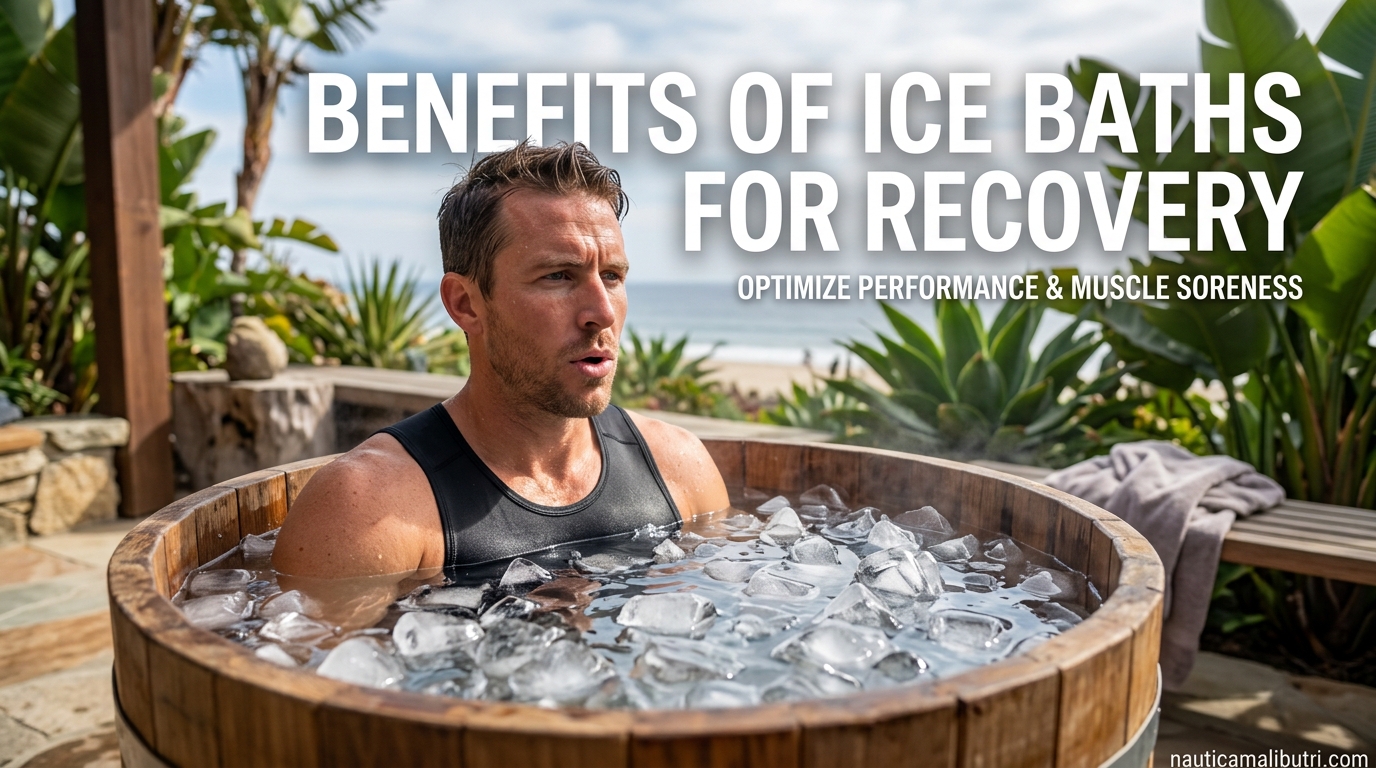
After finishing my first Ironman, I could barely walk down stairs. My quads felt like they had been beaten with hammers. That was when a fellow triathlete introduced me to ice baths, and it changed how I approach recovery forever.
The benefits of ice baths for recovery have become impossible to ignore in the endurance sports world. What started as a ritual for professional athletes has filtered down to age-group triathletes, marathon runners, and CrossFit enthusiasts seeking every legal advantage.
But do ice baths actually work, or is this just another wellness trend backed by anecdotal evidence? In this guide, I will break down the science behind cold water immersion, explain the real benefits for triathletes, and show you exactly how to incorporate ice baths into your training protocol for 2026.
Table of Contents
Key Takeaways
- Ice baths (cold water immersion) involve submerging your body in 50-59°F water for 10-15 minutes after intense exercise
- Primary benefits include reduced muscle soreness (DOMS), faster recovery between training sessions, and improved central nervous system function
- Cold water causes vasoconstriction, reducing inflammation and numbing pain receptors
- Triathletes can benefit most during competition phases and high-intensity training blocks
- Not everyone should use ice baths—avoid if you have cardiovascular conditions, Raynaud’s syndrome, or are pregnant
- Consistency over 30 days may improve mental resilience, immune function, and metabolic health
What Are Ice Baths and How Do They Work?
Ice baths, also known as cold water immersion (CWI) or cryotherapy, involve submerging your body in cold water between 50-59°F (10-15°C) for a set period. The practice has roots in ancient wellness traditions but gained modern popularity through athletes seeking faster recovery.
When you first enter cold water, your body triggers a cold shock response. Your sympathetic nervous system activates, releasing norepinephrine and cortisol. Blood vessels constrict (vasoconstriction), pulling blood away from your extremities and toward your core to protect vital organs.
This physiological reaction is where the recovery benefits begin. The reduced blood flow to muscles decreases inflammation and metabolic activity. When you exit the bath, blood rushes back to your tissues, flushing out metabolic waste products like lactic acid.
Understanding the Terminology
Cold water immersion encompasses several related practices. An ice bath typically refers to a tub filled with ice and water. Cold plunges use purpose-built vessels with temperature control. Cryotherapy chambers expose you to ultra-cold air (-200°F) for short durations.
For triathletes and endurance athletes, the accessible option is the ice bath. You can create one at home with a standard bathtub, a stock tank, or even a large cooler. The key is maintaining consistent temperature and full-body immersion up to your chest.
The Science Behind Cold Water Immersion
Research on cold water immersion has grown substantially in the past decade. Studies published in the Journal of Physiology and Medicine & Science in Sports & Exercise have documented measurable effects on muscle recovery, inflammation markers, and performance.
The primary mechanism involves thermoregulation. Your body works to maintain core temperature around 98.6°F (37°C). When exposed to cold water, blood vessels near your skin surface constrict to prevent heat loss. This vasoconstriction reduces fluid accumulation in tissues, which decreases swelling and inflammation.
A 2022 meta-analysis in Sports Medicine found that cold water immersion significantly reduced muscle soreness at 24, 48, and 72 hours post-exercise compared to passive recovery. The effect size was moderate to large, suggesting real physiological benefits beyond placebo.
The Hunter Reaction and Circulatory Response
During extended cold exposure, your body initiates the Hunting Response (also called the Lewis Reaction). This automatic cycle of vasoconstriction followed by vasodilation repeats every 5-10 minutes. Blood vessels constrict to preserve heat, then dilate briefly to prevent tissue damage.
This cycling creates a pumping effect that helps clear metabolic waste from muscles. For triathletes who accumulate fatigue across three disciplines, this enhanced circulation can speed up the recovery process between training sessions.
Nervous System Effects
Cold water immersion triggers a 200-300% increase in norepinephrine release. This neurotransmitter plays a key role in attention, focus, and mood regulation. The cold shock also stimulates the vagus nerve, which regulates your parasympathetic nervous system.
Enhanced vagus nerve tone helps your body shift from “fight or flight” mode to “rest and digest” mode. For athletes who train hard daily, this autonomic nervous system reset can improve sleep quality and overall recovery capacity.
7 Science-Backed Benefits of Ice Baths for Recovery
Let me walk you through the specific benefits that matter most for endurance athletes. Each of these has support from peer-reviewed research and practical application in competitive sports.
1. Reduced Delayed Onset Muscle Soreness (DOMS)
DOMS typically peaks 24-72 hours after intense exercise. That stiff, painful sensation makes stairs impossible and affects your next workout. Ice baths reduce DOMS by limiting the inflammatory cascade that follows muscle damage.
A study in the European Journal of Applied Physiology showed that cold water immersion reduced DOMS by 20% compared to passive recovery. For triathletes training twice daily during build phases, this reduction matters significantly.
The cold water numbs nerve endings, providing immediate pain relief. When you combine this with reduced inflammation, you get meaningful soreness reduction that helps you stick to your training schedule.
2. Faster Recovery Between Training Sessions
Training adaptations happen during recovery, not during the workout itself. The faster you recover, the sooner you can train hard again. This matters for triathletes balancing swim, bike, and run sessions throughout the week.
Research indicates that cold water immersion reduces creatine kinase levels, a marker of muscle damage. Lower levels suggest less tissue disruption and faster repair processes. This translates to better performance in subsequent training sessions.
Professional cycling teams and NFL franchises use ice baths specifically for between-session recovery. When your livelihood depends on being ready to perform again tomorrow, you use every available tool.
3. Central Nervous System Recovery
Your central nervous system (CNS) takes longer to recover than your muscles. Heavy training loads create CNS fatigue that manifests as decreased reaction time, poor coordination, and mental fog. Ice baths help reset your CNS faster than passive rest.
The norepinephrine release triggered by cold exposure improves alertness and cognitive function. Many athletes report feeling mentally sharper after an ice bath, even when physically tired.
For technical disciplines like swimming form work or bike handling skills, CNS recovery matters as much as muscular recovery. Clear neural signals produce better movement patterns.
4. Mental Resilience and Stress Adaptation
Stepping into ice-cold water requires mental fortitude. The discomfort is immediate and intense. Learning to control your breathing and relax in that environment builds psychological resilience that transfers to race day.
Cold exposure acts as a controlled stressor. Regular practice trains your stress response system to handle challenges more effectively. This concept, called hormesis, suggests that manageable stressors make you stronger.
After 30 days of regular ice baths, many practitioners report improved ability to handle other stressors. The mental skills you develop—breath control, panic management, discomfort tolerance—serve you during the final miles of a marathon or the closing kilometers of a triathlon.
5. Enhanced Immune Function
Moderate cold exposure may strengthen immune response. Studies on the Wim Hof method and cold water swimming show increased levels of immune cells and reduced inflammatory markers.
A Dutch study found that people who took cold showers called in sick 29% less often than those who took warm showers. While not directly comparable to ice baths, the mechanism—acute cold stress activating immune surveillance—appears similar.
For endurance athletes who often push their immune systems to the edge during heavy training, any immune support helps. Nothing derails a training block faster than a respiratory infection.
6. Metabolic Health and Brown Fat Activation
Cold exposure activates brown adipose tissue (brown fat), a specialized fat that burns calories to generate heat. This thermogenesis process increases metabolic rate and improves insulin sensitivity.
Research published in Diabetes showed that cold water immersion increased adiponectin levels. This hormone improves insulin sensitivity and helps regulate glucose metabolism. For athletes managing body composition while fueling training, this matters.
Brown fat activation also supports healthy weight management. While ice baths alone will not replace training and nutrition, they may contribute modestly to metabolic health when used consistently.
7. Improved Sleep Quality
Quality sleep is the foundation of recovery. Ice baths taken in the evening may improve sleep by lowering core body temperature and activating the parasympathetic nervous system.
Your body naturally cools as you prepare for sleep. An ice bath jumpstarts this process, potentially helping you fall asleep faster and reach deeper sleep stages. The vagus nerve stimulation from cold exposure promotes relaxation.
Many athletes report better sleep on days they include cold water immersion. Given that most recovery hormones release during deep sleep, this benefit compounds all others.
Ice Baths for Triathletes: Sport-Specific Protocols
Triathletes face unique recovery challenges. You train three disciplines, often with multiple sessions daily. The cumulative load exceeds most single-sport training. Ice baths can help manage this specific stress.
Training Phase Periodization
During base building, your focus is aerobic development and technique. Recovery needs are moderate. Ice baths during this phase can be reserved for your hardest sessions or when you feel particularly fatigued.
The build phase introduces intensity. Threshold intervals, tempo runs, and hard swim sets create more muscle damage. This is when ice baths become most valuable. Use them after your hardest sessions of the week.
During competition season, prioritize ice baths after races and key workouts. The goal shifts from adaptation to readiness. You want to recover quickly for the next race or quality session.
Multi-Sport Considerations
Swim training often leaves your upper body fatigued. Bike sessions load your quads and glutes. Running impacts your entire lower body with eccentric stress. Full-body ice baths address all these areas simultaneously.
After brick workouts (bike-to-run sessions), ice baths help clear the unique metabolic stress of transitioning between disciplines. The combined load of consecutive sports creates distinct recovery demands.
For long-course athletes training for Ironman distance, ice baths after runs over 90 minutes and rides over 3 hours provide noticeable recovery benefits. The volume of these sessions exceeds what your body handles naturally.
Open Water Connection
Triathletes who train in open water already experience cold exposure. Ocean swims in spring or fall, lake swimming at altitude, or early morning sessions provide natural cold therapy.
The difference is control. An ice bath provides consistent temperature and duration. Open water temperatures vary. Use both—open water for training specificity, ice baths for controlled recovery.
Some athletes find that cold water swimming acclimatization makes ice baths more tolerable. Your body learns to manage the cold shock response more efficiently.
How to Take an Ice Bath: Step-by-Step Protocol
Getting the benefits requires doing it correctly. Temperature, duration, and timing all matter. Here is the protocol I have refined over years of training and racing.
Step 1: Prepare Your Setup
Fill your tub or container with cold water first. Then add ice to reach your target temperature. This approach requires less ice than starting with warm water. You need approximately 20-40 pounds of ice for a standard bathtub.
Use a thermometer to check the temperature. Aim for 50-59°F (10-15°C). Colder is not better—extreme cold increases risk without additional recovery benefit. Your first few sessions might use the warmer end of this range.
Have a towel, warm clothing, and a timer within reach. You do not want to be searching for these once you are wet and cold.
Step 2: Time Your Session Correctly
Take your ice bath within 30 minutes of finishing exercise. The sooner, the better. Your body is already warm from training, making entry easier. Blood flow to muscles is elevated, enhancing the flush effect.
Wait at least 30 minutes after a hard run before entering if you feel lightheaded. The combination of exercise fatigue and cold stress can cause dizziness.
Evening sessions can improve sleep, but morning sessions work fine too. Consistency matters more than specific timing.
Step 3: Enter the Water Safely
Step in slowly. The initial shock is intense. Focus on controlling your breathing. Take slow, deep breaths through your nose. Fight the urge to hyperventilate or gasp.
Submerge up to your chest or shoulders. Full-body immersion provides better results than partial immersion. Keep your hands above water if they get too uncomfortable.
Stay still. Movement creates convection currents that make the water feel colder. Find a comfortable position and relax into it.
Step 4: Manage Duration
Stay in for 10-15 minutes. Set a timer so you are not checking the clock. Under 10 minutes provides limited benefit. Over 15 minutes increases risk of tissue damage without additional recovery advantage.
Beginners might start with 5-8 minutes and build up. Your tolerance improves with repeated exposure. The goal is consistency, not heroics.
If you start shivering uncontrollably, get out. Shivering is your body attempting to generate heat. It means you have reached your limit.
Step 5: Exit and Warm Up Properly
Exit slowly. Blood pressure changes can cause dizziness. Sit on the edge of the tub for a moment if needed. Let your body adjust.
Dry off and put on warm clothing immediately. Do not take a hot shower right away. Let your body rewarm naturally for 15-20 minutes first. This preserves the beneficial blood flow effects.
Drink warm fluids. Herbal tea or warm water with lemon helps raise your core temperature gently. Avoid alcohol, which impairs thermoregulation.
Frequency Guidelines
Use ice baths 2-3 times per week during hard training blocks. Daily use is not necessary and may blunt long-term adaptations. Save them for your hardest sessions.
During competition weeks, use them after races or if you feel particularly sore. The week after a big race, focus on active recovery and sleep instead.
Safety Risks and Who Should Avoid Ice Baths
Ice baths are not risk-free. The cold shock response stresses your cardiovascular system. Certain medical conditions make ice baths dangerous.
Medical Contraindications
Avoid ice baths if you have cardiovascular disease, high blood pressure, or arrhythmia. The cold shock triggers a rapid heart rate and blood pressure spike. For compromised cardiovascular systems, this can be dangerous.
Raynaud’s syndrome is another contraindication. This condition causes excessive vasoconstriction in fingers and toes. Cold exposure triggers painful episodes and potential tissue damage.
People with cold urticaria (cold-induced hives) should never take ice baths. The reaction can progress to anaphylaxis in severe cases.
Pregnant women should avoid ice baths. The cold stress affects blood flow to the uterus. The risk to the fetus outweighs any recovery benefits.
Medication Considerations
If you take blood thinners, beta-blockers, or medications affecting blood pressure, consult your doctor before using ice baths. These drugs alter your body’s response to cold stress.
Antidepressants that affect serotonin levels may interact with the neurochemical changes from cold exposure. Medical supervision is advisable.
Warning Signs to Stop
Exit immediately if you experience chest pain, severe shortness of breath, or confusion. These may indicate cardiovascular stress or hypothermia.
Uncontrollable shivering, slurred speech, or loss of coordination are signs of hypothermia. Warm up gradually and seek medical attention if symptoms persist.
Never ice bath alone. Have someone nearby who can help if you get into trouble. This is especially important for your first few sessions.
Ice Baths vs. Other Recovery Methods
Ice baths are one tool among many. Understanding how they compare helps you build an effective recovery strategy.
Active Recovery
Easy spinning, swimming, or walking promotes blood flow without adding stress. Active recovery is the foundation that supports all other methods. It should be your primary recovery tool.
Ice baths add value when active recovery is not enough. After particularly hard sessions, the cold provides benefits that gentle movement alone cannot match.
Compression Garments
Compression tights and boots reduce swelling and improve venous return. They are convenient and can be used while resting or working. Studies show modest benefits for DOMS reduction.
Ice baths affect deeper tissues and provide stronger anti-inflammatory effects. Compression is better for daily use. Ice baths reserved for harder sessions.
Massage and Foam Rolling
Manual therapy addresses muscle adhesions and trigger points. It improves range of motion and provides psychological relaxation. Foam rolling offers a DIY option.
Massage and ice baths complement each other. Massage addresses tissue quality. Ice baths address systemic inflammation. Use both for comprehensive recovery.
Contrast Therapy
Contrast therapy alternates hot and cold exposure. The temperature changes create a pumping effect that enhances circulation. Research suggests it may be as effective as cold alone for some outcomes.
A typical protocol involves 1 minute hot, 1 minute cold, repeated 3-4 times. This requires access to both hot and cold water sources.
For home use, ice baths are simpler. For facilities with hot tubs and cold plunges, contrast therapy offers variety and may feel more comfortable.
Cold Showers
Cold showers are more accessible than ice baths but less effective. The water temperature rarely gets cold enough, and full-body immersion is difficult.
However, cold showers build cold tolerance and provide some nervous system benefits. They are a good entry point for beginners who want to explore cold therapy before investing in ice bath setup.
Frequently Asked Questions
How long should you ice bath for recovery?
Most research supports 10-15 minutes at 50-59°F (10-15°C) for optimal recovery benefits. Shorter durations under 10 minutes provide limited benefits, while sessions over 15 minutes increase risk without additional advantage. Beginners should start with 5-8 minutes and gradually build tolerance. The key is consistency rather than extreme duration.
Can you cold plunge if you have Raynaud’s?
No, people with Raynaud’s syndrome should avoid ice baths and cold plunges. The condition causes excessive vasoconstriction in response to cold, which can trigger painful episodes and potential tissue damage in fingers and toes. Cold exposure poses significant risk for Raynaud’s sufferers. Consult your doctor about alternative recovery methods like compression therapy or gentle active recovery.
Why do NFL players take ice baths?
NFL players use ice baths primarily for between-game recovery. Professional football creates extreme physical stress and muscle damage. Ice baths reduce delayed onset muscle soreness (DOMS), decrease inflammation, and help players return to practice and games faster. The practice has become standard across professional sports including basketball, soccer, and endurance athletics where rapid recovery directly impacts performance.
What happens after 30 days of ice baths?
After 30 days of consistent ice bath practice, most people report several changes: improved cold tolerance and reduced initial shock response, enhanced mental resilience and stress management, better sleep quality, reduced muscle soreness after hard training, possible immune system improvements with fewer illnesses, and improved mood from increased norepinephrine exposure. These benefits compound over time with regular practice.
Do ice baths actually help recovery or is it placebo?
Research supports real physiological benefits beyond placebo. Studies show reduced muscle soreness, lower inflammation markers, and improved subsequent performance. However, the placebo effect also contributes—believing a treatment works enhances its effectiveness. The combination of real physiological changes and psychological benefits makes ice baths genuinely effective for most athletes.
When should you take an ice bath?
Take an ice bath within 30 minutes of finishing intense exercise for maximum benefit. Your body is still warm from training, making entry easier and blood flow to muscles remains elevated. Some athletes prefer evening sessions for sleep benefits, while others use morning ice baths to reset after hard workouts. Avoid ice baths immediately before training or competition, as they may temporarily reduce power output.
Final Thoughts
The benefits of ice baths for recovery are real, measurable, and particularly valuable for triathletes managing high training loads. Cold water immersion reduces muscle soreness, speeds recovery between sessions, and provides mental resilience benefits that extend beyond the physical.
However, ice baths are not magic. They are one tool in a comprehensive recovery strategy that includes proper nutrition, quality sleep, active recovery, and periodized training. Use them strategically during hard training blocks and competition season.
If you are new to ice baths, start conservatively. Begin with cold showers, then progress to shorter ice baths at the warmer end of the temperature range. Build tolerance gradually. Always prioritize safety and never push through warning signs from your body.
For 2026 and beyond, cold water immersion remains one of the most accessible and effective recovery methods available to endurance athletes. The initial discomfort is the price of admission. The recovery benefits are the reward.
Disclaimer: This article is for informational purposes only and does not constitute medical advice. Consult a healthcare professional before beginning any cold water immersion protocol, especially if you have underlying health conditions.