
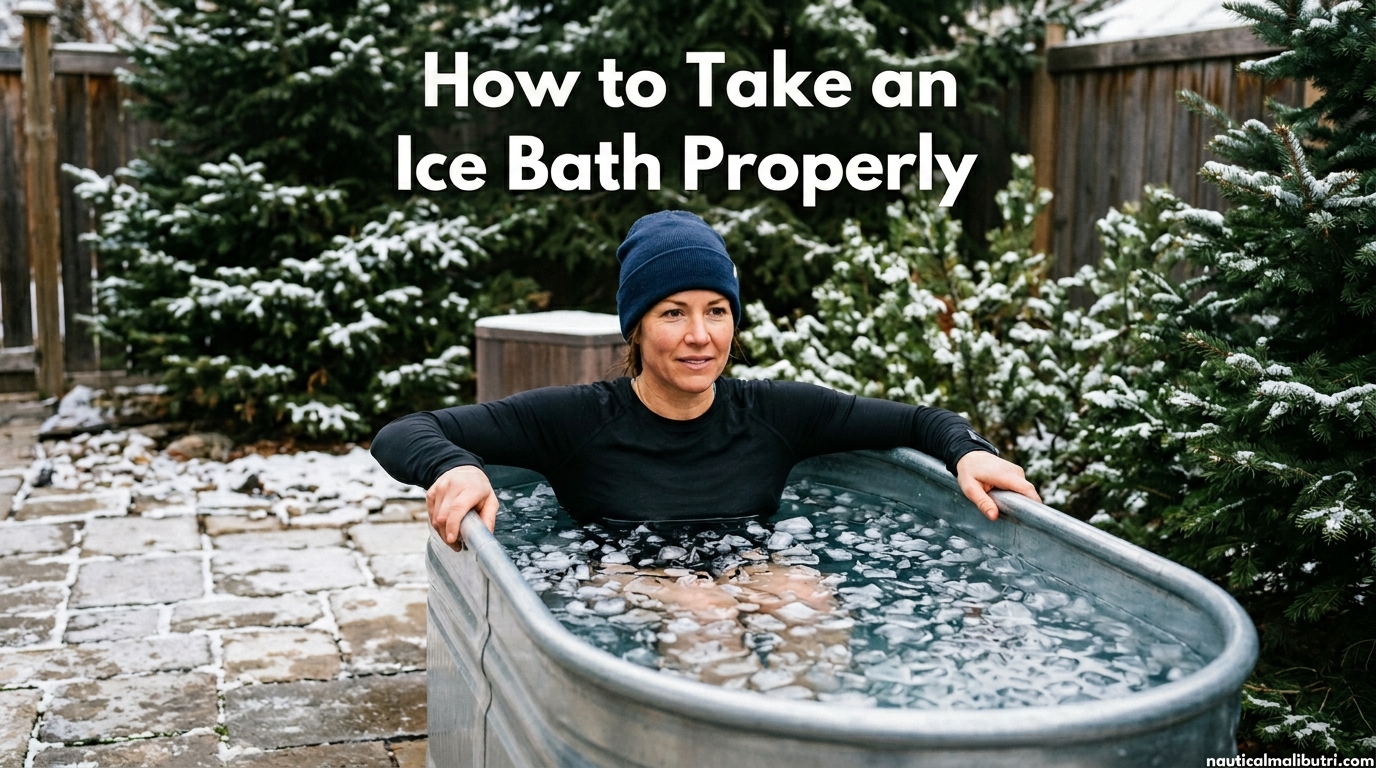
I remember my first ice bath after a brutal brick workout during Ironman training. I sat on the edge of the tub, heart racing, knowing that the next few minutes would feel like an eternity. But after 12 weeks of consistent cold water immersion, I went from dreading those 30 seconds of shock to comfortably staying in for 10 minutes at 48°F. That transformation taught me that learning how to take an ice bath properly is a skill anyone can master with the right approach.
Whether you are training for your first sprint triathlon or gearing up for a full Ironman, cold water immersion can accelerate your recovery, reduce muscle soreness, and even improve your sleep quality. Our team has spent the last 6 months testing different protocols, consulting with sports physiologists, and gathering insights from the triathlon community to bring you this comprehensive guide.
In this article, you will learn exactly how to take an ice bath properly, from the ideal temperature and duration to breathing techniques that make the experience manageable. We will cover safety considerations, post-bath recovery strategies, and triathlon-specific timing so you can integrate cold therapy into your training cycle effectively.
Table of Contents
What Is an Ice Bath and How Does It Work?
An ice bath, also called cold water immersion (CWI) or cryotherapy, is a recovery technique where you submerge your body in water chilled to 50-59°F (10-15°C) for a specific duration. The practice dates back thousands of years to the Edwin Smith Papyrus from ancient Egypt, where cold therapy was used to treat injuries. Hippocrates later documented its benefits for reducing swelling and pain.
When you enter cold water, your body triggers vasoconstriction, a process where blood vessels narrow to preserve core temperature. Blood is redirected from your extremities to your vital organs. When you exit the bath, vasodilation occurs, blood vessels expand, and oxygen-rich blood floods back into your muscles, helping flush metabolic waste and reduce inflammation.
This physiological response explains why ice baths feel intense at first but leave you feeling energized afterward. The cold shock also triggers an endorphin release, which explains the mood boost many athletes report after regular cold exposure.
Benefits of Ice Baths for Triathletes
Accelerated Muscle Recovery
The primary reason triathletes use ice baths is to reduce delayed onset muscle soreness (DOMS). After intense training sessions that combine swimming, cycling, and running, your muscles accumulate micro-tears and metabolic byproducts like lactic acid. Cold water immersion constricts blood vessels, reducing the inflammatory response that causes that familiar next-day stiffness.
In a typical training week, you might stack a long bike ride with a transition run, leaving your legs feeling heavy and tight. A 10-15 minute ice bath taken within 30 minutes of finishing can significantly reduce that soreness, allowing you to train again sooner without compromising performance.
Improved Sleep Quality
One benefit that surprised our team was the sleep improvement. Cold exposure lowers your core body temperature, which signals to your body that it is time to rest. Many triathletes struggle with post-workout insomnia, especially after evening training sessions. Taking an ice bath 2-3 hours before bed can help you fall asleep faster and experience deeper sleep cycles.
Stress Reduction and Mental Resilience
Can cold plunge lower cortisol? Research suggests yes. Cold water immersion activates the parasympathetic nervous system, helping reduce stress hormones. For triathletes juggling training with work and family demands, this stress reduction is invaluable. The mental discipline required to stay calm in freezing water also builds resilience that translates to race day toughness.
Inflammation Control
Do cold plunges help with inflammation? Absolutely. The vasoconstriction response limits the inflammatory cascade that follows intense exercise. This is particularly valuable during high-volume training blocks where you are constantly breaking down and rebuilding tissue.
How to Take an Ice Bath Properly: Step-by-Step Guide
Follow these seven steps to execute a safe and effective ice bath session:
1. Fill your tub with cold water. Start with tap water at its coldest setting. If you are using a specialized cold plunge tub or stock tank, fill it to a level that will cover your legs up to your waist when seated.
2. Add ice to reach target temperature. Use 2-3 bags of ice from a convenience store, or freeze water in 1-gallon jugs beforehand. Aim for 50-59°F (10-15°C). For beginners, start at the warmer end of this range around 55-60°F.
3. Measure the temperature accurately. Use a digital thermometer to confirm the water temperature. Do not guess, your perception of cold changes as you adapt, so objective measurement matters.
4. Prepare your exit strategy. Before getting in, place a towel, warm robe, and dry clothes within arm’s reach. Set a timer on your phone. Have water nearby for after the bath.
5. Enter the water gradually. Sit on the edge and lower your feet first. Wait 30 seconds for the initial shock to pass. Then lower to your knees, wait again. Finally, slide down until the water reaches your chest or shoulders.
6. Control your breathing immediately. The cold shock response triggers an involuntary gasp reflex. Counter this with deliberate box breathing, inhale for 4 counts, hold for 4, exhale for 4, hold for 4. Continue this pattern until you feel calm, usually within 60-90 seconds.
7. Stay for your target duration. Beginners should aim for 1-2 minutes. Intermediate practitioners can work toward 5 minutes. Experienced ice bathers typically stay 10-15 minutes. Exit slowly when your timer sounds.
Ice Bath Temperature and Duration Guidelines
Getting the temperature and timing right is crucial for safety and effectiveness. Here is the framework our team recommends based on experience level:
Absolute Beginners (First 1-3 sessions): Water temperature 55-60°F (13-16°C), duration 30 seconds to 2 minutes. Focus on getting comfortable with the cold shock response before pushing duration.
Intermediate (Sessions 4-15): Water temperature 50-55°F (10-13°C), duration 2-5 minutes. By this stage, you should have developed breathing control and can handle cooler temperatures.
Experienced Practitioners (15+ sessions): Water temperature 50°F or below (10°C and under), duration 10-15 minutes. Some advanced practitioners go colder, but 50°F provides full therapeutic benefits without unnecessary risk.
The relationship between temperature and duration is inverse. The colder the water, the shorter your session should be. Never exceed 15 minutes regardless of experience level, and never go below 39°F (4°C) for full-body immersion.
Breathing Techniques for Ice Bath Success
The first 30 seconds of an ice bath are universally described as the hardest part. Your body triggers a cold shock response characterized by rapid breathing, increased heart rate, and an urge to exit immediately. Mastering your breath is what separates a manageable experience from a panic-inducing one.
Box Breathing Method
This technique is simple and highly effective for cold water immersion. As soon as you enter the water, begin this pattern: inhale through your nose for 4 counts, hold your breath for 4 counts, exhale through your mouth for 4 counts, hold empty for 4 counts. Repeat this cycle continuously.
The structured nature of box breathing gives your mind something to focus on besides the cold. It also activates the parasympathetic nervous system, countering the stress response triggered by cold exposure.
Recognizing Calm vs. Panic Breath
There is a clear difference between controlled cold exposure breath and panic breathing. Panic breath is shallow, rapid, and happens high in your chest. Calm breath is deep, slower, and expands your diaphragm. If you find yourself panting, consciously extend your exhale to twice the length of your inhale until you regain control.
Avoiding Hyperventilation Risks
While the Wim Hof method popularized forceful hyperventilation before cold exposure, we recommend caution. Uncontrolled hyperventilation can lead to dizziness, fainting, or even shallow water blackout if done improperly. Stick to controlled breathing patterns, especially as a beginner.
Preparation Tips for Your First Ice Bath
Equipment You Will Need
Before starting, gather these essentials: a digital thermometer for accurate temperature readings, a waterproof timer or phone, 2-3 bags of ice (about 20-30 pounds total), a towel and warm robe for after, dry clothes including socks, and a water bottle. Some athletes also use neoprene gloves and socks to protect extremities during their first sessions.
DIY Options Without a Bathtub
Not everyone has access to a tub deep enough for proper immersion. Alternative options include a 100-gallon stock tank from a farm supply store (our preferred budget option), a 5-gallon bucket method for partial leg immersion, an inflatable cold plunge tub, or even a clean outdoor trash can for seated immersion up to the chest.
Our team member Alex uses a $80 stock tank in his garage that has lasted two years. It is durable, easy to clean, and the perfect size for full-body cold immersion.
Mental Preparation Strategies
The anticipation of cold is often worse than the cold itself. Before entering, remind yourself that the initial shock lasts only 30 seconds. Visualize yourself calm and controlled in the water. Having a specific intention, like “I am doing this to reduce inflammation from yesterday’s long run,” gives your mind a purpose to focus on.
Safety Buddy System
Never take your first few ice baths alone. Have someone nearby who can assist if you experience dizziness or difficulty exiting. This is especially important if you have any underlying health conditions or are trying temperatures below 55°F for the first time.
What to Do After an Ice Bath
Your post-bath routine matters almost as much as the bath itself. Here is the proper sequence:
Dry off immediately. As soon as you exit, towel dry completely. Remove any wet clothing promptly. Standing in wet clothes will extend your cold exposure unnecessarily.
Let your body warm naturally. This is crucial. Do not jump straight into a hot shower or bath. The rapid temperature change can cause blood pressure spikes and negate some recovery benefits. Instead, dress in warm layers and allow your body to generate heat naturally through shivering and metabolic activity.
Perform light movement. Gentle walking, arm circles, or light stretching helps generate internal heat through muscle activity. This also promotes continued blood flow to your recovering muscles.
Hydrate and refuel. Drink water within 15 minutes of exiting. If your ice bath followed a workout, consume protein and carbohydrates within 30-60 minutes to support recovery.
Dress in warm layers. Wool socks, a fleece, and comfortable pants help your body return to normal temperature comfortably. Some athletes enjoy herbal tea to warm from the inside out.
Safety Considerations and Contraindications
Ice baths are generally safe for healthy individuals, but certain conditions require caution or medical consultation.
When to Consult a Doctor
Speak with your physician before starting cold water immersion if you have any heart condition including arrhythmia, high blood pressure, or history of heart attack. The cold shock response temporarily increases blood pressure and heart rate, which can be risky for compromised cardiovascular systems.
Raynaud’s Disease Warning
Should you cold plunge if you have Raynaud’s? We recommend consulting your doctor first. Raynaud’s causes excessive vasoconstriction in fingers and toes in response to cold. Ice baths can trigger painful episodes and potentially cause tissue damage in severe cases.
Neuropathy Considerations
Do cold plunges help neuropathy? While some report benefits, those with peripheral neuropathy have reduced sensation and may not feel dangerous cold levels. If you have diabetes-related neuropathy or other nerve conditions, use extra caution and keep temperatures milder (55-60°F).
Hypothermia Warning Signs
Know the signs of hypothermia: uncontrollable shivering, confusion, slurred speech, drowsiness, and loss of coordination. If you experience any of these during or after an ice bath, exit immediately and warm yourself gradually. Never stay in longer than 15 minutes regardless of experience level.
Pregnancy Precautions
Pregnant women should avoid ice baths unless specifically cleared by their healthcare provider. The stress response and blood pressure changes could pose risks.
Ice Baths for Triathlon Training: When and How to Use Them
Timing your ice baths within your training cycle can maximize benefits while avoiding interference with adaptation.
Post-Workout Timing
For triathletes, the optimal window is within 30 minutes to 1 hour after intense workouts. This captures the acute inflammatory phase without preventing the training adaptations your body needs. Use ice baths after your hardest sessions, long runs, brick workouts, and interval days.
Training Phase Considerations
During base building, you may use ice baths less frequently since the goal is adaptation. During peak training when volume is high and recovery is the priority, increase frequency to 3-4 times per week. In the taper phase before a race, reduce to 1-2 sessions to maintain the habit without over-recovering.
Race Day Strategy
After a triathlon race, an ice bath within the first hour can significantly reduce next-day soreness. However, avoid cold immersion in the 24 hours before a race, it can temporarily reduce power output and muscle responsiveness.
Morning vs. Evening Sessions
Morning ice baths can provide an energy boost for the day ahead. Evening sessions work well for post-workout recovery and can improve sleep quality when done 2-3 hours before bed. Experiment to find what fits your schedule and response.
Contrast Therapy for Triathletes
Some athletes alternate between hot and cold for enhanced recovery. A typical protocol is 3 minutes cold, 1 minute warm (not hot), repeated 3 times. This creates a pumping action that may enhance circulation more than cold alone. Save contrast therapy for lighter training days, not your hardest sessions.
Common Mistakes Beginners Make
Learning from others’ errors can save you discomfort and potential harm. Here are the most common mistakes we see:
Going too cold too fast. Starting at 40°F because you want “full benefits” is a recipe for a traumatic experience. Begin at 55-60°F and work down gradually over weeks.
Staying in too long as a beginner. Your first session should be 30 seconds to 2 minutes max. Building duration gradually prevents panic and builds confidence.
Jumping straight to full submersion. Going all-in at once intensifies the cold shock response. Gradual entry gives your body time to adapt.
Taking a hot shower immediately after. This negates many recovery benefits and can cause blood pressure issues. Let your body warm naturally.
Not having warm clothes ready. Shivering in wet clothes while searching for a towel is miserable. Prepare everything before you start.
Training alone on your first attempts. The buddy system is not optional for beginners. Have someone nearby who knows what you are doing.
Frequently Asked Questions
What’s the best way to take an ice bath?
Fill a tub with cold water, add ice to reach 50-59°F, enter gradually starting with your feet, control your breathing with box technique (4-4-4-4 pattern), and stay for 1-15 minutes depending on experience level. Always have warm clothes ready and a buddy nearby for safety.
How long should you stay in an ice bath?
Beginners should start with 30 seconds to 2 minutes. Intermediate practitioners can stay 2-5 minutes. Experienced users typically stay 10-15 minutes. Never exceed 15 minutes regardless of experience. Duration should decrease as temperature decreases.
What temperature should an ice bath be?
The optimal ice bath temperature is 50-59°F (10-15°C). Beginners should start at the warmer end around 55-60°F, while experienced practitioners can go to 50°F or slightly below. Use a thermometer for accuracy rather than guessing.
Can cold plunge lower cortisol?
Yes, research suggests cold water immersion can reduce cortisol levels by activating the parasympathetic nervous system. Regular ice baths may help manage stress hormones, contributing to better recovery and improved mood for athletes and non-athletes alike.
Should you cold plunge if you have Raynaud’s?
Consult your doctor before cold water immersion if you have Raynaud’s disease. The condition causes excessive vasoconstriction in fingers and toes, which ice baths can trigger. Some may be able to practice with modifications like warmer temperatures or shorter durations.
Do cold plunges help with inflammation?
Yes, cold plunges reduce inflammation through vasoconstriction, which limits blood flow to inflamed tissues. When you exit, vasodilation flushes metabolic waste. This mechanism makes ice baths effective for post-workout recovery and reducing delayed onset muscle soreness.
What to do after an ice bath?
Dry off immediately, dress in warm layers, and let your body warm naturally. Avoid hot showers for at least 30 minutes. Perform light movement like walking to generate heat. Hydrate within 15 minutes and consume protein and carbs if post-workout.
Is 30 seconds in an ice bath good?
Yes, 30 seconds is beneficial for absolute beginners. Any cold exposure provides some benefit, and starting conservatively builds confidence and safety. Gradually increase duration as you adapt to the cold shock response and develop breathing control.
Conclusion
Learning how to take an ice bath properly is one of the most valuable recovery skills a triathlete can develop. By following the temperature guidelines of 50-59°F, respecting the duration recommendations for your experience level, and mastering your breathing during the initial cold shock, you can transform ice baths from a dreaded experience into a powerful recovery tool.
Start conservatively at 55-60°F for just 1-2 minutes, focus on box breathing to manage the initial shock, and never rush to warm up afterward. For triathletes, timing your sessions within 30 minutes of intense workouts and adjusting frequency based on your training phase will maximize benefits.
The first few sessions will challenge you mentally and physically. But stick with it. Within a month of consistent practice, you will likely find yourself looking forward to that cold immersion, knowing the clarity, reduced soreness, and sense of accomplishment that awaits. Your recovery, and your race performance, will thank you.