
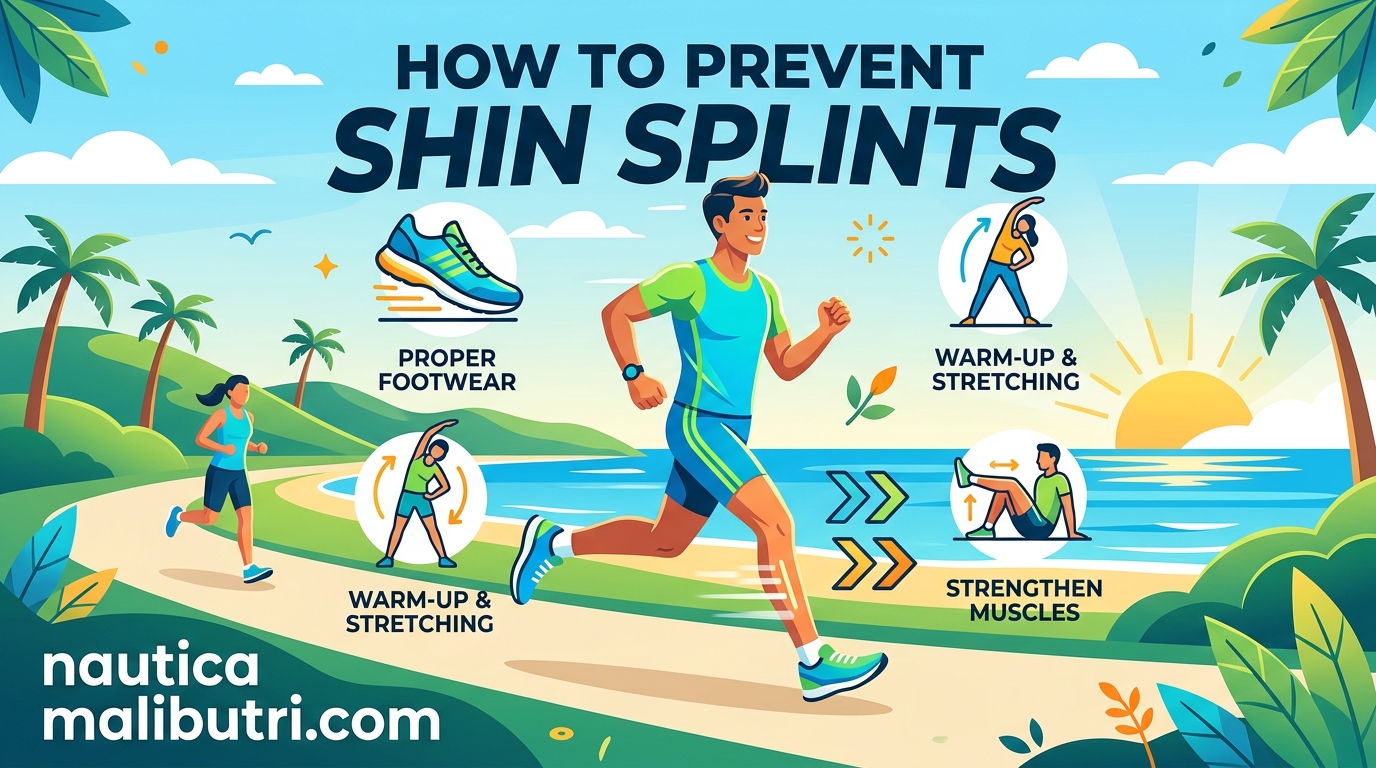
Shin splints can derail your training just when you are hitting your stride. Whether you are preparing for your first 5K, training for a marathon, or getting ready for a triathlon, that sharp pain along your shin bone can stop your progress cold. Learning how to prevent shin splints is essential for any runner or athlete who wants to stay consistent with their training.
Our team has researched prevention strategies from physical therapists, sports medicine doctors, and experienced runners to create this comprehensive guide. We have also incorporated real experiences from athletes who have successfully overcome recurring shin splints. In this guide, you will learn evidence-based prevention techniques that actually work.
Here are the most effective ways to prevent shin splints:
- Increase your training volume gradually following the 10% rule
- Wear properly fitted running shoes with adequate support
- Stretch your calves and hamstrings daily
- Strengthen your tibialis anterior and hip muscles
- Choose softer running surfaces when possible
- Improve your running form and foot strike pattern
- Incorporate cross-training to reduce repetitive stress
Table of Contents
What Are Shin Splints?
Shin splints, medically known as medial tibial stress syndrome, are one of the most common overuse injuries among runners and athletes. This condition causes pain along the inner edge of your shin bone (tibia) due to repetitive stress and microtrauma to the muscles and tissues surrounding the bone.
The pain typically develops gradually and may initially appear as a dull ache during activity. Many athletes describe it as a tenderness or soreness that worsens with continued exercise. If left untreated, shin splints can progress to stress fractures, which require significantly longer recovery periods.
The biomechanics behind shin splints involve ground reaction forces that occur when your foot strikes the ground. During running, your legs absorb impact forces equivalent to 2-3 times your body weight with each step. When your training increases too quickly, your bones and connective tissues do not have adequate time to adapt to these increased loads, resulting in inflammation and pain.
Two primary types of shin splints exist. Medial tibial stress syndrome affects the inner side of the shin and is more common among runners with flat feet or overpronation. Anterior shin splints involve the tibialis anterior muscle on the front of the shin and often result from heel striking or running on hard surfaces.
How to Prevent Shin Splints
Preventing shin splints requires a multi-faceted approach addressing training habits, footwear, strength, flexibility, and running mechanics. The following strategies have been proven effective by sports medicine professionals and validated through real-world athlete experiences.
1. Follow the 10% Rule for Mileage Increases
The single most important factor in preventing shin splints is avoiding sudden spikes in training volume. The 10% rule states that you should not increase your weekly mileage by more than 10% from one week to the next. This gradual progression allows your bones, muscles, and connective tissues to adapt to increasing stress.
Many shin splint cases occur when beginner runners, enthusiastic about their new sport, rapidly increase their distance. Our team has seen athletes go from running 10 miles per week to 25 miles within two weeks, only to develop severe shin pain that sidelined them for months. Your skeletal system adapts to stress more slowly than your cardiovascular system, which is why you might feel ready for more running while your bones are not.
For beginners starting from zero, consider the couch to 5K approach with structured walk-run intervals. Build a base of consistent easy running for at least six weeks before adding speed work or significant distance. Track your weekly mileage in a training log to ensure you are not accidentally increasing too quickly.
2. Wear the Right Running Shoes
Proper footwear is critical for preventing shin splints. Running shoes should provide adequate cushioning to absorb impact forces and proper support for your foot type. Most running shoes maintain their protective properties for 300-500 miles, after which the midsole foam compresses and loses shock absorption capability.
Your foot arch type determines what kind of shoe works best for you. Runners with flat feet and overpronation typically benefit from stability or motion control shoes that prevent excessive inward rolling. Those with high arches may need neutral shoes with extra cushioning to compensate for their foot’s natural lack of shock absorption.
Consider getting a professional gait analysis at a specialty running store. Many experienced runners on Reddit report that their shin splint problems disappeared after switching to properly fitted shoes based on gait analysis. Staff can analyze your foot strike pattern and recommend appropriate footwear options.
Replace your running shoes before they completely break down. A good rule of thumb is to track your mileage and replace shoes every 300-500 miles. If you run in old shoes with compressed cushioning, your shins absorb significantly more impact with each step.
3. Stretch Your Calves and Hamstrings Daily
Tight calf muscles and hamstrings contribute significantly to shin splint development. When these muscles lack flexibility, they alter your running mechanics and increase stress on your shin bones. Implementing a consistent stretching routine can dramatically reduce your shin splint risk.
Perform dynamic calf stretches before your runs as part of your warm-up routine. Simple exercises like ankle circles, heel walks, and gentle calf raises prepare your muscles for activity. After your run, hold static stretches for 30-45 seconds each, targeting both the gastrocnemius (upper calf) and soleus (lower calf) muscles.
Many runners on forums report that adding dedicated hamstring stretching eliminated their recurring shin splint issues. The hamstrings connect to your pelvis and influence your entire lower body mechanics. Try standing hamstring stretches, seated forward folds, or lying hamstring stretches with a strap.
Consistency matters more than intensity with stretching. Five minutes of daily stretching provides better protection than an hour once per week. Consider incorporating yoga sessions into your training schedule, as many yoga poses naturally lengthen the calves and hamstrings while also building core strength.
4. Strengthen Your Tibialis Anterior and Hip Muscles
Muscle imbalances often underlie chronic shin splint problems. While runners typically have strong calves from all the miles logged, the tibialis anterior muscle on the front of the shin often remains underdeveloped. This imbalance creates uneven forces on the tibia during foot strike.
The tibialis anterior is responsible for dorsiflexion, which is pulling your toes upward toward your shin. Strengthening this muscle creates better balance with the powerful calf muscles. Simple toe raises against a wall or with a resistance band provide excellent tibialis anterior conditioning. Aim for 3 sets of 15-20 repetitions, performed 3-4 times per week.
Hip and core strengthening also plays a crucial role in shin splint prevention. Weak hip muscles allow your knees to collapse inward during running, creating abnormal stress on your lower legs. Exercises like clamshells, lateral band walks, and single-leg squats target the hip abductors and external rotators that stabilize your stride.
Eccentric exercises, which emphasize the lowering phase of movement, show particular promise for shin splint prevention. Try eccentric calf raises by rising up with both feet, then slowly lowering on one foot over a count of 3-5 seconds. Research suggests eccentric loading helps remodel tendon tissue and increase its capacity to handle stress.
5. Choose Softer Running Surfaces
The surface you run on significantly affects the impact forces transmitted through your legs. Concrete and asphalt create the highest impact forces, while tracks, trails, and treadmills provide more forgiving surfaces that reduce stress on your shins.
Whenever possible, incorporate track workouts or trail runs into your training schedule. Synthetic tracks absorb approximately 50% more impact than concrete. Grass and dirt trails offer even greater shock absorption, though you should watch for uneven terrain that could cause ankle injuries.
If you primarily run on roads, try to vary your route to include sections of sidewalk, park paths, or other softer alternatives. Even small reductions in impact forces accumulate over thousands of steps. Some runners report that simply switching from concrete sidewalks to asphalt roads made a noticeable difference in their shin comfort.
Treadmill running provides a consistently cushioned surface that many runners find beneficial when managing shin splint concerns. While treadmill mechanics differ slightly from outdoor running, the reduced impact can help you maintain fitness while recovering from or preventing shin issues.
6. Improve Your Running Form
Your running technique directly influences the stress placed on your shins. Overstriding, where your foot lands far in front of your center of mass, creates braking forces that your shins must absorb. Heel striking also generates higher impact peaks compared to midfoot or forefoot striking patterns.
Focus on increasing your cadence, which is the number of steps you take per minute. Aim for approximately 170-180 steps per minute. Higher cadence naturally reduces overstriding and encourages foot landing closer to your center of mass. Use a metronome app or music with the right beats per minute to help establish this rhythm.
Overpronation, where your foot rolls excessively inward after landing, increases stress on the medial tibia. While some pronation is normal, excessive movement indicates potential weaknesses in your foot and ankle stabilizers. Arch supports or orthotics may help, but strengthening exercises targeting foot intrinsic muscles often provide better long-term results.
Consider having your running form analyzed by a professional. Many physical therapy clinics and running stores offer video gait analysis that can identify specific technique issues contributing to your shin splint risk. Small adjustments to your form can yield significant injury prevention benefits.
7. Incorporate Cross-Training
Running creates repetitive stress on the same muscles and bones with every workout. Cross-training allows you to maintain cardiovascular fitness while giving your running-specific tissues time to recover and adapt. This variety reduces the cumulative load that leads to overuse injuries like shin splints.
Swimming provides excellent cardiovascular training with zero impact on your legs. The water supports your body weight while providing resistance for a challenging full-body workout. Many elite runners use swimming as their primary cross-training activity during high-mileage phases or when managing minor injuries.
Cycling offers another low-impact option that builds leg strength while sparing your shins from pounding. Stationary bikes, road cycling, and mountain biking all provide effective workouts. For triathletes, cycling directly transfers to one of your primary sports while giving your running muscles a break.
Elliptical machines, rowing ergometers, and pool running also serve as effective cross-training modalities. Aim to replace 20-30% of your weekly running volume with cross-training activities, especially during base building phases or when increasing overall training load.
Triathlon-Specific Shin Splint Prevention
Triathletes face unique shin splint challenges that pure runners do not encounter. The bike-to-run transition, often called a brick workout, creates specific stresses on your lower legs that require targeted prevention strategies. This section addresses considerations specific to triathlon training.
When you transition directly from cycling to running, your legs must immediately adapt from the circular pedal motion to the impact loading of running. This sudden switch without proper warm-up often triggers shin pain in triathletes. Experienced triathletes recommend starting your run leg with 5-10 minutes of very easy jogging before settling into your target pace.
The bike position you maintain can also influence your running mechanics. Aggressive aero positions that excessively flex your hips may alter your running form when you dismount. Ensure your bike fit allows comfortable hip extension that translates naturally to an efficient running stride.
Brick workouts in training prepare your body for the unique demands of race-day transitions. Practice running immediately after cycling at least once per week during your build phase. Start with short 10-minute runs off the bike and gradually increase duration as your body adapts to the transition stress.
Triathletes managing shin splint concerns should pay particular attention to their running volume relative to cycling load. Many triathletes increase bike mileage substantially while maintaining high run volume, creating a perfect storm for overuse injuries. Reduce run volume temporarily while building bike fitness, then gradually reintroduce running miles.
Recovery Strategies and Tools
Effective recovery practices complement your prevention strategies by helping your tissues adapt to training stress. The following tools and techniques support shin health and may accelerate recovery if you experience early warning signs of shin splints.
Foam rolling your calves and shins improves tissue quality and mobility. Roll slowly over any tender spots, pausing for 30-60 seconds when you find tight areas. Many runners report that consistent foam rolling eliminated their chronic shin tightness. Focus particularly on the outer and inner calf muscles, as well as the tibialis anterior along the front of your shin.
Compression socks or sleeves may help reduce muscle vibration and improve circulation during and after running. While research on compression garments shows mixed results, many athletes find them beneficial for managing shin discomfort during long runs. The compression may also provide proprioceptive feedback that encourages better running mechanics.
Ice massage provides targeted cooling to inflamed shin tissues. Fill a paper cup with water and freeze it, then peel back the cup to expose the ice. Massage the painful area for 10-15 minutes after runs when you notice early shin discomfort. This technique combines the benefits of ice therapy with gentle massage.
Bone health nutrition supports your skeleton’s ability to handle training stress. Ensure adequate calcium and vitamin D intake through diet or supplementation. Some studies suggest that runners with lower bone density are more susceptible to stress fractures and shin splints. Consider consulting your doctor about bone density testing if you have recurrent issues.
Frequently Asked Questions
How do you stop shin splints from forming?
The most effective way to stop shin splints from forming is to increase your training gradually by no more than 10% per week, wear properly fitted running shoes with adequate cushioning, stretch your calves and hamstrings daily, and strengthen your tibialis anterior muscles with exercises like toe raises. Running on softer surfaces and improving your running form also significantly reduce your risk.
What triggers shin splints?
Shin splints are primarily triggered by sudden increases in training volume or intensity, running in worn-out shoes without adequate support, tight calf muscles and hamstrings, weak tibialis anterior muscles, and biomechanical issues like overpronation. Running on hard surfaces like concrete and downhill running also increase stress on the shins.
What is the fastest way to cure shin splints?
The fastest way to cure shin splints is to rest from the activity causing pain while maintaining fitness through low-impact cross-training like swimming or cycling. Apply ice to reduce inflammation, perform gentle stretching, and gradually reintroduce running only when walking causes no pain. Most cases resolve within 2-4 weeks with proper rest and treatment.
Do shin splints mean weak calves?
Shin splints do not necessarily mean weak calves. In fact, many runners with shin splints have overdeveloped calves compared to their tibialis anterior muscles. The imbalance between these opposing muscle groups creates uneven pull on the shin bone. Strengthening the tibialis anterior while maintaining calf flexibility often resolves this issue.
Final Thoughts
Preventing shin splints requires consistency across multiple areas of your training. No single strategy provides complete protection, but combining gradual progression, proper footwear, regular stretching, targeted strengthening, surface selection, form improvement, and cross-training creates a robust defense against this common overuse injury.
Start implementing these prevention strategies before you experience pain. Many runners wait until shin splints develop before making changes, but proactive prevention is far more effective than reactive treatment. The time you invest in prevention pays dividends through uninterrupted training and better race performances in 2026.
If you do experience persistent shin pain despite following these prevention guidelines, consult a sports medicine doctor or physical therapist. They can assess for underlying biomechanical issues, evaluate bone density, and rule out stress fractures. Early professional intervention prevents minor issues from becoming major setbacks. Stay consistent with your prevention routine, and you will keep running strong for years to come.