
You finish a tough brick workout, feeling strong and accomplished. You shower, refuel, and head to bed proud of your effort. Then you wake up the next morning and suddenly walking down stairs feels like a personal attack on your quads.
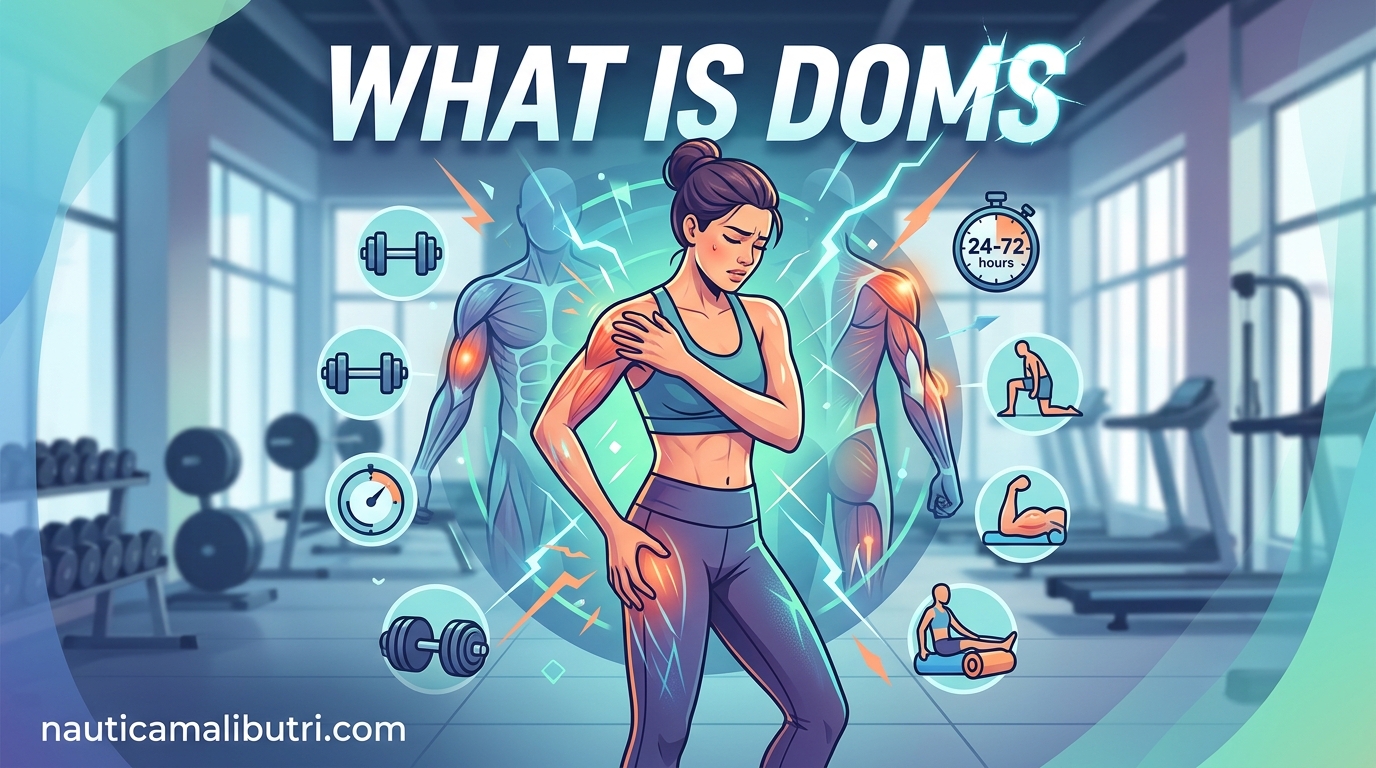
Delayed onset muscle soreness, or DOMS, is muscle pain and stiffness that begins 24 to 72 hours after intense or unfamiliar exercise. It is called delayed onset because the pain does not show up immediately after your workout like normal fatigue does. Instead, it sneaks up on you a day or two later, often at its worst when you are trying to get out of bed or sit down.
For triathletes, DOMS is an unavoidable part of training. Whether you are increasing your weekly mileage, adding hill repeats, or transitioning from the pool to open water, your muscles will protest. This guide covers everything you need to know about what DOMS is, why it happens, and how to manage it without derailing your training.
Table of Contents
What is DOMS?
DOMS stands for delayed onset muscle soreness. It is a type of muscle pain that develops after you perform exercise that is more intense, longer, or different from what your body is accustomed to.
The key characteristic that defines DOMS is the timeline. Unlike acute muscle soreness that you feel during or immediately after a workout, DOMS pain typically begins 12 to 24 hours post-exercise. It peaks around the 24 to 72 hour mark, and gradually subsides over the next three to seven days.
The soreness results from microscopic damage to muscle fibers and the surrounding connective tissue. This damage triggers an inflammatory response as your body begins the repair process. That inflammation is what causes the familiar ache, stiffness, and tenderness associated with DOMS.
It is important to understand that DOMS is different from the burning sensation you feel during a hard effort. That burn comes from lactic acid buildup, and it fades within minutes or hours of finishing your workout. DOMS is the deeper, more persistent ache that makes you wince when you stand up after a long meeting the day after leg day.
DOMS Symptoms: What to Watch For
Recognizing DOMS helps you distinguish between normal recovery pain and potential injury. Here are the primary symptoms to look for.
Muscle Tenderness and Aching
The most obvious sign of DOMS is tender, aching muscles. When you press on the affected area, it feels sore and sensitive. This tenderness is usually diffuse, meaning it spreads across the muscle rather than focusing on one specific point like an injury would.
Stiffness and Reduced Range of Motion
DOMS often comes with stiffness that limits how far you can move a joint. You might struggle to fully extend your arms after a hard swim, or find that your hips feel locked up after a long run. This reduced range of motion is temporary and improves as the soreness fades.
Weakness and Fatigue
Affected muscles feel weaker than usual during DOMS. Your legs might feel like jelly when you try to climb stairs. Your swim stroke might lack power. This weakness happens because your muscles are still in recovery mode and not firing at full capacity.
Swelling and Mild Inflammation
Some athletes notice mild swelling in the affected muscles during peak DOMS. The area might feel slightly puffy or look fuller than usual. This is part of the inflammatory response and typically resolves within a few days.
DOMS symptoms are uncomfortable but should not be debilitating. If you experience severe pain, dark urine, or swelling that does not improve, those are red flags for something more serious than DOMS.
What Causes DOMS?
Understanding what triggers DOMS can help you anticipate and manage it better. The primary cause is mechanical stress on your muscle fibers that exceeds what they are conditioned to handle.
Eccentric Exercise
Eccentric movements are the main culprit behind DOMS. An eccentric contraction happens when your muscle lengthens under tension. Picture the controlled lowering phase of a bicep curl, or the impact absorption when your foot strikes the ground while running downhill.
These lengthening contractions create more micro-tears in muscle fibers than concentric contractions where the muscle shortens. For triathletes, eccentric loading happens constantly during downhill running, the push phase of cycling, and even the catch and pull in swimming.
Unaccustomed Activities
Your body adapts to the specific demands you place on it regularly. When you introduce a new movement pattern, increase intensity, or extend duration significantly, you create conditions for DOMS. This is why your first open water swim of the season might leave your shoulders screaming even if you have been pool training all winter.
Muscle Fiber Damage and Inflammation
During intense exercise, especially eccentric exercise, individual muscle fibers develop microscopic tears. This damage triggers an inflammatory cascade involving white blood cells, fluid accumulation, and the release of enzymes like creatine kinase into your bloodstream.
That inflammatory response is actually a positive sign. It means your body has recognized the damage and begun the repair process. As your muscles heal, they rebuild stronger and more resilient than before. This adaptation is the foundation of training gains.
Connective Tissue Stress
DOMS is not limited to muscle fibers alone. The connective tissue surrounding muscles, including fascia and tendons, also experiences stress during hard training. This explains why DOMS sometimes feels deeper and more spread out than a simple muscle pull.
How to Treat DOMS
There is no magic cure that instantly eliminates DOMS. However, several strategies can reduce discomfort and speed up your recovery timeline.
Active Recovery Methods
Light movement is one of the most effective ways to work through DOMS. Blood flow helps flush metabolic waste and deliver nutrients to damaged tissues. An easy recovery spin, a gentle swim, or even a walk can significantly reduce stiffness and soreness.
The key is keeping the intensity low. You are not trying to hammer out intervals while sore. You are aiming for 30 to 60 minutes of conversational-pace movement that gets blood pumping without adding additional stress.
Heat and Cold Therapy
Both heat and cold have roles in DOMS management, but timing matters. Cold therapy through ice baths or cold packs can help in the first 24 hours after a hard session when inflammation is highest. The cold constricts blood vessels and reduces swelling.
Heat becomes more beneficial after the initial inflammatory phase. Warm baths, heating pads, or hot tubs increase blood flow and help relax tight muscles. Many athletes find relief from Epsom salt baths, though the magnesium absorption through skin remains scientifically debated.
Foam Rolling and Massage
Self-myofascial release through foam rolling can temporarily reduce DOMS symptoms. Rolling increases blood flow to the area and may help break up adhesions in the fascia surrounding muscles. Focus on slow, deliberate rolls over sore areas rather than rapid movements.
Professional massage offers similar benefits with targeted pressure. Some triathletes schedule regular sports massage during heavy training blocks to manage accumulated soreness. If professional massage is not in your budget, self-massage tools like percussion guns or massage balls can provide relief.
Nutrition for Recovery
What you eat significantly impacts how quickly you recover from DOMS. Protein provides the amino acids necessary for muscle repair. Aim for 20 to 30 grams of quality protein within the first hour after hard training.
Anti-inflammatory foods can help manage the inflammatory response. Tart cherry juice, fatty fish rich in omega-3s, turmeric, and berries all contain compounds that may reduce inflammation markers. Staying well-hydrated also supports the clearance of metabolic waste products.
Some supplements show promise for DOMS reduction. Creatine monohydrate, omega-3 fatty acids, and certain antioxidants have research supporting their use. However, supplements should complement a solid nutrition foundation rather than replace it.
Sleep and Rest
Sleep is when the majority of muscle repair happens. Growth hormone peaks during deep sleep, facilitating tissue rebuilding. Skimping on sleep during heavy training is like trying to rebuild a house without giving the construction crew enough time to work.
Prioritize 7 to 9 hours of quality sleep per night, especially during periods of high training load. If DOMS is severe, an extra rest day or a significantly reduced training volume day can accelerate recovery more than pushing through would.
How to Prevent DOMS
While you cannot completely eliminate DOMS if you are training hard, you can minimize its severity and frequency through smart training practices.
Progressive Training Load
The number one rule for preventing severe DOMS is gradual progression. Sudden spikes in volume or intensity are DOMS invitations. Follow the 10 percent rule, increasing weekly training volume by no more than 10 percent from the previous week.
This principle applies across all three disciplines. If you are building run mileage, do it gradually. If you are adding swim intensity, introduce it in measured doses. Your body adapts best to consistent, progressive overload rather than random hammer sessions followed by days of crippling soreness.
Warm Up Properly
A thorough warm-up prepares your muscles for the work ahead. Cold, stiff muscles are more susceptible to the micro-damage that causes DOMS. Spend 10 to 15 minutes gradually ramping up intensity before hard efforts.
Include dynamic movements that mimic the activity you are about to perform. Leg swings before running, arm circles before swimming, and easy spinning before hard intervals all help prime your muscles and connective tissue.
Eccentric Training Adaptation
Since eccentric contractions are the primary DOMS trigger, training your body to handle them better makes sense. Include controlled eccentric work in your strength training. Lower weights slowly during lifts. Practice downhill running technique during easy runs.
Over time, your muscles become more resistant to eccentric-induced damage. This adaptation is why experienced downhill runners experience less DOMS than beginners even when running the same descent.
Post-Workout Recovery Routine
What you do immediately after training affects how you feel 24 hours later. Cool down properly with 5 to 10 minutes of easy movement. Refuel with protein and carbohydrates within the recovery window. Rehydrate consistently throughout the day.
Develop a consistent recovery routine that works for you. Some athletes swear by compression gear. Others prioritize contrast showers or scheduled naps. Find the combination that helps you feel freshest day to day.
DOMS and Triathlon Training
Triathletes face unique challenges when it comes to DOMS. Training for three disciplines means more opportunities for muscle stress and less time for recovery between sessions.
Common Triathlon Muscle Groups Affected
Certain muscles take more punishment in triathlon training than others. Your quadriceps bear the brunt of downhill running and hard cycling efforts. Your calves work constantly across all three disciplines, making them frequent DOMS victims. Your shoulders and lats feel the load during swim training, especially when ramping up volume or working on technique changes.
Your hip flexors and hamstrings often develop DOMS during run-focused training blocks. The repetitive nature of running creates significant eccentric stress with every footstrike. Cycling primarily stresses the quads during the power phase, but also loads the glutes and calves depending on your position and pedaling style.
Understanding which muscles typically get sore helps you plan your training week. If you know your quads will be tender after hill repeats, you can schedule an easy swim the next day rather than a hard bike session that would demand more from those same muscles.
Training Through DOMS
One of the biggest questions triathletes face is whether to train with DOMS. The answer depends on severity and location. Mild DOMS in one muscle group does not necessarily require a rest day if you can train other disciplines that do not stress those muscles.
If your legs are sore from yesterday’s run, an upper-body focused swim or easy spin might actually help recovery without adding significant stress. The key is honest assessment of how your body feels and willingness to adjust intensity down if needed.
Never push through severe DOMS that alters your movement patterns. Training with significantly compromised form increases injury risk. It is better to take an extra easy day than to develop a compensation injury that sidelines you for weeks.
Race Day DOMS Management
Race day DOMS is every triathlete’s nightmare. You have tapered perfectly, traveled to the venue, and wake up race morning with mysteriously sore legs. This can happen from travel stress, unfamiliar beds, pre-race nerves, or last-minute course reconnaissance that was harder than planned.
If you wake up sore on race morning, do not panic. A proper warm-up will often help muscles feel better once blood flow increases. Start your race conservatively and let your body settle in. Many athletes find that DOMS is less noticeable once they are actually racing compared to when they are walking around the expo stressing about it.
Post-race DOMS is inevitable after a full-distance or half-distance effort. Plan your recovery week accordingly. The first 48 hours after a big race are for moving gently, refueling well, and sleeping plenty. Hard training can wait until your body has processed the effort.
When to See a Doctor: Red Flags
Most DOMS is harmless and resolves on its own. However, certain symptoms warrant medical attention because they could indicate something more serious.
Rhabdomyolysis Warning Signs
Rhabdomyolysis is a severe condition where muscle breakdown is so extensive that muscle proteins flood the bloodstream and can damage kidneys. It requires immediate medical treatment.
Warning signs include severe muscle pain that seems disproportionate to your workout, significant muscle swelling, and dark or cola-colored urine. If you experience these symptoms, seek emergency medical care immediately. Rhabdomyolysis can lead to kidney failure if untreated.
Compartment Syndrome
Compartment syndrome occurs when pressure builds up within a muscle compartment, cutting off blood flow. Symptoms include severe pain, tightness, numbness, or weakness in the affected area. This is also a medical emergency requiring immediate attention.
Injury vs. DOMS
DOMS is diffuse, bilateral, and improves with movement. Injuries are typically localized to a specific spot, may only affect one side, and often hurt more with activity. If you have sharp, pinpoint pain, significant swelling, or symptoms that worsen over several days rather than improving, consult a medical professional.
Trust your instincts. You know your body better than anyone. When something feels wrong rather than just sore, get it checked out.
Frequently Asked Questions
How do you get rid of DOMS?
You cannot instantly eliminate DOMS, but you can reduce symptoms through active recovery like light swimming or cycling, foam rolling, heat therapy after the first 24 hours, proper nutrition with adequate protein, and quality sleep. The soreness will naturally resolve as your muscles repair themselves over 3 to 7 days.
How long until DOMS goes away?
DOMS typically peaks between 24 to 72 hours after exercise and gradually subsides over 3 to 7 days. Most cases resolve completely within a week. If soreness persists beyond 7 days or worsens after the initial peak, consult a healthcare provider to rule out injury.
Is DOMS a sign of muscle growth?
DOMS indicates that your muscles experienced stress and are now repairing themselves. While the repair process can lead to muscle adaptation and growth over time, DOMS itself is not a reliable indicator of how much muscle you are building. Consistent training, proper nutrition, and progressive overload matter more for growth than soreness levels.
Should you workout with DOMS?
Light to moderate exercise can actually help reduce DOMS symptoms by increasing blood flow to affected muscles. However, you should avoid high-intensity training that stresses the same sore muscle groups. Choose activities that work different muscles or keep intensity conversational. Stop if pain alters your movement patterns or feels sharp rather than achy.
Do pro athletes get DOMS?
Professional athletes absolutely experience DOMS, especially when increasing training load, introducing new stimuli, or during preseason training blocks. Elite athletes have developed better recovery practices and their bodies adapt more efficiently to familiar training, but they are not immune to soreness when pushing boundaries.
Does DOMS mean the muscle is still recovering?
Yes, DOMS indicates that your muscles are actively repairing the microscopic damage caused by exercise. The inflammatory response and soreness are signs that your body is rebuilding muscle fibers and connective tissue. This repair process typically completes within a week, leaving the muscles stronger and more resilient than before the workout that caused the soreness.
Conclusion
Delayed onset muscle soreness is a normal part of the triathlon training process. It signals that your muscles have been challenged and are now rebuilding stronger than before. Understanding what DOMS is, how to distinguish it from injury, and how to manage it effectively helps you train smarter and recover faster.
Remember that some DOMS is inevitable if you are pushing your limits and making progress. The goal is not to eliminate soreness entirely, but to manage it so it does not derail your training. With proper nutrition, smart recovery practices, and progressive training loads, you can minimize the discomfort while maximizing your performance gains throughout 2026.
Train hard, recover well, and trust the process. Your muscles will thank you on race day.