
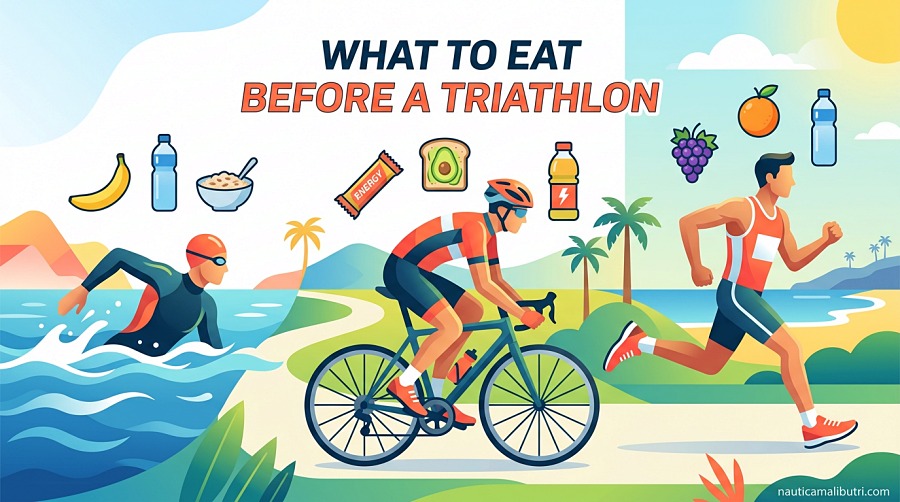
Standing at the start line with a knotted stomach and wobbly legs is not how you want to begin race day. I learned this lesson the hard way at my first Olympic-distance triathlon when a heavy breakfast decision left me fighting nausea through the entire bike leg. What to eat before a triathlon matters just as much as your swim, bike, and run training combined.
Pre-race nutrition is often called the fourth discipline of triathlon for good reason. The food choices you make in the 36 hours before your race directly impact your glycogen stores, blood sugar stability, and gastrointestinal comfort. Get it right, and you will have steady energy from start to finish. Get it wrong, and even perfect training cannot save your race.
This guide covers everything you need to know about fueling before a triathlon. We will walk through exactly what to eat the night before, what to have for breakfast, when to eat it, and how to handle special situations like nervous stomach or travel races.
Table of Contents
Why Pre-Race Nutrition Is Your Fourth Discipline
Your body stores carbohydrate energy in two main places: muscle glycogen and liver glycogen. These stored fuels power you through the swim, bike, and run without hitting the dreaded wall. A typical athlete stores enough glycogen for about 90 minutes of moderate effort, which means most triathletes need to top off their tanks before the start.
Carbohydrate loading is the practice of maximizing these glycogen stores in the days before competition. Research shows that eating 7 to 12 grams of carbohydrate per kilogram of body weight for 24 to 48 hours before an endurance event can increase muscle glycogen by up to 90 percent. This extra fuel can be the difference between a strong finish and a struggle.
The challenge is that your digestive system slows during exercise. Blood flow redirects from your stomach to your working muscles, making it harder to process food while racing. Eating the wrong foods too close to the start can cause cramping, bloating, or the urgent need for a porta-potty stop. Pre-race nutrition is about storing fuel early so your body can access it easily when you need it most.
What to Eat the Night Before a Triathlon
Dinner the night before your race sets the foundation for your entire fueling strategy. This meal should be rich in easy-to-digest carbohydrates, moderate in lean protein, and low in both fat and fiber. Think white pasta with marinara sauce rather than whole wheat with cream Alfredo.
The best night-before meals include pasta with simple tomato sauce, white rice with grilled chicken or tofu, baked potatoes with a small amount of butter, or a plain pizza with thin crust and vegetable toppings only. Aim for familiar foods you have tested in training. Race weekend is not the time to try that new Thai restaurant downtown.
Portion Sizes and Timing
Your night-before dinner should provide roughly 2 to 3 grams of carbohydrate per kilogram of body weight. A 70kg athlete needs about 140 to 210 grams of carbs at this meal. That equals roughly 2 to 3 cups of cooked pasta or rice, which is more than a typical dinner serving.
Timing matters almost as much as content. Eat your dinner early, ideally 12 to 14 hours before your race start. For a 7 AM race start, this means finishing dinner by 5 or 6 PM the previous evening. An early meal allows complete digestion before you try to sleep, reducing the chance of reflux or discomfort overnight.
Proven Night-Before Meals
Here are three tried-and-true dinner options that triathletes rely on:
Option 1: Classic Pasta Bowl – 2 cups cooked white pasta with marinara sauce, 4 ounces grilled chicken breast, side of white bread with minimal butter. Provides approximately 150 grams of carbohydrates.
Option 2: Asian Rice Bowl – 2 cups white rice, 4 ounces teriyaki salmon or tofu, small side of miso soup. Skip the edamame and fibrous vegetables. Provides approximately 140 grams of carbohydrates.
Option 3: Simple Potato Plate – Large baked potato or sweet potato topped with minimal butter and salt, 4 ounces lean protein, white roll on the side. Provides approximately 130 grams of carbohydrates.
The Low-Residue Approach
Many experienced triathletes follow a low-residue diet for 24 to 36 hours before racing. This means choosing foods that leave minimal undigested material in your digestive tract. White bread, white rice, pasta, ripe bananas, and lean proteins work well. Avoid nuts, seeds, raw vegetables, whole grains, and high-fiber cereals during this window.
Race Morning Breakfast: Your Final Fuel Stop
Breakfast on race morning serves two purposes. It tops off liver glycogen stores that depleted overnight, and it stabilizes blood sugar for the hours ahead. This meal should be carbohydrate-focused, low in fiber, and eaten with enough time for digestion before the start.
The standard recommendation is to eat breakfast 2 to 3 hours before your race begins. This window allows most of the food to leave your stomach while keeping energy available in your bloodstream. For a 7 AM race start, plan to finish breakfast by 4 or 5 AM. Set multiple alarms if you need to.
What to Include in Your Race Breakfast
Target 1 to 4 grams of carbohydrate per kilogram of body weight for breakfast, depending on how much you ate the night before and how far out the meal is. A 70kg athlete might aim for 70 to 100 grams of carbs about 3 hours before the start. Focus on simple carbohydrates that digest quickly.
Excellent race morning options include oatmeal made with water and topped with banana and honey, a plain bagel with a small amount of peanut butter and jam, white toast with honey and a banana on the side, or pancakes with maple syrup and minimal butter. Avoid adding nuts, seeds, or high-fiber fruits like berries.
Liquid Options for Nervous Stomachs
Many triathletes struggle to eat solid food on race morning due to pre-race nerves. If your appetite disappears, liquid calories can save your race. Smoothies made with banana, white bread or oats, and a scoop of protein powder provide easy-to-digest energy without chewing.
Another option is a meal replacement shake designed for athletes, providing 40 to 60 grams of carbohydrate in a drinkable form. Some athletes prefer rice porridge or cream of rice cereal, which offer the satisfaction of solids with the digestibility of liquids. Test these options in training so you know what works for your body.
Caffeine Considerations
Caffeine can enhance endurance performance when used correctly. If you normally drink coffee, have your usual amount on race morning. If you do not regularly consume caffeine, race day is not the time to start. The recommended dose is 3 to 6 milligrams per kilogram of body weight, consumed 30 to 60 minutes before the start.
For a 70kg athlete, this equals roughly 200 to 400 milligrams of caffeine, or about 2 to 4 cups of coffee. Consider using caffeinated gels or sports drinks if you cannot stomach coffee on race morning. Time your caffeine intake so the peak effect hits right as you exit the swim and begin the bike leg.
Timing Guide: What to Eat and When
Successful pre-race nutrition follows a countdown schedule. Each window has a specific purpose and recommended foods. Following this timeline helps ensure you start the race fully fueled without digestive distress.
36 Hours Before the Gun
This is when your carbohydrate loading begins in earnest. Shift your meals to be 70 to 80 percent carbohydrates while reducing fiber intake. Eat familiar foods at regular intervals. Continue your normal hydration habits. Your goal is to fill muscle glycogen stores gradually without causing gastrointestinal upset.
12 to 14 Hours Before the Gun
Eat your final substantial meal of the day, your carbohydrate-focused dinner. Finish eating by early evening to allow full digestion before sleep. Drink water normally but avoid overhydrating. Check that your race morning breakfast foods are ready and accessible.
3 Hours Before the Gun
Consume your race morning breakfast. Eat slowly and chew thoroughly. Drink 16 to 20 ounces of fluid with your meal. Avoid high-fiber foods. This is your last chance for substantial calories before the race starts.
90 Minutes Before the Gun
Most athletes should not eat anything significant at this point. Continue sipping water or a light electrolyte drink. If you feel hungry, a small banana or a few bites of a plain bagel is acceptable. Avoid anything new or unfamiliar.
30 to 60 Minutes Before the Gun
Many athletes consume a final energy gel or half a banana during this window. This provides a blood sugar boost right before the swim start without requiring digestion time. Take this with 6 to 8 ounces of water, not sports drink, to avoid overloading your stomach.
20 Minutes Before the Gun
Stop all eating at this point. Focus on hydration only, sipping small amounts of water or sports drink. Your digestive system needs to be clear and ready for the demands of swimming, biking, and running. Any food consumed now will likely cause problems during the race.
Foods to Avoid Before Race Day
Certain foods spell trouble for triathletes on race day. High-fiber foods like whole grains, beans, and raw vegetables can cause bloating and urgent bathroom needs. Fatty foods like fried chicken, creamy sauces, or cheese-heavy meals slow stomach emptying and may cause cramping.
Spicy foods irritate the digestive tract and increase the risk of heartburn or reflux during the race. Dairy products cause problems for athletes with even mild lactose intolerance. Save the ice cream celebration for after you cross the finish line.
The Unfamiliar Food Rule
Nothing new on race day is the golden rule of triathlon nutrition. The foods that work for your training partner might wreck your stomach. Every athlete has unique digestive tolerances. Pasta might make you bloated while rice feels perfect. Test every meal option during long training sessions before considering it for race day.
Common Mistakes to Skip
Avoid the hotel breakfast buffet trap on race morning. Those scrambled eggs might be sitting in a warming tray for hours. The sausage links are fatty and heavy. The high-fiber muffins and whole grain toast seem healthy but will cause issues mid-race. Stick to foods you brought from home or carefully selected from a grocery store the day before.
Hydration Strategy for Race Morning
Proper hydration supports digestion, maintains blood volume, and regulates body temperature. However, overhydration dilutes blood sodium levels and sends you to the bathroom repeatedly. The goal is pale yellow urine on race morning, not completely clear.
Start your race morning with 16 to 20 ounces of fluid with breakfast. Continue sipping 6 to 8 ounces every 20 to 30 minutes leading up to the start. Stop drinking 20 to 30 minutes before the gun to allow your bladder to empty. Use the porta-potty line one final time before heading to the swim start.
Electrolyte Balance
Sweat contains sodium, potassium, and other electrolytes that maintain fluid balance. Plain water alone can dilute blood sodium if you overdrink. Consider a light electrolyte drink or sports drink with 200 to 700 milligrams of sodium per liter during the 2 to 3 hours before your race.
Female athletes may need to pay extra attention to sodium intake, as hormonal fluctuations can affect fluid balance. If you are prone to cramping or sweat heavily, increase your pre-race electrolyte consumption slightly. Practice your hydration strategy during training sessions to learn your personal needs.
What to Drink and When
Water works fine for most athletes during the night before and early morning. In the final 2 hours before the race, consider switching to a sports drink for the electrolyte and light carbohydrate content. Avoid carbonated beverages, caffeine overload, and alcohol entirely on race day. These disrupt hydration and digestion.
Special Situations and Backup Plans
Every race presents unique challenges. Travel races, early start times, and pre-race nerves can derail even the best nutrition plan. Having backup strategies ensures you stay fueled regardless of circumstances.
Plan A, Plan B, Plan C
Plan A is your ideal meal that you have tested repeatedly in training. Plan B is a simplified version using readily available foods. Plan C is your emergency liquid option for when solid food is impossible.
For breakfast, Plan A might be oatmeal with banana and honey. Plan B could be a plain bagel with jam from the hotel continental breakfast. Plan C is a meal replacement shake or sports drink with added carbohydrate powder. Having all three options available reduces race morning stress.
Strategies for Nervous Eaters
Race day nerves can suppress appetite completely. If you cannot face solid food, try liquid calories first. A smoothie or shake often goes down easier when anxiety is high. Eat smaller portions more frequently rather than one big breakfast. Even half your normal breakfast is better than nothing.
Some athletes find that bland, starchy foods work better when nervous. Plain white bread, saltine crackers, or a simple rice cake might be all you can manage. Focus on getting some carbohydrates in, even if it is less than your planned amount. Your glycogen stores from the previous day will carry you through.
Travel and Destination Races
Racing away from home complicates nutrition. Pack your breakfast foods in your carry-on bag rather than checking them. Instant oatmeal packets, bagels, and peanut butter travel well. Scout grocery stores near your hotel upon arrival. Avoid restaurant meals the night before when possible, as you cannot control ingredients or preparation methods.
Bring a small rice cooker or travel kettle if you have specific breakfast needs. Many triathletes ship a box of their preferred race foods to their hotel in advance. This ensures you have exactly what you need without relying on local options.
Female-Specific Considerations
Female athletes have unique nutritional needs that deserve attention. Hormonal fluctuations throughout the menstrual cycle affect carbohydrate metabolism, fluid balance, and gastrointestinal sensitivity. Some women find they need slightly more iron-rich foods in the week before racing.
During the luteal phase of your cycle, you may experience more bloating and fluid retention. Reduce sodium intake slightly and favor easily digestible carbohydrates. Track your nutrition alongside your cycle to identify patterns. What works perfectly one month might need adjustment the next.
Distance-Specific Adjustments
Sprint triathletes can get away with lighter pre-race meals since the event lasts 60 to 90 minutes. A banana and a bagel might be sufficient. Olympic distance athletes need the full 2 to 3 hour breakfast window with adequate carbohydrates. Half-Ironman and full Ironman racers must pay extra attention to the 36-hour loading phase, as their races demand maximum glycogen storage.
Frequently Asked Questions
What is the best meal to eat before a triathlon?
The best pre-triathlon meal is one you have tested in training that is high in carbohydrates, low in fiber and fat, and eaten 2 to 3 hours before the start. A proven combination is oatmeal with banana and honey, or a plain bagel with peanut butter and jam. Individual tolerance varies, so practice your chosen meal before long training sessions to ensure it works for your body.
What is the 80/20 rule in triathlon?
The 80/20 rule refers to training intensity distribution, not nutrition. It suggests that 80 percent of your training should be at low intensity while 20 percent is at high intensity. For nutrition specifically, some athletes apply an 80/20 carbohydrate approach where 80 percent of pre-race calories come from carbs and 20 percent from protein and fat combined.
What is the 4-2-1 rule for athletes?
The 4-2-1 rule relates to recovery nutrition after exercise, not pre-race eating. It suggests consuming 4 grams of carbohydrates, 2 grams of protein, and 1 gram of fat per kilogram of body weight within specific windows post-workout. For pre-race nutrition, focus instead on high carbohydrate intake with minimal fat and fiber.
What is the 90 second rule in triathlon?
The 90 second rule refers to transition area efficiency, suggesting you should aim to complete transitions in 90 seconds or less. It has no direct connection to nutrition. However, you should stop eating solid food at least 90 minutes before your race start to allow proper digestion.
Is coffee okay before a triathlon?
Coffee is generally fine before a triathlon if you regularly consume caffeine. Stick to your normal routine rather than increasing intake on race day. The recommended caffeine dose is 3 to 6 milligrams per kilogram of body weight, consumed 30 to 60 minutes before the start. If you do not normally drink coffee, race day is not the time to start.
What if I cannot eat before my race?
If nerves suppress your appetite, switch to liquid calories like smoothies or meal replacement shakes. Try bland, starchy foods such as white bread or crackers that go down easier. Eat smaller portions more frequently rather than one big meal. Even half your planned breakfast is better than nothing, as your glycogen stores from the previous day will provide energy.
How many hours before a triathlon should I eat?
Eat your main pre-race meal 2 to 3 hours before the triathlon start. Have dinner the night before 12 to 14 hours before the gun. You can consume small snacks like a banana or energy gel up to 30 to 60 minutes before the start. Stop all solid food consumption 20 minutes before race time.
Should I carb load for a sprint triathlon?
Carbohydrate loading is less critical for sprint triathlons since the event typically lasts 60 to 90 minutes, within the range of stored glycogen capacity. Focus on eating a normal high-carbohydrate dinner the night before and a light carbohydrate breakfast the morning of. Save aggressive carb loading protocols for Olympic distance and longer races.
Final Thoughts
What to eat before a triathlon is both a science and a personal art. The guidelines in this article provide a framework, but your individual tolerance determines the specifics. Practice your chosen meals during long training sessions to build confidence in your race day choices.
Remember the fundamentals: high carbohydrates, low fiber, familiar foods, and proper timing. Start your carbohydrate loading 36 hours before the gun. Eat dinner early the night before. Consume breakfast 2 to 3 hours before the start. Stop all food 20 minutes before the swim.
Your next step is to plan your pre-race meals for your upcoming race. Write down your Plan A, Plan B, and Plan C options. Shop for the ingredients. Test everything in training. Then show up on race morning knowing your fueling is dialed in and ready to carry you through a strong swim, powerful bike, and steady run to the finish line.