
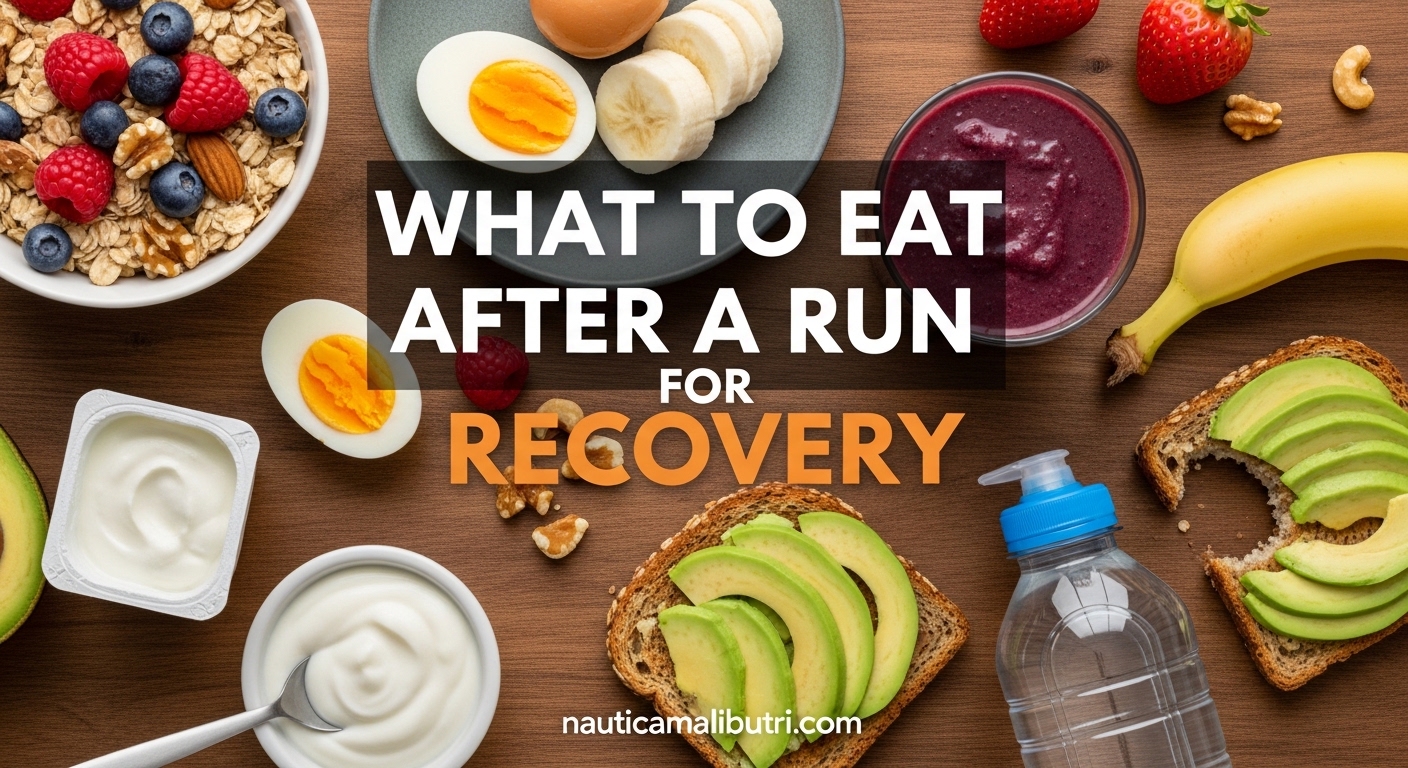
Crossing the finish line of your run is just the beginning of your recovery journey. As a triathlete training for the Nautica Malibu Triathlon, you know that what you eat in the minutes and hours after your run directly impacts your performance in tomorrow’s swim, tonight’s bike session, or next week’s brick workout. What to eat after a run for recovery isn’t just about satisfying hunger—it’s about strategic fueling that repairs muscle damage, replenishes energy stores, and prepares your body for the next challenge.
Our team has spent years coaching athletes through their triathlon preparation, and we’ve learned that recovery nutrition can make or break a training cycle. Whether you’re running along the Pacific Coast Highway to prepare for the Malibu course, or logging miles on your local trails, the principles remain the same. The right post-run meal transforms breakdown into growth, fatigue into readiness, and soreness into strength.
In this guide, we’ll explore the science-backed strategies for optimal recovery nutrition. You’ll learn the 3:1 and 4:1 carb-to-protein ratios that researchers recommend, discover 18 specific recovery foods organized by your goals, and understand the critical timing windows that maximize nutrient absorption. We’ll also cover triathlon-specific considerations that generic running articles miss—including how post-run recovery differs from post-swim and post-bike nutrition, and how to manage nutrition when you’re training multiple disciplines in a single day.
Table of Contents
The Science Behind Post-Run Recovery
Running creates a unique physiological demand on your body that requires specific nutritional support. Every footstrike causes microscopic damage to muscle fibers. Your glycogen stores—the carbohydrates stored in your muscles and liver—deplete significantly. Your body loses fluids and electrolytes through sweat. Understanding these processes helps you make informed decisions about what to eat after a run for recovery.
Glycogen Replenishment: Why Carbs Matter
Your muscles store carbohydrates as glycogen, which serves as the primary fuel source during runs. A 90-minute training session can deplete these stores by 60-80%. Without adequate carbohydrate intake after your run, your body enters the next workout with partially empty fuel tanks.
Research published in the Journal of Applied Physiology shows that muscle glycogen synthesis rates are highest immediately after exercise, particularly within the first 30-60 minutes. During this window, your muscles are primed to absorb glucose and convert it back to glycogen at rates up to 50% faster than at rest. This is why timing your carbohydrate intake matters.
The amount of carbohydrate you need depends on your run duration and intensity. For runs lasting 60-90 minutes, aim for 1.0-1.2 grams of carbohydrate per kilogram of body weight. For longer efforts, increase this to 1.2-1.5 grams per kilogram. A 70kg athlete would need approximately 70-85 grams of carbohydrate after a typical long run.
Muscle Protein Synthesis: Repairing Micro-Tears
Running, especially downhill sections and speed work, creates eccentric muscle contractions that cause microscopic tears in your muscle fibers. This damage is completely normal and actually necessary for adaptation and strength gains—but only if you provide the building blocks for repair.
Protein consumption stimulates muscle protein synthesis (MPS), the process by which your body repairs and rebuilds damaged muscle tissue. Research indicates that consuming 20-40 grams of high-quality protein after exercise maximizes the MPS response. This protein provides essential amino acids, particularly leucine, which acts as a trigger for the repair process.
Studies from the American Journal of Clinical Nutrition demonstrate that combining protein with carbohydrates creates a synergistic effect. The insulin response triggered by carbohydrate intake actually enhances amino acid uptake into muscle cells. This scientific foundation explains why the carb-to-protein ratio recommendations exist.
The Golden Ratio: 3:1 or 4:1 Carb-to-Protein
The most researched and recommended macronutrient ratio for post-run recovery is 3:1 or 4:1 carbohydrates to protein. This means for every 3-4 grams of carbohydrates, you consume 1 gram of protein. Multiple studies support this range as optimal for glycogen replenishment while maximizing muscle protein synthesis.
A 3:1 ratio works well for runs under 60 minutes or easy recovery runs where glycogen depletion is moderate. The 4:1 ratio is better suited for long runs, tempo workouts, or interval sessions where glycogen stores are significantly depleted. The higher carbohydrate load prioritizes energy replenishment while still providing adequate protein for repair.
Practical application of these ratios is straightforward. A 3:1 meal might be Greek yogurt with fruit and granola (approximately 45g carbs, 15g protein). A 4:1 option could be chocolate milk with a banana (approximately 60g carbs, 15g protein). We’ll explore many more specific examples throughout this guide.
Timing Your Post-Run Nutrition
When you eat matters almost as much as what you eat. The timing of your post-run nutrition can significantly impact how effectively your body recovers and adapts to training.
The 30-60 Minute Window
Sports scientists often refer to the first 30-60 minutes after exercise as the “anabolic window” or “glycogen window.” During this period, your muscles are highly sensitive to insulin and can absorb nutrients at accelerated rates. Research from the University of Texas shows that delaying carbohydrate consumption by just 2 hours can reduce glycogen replenishment rates by 50%.
This doesn’t mean recovery is ruined if you miss this window—it simply means your body works less efficiently. You’ll eventually replenish glycogen and repair muscle tissue, but the process takes longer. For triathletes training twice daily or doing brick workouts, this efficiency matters significantly.
Practical strategies for hitting this window include preparing recovery snacks in advance, keeping portable options in your car or gym bag, and using liquid nutrition when solid food feels unappealing. A simple chocolate milk, a prepared smoothie, or even a peanut butter sandwich can provide the nutrients you need.
Flexible Approach: Up to 2 Hours
While the 30-60 minute window is optimal, recent research suggests that the total amount of nutrients consumed over 24 hours matters more than precise timing. The International Society of Sports Nutrition notes that the anabolic window may actually extend to 2 hours or more, particularly for well-trained athletes.
This flexibility is important because many runners struggle with appetite suppression after hard efforts. High-intensity running elevates cortisol and suppresses ghrelin, the hunger hormone. If you’re not hungry immediately after your run, don’t force food. Wait 60-90 minutes until your appetite returns, then focus on consuming adequate carbohydrates and protein.
For runners with weight loss goals, this flexibility can actually be advantageous. Delaying your post-run meal slightly while ensuring adequate nutrition later can help manage overall caloric intake without compromising recovery.
What to Eat After a Run: 18 Recovery Foods
Now let’s explore specific foods that deliver the optimal 3:1 or 4:1 carb-to-protein ratio. These recommendations are organized by common runner goals, but feel free to mix and match based on your preferences, dietary restrictions, and training demands.
For Weight Loss Goals
If you’re running to lose weight, your post-run nutrition must balance recovery needs with caloric awareness. Focus on nutrient-dense foods that deliver recovery benefits without excess calories.
Beet salad with goat cheese delivers dietary nitrates that improve blood flow and oxygen delivery to recovering muscles. The natural nitrates convert to nitric oxide, which aids nutrient delivery and waste removal. Top mixed greens with roasted beets, a small portion of goat cheese, and a light vinaigrette for a recovery meal under 300 calories.
Watermelon provides hydration along with the amino acid citrulline, which research suggests may reduce muscle soreness. Pair a few cups of watermelon with a small serving of cottage cheese or Greek yogurt for protein. This combination delivers excellent recovery nutrition while keeping calories controlled.
Hummus with raw vegetables offers plant-based protein and complex carbohydrates. The chickpeas provide sustained energy release while the vegetables add micronutrients and fiber. A half-cup of hummus with carrot sticks, cucumber slices, and bell pepper strips makes a satisfying recovery snack.
Veggie omelets with whole grain toast combine complete protein from eggs with carbohydrates and fiber from vegetables and bread. Use two whole eggs plus two egg whites for extra protein without too many calories. Fill your omelet with spinach, tomatoes, and mushrooms for antioxidant benefits.
Apple or banana with peanut butter provides the classic portable recovery option. The fruit delivers quick-digesting carbohydrates while peanut butter adds protein and healthy fats. This combination works particularly well when you need something quick between your run and your next activity.
For Muscle Building
Runners focused on building strength and power need slightly higher protein intake to support muscle growth and repair.
Chocolate milk has earned its reputation as a recovery drink for good reason. Research from multiple universities confirms it delivers the ideal 4:1 carb-to-protein ratio, along with fluids and electrolytes. The combination of whey and casein proteins provides both fast and slow amino acid release. One study found chocolate milk was as effective as commercial recovery drinks at improving subsequent performance.
Greek yogurt with fruit and granola offers approximately 20 grams of protein per cup, along with probiotics that support gut health. The fruit provides quick carbohydrates while granola adds sustained energy and texture. This combination delivers approximately a 2:1 carb-to-protein ratio, so increase fruit portions or add honey to reach the optimal 3:1 or 4:1 target.
Cottage cheese with pineapple or berries delivers casein protein, which digests slowly and provides amino acids over several hours. This makes it excellent for evening runs when you want sustained protein release overnight. The fruit adds carbohydrates, vitamins, and antioxidants that support recovery processes.
Grilled salmon with sweet potato combines high-quality complete protein with complex carbohydrates and anti-inflammatory omega-3 fatty acids. Salmon’s omega-3 content specifically helps reduce exercise-induced inflammation and muscle soreness. A 4-ounce salmon fillet with a medium sweet potato delivers approximately 30g protein and 50g carbohydrates.
Eggs on whole grain toast provide complete protein with all essential amino acids, including leucine. Eggs are among the most bioavailable protein sources, meaning your body can efficiently use the protein they provide. Two eggs on two slices of whole grain toast with a side of fruit creates a balanced recovery meal.
For Endurance and Marathon Training
Long-distance runners need comprehensive meals that replenish significant glycogen depletion and support extended recovery.
Burrito bowls with rice, beans, vegetables, and your choice of protein deliver a complete macronutrient profile. The rice provides carbohydrates, beans add plant-based protein and fiber, and vegetables contribute micronutrients and antioxidants. Add chicken, beef, or tofu for additional protein. This meal is easily customizable for dietary preferences and can be prepared in bulk for meal prep.
Pasta with chicken and vegetables is a classic endurance athlete recovery meal. The pasta replenishes glycogen stores efficiently while chicken provides complete protein. Add vegetables for micronutrients and fiber. A cup of cooked pasta with 4-6 ounces of chicken and a cup of mixed vegetables creates an ideal post-long-run dinner.
Loaded oatmeal bowls work wonderfully for morning runs. Start with a base of oats cooked in milk for protein, then add nuts, seeds, fruit, and a drizzle of honey or maple syrup. This combination provides sustained energy release, protein for repair, and anti-inflammatory compounds from various toppings.
Quinoa bowls with roasted vegetables and protein offer a nutrient-dense alternative to rice-based meals. Quinoa is a complete protein source containing all nine essential amino acids, making it particularly valuable for plant-based athletes. Combine with roasted sweet potatoes, broccoli, and your protein of choice for a comprehensive recovery meal.
Vegetarian and Vegan Options
Plant-based athletes can absolutely meet their recovery needs with thoughtful food combinations.
Tofu stir-fry with rice and vegetables delivers complete protein when you choose firm or extra-firm tofu. Combine with brown rice and colorful vegetables for a meal that provides approximately 20g protein and 60g carbohydrates per serving. The variety of vegetables ensures a wide spectrum of micronutrients.
Pea protein smoothies with fruit offer a convenient option when solid food feels unappealing. Pea protein provides a solid amino acid profile, including good leucine content. Blend with banana, berries, oat milk, and a tablespoon of nut butter for a 4:1 ratio recovery drink.
Lentil soup with crusty bread combines legume protein with carbohydrates and a variety of vegetables. Lentils provide iron, which is particularly important for endurance athletes, along with fiber and sustained-release carbohydrates. This option works well for cooler weather or when you want something warm and comforting.
Tempeh sandwiches on whole grain bread with avocado and vegetables offer a portable recovery option. Tempeh is fermented soy, making it easier to digest while providing complete protein and probiotics. The whole grain bread and avocado add carbohydrates and healthy fats.
Hydration and Electrolyte Replacement
Food provides the building blocks for recovery, but hydration creates the environment where those building blocks work. Running causes significant fluid loss through sweat, and failing to rehydrate properly compromises all other recovery processes.
Research suggests you need to replace 150% of the fluid you lost through sweat to fully rehydrate. For every pound lost during your run, drink 24 ounces of fluid over the next few hours. This replacement should include electrolytes, particularly sodium, which helps your body retain the fluid you consume.
Sodium is the primary electrolyte lost through sweat, with runners losing anywhere from 500mg to 2000mg per hour depending on individual sweat rate and composition. Adding salt to your post-run meal, choosing salted snacks, or consuming an electrolyte drink helps restore sodium balance.
Potassium works alongside sodium to regulate fluid balance and muscle function. Bananas, sweet potatoes, coconut water, and dried fruits are excellent potassium sources that also deliver carbohydrates. Magnesium, lost in smaller amounts through sweat, supports muscle relaxation and recovery processes. Leafy greens, nuts, seeds, and whole grains provide magnesium alongside their other nutritional benefits.
Monitor your hydration status through urine color—it should be pale yellow within a few hours of your run. Dark urine indicates ongoing dehydration that needs addressing.
Triathlon-Specific Recovery Considerations
As a triathlete preparing for the Nautica Malibu Triathlon, your recovery needs extend beyond what a single-discipline runner requires. Training three sports creates unique nutritional demands that deserve specific attention.
Post-Run vs Post-Swim vs Post-Bike
Each discipline depletes your body differently and requires slightly different recovery approaches. Swimming primarily challenges your upper body and cardiovascular system while sparing your legs. Post-swim nutrition can be slightly lower in carbohydrates since glycogen depletion is typically less severe, but protein remains important for upper body muscle repair.
Cycling creates significant glycogen depletion, particularly in the quadriceps, but causes less muscle damage than running. Post-ride recovery can emphasize glycogen replenishment slightly more than muscle repair, though both remain important. Many cyclists find they can tolerate more food volume after riding than after running.
Running causes the most muscle damage and requires the most attention to both carbohydrate and protein intake. The eccentric loading from footstrikes creates significant micro-trauma that demands adequate protein for repair. Running also suppresses appetite more than cycling or swimming, making strategic nutrition timing even more important.
Brick Workout Recovery
Brick workouts—combining two disciplines back-to-back—create compound recovery demands. A bike-to-run brick depletes glycogen stores significantly while also causing muscle damage from the run portion. Your post-brick nutrition must address both demands comprehensively.
After a brick workout, prioritize the 3:1 or 4:1 ratio while paying special attention to hydration. You’ve likely sweat heavily during both disciplines and need significant fluid replacement. A recovery smoothie with banana, protein powder, berries, and coconut water addresses multiple needs simultaneously.
The timing after bricks becomes even more critical because you’ll likely train again soon. Many triathletes doing double sessions find that immediate liquid nutrition followed by a solid meal 90-120 minutes later works well.
Multi-Sport Training Cycles
When you’re training for a triathlon, you rarely have the luxury of complete rest between workouts. Monday might include a morning swim and evening run. Wednesday could feature a bike-to-run brick. Saturday often involves a long bike followed by a transition run. This frequency makes recovery nutrition a daily logistical challenge.
Prepare recovery snacks in advance and keep them accessible. Your gym bag, car, and office desk should all have recovery options available. This preparation prevents the scenario where you finish a workout, get busy, and suddenly realize you haven’t eaten in three hours.
Consider your training week as an integrated system rather than individual workouts. If Tuesday and Thursday are your hardest days, Monday and Wednesday nutrition should set you up for success. Don’t enter hard workout days under-fueled from previous days’ poor recovery.
Practical Recovery Strategies
Knowledge without implementation doesn’t improve performance. Here are practical strategies that help busy athletes consistently execute good recovery nutrition.
Meal Prep for Consistent Recovery
Batch cooking on weekends ensures you always have recovery meals ready. Prepare a large batch of rice or quinoa, roast several pans of vegetables, and cook multiple protein portions. Store these components separately so you can mix and match throughout the week.
Pre-portion smoothie ingredients into freezer bags. Each bag contains frozen fruit, spinach, protein powder, and any other add-ins. In the morning, dump the contents into your blender with liquid and blend. This reduces morning friction and ensures you eat even when busy.
Cook double portions at dinner and save half for your post-workout meal the next day. Leftover salmon, chicken, or tofu reheats easily and provides the protein you need after training.
Portable Options for Busy Athletes
When you run during lunch breaks or between meetings, portable nutrition becomes essential. Keep these options at your desk or in your bag: individual packets of nut butter with an apple or banana, protein bars with favorable ingredient lists, individual chocolate milk boxes, and single-serve bags of trail mix.
Pre-made recovery smoothies in insulated bottles stay cold for hours and provide complete nutrition. Make yours in the morning and drink it after your lunch run without needing kitchen access.
Overnight oats prepared the evening before require no morning preparation and travel well. Mix oats with Greek yogurt, milk, chia seeds, and fruit, then refrigerate overnight. Grab and go before your run, then eat immediately after.
Budget-Friendly Recovery Meals
Recovery nutrition doesn’t require expensive supplements or specialty foods. Eggs remain one of the most cost-effective protein sources available. Peanut butter provides protein and calories at a low cost per serving. Beans and lentils deliver protein and carbohydrates affordably, especially when bought dried in bulk.
Oatmeal is incredibly inexpensive and forms the base of many recovery meals. Combined with milk, banana, and peanut butter, it delivers excellent nutrition for under two dollars per serving. Rice and beans, a staple in many cultures, provides complete protein and carbohydrates at minimal cost.
Seasonal fruits and vegetables offer better value than out-of-season imports. Frozen vegetables and fruits are often more affordable than fresh and retain their nutritional value. Stock up when staple items go on sale.
Foods to Avoid After Running
Just as some foods accelerate recovery, others can hinder it. Understanding what to avoid helps you make better choices in moments of convenience or craving.
High-fat foods immediately post-run can slow gastric emptying and delay nutrient delivery to your muscles. While healthy fats are important in your overall diet, a greasy burger or pizza right after training isn’t optimal. Save higher-fat meals for 2-3 hours post-run when your immediate recovery needs are met.
High-fiber foods, while generally healthy, can cause GI distress when consumed immediately after running. Your digestive system receives less blood flow during exercise, and suddenly adding high-fiber loads can cause cramping and discomfort. Gradually reintroduce fiber as your body returns to normal.
Alcohol interferes with glycogen replenishment and muscle protein synthesis. It also impairs judgment, hydration, and sleep quality—all critical recovery factors. If you enjoy post-run socializing, have your recovery meal first, hydrate thoroughly, then enjoy alcohol in moderation if you choose.
Highly processed foods with excessive added sugars can spike blood glucose without providing the sustained energy and nutrients your body needs. While a treat occasionally won’t derail your training, consistent poor choices compound over time and compromise adaptation.
Signs Your Recovery Nutrition Needs Work
Your body provides feedback about recovery quality through various signals. Learning to recognize these signs helps you adjust your nutrition before small issues become big problems.
Persistent muscle soreness lasting more than 48 hours suggests inadequate protein intake or poor timing. While some soreness is normal, excessive or prolonged soreness indicates your muscles aren’t getting the building blocks they need for repair.
Fatigue that doesn’t improve with sleep and rest days may signal glycogen depletion. If you’re constantly tired despite adequate sleep, increase your carbohydrate intake, particularly around training sessions.
Frequent illness or infections indicate compromised immune function. Hard training temporarily suppresses immunity, and inadequate nutrition prolongs this vulnerable window. If you’re catching every cold that goes around, examine your post-workout nutrition.
Poor sleep quality, particularly difficulty staying asleep, can indicate cortisol dysregulation from inadequate recovery nutrition. The stress hormone cortisol should decline after exercise, but poor nutrition can keep it elevated.
Decreased performance in subsequent workouts—heart rate higher than normal at given paces, inability to hit target splits, or general sluggishness—suggests incomplete recovery. Track these metrics to catch trends before they derail your training.
Frequently Asked Questions
What is the 3-3-3 rule for food?
The 3-3-3 rule is often confused with the 3:1 carb-to-protein ratio for recovery nutrition. Some sources suggest it refers to eating 3 ounces of protein, 3 cups of vegetables, and 3 servings of carbohydrates, though this is not a standardized sports nutrition principle. For runners, focus instead on the scientifically-supported 3:1 or 4:1 carb-to-protein ratio within 30-60 minutes post-run.
What is the 80/20 rule for runners?
The 80/20 rule refers to training intensity distribution, not nutrition. It suggests that 80% of your running should be at easy, conversational pace, while 20% should be at moderate to high intensity. This approach prevents overtraining and reduces injury risk. The rule was popularized by running coach Matt Fitzgerald and is supported by research on elite endurance athletes across multiple sports.
What is the 4-2-1 rule for athletes?
The 4-2-1 rule refers to hydration guidelines suggesting athletes consume 4 ounces of fluid every 15 minutes during exercise under 60 minutes, or a ratio adjusted for longer efforts. Some sources also use 4-2-1 to describe macronutrient ratios, though this is less common. For post-run nutrition, the 3:1 or 4:1 carb-to-protein ratio remains the most widely researched and recommended approach.
Will running 5K a day lose belly fat?
Running 5K daily can contribute to fat loss including belly fat, but only if it creates a caloric deficit. A 5K burns approximately 300-400 calories depending on your weight and pace. If you consume those calories back through increased appetite or reward eating, weight loss won’t occur. For best results, combine consistent running with mindful nutrition and adequate protein intake to preserve muscle while losing fat.
Is chocolate milk good after running?
Yes, chocolate milk is excellent for post-run recovery. Research from multiple universities confirms it delivers the ideal 4:1 carbohydrate-to-protein ratio, along with fluids and electrolytes. The combination of whey and casein proteins provides both fast and slow amino acid release. Studies show chocolate milk is as effective as commercial recovery drinks at improving subsequent performance and costs significantly less.
How much protein do I need after a run?
Research suggests consuming 20-40 grams of high-quality protein after running to maximize muscle protein synthesis. The exact amount depends on your body weight and run intensity. A general guideline is 0.25-0.4 grams of protein per kilogram of body weight. A 70kg athlete would aim for 17-28 grams, while larger or more muscular athletes may benefit from the higher end of the range.
Can I eat immediately after running?
Yes, you can and should eat within 30-60 minutes after running for optimal recovery. However, many runners experience appetite suppression immediately after hard efforts due to elevated cortisol and suppressed ghrelin. If you’re not hungry, start with easily digestible options like a smoothie or chocolate milk. Solid food can wait 60-90 minutes until your appetite returns.
What if I’m not hungry after a run?
Appetite suppression after running is common, especially after high-intensity efforts. Don’t force solid food if you feel nauseated. Instead, use liquid nutrition like chocolate milk, smoothies, or protein shakes with fruit. These provide necessary nutrients without requiring digestion of solid food. Your appetite should return within 60-90 minutes, at which point you can eat a more substantial meal.
Conclusion
What to eat after a run for recovery is both a science and an art. The science provides clear guidelines: consume a 3:1 or 4:1 ratio of carbohydrates to protein, aim for 20-40 grams of protein, prioritize the 30-60 minute window when possible, and don’t forget hydration and electrolytes. The art involves applying these principles to your specific situation—your training schedule, dietary preferences, budget, and goals.
As you prepare for the Nautica Malibu Triathlon in 2026, remember that every training session is an opportunity to practice your race-day nutrition strategy. The post-run meals you eat during training should mirror what you’ll consume after each discipline on race day. Practice now so there are no surprises when it counts.
Start with one change this week. Perhaps you’ll prepare a recovery smoothie in advance of your next long run. Maybe you’ll time your post-run nutrition more carefully after interval sessions. Or you might simply add an extra serving of carbohydrates to your next post-workout meal. Small, consistent improvements compound over time into significant performance gains.
Recovery nutrition isn’t about perfection—it’s about consistency. You won’t always hit the ideal timing or ratio, and that’s okay. What matters is that you approach most of your training sessions with recovery in mind, fueling your body to adapt, strengthen, and prepare for the next challenge. The finish line of the Malibu Triathlon awaits those who train smart and recover smarter.