
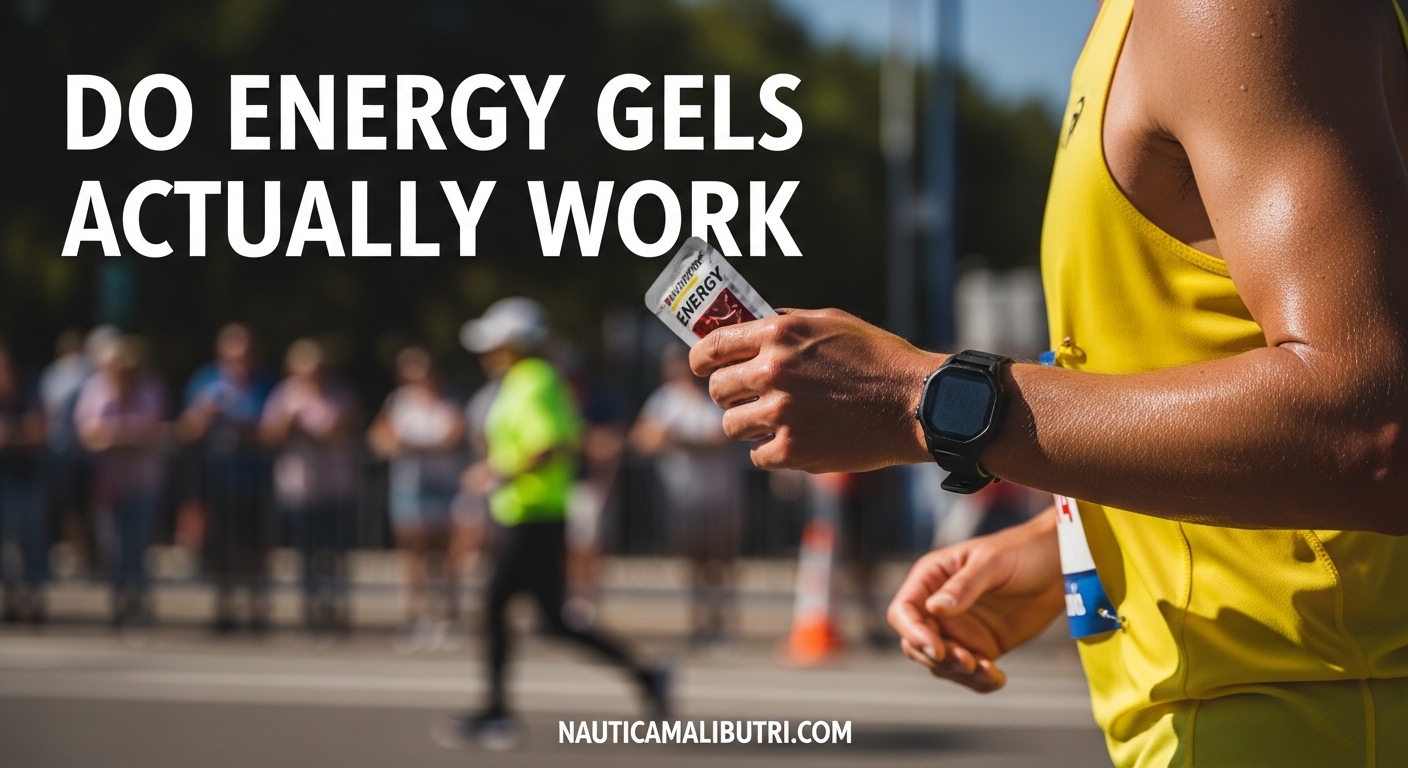
Do energy gels actually work? After completing three triathlons and coaching dozens of runners through their first marathons, I can give you a definitive answer. Yes, energy gels work remarkably well when used correctly. They deliver a concentrated dose of carbohydrates that your body converts to glucose within 15-30 minutes, helping maintain your blood sugar and delay the dreaded bonk that ends race dreams.
But here is the catch that most beginners miss. Energy gels are not magic bullets, and they can backfire spectacularly if you use them wrong. I have seen athletes toss their cookies at mile 18 because they downed a gel without water. I have watched first-time half marathoners bonk at mile 10 because they thought they could power through on willpower alone.
This guide breaks down exactly how energy gels work, when you need them, and how to avoid the common mistakes that turn these convenient fuel packets into digestive nightmares. Whether you are training for your first sprint triathlon or your fifth Ironman, understanding energy gels will transform your race day performance.
Table of Contents
Quick Answer: Do Energy Gels Actually Work?
Yes, energy gels really do work. They provide quickly absorbed carbohydrates that help maintain blood glucose levels during endurance exercise, delaying fatigue and improving performance in activities lasting over 60 minutes.
The science is straightforward. Your muscles store approximately 90 minutes worth of glycogen for high-intensity exercise. Once those stores deplete, your performance drops off a cliff unless you replenish with external fuel. Energy gels deliver 20-25 grams of carbohydrates in a concentrated, portable format that hits your bloodstream fast.
Research from multiple sports nutrition studies shows that consuming 30-60 grams of carbohydrates per hour during endurance exercise maintains blood glucose and improves time-to-exhaustion by 20-40%. Energy gels make hitting that target simple, even when you are breathing hard and cannot stomach solid food.
How Energy Gels Work: The Science Explained
Understanding the mechanism behind energy gels helps you use them strategically. Your body runs on two primary fuel sources during exercise: stored glycogen and blood glucose from circulating carbohydrates. Glycogen is the stored form of carbohydrates in your muscles and liver. Blood glucose is the sugar circulating in your bloodstream available for immediate use.
During intense exercise lasting over 60-90 minutes, your glycogen stores begin depleting. Your brain senses this depletion and starts sending fatigue signals to protect you from fully emptying your fuel tank. This is the bonk, also called hitting the wall, and it feels like someone unplugged your power cord mid-race.
Energy gels interrupt this process by delivering simple sugars directly to your small intestine. Most gels contain maltodextrin, a complex carbohydrate that breaks down into glucose rapidly. Better formulations include fructose alongside maltodextrin, utilizing multiple transportable carbohydrates that allow your body to absorb up to 90 grams of carbs per hour instead of the 60-gram limit from single-source formulations.
The glucose enters your bloodstream within 5-10 minutes of consumption. Peak blood glucose elevation typically occurs 15-30 minutes after ingestion. This timing aligns perfectly with endurance exercise needs when you consume gels at the recommended intervals. Your working muscles grab this circulating glucose for fuel, sparing your remaining glycogen stores for later in your race.
Most energy gels contain 20-25 grams of carbohydrates per packet. This represents approximately 80-100 calories of quick energy. Some formulations add electrolytes like sodium and potassium to replace what you lose through sweat. Caffeinated versions include 25-100mg of caffeine, which stimulates your central nervous system and may improve performance through reduced perceived exertion.
When Should You Use Energy Gels?
Timing separates effective gel use from wasted money and stomach distress. The first rule is simple: do not use energy gels for exercise lasting under 60 minutes. Your glycogen stores handle shorter efforts easily, and adding concentrated sugars just risks unnecessary GI distress.
For activities between 60-90 minutes, one gel taken 30-45 minutes into your workout provides insurance against late-race fatigue. This works well for 10-mile runs, sprint triathlons, or century bike rides where you are pushing the pace.
Longer efforts require systematic fueling. The research-backed protocol starts your first gel at 45-60 minutes into exercise. This early timing tops off your blood glucose before glycogen depletion becomes critical. After that initial gel, consume one packet every 30-45 minutes throughout your activity.
Marathon and Half Marathon Guidelines
Half marathon runners typically need 1-2 gels total. Take your first gel at the 45-minute mark if you expect to finish under two hours. Slower half marathoners should start at 30-45 minutes and consider a second gel around mile 10 if they expect to cross the finish line around the 2:15-2:30 mark.
Full marathoners need more aggressive fueling. Start at 45 minutes, then take gels at 30-45 minute intervals throughout the race. This typically means 4-6 gels for a 4-hour marathon finish. Popular race-specific timing includes taking gels at miles 6, 12, 18, and 23 for faster runners, or every 4-5 miles for slower finishers.
Triathlon-Specific Fueling
Triathlons present unique challenges because you transition between disciplines. Sprint triathletes (under 90 minutes total) rarely need gels if they fueled properly pre-race. Olympic distance racers should plan 1-2 gels on the bike and possibly one on the run depending on their finish time.
Half-Ironman and full Ironman athletes must treat fueling as a fourth discipline. The bike leg offers the best opportunity for gel consumption since your stomach handles nutrition better while cycling than running. Most coaches recommend 200-300 calories per hour from combined sources including gels, sports drinks, and solid food on the bike.
How to Use Energy Gels Properly
Proper technique prevents the stomach disasters that give energy gels a bad reputation. The non-negotiable rule is this: always take energy gels with water. Never with sports drink, never with juice, never alone. Water dilutes the concentrated sugars to an isotonic concentration your stomach can process while exercising.
The standard protocol works for most athletes. Rip open the packet and squeeze the gel directly into your mouth. Do not sip it slowly. Getting the gel down quickly prevents the sticky substance from coating your mouth and teeth. Immediately follow with 6-8 ounces of plain water. This is roughly two big swallows from a typical water bottle.
Wait 10-15 minutes before consuming sports drinks after taking a gel. Mixing concentrated gels with sugary drinks creates a hypertonic solution in your stomach. This draws water into your gut through osmosis, potentially causing cramping, nausea, or the dreaded runner’s trots.
Step-by-Step Gel Usage Protocol
Step 1: Check your watch timing. Confirm you are at your scheduled gel interval.
Step 2: Locate your gel. Practice grabbing gels from pockets or belts during training.
Step 3: Open and consume. Tear with your teeth or pre-open before the race.
Step 4: Drink water immediately. Take 6-8 ounces within 30 seconds of the gel.
Step 5: Resume your pace. The energy boost arrives in 15-30 minutes.
Dosage Guidelines by Body Weight
Lighter athletes (under 130 pounds) may do fine with one gel per hour. Standard-size athletes (130-180 pounds) should target 1-2 gels per hour depending on intensity. Larger athletes (over 180 pounds) often need 2-3 gels per hour to maintain performance.
Remember these are guidelines, not rules carved in stone. Your individual metabolism, training status, and race intensity all affect your specific needs. Use training runs to dial in your personal requirements before race day.
Common Mistakes to Avoid
Mistake one is taking gels too early. Starting before the 30-minute mark spikes your blood sugar and insulin, potentially causing a crash before you need the energy. Wait at least 30-45 minutes before that first gel.
Mistake two is inconsistent timing. Sporadic gel use creates blood sugar roller coasters. Your performance suffers when glucose levels fluctuate wildly. Set a watch alert or use mile markers to maintain consistent intervals.
Mistake three is skipping the water. I cannot emphasize this enough. Taking gels without adequate water is the fastest route to stomach disaster. Many race-day GI issues trace back to this single error.
Common Side Effects and How to Avoid GI Distress
Stomach problems represent the dark side of energy gel usage. The Reddit running community consistently identifies GI distress as the primary gel complaint. Understanding why these issues happen helps you prevent them.
Your digestive system receives reduced blood flow during exercise. Blood diverts to working muscles, leaving your gut operating at reduced capacity. Highly concentrated solutions become difficult to process when your stomach lacks adequate blood supply and water for dilution.
The science of osmolality explains most gel-related stomach issues. Osmolality measures the concentration of dissolved particles in a solution. Your body absorbs isotonic solutions (matching your blood’s concentration) most efficiently during exercise. Plain energy gels are hypertonic, meaning they are more concentrated than your blood. Without adequate water dilution, they sit in your stomach pulling water from your tissues, causing cramps, nausea, and diarrhea.
Training Your Gut
Elite endurance athletes practice fueling during training, not just on race day. This training the gut concept teaches your digestive system to handle nutrition while exercising. Start with shorter workouts and small amounts, gradually building tolerance.
Begin by consuming half a gel during a 60-minute easy run with plenty of water. Progress to full gels as your stomach adapts. Practice your exact race-day fueling strategy during your longest training sessions. Your gut learns through repetition.
Warning Signs to Watch For
Sloshing stomach indicates too much fluid or poor absorption. Reduce intake and ensure you are using plain water with gels. Nausea typically means you took a gel without adequate water or consumed it too close to other nutrition. Stop and sip water slowly if nausea develops.
Stomach cramping suggests hypertonic concentration in your gut. Pause solid food and gels, drink only water for 15-20 minutes, then resume with smaller amounts. Diarrhea urgency means you are behind on fluid intake or consumed gels without water. Slow your pace and prioritize hydration.
Energy Gels vs Alternatives: What Else Works?
Energy gels are not your only fueling option. Understanding alternatives helps you choose the right nutrition for your preferences and race conditions. Here is how gels compare to other endurance fueling strategies.
Sports Drinks
Sports drinks like Gatorade and Powerade offer convenience through combined hydration and fueling. They provide electrolytes plus carbohydrates in isotonic formulations that absorb easily. The downside is bulk and weight. Carrying enough sports drink for a marathon requires significant fluid volume. Most runners combine sports drinks with gels rather than choosing one or the other.
Typical sports drinks contain 6-8% carbohydrate concentration, delivering about 14 grams of carbs per 8-ounce serving. This is less concentrated than gels but easier on sensitive stomachs. Many athletes use sports drinks as their primary fuel source and reserve gels for when they need concentrated energy without bulk.
Real Food Options
Bananas, dates, fig bars, and sandwiches work for many endurance athletes. Real food often sits better in sensitive stomachs and provides variety from sweet gel flavors. The drawbacks include portability, spoilage risk, and chewing difficulty while breathing hard.
Ultrarunners often prefer real food for events over 4 hours where palate fatigue makes gels unappealing. Triathletes sometimes struggle with real food due to transition logistics and the jostling of the run leg. Experiment in training to discover what real food works for you.
Energy Chews and Blocks
Products like Clif Bloks and GU Chews offer similar carbohydrate content to gels in a gummy format. Some athletes find chews more satisfying since they provide something to bite. Others struggle with the chewing action while maintaining race pace. Chews work particularly well on the bike where you have better control and less jostling than the run.
Comparison Summary
Gels win for convenience and calorie density. Sports drinks excel at combining hydration with fuel. Real food offers the best stomach tolerance for long efforts. Chews provide a middle ground between gels and real food. Most experienced endurance athletes use a combination approach tailored to race conditions.
Who Should NOT Use Energy Gels
Energy gels help many athletes, but they are not universally appropriate. Knowing when to skip gels prevents unnecessary discomfort and expense.
Skip energy gels for exercise under 60 minutes. Your body handles these efforts on stored glycogen without supplementation. Adding concentrated sugars risks stomach issues without performance benefits.
Athletes with sensitive stomachs or histories of exercise-induced GI distress should approach gels cautiously. Consider starting with diluted sports drinks or real food options. Some people simply cannot tolerate concentrated carbohydrate solutions during exercise regardless of practice.
Diabetics require medical guidance before using energy gels. The rapid glucose spikes interact with blood sugar management and insulin dosing. Never experiment with gels during exercise without consulting your healthcare provider if you have diabetes or blood sugar concerns.
Cost-conscious athletes might skip gels for training runs. At roughly $1-2 per packet, regular gel use adds up quickly. Many runners reserve gels for races and long runs over 90 minutes, using cheaper alternatives for daily training.
Frequently Asked Questions
Do energy gels really help?
Yes, energy gels really do help for endurance exercise lasting over 60 minutes. They provide quickly absorbed carbohydrates that maintain blood glucose levels and delay fatigue. Research shows consuming 30-60 grams of carbs per hour improves endurance performance by 20-40% compared to no fueling.
How many gels do I need for a 2 hour run?
For a 2-hour run, you typically need 2-3 energy gels. Take your first gel at 45-60 minutes, then consume one every 30-45 minutes after that. This provides approximately 60-75 grams of carbohydrates to fuel your run without overwhelming your digestive system.
How long do energy gels take to kick in?
Energy gels typically take 15-30 minutes to kick in fully. The simple sugars begin entering your bloodstream within minutes of consumption, but you’ll feel the full energy boost after about 15-30 minutes as glucose becomes available to your working muscles.
Do energy gels make you poop?
Energy gels can cause digestive issues including diarrhea if taken incorrectly. The concentrated sugars require adequate water dilution to absorb properly. Without enough water, gels draw fluid into your intestines through osmosis, potentially causing cramping and urgent bathroom needs. Always take gels with 6-8 ounces of water.
Are energy gels necessary for a half marathon?
Energy gels are not strictly necessary for half marathons if you can finish under 90 minutes. For runs lasting 90+ minutes, one or two gels help maintain energy in the final miles. If you expect to finish in 2+ hours, plan on taking 1-2 gels starting around the 45-minute mark.
Final Thoughts
Do energy gels actually work? The evidence is clear: yes, they work remarkably well for endurance athletes when used properly. They provide convenient, portable, rapidly absorbed carbohydrates that maintain blood glucose and delay fatigue during sustained exercise.
Success with energy gels comes down to three principles. Take them only for efforts over 60 minutes. Always consume with adequate water. Practice your fueling strategy in training before race day. Ignore any of these rules and you risk the GI distress that gives gels a bad reputation.
Whether you are tackling your first half marathon, training for an Ironman, or just trying to finish your weekend long run strong, energy gels offer a proven fueling solution. Start with one brand and flavor during training, dial in your timing and water intake, and you will join the ranks of athletes who swear by these sticky packets of performance.