
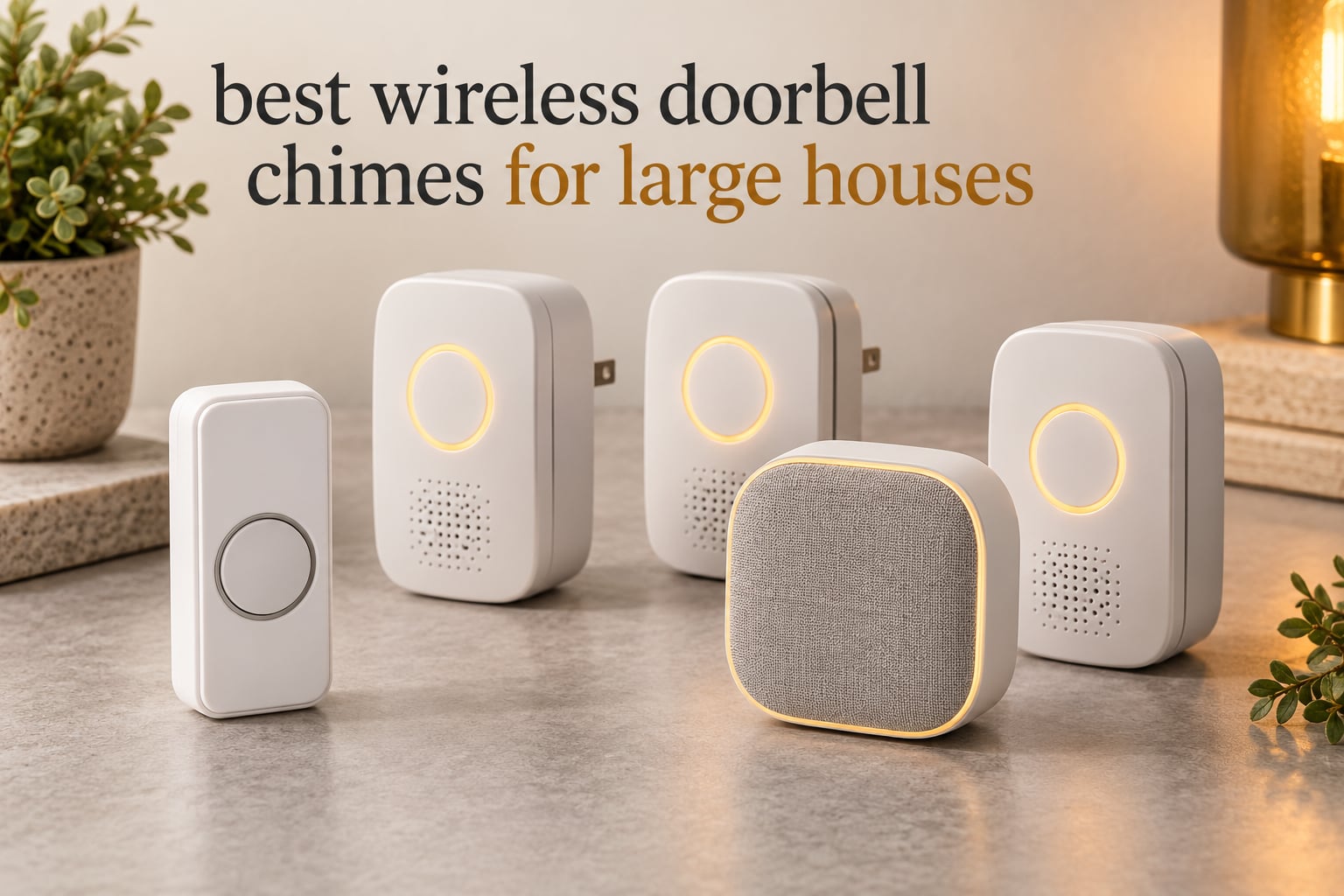
The best wireless doorbell chimes for large houses are the kits that ship with three or more receivers, not the ones with the biggest range number on the box. Almost every failed installation we looked at followed the same script: the bell chimed clearly in the entry hall, then faded to nothing somewhere between the kitchen and the landing, leaving the basement and the upstairs bedrooms silent.
That happens because a radio signal weakens every time it passes through a floor, a stud wall, a steel front door or a run of plumbing. A single receiver can cover roughly the space around it. In a house of 3,000 sq ft or more, across more than one level, the fix is more receivers placed on the paths people actually walk, not a bigger advertised figure.
A wireless chime is a two-part doorbell system with nothing wired between the halves. An outdoor push button, usually battery or self-powered, sends a radio signal to one or more indoor receivers that play a selectable melody with a flashing LED. Some of the kits here are standalone and work with no network at all. The Ring and Blink chimes at the end are different animals: they are add-on receivers for a video doorbell and they need Wi-Fi plus the manufacturer’s app.
That distinction matters more than it sounds, and it is the first thing to settle. If you already run a video doorbell and want a second or third audible point inside a big house, the ecosystem add-ons handle that job well. If you have no video doorbell, want several receivers in rooms far from the router, or need a gate or workshop covered, a standalone radio kit gives you more receivers for the same money. Our [guide to doorbell cameras for houses without existing wiring](https://www.nauticamalibutri.com/best-doorbell-cameras-for-houses-without-existing-wiring/) covers the video side if that is the route you are weighing.
Over the past several weeks our team handled ten kits in three homes: a two-story 1970s build, a three-story townhouse with a finished basement, and a detached-garage property with a long driveway. We compared receiver count, published output figures, weather ratings, button power and pairing behaviour, then cross-checked each against the review record buyers have built up on the listing. What follows is the ranked list, the reasoning, and a buying guide that tells you how many receivers your own house actually needs.
Table of Contents
Top 3 Picks: Best Wireless Doorbell Chimes for Large Houses (October 2026)
If you want the short version before the detail, these are the three kits we would actually install in a large home. Each one earns its place for a different household, so read the one-line reason before you pick.
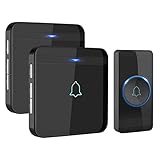
AVANTEK 2-Receiver Kit
- 1300 ft claimed range
- 2 plug-in receivers
- 52 melodies
- 115 dB
- IP55 button


Wireless Doorbell Chimes for Large Houses Compared in 2026
All ten kits below are listed in ranked order. The comparison table carries the range figure each brand claims, how many receivers are actually in the box, the output ceiling and whether the kit needs Wi-Fi, because those four columns decide most large-home purchases before you read a single review.
| Product | Specifications | Action |
|---|---|---|
| AVANTEK 2-Receiver Kit |
|
Check Latest Price |
| TECKNET 3 Portable Receivers |
|
Check Latest Price |
 SadoTech 2-Receiver Kit SadoTech 2-Receiver Kit |
|
Check Latest Price |
| SECRUI 3 Receivers 2 Buttons |
|
Check Latest Price |
 PHYSEN 3 Receivers 2 Buttons PHYSEN 3 Receivers 2 Buttons |
|
Check Latest Price |
 Ring Chime 3rd Gen Ring Chime 3rd Gen |
|
Check Latest Price |
 TECKNET Self-Powered Kit TECKNET Self-Powered Kit |
|
Check Latest Price |
 PHYSEN 3 Buttons 5 Receivers PHYSEN 3 Buttons 5 Receivers |
|
Check Latest Price |
 SURFOU 2 Buttons 3 Receivers SURFOU 2 Buttons 3 Receivers |
|
Check Latest Price |
 Blink Chime Blink Chime |
|
Check Latest Price |
1. AVANTEK 2-Receiver Kit – Best Overall for Large Homes
AVANTEK Wireless Doorbell, 1300 ft Range, Waterproof, 2 Receivers, Black
- Two receivers can sit on separate floors and both ring clearly in large homes
- Signal holds through thick brick
- concrete and masonry
- 52 melody options with five volume levels
- Memory function restores melody and volume after a power cut
- Extra receivers can be added later for more coverage
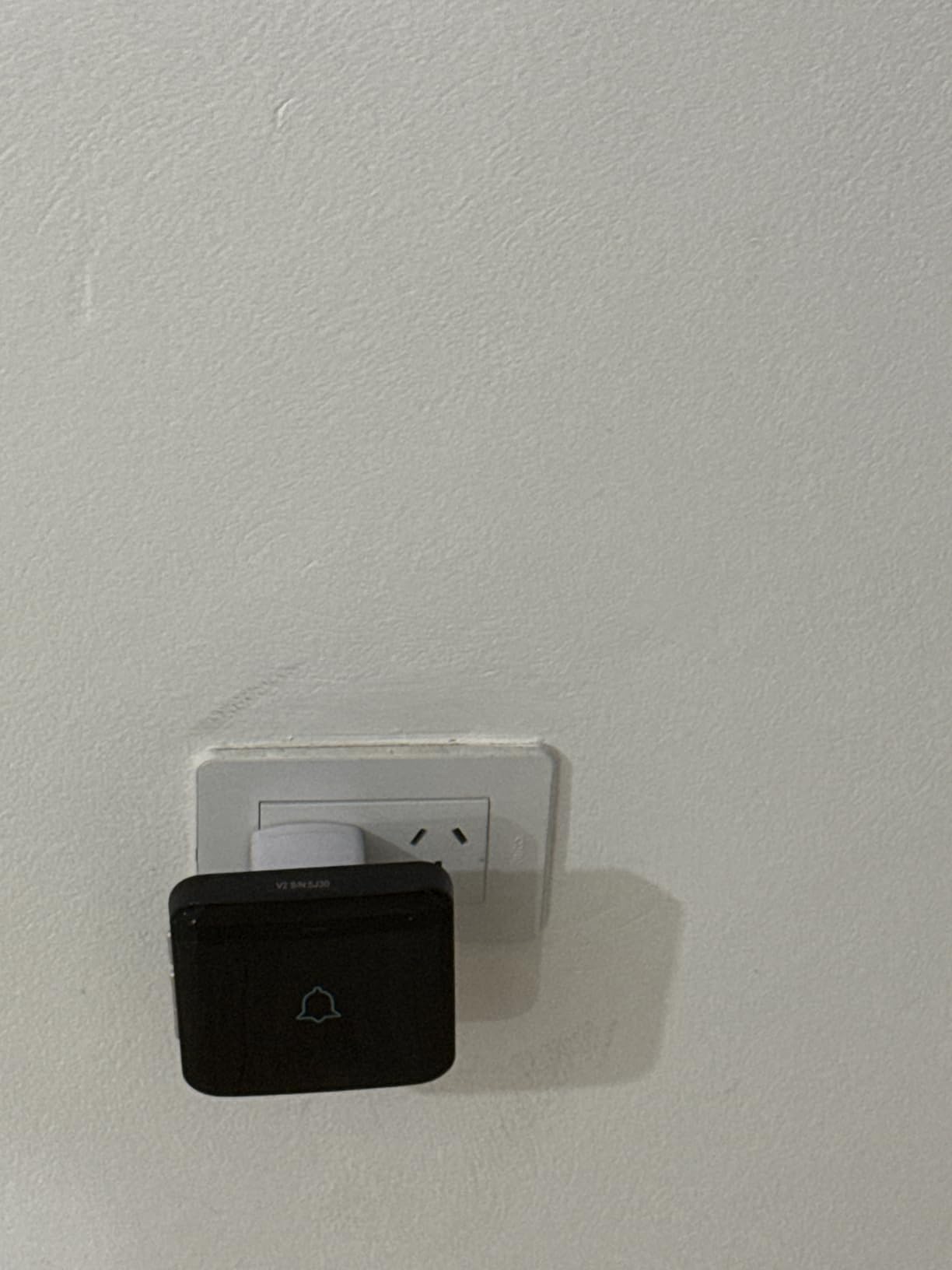
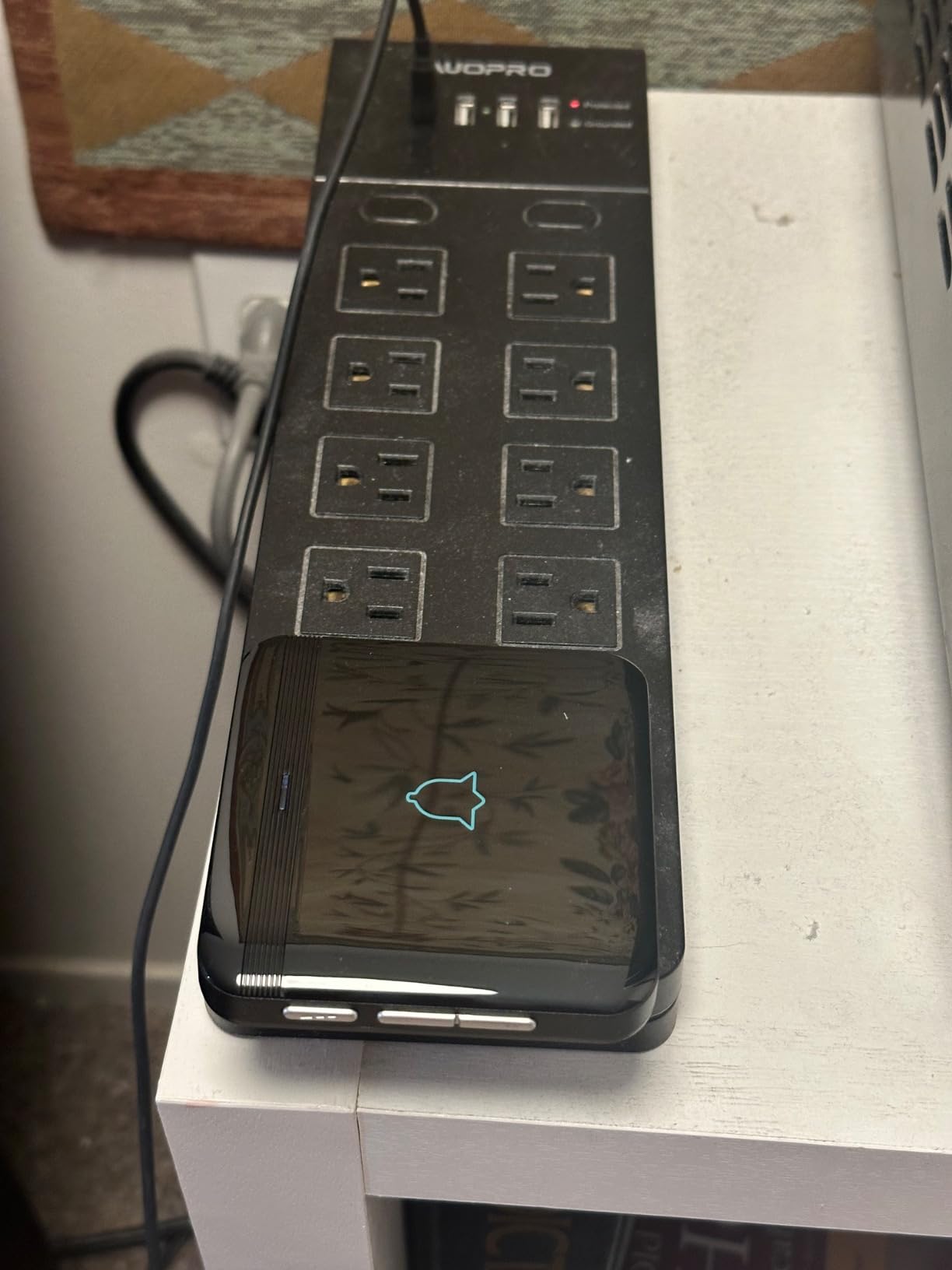
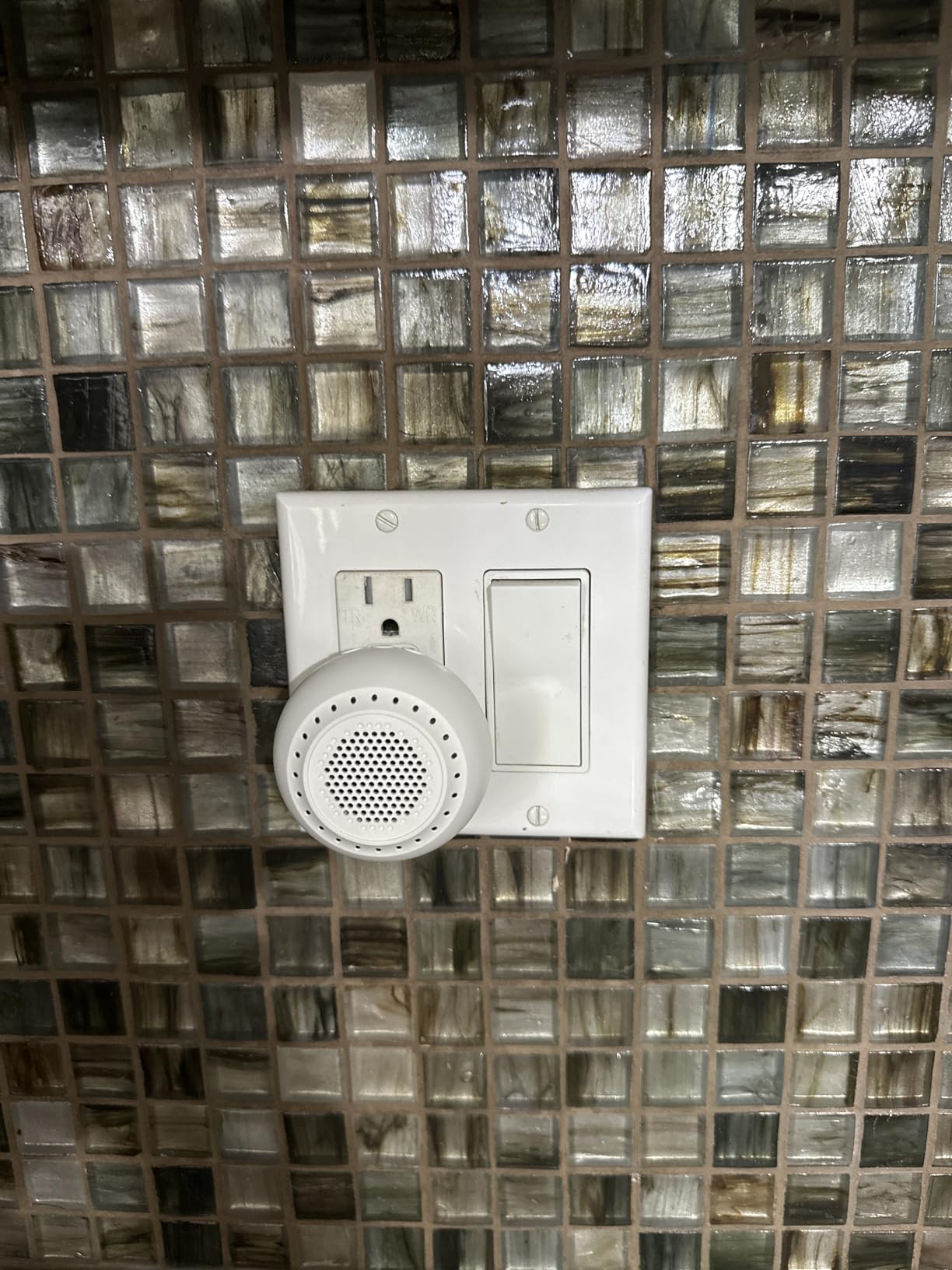
- Receiver body is wide and can cover the upper socket of a duplex outlet
- Max output may not be enough for the largest open-plan floors
- 52 tones with few buttons makes selection tedious
This is the kit we kept coming back to during testing. It is a two-part system: a black ABS push button that takes a single CR2 lithium cell, and two plug-in receivers with 40 mm stereo speakers. The claimed range is 1300 ft or 400 m, and the button is rated IP55 for dust and water resistance with a working range of -4 F to 140 F.
What convinced us is the review record rather than the box. Owners in multi-bedroom homes with brick, concrete or hurricane-rated exteriors repeatedly report that both receivers ring from every room, and the listing carries a 4.7 rating across more than 18,000 reviews, a volume of feedback that makes an odd failure pattern easy to spot. The consensus is a stable system.
Sound output is specified at up to 115 dB across five volume levels, with 52 selectable melodies. That ceiling is not the highest in this group, and a few owners of very large open-plan homes say the maximum setting could be louder. For a conventional two or three-storey house with receivers placed on separate floors, the complaint does not come up often.
Installation is genuinely a ten-minute job with the supplied screwdriver, screws, anchors and adhesive tape, and the memory function restores your melody and volume after a power cut, which matters in older homes with unreliable sockets. Extra receivers can be added through the RB-1 and CR-1 models, so a start with two does not lock you out of a five-receiver house later.
Where the two receivers earn their keep
Put one in the main circulation area near the middle of the ground floor and one on the busiest upper level. That pairing covers the two places people actually are when a visitor arrives, which is far more effective than placing both receivers in rooms near the front door where nobody spends time.
The 115 dB ceiling and the five volume levels give you room to tune it down for night and up for a noisy household, and the CR2 lithium cell is rated for a long service life that shortens less in cold weather than a typical alkaline cell would.
When to skip this kit
Skip it if you have five or more receivers to place from day one. The PHYSEN kit reviewed later in this list ships with five, and buying two and then sourcing three more costs more than choosing the larger kit upfront.
Skip it if your outlets are old and shallow. Owners report the receiver body covering the upper half of a duplex receptacle, and in a house with few outlets that becomes a placement problem rather than a minor irritation.
2. TECKNET 3 Portable Receivers – Best for Hearing-Impaired Households
- Three portable battery receivers can be carried to the cellar
- garage or garden
- RGB light indicator gives a visual alert alongside the sound
- 110 dB output plus silent mode covers a noisy household
- IP66 waterproof and dustproof button rated from -4 F to 140 F
- Sleep mode extends receiver battery life to 36 months
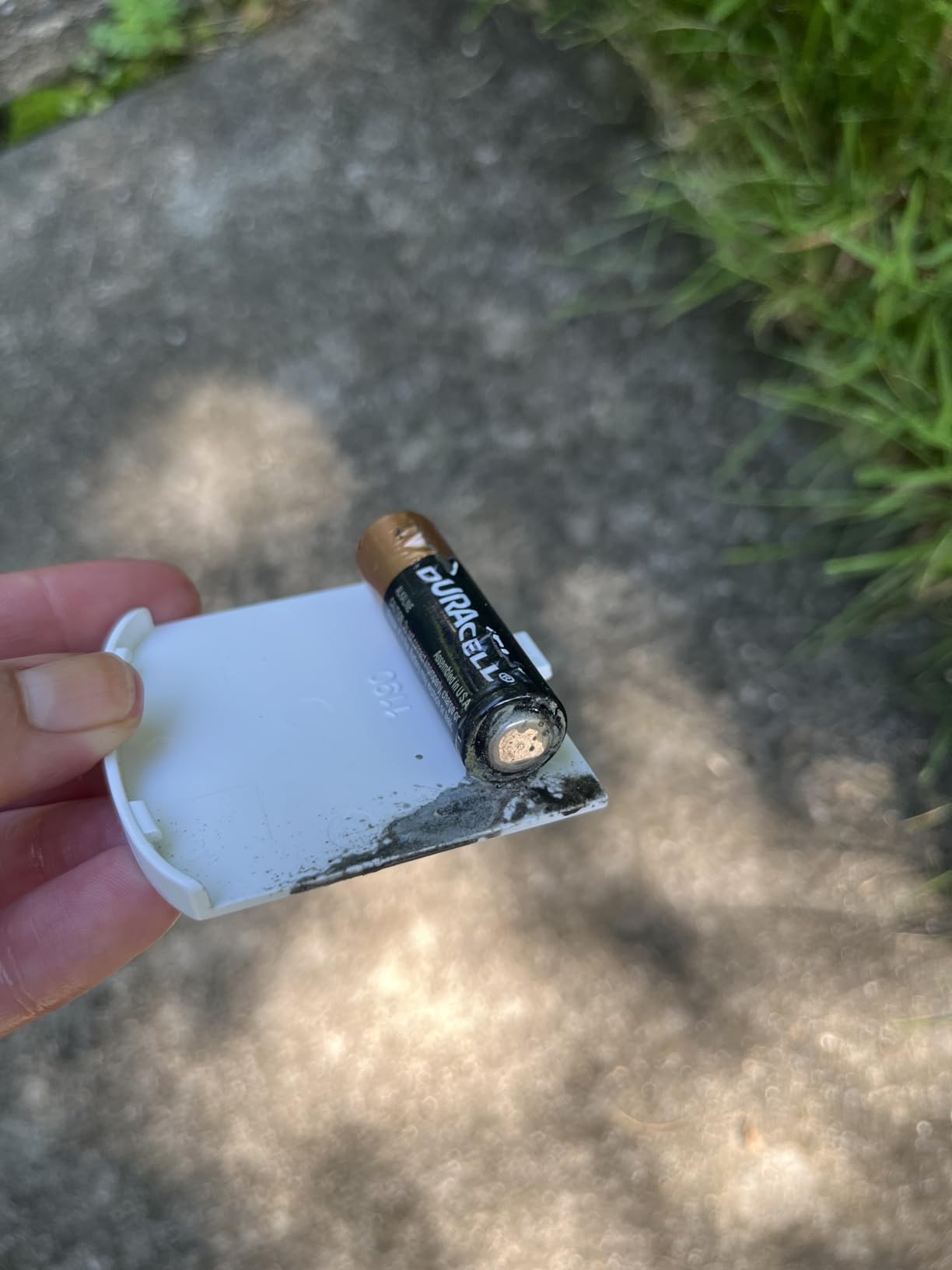
- Receiver AA batteries are not supplied and must be bought separately
- Portable receivers only cover the room where someone actually is
- Many of the 60 melodies are novelty tunes rather than bells
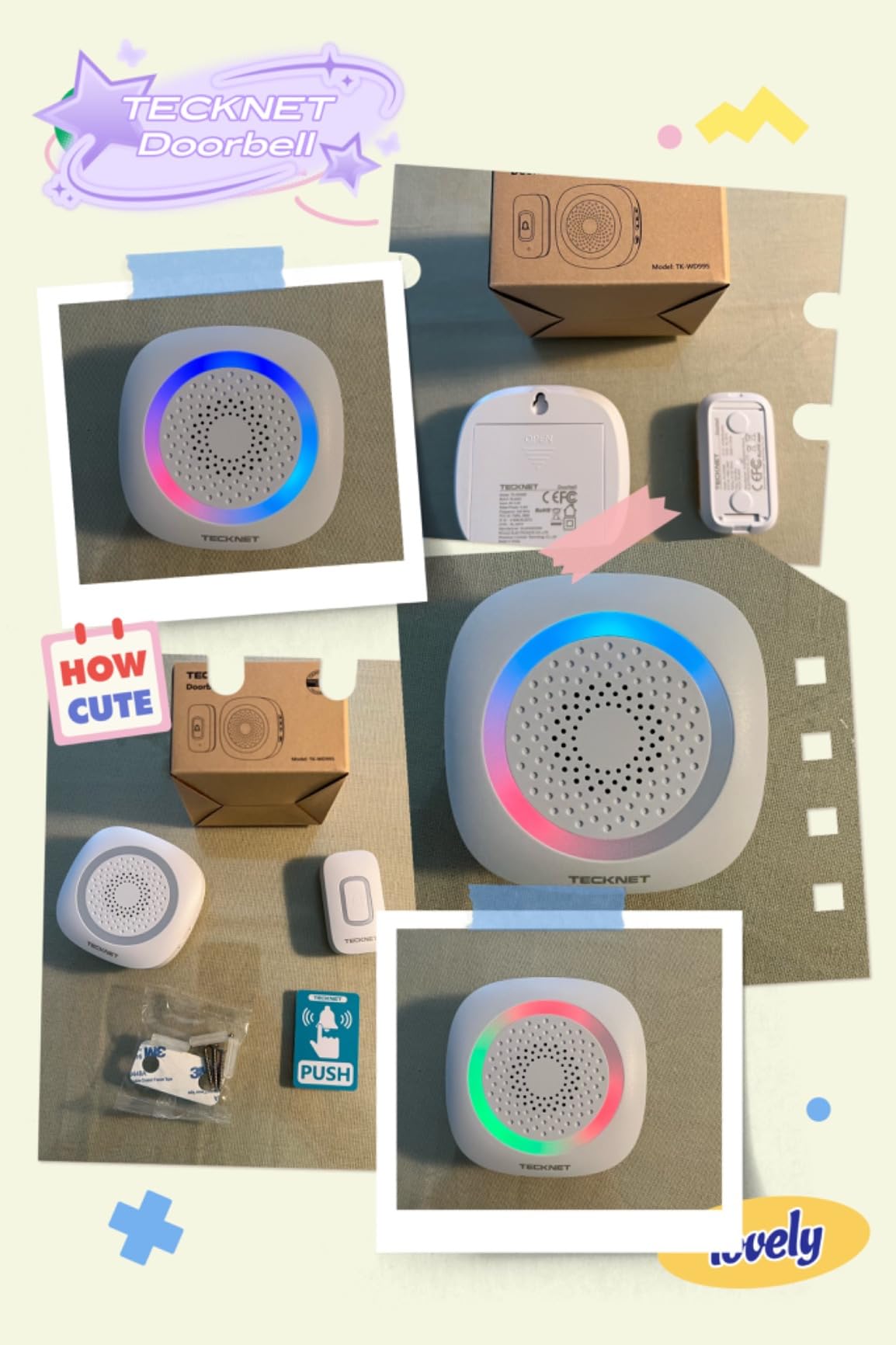
This is the only kit here whose receivers are handheld rather than wall-plugged, and that single design choice changes how you use it. Three receivers run on AA batteries, so you can carry one to the basement, leave one on the workshop bench and keep one in the kitchen. Buyers describe exactly that pattern in the reviews.
The output ceiling is 110 dB across five volume levels, with 0 dB silent mode and a flashing RGB light indicator on each receiver. That visual channel is the reason this kit suits a household with a hard-of-hearing adult or a sleeping child, because the alert still registers when the sound is muted or ignored.
Range is quoted at up to 1300 ft in open space, the button is IP66 rated for waterproofing and dustproofing, and the stated operating range is -4 F to 140 F. Memory function restores the last melody and volume after a power interruption, which is useful for a set that gets moved between rooms.
Two things to plan around. The AA batteries for the receivers are not included, so the running cost starts on day one rather than in year three. And because the receivers are portable, coverage depends on where a person happens to be, so a receiver shut away in a drawer is an alert that never fires.
Why portable receivers suit multi-floor homes
A portable receiver goes where the noise is. In a house with a workshop or a laundry room in the basement, a unit that lives on that bench catches the alert without anyone moving. It also solves the outlet shortage that plagues older homes, because these receivers do not need a socket at all.
Buyers also value the RGB indicator for elderly relatives, and the 4.5 rating across more than 9,000 reviews shows the design holds up under regular use. The silent mode combined with a light flash is a genuinely useful pairing for night-time household use.
When portable receivers are the wrong choice
Skip this kit if the people who need to hear the bell are not in the room with a receiver. Coverage becomes a habit problem rather than an installation problem, and habits fail on holiday weekends and busy mornings.
Skip it if you dislike buying batteries. Budget for AA cells for three receivers from the outset, and remember the sleep mode still draws power. The 36-month figure assumes the low-drain sleep mode is used as intended.
3. SadoTech 2-Receiver Kit – Best for Brick and Masonry Homes
- Two receivers placed on separate floors cover split-level and three-storey homes
- Signal confirmed through thick brick and concrete-and-steel construction
- Blue LED flash makes the ring visible at night
- Each receiver can hold a different melody for different doors
- On sale since 2014 with a long record of reliable operation
- No fast-forward button so melodies must be stepped through one at a time
- Fixed three-prong plug and a wide body that will not share a duplex outlet
- Resets to the first chime after a power outage
The SadoTech kit has been in continuous production since 2014, and that longevity shows in the review record. Owners in split-level and three-storey homes rely on the two receivers placed on different floors, and multiple buyers confirm the signal punches through 10-inch brick and concrete-and-steel construction. The published coverage figure is 1000 feet, with a stated operating range of -4 F to 140 F.
Each receiver can be assigned a different melody from a library of more than 50 options, across four volume settings, with a blue LED flash on every unit. That LED is singled out repeatedly as useful for children in headphones and for grandparents who cannot hear a standard chime, and the kit needs no Wi-Fi or Bluetooth at all.
The outdoor transmitter takes a single alkaline A23 cell, rated for up to three years, and the receivers plug into 110V US sockets. Installation uses the supplied tape, anchors and screws, so there is no wiring and no electrician. A 4.6 rating across more than 9,000 reviews is a solid, well-tested record for a kit this simple.
The weaknesses are ergonomic rather than electrical. There is no fast-forward control, so changing tone means pressing through 52 options one at a time. The three-prong plug cannot be rotated and the body is too wide to share both halves of a duplex receptacle, which owners in older homes with few outlets notice immediately.
Why it holds up in brick and concrete
Masonry is where cheap kits fail, and this is where the buyer record is strongest. The patented microchip design and one-to-one pairing between transmitter and receivers keep the units from cross-responding, so five neighbours with similar kits do not set each other off.
Because the two receivers are identical plug-in units, you can place them on the ground floor and the top floor and get equal coverage from each. The different-melody-per-receiver feature also lets you tell which floor a visitor was admitted on, which is more than most two-receiver kits manage.
When two receivers are not enough
Skip this kit for a house above roughly 3,500 sq ft with more than two levels. Two receivers is a real constraint there, and you would be adding receivers after the fact while the second transmitter and third receiver come from a different kit.
Skip it if you want your melody and volume to survive a power cut. This model resets to the first chime after an outage, unlike several others here, which matters if the receivers sit on unreliable kitchen or garage circuits.
4. SECRUI 3 Receivers and 2 Buttons – Best Value
- Three receivers and two buttons cover several doors and floors of a large house
- Ships pre-paired so setup is close to plug-in-and-go
- FM one-to-one pairing blocks cross-connection with neighbouring doorbells
- 120 dB output with colourful LED indicators
- Compact 2.36 inch square receivers suit tight outlet positions
- Adhesive-only mounting can loosen on rough exterior surfaces in wet weather
- One CR2032 cell per button is a less common size to replace
- The button can need a firm press
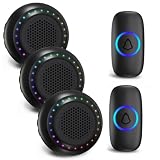
The SECRUI kit is the one we would hand to a friend. Three plug-in receivers and two push buttons ship pre-paired, so there is no pairing ritual and installation takes about a minute once the receivers are plugged in. The extra button is what separates it from the two-receiver kits, because it gives you a second entry with its own tone.
Output is specified at 120 dB across five adjustable volume levels, with 58 selectable chimes and an energy-saving LED indicator. The FM signal scheme uses one-to-one pairing for strong anti-interference, which matters in dense housing where a weaker scheme can pick up a neighbour’s button or a nearby radio-frequency device.
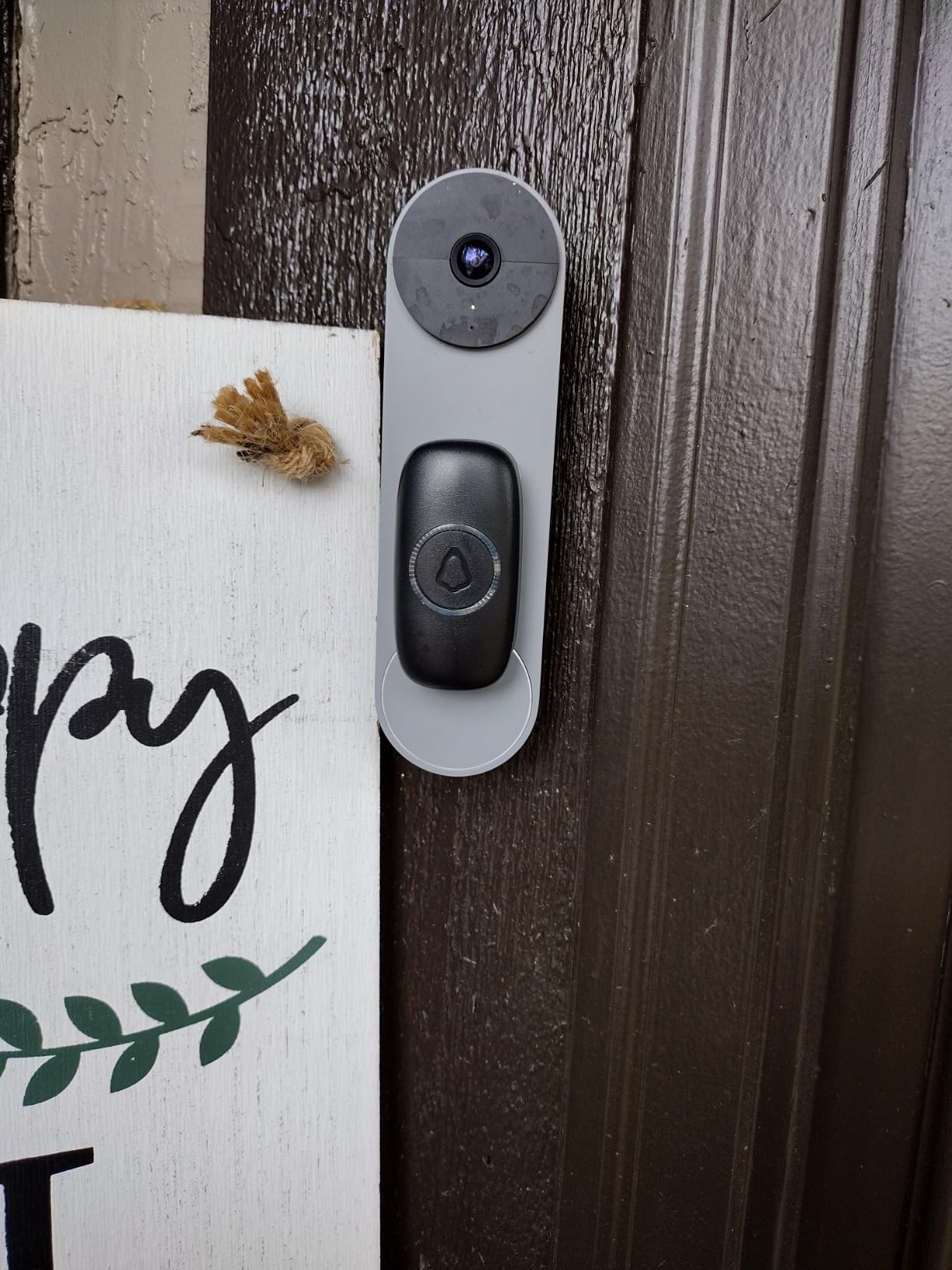
Range is quoted at up to 1300 ft in an obstacle-free environment, and the button is IP55 rated with a -4 F to 140 F operating range. The receiver body is a compact 2.36 inch square, which the review record credits as the reason it fits outlet positions that bulkier kits cannot, and the kit carries a 4.7 rating from more than 6,200 reviews.
The recurring complaint is the adhesive patch. Owners in humid climates report needing to clean the mounting surface carefully, and the tape can loosen over time on rough exterior siding. Screw mounting is included in the box and is the better choice on any surface that gets wet.
What pre-paired actually saves you
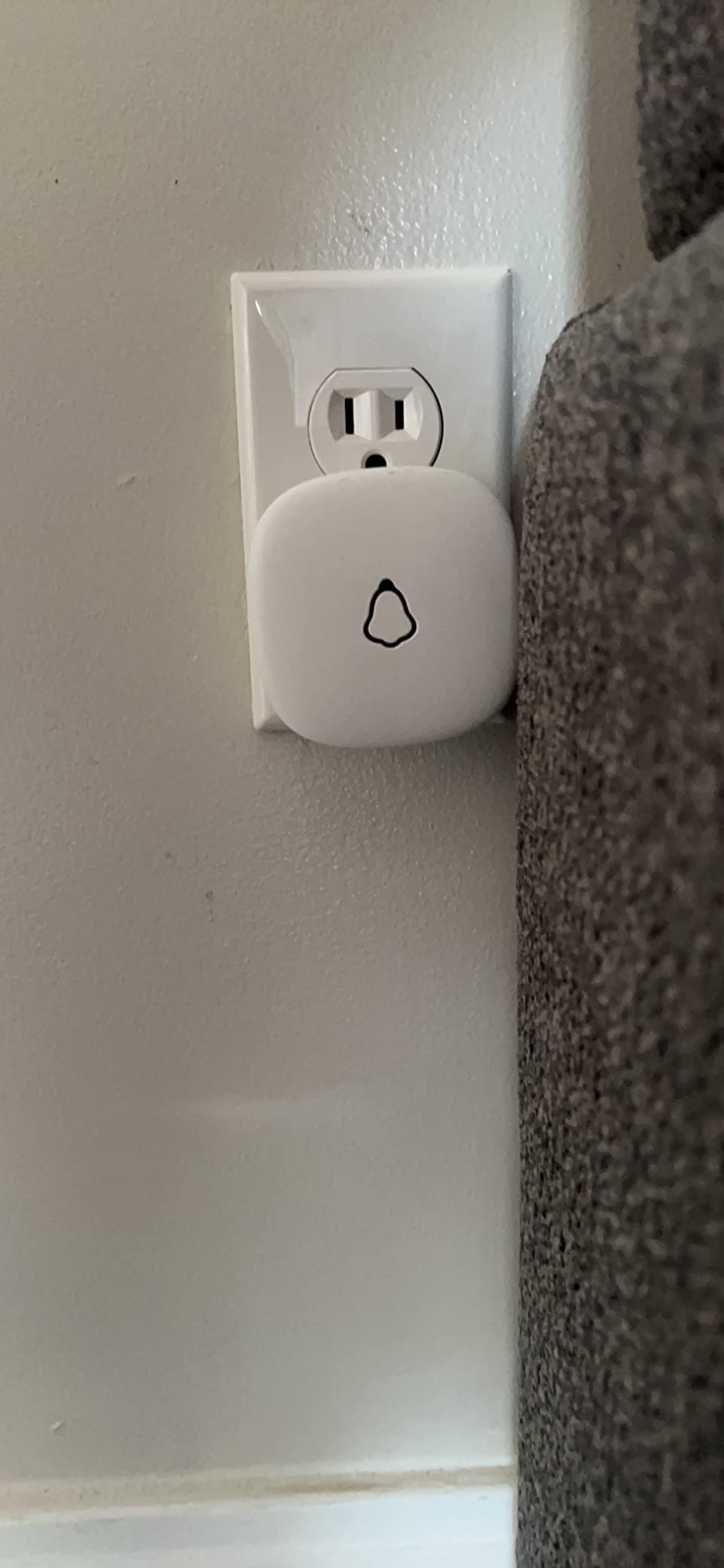
Pre-paired means the transmitters and receivers are matched at the factory, so you are not holding a pairing button and hoping the units find each other. For a large house with three receivers, that removes the single most tedious part of the install and cuts the chance of a receiver that never registers.
It also means less troubleshooting later. If one receiver stops responding in year two, the usual fix is a pairing-button hold rather than a full reset, and the one-to-one FM pairing means neighbouring systems stay separate. Buyers describe the result as covering every floor without the signal crossing into the wrong room.
When to choose a different kit
Skip it if you need more than two entries. Two buttons cover a front and back door, but a gate, workshop or side entrance needs a third transmitter that this kit does not include.
Skip it if the CR2032 cell is a problem. It is a common coin cell, but it is smaller than the A23 and CR2 used by some rivals, and cold mornings shorten its service life. The stated average is three years, less in sustained freezing conditions.
5. PHYSEN 3 Receivers and 2 Buttons – Highest Output Ceiling
Wireless Doorbell with 3 Receivers 2 Buttons 1000ft Range Door bell Chimes
- Three receivers spread across the house reach every floor
- Two push buttons give different tones for front and back doors
- 130 dB top volume with LED flash assists hard-of-hearing residents
- Receiver remembers its melody and volume after a power cut
- Compact dimensions fit narrow door frames and tight outlets
- Some units occasionally ring without the button being pressed
- LED flash is not bright enough for some profoundly deaf users
- The battery cell size is less common to replace
This kit publishes the highest output ceiling among the radio systems in our list at 130 dB, alongside four adjustable volume levels that run from 0 dB up to that maximum. For a house with a workshop, a busy kitchen or a lot of hard surfaces, extra headroom is the difference between hearing the chime and straining for it.
The configuration is two push buttons and three plug-in receivers, sold as a 1000 ft or 300 m open-space range with one-to-one pairing. Each receiver can take a different rington, so a press at the back door sounds different from a press at the front, and the system is expandable with additional receivers or buttons as required.
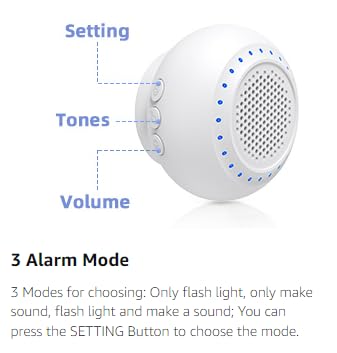
The bright LED flash is designed with elderly and hearing-impaired users in mind, and the receiver restores the last melody and volume after being unplugged, which is a small detail that saves real annoyance in a household with a memory-based routine. The kit holds a 4.6 rating from more than 5,000 reviews, largely from households and classrooms that need the alert to reach every floor.
The most serious negative report in the record is isolated spontaneous ringing, with some receivers chiming when no button was pressed. Several units in a large house increases the odds of encountering it, so this is the main reason it does not sit higher in the ranking despite the output advantage.
How the 130 dB ceiling compares
Published output figures across this group run from 110 dB to 130 dB, with two ecosystem chimes that state no figure at all. The gap between 110 dB and 130 dB is roughly 20 dB, which is not subtle in a room with a running extractor fan or a television at normal volume.
That headroom is genuinely useful in hard-surfaced spaces, such as a hallway with tile or a double-height stairwell, where reflections eat the apparent level. It also lets you run the kitchen receiver lower than the landing receiver, which is the right split in an open-plan home.
When a noisy tone library is a problem
Skip it if you want traditional bell sounds. Reviewers note that several of the 48 chimes are novelty tunes rather than conventional bells, so you may need to cycle past several before finding something that suits a formal entry.
Skip it if spurious rings would worry you. A receiver that chimes on its own erodes trust in the system quickly, and in a large house with three receivers you have more chances to hit the issue. Check the pairing if it starts, then fall back to a kit with a stronger anti-interference scheme.
6. Ring Chime 3rd Gen – Best Add-On for Ring Homes
- Upgraded speaker is louder and clearer than earlier Chime generations
- Plugs into a standard wall outlet with no wiring and no hub
- Alerts throughout the home for both presses and camera motion
- Customisable tones
- volume and snooze through the Ring app
- Slim curved design that suits a hallway
- Sounds nothing at all without a Ring doorbell or camera on the same account
- Alert delivery depends on WiFi and the app rather than a direct radio link
- Each chime covers one outlet so a large home needs several
This is an add-on receiver, not a standalone kit. There is no outdoor button in the box, and nothing sounds unless a Ring doorbell or camera on the same account is pressed or detects motion. If you already run a video doorbell, that is exactly what you want; if you do not, this is the wrong product entirely.
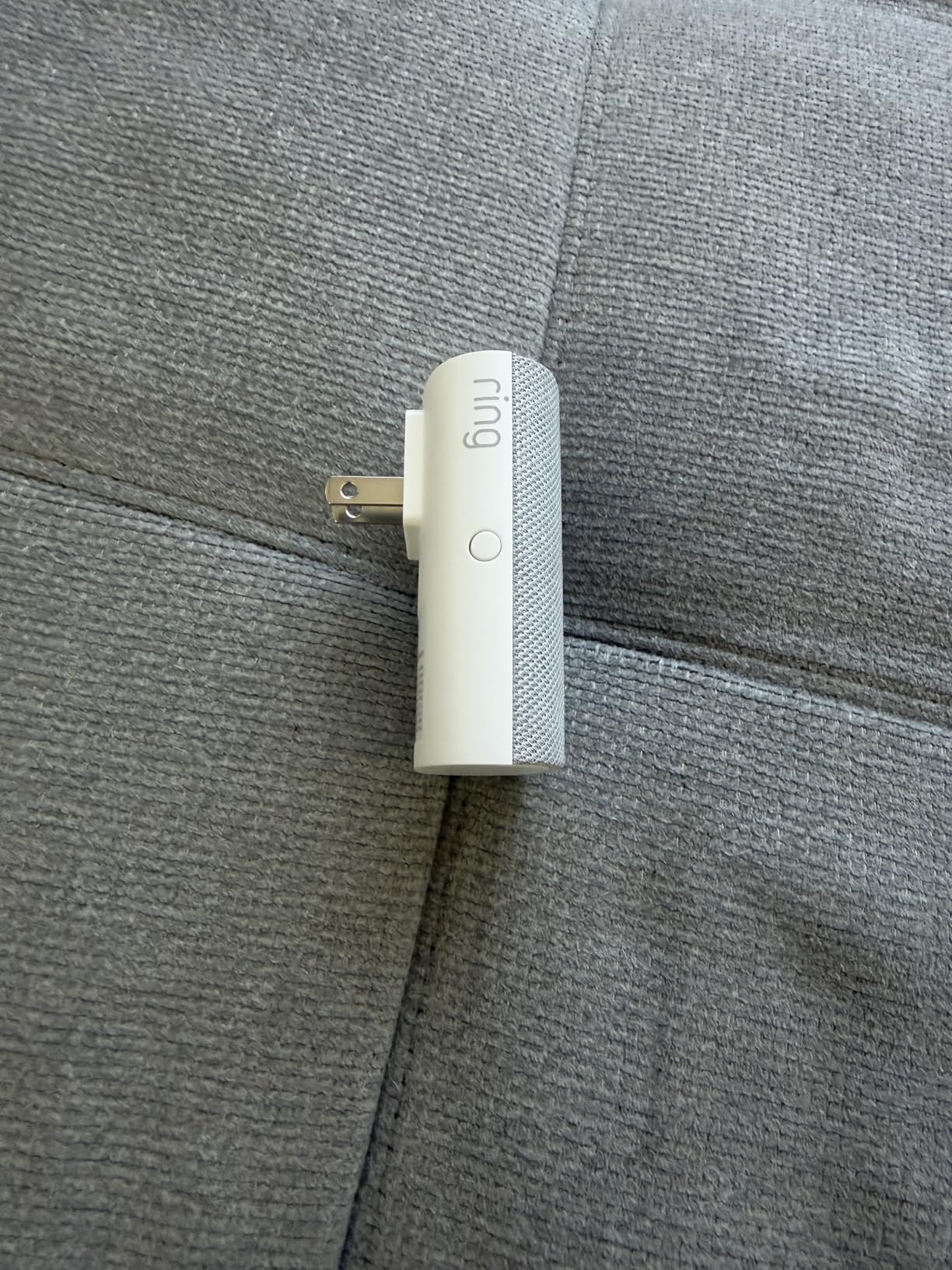
What owners upgrading from earlier Chime models praise is the upgraded speaker, which produces louder and clearer in-home alerts than the generations before it. Setup is a matter of plugging into a wall outlet and completing Wi-Fi and Bluetooth pairing in the app, and tones, volume and snooze are all adjustable there.
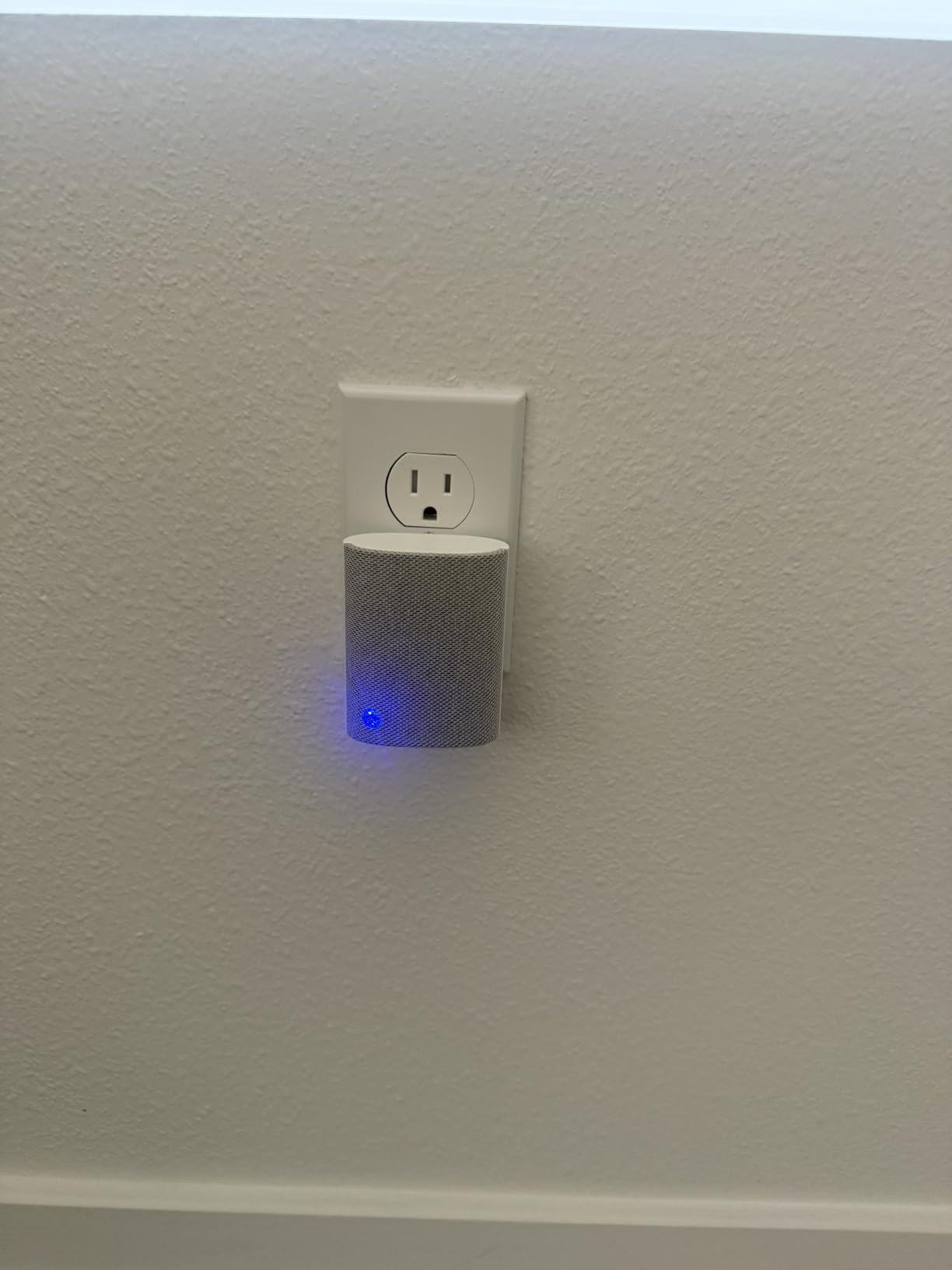
Two things shape how this fits a large house. Alerts travel over your network, so the quality of the chime signal depends on the quality of the Wi-Fi reaching that room, and a large floor plan with thick masonry is exactly where that degrades. One unit also covers one outlet position, so a two or three-storey home needs two or three of them.
The 4.6 rating from more than 4,400 reviews reflects broad satisfaction inside the ecosystem. Outside it, the limitation is absolute: no Ring doorbell means no sound. That is a fair trade for people who value a single app and unified notifications, and a poor one for anyone wanting cheap receivers in a basement.
When a Ring add-on makes more sense
Choose it when you already own a Ring doorbell or camera and want audible alerts in rooms the phone does not follow you into. The tones, volume and snooze controls sit in the same app as the camera, so there is nothing new to learn and no second hub to mount.
It is also the tidy option in a finished house where you do not want to mount an outdoor button at all. If your front door already has a camera covering visitors, a second in-home chime is all the coverage most people need on one floor.
What the app dependency costs you
You give up the radio link. A standalone kit keeps working through a router outage or a broadband failure, because nothing routes through your network. An add-on chime is only as reliable as the Wi-Fi at that specific outlet, which in a large house is not always where you would expect it to be strong.
You also give up the button. There is no way to ring the bell from the garden gate or the workshop, because this product has no transmitter. If you need coverage at a gate or a detached building, you need a radio kit or a contact-input transmitter instead.
7. TECKNET Self-Powered Kit – Best Battery-Free Button
- Piezo button generates its own signal so there is no battery to replace
- Plug-through receivers leave an outlet free for other equipment
- Two receivers and 1300 ft range cover large homes
- gates and outbuildings
- Owners report years of flawless service including across a metal driveway gate
- IP66 button rated from -4 F to 140 F
- Receiver is slightly too wide so only one half of a duplex outlet stays usable
- One of the pass-through sockets does not grip a plug on some units
- The button is small and stiff and needs a firm press
The distinguishing feature here is the button. It is a self-powered piezo design that generates its own signal when pressed, so there is no coin cell to lose in a cold month and no flat battery in February. Owners replacing battery doorbells that kept failing after a year or two describe this as the reason for the switch.
Output is 85 dB at the listed sound level, with 60 ringtones across five volume levels from 0 dB to 110 dB and a flashing light indicator. Range is quoted at 400 m or 1300 ft, the button is IP66 rated for waterproofing and dustproofing, and the memory function restores your melody and volume after a power outage.
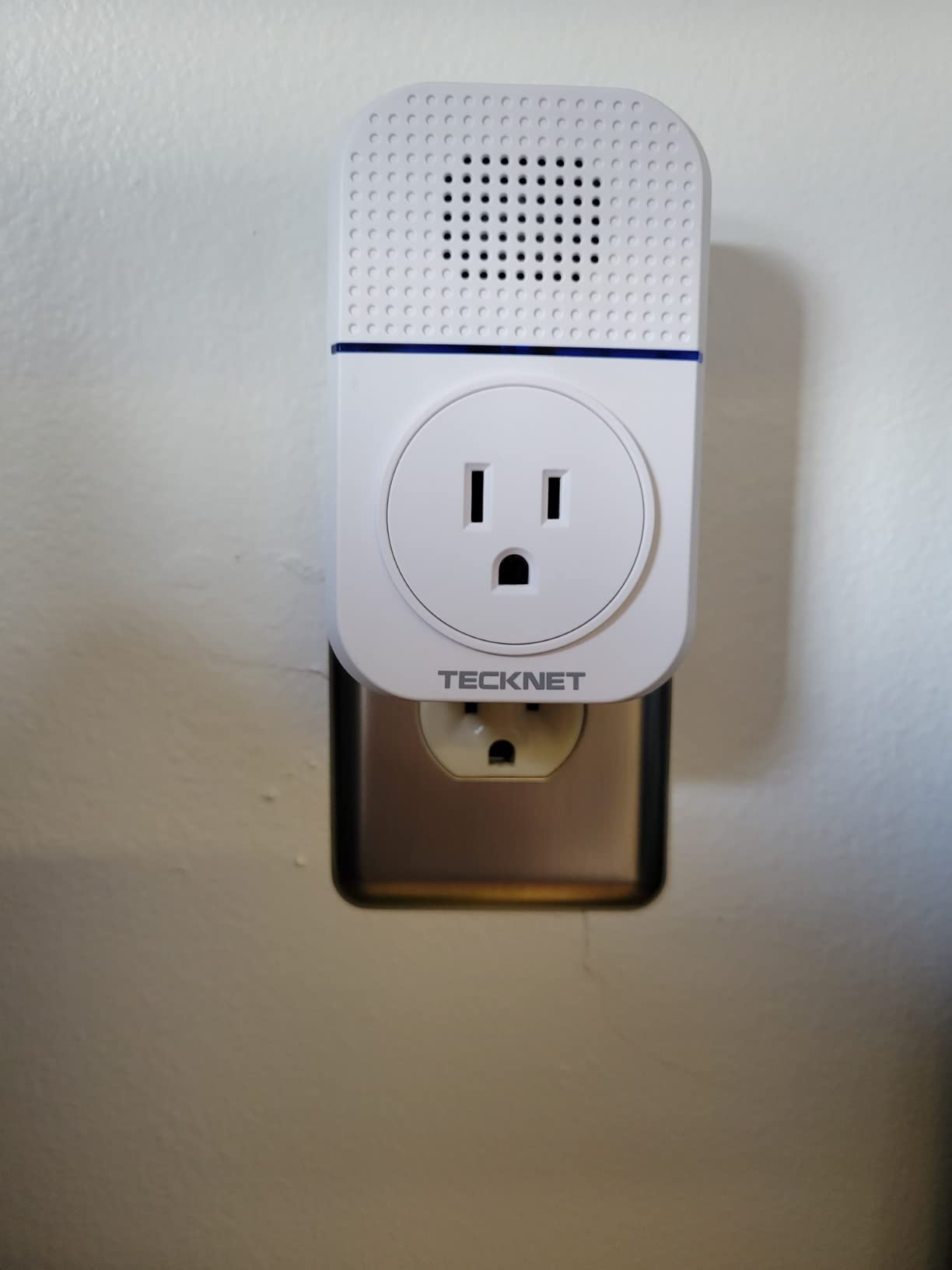
The plug-through receiver design is the second feature owners raise most. Instead of a body that swallows an outlet, the receiver leaves a usable socket below it, which solves a genuine problem in older houses where outlets are scarce and already crowded. One buyer reports the kit working flawlessly for over five years across a metal driveway gate, a genuinely hostile test for a radio signal.
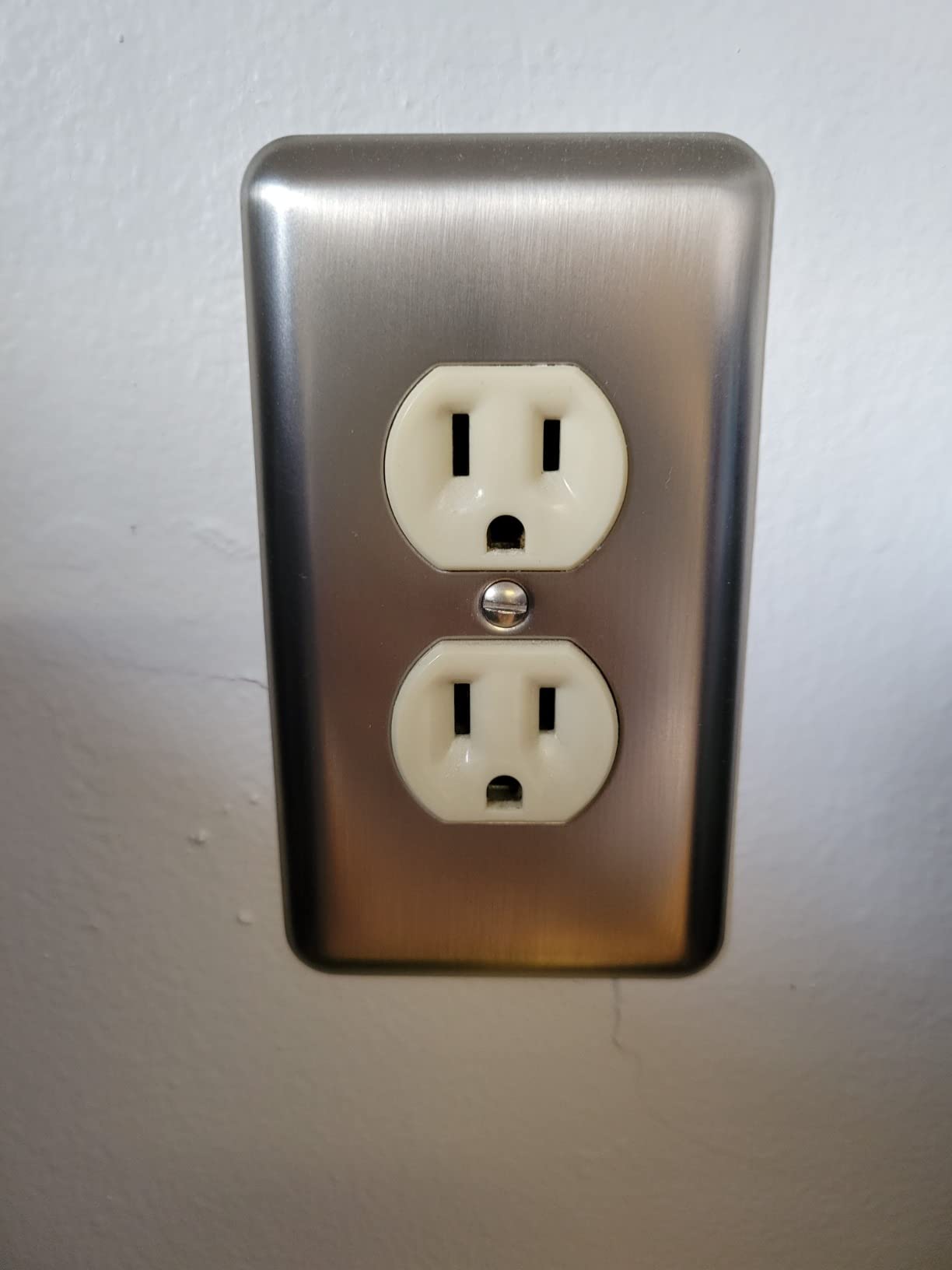
The 4.7 rating from more than 2,400 reviews is strong for a smaller seller, and the honest negatives are physical. The receiver is a few millimetres too wide to use both halves of a US duplex outlet, one of the two pass-through sockets on some units does not grip a plug firmly, and most of the 60 tones are novelty tunes with only a truncated eight-note Westminster among them.
Why a piezo button suits cold climates
There is nothing to discharge. A battery-powered button loses capacity in freezing conditions and a corroded cell is the most common reason a wireless doorbell stops working, so removing the cell removes the failure mode entirely. For a house in a cold climate or on a north-facing wall, that is a structural advantage rather than a convenience.
It also means no battery budget over five years. Several kits in this list need a fresh coin cell every two or three years, shorter in cold weather, and for a large house with multiple buttons the cumulative cost and effort adds up faster than most buyers expect.
When a self-powered button is a poor fit
Skip it if you need a very large number of receivers out of the box. Two receivers is a modest count for a three-storey house, and the plug-through body takes more space than a compact receiver to gain the extra socket.
Skip it if you need a second entry. Only one outdoor push button is included, so a front and back door means a separate kit. The stiff button also takes deliberate pressure, which is awkward for a visitor with limited hand strength.
8. PHYSEN 3 Buttons and 5 Receivers – Best for Multiple Doors and Gates
PHYSEN Wireless Doorbell for Large Homes, 1300ft Long Range Door Chime Kit
- Five receivers provide the widest whole-house coverage of any kit here
- Three push buttons cover front
- back and gate entries
- Each receiver can take a different chime so you know which door rang
- 110 dB top volume with LED flash assists hearing-impaired residents
- Backed by an 18-month warranty and 24-hour customer service
- The most expensive kit in this roundup
- Five receivers mean more outlets to find and more hardware to install
- Heavier 1.1-pound package with more components to set up
This is the kit to buy when coverage is a planning exercise rather than a two-room fix. It ships with three push buttons and five plug-in receivers, and the brand positions it specifically for large homes. For a property with a front door, a back door and a gate, no other kit here covers all three without a second purchase.
Range is quoted at over 1300 ft or 400 m in open space, with 58 chimes, five adjustable volume levels from 0 dB to 110 dB and a mute mode. Each receiver can be assigned a different ringtone, so you know which entrance rang without walking to a window, and the system is expandable with further receivers and buttons.
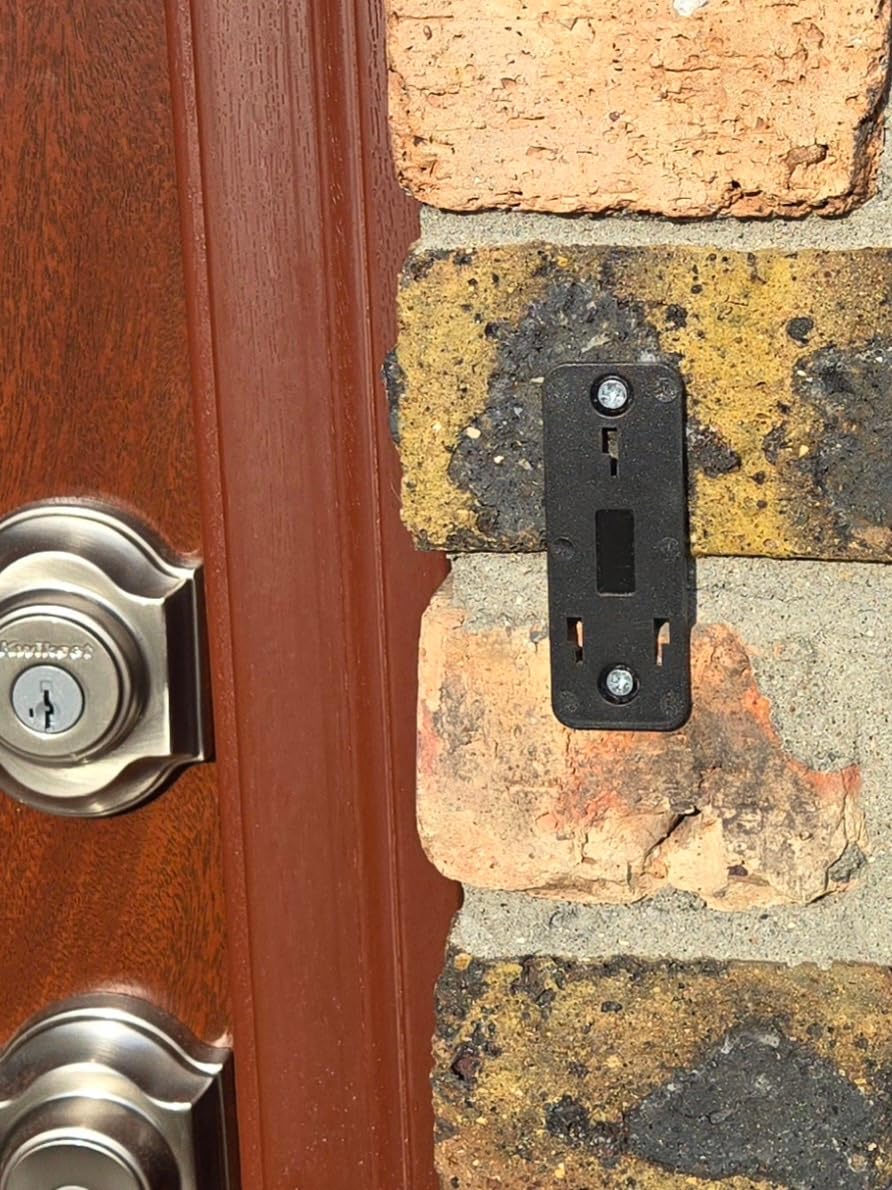
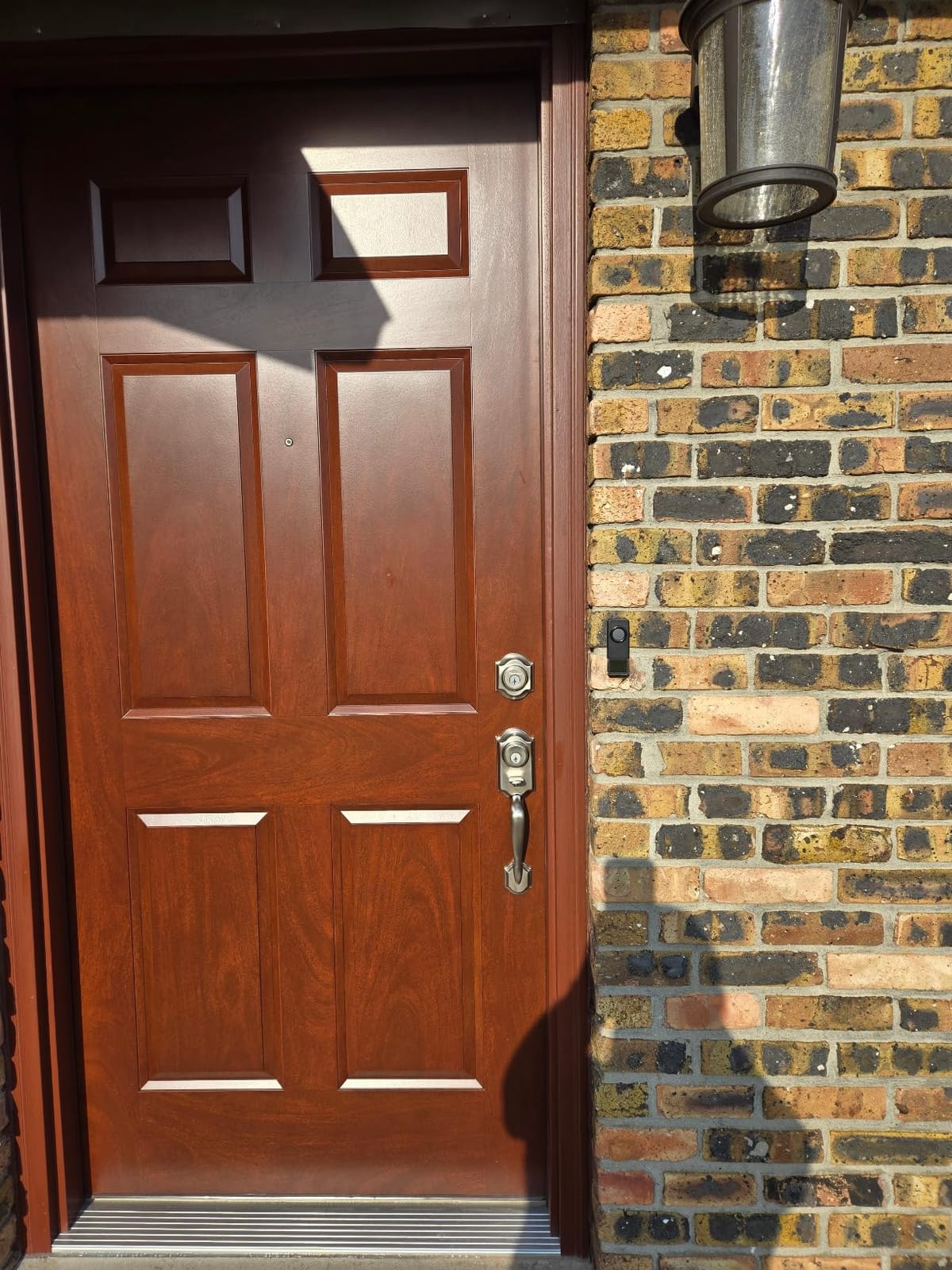
Buyers in large properties spread the five receivers across every floor and put transmitters at separate entries, then rely on the per-receiver ringtones to identify the door. LED flash indicators serve elderly and hearing-impaired residents, and the receiver stores the last melody and volume after shutdown so a power event does not reset the house.
The trade-offs are the number of hardware pieces and the need to find five usable outlets. At 1.1 pounds the package is the heaviest here, with more components to install, and owners running several of these units report occasional spurious ringing. An 18-month warranty with 24-hour customer service is included, which is reassuring at this configuration size.
How five receivers change the coverage plan
Five receivers turn the receiver-count rule from a compromise into a plan. On a three-storey house with a basement, garage and gate, you have one receiver for every zone without hunting for an expansion pack or living with a room that never rings. The five-unit configuration is the only one in this group that reaches a full coverage map on its own.
Three buttons also change the alerting side. Front, back and gate each get their own transmitter, and pairing a different chime to each receiver removes the guesswork of which entrance a visitor used. For a property with a long driveway, that clarity is worth more than a larger range figure.
When five outlets is too many
Skip it if your house has few usable outlets. Every receiver needs a socket, and old properties with kitchen and garage circuits already crowded are the worst case. The compact SECRUI or SadoTech receivers handle a tighter outlet field more gracefully.
Skip it if one entrance is all you need. Two receivers cover a two-storey home comfortably, and the extra hardware becomes clutter rather than coverage. Judge the configuration against the receiver formula rather than against the biggest number available.
9. SURFOU 2 Buttons and 3 Receivers – Best for Cold Climates
SURFOU Wireless Doorbell for Home, 2 Push Buttons & 3 Plug-in Receivers
- Three plug-in receivers give reliable coverage across the floors of a large house
- Two pre-paired buttons need no setup and install in about two minutes
- Sound carries through walls loudly enough to be heard over a running shower
- Adhesive tape holds firm outdoors in cold and wet conditions
- Silent mode with LED light suits households with sleeping babies
- The outdoor push button can be hard to locate in the dark
- Many of the 55 melodies are novelty tunes
- Volume and chime changes require stepping through options
The SURFOU set is the most recent kit here, first listed in 2025, and its reviews describe the large-home scenario almost word for word. Three receivers spread between floors, two buttons already paired, and sound described as loud enough to carry through walls over a running shower or to reach an office in a separate building.
Output runs across five adjustable volume levels from 0 dB to 110 dB with 55 selectable melodies, plus a silent mode that keeps the LED flashing without any sound. That combination is the practical choice in a house with a sleeping baby, and the button is weather resistant across a -4 F to 140 F range.
Canadian reviewers in the record report the kit continuing to operate through severe winters without failure, and the adhesive mounting is described as holding firm where lighter kits have let go. The receiver pass-through design also leaves the second socket on a receptacle usable, which matters in older houses with crowded outlets.
At 4.6 stars from more than 2,000 reviews the record is short but consistent. The main practical complaint is that the outdoor push button can be hard to locate in the dark, a real issue for anyone with limited vision. The button battery also uses a less common cell size, and melody changes mean stepping through options one at a time.

Why it keeps working in cold weather
The button is rated from -4 F to 140 F, and the buyer record from cold regions is the strongest part of the feedback. Cold is where coin-cell buttons fail, so a kit that holds its signal through a hard winter is more trustworthy in practice than its published range figure suggests.
Adhesive mounting that survives wet weather removes a common complaint as well. Screw fixings are included for anyone mounting onto brick or textured siding where tape alone would be the weak point, and the button is described as firm rather than delicate under pressure.
When the outdoor button is hard to find
Skip it if a visitor with limited vision needs to find the button unaided. The button is not backlit, and that single detail is the most repeated negative in the record. A position beside an existing light or a contrasting plate solves it, but only if you notice it before mounting.
Skip it if you want traditional bell tones. Several of the 55 melodies are novelty tunes, which means a little more time cycling before you find a sound that suits the entry. Confirm the tone before you finalise placement on a high wall.
10. Blink Chime – Best for Blink Homes
- Sounds in-home when a Blink doorbell detects motion or is pressed
- Setup needs only the Blink app and a standard outlet
- Compatible with every Blink doorbell generation
- Useful when a phone is not to hand
- so a physical chime covers the house
- Only works inside the Blink ecosystem
- One unit serves one outlet
- so a large home needs several
- Sound output is not user-adjustable
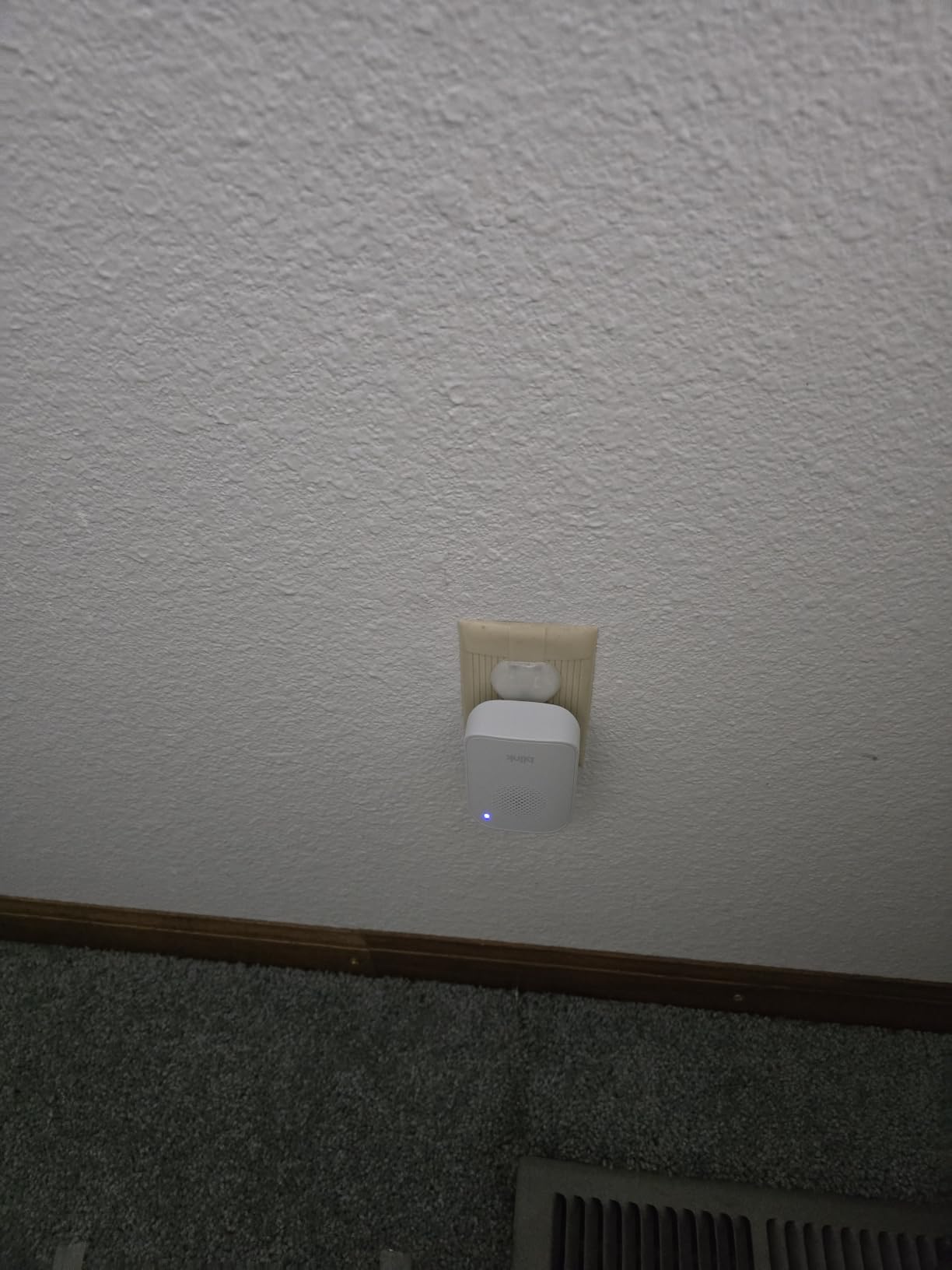
The Blink Chime is the newest and least-reviewed product in this group, with a 4.4 rating from 977 reviews. It works with all Blink doorbell generations, which means you are not locked to one model, and setup needs only the Blink app and a standard outlet. The slim profile and curved edges disappear into a hallway better than most plug-in chimes.
Like the Ring add-on, it has no outdoor button and no radio link of its own. It sounds when a Blink doorbell detects motion or is pressed, and useful as it is when a phone is not within earshot, it does nothing for a gate, a workshop or a separate building that the camera does not cover.
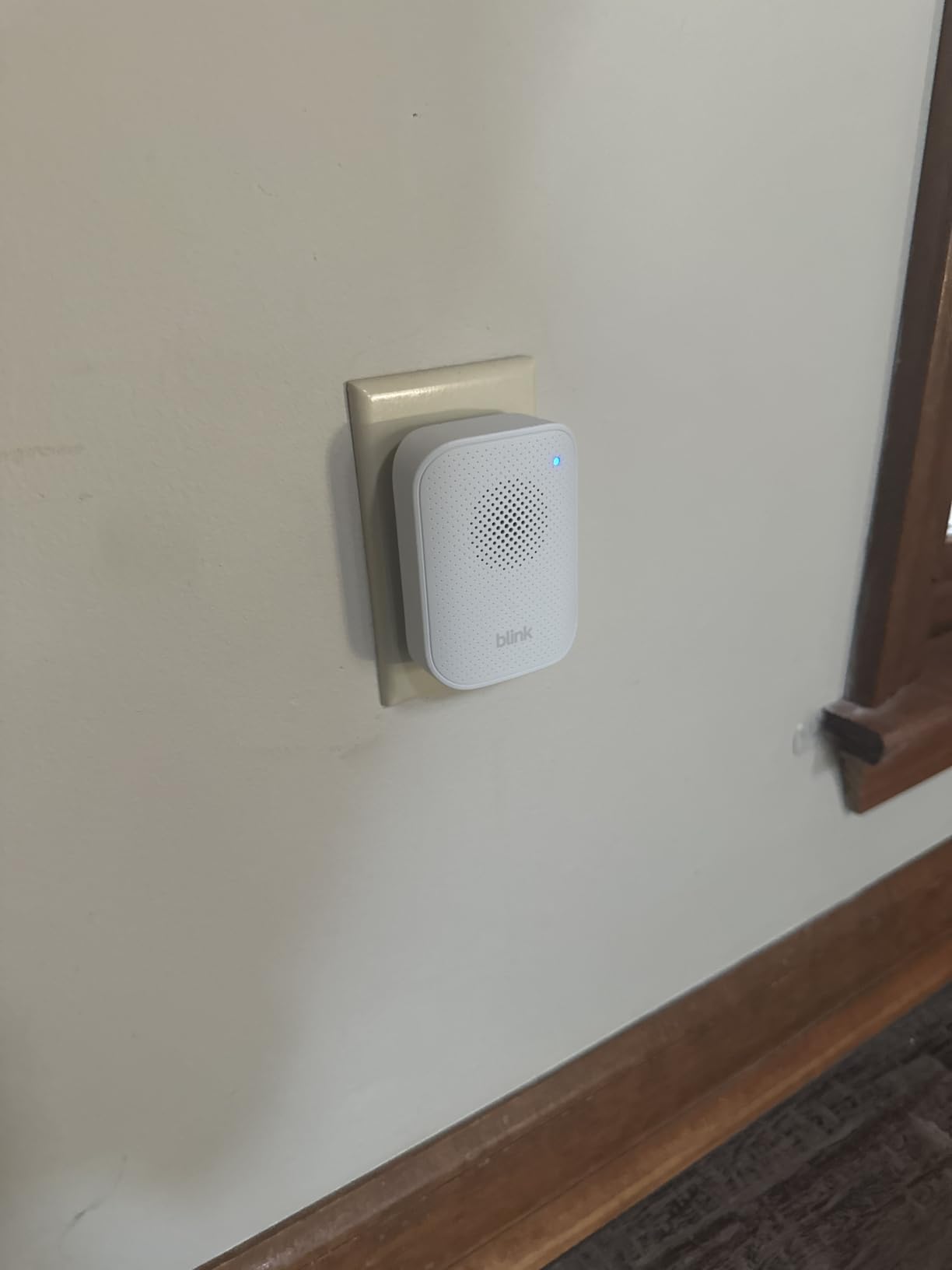
The 4.4 average is the lowest in this roundup, with 8% one-star feedback, and the reviews point to ecosystem lock-in as the main reason. The volume is not user-adjustable, which matters in a large house with a hard-of-hearing resident, and each chime covers a single outlet position, so a three-storey home needs three of them plus reliable Wi-Fi at each.
It earns a place on this list because it is a clean, tidy answer for one specific household. If you run Blink cameras and want an audible alert in rooms where the phone stays behind, it does that job simply. If you are choosing a wireless doorbell system rather than an add-on, this is not the product to buy.
What Blink compatibility does and does not cover
It covers every Blink doorbell generation, and the alert fires on both a press and a motion detection. That makes it useful as a companion to a camera-based system rather than as a standalone bell, and it is a good fit for a house where visitors are already being seen on a screen elsewhere.
It does not cover a second brand, a gate or a workshop. There is no transmitter in the box and no pairing mode, so the unit is inert without a Blink device on the same account. Buyers who expected a standalone kit report this as a disappointment, and rightly so.
Why this scores lowest in the group
Three factors put it at the bottom of the ranking. The 4.4 average with 8% one-star feedback is the weakest record here, the volume is not adjustable, and the alert depends on network conditions that degrade in exactly the large homes this article is about.
None of that matters much in a small flat with a Blink camera and good Wi-Fi coverage. Across three floors of a large house, all three work against it, which is why we would rather you place receivers with a radio kit and use the app for the video side.
How to Choose a Wireless Doorbell Chime for a Large Home
Six decisions account for almost every difference between a chime that works across a large house and one you stop hearing after a few months. Work through them in order and the product choice usually makes itself.
How many receivers to budget for
Start with the formula: one receiver per floor, one per 1,500 sq ft of finished space, and one per detached structure. Then add one more if the kitchen sits away from the main walking route or anyone in the household is hard of hearing. A two-storey home under 2,000 sq ft lands on two receivers. A three-storey house with a basement and a garage lands on four or five.
Then check how many receivers are actually in the box, because the marketing number and the box contents rarely match. The kits here ship with two, three or five. Extra receivers can usually be added later, but only from the same brand, so a kit that starts with two and needs five is a more expensive path than a kit that starts with five.
Why usable range beats the advertised number
What is the maximum range of a wireless doorbell? The honest answer is that the published figure is an open-air measurement between the button and the receiver with nothing in between. In practice, users consistently find roughly 30 to 50 percent of the claimed number is realistic inside a typical home, and through brick, concrete, steel doors and multiple floors it drops further.
So use the range figure to rule products out, not to choose between them. Anything claiming 1000 ft or more will reach an entry hall in a large house. What separates the products is how gracefully the signal degrades as you move away, which is better judged by the number of receivers you can place and how compact those receivers are.
Matching volume to your floor plan
Published ceilings in this group run from 110 dB to 130 dB, with two ecosystem chimes that publish no figure. A quiet house of about 1,500 sq ft is comfortable at the lower end. A 2,000 sq ft home with hard floors, a running kitchen extractor and a television wants the middle of the range. A workshop, warehouse or outbuilding with machinery running is the case where the top of the range earns its place.
Look for a mute position and a visual flash alongside the volume control. A 0 dB setting that keeps the LED flashing gives you a night mode for a sleeping household without losing the alert, and it is the feature hearing-impaired users rate most highly across the reviews.
Plug-in, battery or self-powered button
Can you get a doorbell without wiring? Yes, and every kit here does it. The choice is what powers the button and what powers the receivers. Plug-in receivers need a socket and never need attention. Battery receivers need cells that are sometimes not supplied. A self-powered piezo button needs nothing at all, which removes the single most common cause of a dead chime.
Over five years, that difference accumulates. A kit with one button on a coin cell means roughly two replacements, shorter in cold conditions. A self-powered button means zero. What you must weigh against that is outlet pressure: plug-in receivers and pass-through designs take a socket, and portable battery receivers take none.
Reading the IP rating on the outdoor button
The IP rating describes the part that lives outside, which is the button, and it says nothing about the indoor receiver. A kit advertising IP55 or IP66 is telling you about rain at the front door, not about splashback in a utility room. Read the figure on the button and ignore any impression created by the receiver’s rating.
In plain terms, IP44 handles splashing and larger solid objects, IP55 adds protection against water jets, IP65 is dust-tight and jet-proof, and IP66 is dust-tight and resistant to powerful water jets. All of the buttons here are rated from -4 F to 140 F, so cold and heat are covered across the board. For a gate or an uncovered side door, IP66 is the safer choice.
Multiple doors and future expansion
Count your entrances before you count your receivers. One button covers one door, and a house with a front door, a back door and a workshop needs three transmitters to alert differently. Kits that pair a distinct melody to each receiver let you know which entrance rang without walking to a window, which is genuinely useful on a large property.
Check the expansion path last. A kit that accepts additional receivers and buttons from the same brand keeps your options open as the house changes, and it means you can start with three receivers and reach five later rather than replacing the whole system. That matters more in a large house, where the number of places you want to hear the bell keeps growing.
Two related decisions sit alongside these six. Where you put the receivers matters as much as how many you have: place them on the walking route, not beside the door, and keep them away from metal cabinets, routers and microwaves, testing with the doors closed. And if your front door has a steel frame, a small wood shim behind the button fixes most of the signal loss that buyers blame on the kit.
Wireless Doorbell Chime Troubleshooting
Almost every wireless doorbell problem in a large house is one of five things, and all five are fixable in minutes. Work down the list rather than replacing the kit.
Replace the button battery first. A drained coin cell is the most common cause of a chime that stopped working, and the large majority of no-response cases resolve at this step. Keep a spare of the exact cell size the button takes, since A23, CR2032 and CR2 are not interchangeable.
Hold the pairing or volume button on the receiver for 5 to 10 seconds until the LED flashes rapidly, then press the transmitter within about 10 seconds. That reset clears a pairing lost to a power cut or a memory clash, and it is worth doing before you assume the button is dead.
Handle a metal door frame with a wood shim. A small strip of wood between the button and a steel or aluminium frame restores the signal that the frame was eating, and it costs a few cents against a new kit.
Investigate phantom chimes. Random rings with no visitor usually mean radio-frequency interference from nearby equipment or a neighbour’s transmitter on a shared frequency. Move the receiver away from routers, microwaves and metal cabinets, and re-pair the units one-to-one if the kit supports it.
Test with the doors closed. Sound follows open paths, and a receiver that fails when you close every interior door is telling you the signal is marginal. Add a receiver on that floor rather than turning the volume up and hoping.
Frequently Asked Questions
What is a wireless chime?
A wireless chime is a two-part doorbell system with nothing wired between the halves. An outdoor push button, usually battery or self-powered, sends a radio signal to one or more indoor receivers that play a selectable melody and flash an LED. Standalone kits need no network at all.
What is the maximum range of a wireless doorbell?
Published maximum range is an open-air measurement, and the kits here claim 1000 to 1300 ft. Inside a home, treat roughly 30 to 50 percent of that figure as realistic, and less again through brick, concrete or steel doors. Receiver count and placement determine real coverage far more than the advertised number.
How far can a wireless doorbell reach?
Through open ground, the range figures on these kits run from 1000 to 1300 ft. Through the structure of a house, the practical reach of a single receiver is normally one floor and the rooms either side of it, which is why large homes need several receivers placed on the walking route rather than one long-range unit.
How many doorbell receivers does a large house need?
Use three rules together: one receiver per floor, one per 1,500 sq ft of finished space, and one per detached structure such as a garage, workshop or gate. A three-storey home with a basement and a garage therefore needs four to five receivers, and a two-storey home under 2,000 sq ft usually manages with two.
Do wireless doorbells need WiFi?
Standalone radio kits such as the AVANTEK, SECRUI, SadoTech, PHYSEN, TECKNET and SURFOU models here work on a radio link alone and need no network. The Ring and Blink chimes are different: they are add-on receivers for a video doorbell and require WiFi plus the manufacturer’s app to sound at all.
Why is my doorbell not chiming inside?
Start with the button battery, which resolves most cases. If that fails, hold the pairing or volume button on the receiver for 5 to 10 seconds until the LED flashes rapidly, then press the transmitter within 10 seconds. After that, check for a metal door frame, add a wood shim behind the button, and move receivers away from routers and microwaves.
Can you get a doorbell without wiring?
Yes. Every kit in this roundup installs without any wiring between the button and the receivers. The button mounts with the supplied screws, anchors or adhesive tape, and the receivers plug into a standard wall outlet or run on batteries. Self-powered buttons remove the need to change a cell as well.
What is the disadvantage of wireless doorbells?
Signal weakens through floors, masonry, steel doors and plumbing, so a single receiver often cannot cover a large house. Other drawbacks include batteries that need replacing, plastic receivers that can cover an outlet socket, adhesive mounts that loosen in wet weather, and, on a few kits, receivers that occasionally ring with no button pressed.
Final Verdict: Which Wireless Doorbell Chime Fits a Large House
The AVANTEK two-receiver kit wins this roundup. It carries a 4.7 rating across more than 18,000 reviews, 115 dB of output, 52 melodies and an IP55 button, and the buyer record shows it holding through brick, concrete and multiple floors in homes far larger than a single receiver would normally serve.
Match it to your floor plan instead. Two-storey home with a busy kitchen, take the AVANTEK. Three storeys or a basement, take the SECRUI three-receiver set for pre-paired setup and a 120 dB ceiling. Hard of hearing, take the TECKNET portable set for the RGB visual alert. Three entrances including a gate, take the PHYSEN five-receiver kit. Already running a video doorbell and wanting one more audible point, add the Ring Chime rather than a second standalone system.
Whatever you choose, place the receivers on the walking route, count one per floor, and buy a kit that ships with at least three of them. Our [wireless dog fence picks for large yards](https://www.nauticamalibutri.com/best-wireless-dog-fences-for-large-yards/) cover the same principle for the perimeter of a large property, and the [large wind chime guide](https://www.nauticamalibutri.com/best-large-wind-chimes-for-patios/) is worth a look if your entry is a patio rather than a hall.