
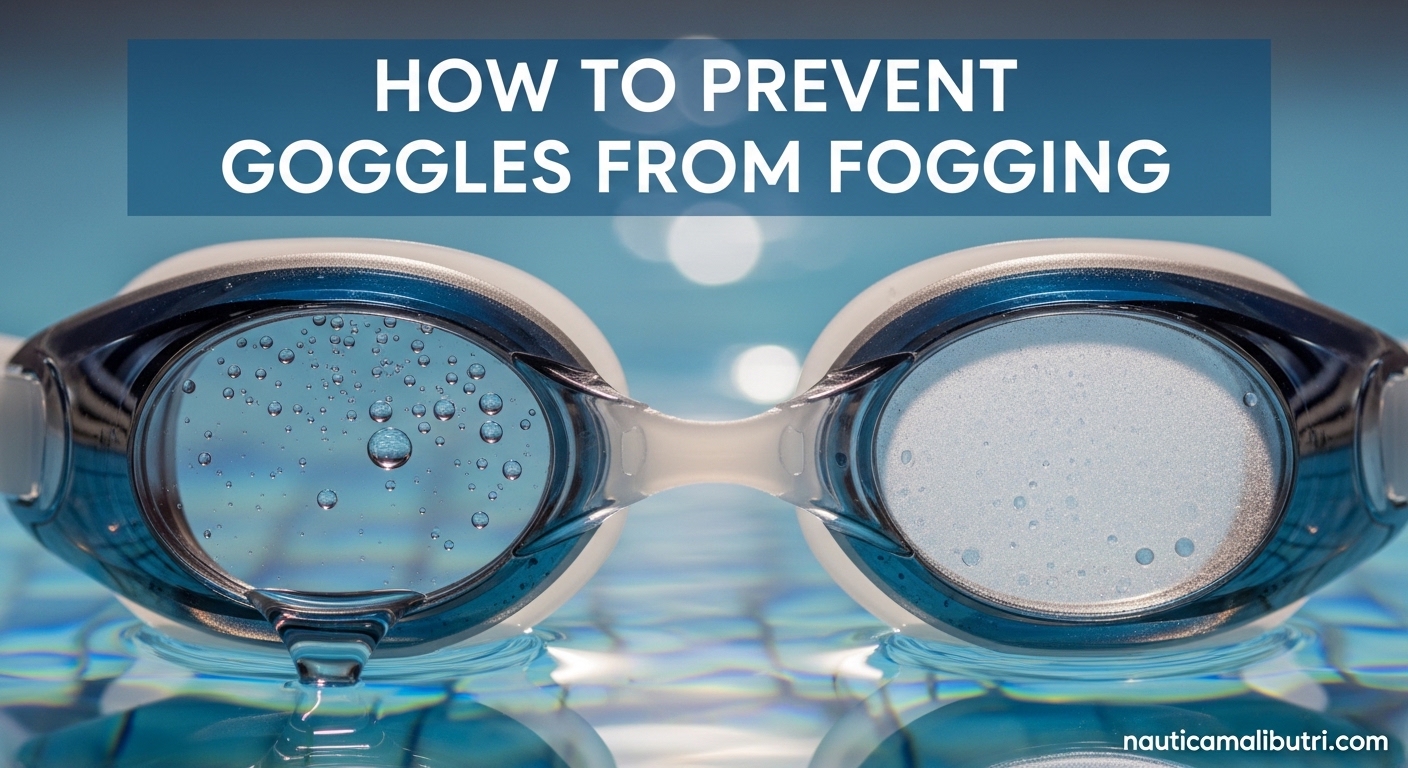
Foggy goggles can turn a promising triathlon swim into a frustrating struggle. I have seen athletes veer off course at the Nautica Malibu Triathlon simply because they could not see the next buoy. Learning how to prevent goggles from fogging is not just about comfort; it is about safety, speed, and staying on course during your open water swim.
The good news? You have several proven methods at your disposal. Here are the five most effective ways to stop goggles from fogging:
1. Apply anti-fog spray before each swim – Surfactant-based treatments create a hydrophilic film that prevents condensation from clustering.
2. Pre-wet your goggles with pool or ocean water – Equalizing the temperature inside and outside the lens stops the condensation trigger.
3. Never wipe the inside of your lenses – Even a finger touch removes the factory anti-fog coating permanently.
4. Store goggles at room temperature – Extreme heat or cold degrades the anti-fog coating faster.
5. Wear your swim cap over your goggle straps – This traps less warm, moist air against the lenses and creates a better seal.
In this guide, I will break down the science behind goggle fogging, share what actually works based on real triathlon experience, and warn you about common myths that could ruin a brand new pair of goggles.
Table of Contents
Why Do Goggles Fog Up? The Science Explained
Goggle fogging is simple physics. When warm, moist air from your skin meets the cooler surface of your goggle lenses, the water vapor condenses into tiny droplets. These droplets scatter light and create that frustrating cloudy view.
The temperature differential between your face and the water drives this process. In the Pacific Ocean off Malibu, water temperatures can range from 58 to 68 degrees Fahrenheit depending on the season. Your body temperature stays around 98.6 degrees. That 30 to 40 degree gap creates perfect conditions for condensation.
The Role of Hydrophilic Coatings
Quality goggles come with a factory anti-fog coating. This coating is hydrophilic, meaning it attracts water molecules. Instead of beading up into foggy droplets, water spreads into a thin, transparent film you can see through.
Think of it like the difference between a waxed car (water beads) and an unwaxed car (water sheets). The hydrophilic coating makes water sheet across the lens rather than bead up and block your vision.
Why Factory Coatings Fail
Every time you touch the inside of your lenses, you remove microscopic bits of that hydrophilic coating. Rubbing, wiping, or even aggressive rinsing degrades the surface over time. Most factory coatings last between 6 to 12 months with normal care, though heavy pool chlorine exposure can shorten this lifespan.
Forum discussions on Slowtwitch reveal a common complaint: new goggles fogging immediately. This often happens when swimmers accidentally wipe the inner lens while adjusting the fit, or when manufacturers apply insufficient coating during production.
How to Prevent Goggles from Fogging: 5 Proven Methods
Now that you understand why goggles fog, let us dive into the specific techniques that keep your vision clear from the starting horn to the swim exit.
Method 1: Apply Anti-Fog Spray Correctly
Anti-fog sprays and gels contain surfactants that temporarily restore or enhance the hydrophilic coating on your lenses. The key is application technique. Spray a small amount on the inside of each lens, then spread it evenly with a gentle circular motion using a clean microfiber cloth or the pad of your finger.
Let the treatment sit for at least 30 seconds before rinsing lightly with fresh water. Some products work best if left on until just before your swim. Read the specific instructions for your chosen brand. Most sprays last one to three swims before needing reapplication.
For triathletes, I recommend applying anti-fog treatment the night before your race. This gives the surfactants time to bond with the lens surface and ensures you are not fumbling with bottles in transition.
Method 2: Master the Pre-Wetting Technique
Pre-wetting is the simplest, most overlooked method for preventing fog. Before putting your goggles on, dip them in the water you will be swimming in. This equalizes the temperature between the inside and outside of the lenses.
When you put on pre-wet goggles, there is no sudden temperature shock when your warm face meets the cool lens. The water already coating the inside surface prevents the rapid condensation that causes fog.
Many experienced swimmers also splash water on their face before putting on goggles. This cools your skin temperature, reducing the heat differential that triggers fogging. At the Malibu Triathlon, I dip my goggles in the Pacific while waiting for the swim start, then put them on just before entering the water.
Method 3: Never Touch the Inside of Your Lenses
This rule cannot be stressed enough. The oils on your fingers, even clean ones, break down hydrophilic coatings. Once you wipe the inside of your goggles, that area will fog more readily forever.
If water gets inside your goggles during a swim, resist the urge to lift them and wipe the lens. Instead, stop at a buoy, let the water drain out, or simply deal with the temporary blur until you can properly rinse them. One moment of convenience can ruin a $30 pair of goggles permanently.
When adjusting your goggles, handle them only by the frame, strap, or gasket. Train yourself to never touch the inner lens surface, even when cleaning or drying.
Method 4: Store Goggles at Room Temperature
Extreme temperatures degrade anti-fog coatings. Leaving goggles in a hot car during summer or a freezing garage in winter accelerates coating breakdown. The temperature swings cause microscopic expansion and contraction that cracks the thin hydrophilic film.
Store your goggles in a protective case at room temperature. Keep them out of direct sunlight when not in use. For triathletes, this means not leaving goggles in your car during training days or after races. The temperature inside a parked car can exceed 120 degrees Fahrenheit, which is coating death.
Method 5: Use Your Swim Cap as a Fog Barrier
Wearing your swim cap over your goggle straps does two things. First, it creates a better seal that keeps warm, moist air from escaping around your hairline and hitting the lenses. Second, it reduces the microclimate of humid air trapped between your face and the goggles.
Put on your goggles first, then pull your swim cap over the straps. The cap edges should sit just above the goggle gasket. This technique is especially effective in cold open water where the temperature differential is most extreme.
I learned this trick from a veteran Ironman athlete at a Malibu training swim. Since adopting it, my fogging issues during ocean swims have dropped by at least half. The swim cap trick costs nothing and takes two seconds, yet many triathletes overlook it.
Home Remedies That Actually Work
Not everyone wants to buy anti-fog products for every training session. Fortunately, several household items work nearly as well as commercial sprays when used correctly.
The Baby Shampoo Method
Baby shampoo is the most popular home remedy among serious swimmers. It is gentle on eyes, widely available, and contains mild surfactants that create a temporary hydrophilic coating.
Mix one drop of baby shampoo with about two ounces of water in a small spray bottle. Shake well and apply a thin layer to the inside of your goggles. Let it sit for a minute, then rinse lightly with fresh water. You want a barely-there film remaining, not soapy residue that will sting your eyes.
Baby shampoo treatments typically last one to two swims. The benefit over dish soap is the no-tears formula. If any residue remains, it will not burn like harsher detergents.
The Saliva Technique
Spit works. It sounds gross, but saliva contains proteins and surfactants that prevent fogging effectively. Many professional swimmers and triathletes swear by this method, especially for races where they forgot their anti-fog spray.
To apply, spit on the inside of each lens, rub it around with your finger, then give a light rinse in the water before putting them on. The saliva creates a thin protein film that prevents beading for about 30 to 60 minutes of swimming.
The downsides? It is less effective than commercial products, lasts for only one swim, and yes, it is somewhat unpleasant. But in a pinch during a race or when you are out of spray, saliva gets the job done.
Dish Soap as Anti-Fog
Dish soap works similarly to baby shampoo but is more concentrated and harsher. A tiny drop diluted in water can create an effective anti-fog coating. However, dish soap residue irritates eyes far more than baby shampoo.
If you use dish soap, dilute it heavily. One drop per cup of water is the maximum concentration. Rinse thoroughly after application. Any lingering soap will cause significant eye irritation, especially in salt water where the combination of soap and salt stings badly.
Most swimmers who try dish soap eventually switch to baby shampoo for comfort. But dish soap remains a viable backup option in emergencies.
What NOT to Use: Myths Debunked
The internet is full of well-meaning but destructive advice about preventing goggle fog. These methods can permanently damage your goggles and should be avoided completely.
Toothpaste Does Not Work
Some forums suggest using toothpaste to strip the factory coating and start fresh. This is terrible advice. Toothpaste is mildly abrasive. It scratches the polycarbonate lens surface, creating micro-grooves where water droplets cling and fog even worse.
If your factory coating has worn off, use anti-fog spray or home remedies. Do not try to scrub the coating off with toothpaste. You will ruin the optical clarity of the lens permanently.
Shaving Cream Destroys Coatings
Shaving cream contains harsh chemicals and lubricants that leave a greasy residue. This residue blocks the hydrophilic coating from working and creates a blurry film that attracts more condensation. Some shaving creams also contain menthol or other irritants that can burn your eyes.
Despite occasional forum posts claiming success, shaving cream has no legitimate place in goggle care. Avoid it completely.
Rubbing Alcohol Strips Coatings
Rubbing alcohol removes oils and residues, but it also dissolves the hydrophilic coating. Using alcohol on your goggles accelerates the very problem you are trying to solve. Stick to fresh water rinses and mild soap when cleaning.
Goggle Care and Maintenance for Long-Term Clarity
How you treat your goggles between swims matters as much as what you do before swimming. Proper maintenance extends the life of your anti-fog coating and keeps lenses clearer for months.
Rinse After Every Swim
Chlorine, salt, and minerals from pool or ocean water degrade coatings over time. Rinse your goggles with fresh water immediately after each swim. Do not let them sit wet with pool chemicals for hours.
Use cool or lukewarm fresh water. Hot water can damage the coating and warp the plastic frame. A quick 10-second rinse removes most harmful residue.
Air Dry Properly
After rinsing, let your goggles air dry. Do not wipe them with a towel, shirt, or tissue. These materials are abrasive and remove coating. Place them lens-up in a well-ventilated area or hang them by the strap.
Avoid drying them in direct sunlight. UV rays degrade plastic and coatings over time. Shade drying is best.
Store in a Protective Case
Throwing loose goggles into your gym bag invites scratches and coating damage. Use the case that came with your goggles, or buy a simple hard case for protection. Store them at room temperature, away from heat sources and out of direct sunlight.
For triathletes, keep a separate goggles case in your transition bag. Do not let them rattle around with bike tools, energy gels, and other gear that could scratch or contaminate the lenses.
Triathlon and Open Water Specific Tips
Pool swimming and open water triathlon swimming present different fogging challenges. The ocean environment at the Nautica Malibu Triathlon creates unique conditions you should prepare for.
Malibu Ocean Conditions
The Pacific Ocean off Malibu is cold, often between 58 and 65 degrees Fahrenheit on race morning. This extreme temperature differential with your warm body creates maximum fog potential. Bright California sun also heats your face and goggles, worsening the condensation when you enter cool water.
Prepare for these conditions by pre-wetting thoroughly and using your swim cap as a fog barrier. Consider applying anti-fog treatment twice on race morning, once an hour before and again 15 minutes prior to your wave start.
Pre-Race Fog Prevention Routine
My race morning routine includes three specific steps for fog prevention. First, I apply anti-fog spray the night before and let it cure. Second, on race morning, I place my goggles in my swim cap to keep them clean and protected. Third, at the swim start, I dip my goggles in the ocean, put them on, then pull my cap over the straps.
Keep backup goggles in transition. If your primary pair fogs mid-race, you can switch at T1. This backup plan has saved several athletes I know who wiped their lenses while adjusting during the swim.
Wetsuit and Goggle Interaction
Wetsuits trap heat against your face, increasing the temperature differential and fog potential. The neck seal can also channel warm water up toward your goggles when you sight. Make sure your wetsuit fits properly and does not force water upward into your goggle area.
Put your goggles on before your wetsuit if possible. This prevents the wetsuit neck from dislodging your goggle strap during the struggle of getting into rubber.
When to Replace Your Goggles
No anti-fog coating lasts forever. Knowing when to retire a pair of goggles prevents frustration and poor race performance.
Signs Your Coating Is Gone
If your goggles fog within the first 100 meters of every swim despite proper anti-fog treatment, the factory coating is likely degraded beyond recovery. When home remedies and commercial sprays provide only 5 to 10 minutes of clarity, it is time for new goggles.
Visible scratches on the inner lens also signal replacement time. Scratches create nucleation points where water droplets form instantly.
Replacement Timeline
For regular swimmers training three to four times weekly, expect to replace goggles every 6 to 9 months. Heavy pool swimmers may need replacements every 4 to 6 months due to chlorine exposure. Occasional open water swimmers can stretch goggles to 12 months with proper care.
Triathletes should test race-day goggles during training swims for at least two weeks before an event. Never race in brand new goggles without verifying they fit well and resist fogging under real conditions.
Frequently Asked Questions
How do I get my goggles to stop fogging?
Use anti-fog spray or baby shampoo on the inner lenses, rinse lightly, and never wipe the inside of your goggles. Pre-wetting your goggles in pool or ocean water before swimming also helps by equalizing temperatures.
Does dish soap stop goggles from fogging?
Yes, diluted dish soap creates a temporary anti-fog coating. Mix one drop with water, apply to inner lenses, and rinse thoroughly. Baby shampoo is gentler on eyes and works equally well.
Does rubbing alcohol prevent fogging?
No, rubbing alcohol strips the anti-fog coating and damages the lens surface. Avoid alcohol-based cleaners completely. Use only fresh water and mild soap for cleaning goggles.
What can I put on goggles to keep them from fogging up?
Commercial anti-fog spray, baby shampoo diluted with water, or saliva are all effective options. Apply to clean inner lenses, spread evenly, and rinse lightly before swimming.
Does toothpaste stop goggles from fogging?
No, toothpaste permanently damages goggles. It scratches the lens surface and destroys the anti-fog coating. Never use toothpaste or other abrasive cleaners on swimming goggles.
How long does anti-fog spray last on goggles?
Most anti-fog sprays last 1 to 3 swims before needing reapplication. Factors include water temperature, swim duration, and how well you avoid touching the inner lens surface.
Conclusion
Preventing goggle fog comes down to three core principles. Understand the science of condensation and temperature differential. Use proven prevention methods like anti-fog spray, pre-wetting, and proper storage. Avoid destructive myths like toothpaste and shaving cream that damage your lenses permanently.
Learning how to prevent goggles from fogging will serve you well at the Nautica Malibu Triathlon and every swim thereafter. Cold Pacific waters and bright California sun create challenging conditions, but with the right preparation, you will have crystal clear vision from the starting horn to the swim exit.
Pick one or two methods from this guide and make them part of your routine. Your goggles will last longer, your vision will stay clearer, and your race day swim will be one less thing to worry about. Clear goggles mean better sighting, straighter swimming, and faster splits. That is worth an extra 30 seconds of preparation before every swim.