
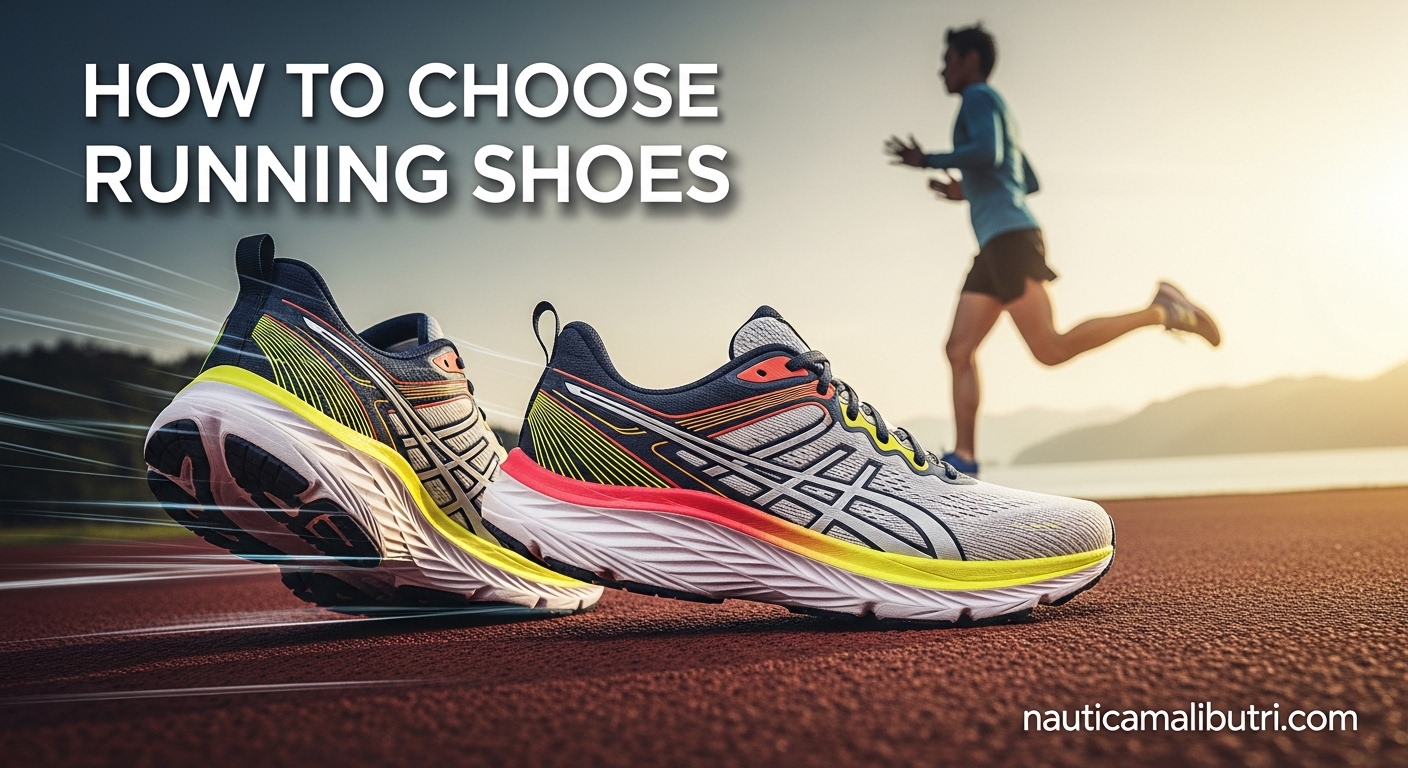
Learning how to choose running shoes that actually work for your body can feel overwhelming when you are staring at a wall of options at your local store. I have spent years helping triathletes find the right footwear for both training and race day, and I can tell you that the perfect shoe is not about brand names or trendy colors. Whether you are preparing for your first sprint triathlon or training for an Ironman distance event, the right running shoes will prevent injuries, improve your performance, and keep you comfortable through every brick workout and triathlon training session.
The wrong shoes, on the other hand, can lead to black toenails, shin splints, knee pain, and even stress fractures that derail your training plans. Through my experience fitting hundreds of runners, I have learned that most people choose shoes based on looks or generic size assumptions rather than biomechanical needs. This guide will walk you through exactly how to choose running shoes that match your unique foot shape, gait pattern, and training goals.
By the end of this article, you will understand everything from pronation patterns to heel-to-toe drop, know exactly how your shoes should fit, and have a clear framework for making confident buying decisions. We will also cover triathlon-specific considerations that most general running guides miss, including how to choose shoes for fast T2 transitions and wet condition performance.
Table of Contents
Quick Takeaways: What Matters Most
Here are the essential points to remember when selecting your next pair of running shoes:
- Fit comes first: You need a thumb’s width of space between your longest toe and the shoe’s end to prevent black toenails and allow natural foot swelling during long runs.
- Know your gait: Understanding whether you have a neutral gait, overpronate, or supinate determines whether you need neutral, stability, or motion control shoes.
- Match your surface: Road running shoes use different rubber compounds and lug patterns than trail shoes, and triathlon-specific designs prioritize quick transitions.
- Replace on schedule: Running shoes last 300-500 miles depending on the foam type, your body weight, and the surfaces you run on.
- Shop smart: Try shoes on in the evening when your feet are at their largest, and always test them with the socks you plan to run in.
- Triathlon considerations: Look for elastic laces or BOA systems, barefoot-friendly interiors, and quick-drain materials for race day performance.
Where and How You’ll Run
Your training environment should be the first filter when narrowing down shoe options. Different surfaces demand different outsole rubber compounds, lug patterns, and cushioning approaches. Choosing the wrong shoe for your primary running surface reduces traction, accelerates wear, and can increase injury risk.
Road Running Shoes
Road running shoes make up the majority of the market and are designed for paved surfaces, treadmills, and compacted paths. These shoes feature smooth, flat outsoles that maximize ground contact for efficient energy transfer. The rubber compounds used in road shoes prioritize durability on abrasive surfaces while maintaining enough flexibility for natural foot movement.
Most triathletes spend the majority of their training miles on roads, making road shoes the default choice for daily training. Look for blown rubber in high-wear areas like the heel and forefoot, which provides a good balance of grip and longevity. The midsole foam in road shoes tends to be softer than trail variants since road impact forces are more predictable and less jarring than technical terrain.
Trail Running Shoes
Trail running shoes feature aggressive lug patterns, typically 3-5mm deep, that bite into dirt, mud, and loose gravel for traction on uneven surfaces. The outsole rubber is usually firmer and more durable to withstand sharp rocks and roots. Many trail shoes include rock plates, thin protective layers between the outsole and midsole, that shield your feet from bruising impacts.
The uppers on trail shoes often incorporate more robust materials and reinforced toe bumpers to resist abrasion from rocks and vegetation. Some models feature gusseted tongues that attach to the sides of the shoe, preventing debris from entering. While trail shoes work fine on roads for short distances, their heavier weight and firmer ride make them less efficient for road-focused training.
Treadmill Considerations
Treadmill running creates different demands than outdoor surfaces. The belt surface is softer than concrete but more uniform than roads, meaning you need less aggressive cushioning but consistent support. Many runners find they can use lighter, lower-profile shoes for treadmill workouts since impact forces are reduced.
The repetitive nature of treadmill running, where every footfall lands in nearly the same spot, can create hot spots that would not occur outdoors. Look for shoes with smooth interior liners and minimal seams when treadmill training. Also consider that your feet may swell more in gym environments with climate control, so your normal size might feel tight during indoor sessions.
Triathlon-Specific Training Needs
Triathletes face unique shoe requirements that road runners do not encounter. Brick workouts, where you run immediately after cycling, cause your feet to be swollen and your legs fatigued in ways that change your gait. Shoes with slightly more cushioning and a roomier forefoot accommodate these physiological changes better than snug racing flats.
During T2 transitions, you need shoes that go on quickly without precise lace adjustments. Many triathletes set up their running shoes with elastic laces or BOA dial systems that tighten with a simple twist. The shoe interior should be smooth enough to wear without socks if necessary, since many racers skip socks to save transition time.
Understanding Your Gait: Pronation Explained
Pronation is the natural inward rolling motion of your foot as it strikes the ground and transitions through the gait cycle. Everyone pronates to some degree, and it is a normal shock-absorbing mechanism. Problems arise when pronation falls outside the normal range, either excessive (overpronation) or insufficient (underpronation or supination).
Understanding your pronation pattern is essential because it determines the type of support your shoes need to provide. Wearing the wrong support category can lead to inefficient biomechanics, increased injury risk, and premature shoe breakdown. The good news is that identifying your gait pattern requires no special equipment, just two simple at-home tests.
The Wet Test Method
The wet test is the simplest way to identify your arch type and predict your pronation pattern. Wet the bottom of your bare foot, step onto a piece of cardboard or dark paper, and examine the footprint shape. This test works because your arch height correlates strongly with how much your foot collapses inward during gait.
A full footprint with minimal inward curve indicates flat feet and likely overpronation. You need stability or motion control shoes with posting or guide rails to control excessive inward roll. A footprint with a moderate inward curve, connecting the heel and ball with a narrow band, suggests a normal arch and neutral gait. Neutral shoes without medial posting work best for this foot type. A footprint showing only the heel, ball, and a thin line connecting them indicates high arches and likely underpronation. You need neutral cushioned shoes with flexible midsoles to encourage natural motion.
Shoe Wear Pattern Analysis
Your old running shoes tell the story of your gait pattern through their wear patterns. Turn a well-used pair over and examine the outsole rubber distribution. The location and pattern of wear reveals how your foot strikes and rolls through each step.
If the inside edge of the heel and forefoot shows significantly more wear than the outside, you likely overpronate. The excessive inward roll concentrates pressure on the medial side. If wear is concentrated on the outside edge of the shoe, especially the heel and little toe area, you likely underpronate or supinate. Your foot is not rolling inward enough to distribute forces evenly. Even wear across the heel and forefoot, with no significant bias toward inside or outside, indicates a neutral gait pattern that works well with standard neutral shoes.
Neutral Gait
Runners with neutral gait experience a normal inward roll of about 15 degrees as the foot strikes and transitions from heel to toe. This natural motion distributes impact forces evenly across the foot and up through the kinetic chain. Neutral runners can wear neutral shoes without additional support features.
Neutral shoes focus on cushioning and responsiveness rather than correction. They lack medial posts, guide rails, or other stability technologies. This category represents the majority of running shoes available and offers the widest variety of cushioning levels, drops, and ride characteristics.
Overpronation
Overpronation occurs when the foot rolls inward excessively, beyond the normal 15 degrees, causing the arch to collapse and the ankle to tilt inward. This misalignment transfers stress up the kinetic chain to the knees, hips, and lower back. Overpronators often experience shin splints, plantar fasciitis, and IT band issues.
Stability shoes address overpronation through medial posting, firmer foam on the inner edge of the midsole that resists excessive compression. Guide rails systems, used by some brands, act like bumpers in a bowling alley, only engaging when your foot deviates significantly from neutral. Motion control shoes provide the highest level of correction for severe overpronators, featuring rigid posting and stiffer midsole materials.
Underpronation (Supination)
Underpronation, also called supination, occurs when the foot does not roll inward enough after heel strike. High-arched feet often remain rigid through the gait cycle, concentrating impact forces on the outside edge of the foot. Supinators typically experience ankle sprains, stress fractures, and outer foot pain.
Unlike overpronators, supinators do not need stability features. Adding medial posting to an already rigid foot can cause problems. Instead, supinators benefit from neutral cushioned shoes with flexible midsoles that encourage natural motion. Look for models with soft, responsive foam that absorbs the concentrated impact forces from the lateral edge of the foot.
Running Shoe Anatomy: What Each Part Does
Understanding the components of a running shoe helps you evaluate options beyond marketing claims. Each part serves a specific function, and variations in design create different ride characteristics. Knowing the terminology also makes you a more informed shopper when talking with specialty store staff.
The Upper: Breathability and Fit
The upper is everything above the sole unit, the material that wraps around your foot. Modern uppers use engineered mesh, knit materials, or synthetic overlays to balance breathability, durability, and fit. The upper’s primary job is holding your foot securely without creating pressure points or hot spots.
Engineered mesh uppers feature varying densities, tighter weaves in high-stress areas for support and more open weaves in heat zones for ventilation. Knit uppers, popularized by brands like Nike and Adidas, offer a sock-like fit that conforms to foot shape but may lack the structured support of traditional builds. Synthetic overlays add durability and structure, typically placed around the toe box, eyestays, and heel.
For triathlon use, consider how the upper will perform wet. Some shoes feature hydrophobic treatments that shed water rather than absorb it. Quick-drain mesh allows water to escape if you run through aid stations or deal with rainy race conditions. The interior lining should be smooth enough for sockless wear if you choose that option on race day.
The Midsole: Cushioning and Response
The midsole is the heart of a running shoe, the foam layer between your foot and the ground. Midsole technology determines cushioning level, energy return, durability, and stability characteristics. Different foam compounds offer different trade-offs between softness, responsiveness, and longevity.
Traditional EVA foam is lightweight, inexpensive, and provides consistent cushioning. It compresses over time and loses some rebound after 200-300 miles. Premium TPU foams, like Adidas Boost, offer better durability and temperature stability than EVA. They maintain consistent feel in hot or cold conditions and last longer before compression set.
The newest category, Pebax-based super foams found in racing shoes, delivers exceptional energy return with minimal weight. These foams compress and rebound efficiently, propelling you forward with less energy loss. However, they are expensive and less durable than daily training foams. Save super shoes for race day and key workouts rather than daily miles.
The Outsole: Traction and Durability
The outsole is the rubber layer that contacts the ground. It protects the midsole foam from abrasion and provides grip on various surfaces. Outsole design varies significantly between road and trail shoes, with different rubber compounds and lug patterns optimized for specific conditions.
Carbon rubber is harder and more durable, typically placed in high-wear areas like the heel strike zone. Blown rubber is softer and lighter, offering better grip and flexibility, often used in the forefoot for push-off traction. Some shoes use a single rubber compound throughout for simplicity and weight savings.
Lug patterns affect traction and flexibility. Horizontal flex grooves allow the shoe to bend with your foot through the gait cycle. Wider spacing between lugs improves mud shedding on trail shoes. For triathlon, look for outsoles that grip wet pavement without picking up pebbles that you would carry into transition areas.
Key Fit Components
Several specific components within the shoe affect fit and function. Understanding these terms helps you identify features that matter for your needs. Not every shoe includes every feature, and the presence or absence of certain elements should influence your selection.
The heel counter is the rigid cup structure at the back of the shoe that stabilizes your heel. Firm heel counters prevent excessive side-to-side motion and help with stability. The toe box is the front compartment where your toes sit, and its shape and volume vary significantly between brands. Wide toe boxes allow natural toe splay during push-off, while narrow designs may cause blisters and black toenails.
The gusseted tongue attaches to the sides of the upper rather than sitting loose, keeping it centered and preventing debris entry on trail runs. The collar is the padded area around the ankle opening, and its height and padding affect Achilles comfort. The sockliner is the removable insole that provides initial step-in comfort and can be replaced with orthotics if needed.
Getting the Right Fit: The Non-Negotiables
Fit trumps every other factor when choosing running shoes. A shoe with perfect cushioning and ideal support means nothing if it rubs your heel, pinches your toes, or creates hot spots on long runs. Getting fit right requires understanding both sizing conventions and the specific measurements that indicate proper fit.
Running shoe sizing differs from casual shoe sizing in important ways. Many runners need to size up half to a full size from their dress shoe size to accommodate foot swelling during exercise. The shape of your foot, not just its length, matters significantly. Some brands run narrow, others wide, and toe box shapes vary from pointy to anatomical.
The Thumb Width Rule
When standing with your full weight in the shoe, you should have a thumb’s width of space between your longest toe and the front of the shoe. This gap accommodates foot swelling during long runs and prevents your toes from jamming into the front on downhills. Many runners develop black toenails from shoes that are too short, a painful and unsightly condition that takes months to grow out.
Remember that your longest toe might not be your big toe. For many people, the second toe extends further forward. Check fit for your longest toe, not just the big toe. Also note that feet swell throughout the day and during exercise, so the thumb width test should be performed when your feet are at their largest.
Heel Lock and Slip Prevention
Your heel should feel snugly held without any up-and-down movement as you run. Heel slip causes blisters, reduces power transfer, and creates instability. The heel counter should cup your heel securely, and the shoe should feel like it moves with your foot as a single unit.
To test heel fit, lace the shoes fully and walk or jog around. Try to lift your heel within the shoe without lifting your whole foot. If your heel slides up easily, try a smaller size, different lacing technique, or a shoe with a more structured heel counter. Some shoes include extra eyelets that allow heel-lock lacing patterns that pull the heel into the counter more securely.
Midfoot Snugness
The midfoot area, where the laces cross over the top of your foot, should feel comfortably snug without pressure. The saddle, the reinforced area over the arch, should hold your foot without squeezing. You want security here, but not constriction that affects circulation or causes discomfort.
When trying on shoes, pay attention to any pressure points across the top of your foot. Some runners with high insteps need shoes with higher volume uppers or alternative lacing patterns that skip eyelets over sensitive areas. The goal is even pressure distribution that holds without binding.
Best Time to Try On Shoes
Your feet change size throughout the day, swelling by as much as half a size by evening. The best time to try on running shoes is late afternoon or evening, when your feet are at their maximum size. This ensures your shoes will fit comfortably even during long training sessions when your feet swell.
Bring the socks you plan to run in when shoe shopping. Sock thickness affects fit significantly, and trying shoes with thin dress socks will not give you accurate sizing for running. If you use orthotics or insoles, bring those as well, since they change the internal volume of the shoe and may require sizing adjustments.
Toe Box Width and Shape
The toe box should allow your toes to spread naturally during the push-off phase. When standing, you should be able to wiggle all your toes freely without touching the shoe sides. This splay room prevents blisters between toes and allows the foot to function naturally as a stabilizing platform.
Some brands offer multiple widths, typically narrow, standard, wide, and extra wide. If you have bunions, wide feet, or simply prefer more room, seek out wide options. The shape of the toe box also matters, rounded anatomical shapes accommodate natural toe alignment better than tapered designs that squeeze toes together.
Stability vs Neutral: Which Do You Need?
The stability versus neutral decision is where many runners get confused by marketing terminology and conflicting advice. The simple truth is that most runners do well in neutral shoes, and overcorrection can cause as many problems as undercorrection. Understanding the categories and who actually needs each helps you make the right choice.
As a general rule, start with neutral shoes unless you have clear evidence of overpronation. If you are not experiencing injuries and your wear patterns do not show significant inward bias, neutral shoes are likely appropriate. Add stability features only when there is a specific biomechanical reason to do so.
Who Needs Neutral Shoes
Neutral shoes work for runners with normal pronation patterns, supinators who need flexible cushioning, and even mild overpronators without injury history. The vast majority of runners fall into this category. Neutral shoes offer the widest selection and often the best ride quality since they are not adding correction elements.
Neutral shoes come in every cushioning level from minimal to maximal, every heel-to-toe drop from zero to high, and every weight class from racing flat to daily trainer. This variety lets you fine-tune your selection based on preference rather than correction needs. Even many runners with slight overpronation prefer neutral shoes if they are not experiencing related injuries.
Who Needs Stability Shoes
Stability shoes are appropriate for runners who overpronate moderately and experience related issues like shin splints, knee pain, or excessive shoe wear on the medial side. These shoes use various technologies to slow or limit excessive inward roll without completely restricting natural motion.
Traditional stability shoes use a medial post, a wedge of firmer foam on the inner edge of the midsole that resists compression. Modern approaches like guide rails act only when needed, engaging when your stride deviates significantly but staying passive during normal gait. This targeted correction feels less intrusive than constant posting.
Motion Control for Severe Overpronation
Motion control shoes are the most aggressive correction category, designed for runners with severe overpronation and flat feet. These shoes feature rigid medial posting, stiffer midsole materials, and often straighter lasts that resist inward collapse. They provide maximum support but sacrifice some flexibility and ride smoothness.
If you have been diagnosed with severe flat feet, experience chronic overpronation injuries, or have been specifically recommended motion control by a podiatrist or physical therapist, this category may be appropriate. However, most runners who think they need motion control actually do fine with standard stability shoes or even neutral shoes with arch support.
Guide Rails vs Medial Post Technology
Different brands approach stability through different technologies. Understanding the distinction helps you find the approach that works best for your specific gait. Some runners prefer the consistent support of traditional posting, while others like the on-demand engagement of guide rails.
Medial posting uses a wedge of firmer foam, often a different color, along the inner edge of the midsole. This foam compresses less than the surrounding material, creating a physical barrier to excessive inward roll. The posting is always active, providing constant resistance to pronation forces throughout the gait cycle.
Guide rails, popularized by Brooks, are raised sections of firmer foam at the heel that act like bumpers. They engage only when your foot deviates significantly from neutral, nudging it back toward proper alignment. During normal gait, the guide rails stay passive, allowing natural motion without interference. This approach works well for mild to moderate overpronators.
Cushioning and Heel-to-Toe Drop: Finding Your Feel
Cushioning preference is highly individual and depends on your body weight, running surfaces, distance goals, and personal feel preferences. There is no objectively right amount of cushioning, only what feels right for your specific needs. The spectrum ranges from barefoot minimalism to maximalist marshmallow softness.
Heel-to-toe drop, the height difference between heel and forefoot cushioning, affects your stride mechanics and stress distribution. Drops range from 0mm in zero-drop shoes to 14mm or more in traditional designs. Understanding how drop affects your body helps you choose appropriately for your biomechanics.
Minimal vs Maximal Cushioning
Minimal cushioning, or barefoot-style shoes, places your foot close to the ground with thin, firm midsoles. These shoes encourage a forefoot or midfoot strike and provide maximum ground feel. They work best for light runners, efficient forefoot strikers, and those specifically training for barefoot-style mechanics. The injury risk is higher for heavy heel strikers or runners jumping straight from cushioned shoes.
Moderate cushioning, found in most daily trainers, balances protection with ground feel. These shoes work for the widest range of runners and surfaces. You get enough foam to absorb road impact without losing connection to the ground or feeling unstable.
Maximal cushioning uses thick midsole stacks, often 35mm or more, to create a plush, protective ride. These shoes excel for long runs, recovery days, and heavier runners who need extra impact protection. They can feel slightly less stable than lower profiles and may encourage heel striking due to the raised platform.
Heel-to-Toe Drop Explained
Heel-to-toe drop, sometimes just called drop or offset, is the difference in height between the heel and forefoot of the shoe. A 10mm drop means the heel sits 10mm higher than the forefoot when the shoe is sitting flat. This measurement affects your foot’s angle at strike and the load on different muscle groups.
Higher drop shoes, typically 8-14mm, suit heel strikers by providing extra cushioning where the initial impact occurs. The raised heel reduces strain on the Achilles tendon and calf muscles. Lower drop shoes, 0-6mm, encourage a more midfoot or forefoot strike and distribute work more evenly across the lower leg.
Below 6mm vs Above 6mm Effects
Shoes below 6mm drop place more load on the calf muscles and Achilles tendon. Your ankle works through a greater range of motion, and the lower position stretches these tissues more with each step. Runners transitioning to low drop shoes should do so gradually to allow tendon adaptation and prevent injury.
Shoes above 6mm drop reduce calf and Achilles stress but may encourage heel striking. The raised heel platform naturally orients the foot to land on the back first. This is not necessarily bad, many efficient runners heel strike, but it concentrates impact forces differently than forefoot striking.
For triathletes specifically, consider that your calves may already be fatigued from the bike leg. A moderate drop shoe, 6-8mm, often works better for the run portion than a very low drop shoe that demands more from tired calf muscles. You can always train in lower drop shoes and race in slightly higher drops for this reason.
Super Shoes and Carbon Plates
The newest category in running footwear is super shoes, also called racing shoes or marathon racers. These feature thick stacks of Pebax foam combined with curved carbon fiber plates that create a lever effect. The combination delivers exceptional energy return and propulsion efficiency.
Super shoes are expensive, typically $200-300, and less durable than daily trainers. The foam compresses permanently over fewer miles, and the plates can crack with heavy use. Reserve these for race day, key time trials, and occasional workout sessions rather than daily training. The performance benefit is real but should be balanced against cost and durability concerns.
For triathlon racing, super shoes make sense for Olympic distance and longer events where run performance significantly impacts overall time. For sprint distance, the time savings may not justify the expense. Some triathlon-specific super shoes include features like heel loops for faster transitions.
Triathlon-Specific Shoe Considerations
General running shoe guides miss the unique demands that triathlon places on footwear. From T1 to T2 transitions, through brick workouts and wet conditions, triathletes need shoes that perform in scenarios road runners never encounter. This section covers the specific features that make shoes triathlon-friendly.
Quick On/Off Designs for T2
The bike-to-run transition, T2, is where triathlon-specific shoe features shine. Traditional laced shoes take 30-60 seconds to put on and tighten. When you are trying to maintain position in your age group, those seconds matter. Shoes designed for quick transitions can cut this time significantly.
Elastic laces are the simplest upgrade, replacing traditional laces with bungee-style cords that stretch to let your foot slip in, then retract to hold securely. You pre-set the tension so the shoe is already at the right tightness when you slide your foot in. BOA dial systems use cables controlled by a dial on the shoe tongue, allowing micro-adjustments with one hand while running if needed.
Some triathlon-specific shoes include a large heel loop that you can grab to pull the shoe open while sliding your foot in. This seems like a small detail until you are trying to get wet, tired feet into snug shoes at the transition rack. The loop gives you leverage that makes the process smoother and faster.
Barefoot-Friendly Interiors
Many triathletes choose to run without socks to save transition time. Shoes designed for sockless wear feature seamless interiors, minimal stitching, and smooth linings that will not rub or chafe bare skin. Standard running shoes often have rough seams and abrasive materials inside that only become comfortable when cushioned by sock fabric.
When evaluating shoes for sockless use, run your finger along the interior surfaces feeling for seams, stitches, or rough spots. Check the heel collar where Achilles rubbing commonly occurs. The tongue attachment points are another potential irritation zone. Shoes marketed specifically for triathlon usually address these issues, but some road shoes also work well sockless.
Wet Condition Performance
Triathlon races happen rain or shine, and your shoes need to perform when soaked. Some shoes absorb and hold water, becoming heavy and soggy, while others shed water or drain it quickly. The difference comes from upper materials, construction, and design features.
Hydrophobic treatments on mesh uppers cause water to bead and roll off rather than soaking in. Quick-drain ports in the midsole or outsole let water escape rather than pooling inside the shoe. These features matter less for training but can be race-savers in wet conditions. Even if you are not racing in rain, you will encounter wet roads, puddles, and aid station spills.
Brick Workout Compatibility
Brick workouts, running immediately after cycling, create unique physiological demands that affect shoe selection. Your feet swell from the bike position and exertion, making them larger than they would be for a standalone run. Your legs are fatigued and your running form may be compromised initially.
Shoes with slightly more cushioning and roomier toe boxes accommodate these changes better than snug, minimal shoes. The extra cushioning protects compromised form, and the roomier fit accommodates swollen feet without constriction. Some triathletes keep a dedicated pair of slightly larger shoes specifically for brick sessions.
Building Your Shoe Rotation
Multiple shoes for different purposes might seem like an unnecessary expense, but a thoughtful rotation actually extends the life of your footwear while reducing injury risk. Different shoes stress your feet and legs slightly differently, varying the load and preventing repetitive strain issues.
The standard rotation includes a daily trainer for most miles, a lighter shoe for speed work, and a cushioned option for recovery days. Triathletes might add a race-specific shoe optimized for transitions and fast running. You do not need to buy all these at once, build your rotation over time as budget allows.
Daily Trainer Purpose
Your daily trainer handles the bulk of your mileage, easy runs, long runs, and general training. This shoe should be durable, comfortable, and versatile enough for varied workouts. Most runners log 70-80% of their miles in this shoe category.
Choose a daily trainer with moderate cushioning, 8-10mm drop, and enough durability for 400-500 miles. This is your workhorse shoe, so reliability matters more than flash. Many runners have multiple pairs of their favorite daily trainer, rotating between them to extend overall shoe life.
Race Day Shoe Selection
Race day shoes prioritize speed over durability. They are lighter, more responsive, and often feature propulsion technologies like carbon plates. You might only get 200 miles from a race shoe versus 500 from a trainer, but the performance gain on race day justifies the cost.
For triathlon, race day shoes should also incorporate the quick-transition features discussed earlier. Elastic laces or BOA systems, smooth interiors for potential sockless wear, and heel loops all become more important when you are competing. Test your race shoes in training before the big day to ensure they work with your specific transition setup.
Recovery Shoe Benefits
Recovery shoes provide maximum cushioning for easy days when your legs feel beat up from hard training. These maximalist options, like HOKA Bondi or New Balance More, use thick midsole stacks to absorb impact and reduce muscle fatigue. Running in these feels like floating compared to firmer options.
Recovery shoes are not necessary for every runner, but they are valuable for high-mileage athletes, heavier runners, and those returning from injury. The extra cushioning reduces ground reaction forces, letting you accumulate volume without the same physical toll. Some runners use these for all easy days, reserving firmer shoes for speed work.
Rotation Extends Shoe Life
Running in the same pair every day compresses the midsole foam without giving it time to rebound. Foam cushioning works through compression and recovery cycles, and constant use prevents full recovery. Rotating between two or more pairs allows each shoe 24-48 hours to fully rebound between runs.
This recovery time significantly extends the functional life of your shoes. Two pairs rotated will last longer than two pairs used sequentially. The foam maintains its cushioning and response properties better when allowed recovery time. For serious runners, a rotation is actually more economical than wearing out single pairs faster.
Common Buying Mistakes to Avoid
After years of helping runners select shoes, I have seen the same errors repeat constantly. These mistakes come from assumptions, marketing influence, or simply not knowing what to look for. Avoiding these common pitfalls will save you money, prevent injuries, and help you find shoes you actually enjoy running in.
Buying for Looks Over Function
The number one mistake is selecting a shoe because you like the colorway or it matches your race kit. Aesthetics have zero impact on performance, comfort, or injury prevention. The best-looking shoe in the wrong fit or support category will create problems fast.
Function must come first. Once you identify shoes that fit properly and match your gait needs, then you can choose between color options within that functional category. If the shoe that fits best only comes in boring colors, buy it anyway. You will appreciate the comfort miles more than the appearance.
Wrong Time of Day Shopping
Trying on shoes in the morning when your feet are at their smallest leads to buying shoes that fit too tightly. Remember, your feet swell throughout the day and during exercise. That snug morning fit becomes painful constriction on a long afternoon run.
Shop in the late afternoon or evening when your feet are at maximum size. This ensures adequate room even when your feet swell during training. If you must shop in the morning, consider sizing up slightly to account for the swelling that will occur.
Assuming Your Size Across Brands
Running shoe sizing is not standardized. A size 10 in Brand A might fit like a 9.5 in Brand B or a 10.5 in Brand C. Do not assume your size transfers between manufacturers. Each brand uses different lasts, the foot-shaped forms around which shoes are built, that create different fits.
Always try shoes on rather than ordering your standard size blindly. Within brands, models also vary. A size 10 in one model from a brand might fit differently than a size 10 in another model from the same brand. Fit testing every time prevents ordering the wrong size.
Skipping Gait Analysis
Many beginners skip professional gait analysis, either from cost concerns or confidence that they can self-diagnose. While the wet test and wear pattern analysis work for basic categorization, a professional analysis at a specialty running store provides more detailed insights.
Specialty store staff use treadmill analysis, sometimes with video, to observe your actual running mechanics. They can identify subtleties in your gait that self-tests miss. Many stores offer this service free with shoe purchase. Even if you do not buy that day, the knowledge gained helps you make better decisions anywhere you shop.
Ignoring Hot Spots in Store
If a shoe creates pressure, rubbing, or discomfort during a five-minute store test, it will only get worse during a five-mile run. Hot spots in the store indicate fit mismatches that become blisters or worse on the road. Do not talk yourself into shoes that feel wrong during the fitting.
Walk around the store, jog on a test treadmill if available, and pay attention to any areas of discomfort. A properly fitting shoe should feel comfortable immediately, with no break-in period required. Modern running shoes are ready to run out of the box. If they do not feel right immediately, try a different size or model.
Buying Too Tight Expecting Break-In
Shoes do not break in like leather boots. Synthetic uppers and foam midsoles maintain essentially the same fit characteristics throughout their life. If a shoe feels tight or short in the store, it will not stretch or soften to accommodate your foot. Buying tight shoes hoping they will loosen leads to lost toenails and misery.
The only exception is some knit uppers that can relax slightly with use, but even these changes are minimal. Fit for comfort from the first step, not for a hoped-for future fit. Your toes need that thumb width of space from day one, not after some imaginary break-in period.
When to Replace Your Running Shoes
Running shoes have a finite lifespan, and continuing to run in worn-out shoes increases injury risk significantly. The cushioning degrades, support features break down, and the shoe no longer protects you from impact forces. Knowing when to retire a pair prevents the overuse injuries that come from under-protected running.
The 300-500 Mile Rule
Most running shoes last between 300 and 500 miles before the midsole foam loses significant cushioning properties. This range varies based on foam type, your body weight, running surfaces, and shoe construction. Lighter runners on forgiving surfaces may get 500+ miles, while heavier runners on concrete might need replacement at 300.
Track your mileage in each pair using a running app, spreadsheet, or simple notebook. When you hit 300 miles, start paying closer attention to how the shoes feel and look. By 400 miles, most runners notice decreased cushioning and should have replacement shoes ready. Do not push beyond 500 miles unless you are very light and running easy paces on soft surfaces.
Visual Wear Signs
Examining your shoes reveals clear indicators of wear. The outsole rubber develops smooth, bald patches where tread patterns have worn away. The midsole foam shows compression lines, creases, or permanent deformation where it has collapsed under repeated loads. These visual cues confirm what your feet are feeling.
Press into the midsole foam with your thumb. New foam springs back immediately. Worn foam stays compressed or rebounds slowly. If you can easily compress the foam to near the outsole, the cushioning is degraded. Compare the feel of an old pair to a new pair of the same model to calibrate your assessment.
Feel-Based Indicators
Your body tells you when shoes are worn out before your eyes can see it. New aches in your knees, hips, or lower back often signal degraded cushioning. The shoes feel flat, firm, or dead underfoot compared to when they were new. You might notice increased muscle fatigue or longer recovery times after runs.
When your legs feel beaten up after easy runs that used to feel fine, consider whether your shoes have reached end of life. Shin splints, plantar fasciitis flares, and other overuse injuries frequently correlate with worn-out shoes. If you cannot remember when you bought the shoes or they have been your only pair for more than six months of regular running, they are likely due for replacement.
Shoe Lifespan by Surface Type
The surface you run on significantly affects shoe wear. Concrete and asphalt are abrasive and compressive, wearing outsoles and midsoles faster than softer surfaces. Treadmills are kindest to shoes, causing minimal wear but potential odor issues from sweat. Trails vary widely, with technical rocky terrain being harsh on both upper materials and outsoles.
If you primarily run on concrete sidewalks, expect shorter shoe life than if you run on asphalt roads or packed dirt paths. Trail shoes used on rocky terrain may need replacement for outsole or upper integrity before the midsole cushioning fails. Rotate road and trail shoes appropriately rather than using one pair for both.
Budget Tiers: What You Get at Each Price Point
Running shoes span a wide price range, from budget options under $80 to premium models over $200. Understanding what you gain and sacrifice at each tier helps you make value-driven decisions appropriate for your running goals and budget constraints.
Entry Level $80-120: Solid Basics
The entry-level tier offers functional running shoes without premium features. These use standard EVA foam, basic upper materials, and proven designs rather than cutting-edge technology. For beginners running low mileage or budget-conscious athletes, this tier provides everything you need to run comfortably and safely.
Shoes in this range typically lack the latest super foams, carbon plates, or advanced stability technologies. They are heavier than premium options and may sacrifice some breathability or durability. However, they still provide proper cushioning, appropriate support categories, and safe running experiences. Many runners never need more than this tier.
Mid-Range $120-170: Best Value Zone
The mid-range sweet spot offers the best balance of technology, performance, and cost. These shoes incorporate many premium features, better foam compounds, improved uppers, and refined designs without the flagship price tags. This is where most serious runners should focus their attention.
Mid-range shoes often use previous-generation premium foams that still outperform basic EVA. You get improved fit systems, better breathability, and more refined ride characteristics. Durability typically matches or exceeds budget options. For runners putting in consistent mileage, this tier offers the best return on investment.
Premium $170+: Latest Technology
Premium tier shoes showcase the latest technologies, newest foam compounds, and cutting-edge designs. These are the flagship models brands use to demonstrate innovation. Super shoes with carbon plates fall into this category, as do maximum-cushion trainers using the newest Pebax-based foams.
You pay for innovation and performance gains that may be incremental for casual runners. The law of diminishing returns applies here. A $200 shoe is not twice as good as a $100 shoe, it is perhaps 10-15% better. For competitive runners where small percentages matter, this tier makes sense. For most runners, mid-range options provide nearly equivalent experiences at lower cost.
Value Longevity Calculation
Consider cost per mile when evaluating shoe value. A $150 shoe that lasts 500 miles costs $0.30 per mile. A $100 shoe that lasts 300 miles costs $0.33 per mile. The more expensive shoe is actually the better value despite the higher upfront cost.
Premium foams often maintain cushioning longer than basic EVA, extending functional life beyond cheaper alternatives. Better construction quality prevents upper tears and outsole separation that retire budget shoes early. When evaluating options, divide price by expected mileage to determine true value rather than focusing only on purchase price.
Frequently Asked Questions
How do I choose the right running shoes?
Match your shoes to your gait pattern, foot shape, and training environment. First, determine if you have neutral gait, overpronation, or underpronation using the wet test or wear pattern analysis. Choose neutral shoes for normal gait, stability shoes for overpronation, or cushioned neutral shoes for underpronation. Ensure proper fit with a thumb’s width of space at the toe box, snug heel hold, and midfoot security without constriction.
How should running shoes fit?
Running shoes should fit with a thumb’s width of space between your longest toe and the shoe front to accommodate swelling and prevent black toenails. The heel should feel snugly held with no up-down movement, while the midfoot feels secure without pressure. You should be able to wiggle all toes freely. Shop in the evening when feet are largest, and bring the socks you plan to run in.
Do I need stability or neutral running shoes?
Choose stability shoes if you overpronate excessively, indicated by flat feet or wear concentrated on the inside edge of your old shoes. Choose neutral shoes if you have normal pronation, high arches, or wear patterns distributed evenly across the shoe. Most runners do fine in neutral shoes. Only add stability features if you have clear evidence of overpronation or related injury history.
How many miles do running shoes last?
Running shoes typically last 300-500 miles depending on foam type, your body weight, and running surfaces. Lightweight runners on forgiving surfaces may reach 500+ miles, while heavier runners on concrete may need replacement at 300 miles. Track your mileage and retire shoes when you notice decreased cushioning, new aches, or visible compression lines in the midsole foam.
How do you know if you overpronate or underpronate?
Perform the wet test by wetting your foot and stepping on paper. A full footprint with minimal curve indicates flat feet and likely overpronation. A footprint with a thin band connecting heel and ball indicates high arches and likely underpronation. Moderate inward curve suggests neutral gait. Alternatively, examine wear patterns on old shoes. Inside edge wear indicates overpronation, outside edge wear indicates underpronation, and even wear suggests neutral gait.
How much cushioning do you need?
Cushioning needs depend on your body weight, running distance, surfaces, and personal preference. Heavier runners and those logging high mileage benefit from more cushioning to absorb impact. Lighter runners and those preferring ground feel may choose moderate or minimal cushioning. Try different levels to find what feels best during and after runs. Most daily trainers offer moderate cushioning that works for a wide range of runners.
Conclusion
Learning how to choose running shoes is one of the most important skills you can develop as a runner or triathlete. The right shoes protect you from injury, improve your running economy, and make every mile more enjoyable. The wrong shoes create problems that can derail training plans and race goals.
Remember the fundamentals: fit comes first, know your gait pattern, match your shoe to your primary running surface, and replace shoes at 300-500 miles. Start with neutral shoes unless you have clear evidence of overpronation, and prioritize function over fashion every time. For triathletes, the additional considerations around quick transitions, wet conditions, and brick workout compatibility add important selection criteria.
Take the time to get properly fitted, consider a professional gait analysis at a specialty running store, and do not rush the decision. Your feet carry you through every training session and race, they deserve footwear that supports them properly. With the knowledge from this guide, you are now equipped to make confident, informed decisions that will serve you through miles of happy running in 2026 and beyond.