
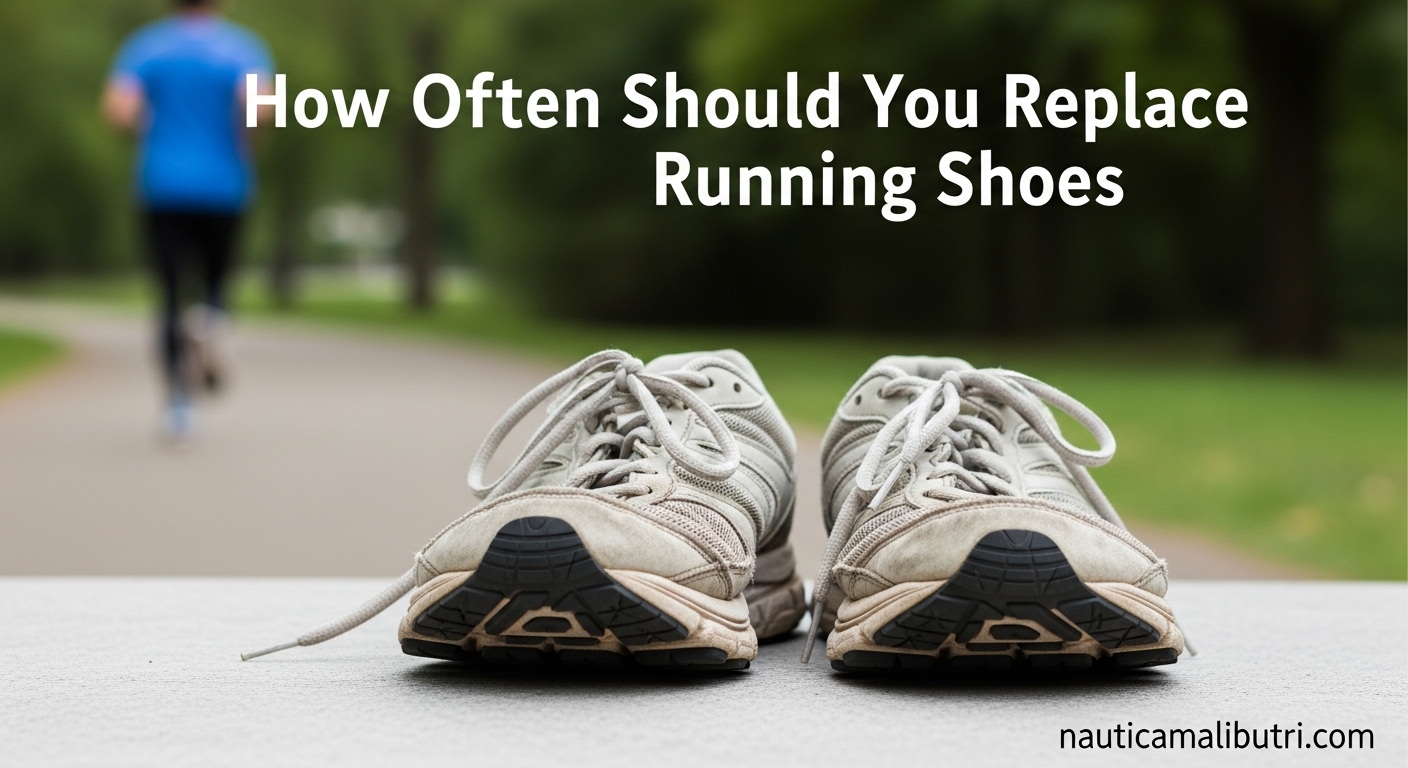
Most running shoes last 300-500 miles (480-800 km), typically 4-6 months for regular runners. Replace sooner if you notice aches, worn tread, or flattened cushioning. That range might sound wide, but shoe lifespan varies dramatically based on how you run, where you run, and what you weigh.
I have coached triathletes through dozens of training blocks, and I have seen the same pattern repeat itself. Runners push their shoes 100 miles past their expiration date, then wonder why their knees ache or their times drop. The truth is, worn-out shoes are one of the most preventable causes of running injuries.
This guide covers everything you need to know about how often you should replace running shoes. We will break down the science behind foam degradation, the warning signs your body sends you, and special considerations for triathletes managing multiple shoe types.
Table of Contents
The 300-500 Mile Rule Explained
The 300-500 mile guideline is the industry standard for running shoe replacement. Most major brands including Nike, Brooks, and ASICS recommend this range. Your shoe’s midsole foam starts losing its rebound and shock absorption somewhere in that window.
But not all shoes are created equal. A daily trainer with dense EVA foam might push toward 500 miles, while a lightweight racing flat could feel dead at 250 miles. Carbon plate shoes, popular in triathlon circles, present a unique challenge. The plate itself lasts, but the foam around it compresses faster than traditional materials.
I track my shoes with a simple spreadsheet, but apps like Strava and Garmin Connect make mileage tracking automatic. Divide 400 miles by your weekly mileage to estimate replacement timing. A 20-mile-per-week runner hits that mark in 20 weeks, roughly 5 months. A 50-mile-per-week marathoner needs new shoes every 2 months.
Time-based replacement matters too. Even unworn shoes degrade. EVA foam oxidizes and loses bounce after 2-3 years sitting in a closet. I learned this the hard way with a backup pair I saved for “later.” They had 50 miles on them but felt flat because the foam had aged out.
7 Signs Your Running Shoes Need Replacement
Your shoes send clear signals when they are done. Learn to read these warning signs before your body starts complaining.
Physical Wear Indicators
Worn tread patterns. Check the rubber outsole on the heel and forefoot. Smooth patches or exposed foam mean the protective layer has worn through. Traction suffers first, then the underlying midsole takes direct impact.
Midsole creasing. Look for horizontal compression lines in the foam, especially at the heel and forefoot flex points. Deep creases indicate the foam has collapsed and no longer returns to its original shape.
Flattened cushioning. Press your thumb into the midsole. Fresh foam springs back immediately. Dead foam stays compressed or rebounds slowly. Compare the feel to a new pair, and the difference becomes obvious.
Upper tears or separation. Check where the upper meets the midsole. Glue failures and fabric tears change how the shoe holds your foot. Even small openings let water in and alter your stride mechanics.
Uneven wear patterns. Place your shoes on a flat surface and check from behind. Tilting indicates uneven compression, often from pronation issues or biomechanical imbalances. This uneven load stresses joints.
Body Pain Signals
Shin splints and calf tightness. Worn cushioning increases impact forces transferred to your lower legs. New aches in the front of your shins often trace back to dead midsoles.
Knee pain. Your knees absorb shock that your shoes no longer dampen. If both knees start aching simultaneously, check your footwear before blaming your form.
Hip and lower back discomfort. Impact forces travel up the kinetic chain. When shoes fail, your hips and back compensate. This is especially common in heavier runners or those with hard striking patterns.
Plantar fasciitis flare-ups. Arch support degrades as midsoles compress. Morning heel pain often correlates with worn shoes that no longer support your foot structure.
I tell my athletes to treat sudden new pains as shoe problems first. Swapping to fresh footwear resolves many issues within a week. If pain persists after replacement, then investigate biomechanical causes.
Factors That Affect Running Shoe Lifespan
Your running shoes might last 300 miles or 600 miles depending on several variables. Understanding these factors helps you predict replacement timing more accurately.
Running Surface
Road running chews through rubber outsoles faster than treadmill running. Asphalt and concrete are abrasive. Trail running varies by terrain, technical trails with rocks and roots wear shoes differently than smooth dirt paths.
Treadmill belts are the kindest surface. They offer consistent, predictable impact and no directional changes. Shoes last 20-30% longer on treadmills compared to roads. However, the repetitive motion can stress the same foam areas differently.
Body Weight and Running Form
Heavier runners compress foam faster. A 200-pound runner generates roughly twice the impact force of a 120-pound runner at the same pace. That translates directly to faster foam fatigue.
Heel strikers wear rearfoot cushioning first. Forefoot runners compress the front of the shoe. Your wear pattern reveals your strike pattern. I recommend filming yourself running to understand where your shoes take the most punishment.
Shoe Construction and Materials
Dense EVA foam lasts longer than soft, pillowy compounds. Maximum cushioning shoes often feel great early but compress faster. Firmer trainers sacrifice some comfort for durability.
Stack height matters too. Thicker midsoles have more foam to compress before bottoming out. But they also twist and flex more, stressing the upper and sidewalls. Low-profile shoes feel the ground more and often last longer in terms of pure foam life.
Storage and Climate
Heat accelerates foam degradation. Shoes left in a hot car or garage age faster than those stored indoors. UV exposure breaks down rubber and synthetic materials. Humidity breeds bacteria that eat away at insoles and linings.
I store my shoes in a cool, dry closet and rotate between pairs to let each one fully dry between runs. Wet shoes deteriorate rapidly, and trail runners know this well.
Triathlon-Specific Shoe Considerations
Triathletes face unique shoe challenges that road runners do not. You manage multiple pairs for different purposes, and replacement timing varies by use case.
Training Shoes vs Race Day Shoes
Your daily training shoes take the bulk of your miles. They need replacement every 300-500 miles on standard schedules. Race day shoes, however, might see only 50-100 miles per season. But those miles are high-intensity efforts that compress foam faster than easy jogging.
I recommend replacing carbon plate race shoes after 150-200 miles regardless of appearance. The super-foams used in modern racers are engineered for energy return, not longevity. They feel magical when fresh and dead when expired. Do not discover this mid-race.
Brick Workouts and Transition Practice
Brick sessions beat up shoes differently. You run tired with altered form coming off the bike. Your strike pattern changes, loading different areas of the midsole. Practicing transitions also means stuffing damp, salty feet into shoes repeatedly.
Designate one pair specifically for brick workouts. These shoes age faster than your regular trainers. Track their miles separately and replace them 20-30% earlier than pure running shoes.
Ironman Preparation Shoe Strategy
Ironman training demands a rotation strategy. You need fresh shoes for your longest runs and race-specific workouts. Worn shoes are fine for easy recovery jogs, but do not risk your key sessions on questionable footwear.
I suggest starting your race day shoes 4-6 weeks before the event. This gives you enough miles to ensure they feel right, but keeps them fresh for race day. Most age-groupers finish Ironmans in 10-15 miles of running. Your race shoes should have under 100 miles total when you toe the start line.
How to Make Your Running Shoes Last Longer
Smart habits extend shoe life without compromising performance. These strategies help you maximize your investment.
The 3-Shoe Rule
Rotate between three pairs of shoes. Each pair gets a day to fully decompress and dry between runs. Foam recovers partially during rest, maintaining bounce longer. I run in different shoes Monday, Wednesday, Friday, and rotate through my collection.
Variation also reduces repetitive stress. Different shoes encourage slightly different stride mechanics, spreading wear across muscle groups. This reduces injury risk while extending shoe life.
Mileage Tracking Methods
Manual logging works with a simple note in your training log. Record the shoe model and date first worn. Calculate weekly averages to project replacement dates.
Running apps automate this process. Strava lets you tag shoes to specific activities. Garmin Connect tracks mileage per pair and alerts you at thresholds. Nike Run Club integrates with Nike shoes to estimate remaining life.
I use a hybrid approach. Apps track the raw data, but I keep a physical note on my shoe rack with the current mileage. This visual reminder keeps replacement timing top of mind.
Running-Only Policy
Reserve your running shoes for running only. Walking, errands, and gym sessions compress foam differently and add non-tracked miles. Walking is particularly hard on shoes because the gait pattern differs from running.
Old running shoes make excellent walking shoes after retirement. They are already broken in and comfortable for casual use. Just mark them clearly so you do not accidentally run in them again.
When to See a Doctor
Shoe replacement resolves many aches, but some symptoms need medical attention. Persistent pain after switching footwear could indicate stress fractures, tendonitis, or biomechanical issues requiring professional treatment.
See a sports medicine doctor or physical therapist if pain lasts more than two weeks after replacing shoes. Podiatrists can analyze your gait and recommend specific shoe types or orthotics. Do not self-diagnose serious injuries through shoe changes alone.
Frequently Asked Questions
Are 10 year old running shoes still good?
No, 10 year old running shoes are not safe to run in even with low mileage. EVA foam degrades through oxidation regardless of use. After 2-3 years, the midsole loses its shock absorption properties. The rubber outsole also hardens and cracks. Wearing decade-old shoes significantly increases injury risk. Retire them to casual walking duty or recycle them.
What is the 3 shoe rule?
The 3 shoe rule means rotating between three pairs of running shoes rather than wearing one pair exclusively. Each shoe gets rest days to decompress and dry between runs. This extends overall lifespan by 20-30% compared to single-pair usage. Rotation also varies biomechanical stress, reducing repetitive strain injuries. Many coaches recommend owning a daily trainer, a lighter tempo shoe, and a long-run comfort shoe.
How long do running shoes last?
Running shoes typically last 300-500 miles or 4-6 months for regular runners. Lightweight racing flats may expire at 250 miles. Daily trainers with dense foam can push toward 500 miles. Carbon plate shoes should retire at 150-200 miles despite still looking fine. Time matters too, foam oxidizes and degrades after 2-3 years regardless of mileage.
How do you know if running shoes need to be replaced?
Replace running shoes when you notice worn tread patterns, midsole creasing, flattened cushioning that does not rebound, upper tears, or uneven wear tilting the shoe. Body signals include new shin splints, knee pain, hip discomfort, or plantar fasciitis. Tracking mileage helps predict replacement at 300-500 miles. If shoes feel flat or dead during runs, trust that feedback and retire them.
How long do carbon plate shoes last?
Carbon plate shoes last 150-200 miles for optimal performance. The carbon fiber plate itself is durable, but the surrounding super-foam compresses faster than traditional EVA. These shoes prioritize energy return over longevity. Racing in them beyond 200 miles risks flat, unresponsive cushioning on race day. Track mileage carefully and reserve carbon shoes for key workouts and races only.
Can you run in shoes with worn tread?
Running in shoes with worn tread is risky. The outsole protects the midsole from direct impact. Once tread wears through, the foam beneath degrades rapidly. Traction also suffers, increasing slip and fall risk especially in wet conditions. Visible wear on the outsole usually means the midsole is already compromised. Replace shoes before the tread completely smooths out.
Final Thoughts
Knowing how often you should replace running shoes saves you from preventable injuries and frustrating setbacks. The 300-500 mile guideline provides a solid starting point. Your individual factors, running surface, and body mechanics fine-tune that number up or down.
Triathletes have additional complexity managing multiple shoe types for training and racing. Track each pair separately and respect the shorter lifespan of carbon plate racers. The shoes that carried you through base training should not carry you to the finish line on race day.
Fresh shoes are cheaper than physical therapy. When in doubt, replace early. Your body will thank you with pain-free miles and consistent training. Start tracking your shoe mileage today, and set calendar reminders for replacement dates.