
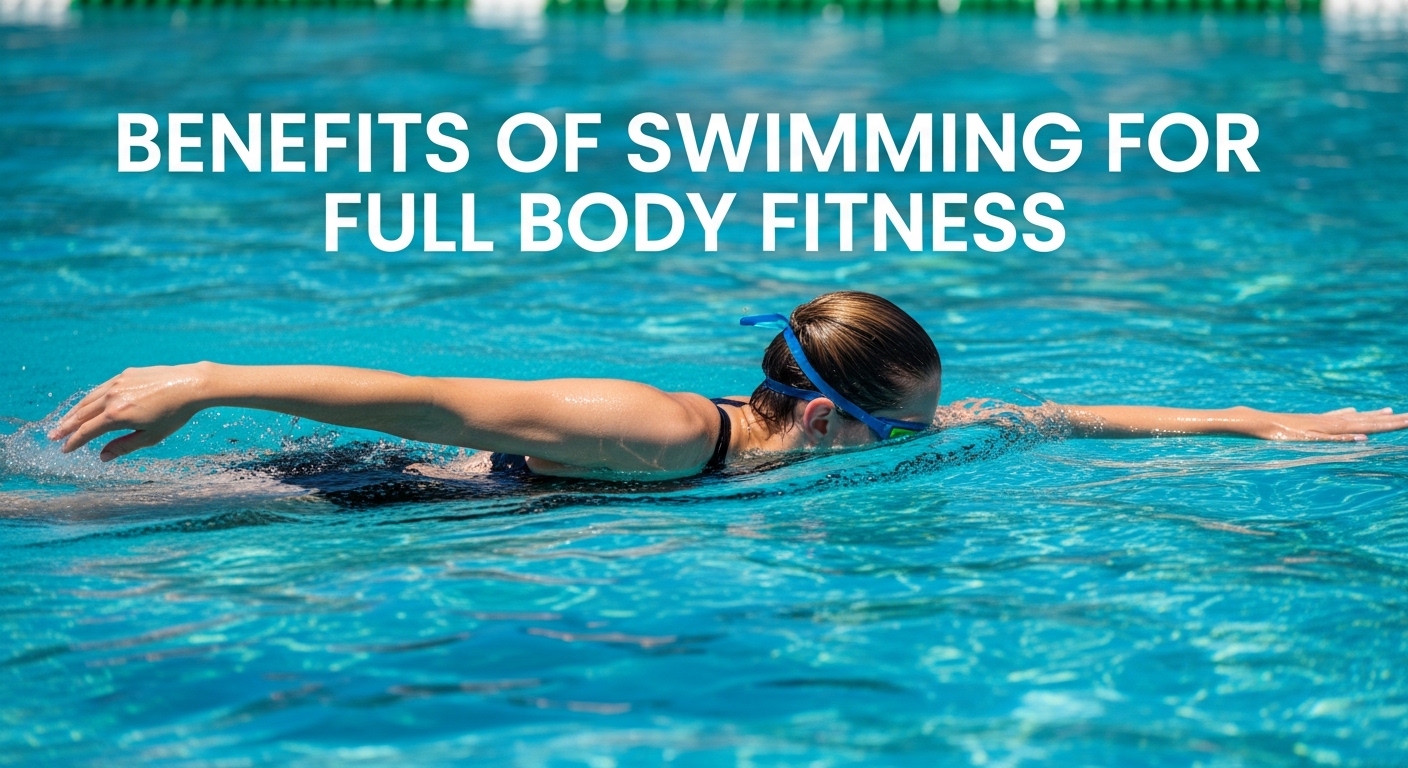
Swimming stands apart as one of the most effective forms of exercise you can add to your routine. The benefits of swimming for full body fitness extend far beyond simple calorie burning. This water-based workout engages every major muscle group while being gentle on your joints.
After years of training for triathlons, I have seen how swimming transforms not just your physique but your overall health. Whether you are a seasoned athlete or just starting your fitness journey, swimming offers unique advantages that land-based exercises simply cannot match.
In this guide, I will break down exactly why swimming deserves a place in your workout schedule 2026. You will learn about the science-backed benefits, how different strokes target different muscles, and practical tips to get started safely.
Table of Contents
Does Swimming Give You a Full Body Workout
Yes, swimming absolutely delivers a complete full body workout. Unlike exercises that isolate specific muscles, swimming engages your arms, shoulders, back, core, legs, and glutes simultaneously. The water provides constant resistance in all directions, forcing your muscles to work continuously.
Water is approximately 800 times denser than air. This density creates natural resistance that builds strength without requiring weights. Every stroke you take works multiple muscle groups at once, making swimming one of the most time-efficient workouts available.
12 Science-Backed Benefits of Swimming for Full Body Fitness
Research consistently shows that swimming delivers measurable health improvements across multiple body systems. Here are the twelve most significant benefits supported by scientific evidence.
1. Complete Full-Body Muscle Engagement
Swimming recruits virtually every muscle in your body. Your upper body drives the arm movements while your core stabilizes your position in the water. Your legs provide propulsion and maintain proper body alignment.
Water resistance works muscles throughout their entire range of motion. This creates balanced muscle development rather than the uneven gains you might see with weight training. A study in the Journal of Physical Therapy Science found that regular swimming significantly improved muscle strength and tone across all measured body areas.
Unlike gym equipment that isolates specific muscles, swimming requires coordinated full-body effort. This functional strength translates directly to better performance in daily activities and other sports.
2. Superior Cardiovascular Conditioning
Swimming elevates your heart rate while providing unique cardiovascular benefits. The horizontal position and water pressure improve blood circulation throughout your body. Your heart works efficiently without the impact stress of running or jumping.
Research published in the American Journal of Cardiology demonstrates that swimmers have better cardiovascular health outcomes than sedentary individuals. Regular swimmers show reduced arterial stiffness and improved vascular function.
A comprehensive study by Swim England found that swimmers have a 41% lower risk of dying from heart disease or stroke compared to non-swimmers. The combination of aerobic exercise and water immersion creates ideal conditions for heart health.
3. Exceptional Calorie Burn for Weight Management
Swimming burns significant calories while building lean muscle mass. Depending on your weight and intensity, you can burn between 400 to 700 calories per hour. The cool water temperature also means your body burns extra calories maintaining its core temperature.
Harvard Health Publishing provides these calorie burn estimates for 30 minutes of swimming:
A 125-pound person burns approximately 300 calories doing moderate freestyle swimming. A 155-pound person burns about 360 calories in the same session. A 185-pound person burns roughly 420 calories.
More vigorous strokes like butterfly or faster-paced freestyle can increase these numbers significantly. The metabolic boost continues after you leave the pool as your body works to warm itself.
4. Joint-Friendly Low-Impact Exercise
Water buoyancy supports approximately 90% of your body weight when submerged to the neck. This dramatic weight reduction makes swimming ideal for people with joint pain, arthritis, or those recovering from injuries.
Arthritis Foundation research confirms that swimming reduces joint stiffness and pain in people with osteoarthritis and rheumatoid arthritis. Participants in swimming programs report decreased disability and improved physical function.
The low-impact nature does not mean low intensity. You can achieve an excellent cardiovascular workout without stressing your knees, hips, or ankles. This makes swimming sustainable for decades compared to high-impact alternatives.
5. Improved Lung Capacity and Breathing Efficiency
Swimming demands controlled, rhythmic breathing that strengthens your respiratory muscles. The humid air around pools can also benefit people with exercise-induced asthma or chronic respiratory conditions.
Studies show that swimmers develop greater lung capacity and more efficient oxygen utilization than other athletes. The breath control required for stroke technique translates to better breathing patterns during other activities.
For triathletes, this improved respiratory efficiency provides significant advantages during the bike and run portions of races. Better oxygen delivery means delayed fatigue and improved endurance.
6. Enhanced Flexibility and Range of Motion
Each swimming stroke involves reaching, stretching, and rotating movements that improve flexibility. The water supports your body while allowing full range of motion without gravity-induced limitations.
Regular swimmers typically show improved shoulder flexibility, hip mobility, and ankle range of motion. These gains help prevent injuries both in the pool and during other physical activities.
For triathlon training specifically, swimming helps counteract the tightness that develops from cycling and running. The extension required in freestyle and backstroke particularly benefits shoulder and chest flexibility.
7. Mental Health and Stress Relief
Swimming triggers the release of endorphins that improve mood and reduce anxiety. The rhythmic nature of stroke patterns creates a meditative state similar to mindfulness practices.
Research from the British Journal of Sports Medicine shows that swimming reduces anxiety symptoms by up to 41% in regular participants. The combination of physical exertion and sensory isolation underwater provides unique mental health benefits.
Many swimmers describe the experience as moving meditation. The sound of breathing and sensation of water flow helps clear mental clutter. This stress relief aspect makes swimming particularly valuable for busy professionals and athletes managing training pressure.
8. Cholesterol and Lipid Profile Improvement
Regular swimming positively affects your blood lipid levels. Studies demonstrate that swimmers typically show reduced LDL (bad) cholesterol and increased HDL (good) cholesterol compared to sedentary controls.
A 12-week swimming program study published in the Journal of Applied Physiology showed significant improvements in triglyceride levels and overall lipid profiles. These changes reduce cardiovascular disease risk substantially.
For triathletes managing body composition during training cycles, swimming provides an effective way to improve metabolic markers without the recovery demands of high-volume running.
9. Better Sleep Quality
Swimming improves sleep quality and can help with insomnia. The physical fatigue combined with core body temperature changes promotes deeper, more restorative sleep.
A study by the National Sleep Foundation found that people who exercise regularly, including swimmers, report better sleep quality than non-exercisers. Swimming specifically was associated with falling asleep faster and experiencing fewer nighttime awakenings.
For triathletes managing early morning training schedules, improved sleep efficiency means better recovery between workouts. Quality sleep directly impacts performance in all three disciplines.
10. Accessible for All Fitness Levels and Ages
Swimming adapts to virtually every fitness level and physical condition. Pregnant women, elderly individuals, people with disabilities, and elite athletes can all benefit from water-based exercise.
Water exercise programs specifically designed for pregnancy reduce back pain and improve cardiovascular fitness without risk of falling or overheating. For older adults, swimming maintains mobility and reduces fall risk through improved balance and strength.
The inclusive nature of swimming makes it an excellent family activity and lifelong fitness pursuit. You can start at any age and continue well into your later decades.
11. Triathlon Cross-Training Benefits
For triathletes, swimming provides essential cross-training benefits that complement running and cycling. The non-weight-bearing nature allows cardiovascular training while giving running muscles a break.
Swimming improves your overall aerobic capacity while reducing injury risk from overuse. Many elite triathletes use swimming as active recovery between harder run and bike sessions. The upper body strength developed in swimming also improves bike handling and run arm carriage.
Pool swimming builds the aerobic base and technique needed for open water racing. The breath control and pacing skills translate directly to better race-day performance. Unlike the other two disciplines, swimming technique improvements can yield dramatic speed gains with relatively low physical stress.
12. Longevity and Healthy Aging
Swimmers demonstrate improved longevity markers compared to non-exercisers and participants in other sports. Research shows swimming is associated with lower all-cause mortality rates.
The National Health and Nutrition Examination Survey data reveals that swimmers have a 50% lower death rate than runners, walkers, and sedentary individuals. The combination of cardiovascular conditioning, muscle maintenance, and flexibility preservation contributes to healthy aging.
For masters swimmers and triathletes competing in age-group categories, swimming provides a sustainable way to maintain fitness without the joint degradation that often limits running participation over decades.
How Swimming Compares to Other Exercises
Understanding how swimming stacks up against other popular exercises helps you optimize your training mix. Each activity offers distinct advantages and limitations.
Swimming vs Running
Running burns slightly more calories per minute at equivalent intensities. However, swimming provides superior full-body muscle engagement while eliminating impact stress on joints.
Running primarily works the lower body while swimming engages both upper and lower body equally. For injury-prone athletes, swimming offers a sustainable alternative that maintains cardiovascular fitness during running layoffs.
Many triathletes find that combining both activities yields the best results. Swimming builds aerobic capacity while running develops bone density and weight-bearing strength.
Swimming vs Cycling
Both cycling and swimming are non-weight-bearing exercises that are joint-friendly. Cycling typically allows higher sustained power output while swimming provides more balanced full-body conditioning.
Cycling primarily targets the quadriceps and glutes with minimal upper body engagement. Swimming works the upper body extensively while still providing excellent leg conditioning. For triathletes, both disciplines complement each other perfectly.
The cardiovascular demands of swimming are unique due to the horizontal body position and breath control requirements. Many cyclists find swimming improves their overall cardiovascular efficiency.
Stroke Types and Their Specific Fitness Benefits
Different swimming strokes emphasize different muscle groups and energy systems. Understanding these differences helps you design targeted workouts.
Freestyle (Front Crawl)
Freestyle is the fastest and most efficient stroke for fitness swimming. It primarily targets the shoulders, lats, and triceps while engaging the core and legs for stabilization.
This stroke offers the best calorie burn for time invested and is ideal for building cardiovascular endurance. The continuous breathing pattern makes it accessible for beginners while still challenging for advanced swimmers.
Breaststroke
Breaststroke emphasizes the chest, inner thighs, and hamstrings more than freestyle. The whip kick and pull pattern create a different muscle recruitment pattern.
This stroke burns fewer calories than freestyle but provides excellent conditioning for the chest and leg adductors. The breathing pattern is more relaxed, making it suitable for recovery swimming.
Backstroke
Backstroke targets the posterior chain including the back, glutes, and hamstrings. It provides an excellent counterbalance to the forward-flexed posture of cycling and desk work.
The horizontal back position improves posture and opens the chest. Backstroke also gives your shoulders a break from the repetitive motion of freestyle.
Butterfly
Butterfly is the most demanding stroke, engaging the entire body with emphasis on the chest, shoulders, and core. It provides the highest calorie burn and builds explosive power.
This stroke requires significant technique and strength, making it less suitable for beginners. However, incorporating butterfly into your training yields impressive fitness gains for experienced swimmers.
Getting Started with Swimming for Fitness
Starting a swimming fitness program requires some planning but remains accessible for most people. Here is how to begin safely and effectively.
What is the 80/20 Rule in Swimming
The 80/20 rule, also known as polarized training, suggests spending 80% of your swimming time at low intensity and 20% at high intensity. This approach maximizes fitness gains while minimizing injury risk and burnout.
Most recreational swimmers make the mistake of swimming at moderate intensity for every session. This middle-ground approach yields slower improvements and increases fatigue. Instead, most of your swimming should feel comfortable with occasional hard efforts.
For triathletes, this rule applies across all three disciplines. Easy swims build aerobic base and technique, while hard intervals develop speed and lactate threshold.
Beginner Tips for Starting Out
Start with two to three sessions per week, building to 30-minute sessions. Focus on technique rather than speed initially. Poor form wastes energy and increases injury risk.
Consider taking a few lessons to learn proper stroke mechanics. Efficient technique allows you to swim longer with less effort. Many pools offer adult beginner classes specifically designed for fitness swimmers.
Invest in essential gear including goggles, a comfortable swimsuit, and a swim cap. Clear vision underwater improves confidence and technique awareness.
Building Your First Swim Workout
A simple effective workout structure includes a warm-up, main set, and cool-down. Begin with 5-10 minutes of easy swimming to prepare your body.
The main set might include 20-30 minutes of continuous swimming at a conversational pace. Alternatively, try interval training with shorter distances and brief rest periods.
Finish with 5 minutes of easy swimming to lower your heart rate gradually. Stretching after your cool-down helps prevent muscle tightness, particularly in the shoulders and chest.
Safety Considerations and Injury Prevention
While swimming is generally safe, understanding potential risks helps you stay healthy in the pool.
Is Swimming Good for the Rotator Cuff
Swimming can both help and hurt rotator cuff health depending on technique and volume. Proper stroke mechanics strengthen the rotator cuff muscles and improve shoulder stability.
However, overuse with poor technique can lead to swimmer’s shoulder, a common overuse injury. Focus on proper hand entry, avoiding crossing the centerline, and maintaining high elbow catch.
If you have existing rotator cuff issues, start with breaststroke or backstroke which place less stress on the shoulders. Gradually introduce freestyle as your shoulder strength and flexibility improve.
Common Swimming Injuries and Prevention
Swimmer’s shoulder affects up to 40% of competitive swimmers at some point. Prevention includes proper technique, gradual volume increases, and dryland shoulder strengthening exercises.
Lower back pain can occur from excessive arching during freestyle or breaststroke kick. Engaging your core and maintaining neutral spine alignment prevents this issue.
Knee problems sometimes develop from breaststroke kick. If you experience knee pain, reduce breaststroke volume and focus on other strokes.
Pool Safety Essentials
Stay hydrated even though you are in water. Swimming causes significant fluid loss through sweat that goes unnoticed in the pool.
Rinse off before and after swimming to manage chlorine exposure. Moisturize after sessions to prevent dry skin.
Follow pool etiquette rules including swimming in designated lanes, passing properly, and being aware of other swimmers around you.
Frequently Asked Questions About Swimming Benefits
Does swimming give you a full body workout?
Yes, swimming provides a complete full body workout that engages all major muscle groups simultaneously. Water resistance works your arms, shoulders, back, core, legs, and glutes in every stroke. The density of water creates natural resistance that builds strength without requiring weights or equipment.
What is the 80/20 rule in swimming?
The 80/20 rule in swimming means spending 80% of your training time at low intensity and 20% at high intensity. This polarized approach maximizes aerobic fitness gains while minimizing injury risk. Most swimmers benefit more from easy technique-focused swimming with occasional hard intervals rather than moderate-intensity workouts every session.
Is swimming good for the rotator cuff?
Swimming can strengthen rotator cuff muscles when performed with proper technique. The water resistance builds shoulder stability and endurance. However, overuse with poor form can cause swimmer’s shoulder, a common overuse injury. Focus on proper hand entry, avoid crossing the centerline, and gradually increase volume to protect your rotator cuff health.
Does swimming help reduce LDL cholesterol?
Yes, regular swimming has been shown to reduce LDL (bad) cholesterol while increasing HDL (good) cholesterol. Studies demonstrate that 12-week swimming programs produce significant improvements in blood lipid profiles and triglyceride levels. These cardiovascular benefits contribute to reduced heart disease risk.
How many calories does swimming burn?
Swimming burns between 400 to 700 calories per hour depending on body weight and intensity. A 155-pound person burns approximately 360 calories in 30 minutes of moderate freestyle swimming. More vigorous strokes like butterfly or faster-paced swimming can increase calorie burn significantly. The cool water temperature also causes your body to burn additional calories maintaining core temperature.
Can swimming build muscle?
Yes, swimming builds lean muscle mass through water resistance training. While it may not create the bulk of weightlifting, swimming develops functional strength and muscle endurance across all major muscle groups. Different strokes emphasize different muscles, allowing you to target specific areas while maintaining overall conditioning.
Conclusion
The benefits of swimming for full body fitness make it one of the most valuable exercises you can incorporate into your routine 2026. From comprehensive muscle engagement to cardiovascular conditioning, joint-friendly movement to mental health benefits, swimming delivers results that few other activities can match.
For triathletes specifically, swimming serves as the foundation of multi-sport fitness. It builds aerobic capacity while allowing recovery from the impact stresses of running. The technique focus required in swimming develops body awareness that improves performance across all three disciplines.
Whether you are training for your first sprint triathlon or simply seeking better health, swimming offers accessible, sustainable fitness benefits. Start with two sessions per week, focus on technique, and gradually build your endurance. The water is waiting.