
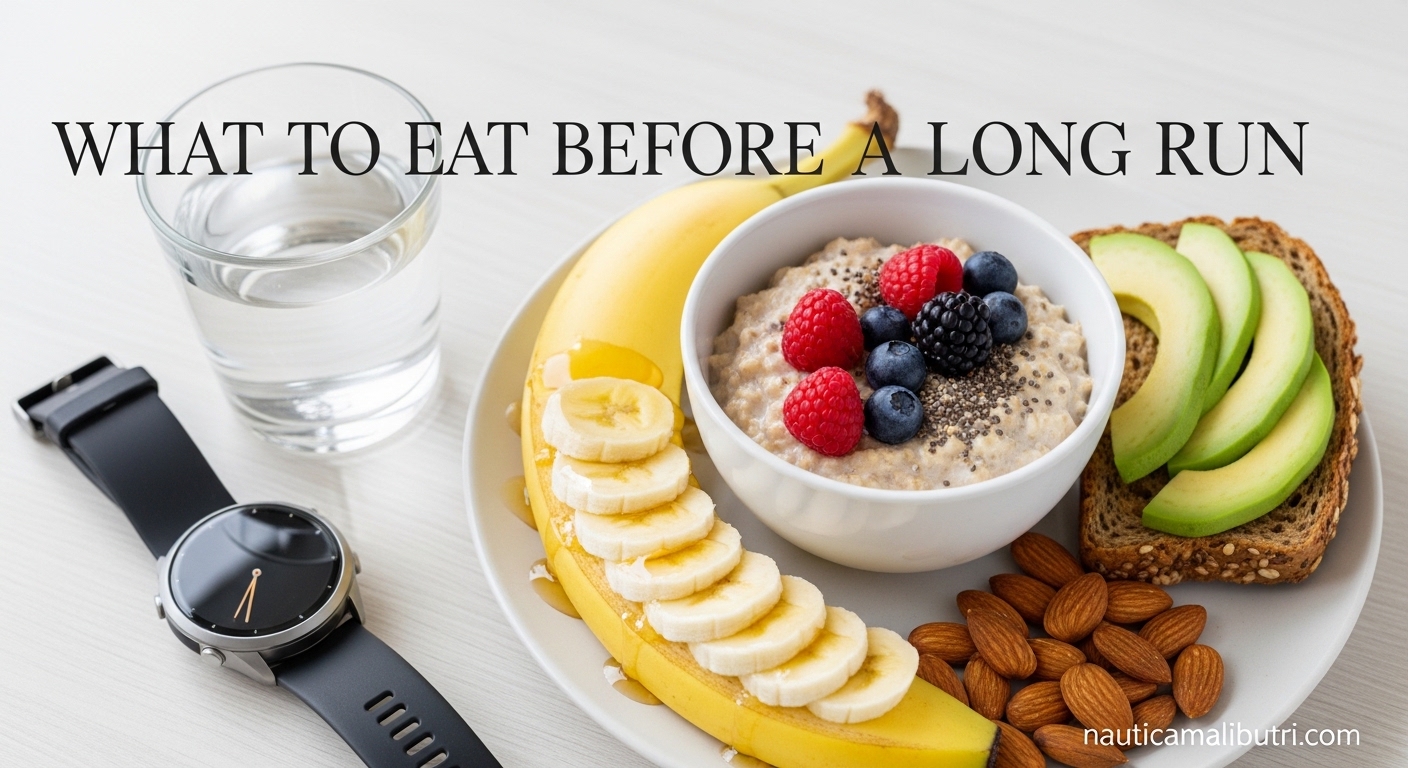
Standing at the starting line of a 15-mile training run, I learned the hard way that what to eat before a long run can make or break your entire workout. I had skipped breakfast, thinking coffee would carry me through. By mile 8, my legs felt like concrete and my stomach was growling louder than my running playlist. That bonking experience taught me that proper pre-run nutrition is not optional for endurance athletes.
Whether you are training for your first half marathon, prepping for a full marathon, or building base mileage for triathlon season, fueling correctly before those long efforts is essential. The right foods eaten at the right time top up your glycogen stores, stabilize blood sugar, and keep your digestive system happy while you rack up the miles.
In this guide, I will share what I have learned from years of marathon and triathlon training about pre-run nutrition. We will cover the science of why fueling matters, exactly when and what to eat, foods to avoid, and practical strategies for early morning workouts when your appetite has not woken up yet.
Table of Contents
Why What You Eat Before a Long Run Matters
Your body stores carbohydrates as glycogen in your muscles and liver. These glycogen stores are your primary fuel source during endurance exercise. When you sleep, your liver glycogen drops by about 50 percent overnight to fuel your brain and maintain blood glucose. Eating before a morning run replenishes those depleted stores.
Beyond just topping off fuel tanks, pre-run nutrition serves several critical functions. It activates your digestive system, which actually helps it tolerate fuel better during the run itself. It stabilizes blood sugar to prevent the dizzy, weak feeling that comes from exercising on empty. And it provides mental confidence, knowing you have the energy to complete the workout strong.
For runs lasting longer than 60 to 90 minutes, your glycogen stores will deplete regardless of what you ate beforehand. However, starting fully topped up delays that depletion point, maintains higher intensity longer, and prevents the dreaded wall that hits when your body runs out of accessible fuel.
When to Eat Before a Long Run
Timing is just as important as food choice. Eat too close to your run and you risk cramping, side stitches, and emergency bathroom stops. Eat too early and you might feel hungry and low on energy mid-run. Here is the breakdown of timing windows that work:
3 to 4 Hours Before: The Full Meal Window
If you are running later in the day or have a weekend long run scheduled for mid-morning, aim for a complete meal 3 to 4 hours beforehand. This gives your body time to digest and absorb nutrients while keeping your stomach relatively empty by run time. Target 70 to 90 grams of carbohydrates in this meal.
1 to 2 Hours Before: The Light Meal Window
When you need something more substantial than a snack but cannot eat 3 hours ahead, go with 200 to 300 calories of easily digestible carbohydrates about 90 minutes before. This is my go-to timing for weekend long runs that start around 8 AM.
30 to 60 Minutes Before: The Quick Fuel Window
For those early morning runs when you roll out of bed and need to get moving, stick to 100 to 150 calories of simple carbohydrates. Think quick-digesting foods that will not sit heavy. This window is also perfect for topping off if you ate a larger meal earlier but need a small boost.
What to Eat Before a Long Run
The best pre-run foods are high in carbohydrates, moderate in protein, low in fat, and low in fiber. Fat and fiber slow digestion, which is the opposite of what you want before running. Here are the categories of foods that work:
Quick Options (30 to 60 Minutes Before)
When you are short on time, reach for these fast-digesting carbohydrate sources:
Banana: The classic runner’s fuel. One medium banana provides about 27 grams of carbs plus potassium to help prevent cramps. I eat one with a small amount of nut butter when I need something that digests fast but offers a bit of staying power.
White toast with jam: Skip the whole grain before runs. White bread digest quickly, and a tablespoon of jam adds quick-acting sugars. This combo has carried me through dozens of long runs.
Energy chews or gels: Products like Honey Stinger chews, Clif Bloks, or even a small handful of gummy bears work when you cannot stomach real food. These provide 20 to 25 grams of carbs and digest almost instantly.
Applesauce: One cup of unsweetened applesauce provides about 25 grams of carbs and is incredibly gentle on the stomach. It is my secret weapon when dealing with pre-race nerves.
Sit-Down Meal Options (2 to 4 Hours Before)
When you have time for a real meal, these options provide sustained energy:
Oatmeal with maple syrup: One cup of cooked oatmeal with a drizzle of maple syrup and a sprinkle of cinnamon is my favorite pre-long run breakfast. The oats provide complex carbs for sustained energy, while the syrup adds quick-acting sugars. I started eating this before every Sunday long run during my first marathon training cycle.
Bagel with peanut butter and banana: A plain bagel with a thin layer of peanut butter and half a banana sliced on top hits about 70 to 80 grams of carbs. The small amount of fat and protein from the peanut butter helps with satiety without weighing you down.
Pancakes with syrup: Surprisingly effective for marathon morning. Two pancakes with maple syrup provide plenty of carbs and are easy to digest. I practiced this before my first marathon after seeing it recommended by an elite runner.
Rice with banana: White rice with a sliced banana and a drizzle of honey is a favorite among many endurance athletes. It is bland, easy to digest, and provides 60 to 70 grams of carbs per serving.
Triathlon-Specific Considerations
Triathletes face unique fueling challenges because you are swimming, cycling, and running in sequence. What you eat before the swim needs to carry you through potentially hours of activity.
For triathlon training that includes brick workouts or long bike-run combinations, your fueling strategy should mirror race day nutrition. Practice eating your chosen breakfast 2 to 3 hours before starting, then fuel during the workout at the same intervals you plan for race day.
If you are doing a run-focused training block within triathlon season, remember that your overall training load is higher than pure runners. You may need slightly more carbohydrates before long runs because your glycogen stores are already partially depleted from swim and bike sessions earlier in the week.
Vegetarian and Vegan Options
Plant-based runners have excellent pre-run fuel options. In fact, many naturally vegan foods are ideal for running:
Overnight oats with almond butter: Mix rolled oats with plant milk, a spoonful of almond butter, and sliced banana the night before. The oats soak up the liquid and become easily digestible.
Toast with avocado and salt: While higher in fat than ideal, a thin layer of avocado on toast with a sprinkle of sea salt works for some runners. The salt helps with hydration and electrolyte balance.
Dates stuffed with nut butter: Two or three Medjool dates with a small amount of almond butter provide quick energy plus a touch of protein and fat. This is my favorite portable option when traveling for races.
Instant oatmeal packets: Look for varieties without added protein powder, which can be hard to digest. Plain or lightly sweetened varieties work best.
Foods to Avoid Before Running
Just as important as knowing what to eat is knowing what to skip. These foods commonly cause GI distress, cramping, and energy crashes:
High-fiber foods: Save the big salads, beans, and bran cereal for after your run. Fiber keeps food in your digestive system longer, which can lead to bathroom emergencies mid-run.
High-fat foods: Bacon, sausage, fried foods, and heavy nut butters digest slowly. They can sit in your stomach like a rock and cause side stitches or cramping.
Spicy foods: That hot sauce might be delicious at dinner, but it can cause stomach upset and heartburn when you start bouncing up and down on a run.
Sugar alcohols: Found in sugar-free gum, protein bars, and some sports drinks, sugar alcohols like sorbitol and xylitol can cause bloating, gas, and diarrhea. Check labels carefully.
Brand new foods: Never try a new food for the first time on race day. Practice eating your chosen pre-run meal before your longest training runs to ensure your body handles it well.
Hydration Guidelines for Long Runs
Hydration for a long run starts days before, not just the morning of. Here is how to approach it:
2 to 3 days before: Focus on consistent hydration with electrolytes. Aim for pale yellow urine. If you are training in heat or humidity, increase your sodium intake slightly through food or electrolyte drinks.
The night before: Drink water with dinner and have a small glass before bed. Do not overdo it and wake up multiple times to use the bathroom.
Morning of: Drink 16 to 20 ounces of fluid 2 to 3 hours before your run. If you are running within an hour of waking, drink 8 to 10 ounces 15 to 30 minutes before starting.
Coffee considerations: Many runners swear by pre-run coffee for its energy-boosting and bathroom-inducing effects. If you drink coffee regularly, a cup 30 to 45 minutes before running is fine. If you are not a regular coffee drinker, race day is not the time to start.
Fueling During Your Long Run
For runs lasting longer than 60 to 90 minutes, what you eat before the run is only half the equation. You also need to fuel during the effort.
Start taking in carbohydrates after 45 to 60 minutes of running. Aim for 30 to 60 grams of carbs per hour, depending on your size and effort level. This usually means one energy gel or a few chews every 30 to 45 minutes.
Practice your during-run fueling strategy during training. Your gut needs time to learn how to digest food while exercising. Try different products and flavors to find what works. Some runners prefer gels, others like chews, and some can handle real food like dates or fig bars.
Always take fuel with water, not sports drink. Combining gels with sugary drinks can create a too-concentrated solution in your stomach that leads to cramping.
Early Morning Run Nutrition Tips
The most common struggle I hear from runners is dealing with early morning long runs when you have no appetite. Here are strategies that work:
Eat something small: Even if you are not hungry, get 100 to 150 calories of quick-digesting carbs in. A banana, a few dates, or a small packet of applesauce can make a huge difference without requiring much appetite.
Liquid calories: If solid food is unappealing, try a sports drink, fruit juice diluted with water, or a small smoothie. These empty from your stomach faster and might be easier to get down.
Wake up earlier: If possible, set your alarm 30 to 60 minutes before you need to run. Have a small snack, then go back to bed or relax. When you wake up again, the food will have started digesting.
Practice makes perfect: Train your gut to accept food early by consistently eating before morning runs. Over time, your body will adapt and you may actually start feeling hungry before those workouts.
Sample Pre-Long Run Meal Schedule
Here is what a complete fueling approach looks like for a weekend long run:
Saturday dinner (night before): Pasta with marinara sauce, bread, and a side salad. Skip heavy cream sauces and keep the fiber moderate. Drink water with electrolytes.
Sunday morning (90 minutes before run): Oatmeal with maple syrup, banana, and coffee. Drink 16 ounces of water.
30 minutes before run: One energy gel or a few bites of banana. Sip water.
During run (every 45 minutes): One energy gel with water.
Immediately after: Recovery drink or chocolate milk within 30 minutes to replenish glycogen.
Frequently Asked Questions
What should you eat before a long run?
The best foods before a long run are high in carbohydrates, low in fat, and low in fiber. Good options include oatmeal with maple syrup, a bagel with peanut butter and banana, toast with jam, bananas, applesauce, or energy chews. Aim for 70 to 90 grams of carbs if eating 2 to 4 hours before, or 100 to 150 calories of quick-digesting carbs 30 to 60 minutes before.
How do you fuel before a 10 mile run?
For a 10 mile run, eat a carbohydrate-rich meal 2 to 3 hours before starting. Good options include oatmeal with banana and honey, or a bagel with peanut butter. This provides 60 to 80 grams of carbs to top off glycogen stores. If running early morning with limited time, have a banana or energy gel 30 minutes before and start fueling during the run after 45 minutes.
What to do 30 minutes before a run?
Thirty minutes before a run, focus on quick-digesting carbohydrates and hydration. Eat 100 to 150 calories of simple carbs like a banana, a handful of energy chews, a gel, or toast with jam. Drink 8 to 10 ounces of water. Avoid fiber, fat, and protein as these digest slowly and can cause stomach issues.
What to eat 45 minutes before a long run?
Forty-five minutes before a long run, stick to easily digestible simple carbohydrates. Good options include one medium banana, a packet of energy chews, a small applesauce cup, half a plain bagel, or a piece of white toast with jam. Aim for 25 to 40 grams of carbohydrates. Avoid fiber, fat, and spicy foods.
Should I eat before every run?
You do not need to eat before short runs under 60 minutes, especially easy-paced efforts. Your body has enough glycogen stored to handle these without pre-run fuel. However, for runs longer than 60 to 90 minutes, eating beforehand is recommended to top off glycogen stores and maintain energy levels.
Final Thoughts
Figuring out what to eat before a long run is highly individual. The guidelines in this article give you a starting point, but you will need to experiment to find what works best for your body.
Start with the tried-and-true options like oatmeal, bananas, and bagels. Practice eating them before your longest training runs. Pay attention to how you feel during and after. Keep a simple food journal noting what you ate, when you ate it, and how the run went.
Once you find your perfect pre-run meal, stick with it. Practice it before every long run so your body knows exactly what to expect. And most importantly, never try something new on race day. The goal is to finish your long runs strong, energized, and ready to recover for the next workout.
Good luck with your training 2026, and may your long runs be well-fueled and bathroom-stop free.