
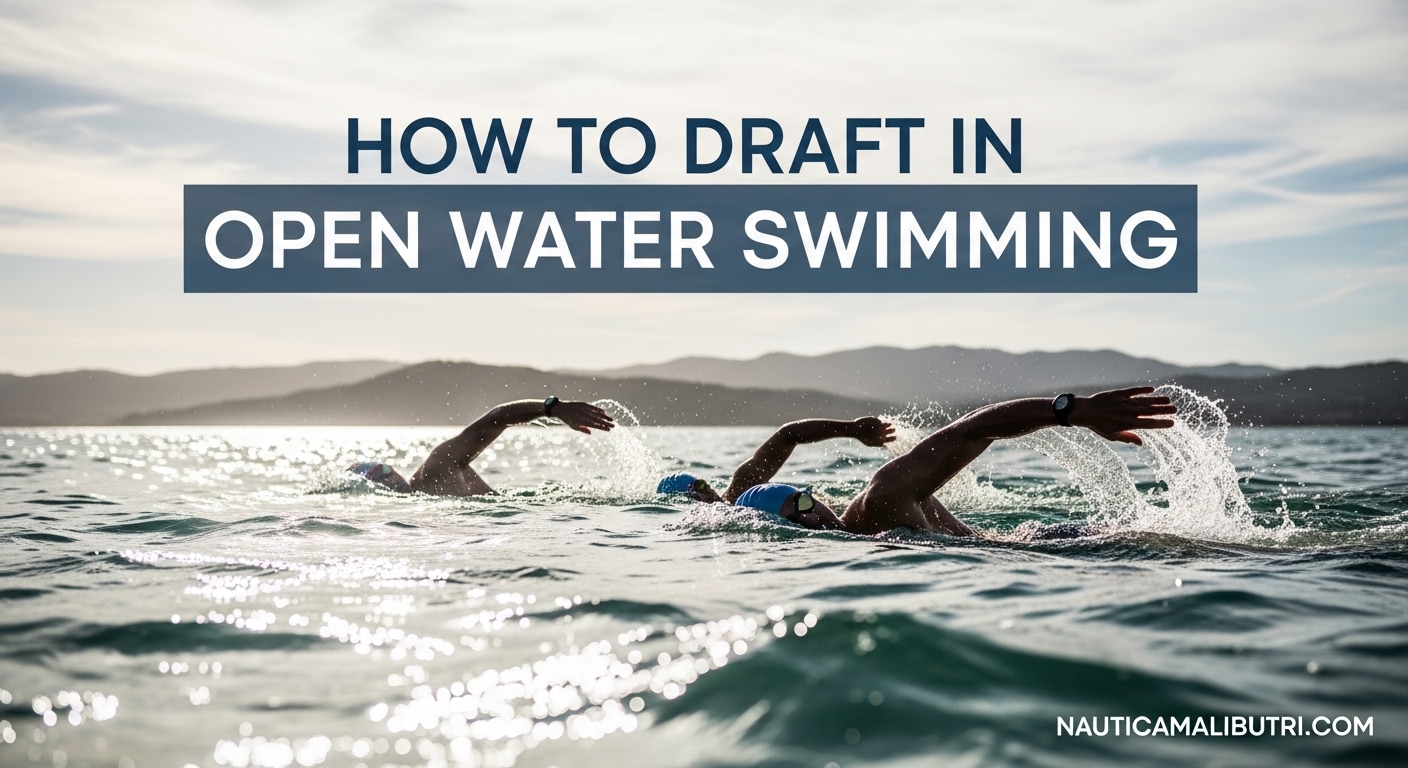
Drafting in open water swimming can save you 20 to 38 percent of your energy expenditure while helping you swim faster with less effort. Whether you’re training for your first triathlon or looking to improve your open water race times, mastering the art of drafting is one of the most valuable skills you can develop.
In this guide, you’ll learn exactly how to draft in open water swimming, from understanding the physics of the slipstream to positioning yourself correctly behind other swimmers. Our team has researched the best techniques used by elite triathletes and open water swimmers to bring you practical advice that works in real race conditions.
By the end of this article, you’ll know how to catch a draft, maintain proper etiquette, avoid common mistakes, and practice these skills before your next race.
Table of Contents
What Is Drafting in Open Water Swimming?
Drafting in open water swimming is the technique of positioning yourself directly behind another swimmer to take advantage of their slipstream, also known as their wake or draft zone. When a swimmer moves through water, they displace it, creating a zone of reduced resistance behind them.
The physics behind drafting is straightforward. As the lead swimmer pushes through the water, they create turbulence and a partial vacuum in their wake. By swimming within this zone, typically within one to two feet of their feet, you experience significantly less drag and can maintain the same speed with considerably less energy.
The draft zone extends approximately three to five seconds behind a swimmer, depending on their size and speed. Larger swimmers create a bigger wake, making them ideal drafting partners. The sweet spot is close enough to feel the benefit but far enough to avoid accidental contact.
Why Draft in Open Water Swimming?
The benefits of drafting extend far beyond simple energy savings. Research from cycling studies adapted to swimming shows that proper drafting can reduce your energy expenditure by up to 38 percent. In practical terms, this means you can exit the water feeling fresh and ready for the bike leg of your triathlon.
Navigation becomes significantly easier when drafting. By following the lead swimmer’s bubble trail and watching their stroke pattern, you don’t need to sight as frequently. This saves time and helps you swim a straighter line to the next buoy.
The psychological benefits are equally important. Swimming in open water can be mentally challenging, especially during mass starts. Having a swimmer to follow provides motivation and helps you maintain a consistent pace. Many triathletes report that drafting helps them stay calm and focused during races.
For time-conscious athletes, consider this: in an Olympic-distance triathlon, proper drafting can save you one to two minutes on the swim leg. That’s free speed without requiring additional fitness.
How to Position Yourself for Drafting
There are three primary positions for drafting in open water swimming. Each has its advantages depending on race conditions and your comfort level.
Follow Feet Position
The follow feet position is the most common and effective drafting technique. You swim directly behind another swimmer, positioning your head approximately at their knee to foot level. This position offers the maximum drag reduction because you’re directly in the slipstream.
To master this position, focus on matching the lead swimmer’s stroke rate. Watch their feet enter the water and time your strokes to maintain a consistent distance. Stay relaxed and let their wake pull you forward.
Bow Wave Position
The bow wave position involves swimming slightly to the side of the lead swimmer, near their hip or shoulder. While this position offers less energy savings than following feet, it provides better visibility for sighting buoys and is often more comfortable in choppy water.
This position works well when you want to draft but also need to navigate independently. You still benefit from reduced drag while maintaining your own line.
Lateral Positioning
Swimming directly beside another swimmer offers minimal draft benefit but can be useful in crowded races where you can’t get directly behind someone. This position is sometimes called “hip drafting” and works best when swimming parallel to a similarly paced swimmer.
How to Draft in Open Water Swimming: Step-by-Step
Learning how to draft in open water swimming requires practice and patience. Follow these steps to catch and maintain a proper draft during your next race or training session.
Step 1: Identify Your Target Swimmer
Look for a swimmer who is slightly faster than your comfortable pace but not so fast that you’ll exhaust yourself trying to keep up. Ideally, choose someone who appears to be swimming a straight line and sighting regularly. Larger swimmers create bigger wakes, making them excellent drafting partners.
Step 2: Close the Gap to Draft Zone
Once you’ve identified your target, gradually increase your pace to close the distance. Don’t sprint aggressively, as this will tire you before you even catch the draft. A controlled acceleration over 15 to 20 meters works best. Aim to close to within three to five seconds behind them.
Step 3: Settle Into Position
Once you’re in the draft zone, relax and let the slipstream do the work. Position yourself directly behind their feet if possible. You should feel less resistance immediately. Adjust your position slightly if you’re getting too much splash in your face.
Step 4: Match Pace and Rhythm
Synchronize your stroke with the lead swimmer. Match their tempo and try to draft in their rhythm. This makes maintaining position easier and more efficient. If they’re sighting frequently, use their movements as cues for your own sighting.
Step 5: Maintain Awareness
Stay alert while drafting. Watch for changes in direction, pace adjustments, or approaching turns. Be ready to react if the lead swimmer stops suddenly or changes course unexpectedly. Keep your own navigation in mind and don’t blindly follow someone going off course.
Drafting Tips for Success
These practical tips will help you become a more effective drafter and avoid common pitfalls during races.
Sighting becomes easier when drafting because you can watch the lead swimmer. When they lift their head to sight, you should too. This timing helps you maintain the draft while staying on course. Follow their bubble trail as a visual guide.
Be prepared for pace changes. If the lead swimmer suddenly speeds up, decide quickly whether to match their pace or let them go. Don’t exhaust yourself trying to hold a draft that’s too fast. Similarly, if they slow down, you may need to pass or find a new partner.
In rough water, drafting becomes more challenging. The chop can make it harder to maintain position, and waves may push you into the lead swimmer. Consider switching to a bow wave position in choppy conditions for better stability.
Know when to leave a draft. If your lead swimmer is going off course, swimming too slowly, or showing signs of fatigue, it’s time to find a new partner. The energy savings only matter if you’re heading in the right direction.
Drafting Etiquette and Rules
Understanding drafting etiquette is essential for being a respectful competitor and avoiding penalties in draft-legal races.
Never touch the feet of the swimmer ahead of you. This is considered poor etiquette and can be distracting or even painful for the lead swimmer. If you accidentally make contact, back off slightly to give them more space.
In draft-legal triathlon races, there are specific rules about how close you can draft and for how long. Familiarize yourself with the regulations for your specific race. Most importantly, respect faster swimmers who want to pass you.
If someone is drafting you and you want them to pass, consider stopping briefly at a turn buoy or sighting moment to let them by. Conversely, if you’re being drafted and the follower is touching your feet, a quick flutter kick usually sends the message to back off.
Remember that drafting is a race strategy, not cheating. When done properly and respectfully, it benefits both swimmers through energy savings and motivation.
How to Practice Drafting
Like any skill, drafting requires practice to master. Here’s how to build your drafting confidence before race day.
Pool practice is the safest way to start. Swim with a training partner in the same lane, taking turns leading and following. Practice the follow feet position by swimming directly behind their feet at a comfortable distance. Gradually decrease the gap as you gain confidence.
Organize group swims in open water when conditions allow. Swimming with three or four teammates lets you practice pack swimming and drafting in realistic conditions. Rotate leaders so everyone gets experience both drafting and being drafted.
Choose your practice partners wisely. Draft someone slightly faster than you to challenge yourself, but not so fast that you can’t maintain the draft. As you improve, practice with different sized swimmers to experience various wake sizes.
Start with short drafting intervals and gradually increase duration. Begin with 50-meter drafts, then progress to 100 meters, 200 meters, and eventually full race-distance practice. This builds both physical comfort and mental confidence.
Common Drafting Mistakes to Avoid
Beginners often make these mistakes when learning to draft. Being aware of them will help you avoid wasted energy and frustration.
Drafting too close is the most common error. While you want to be in the slipstream, swimming directly on someone’s feet leads to contact and annoys the lead swimmer. Maintain at least 12 to 18 inches of space.
Following a slower swimmer defeats the purpose of drafting. You should be working to keep up, not holding back. If you feel like you’re coasting, find a faster partner or swim on your own.
Getting distracted and forgetting to sight happens easily when you’re focused on the feet in front of you. Always verify your direction periodically, even when following a good navigator. Trust but verify.
Panicking in close proximity affects many open water swimmers. If you feel claustrophobic while drafting, practice in the pool first to build comfort. Remember that you can drop back or move to a bow wave position anytime.
Frequently Asked Questions
How to draft in open water swim?
To draft in open water swimming, position yourself 1-2 feet directly behind another swimmer’s feet to ride their slipstream. Match their pace and stroke rhythm, sight when they sight, and maintain awareness of direction changes. The ideal draft zone is 3-5 seconds behind the lead swimmer.
What is the 80/20 rule in swimming?
The 80/20 rule in swimming suggests that 80% of your training should be at low intensity while 20% is at high intensity. This applies to all swimming including open water, helping build aerobic endurance while avoiding burnout. While not specific to drafting, following this training principle prepares you to maintain the controlled effort needed for effective drafting.
How much energy does drafting save in open water swimming?
Drafting in open water swimming can save 20-38% of your energy expenditure depending on your position and the size of the lead swimmer. Following directly behind someone’s feet provides the maximum benefit, while hip drafting offers less but still significant energy savings.
Is drafting legal in open water swimming?
Yes, drafting is completely legal in most open water swimming races and triathlons. Some triathlon categories have specific rules about draft zones and time limits for how long you can draft, so check your race regulations. In pure open water swimming competitions, drafting is universally permitted and considered a standard race strategy.
What is the best position to draft in open water?
The best drafting position is directly behind the swimmer’s feet (follow feet position), approximately 1-2 feet back. This provides maximum drag reduction and energy savings. If conditions are choppy or you need better visibility, the bow wave position near the swimmer’s hip offers a good alternative with moderate energy savings.
Conclusion
Learning how to draft in open water swimming is one of the smartest investments you can make in your racing performance. The combination of 20 to 38 percent energy savings, easier navigation, and psychological motivation makes drafting an essential skill for any serious open water swimmer or triathlete.
Start by practicing in the pool with a training partner, then progress to open water group swims. Focus on the follow feet position for maximum benefit, but be comfortable with bow wave drafting for rough conditions. Remember the fundamentals: identify a slightly faster swimmer, close the gap gradually, settle into the slipstream, and match their rhythm.
Respect drafting etiquette by never touching feet and being aware of race rules. Avoid common mistakes like following too closely or forgetting to sight. With consistent practice, you’ll enter your next race confident in your ability to catch a draft and swim faster while expending less energy.
The next time you’re in a mass start race, look for a slightly faster swimmer, make your move, and enjoy the free speed that proper drafting provides.