
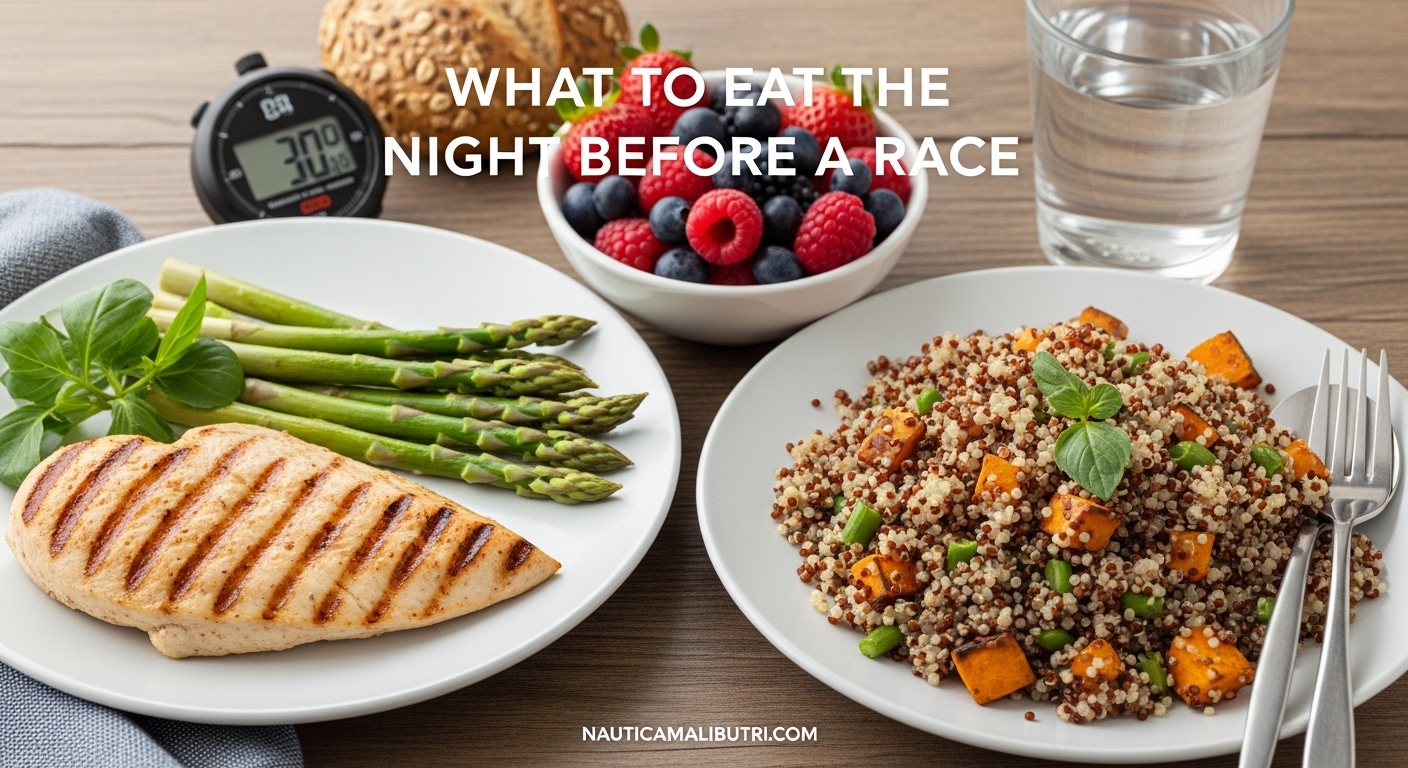
You are staring at your plate the night before your big race, wondering if that extra scoop of pasta will help you PR or send you sprinting for the porta-potties instead of the finish line. I have been there more times than I can count across three triathlon seasons and countless running events. Figuring out what to eat the night before a race does not have to be complicated, but getting it wrong can derail months of training in a single meal.
Our team at Nautica Malibu Tri has guided thousands of athletes through their first races, and we see the same nutrition questions come up every season. This guide cuts through the noise with practical, proven advice that works for 5K newcomers and Ironman veterans alike. We will cover exactly what to put on your plate, what to avoid, and how to handle those pre-race nerves that always seem to steal your appetite.
Whether you are racing tomorrow morning or planning your nutrition strategy for 2026, this article gives you a clear framework you can test during training and trust on race day.
Table of Contents
The Short Answer: What to Eat the Night Before a Race
The best pre-race dinner is a balanced meal rich in easily digestible carbohydrates, moderate in lean protein, and low in fiber and fat. Think pasta with a simple red sauce, rice with grilled chicken, or a baked potato with white fish. Aim to eat 2 to 4 hours before bed to allow full digestion.
Here is the simple formula we recommend:
- Carbohydrates: Fill half your plate with familiar, low-fiber carbs like white rice, pasta, or potatoes
- Protein: Add a palm-sized portion of lean protein such as chicken, turkey, or fish
- Vegetables: Keep it minimal and choose cooked, low-fiber options if any
- Fluids: Drink water throughout the evening, adding electrolytes if you have been sweating heavily in training
The golden rule is to eat foods you have tested before long training sessions. Race day is never the time to experiment.
Why Your Pre-Race Dinner Matters
Your body stores carbohydrates as glycogen in your muscles and liver. These glycogen stores are your primary fuel source during endurance events, and they are built up through consistent training and smart nutrition choices.
When you toe the starting line with fully stocked glycogen stores, you delay the dreaded “bonk” and maintain steady energy output. A poorly planned dinner can leave you under-fueled, dealing with digestive distress, or running to the bathroom when you should be warming up.
Understanding Glycogen and Energy Storage
Glycogen is essentially stored glucose, and your body can hold approximately 400 to 500 grams of it across your muscles and liver. This translates to roughly 1,600 to 2,000 calories of ready-to-use energy.
For shorter efforts like a 5K, these stores are more than adequate regardless of your dinner choice. But as race duration extends past 90 minutes, the importance of starting with full glycogen tanks increases dramatically.
Carbohydrates you eat at dinner are broken down into glucose, which then gets stored as glycogen. The type of carbohydrate matters for how quickly and comfortably this process happens. Simple, refined carbs digest faster than complex, high-fiber alternatives, making them ideal the night before a race when you want easy digestion above all else.
Carb Loading: When You Need It and When You Do Not
Carb loading has become synonymous with pre-race pasta parties, but the truth is that not every race requires it. Your distance and goal time determine how aggressive your pre-race fueling strategy should be.
For 5K and 10K Races: Skip the aggressive carb load. A normal, balanced dinner with familiar foods is all you need. Your body already has enough glycogen stored to power through 30 to 60 minutes of effort without special nutrition protocols. Focus instead on eating something that sits well and does not cause GI distress.
For Half Marathons: Moderate carb loading helps. Aim for 7 to 8 grams of carbohydrates per kilogram of body weight the day before your race. For a 70kg (154 lb) athlete, that is roughly 490 to 560 grams of carbs spread across meals and snacks throughout the day. Your dinner should be carb-focused but not excessive.
For Marathons and Triathlons: Full carb loading protocols make sense. Target 8 to 12 grams of carbohydrates per kilogram of body weight for the full day. Your dinner becomes the centerpiece of this strategy, delivering a significant portion of those carbs in one comfortable sitting. For that same 70kg athlete, dinner might include 150 to 200 grams of carbohydrates from rice, pasta, or potatoes.
The key is spreading this carb intake across the entire day rather than cramming it all into one massive dinner. Eating too much in one sitting can leave you bloated and uncomfortable when you need to sleep.
The Ideal Pre-Race Plate
The “plate method” offers a simple visual framework for building your pre-race dinner without counting grams or measuring portions obsessively. We use this approach with our athletes because it is easy to remember and execute, even when traveling for destination races.
Imagine a standard dinner plate divided into sections:
- Half the plate: Carbohydrate foods like pasta, white rice, couscous, quinoa, or potatoes
- One-quarter of the plate: Lean protein such as grilled chicken, turkey, fish, tofu, or eggs
- One-quarter of the plate: Cooked, low-fiber vegetables or a small side salad if tolerated
This balance provides the carbohydrate dominance your muscles need while including enough protein for satiety and muscle repair. The modest vegetable portion adds micronutrients without the fiber bulk that can cause digestive issues.
Stick to white or refined grain options rather than whole grains the night before racing. While whole grains are healthier for daily nutrition, their higher fiber content increases the risk of GI distress during your event.
What Not to Eat the Night Before a Race
Knowing what to avoid is just as important as knowing what to include. Our forum research consistently shows that GI distress is the top fear among racers, and most issues stem from the dinner plate rather than race morning breakfast choices.
High-Fiber Foods
Fiber is essential for daily health but can be your enemy the night before a race. High-fiber foods take longer to digest and can cause bloating, gas, and the urgent need for bathroom breaks at inconvenient times.
Avoid beans, lentils, chickpeas, and other legumes entirely. Skip the whole grain breads, brown rice, and quinoa if you are sensitive. Even raw vegetables and large salads should be limited or eliminated in favor of cooked, softer options.
Some fruits are safer than others. Ripe bananas, melons, and peeled apples tend to be gentler than berries, dried fruits, or anything with seeds and skins. If you want fruit with dinner, keep the portion small and choose options that have worked during training.
Fatty and Fried Foods
Fat slows gastric emptying, meaning food stays in your stomach longer before moving to your intestines. A heavy, fatty meal the night before can still be digesting when you wake up, leading to nausea, cramping, or that heavy, sluggish feeling nobody wants on race morning.
Avoid fried foods like french fries, fried chicken, or tempura. Skip heavy cream sauces, excessive cheese, and fatty cuts of meat like ribeye or bacon. Even healthy fats from avocados, nuts, and olive oil should be kept to a minimum the night before racing.
If you are eating out while traveling for your race, scan menus for grilled, baked, or steamed preparations rather than anything described as fried, crispy, or creamy.
Spicy Foods
Spicy foods can irritate the digestive tract and increase the risk of heartburn, especially when combined with pre-race nerves. Capsaicin, the compound that makes peppers hot, can speed up gut motility in ways that lead to race morning emergencies.
Avoid hot peppers, spicy curries, hot sauce, and heavily seasoned dishes. Even if you regularly handle spicy food without issues, the combination of race anxiety and physical exertion can make your stomach more sensitive than usual. Save the spice for your post-race celebration meal.
Sugar Alcohols
This is an often-overlooked category that catches many athletes off guard. Sugar alcohols like xylitol, erythritol, sorbitol, and mannitol are common in sugar-free gums, candies, protein bars, and some low-calorie desserts. They are poorly absorbed and can cause significant gas, bloating, and diarrhea.
Check labels on any packaged foods you are considering the night before. Avoid anything listing sugar alcohols among the ingredients. This includes many “healthy” protein bars and snacks marketed to athletes. The digestive distress they can cause is not worth the marginal calorie savings.
New or Untested Foods
Our forum research repeatedly emphasized one rule above all others: never try anything new on race day or the night before. This includes that trendy pasta dish your host recommends, the local specialty at your race destination, or even a different brand of your usual food.
What works for your training partner might not work for you. Individual tolerance varies significantly based on gut microbiome, stress response, and personal digestion patterns. The pasta dinner that fuels one athlete perfectly might leave another cramped and miserable.
Practice eating your chosen pre-race dinner before your longest training runs or bricks. If it works there, trust it on race day. If you have not tested it, do not risk it.
Alcohol
Alcohol is a diuretic that promotes dehydration and disrupts sleep quality. Even one drink the night before can leave you slightly dehydrated and less rested than you need to be for peak performance.
Skip the beer or wine with dinner. Save the celebratory toast for after you cross the finish line. If you are anxious and looking for a way to relax, try herbal tea, light stretching, or meditation instead.
Best Pre-Race Dinner Ideas
Theory is helpful, but practical meal ideas make execution easier. Here are proven dinner combinations that work for athletes across distances and dietary preferences. All follow the plate method principles and prioritize easy digestion.
Classic Pasta Options
Pasta is the quintessential pre-race dinner for good reason. It is carbohydrate-dense, widely available, and endlessly customizable. The key is keeping the sauce simple and the portion appropriate.
Marinara or pomodoro sauce works better than cream-based alfredo or carbonara. Add grilled chicken or shrimp for protein, but keep the portion modest. Avoid heavy meatballs, sausage, or bacon additions that increase fat content significantly.
If you are gluten-sensitive, rice-based pasta alternatives work well and are increasingly available at restaurants. Test your chosen brand before race day to ensure it sits well in your stomach.
Rice Bowl Combinations
White rice is easily digestible and forms the base of many culture’s comfort foods. A rice bowl with grilled chicken or tofu and a small portion of cooked vegetables makes an ideal pre-race dinner.
Asian-inspired options like chicken and rice, sushi rolls with cooked fish (avoid raw fish before racing), or teriyaki bowls work well if you request sauces on the side and minimize oil. Mediterranean rice dishes with lemon, herbs, and lean protein are another solid choice.
Many ultramarathoners swear by simple rice bowls because they are bland, comforting, and provide steady energy without drama. This approach works equally well for triathlons and running races.
Potato-Based Meals
Baked or roasted potatoes offer another excellent carbohydrate foundation. Top them with Greek yogurt and chives instead of butter and sour cream for a lighter, protein-boosted option.
Sweet potatoes work for some athletes, though others find them harder to digest than white potatoes. If you have not tested sweet potatoes before long efforts, stick with regular potatoes the night before your race.
A breakfast-for-dinner approach featuring eggs with hash browns or home fries works well too, especially if you prefer earlier dinners and want something familiar and comforting.
Vegetarian and Vegan Options
Plant-based athletes can absolutely meet their pre-race nutrition needs without animal products. The key is focusing on lower-fiber carbohydrate sources while ensuring adequate protein.
Pasta with marinara and a side of white beans that have been well-cooked works well. Tofu and rice bowls are easily digested and protein-rich. Even a simple peanut butter sandwich on white bread with a banana can serve as a lighter pre-race dinner option.
Seitan and tempeh are higher-protein options, but test these carefully before race day as some athletes find them harder to digest than tofu or beans. Avoid heavy bean dishes like chili or black bean tacos that combine fiber with spice.
Restaurant and Travel Strategies
Destination races present the challenge of eating well without your home kitchen. Our forum research showed that travel meal planning is a major stressor for athletes racing away from home.
Chain restaurants are actually your friend here because they offer consistency. You can look up menus online in advance and know exactly what you are getting. Italian, Asian, and American casual dining spots typically offer suitable options.
If you are staying at a hotel, request a room with a mini-fridge and microwave. This lets you prepare simple meals like oatmeal, rice bowls, or pasta without relying entirely on restaurant food. Even a grocery store rotisserie chicken with instant rice and a banana makes a perfectly adequate pre-race dinner.
Triathlon-Specific Considerations
Triathlons present unique nutrition challenges that pure runners do not face. The combination of swimming, cycling, and running in sequence changes how you approach pre-race fueling.
Earlier Start Times
Many triathlons, especially larger events, start earlier in the morning than standalone running races. This compresses your timeline for both dinner the night before and breakfast on race morning.
Plan to eat dinner slightly earlier for triathlons than you would for an evening 5K or morning half marathon. Aim to finish eating 3 to 4 hours before your intended bedtime to ensure full digestion and quality sleep.
Your breakfast window is also tighter. Know exactly what time you need to be at transition, and work backward to determine when you will eat race morning. Many triathletes do well with a smaller breakfast than runners because the swim start is often sooner after waking.
Swim-Specific Digestive Concerns
The horizontal position of swimming affects digestion differently than upright running or cycling. Food tends to sit differently in your stomach when you are prone in the water, and any GI distress becomes more complicated when you are wearing a wetsuit and surrounded by other swimmers.
This makes conservative dinner choices even more important for triathletes. Err on the side of bland, tested, and simple. The pasta party tradition exists partly because pasta is universally tolerated and sits well for most athletes through all three disciplines.
If you are prone to reflux or heartburn, be especially cautious with acidic tomato sauces. Consider butter or olive oil with herbs as a gentler alternative that still provides flavor and moisture.
Transition Fueling Strategy
Your pre-race dinner is just the beginning of your triathlon fueling strategy. Unlike a running race where you might take one or two gels, triathlons require sustained nutrition across multiple hours.
A well-fueled dinner sets up your energy stores, but you will still need race morning breakfast, potentially a pre-swim snack, and definite fueling on the bike and run. Plan your entire nutrition timeline, not just dinner.
The bike leg is where you do most of your eating during a triathlon because your stomach handles food better while cycling than while running. Starting with full glycogen stores from a proper dinner means you can begin fueling on the bike from a position of strength rather than playing catch-up.
Meal Timing and Hydration Strategy
When you eat matters almost as much as what you eat. Poor timing can turn a perfect meal into a race-day disaster through digestion issues or sleep disruption.
Dinner Timing Guidelines
Aim to finish your pre-race dinner 2 to 4 hours before your intended bedtime. This gives your body adequate time to digest the bulk of the meal before you lie down to sleep.
Eating too close to bedtime increases the risk of reflux, discomfort, and poor sleep quality. Your body will be digesting instead of recovering, and you may wake up feeling less rested than you should.
If your schedule forces a later dinner, reduce the portion size slightly and favor simpler, lower-fat options. A smaller meal digests faster than a large one, and simple carbs move through your system more quickly than fatty or high-fiber alternatives.
The Pre-Bed Snack Question
Should you eat again right before bed? For most athletes, a small snack 30 to 60 minutes before sleep is optional and depends on your dinner timing and personal preference.
If you ate dinner 3 to 4 hours before bed and feel slightly hungry, a small carbohydrate-focused snack can help. Good options include a banana, a slice of white bread with honey, half an English muffin with peanut butter, or a small serving of applesauce.
Keep this snack under 200 calories and purely carbohydrate-focused with minimal fat, fiber, or protein. The goal is topping off glycogen stores slightly, not adding significant digestion workload.
If you are not hungry before bed, skip the snack. Forcing food when you do not need it adds unnecessary variables and potential discomfort.
Hydration Targets
Proper hydration starts the day before your race, not the morning of. Your goal is pale yellow urine by race morning, indicating adequate hydration without overdoing it.
A general guideline is to drink half your body weight in ounces throughout the day before the race. For a 150-pound athlete, that is roughly 75 ounces or about 2.2 liters. This includes water, herbal tea, and other non-caffeinated beverages.
Add electrolytes if you have been training heavily in heat or if your race is in warm conditions. A modest amount of sodium helps your body retain the fluid you are consuming. This can be as simple as adding a pinch of salt to your dinner or choosing an electrolyte beverage with your meal.
Morning-of Crossover
While this guide focuses on dinner, your morning nutrition choices connect directly to your evening meal. Whatever you eat for dinner should work in harmony with your breakfast plan.
If you ate a substantial, carb-focused dinner, your morning meal can be lighter. If dinner was lighter or earlier than ideal, breakfast becomes more important for topping off stores.
Most athletes do well eating breakfast 2 to 3 hours before race start. For triathlons with early starts, this might mean 4:00 AM or earlier. Keep breakfast simple, familiar, and carb-focused. Oatmeal, toast with banana, or a bagel with minimal topping are classic choices that work.
Handling Pre-Race Nerves and Appetite Loss
Race anxiety is real, and it often manifests as suppressed appetite. Our forum research showed this is one of the most common concerns among athletes, yet few nutrition guides address it directly.
Strategies for Nervous Athletes
If you are too anxious to eat a normal dinner, shift to smaller, more frequent mini-meals rather than one large plate. A bowl of rice, then an hour later some pasta, then a banana can add up to adequate nutrition without the overwhelming feeling of a big meal.
Liquid nutrition is often easier to tolerate when appetite is low. A fruit smoothie with banana, white rice milk or regular milk, and a scoop of protein powder can deliver carbohydrates and protein without the chewing and fullness sensation of solid food.
Even sports drinks or oral rehydration solutions consumed with small snacks can help you meet nutrition goals when anxiety suppresses your desire to eat. Something is always better than nothing.
Mental Preparation
Remind yourself that under-fueling will hurt your race performance far more than any minor discomfort from eating. Your body needs this fuel to perform the way you have trained it to perform.
Practice eating your chosen pre-race dinner before hard training sessions or time trials. The familiarity breeds comfort, and comfort reduces anxiety. By race week, your pre-race dinner should feel like a comforting ritual rather than a stressful decision.
If you truly cannot eat solid food the night before, prioritize hydration and aim for liquid calories. A bottle of sports drink and a protein shake is imperfect nutrition, but it is far better than going into a race completely empty.
Frequently Asked Questions
What is the best meal to eat the night before a race?
The best meal is one rich in easily digestible carbohydrates with moderate lean protein, eaten 2 to 4 hours before bed. Ideal options include pasta with marinara sauce, white rice with grilled chicken, or a baked potato with fish. The key is choosing foods you have tested during training that sit well in your stomach and provide energy without causing GI distress.
What should you not eat the night before a race?
Avoid high-fiber foods like beans and whole grains, fatty or fried foods that slow digestion, spicy foods that can irritate your stomach, and anything containing sugar alcohols like xylitol or erythritol found in sugar-free products. Never try new foods you have not tested in training, and skip alcohol which dehydrates you and disrupts sleep quality.
What is the 4 2 1 rule for athletes?
The 4 2 1 rule refers to carbohydrate timing around workouts and races. It suggests consuming 4 grams of carbs per kilogram of body weight 4 hours before exercise, 2 grams per kilogram 2 hours before, and 1 gram per kilogram 1 hour before. This tapering approach tops off glycogen stores without overloading your digestive system right before activity.
How to fuel the night before a long run?
For runs lasting 90 minutes or longer, eat a carbohydrate-focused dinner using the plate method. Fill half your plate with low-fiber carbs like pasta or rice, one-quarter with lean protein, and one-quarter with cooked vegetables. Aim for 7 to 8 grams of carbs per kilogram of body weight if your long run is half marathon distance or beyond. Eat 2 to 4 hours before bed and stick to familiar, tested foods.
Final Thoughts: Keep It Simple and Tested
When it comes to what to eat the night before a race, simplicity and familiarity beat complexity and novelty every time. The perfect pre-race dinner is one you have tested, trust, and can execute confidently even when nerves are high.
Remember the fundamentals: carbohydrates first, protein second, fiber and fat minimized. Time your dinner 2 to 4 hours before bed. Hydrate consistently throughout the day. And most importantly, never experiment on race week.
Whether you are racing a 5K, tackling your first triathlon, or chasing a marathon PR in 2026, these principles will keep you fueled, comfortable, and ready to perform at your best. Trust your training, trust your tested nutrition plan, and enjoy the reward of crossing that finish line.