
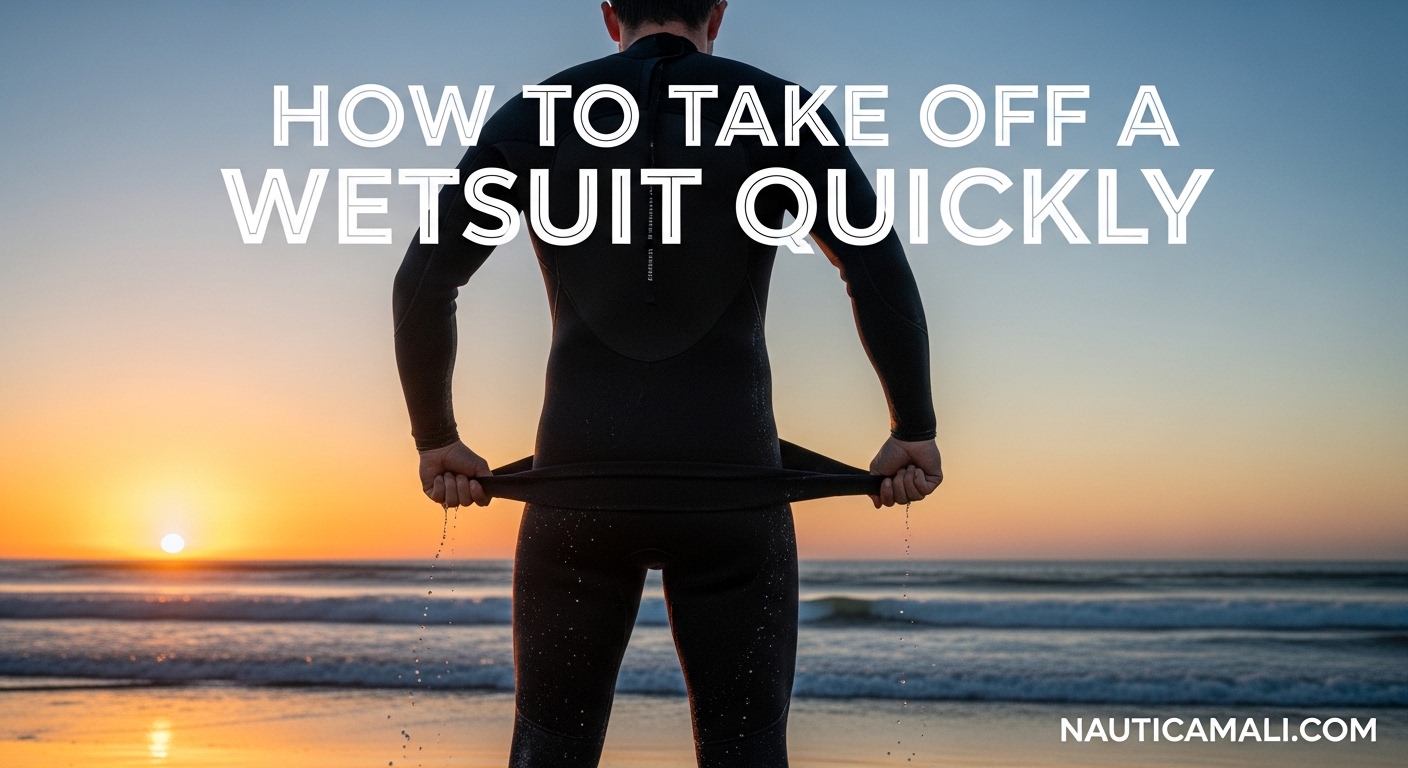
Standing in transition with your wetsuit stuck halfway down your hips is a triathlete’s nightmare. I have been there during my first open water race, fumbling while precious seconds ticked away. Learning how to take off a wetsuit quickly can save you 30 to 60 seconds in T1 transition. That time difference can mean the difference between a podium finish and missing out. This guide will walk you through the exact techniques used by competitive triathletes to peel off neoprene like a pro.
Table of Contents
Why Learning How to Take Off a Wetsuit Quickly Matters
Triathlon coaches often call transitions the fourth discipline of the sport. T1 transition times can make or break your race, especially in sprint and Olympic distance events where every second counts. A slow wetsuit removal can cost you 45 seconds or more compared to someone who has mastered the technique.
When you exit the water after a hard swim, your heart rate is elevated and your hands may be shaky. Your body wants to rest, but the race clock keeps running. The faster you can remove your wetsuit and get onto your bike, the sooner you can recover and settle into your race rhythm. Efficiency here translates directly to better overall performance.
Before You Start: Wetsuit Prep That Makes Removal Easier
The foundation of fast wetsuit removal starts before you ever touch the water. Proper preparation makes the difference between a smooth peel and a frustrating struggle. Our team has tested multiple pre-race routines across dozens of triathlons to find what actually works.
Apply a wetsuit lubricant to your wrists and ankles before putting on your suit. Baby oil is the cheapest and most effective option according to multiple forum discussions from experienced triathletes. Trislide works well but can make your hands slippery for gripping bike handlebars later. Some athletes use Body Glide or even a light application of Vaseline on the wrists and ankles only.
Position your timing chip correctly by tucking it under your wetsuit leg. This prevents the chip strap from catching as you pull the suit down. Practice your full transition routine at least twice during your open water training sessions to build muscle memory.
How to Take Off a Wetsuit Quickly: Step-by-Step Guide
This is the core technique you came for. The method works for both fullsuits and sleeveless wetsuits, though front-zip wetsuits require a slightly different approach for the upper body. Follow these steps in order for the fastest removal possible.
Step 1: Exit the Water and Gap the Neck Opening
As you run from the water toward transition, immediately unzip your wetsuit and pull the neck opening away from your skin. This creates a gap that lets air and water flow between the neoprene and your body. Water acts as a natural lubricant, making the suit slide off much easier. The longer you wait to create this gap, the more the neoprene suctions to your skin.
Step 2: Remove the Arms Using the Fire Ant Method
Push one arm completely out of its sleeve while continuing to run. Do not stop moving. Use your free hand to grab the sleeve at the wrist and peel it completely inside out as you pull your arm free. Switch immediately to the other arm. This technique is called the Fire Ant method because you keep moving constantly, just like fire ants swarming.
Once both arms are free, pull the upper body of the wetsuit down to your waist. The suit should now be gathered around your hips like a thick neoprene skirt.
Step 3: Clear the Hips with the Elbow Drive
When you reach your bike in transition, use the elbow drive technique to clear the suit from your hips. Push your elbows out and down forcefully while stepping forward. This motion breaks the seal around your hips and begins the process of rolling the suit down your legs.
Step 4: Step On and Pull Using the Ankle Peel
Now comes the technique that separates beginners from experienced triathletes. Step on the wetsuit material with one foot while lifting your other knee high. Use your hands to peel the suit down and off that leg. Switch feet and repeat. The key is keeping the wetsuit anchored under your foot so it cannot bunch up or spring back up your leg.
For the final inches at your ankle, use the finger-behind-heel technique. Slide one or two fingers between your heel and the wetsuit to break the suction, then peel the suit over your foot. This prevents the common struggle of the heel catching in the neoprene.
Pro Tips for Faster Wetsuit Removal
After analyzing race footage and training with competitive triathletes, our team identified several advanced techniques that shave additional seconds off your transition time. These pro tips work together with the basic method to get you onto your bike faster.
Practice your removal during every open water swim session. Muscle memory is everything when your heart rate is elevated and your hands are shaking after a hard swim. The pros make this look effortless because they have done it hundreds of times.
Keep your goggles around your neck until the wetsuit is off. This frees up your hands for peeling and prevents you from dropping or misplacing your eyewear in transition. Put them on your bike handlebars once the suit is removed.
If you struggle with cankles from water retention, splash cold water on your ankles right before removal. This reduces swelling and makes the suit slide off easier. Consider cutting the bottom two to three inches off your wetsuit legs if you consistently have trouble at the ankles, though this will void most warranties.
Wetsuit Types and Removal Difficulty
Not all wetsuits are created equal when it comes to removal speed. Understanding the differences helps you choose the right suit for your race goals and set realistic expectations for transition time.
Sleeveless wetsuits offer the fastest removal since there are no arms to deal with. They are ideal for swimmers who do not need the added buoyancy of arm coverage. The tradeoff is less warmth and reduced upper body flotation.
Front-zip wetsuits allow you to start unzipping as soon as you hit shore, giving you a head start on the removal process. Back-zip wetsuits require reaching behind your neck, which can be awkward while running. However, back-zip suits often have longer zippers that create a bigger opening for faster lower body removal.
Longjohn wetsuits, which have no sleeves and short legs, offer the fastest removal of all suit types. They are popular among competitive triathletes in warm water races where rules allow minimal coverage.
Common Mistakes to Avoid
Even experienced triathletes make these errors under race pressure. Learning what not to do is just as important as learning the proper technique. Avoid these pitfalls to keep your transitions smooth.
Never wait until you reach your bike to start removing your wetsuit. The clock is ticking from the moment you exit the water. Start the process immediately, even while running through the water exit chute.
Do not overapply lubricant to your hands or upper arms. Slippery hands make it difficult to grip your bike securely, which can be dangerous when mounting. Keep lubricant application limited to wrists and ankles only.
Avoid pulling the wetsuit straight down without anchoring it with your foot. This causes the neoprene to bunch up and suction back to your skin, forcing you to start over. Always step on the suit material while pulling.
Frequently Asked Questions
How to get a wetsuit off quickly?
To get a wetsuit off quickly, unzip immediately upon exiting the water and gap the neck opening to let water lubricate the suit. Use the Fire Ant method to remove arms while running to transition. At your bike, step on the wetsuit with one foot while peeling it down the other leg using the Ankle Peel technique. Practice these steps during training to build muscle memory.
Can you wear a wetsuit when pregnant?
Yes, you can wear a wetsuit during pregnancy, though comfort depends on the stage and suit fit. Many pregnant triathletes use sleeveless wetsuits or size up to accommodate their changing body. The neoprene provides buoyancy which can actually make swimming more comfortable. Consult your doctor before racing while pregnant.
How do you take off a wetsuit if you’re a girl?
Women can use the same techniques as men for wetsuit removal, though some female triathletes prefer front-zip wetsuits for easier independent removal. The Fire Ant method and Ankle Peel technique work identically regardless of gender. Wearing a triathlon suit or sports bra underneath provides coverage during the brief moment when the upper body suit is removed.
Do girls wear anything under a wetsuit?
Most female triathletes wear a triathlon suit, sports bra and shorts, or swimsuit under their wetsuit for modesty during transitions. The underlayer should be quick-drying and tight-fitting to avoid bunching. Some competitive athletes go without to save seconds, but most prefer the coverage and comfort of a base layer.
Why is my wetsuit hard to take off?
Wetsuits become difficult to remove when they suction to dry skin, which happens if you wait too long after exiting the water. Not using lubricant on wrists and ankles, water retention causing swollen ankles, and improper removal technique like pulling without anchoring can all make removal harder. Practice and proper preparation solve most issues.
Final Thoughts
Mastering how to take off a wetsuit quickly is a skill that pays dividends race after race. The combination of the Fire Ant method for upper body removal and the Ankle Peel technique for lower body clearance will get you through T1 transition in under 60 seconds with practice. Start applying these techniques during your next open water training session. Your race times will thank you, and you will never again stand in transition wrestling with stubborn neoprene while the clock keeps running.