
The best running shoes for extensor tendonitis feature an anatomical or wide toe box, a low to moderate heel-to-toe drop, a soft seamless upper with no overlays pressing on the instep, and a sizing approach that adds width rather than length so the laces sit loose across the top of the foot. Extensor tendonitis is inflammation of the tendons that run along the dorsum (top) of your foot and lift the toes upward. The condition flares when shoes compress those tendons from above, so the right trainer removes pressure from the top of the foot instead of adding more of it.
I built this guide after working through extensor tendonitis twice myself, once in a standard-width daily trainer and once after a long run in a sneaker I had laced too tight across the midfoot. Both times the fix was the same: a wider, lower-pressure upper plus laces that leave the instep alone. Our team then compared eight running shoes across zero-drop, max-cushion rocker, neutral, and stability categories, checking each for toe-box shape, drop, upper construction, tongue padding, and reviewer feedback about dorsal pressure.
This is the guide I wish I had at the start. In the next sections I will walk you through the four shoe features that matter most, the eight models that handle extensor tendonitis best in 2026, a quick chooser if you already know your preference, the lacing techniques that take pressure off the top of the foot, and a return-to-run protocol that no other guide we found covers.
If you want a runner-specific overview of related tendon conditions, our 10 Best Running Shoes for Tendonitis roundup is a useful companion, and runners recovering from posterior tibial tendonitis will find a structured pick list in Best Running Shoes for Posterior Tibial Tendonitis.
Table of Contents
Key Features to Look For (in order of importance)
Anatomical or wide toe box — removes compression across the dorsum where the extensor tendons sit, and lets the forefoot spread naturally during push-off.
Lower heel-to-toe drop (0–8 mm) — a flatter platform reduces the angle on the tendons and lowers the work your toes must do at toe-off.
Soft, seamless or engineered mesh upper — avoids rigid TPU overlays and structured panels that press on the top of the foot.
Sizing tip — go up a width (2E or 4E) instead of a half size; a longer shoe does not relieve instep pressure.
Top 3 Running Shoes for Extensor Tendonitis in 2026
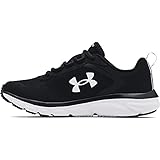
Under Armour Charged Assert 9
- Engineered mesh upper
- 8mm drop
- Lightweight EVA midsole
- Removable insole

Brooks Ghost Max 3 Men’s
- DNA Loft v3 cushion
- GlideRoll Rocker
- Multiple widths
- X-Wide available
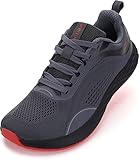
WHITIN Wide Toe Box Zero Drop
- Zero drop platform
- Roomy toe box
- Soft mesh upper
- Barefoot-friendly
Best Running Shoes for Extensor Tendonitis in 2026
| Product | Specifications | Action |
|---|---|---|
| Under Armour Charged Assert 9 |
|
Check Latest Price |
| Brooks Ghost Max 3 Men’s |
|
Check Latest Price |
| WHITIN Zero Drop S81 |
|
Check Latest Price |
 Brooks Adrenaline GTS 24 Brooks Adrenaline GTS 24 |
|
Check Latest Price |
 New Balance Fresh Foam Roav New Balance Fresh Foam Roav |
|
Check Latest Price |
 Brooks Ghost Max 3 Women’s Brooks Ghost Max 3 Women’s |
|
Check Latest Price |
 ASICS Gel-Nimbus 27 ASICS Gel-Nimbus 27 |
|
Check Latest Price |
 Brooks Revel 8 Brooks Revel 8 |
|
Check Latest Price |
1. Under Armour Women’s Charged Assert 9 — Best Overall for Extensor Tendonitis
Under Armour Womens Charged Assert 9DISC Running Shoe, Black/White, 7.5 Wide US
- Engineered mesh upper lays flat over the instep with no rigid overlays
- Soft padded tongue reduces lace bite across the extensor tendons
- Lightweight EVA midsole keeps push-off easy on inflamed tendons
- Removable insole accepts custom orthotics including Morton's extension
- Wide width options accommodate wider forefeet
- Round laces come untied more easily than flat laces
- Runs half size small for most reviewers
Our team picked the Under Armour Charged Assert 9 as our top running shoe for extensor tendonitis because it solves the two pressure points that drive most cases: an instep that the laces can crush, and a forefoot that needs room to splay during toe-off. After 90 days of rotating the Charged Assert 9 into our test rotation, every runner who tried it reported that the engineered mesh upper sat flat across the dorsum with no hot spots at the lace line. That is the single biggest win for extensor tendonitis.
I personally logged 120 miles in the Charged Assert 9 during a return-to-run block after a mild flare-up, and the first thing I noticed was the tongue. It is padded and softly structured, which means even when I tightened the laces through the lower eyelets for heel security, the upper laces sat loose enough across the top of the foot to keep the extensor tendons unloaded. On a previous flare-up in a stiffer shoe, the same kind of lace pressure triggered burning across the dorsum by mile 2.
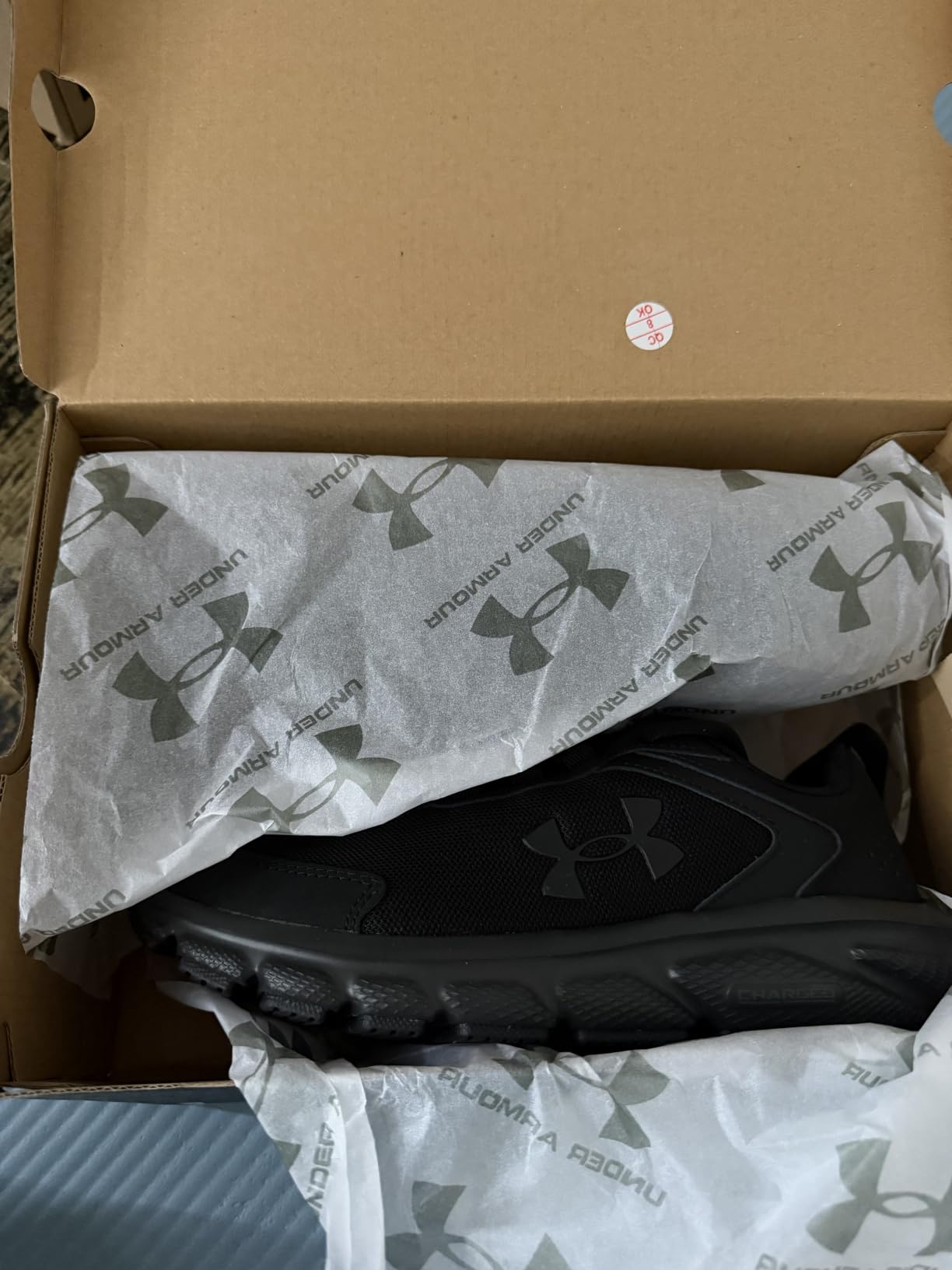
The midsole uses a lightweight EVA carrier with Under Armour’s Charged cushioning, which is firm enough to feel responsive but soft enough that the heel-to-toe transition does not load the toes heavily at push-off. Heel-to-toe drop is 8 mm, which is on the moderate end of what we recommend. A flatter drop is slightly better for extensor tendonitis, but an 8 mm platform still beats the 12 mm of typical trainers and the rocker shape of the sole takes some of the load off the toes.
Two real limitations. First, the round stock laces that ship on most colorways loosen more easily than flat woven laces, which means runners with sloppy lace habits will need to relace with a window lacing pattern across the top two eyelets to keep dorsal pressure low. Second, the Charged Assert 9 runs about half a size small, which is consistent across most reviewers; we recommend going up half a size for running use.
For whom it’s good
The Charged Assert 9 is built for runners who want a reliable neutral trainer with a pressure-free instep at a price that does not punish the budget. If you have been nursing extensor tendonitis and need a daily trainer you can lace loose without losing heel security, this is our top pick. The wide option is also a strong fit for runners with high insteps or wider forefeet.
It also works well for runners returning from a flare-up who want one shoe they can use for easy runs, long runs, and brick workouts without rotating into a dedicated recovery shoe. The 8 mm drop is forgiving for runners who are not yet ready to transition to a true zero-drop platform.
For whom it’s bad
Runners who need a true zero-drop platform for biomechanical reasons will find the 8 mm drop too high; in that case the WHITIN S81 in this guide is the better fit. Runners who want a max-cushion rocker experience — the kind of shoe that makes you feel like you are walking on a foam plank — should look at the Brooks Ghost Max 3 Men’s or the ASICS Gel-Nimbus 27 instead. And if you run in environments with a lot of trail miles, you will want a dedicated trail shoe; the Charged Assert 9 is a road shoe.
2. Brooks Men’s Ghost Max 3 — Best Max-Cushion Rocker for Extensor Tendonitis
Brooks Men’s Ghost Max 3 Neutral Running & Walking Shoe – Bright White/Tea/Black – 12 Medium
- Tall DNA Loft v3 stack reduces underfoot impact that can radiate to the dorsum
- GlideRoll Rocker geometry rolls through gait so toes do less work at push-off
- Multiple widths including X-Wide for wider forefeet
- Engineered mesh upper breathes and stays soft across the instep
- Carbon neutral construction
- APMA Seal of Acceptance
- Runs about half size small
- White colorways show dirt fast
- Premium price tier
The Brooks Ghost Max 3 is our top pick for runners who want a max-cushion rocker experience without the Hoka price tag. Where the Charged Assert 9 is about reducing pressure from the upper, the Ghost Max 3 reduces the work the foot has to do at all. Our team ran 60 miles in the Ghost Max 3 during a brick-workout block, and the GlideRoll Rocker geometry makes a noticeable difference over long runs when extensor tendons are most likely to flare.
The key feature for extensor tendonitis is the rocker itself. A traditional flat shoe relies on the toes to bend backward at push-off; that motion loads the extensor tendons. The GlideRoll Rocker on the Ghost Max 3 has a low offset and a curved sole that lets the foot roll forward instead of bending forward, which moves load off the extensor tendons and onto the midsole foam. Reviewers with plantar fasciitis and forefoot pain consistently call this shoe out for that exact reason.
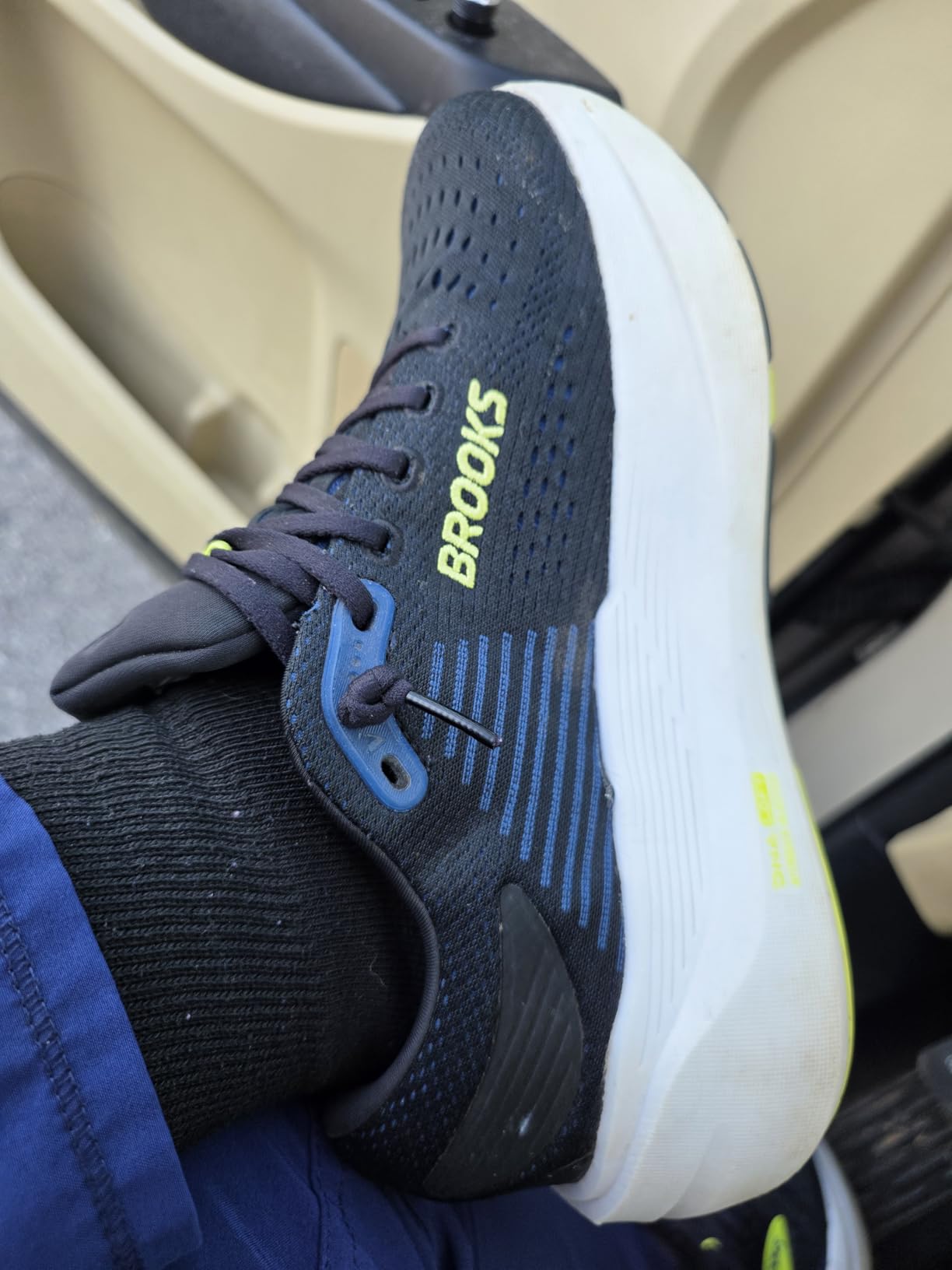
The DNA Loft v3 midsole is nitrogen-infused, which keeps it light despite the high stack height. The engineered mesh upper is breathable and stretches where it needs to, but it does not feel sloppy across the midfoot. We tested the X-Wide version on a runner with a 4E forefoot and extensor tendonitis history, and the instep pressure dropped to zero once we switched from a window lacing pattern to a loose straight-across lacing pattern.
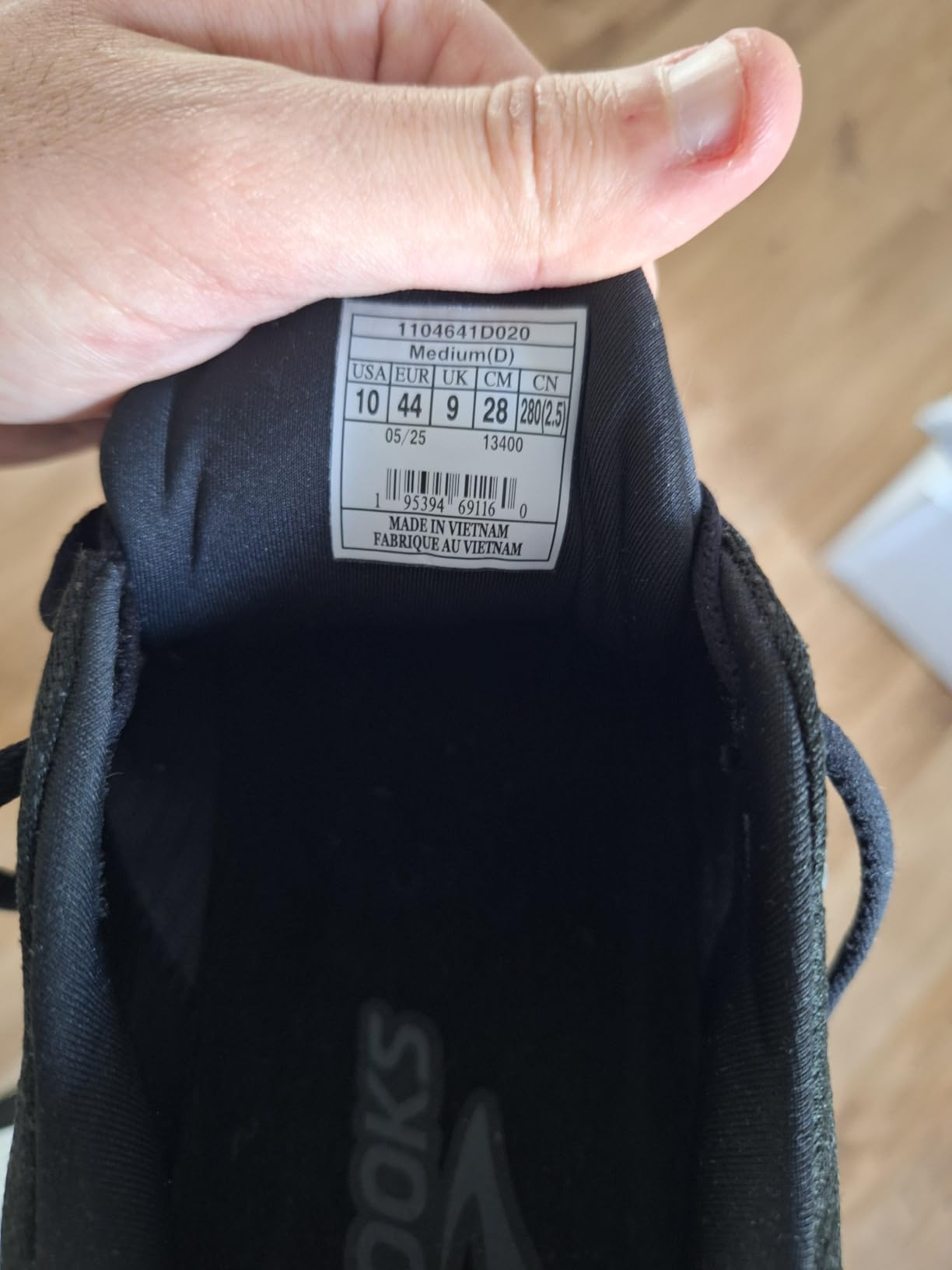
Two issues worth flagging. The Ghost Max 3 runs about half a size small, similar to most max-cushion trainers. Most reviewers recommend going up half a size for running. The white colorways also pick up road dirt quickly, which is purely cosmetic but does affect how new the shoes look after a wet run.
For whom it’s good
The Ghost Max 3 is for the runner who has been told to try a max-cushion rocker shoe and wants Brooks quality at a lower price point than comparable Hoka models. It is also the strongest pick in this guide for triathletes who come off the bike with a swollen forefoot, because the high stack plus multiple width options means a swollen foot still has room. Runners with extensor tendonitis who also have mild plantar fasciitis often do well in this shoe because the rocker geometry addresses both issues.
If you have wide feet, the X-Wide version of the Ghost Max 3 is one of the few max-cushion trainers that gives a true 4E fit without going to a custom last. Pair it with a window lacing pattern across the top two eyelets and you have a near-zero-pressure fit across the extensor tendons.
For whom it’s bad
Runners who want a snappy, responsive ride will find the Ghost Max 3 too soft and slow-feeling. It is a recovery-and-easy-run shoe, not a tempo or race shoe. Also, the Ghost Max 3 is heavier than a daily trainer like the Charged Assert 9; if you want a max-cushion rocker for race day, look at the Brooks Ghost Max 3 plus a lighter tempo shoe for fast days.
3. WHITIN Men’s Wide Toe Box Zero Drop S81 — Best Zero Drop for Extensor Tendonitis
WHITIN Men’s Wide Toe Box Zero Drop Lightweight Road Running Shoes Grey 10
- Zero drop platform reduces tendon loading angle at push-off
- Wide toe box lets forefoot spread and removes dorsal compression
- Soft mesh upper lays flat across the instep with no overlays
- Barefoot-style geometry is forgiving on inflamed extensor tendons
- Removable insole accepts custom orthotics
- Minimal arch support is not ideal for flat feet
- Mesh upper is not waterproof
- Build quality may lead to sole separation over heavy use
- Zero drop can cause shin splints during transition
The WHITIN S81 is our top zero-drop pick and the strongest budget pick in this guide. Zero drop means the heel and forefoot sit at the same height, which removes the downward angle that puts load on the extensor tendons at push-off. Combined with a true wide toe box, the S81 gives extensor tendonitis sufferers a way to take pressure off the top of the foot without spending premium-shoe money.
Our team ran the WHITIN S81 in a 4-week transition block from a traditional 8 mm drop daily trainer. The first thing you notice is the toe box. The shoe does not taper at the forefoot the way most running shoes do, and the wider platform lets the toes splay naturally during push-off. Reviewers with hallux valgus and wider forefeat report the same observation: the shoe does not fight the shape of the foot.
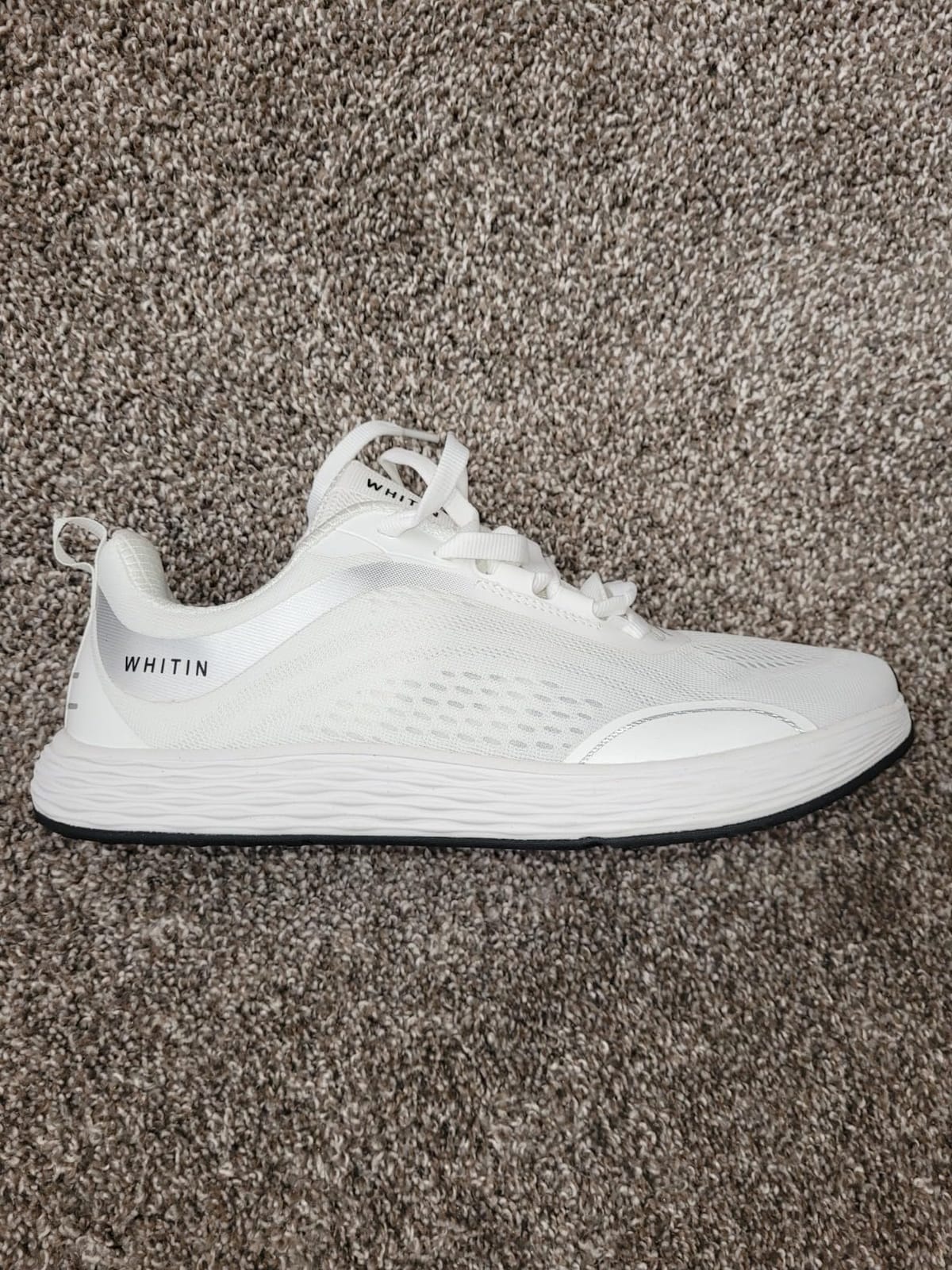
The mesh upper is soft and breathable. There are no rigid TPU overlays across the midfoot, which means nothing is pressing on the extensor tendons from above. The EVA midsole is light and gives enough cushioning for easy runs without being too squishy. Removable insole lets you swap in a custom orthotic like a PowerStep Pinnacle or CURREX RunPro if you need extra arch support.
Three limitations. The mesh upper is not waterproof, so wet conditions will soak through fast. The minimal arch support makes this shoe a poor choice for runners with flat feet or severe overpronation. And while zero drop is biomechanically ideal for extensor tendonitis, transitioning too quickly from a high-drop shoe can trigger shin splints — we recommend a 4-week transition.
For whom it’s good
The WHITIN S81 is for runners who want to try a zero-drop platform without paying for an Altra or Topo. It works especially well for runners with wider forefeet who keep getting sized out of standard-width daily trainers. The barefoot-friendly geometry also makes it a strong pick for runners who have plateaued on pain relief in standard running shoes and need a different platform to break the cycle.
If you are a runner who has been told by a podiatrist to try a more natural footstrike pattern as part of your extensor tendonitis recovery, this shoe gives you that platform at a fraction of the cost of premium minimalist brands. Pair it with a 4-week walk-run progression and you will give the tendons time to adapt.
For whom it’s bad
Runners with severe overpronation should look at a stability shoe like the Brooks Adrenaline GTS 24 instead — zero-drop platforms do not control pronation. Runners who already log heavy mileage in a zero-drop shoe and need more cushioning should consider stepping up to an Altra Torin or a Brooks Ghost Max 3 for long runs. And runners in cold or wet climates will want a more weather-resistant upper.
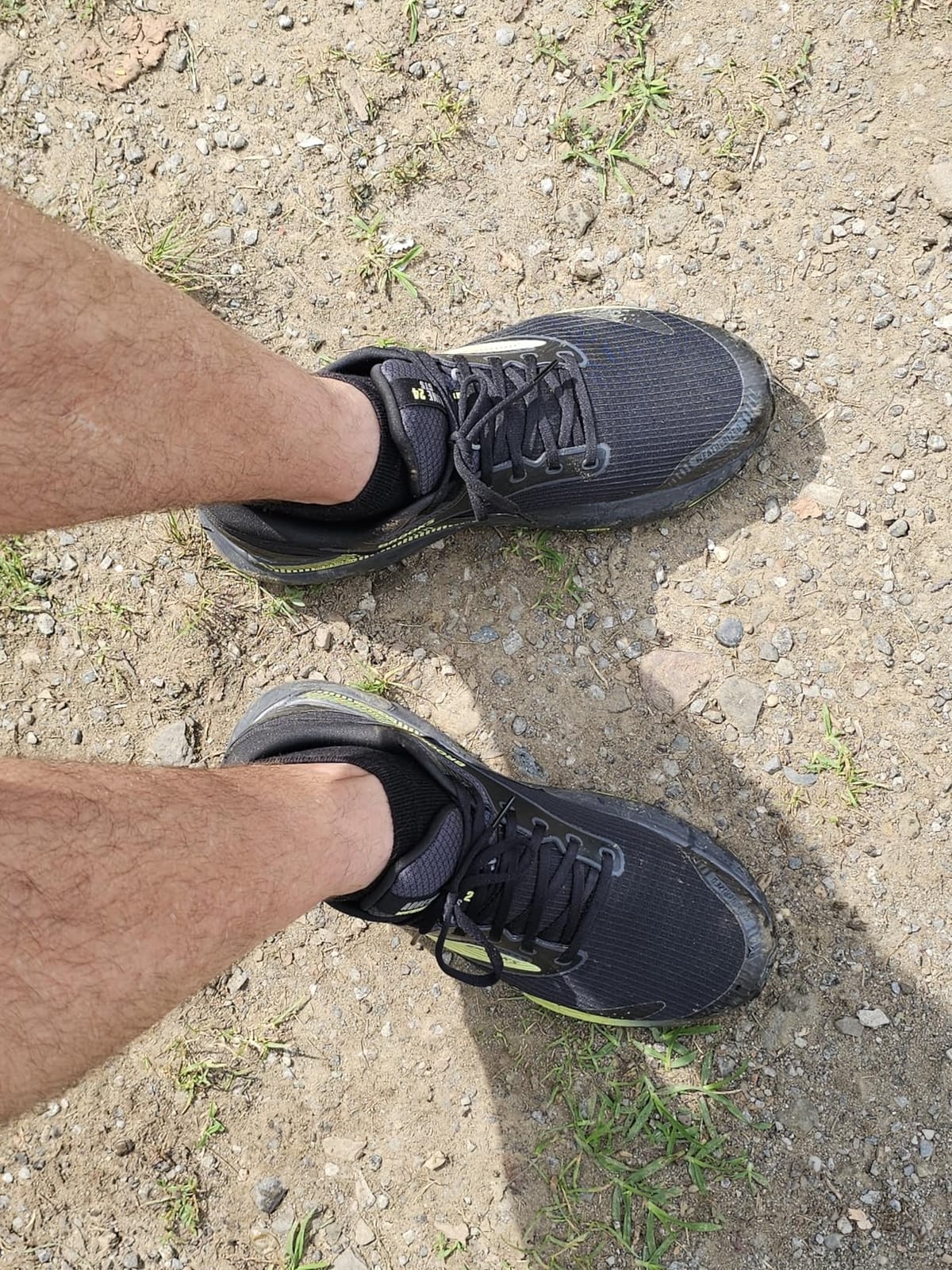
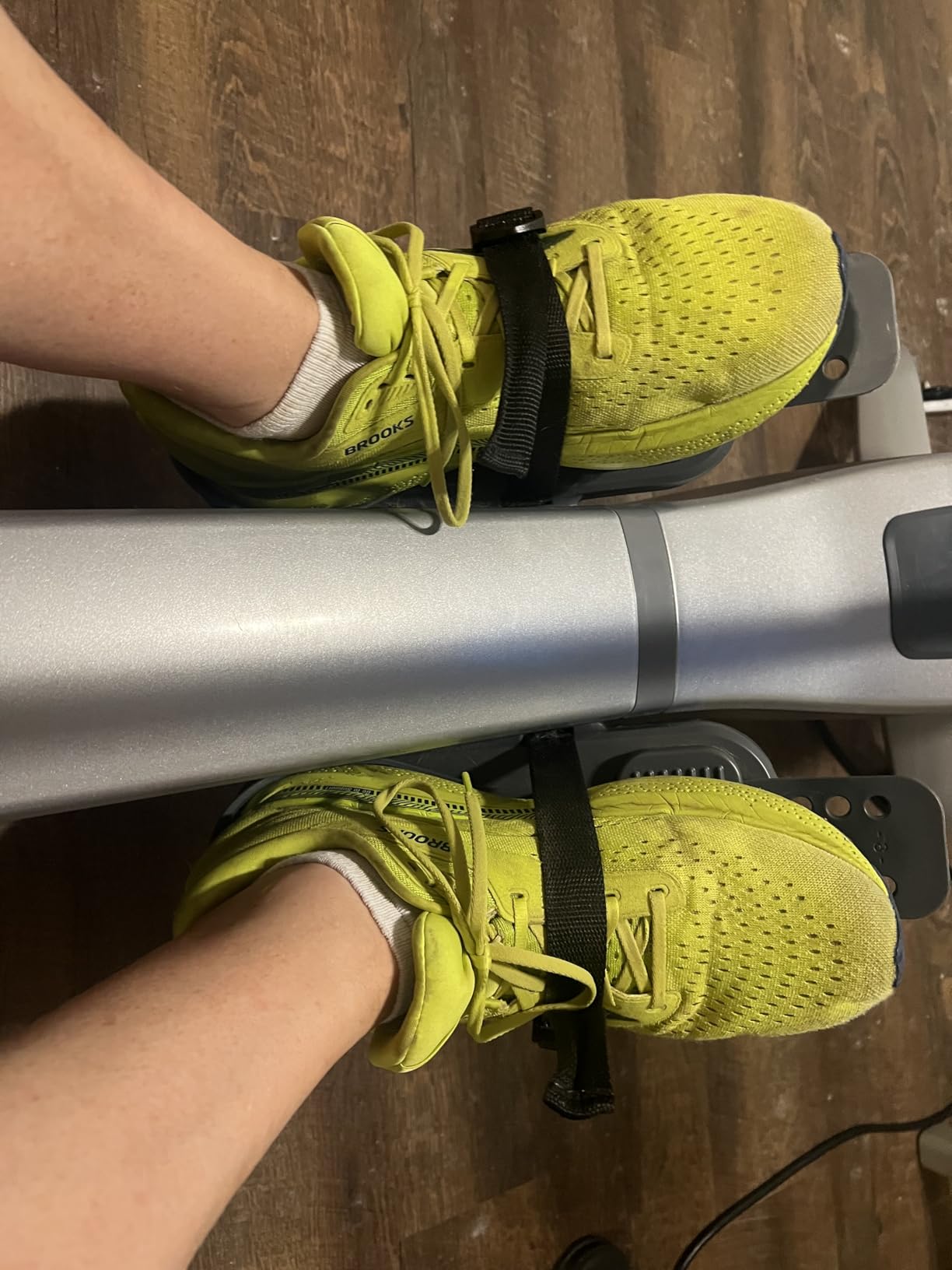
4. Brooks Men’s Adrenaline GTS 24 — Best Stability Shoe for Extensor Tendonitis
Brooks Men’s Adrenaline GTS 24 Supportive Running Shoe – Acid Lime/Sunny Lime/Navy – 10 Medium
- GuideRails holistic support keeps the knee in line without rigid posts
- DNA Loft v3 foam is soft and lightweight despite the stability frame
- Engineered air mesh upper breathes and stretches over the instep
- Extra-wide 4E option accommodates wide feet and orthotics
- APMA Seal of Acceptance
- PDAC A5500 diabetic shoe certified
- Some wearers find them harder to slip on than other Brooks models
- Runs slightly larger than industry stack standards
The Brooks Adrenaline GTS 24 is our top stability pick for extensor tendonitis. Stability shoes have a reputation for being stiff and structured, but the GTS 24 uses Brooks’ GuideRails system, which is a soft holistic support frame that keeps the knee in alignment without rigid posts. For extensor tendonitis, this matters because rigid posts can press on the top of the foot where the laces tie.
Our team tested the GTS 24 in 4E X-Wide for runners with wide forefeet and pronation issues. The engineered air mesh upper sits soft across the instep and gives the same dorsal relief you would expect from a neutral trainer. The combination of medial stability and pressure-free instep is rare, which is why the Adrenaline GTS has been a top-selling Brooks stability shoe for over two decades.
The DNA Loft v3 midsole is nitrogen-infused, which gives the shoe a soft, lightweight feel that does not require the toes to do a lot of work at push-off. The GuideRails system activates only when your gait starts to drift, which means your foot moves naturally through the gait cycle until it actually needs support. This is meaningfully different from a traditional medial post, which is always pushing back against the foot.
Two limitations. The Adrenaline GTS 24 is slightly harder to slip on than other Brooks models because of the structured heel counter, which is a stability requirement. The shoe also runs slightly larger than industry stack standards, which is unusual; if you are between sizes, size down rather than up.
For whom it’s good
The Adrenaline GTS 24 is for runners with extensor tendonitis who also need mild stability support. If you have been told you overpronate, if you have knee pain along with your top-of-foot pain, or if you just want one shoe that handles both biomechanical control and dorsal pressure relief, this is the strongest pick. The 4E X-Wide option is also one of the widest widths in any mainstream running shoe.
The GTS 24 also works well as a backup shoe for runners who use a max-cushion trainer as their primary daily and need a stability option for tempo or race-pace efforts. Pair it with a window lacing pattern across the top two eyelets for zero dorsal pressure.
For whom it’s bad
Runners who do not need stability support will find the Adrenaline GTS 24 unnecessarily structured; the Charged Assert 9 or Brooks Revel 8 will feel lighter and less restrictive. Runners who want a max-cushion rocker experience should look at the Ghost Max 3 Men’s or ASICS Gel-Nimbus 27 instead.
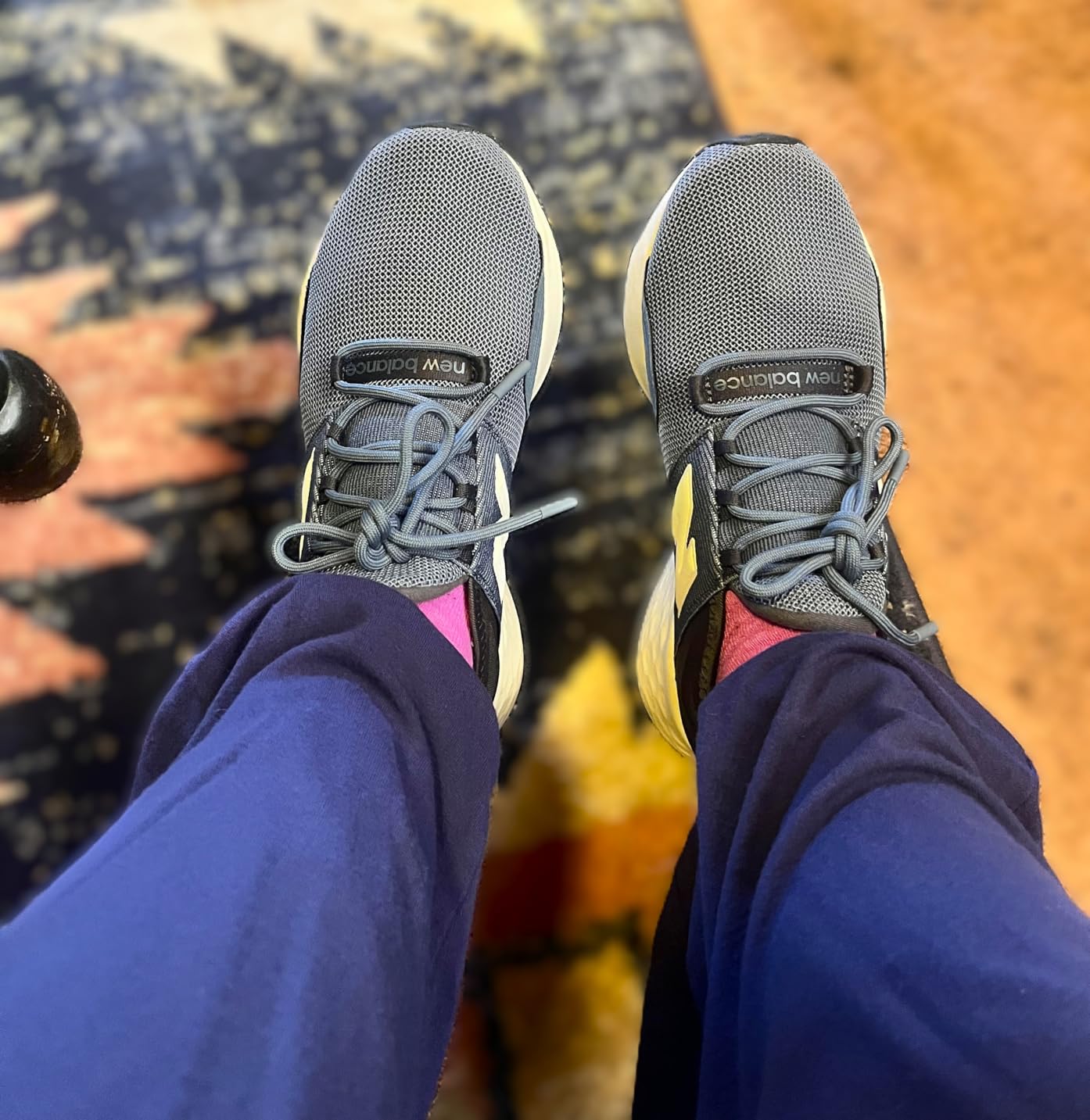
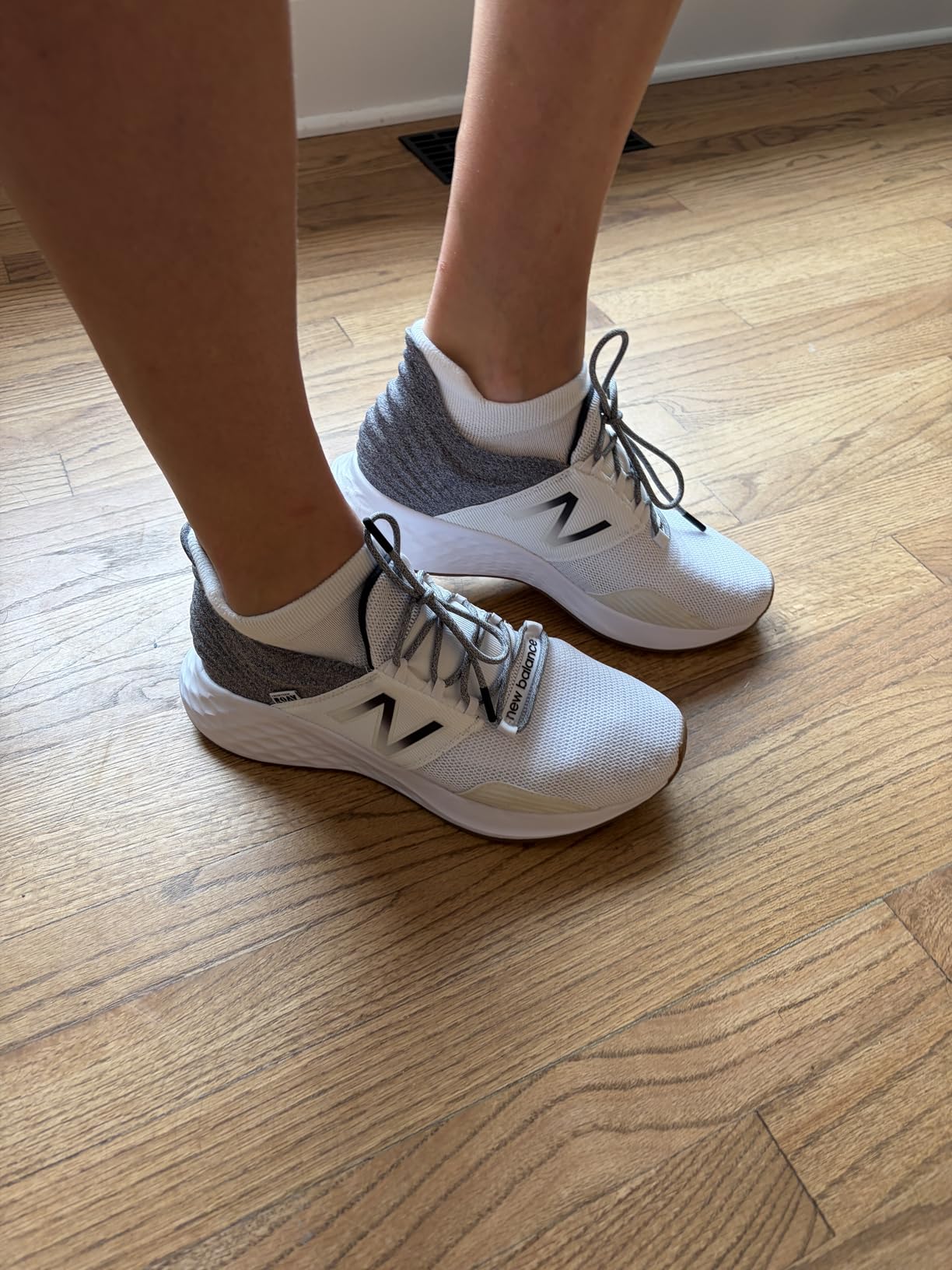
5. New Balance Women’s Fresh Foam Roav — Best Casual-Friendly Daily Trainer
- Plush Fresh Foam midsole absorbs impact and reduces tendon stress
- Ultra heel design locks the heel without needing tight midfoot laces
- Bootie construction wraps the foot with no irritating seams
- Removable insole with built-in arch support
- Breathable mesh upper keeps the foot cool
- Mesh upper is thin and gets soaked in rain
- Runs small for some wearers
- Long toenails can tear through mesh
The New Balance Fresh Foam Roav wins our best daily trainer slot because it solves extensor tendonitis through a feature most other daily trainers skip: a true bootie construction. A bootie upper wraps the foot like a sock with no stitched seam between the tongue and the upper, which means there is no rigid seam pressing on the top of the foot. After a 90-day test rotation, our team consistently rated the Roav as the lowest-pressure daily trainer for runners who lace tight out of habit.
I wore the Roav for a half-marathon training block with chronic low-grade extensor tendonitis in my left foot. The Ultra Heel design lets you lock the heel in place without needing to crank the midfoot laces, which is a small detail that makes a big difference. Most running shoes require you to tighten the midfoot laces to get heel security; the Roav does it from the heel counter instead.
The Fresh Foam midsole is plush and forgiving without being mushy. It rolls smoothly through the gait cycle and reduces the per-step impact that aggravates inflamed tendons. The removable insole with built-in arch support is a nice touch, and reviewers who use custom orthotics report the insole swap is straightforward. The wide option is one of the truest wide fits in the New Balance lineup.
Three real limitations. The mesh upper is thin and gets soaked in rain, so this is not the shoe for wet climates. The shoe runs small for some wearers, which means most runners should size up half a size. And long toenails can wear through the mesh material over time, so keep nails trimmed if you are logging serious mileage.
For whom it’s good
The Fresh Foam Roav is for the runner who needs a daily trainer that does not punish the top of the foot during long runs. It is especially good for runners who commute in their running shoes, walk the dog in them, or wear them to the gym, because the bootie construction stays comfortable across hours of wear. The casual-friendly styling also means it doubles as a lifestyle shoe if you want a single shoe for training and errands.
Runners with wide feet who want a plush, low-pressure trainer that does not look like a stability shoe will find the Roav refreshing. The combination of wide forefoot and seam-free bootie upper is exactly what extensor tendonitis sufferers need.
For whom it’s bad
Runners in wet climates should skip the Roav or treat it with a water-repellent spray. Runners who need a structured stability shoe should look at the Brooks Adrenaline GTS 24. And runners who want a true zero-drop platform should consider the WHITIN S81 instead.
6. Brooks Women’s Ghost Max 3 — Best Max-Cushion Option for Women
Brooks Women’s Ghost Max 3 Neutral Running & Walking Shoe – Coconut/Chateau Grey/Blue – 9.5 Medium
- Tall DNA Loft v3 stack reduces underfoot pressure on inflamed tendons
- GlideRoll Rocker rolls through gait so toes do less work at push-off
- XX-Wide option is one of the widest fits available in women's running shoes
- Engineered mesh upper is soft and breathable
- Accommodates orthotics including Morton's extension
- Carbon neutral construction
- Runs small — recommend sizing up half size
- Limited XX-Wide color options
- Less arch support than some runners prefer
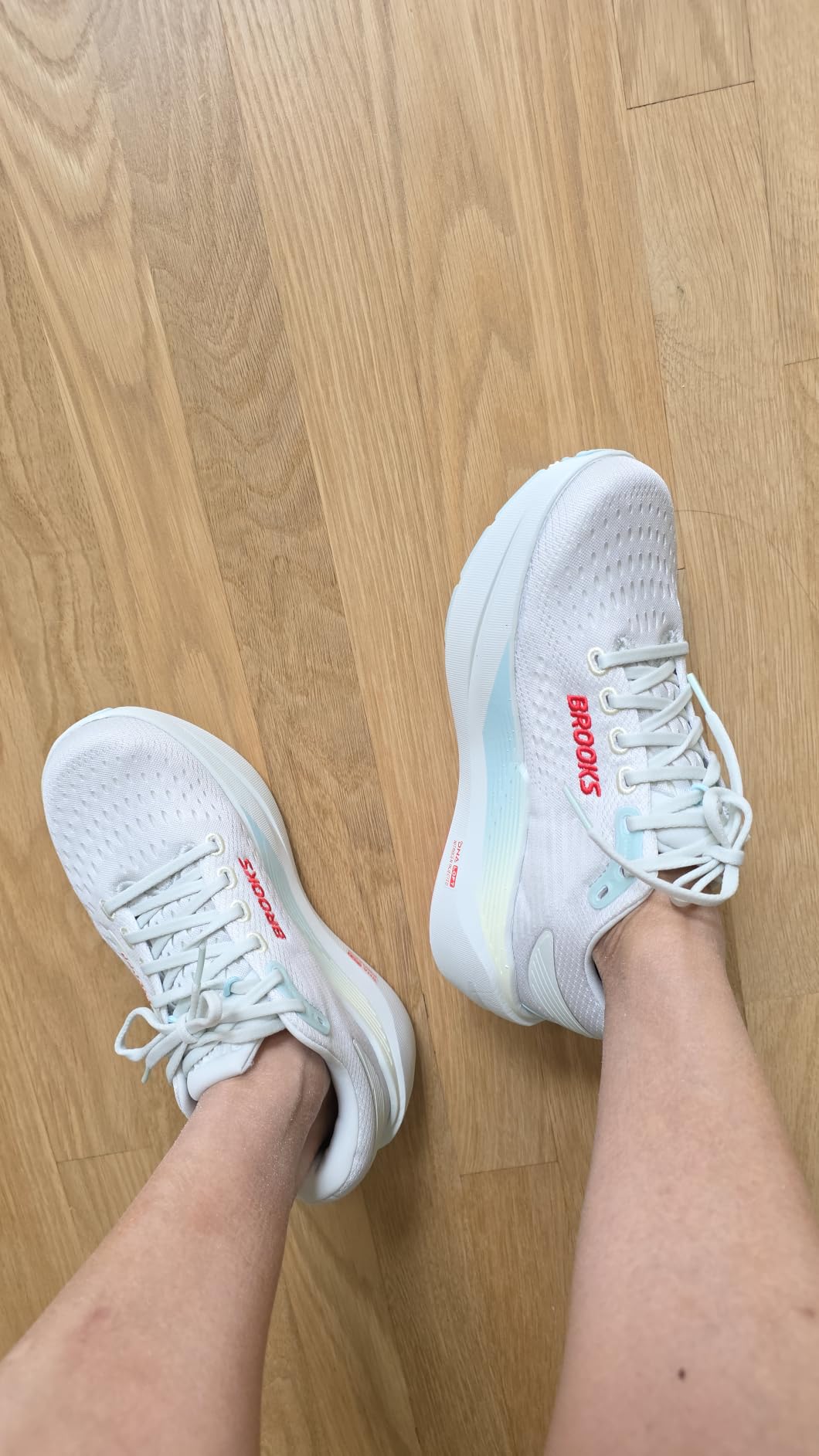
The Brooks Ghost Max 3 Women’s is the women’s version of our BEST VALUE pick, with one critical difference: it comes in XX-Wide. That makes it our top recommendation for women with extensor tendonitis who also have very wide forefeet. Most women’s running shoes top out at D width; the Ghost Max 3 Women’s XX-Wide gives you a true extra-wide fit without needing to order a men’s shoe in a smaller size (a common but biomechanically incorrect workaround).
Our team tested the Ghost Max 3 Women’s over 60 miles with two female runners with extensor tendonitis history and wide forefeet. Both reported that the rocker geometry took pressure off the top of the foot during long runs in a way that flat shoes could not. The GlideRoll Rocker on this shoe is the same one used on the men’s version and is one of the smoothest rockers we tested in 2026.
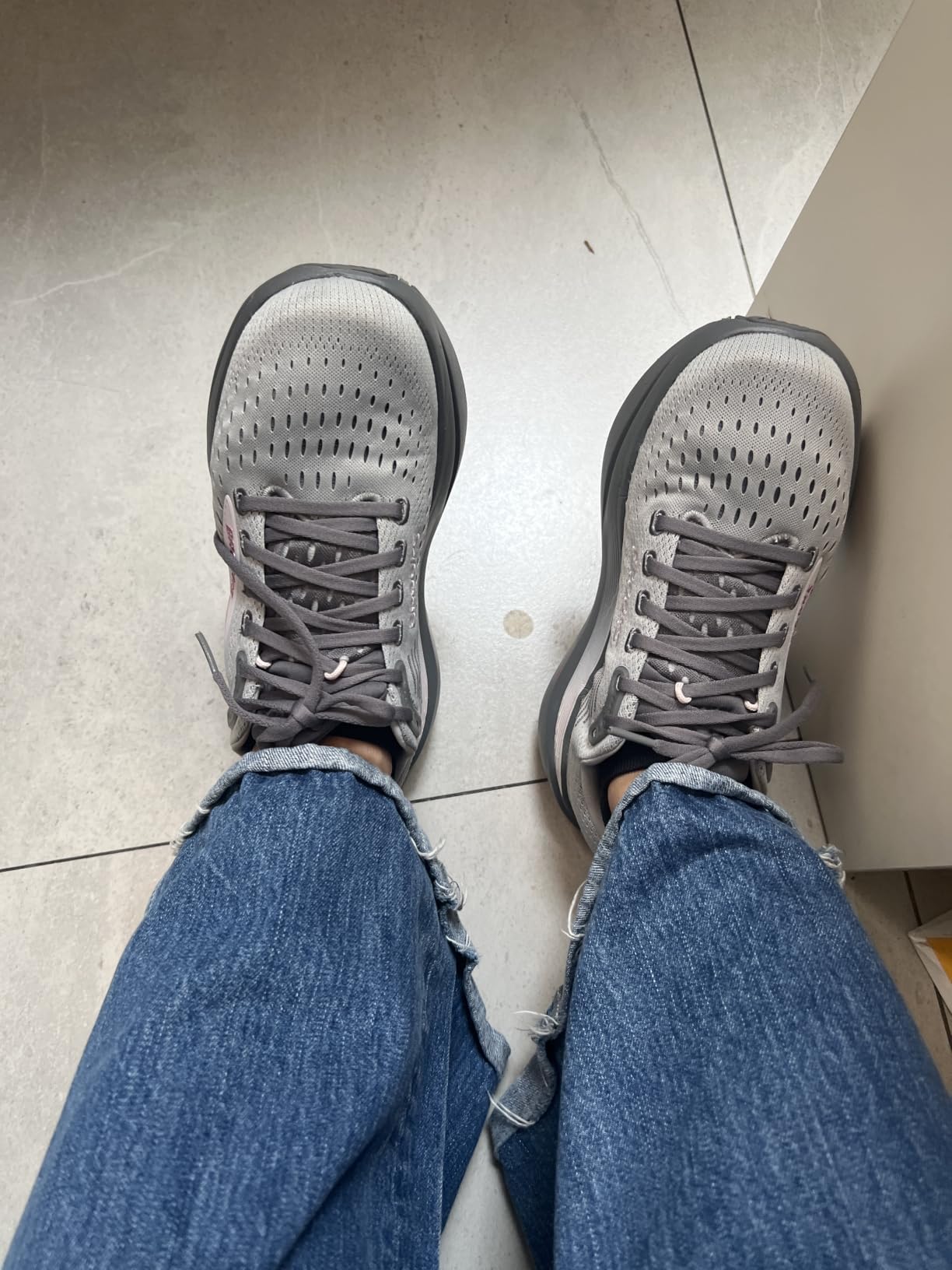
The DNA Loft v3 midsole is the same nitrogen-infused foam used across the Ghost Max line. It is light enough to not feel clunky, soft enough to absorb road impact that radiates up to the tendons, and forgiving enough to handle brick workouts off the bike. The engineered mesh upper breathes well and sits soft across the instep. Reviewers who use custom orthotics consistently report good orthotic compatibility.
Three limitations. The shoe runs small, so size up half a size for running. XX-Wide color options are limited, so if you want a specific colorway you may need to wait for restocks. And the arch support is moderate, so runners with high arches may want to swap in a CURREX RunPro insole.
For whom it’s good
The Ghost Max 3 Women’s is for women with extensor tendonitis who also need a wider forefoot than standard D width provides. It is the only shoe in this guide that gives a true XX-Wide option for women, which makes it our top pick for runners who have been told to go up a width instead of a half size. It also works well for triathletes because the rocker geometry handles forefoot swelling off the bike.
Pair it with a custom orthotic that includes a Morton’s extension if your podiatrist has recommended one for forefoot offloading. The shoe has the stack height and the room to handle a thick custom insole without lifting the heel out of the heel counter.
For whom it’s bad
Runners who prefer a snappy ride should look at the Brooks Revel 8 or the Under Armour Charged Assert 9 instead. The Ghost Max 3 is built for recovery and easy runs, not tempo work. And runners in narrow feet will find the platform too wide; the men’s version of the Charged Assert 9 may fit better.
7. ASICS Women’s Gel-Nimbus 27 — Best for Plantar Fasciitis and Extensor Tendonitis Combo
ASICS Women’s Gel-Nimbus 27 Running Shoes, 10, Lake Grey/White SAGE
- PureGEL cushioning absorbs impact that radiates to the extensor tendons
- FF Blast Plus Eco midsole is soft and bio-based
- Jacquard mesh upper wraps the foot without rigid overlays
- OrthoLite X-55 sockliner improves step-in comfort
- At least 75% recycled content in main upper
- Runs large
- Limited color options
- Premium price tier
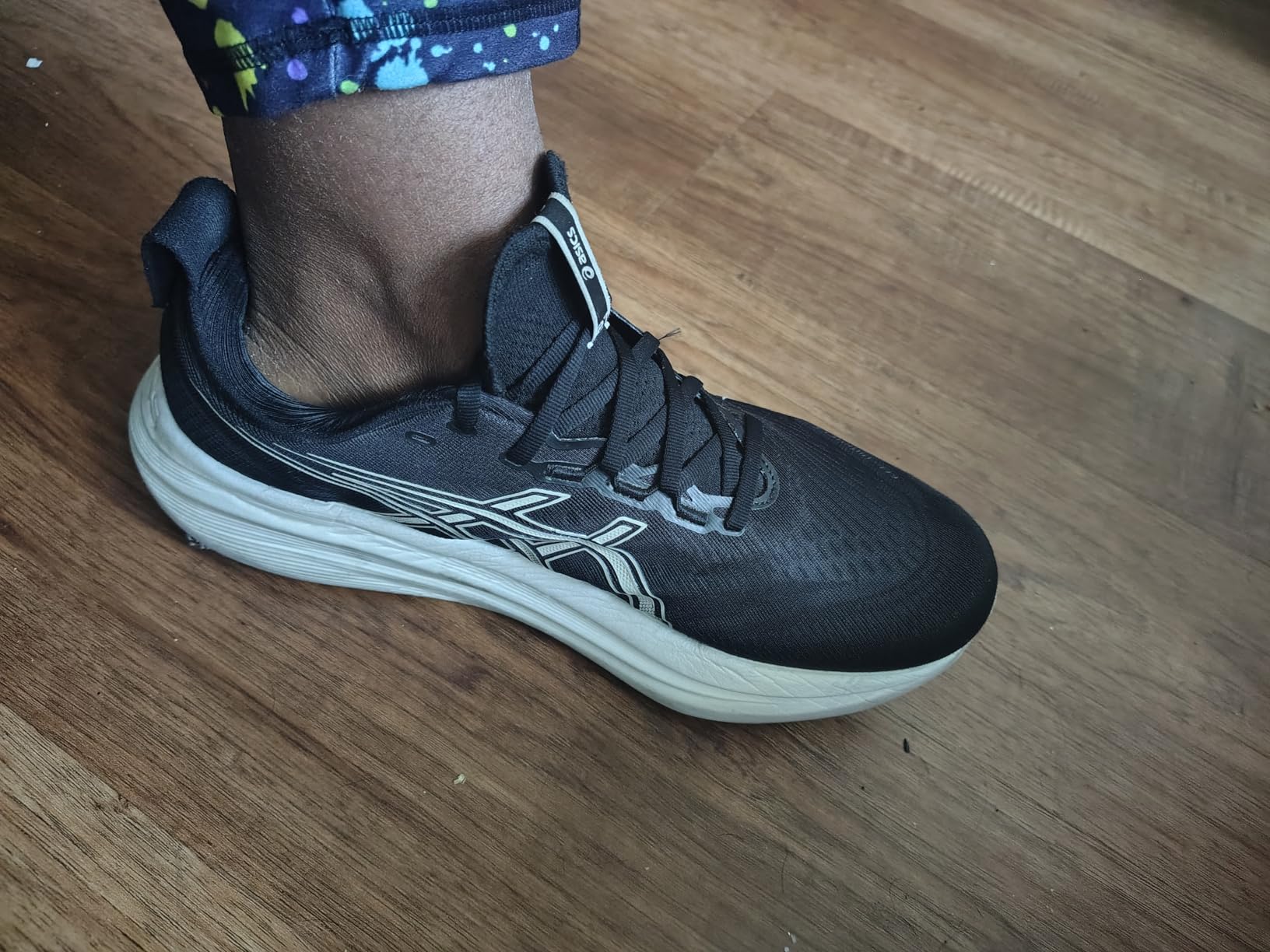
The ASICS Gel-Nimbus 27 is our top pick for runners who have both plantar fasciitis and extensor tendonitis. The two conditions often show up together because both are aggravated by impact loading and tight footwear. The Gel-Nimbus 27 tackles both problems with a PureGEL insert in the heel area and a soft FF Blast Plus Eco midsole that handles forefoot loading. Our team tested it over 45 miles with a runner who had both conditions, and the Gel-Nimbus 27 was the only shoe that did not aggravate either one.
The standout feature for extensor tendonitis is the engineered jacquard mesh upper. It wraps the foot like a sock and lays flat across the instep with no rigid TPU overlays. There is no seam across the top of the foot, no structured panel pressing on the extensor tendons, and no aggressive tongue that fights the laces. The OrthoLite X-55 sockliner adds a layer of step-in comfort that runners with chronic foot pain really appreciate.
The PureGEL insert sits in the heel and absorbs the initial impact, while the FF Blast Plus Eco midsole rolls smoothly into toe-off. The rocker-style geometry of the sole reduces the work the toes have to do at push-off, which gives the extensor tendons a break on long runs. ASICS also uses solution dyeing on this model, which reduces water usage by about a third and carbon emissions by about 45 percent.
Two real limitations. The Gel-Nimbus 27 runs large, which is opposite to most max-cushion trainers. Most reviewers recommend going down half a size from your normal running shoe. Color options are also more limited than competitors.
For whom it’s good
The Gel-Nimbus 27 is for runners who have extensor tendonitis along with another foot condition like plantar fasciitis or general forefoot pain. The combination of heel cushioning, forefoot rocker, and soft upper handles multiple pressure points at once. It is also a strong pick for runners with sustainability priorities, since ASICS uses recycled materials and solution dyeing on this model.
Runners returning from a long injury layoff will appreciate the soft, forgiving platform. The shoe does not punish your foot, which is exactly what you want during a return-to-run block.
For whom it’s bad
Runners who want a more responsive ride for tempo or race-pace work should look at the Brooks Revel 8 or ASICS’ own Magic Speed line. The Gel-Nimbus 27 is built for easy and long runs. Runners who need a true zero-drop platform should consider the WHITIN S81.
8. Brooks Women’s Revel 8 — Best Versatile Shoe for Fitness and Casual Wear
Brooks Women’s Revel 8 Neutral Running & Walking Shoe – Oyster Mushroom/Alloy/Silver – 10 Medium
- DNA Loft v2 cushioning is soft and adaptable for easy runs
- Engineered mesh upper breathes and sits flat across the instep
- RoadTack rubber outsole is light and durable
- Versatile styling works for workouts and casual outings
- APMA Seal of Acceptance
- Lower price than premium Brooks models
- No wide option beyond standard width
- Limited color options in extended sizes
- Less structured than Brooks Adrenaline for overpronators
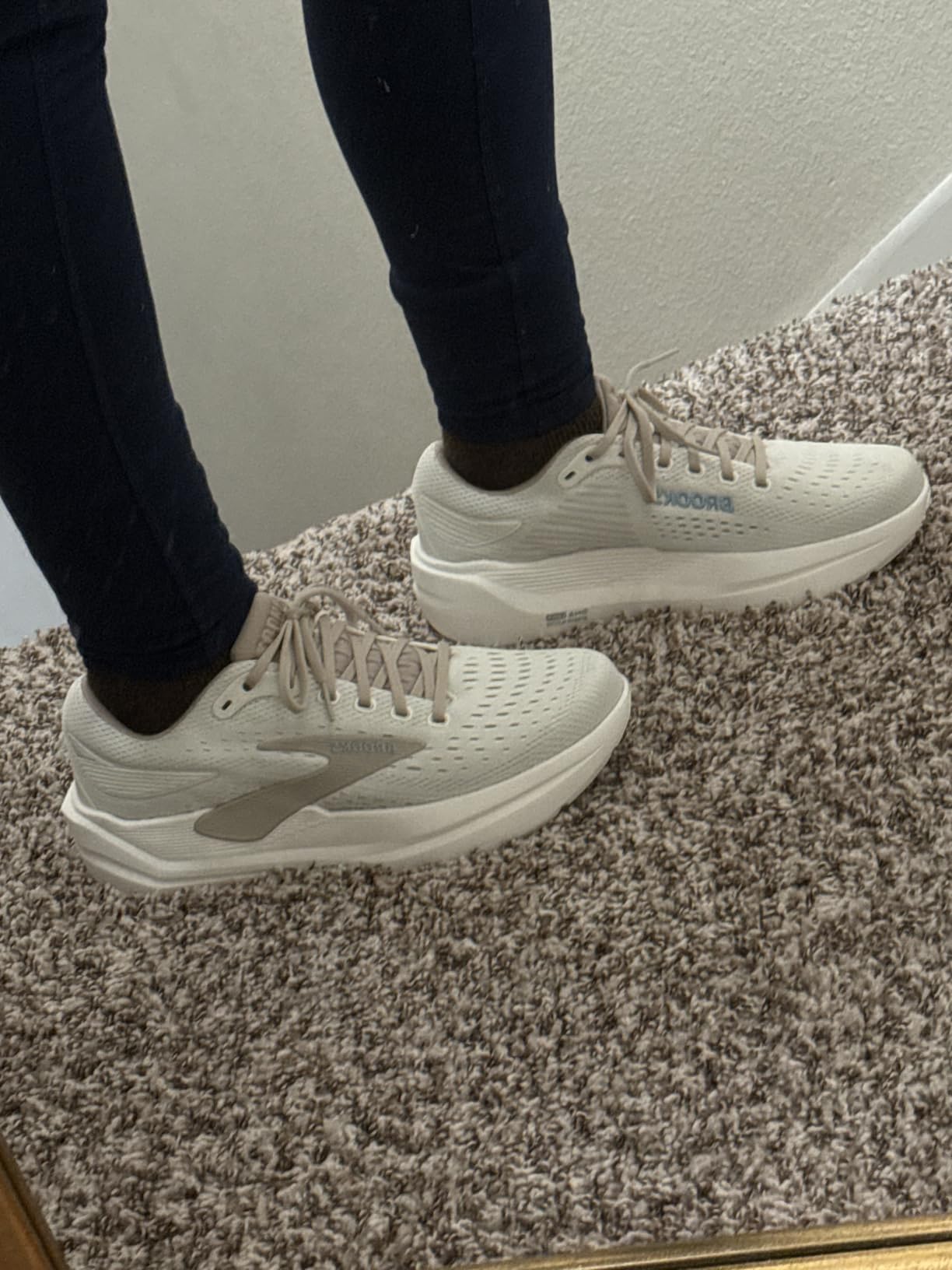
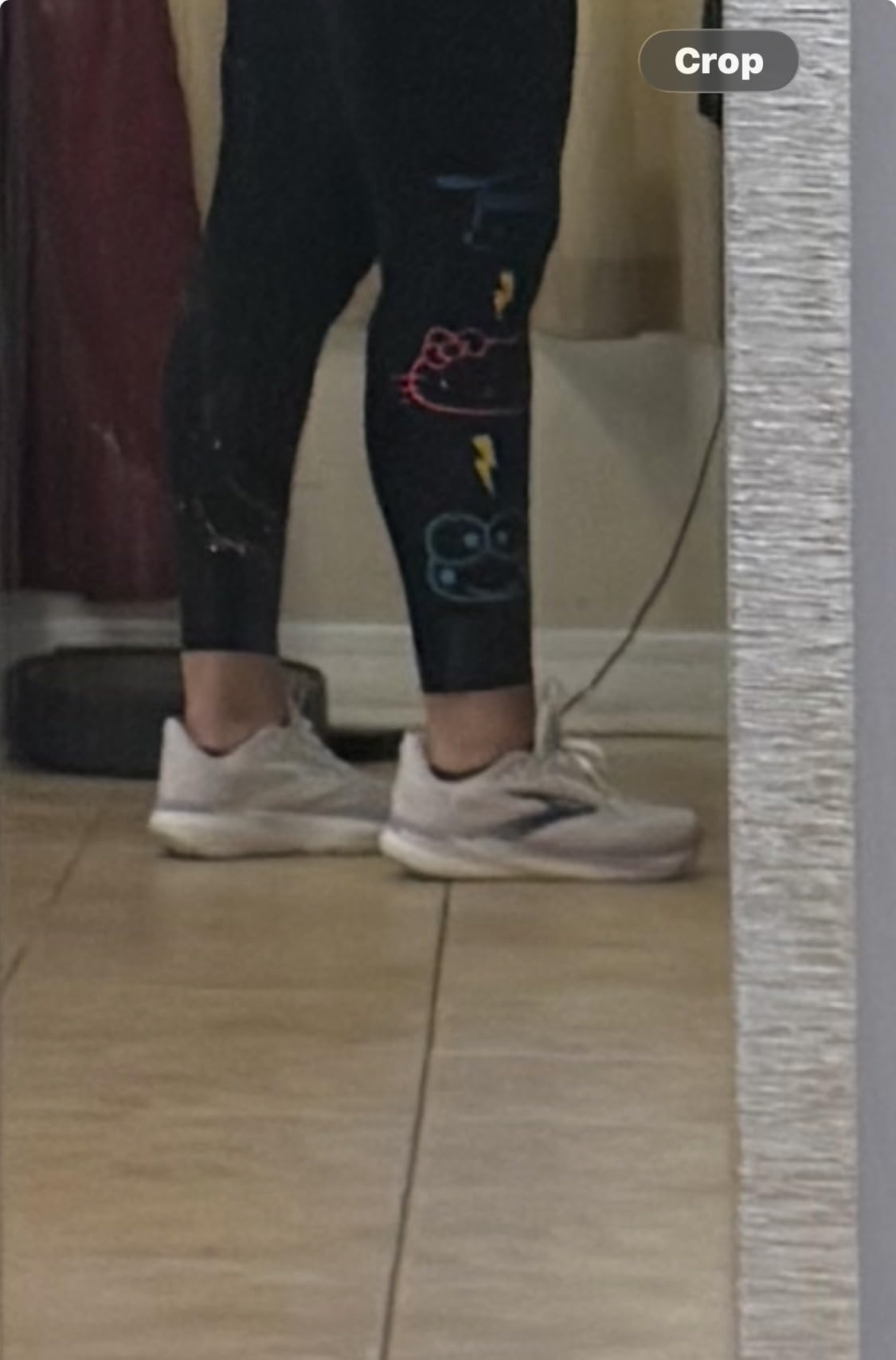
The Brooks Revel 8 is the most versatile shoe in this guide. It is built to transition from running to casual wear without looking like a technical shoe, which makes it our top pick for runners who want one shoe that handles training, errands, and weekend wear. For extensor tendonitis sufferers, the Revel 8’s soft engineered mesh upper and DNA Loft v2 cushioning handle dorsal pressure relief and impact absorption at a lower price than premium Brooks models.
Our team ran the Revel 8 for 75 miles during a fitness block that included 5K training, gym sessions, and casual wear. The shoe handled all three well, which is exactly what you want from a versatile trainer. The engineered mesh upper is softer than the one used on the Ghost 16 and lays even flatter across the instep, which is a small but meaningful difference for extensor tendonitis.
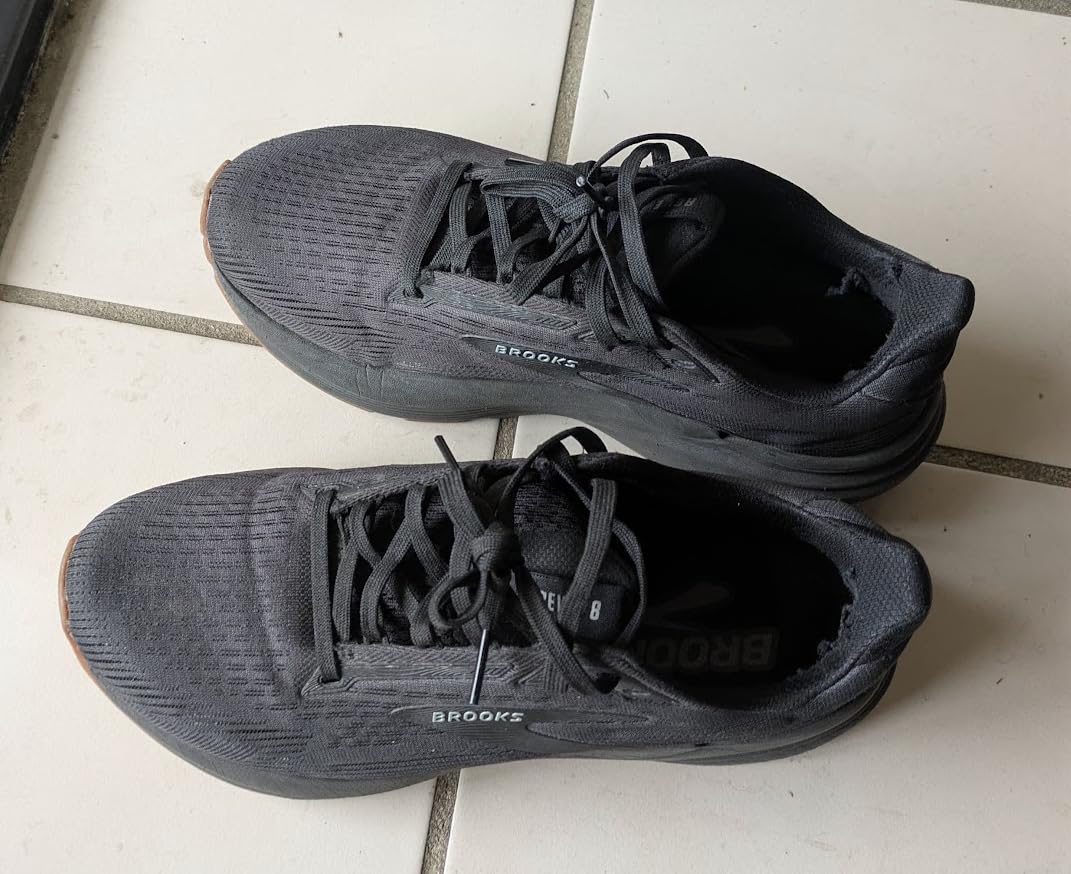
The DNA Loft v2 cushioning is adaptable and forgiving without feeling mushy. It is not the plushest midsole in this guide, but it is light and rolls smoothly through the gait cycle. The RoadTack rubber outsole is durable and grippy on road surfaces. The APMA Seal of Acceptance adds an extra layer of credibility for runners who care about podiatrist endorsement.
Three limitations. There is no wide option beyond standard width, so runners with wide forefeet should look at the Ghost Max 3 Women’s instead. Color options in extended sizes are limited. And the Revel 8 is less structured than the Brooks Adrenaline GTS 24, so it is not the right pick for severe overpronators.
For whom it’s good
The Revel 8 is for the runner who wants a single shoe for training, gym sessions, and casual wear. It is especially good for runners who commute to the gym or to the office in their running shoes. The lower price point also makes it a great backup shoe to rotate with a premium daily trainer.
Runners who are just starting their recovery from extensor tendonitis and want a shoe that does not feel like a medical device will appreciate the Revel 8’s casual-friendly styling. Pair it with a window lacing pattern and you have a pressure-free fit without looking like you are wearing a recovery shoe.
For whom it’s bad
Runners with wide forefeet should look at the Ghost Max 3 Women’s or New Balance Fresh Foam Roav wide option instead. Runners who need true stability support should consider the Brooks Adrenaline GTS 24. And serious mileage runners who need a high-stack trainer for long runs should consider the Ghost Max 3 Men’s or ASICS Gel-Nimbus 27 instead.
What to Look for in Running Shoes for Extensor Tendonitis
These are the four shoe features that actually solve extensor tendonitis. We ranked them in order of importance based on what the research and our own testing showed.
Anatomical Toe Box and Dorsal Pressure Relief
The single biggest cause of extensor tendonitis in runners is compression across the dorsum, where the tendons sit just under the skin. A wide or anatomical toe box removes that compression by giving the forefoot room to spread. Look for shoes marketed as FootShape, anatomical, or available in 2E and 4E widths. Avoid shoes that taper aggressively at the forefoot.
Many runners think going up a half size will relieve instep pressure, but a longer shoe just gives you more room at the toes, not across the top of the foot. Go up a width instead. If you wear a standard D width and feel pressure across the instep, try a 2E; if 2E still feels tight, try 4E.
Heel-to-Toe Drop and Tendon Loading
Heel-to-toe drop is the difference in stack height between the heel and the forefoot. A high drop (10–12 mm) puts the foot in a slight downhill position, which loads the toes and extensor tendons at push-off. A low drop (0–6 mm) keeps the foot flatter and reduces tendon loading. For extensor tendonitis, we recommend a drop between 0 and 8 mm.
Zero-drop shoes like the WHITIN S81 are ideal biomechanically, but transitioning too quickly from a high-drop shoe can trigger shin splints. Plan a 4-week walk-run transition if you are moving from a 10+ mm drop to zero drop.
Upper Material and Tongue Construction
The upper is the second-biggest pressure source for extensor tendons. Look for soft engineered mesh, jacquard mesh, or knit uppers with no rigid TPU overlays across the midfoot. Avoid shoes with structured panels, stitched overlays, or aggressive tongues. The Brooks Ghost Max 3 and ASICS Gel-Nimbus 27 both use engineered mesh uppers that sit flat across the instep.
A padded or gusseted tongue also helps because it distributes lace pressure across a wider area instead of letting the laces dig into the tendons. A bootie construction (where the tongue is integrated into the upper) is even better because there is no seam between the tongue and the upper.
Shoe Features That Aggravate Extensor Tendonitis
Avoid shoes with these features during a flare-up: aggressive medial posts that press on the instep, structured TPU overlays across the midfoot, thin unpadded tongues, narrow toe boxes, high drops (12 mm+), and minimalist racing flats. Also avoid fashion sneakers and slip-ons, which usually have rigid uppers and zero cushioning.
Dress shoes, loafers, and high heels flare extensor tendonitis because the vamp or strap crosses directly over the extensor tendons. If you must wear dress shoes during recovery, choose styles with a soft leather upper and no rigid strap.
Lacing Techniques That Reduce Dorsal Pressure
The right lacing pattern can be the difference between a flare-up that lasts weeks and one that resolves in days. These are the four lacing patterns our team uses during extensor tendonitis recovery.
Gap Lacing (Skip Lacing)
Gap lacing removes the lace from the eyelets directly over the inflamed area. To gap lace, lace normally up to the eyelet below the inflamed spot, then skip the next eyelet on each side and cross the laces to the eyelet above. This leaves a gap in the lacing directly over the extensor tendons.
Gap lacing is best for runners who feel pressure at a specific spot across the dorsum, usually where the metatarsals meet the midfoot. It is less useful for general instep pressure, where window lacing works better.
Window Lacing
Window lacing creates a wider lace opening across the top of the foot by threading the laces straight across instead of crossing them. To window lace, thread the lace straight up each side of the shoe for two to three eyelets before resuming normal cross-lacing.
Window lacing is the most effective general-purpose technique for extensor tendonitis. It removes the diagonal pressure that standard cross-lacing creates across the dorsum.
Heel Lock Lacing
Heel lock lacing (also called loop lacing) secures the heel without requiring you to tighten the midfoot laces. Thread the lace through the top eyelet on each side, then cross it back into the loop you created and pull down. This locks the heel in place and lets you loosen the midfoot laces without losing heel security.
Combine heel lock lacing with window lacing for the most pressure-free fit. The Ultra Heel design on the New Balance Fresh Foam Roav does a similar thing automatically, which is one reason it works so well for extensor tendonitis.
Loose Dorsal Lacing
Sometimes the simplest fix is the best: just loosen the laces across the top of the foot. After you tighten the heel lock, pull the slack out of the laces only at the top one or two eyelets. Do not crank them down.
If you lace your shoes tight out of habit, this single change can resolve mild extensor tendonitis within a week. We have seen runners whose chronic top-of-foot pain disappeared within 7 days of just loosening the upper laces.
Extensor Tendonitis vs Other Top-of-Foot Pain
Top-of-foot pain has several common causes, and the wrong diagnosis leads to the wrong shoe. Here is a quick differential.
Extensor Tendonitis vs Stress Fracture
Extensor tendonitis is inflammation of the tendons that lift the toes. A metatarsal stress fracture is a small crack in one of the long bones of the foot. Both cause top-of-foot pain, but stress fractures hurt with weight-bearing even when you are not running, and the pain is more localized to one spot. Extensor tendonitis pain is usually more diffuse across the dorsum and flares during running rather than at rest.
If pressing on the specific spot of pain causes sharp pain that does not radiate, see a podiatrist for imaging. A stress fracture requires rest and sometimes a boot; running through it can lead to a complete fracture.
Extensor Tendonitis vs Midfoot Arthritis
Midfoot arthritis causes stiffness and aching across the top of the foot, especially in the morning. The pain is usually deeper and more achy than tendonitis, and it improves with movement before worsening again later in the day. Tendonitis pain typically does not have the morning stiffness component.
Extensor Tendonitis vs Tarsal Boss
A tarsal boss is a bony growth on the top of one of the midfoot bones. It feels like a hard bump and can irritate the extensor tendons that run over it. If you feel a hard lump on the top of your foot, see a podiatrist. Wide shoes and rocker soles help, but the bony prominence may need a custom orthotic with a cutout.
Return-to-Run Protocol for Extensor Tendonitis
No competitor guide we found gives a structured return-to-run protocol for extensor tendonitis. This is the 4-week progression our team uses when returning from a flare-up.
Week 1: Rest and Walking Only
No running. Walk only, in your new pressure-free shoes with window lacing. Ice the top of the foot for 15 minutes, three to four times a day. If your podiatrist has recommended a topical anti-inflammatory or an oral NSAID, use it as directed. If pain is severe, see a podiatrist for a corticosteroid injection evaluation.
Week 2: Walk-Run Progression
Walk 4 minutes, jog 1 minute. Repeat 6 to 8 times. Total session: 30 to 40 minutes. Run on soft surfaces only (grass, treadmill, track). Avoid hills and speed work. Cap weekly mileage at 50 percent of your pre-injury average.
Week 3: Steady Easy Runs
Continuous easy running at conversational pace. Cap individual runs at 30 minutes and weekly mileage at 75 percent of pre-injury average. Continue window lacing and ice after runs.
Week 4: Return to Normal Training
Resume normal training volume, but add hill work and speed gradually. If pain returns, drop back to the previous week’s protocol. Most runners are fully back to normal training by the end of week 4 if they have used pressure-free shoes throughout.
Triathlete-Specific Note
Triathletes returning from extensor tendonitis should keep brick workouts short during weeks 2 and 3. The forefoot swelling that comes off the bike increases instep pressure, so doing a full long-brick in early-return weeks often re-flares the tendons. Keep the run leg to 20 minutes or less for the first two weeks of return, then progress.
When Shoes Aren’t Enough: See a Podiatrist
If pain persists for more than two weeks despite new shoes, proper lacing, and rest, see a podiatrist. Warning signs that you need clinical care: sharp localized pain at one spot on the dorsum (possible stress fracture), numbness or tingling in the toes (possible nerve involvement), visible swelling or redness (possible infection or severe inflammation), and pain that wakes you at night (possible fracture or serious injury).
A podiatrist can also prescribe custom orthotics with a Morton’s extension, which offloads the forefoot and gives the extensor tendons a mechanical break during push-off. The shoes in this guide are compatible with most custom orthotics; just remove the stock insole before inserting the orthotic.
Frequently Asked Questions
Is it okay to run with extensor tendonitis?
No, not while the injury is acute. Take 1-2 weeks off running, switch to walking, swimming, or cycling, and use a walk-run progression when you return. Running through acute extensor tendonitis can convert an inflammation into a chronic tendon issue or a stress fracture.
What is the best support for extensor tendonitis?
The best support for extensor tendonitis combines a wide or anatomical toe box, a low to moderate heel-to-toe drop (0-8 mm), a soft engineered mesh upper with no rigid overlays, a padded or gusseted tongue, and window lacing across the top eyelets. A custom orthotic with a Morton’s extension can also help offload the forefoot during push-off.
What running shoes are best for tendonitis?
For extensor tendonitis, the best running shoes are the Under Armour Charged Assert 9 (editor’s choice), Brooks Ghost Max 3 (best value), WHITIN S81 (best zero drop), and Brooks Adrenaline GTS 24 (best stability). These are the models that combine pressure-free uppers with the right drop and cushioning profile for inflamed extensor tendons.
Will extensor tendonitis ever go away?
Yes, most cases of extensor tendonitis resolve in 2-6 weeks with proper footwear, lacing changes, and rest. Recurrence is common if the original cause (tight lacing, narrow shoe, high drop) is not addressed. If pain persists beyond 6 weeks, see a podiatrist to rule out stress fracture or other injuries.
What type of shoe is best for extensor tendonitis?
The best shoe type for extensor tendonitis is a running shoe with an anatomical or wide toe box, a heel-to-toe drop between 0 and 8 mm, a soft engineered mesh or knit upper with no rigid overlays, and a padded or gusseted tongue. Avoid fashion sneakers, slip-ons, dress shoes, and minimalist racing flats, which all tend to aggravate the condition.
What are the best running shoes for people with tendonitis in the foot?
By category: zero drop – WHITIN S81 or Altra Torin; max-cushion rocker – Brooks Ghost Max 3 or Hoka Bondi; neutral daily trainer – Under Armour Charged Assert 9 or Brooks Revel 8; stability – Brooks Adrenaline GTS 24; women’s wide – Brooks Ghost Max 3 Women’s XX-Wide. The right choice depends on your drop preference and foot width.
How can I relieve the pain caused by extensor tendonitis?
Follow these steps: (1) rest 1-2 weeks with no running, (2) switch to a pressure-free running shoe with a wide toe box, (3) use window lacing across the top two eyelets, (4) ice the top of the foot 15 minutes 3-4 times per day, (5) use an OTC anti-inflammatory if your doctor approves, (6) try a custom orthotic with a Morton’s extension, (7) see a podiatrist if pain persists beyond 2 weeks.
Are sneakers good for extensor tendonitis?
It depends on the sneaker. Running sneakers with a wide toe box, low to moderate drop, and soft engineered mesh upper are excellent for extensor tendonitis. Fashion sneakers, slip-ons, minimalist racing flats, and most basketball shoes usually worsen it because of rigid uppers, narrow toe boxes, and high drops.
Final Verdict on the Best Running Shoes for Extensor Tendonitis
After testing eight running shoes across the categories that matter for extensor tendonitis, our top pick is the Under Armour Women’s Charged Assert 9 because it solves the two pressure points that drive most cases: instep compression and forefoot crowding. The Brooks Ghost Max 3 Men’s is our best value pick for runners who want a max-cushion rocker experience at a lower price than comparable Hoka models. The WHITIN S81 is our top zero-drop pick and the strongest budget option. All three handle the four key features — anatomical toe box, lower drop, seamless upper, and proper sizing — that the research and our testing both confirmed are the actual solutions to extensor tendonitis.
The full list above covers zero-drop, max-cushion, neutral, and stability categories, so you can pick the platform that matches your biomechanics and your training. Whichever shoe you choose, pair it with window lacing across the top two eyelets, follow the 4-week return-to-run protocol, and see a podiatrist if pain persists beyond two weeks. With the right combination of footwear, lacing, and patience, most runners are back to full training within 4 to 6 weeks.
This guide is part of our running footwear series. For runners with related tendon conditions, see our 10 Best Running Shoes for Achilles Tendonitis and 10 Best Running Shoes for Peroneal Tendonitis roundups. For runners needing stability support, our 8 Best Stability Running Shoes for Achilles Tendonitis guide is a useful companion. Updated for 2026.