
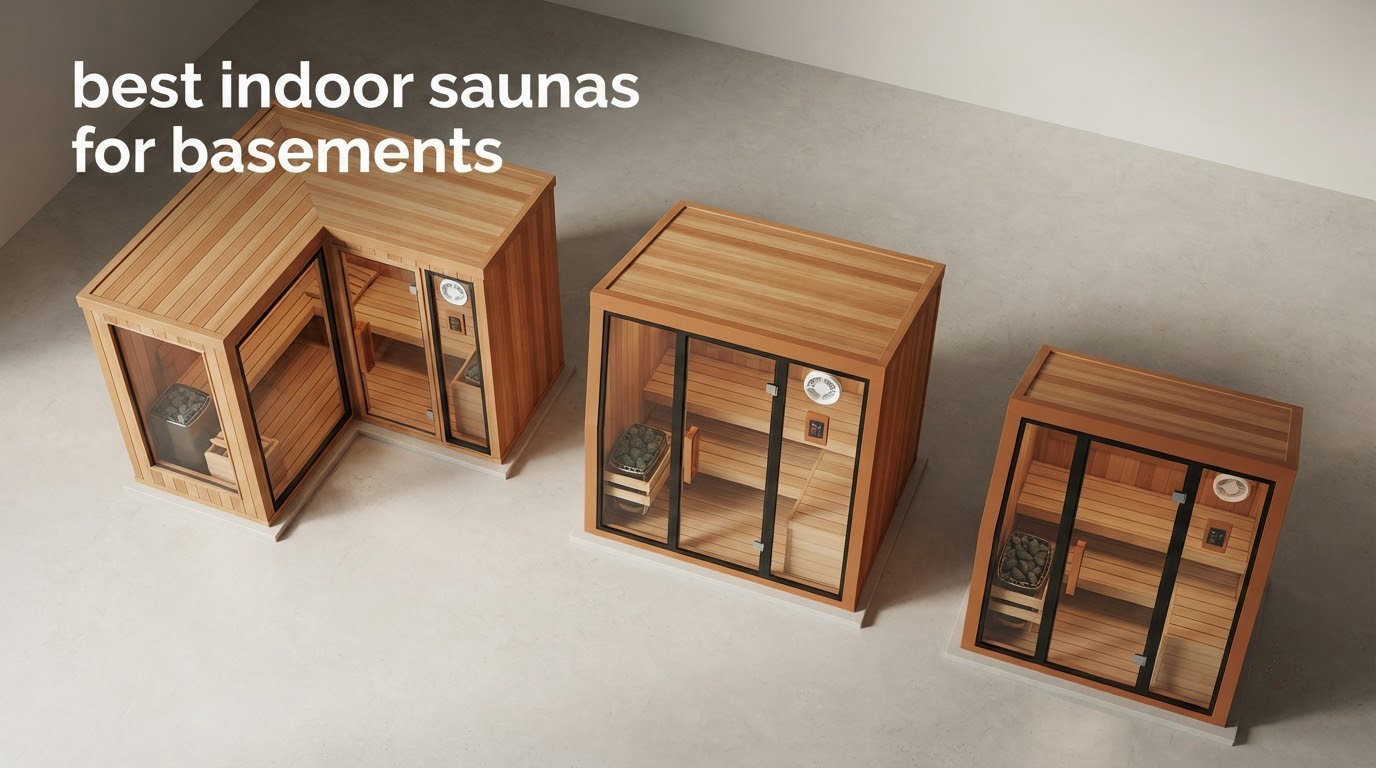
If you have a basement, you already have the most popular location in the country for an indoor sauna. It is climate-controlled, it is usually unused during the day, and it almost always has the one thing an upstairs spare room does not have: a ceiling tall enough to stand in and a floor that can take a wet room.
The problem is that almost every roundup online ignores the basement. They rank cabins on price, capacity and wood species, then leave you to figure out whether the thing physically fits through a stairwell, whether your panel can carry the load, and where the wet air is supposed to go once the session ends. Those three questions decide whether a sauna in your basement is a pleasure or a mold problem.
So we screened the available cabins against basement constraints instead. Footprint, ceiling clearance, circuit load, vent path, warm-up time in an unheated room and how the unit behaves after you stop sweating. Every pick below has a basement-specific verdict, including who it is wrong for. We also cover [the dehumidifiers worth having on standby](https://www.nauticamalibutri.com/best-commercial-dehumidifiers-for-basements/), since dry-down is the step most owners skip and regret.
One thing to know before you read further: none of the ten cabins in this roundup is a 240V rock-heater sauna. Every one runs on a standard 110V or 120V circuit, and two are portable steam tents. That is a deliberate fit for basements, where a subpanel and a new circuit are the most common reasons a project stalls, and it shapes every recommendation here.
Table of Contents
Which Sauna Type Works Best in a Basement
For most basements, a 120V infrared cabin is the best type. It reaches a comfortable 135-150F on a fifteen-amp circuit, needs no steam, and adds far less moisture to a below-grade room than a rock-heater sauna. A traditional Finnish sauna is the better choice only if your basement is dry, well insulated and can support a 240V dedicated circuit. Portable steam tents work when you cannot hardwire anything at all.
Below-grade space changes the physics. Warm air rises, and in a basement that means heat and moisture collect against the ceiling and the underside of the floor above you, where nobody looks at them. A dry infrared cabin puts far less water into the room than löyly ever will, which is why every pick in the list below is a dry-heating unit.
Top 3 Picks for Basement Saunas
These are the three that handled basement conditions best across the whole group: two-person capacity, dual-wall heat retention, a circuit a standard basement outlet can carry, and a weight that two people can get up basement stairs.

JNH Lifestyles Joyous 2-Person
- 7 far infrared carbon panels
- Canadian hemlock low EMF
- 47.3 x 39.5 x 75 in
- 250 lb

Dynamic Saunas Andora 2-Person
- 6 low EMF carbon panels
- 43 x 37 x 68 in interior
- Red light therapy
- Standard 15A 120V plug

OUTEXER Far Infrared 1200W
- 1200W on a 15A circuit
- 27 x 35 x 60.98 in footprint
- Canadian hemlock
- Tempered glass
Best Indoor Saunas for Basements at a Glance in 2026
All ten are screened for basement fit. Pay attention to the footprint and the circuit type before anything else, because those two columns decide whether a unit can physically go where you want it.
| Product | Specifications | Action |
|---|---|---|
| JNH Lifestyles Joyous 2-Person Far Infrared |
|
Check Latest Price |
| Dynamic Saunas Andora 2-Person Infrared |
|
Check Latest Price |
| OUTEXER Far Infrared Sauna 1200W |
|
Check Latest Price |
 DAIMOT 2-Person Full Spectrum Infrared DAIMOT 2-Person Full Spectrum Infrared |
|
Check Latest Price |
 X-Vcak 1-2 Person Infrared Sauna X-Vcak 1-2 Person Infrared Sauna |
|
Check Latest Price |
 Kanlanth 1-Person Far Infrared 950W Kanlanth 1-Person Far Infrared 950W |
|
Check Latest Price |
 Homsido 1-Person Hemlock Infrared Homsido 1-Person Hemlock Infrared |
|
Check Latest Price |
 KUNSANA Ceramic 2-Person Infrared KUNSANA Ceramic 2-Person Infrared |
|
Check Latest Price |
 X-Vcak 2-Person Portable Steam Tent X-Vcak 2-Person Portable Steam Tent |
|
Check Latest Price |
 SereneLife Portable Steam Sauna Tent SereneLife Portable Steam Sauna Tent |
|
Check Latest Price |
1. JNH Lifestyles Joyous 2-Person Far Infrared Sauna – Best Overall for a Basement
- Even heat from 7 carbon panels
- Thin dual walls hold heat efficiently
- Chromotherapy LED lighting
- Built-in Bluetooth audio
- Two-person assembly job at 250 lb
- Tight interior for larger adults
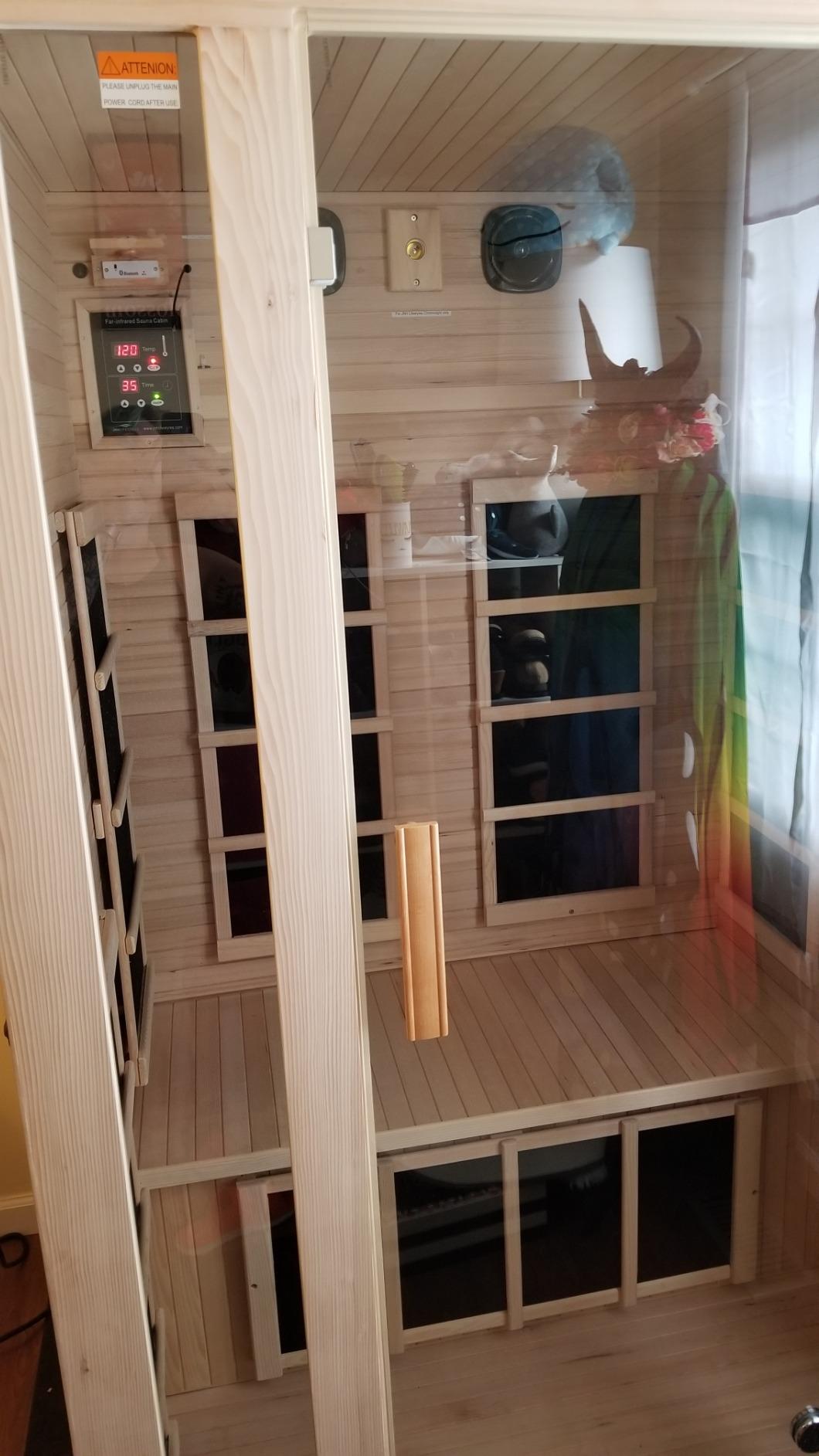
This is the cabin we kept coming back to. At 47.3 by 39.5 by 75 inches it is a genuine two-person interior without taking a full corner of the room, and the thin dual-wall construction is the detail that matters below grade. It holds its heat in a space that never sees direct sun.
With 1437 ratings averaging 4.5, it carries by far the deepest review history of any wooden cabin in this group, and that matters more than usual here. A below-grade room holds more variables than a bedroom, so we want a product with a long public track record rather than a brand-new listing with three reviews.
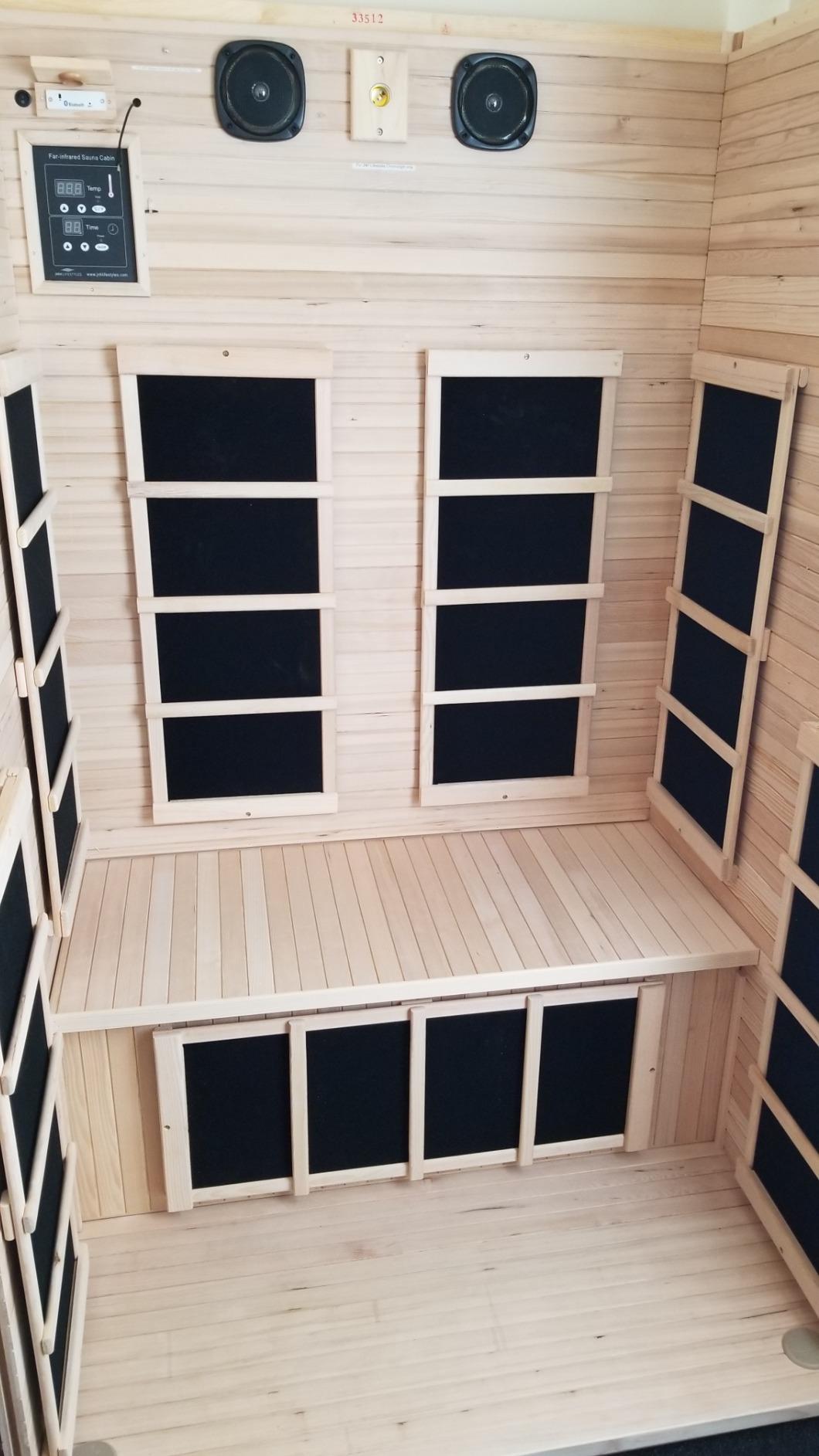
The heat comes from seven carbon fiber far infrared panels spread around the walls, which owners credit for even sweating rather than a hot spot behind the bench. Chromotherapy lighting and Bluetooth audio are included, not sold separately, and both work without any app or account.
For a basement, the useful part is what the cabin does not do. There is no steam, so there is no löyly, and the moisture load on your room is close to what a normal shower produces. That is the single biggest reason this unit works below grade without a dedicated dehumidifier plan.
Why it fits a basement well
At 250 pounds you will want a second person and a clear path from the stairwell. Measure the doorway and the stair turn before you order, because 250 pounds is a two-person move and it does not arrive in one box.
Its 75-inch height fits a standard seven-foot basement ceiling with room for the top vent to work. The narrow depth means it can sit against a foundation wall rather than in the middle of the room, which keeps your egress path clear.
Where it falls short
Two average-sized adults fit well. Two larger adults will find the two-level bench snug, and that is the most common complaint across the reviews. If your household is tall, move up to a wider cabin.
It is dry heat only, with no steam and a lower ceiling temperature than a rock-heater sauna. If you want löyly, this is not the sauna for you, and no 120V plug-in cabin in this roundup is.
2. Dynamic Saunas Andora 2-Person Infrared Sauna – Best Roomiest Full-Size Cabin
- Full-size two-person cabin on a 15A plug
- Assembles on any hard floor in about an hour
- Roomy side-by-side seating
- Five-year limited warranty
- 40-60 minutes to full temperature
- Top temp lands in the 140s
- 319 lb and no backrest included
If you have ever sat in a two-person infrared cabin and felt your knees touch, this is the upgrade. The 43 by 37 by 68 inch interior is the largest we found that still runs on a standard fifteen-amp, 120-volt plug, and it seats two average-sized adults side by side with real leg room.
Owners in Minnesota basements and climate-controlled lower levels report strong sweating and easy assembly. Verified buyers in colder climates mention it directly, and a below-grade room in a northern climate is exactly where a roomy cabin earns its footprint.
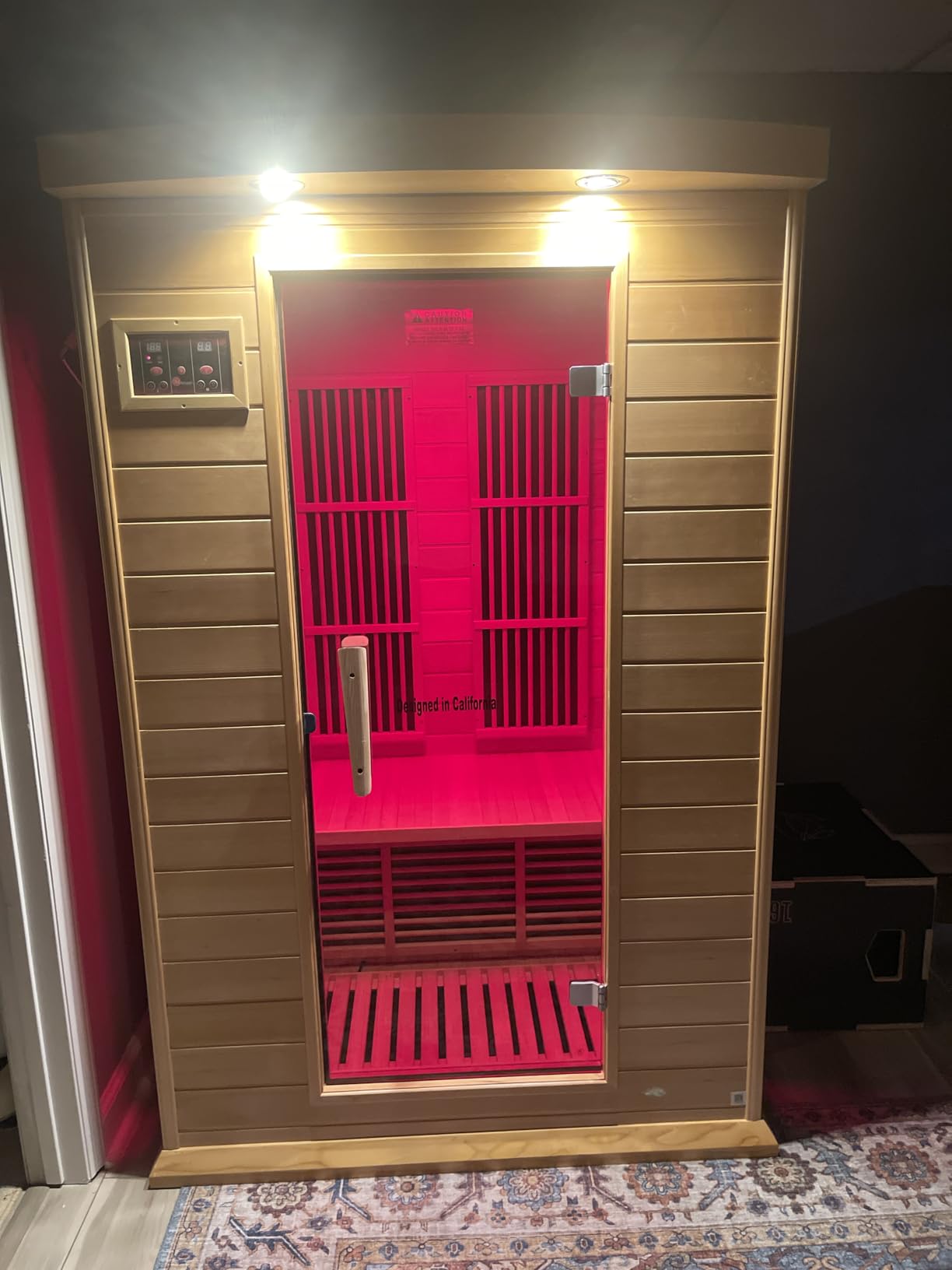
It assembles in about an hour on a standard fifteen-amp outlet, which removes the electrician from the project entirely. That single fact is why it lands at number two instead of lower: on a finished basement, avoiding a new circuit is worth more than a faster warm-up.
Blue tooth and MP3 input with built-in speakers and a pre-amp are included, along with red light therapy and an optional white reading light. The five-year limited warranty is indoor use only, which is precisely where you will put it.
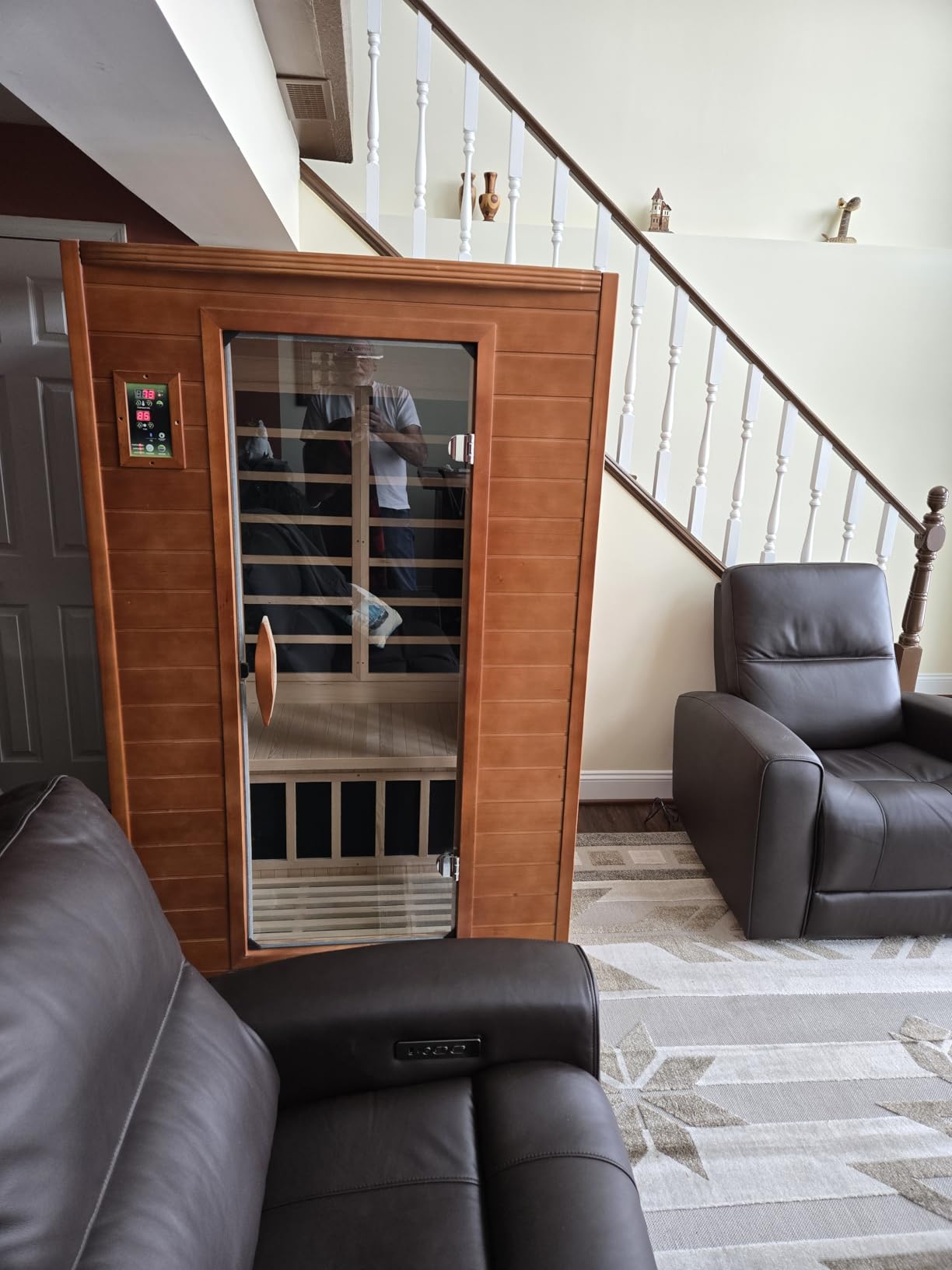
Why it fits a basement well
At 319 pounds this is the heaviest unit in the roundup, so plan the delivery path. Two people and a furniture dolly get it up a typical stairwell; a single-person move is not realistic.
It works on a 120V outlet at floor level, which most finished basements already have. A 135F recommended range and a documented comfort band of 115F to 130F mean a longer, gentler session than the tighter cabins.
Where it falls short
Warm-up is 35 to 60 minutes, and longer in a cold below-grade room. If you want a quick sweat after a workout, that wait is real and it is the biggest reason to skip this one.
The ceiling temperature typically lands in the 140s rather than the advertised figure, and the unit can be slightly drafty until you seal it with weatherstripping. A backrest is not included, which is an easy add but worth knowing.
3. OUTEXER Far Infrared Sauna 1200W – Best for a Small Basement Footprint
OUTEXER Far Infrared Sauna Home Sauna Spa Room Canadian Hemlock Wood 1200W
- Strong output for the draw
- Very small footprint
- 1200W on a standard circuit
- Seven year after-sales service
- One-person interior is tight above six feet
- Basic speakers and lighting
This is the pick when your basement corner is small, awkward or already full of mechanicals. At 27 by 35 by 61 inches it has the tightest footprint of any wooden cabin we looked at, and 1200 watts on a standard circuit is about as much performance as a fifteen-amp outlet will give you.
Canadian hemlock is a good insulator and a good basement material, because it is a softwood that does not load the room with resin. Buyers consistently mention quick heat-up, solid construction and tempered glass that feels well above the price tier.
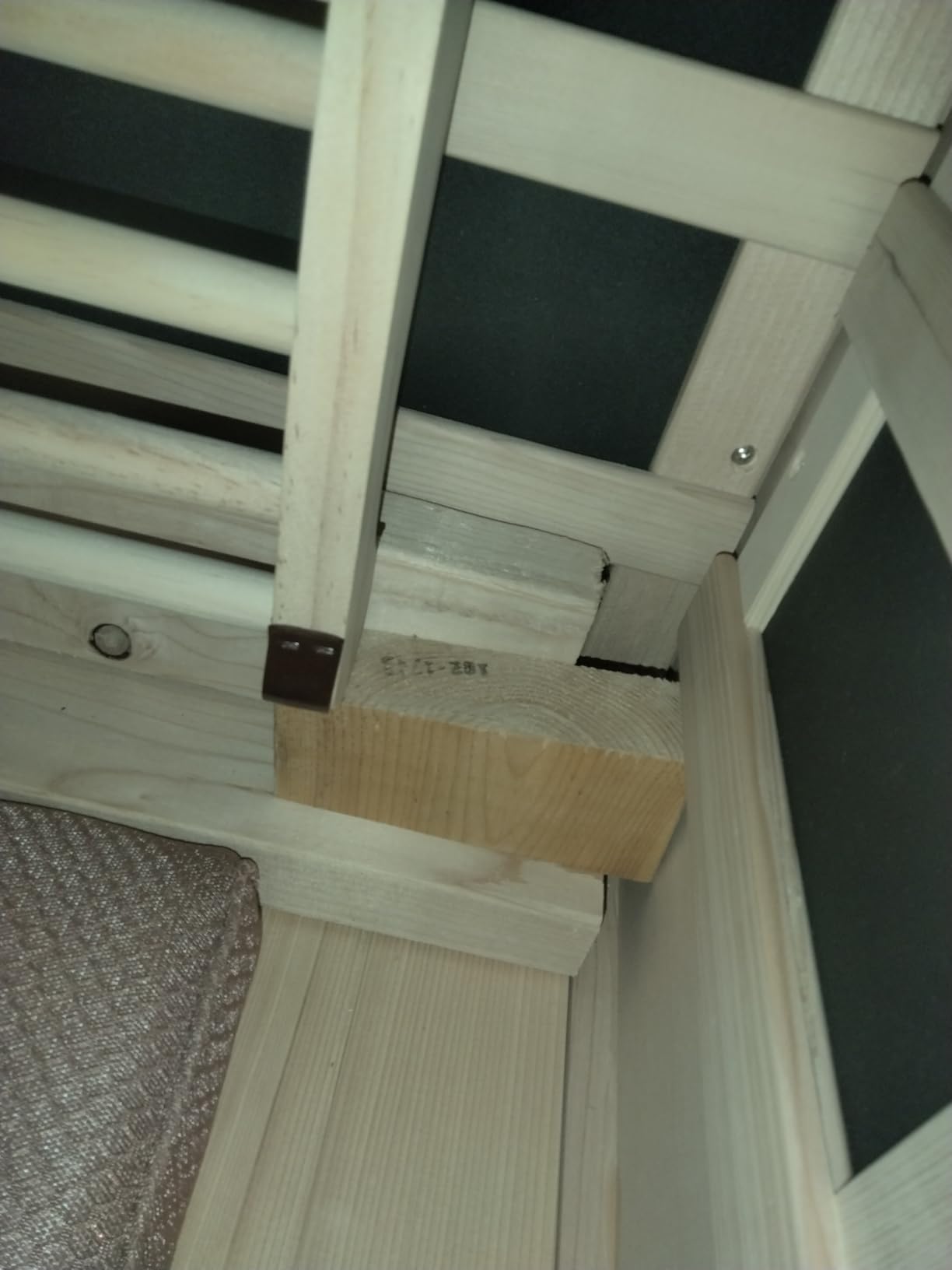
Six low EMF carbon panels are joined by an independently controlled bottom heating plate, which warms the floor of the cabin rather than only the air. Owners notice the difference in cold basements, where the floor of a traditional cabin is the coldest part of the session.
Temperature runs from 68F to 149F with automatic temperature control, a timer, and system and hardware protection. The water-based painted seats and foot grid are a sensible detail in a basement, where an unfinished surface would absorb moisture.
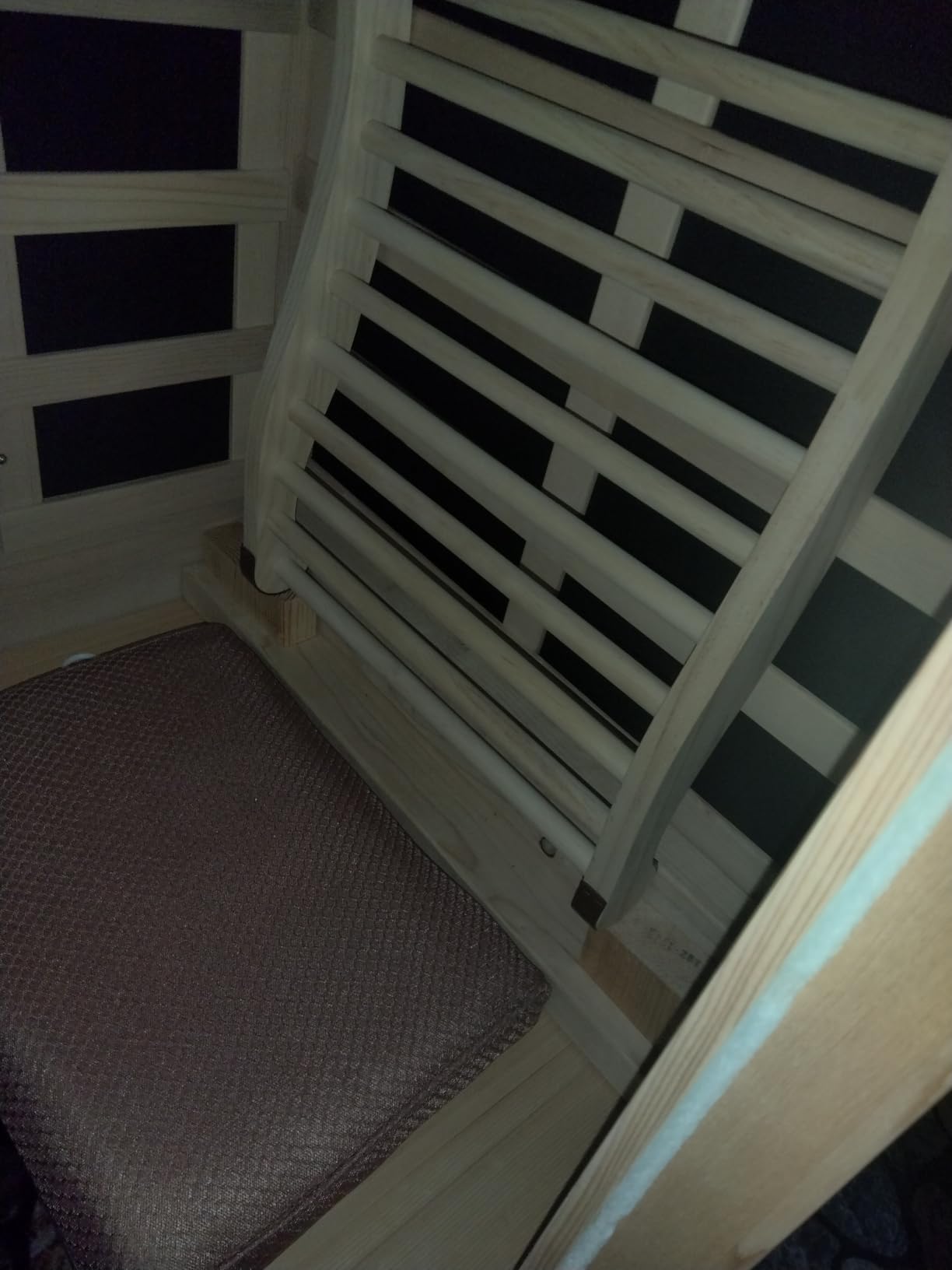
Why it fits a basement well
At just over five feet tall, it clears the lowest ceiling you are likely to have and can slide under a low-hung bulkhead. The narrow profile lets it sit between a furnace and a foundation wall, which is where most people actually have space.
Seven year after-sales service with a US-based support team is a meaningful advantage for a cabin you will keep for years in a room that is hard to reach. Response time matters more below grade, where a small part is a much bigger deal.
Where it falls short
It is a one-person interior. Sitting is fine for anyone over roughly six feet, standing is not, and you will not be sharing the session.
The two speakers and seven-color therapy light are functional rather than good, so plan your own audio if music matters to you. This is also a dry far infrared cabin with no red light panel, so the feature list is shorter than some competitors here.
4. DAIMOT 2-Person Full Spectrum Infrared Sauna – Best Heat Type for Cold Basements
- Full spectrum near mid and far infrared
- Ten minute warm-up from dual tubes
- Large 12 x 12 in red light panel
- ETL certified
- Needs a dedicated 20-amp circuit
- Hard surface required for assembly
- Small review base
Full spectrum means this cabin runs near, mid and far infrared together, not far infrared alone. Owners single out the heat type as the reason it feels different, and a 10-minute warm-up from dual heating tubes plus six panels is among the fastest in the roundup.
That speed is the basement argument. An unheated below-grade room starts cold, and a 10-minute cabin fits into the gap between getting home from work and dinner in a way a 60-minute cabin never will.
At 4.8 across 61 ratings, it has the cleanest rating profile in the group, with no ratings below three stars. The review base is small, and we treat that as the real trade-off rather than a reason to leave it out.
The feature list is long for a 120V unit: a 12 by 12 inch red light therapy panel, built-in air purification, a reading lamp, dual LED controls, Bluetooth, FM radio and USB. Assembly takes about an hour.
Why it fits a basement well
The 44 by 36 by 70 inch interior is genuinely spacious for two adults, and 70 inches clears a seven-foot ceiling. A dedicated outlet is easier for an electrician to add than a 240V subpanel, which is what makes this practical in a finished space.
ETL certification is a real specification worth having on a device that runs unattended on a timer. Built-in air purification also helps in a room that shares air with the rest of the basement.
Where it falls short
At 1990W it needs a dedicated twenty-amp circuit, which is more demanding than a standard fifteen-amp basement outlet. If your panel cannot spare it, this is the wrong cabin.
Assembly requires a hard surface, so a carpeted basement will not work. And with 61 ratings, the long-term record here is not yet proven the way it is for the two cabins above.
5. X-Vcak 1-2 Person Infrared Sauna – Best for Under 7 Foot Ceilings
- Narrow 40 inch footprint suits tight corners
- Heats quickly and holds temperature
- Red light plus seven therapy colors
- Bookshelf towel rack and cup holder
- Only 39 ratings
- Interior tight for two larger adults
At 40 by 36 by 73 inches this is the pick when your basement ceiling is under seven feet and you want a real two-person cabin rather than a single seat. The narrow width is the whole point: it slides against a wall where a 47-inch cabinet will not.
Buyers report fast heat-up, well-made wood, sturdy tempered glass and Bluetooth that pairs on the first try. One verified buyer set it up beside a basement home gym, which is a fairly typical use and a demanding one for airflow.
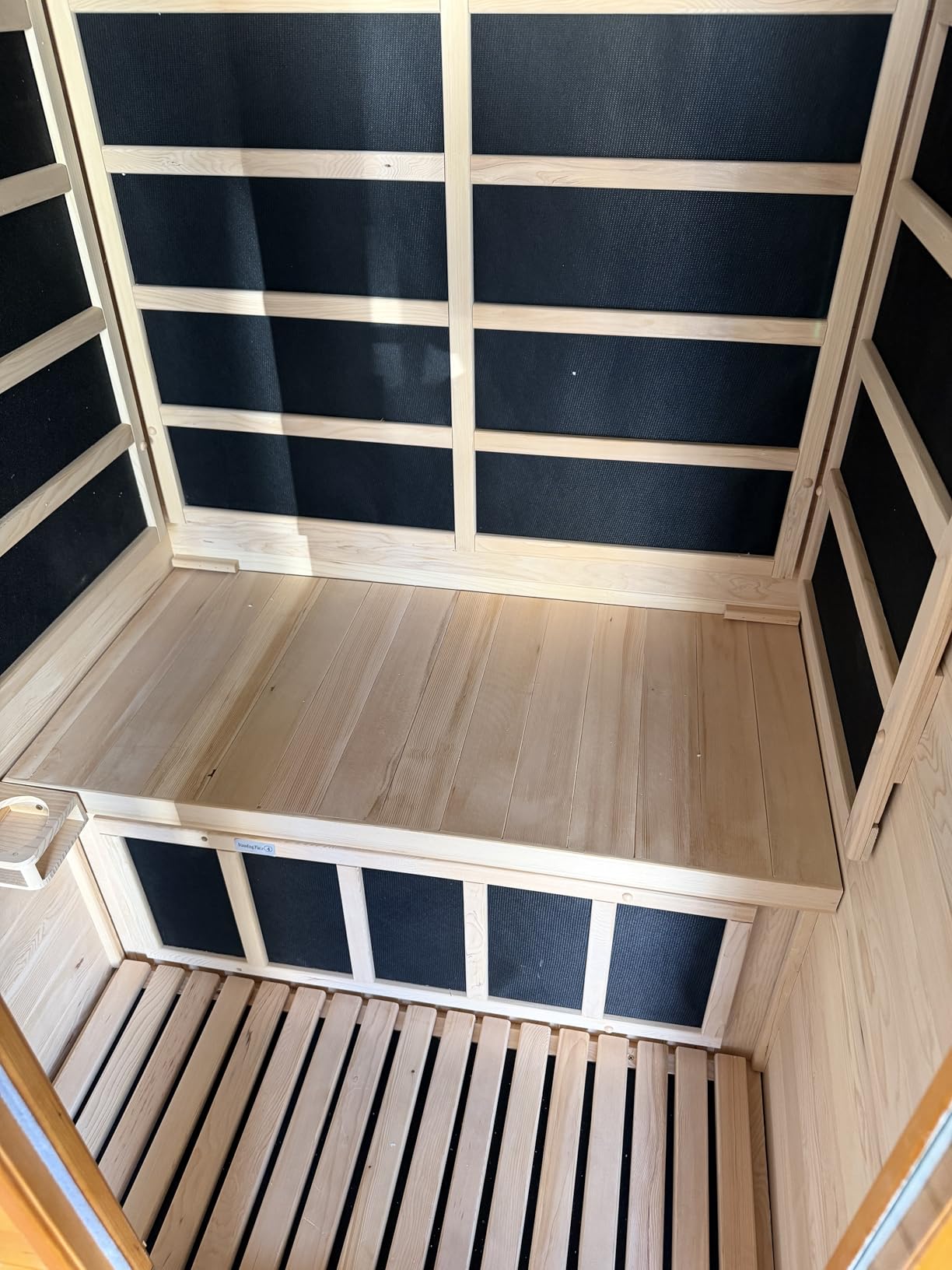
Temperature runs 66F to 150F on 1450W across six large panels, with a 1 to 99 minute timer. A recommended session is 10 to 15 minutes, which is dry-heat practice and keeps the moisture load on the room low.
The built-in top ventilation hole is a detail that only matters below grade, where a sealed cabin has nowhere to bleed air. Leave it clear and you have a simple, passive fresh-air path without cutting a wall for a vent.
Why it fits a basement well
At 73 inches it is one of the shortest two-person cabins here, and the narrow depth helps it clear a low-hung duct or a bulkhead. The 40-inch width is the dimension to measure against your longest available wall.
Three-prong plug leakage protection and a tempered glass door with film on both sides are sensible additions in a below-grade room. A bookshelf and towel rack inside keep the rest of the shelf clear.
Where it falls short
With 39 ratings, it has the smallest review base in the roundup, and the reviews are recent. Weight of 231 pounds means two people for the move.
Two average-sized adults fit. Two larger adults will find the interior tight, and there is no steam, so this is a dry-heat sauna only.
6. Kanlanth 1-Person Far Infrared Sauna 950W – Best for the Tightest Corner
Kanlanth 1 Person Far Infrared Sauna, Low EMF Indoor Dry Home Sauna, 950W
- Lowest wattage and easiest unit to circuit
- Compact 36.6 x 29.3 in footprint
- Reaches 140F in about 30 minutes
- Assembles in around 20 minutes
- Caps at 140F
- Too short to stand for taller users
- Some thermometers are inaccurate
At 36.6 by 29.3 inches and 950 watts, this is the easiest sauna in the roundup to install in a difficult basement. It runs from a standard 110-120V US plug with a 2.2-meter cord, and it assembles in about twenty minutes.
Owners in unheated basements and garages report reaching 140F in as little as 8 to 30 minutes, with strong perspiration. In a cold below-grade room that is the most valuable spec on the card, because a 950W draw in a small insulated volume heats fast.
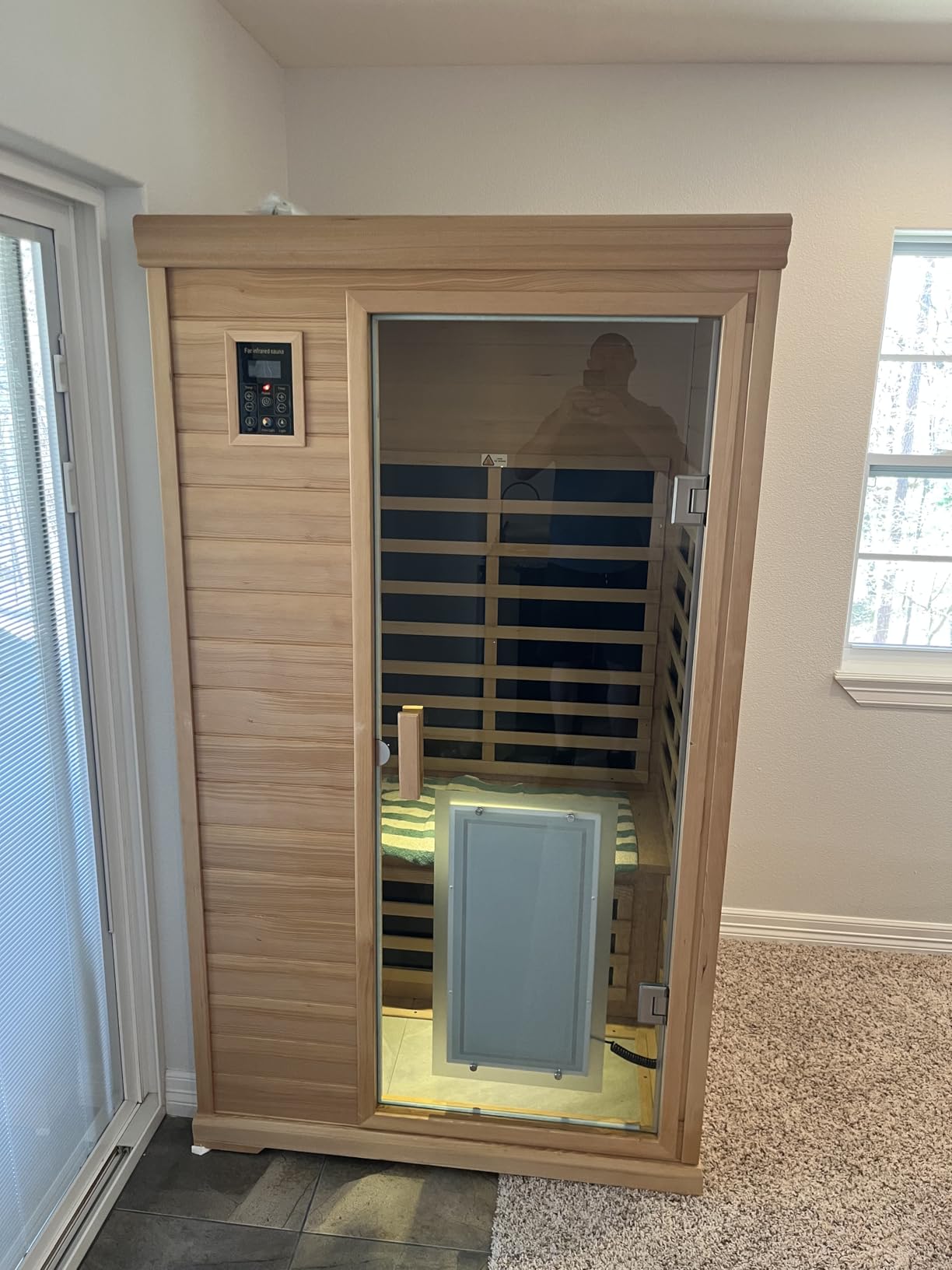
Five far infrared epoxy panels warm the cabin, with a 110C overheat protection sensor and a built-in ventilation port. Owners also note it is well insulated, with little effect on the temperature of the room it sits in, which matters under a finished floor above.
Solid spruce is lighter and less expensive than hemlock, and for a dry cabin that trade is worth taking. Bluetooth speakers sound good, and support responses are quick.
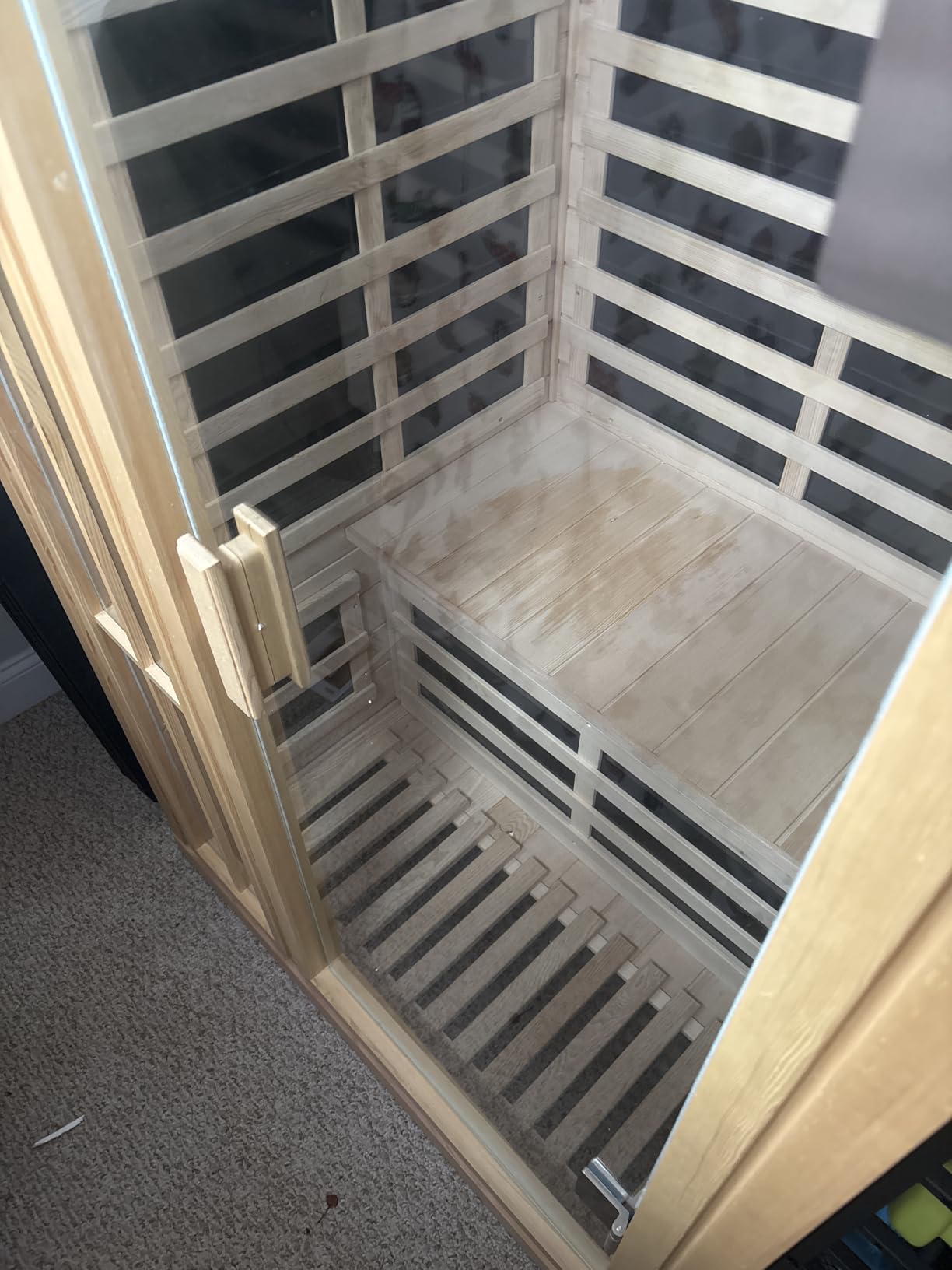
Why it fits a basement well
At 63 inches tall and under three feet wide, it works in a corner that no other cabin in this list will accept. A finished basement with a mechanical return, a low ceiling and a 36-inch wall is exactly the room this solves.
Low EMF, a standard plug, no circuit work and a twenty-minute assembly make this the least disruptive install of the ten. You can move it later if you change your mind about where it belongs.
Where it falls short
It is a one-person cabin, and the interior is snug for two. It is also too short to stand in for anyone over roughly six feet, so sitting comfort depends on your height.
Temperature caps at 140F, and the gauge on some units is not accurate, cycling in and out around the set point. One verified buyer received a unit with a non-functional thermometer, so check it on arrival.
7. Homsido 1-Person Hemlock Infrared Sauna – Best for a Mechanical Corner
- Compact footprint for a mechanical corner
- Reaches set temperature in 20-30 minutes
- Panels arrive pre-assembled
- Responsive parts support
- Very tight single seat
- 155.7 lb boxes are heavy
- Unfinished interior wood
The Homsido has the smallest footprint of any wooden cabin in the roundup at 32 by 34 inches, and that makes it the natural fit for a basement mechanical corner where a furnace or water heater already owns two walls. It runs on 110V with 1200 watts of carbon crystal heating plates.
Five infrared panels and a 10-minute pre-warm program reach set temperature in roughly 20 to 30 minutes and hold it through a session. That is a real advantage over the slower two-person cabins when the room itself is cold.

The tongue and groove modular design arrives in two packages with panels pre-assembled, so setup needs few tools. Natural hemlock insulates well and, in a below-grade room, its lower resin content matters compared with a heavier aromatic wood.
A negative ion oxygen bar circulates air through the cabin, and the LCD panel pre-sets both time and temperature. Bluetooth speakers and a vision-protection LED reading light are built in.
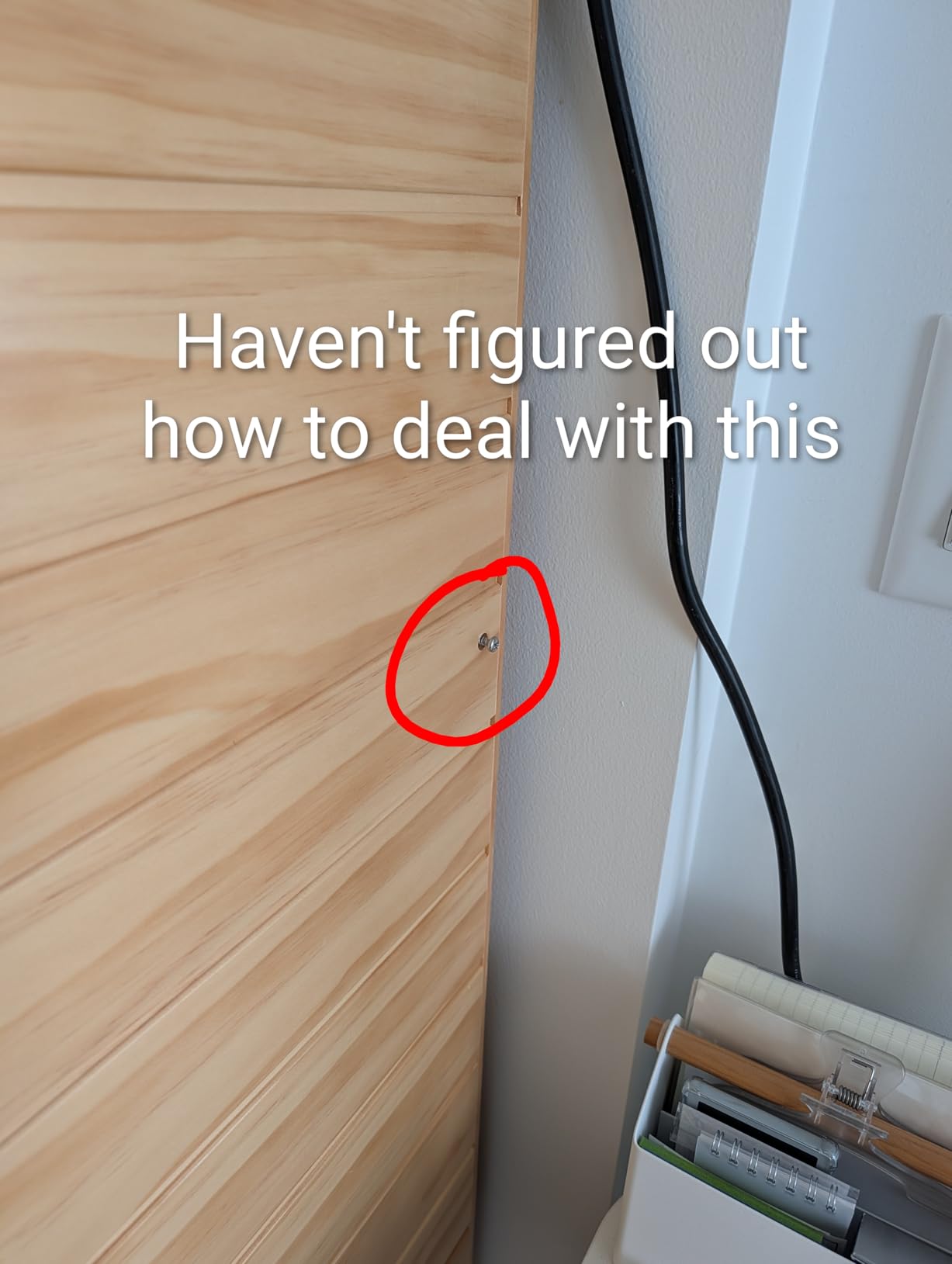
Why it fits a basement well
Keep clearances in mind before you commit. In a corner next to a furnace you need working space for airflow and service access, and this cabin only gives you that because it is so narrow.
Low EMF, a 110V plug and a compact box make it a one-weekend project in a finished basement. No circuit work, no wall penetration, no permit conversation.
Where it falls short
Buyers describe the single seat as sitting like on an airplane, with minimal leg room over 20 to 30 minute sessions, and several say they would trade up for a larger unit next time. Treat that as a real limit, not a minor one.
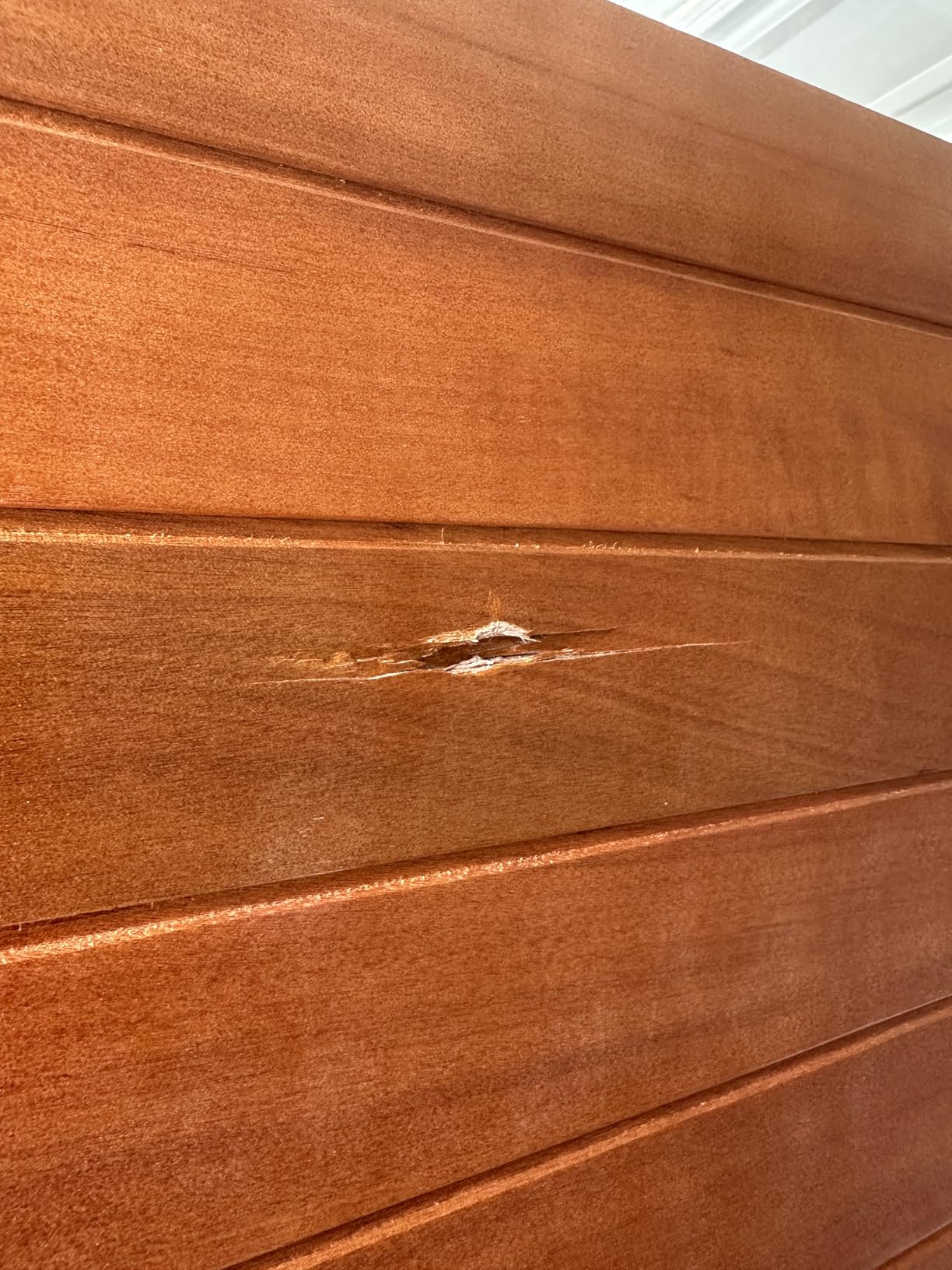
The interior wood is unfinished, so a towel on the bench and floor is recommended. The boxes are heavier than expected for one person, and occasional defects such as a loose speaker wire or a missing door seal do occur.
8. KUNSANA Ceramic 2-Person Infrared Sauna – Best Red Light Add-On
KUNSANA Ceramic Infrared Sauna 2 Person Infrared Sauna w/Red Light Therapy
- Strong sweating within 20 minutes
- Deep sturdy seat
- Door heater gives 360 degree warmth
- Adjustable top vent
- Company replies within 24 hours
- Sit-only
- no standing
- Single small red light bulb
- Over an hour of two-person assembly
The KUNSANA is a 47-inch-wide two-person cabin that buyers fitting into finished basements and closets rate highly. Owners report strong sweating within 20 minutes and a deep, sturdy seat that holds two adults comfortably when they are not large.
Six ceramic infrared tubes are joined by a concealed foot warming panel, and the door carries its own heater so the opening is not the cold spot. That foot panel is the feature that matters most in a basement, where cold floor and pipe work radiate from below.
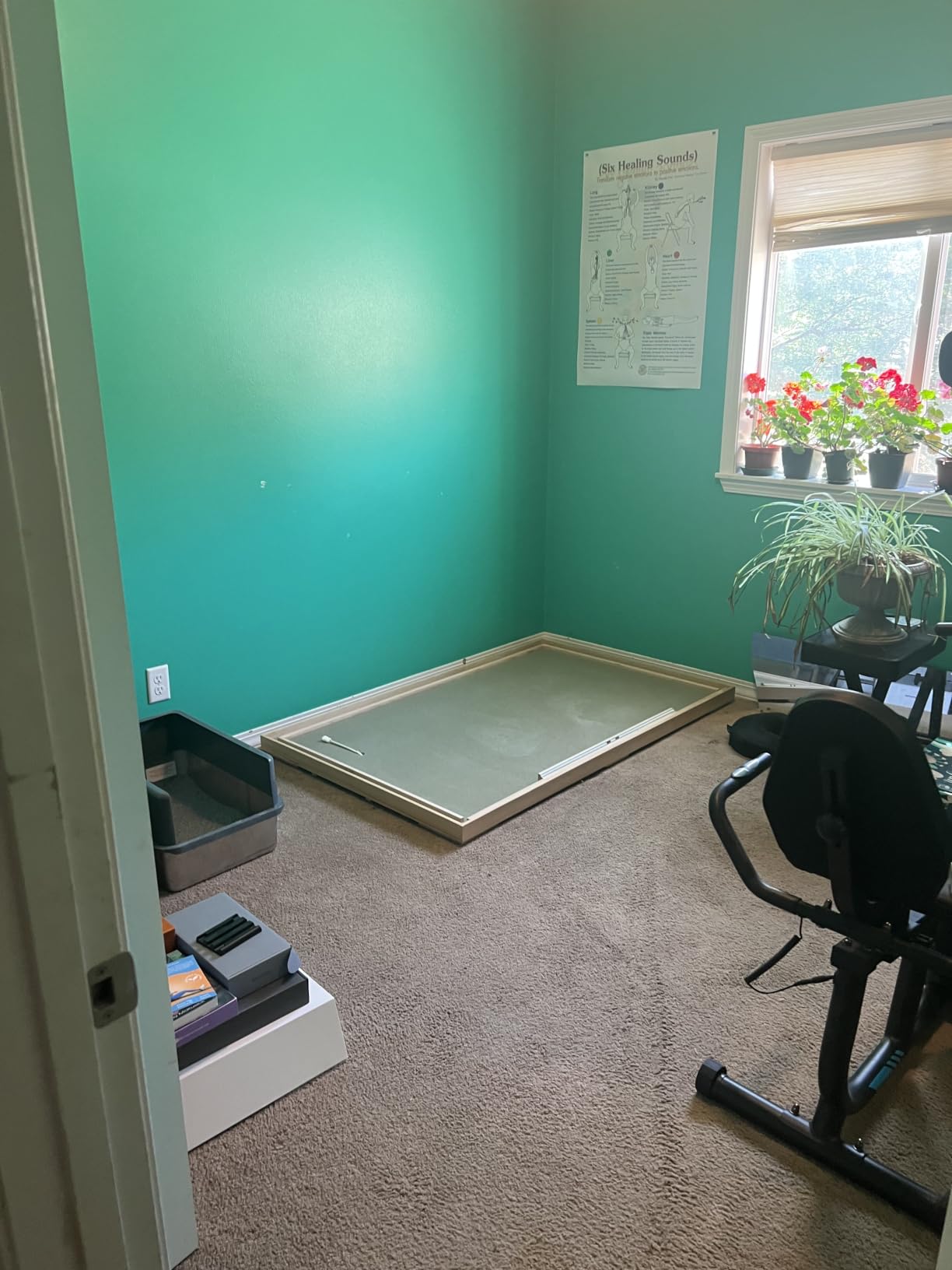
Temperature runs 77F to 140F at 1840W, with side and back panels cycling off to prevent overheating and restarting after a 5 to 10F drop. Rear tubes have an independent switch, and there are redundant inside and outside controls.
An adjustable top vent lets you close the cabin while heating and open it to cool, which is a simple and honest way to manage fresh air in a room with no duct run. Controls display in Celsius only.
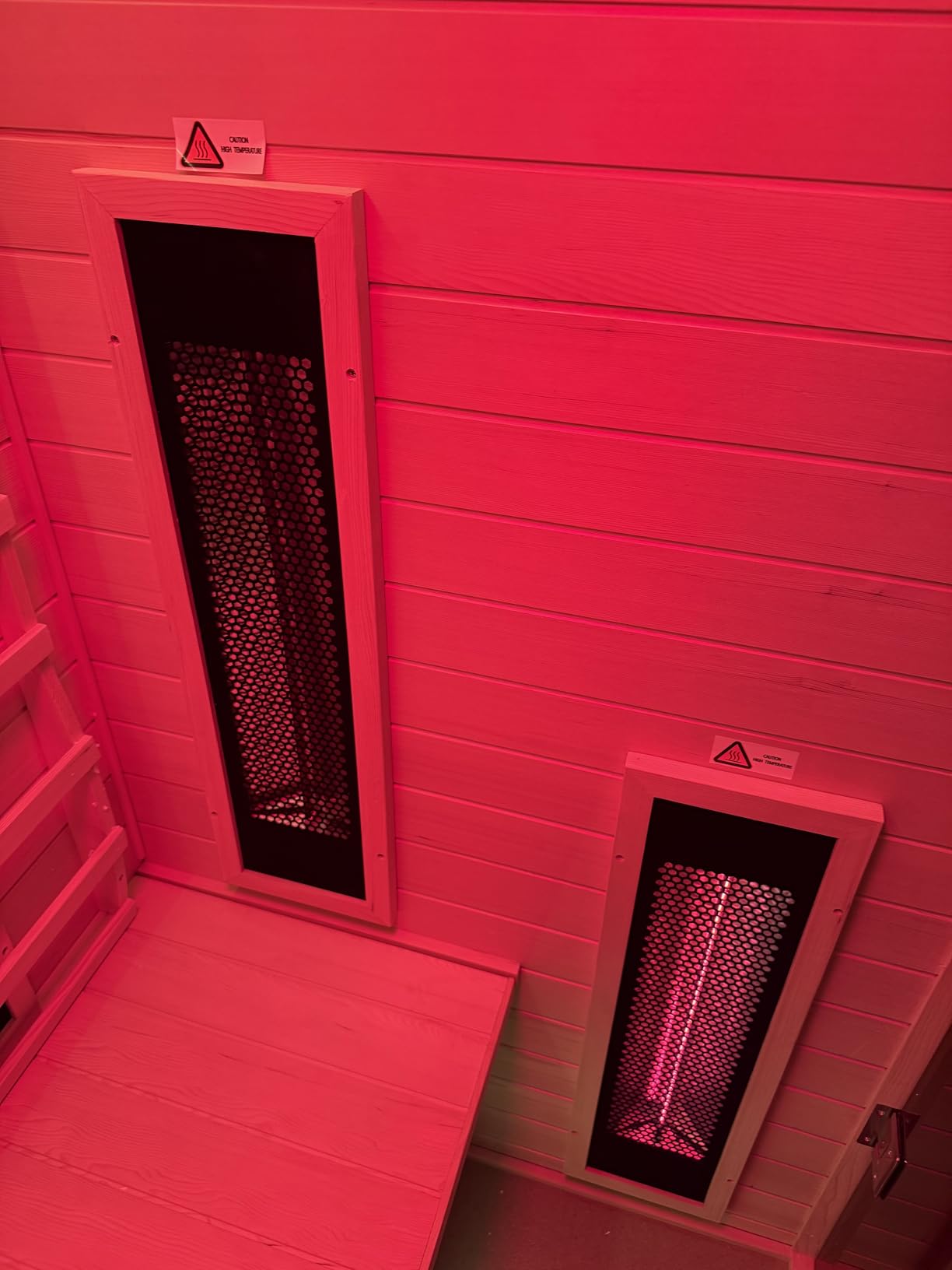
Why it fits a basement well
At 76 inches tall it needs a little headroom, so measure to the joists rather than the drywall. Eastern Canadian hemlock is a good below-grade material, and a two-year limited warranty covers wood, heating and electronics.
The thermal shield cover and upgraded deluxe glass door reduce the amount of heat and moisture that reaches the basement around the cabin, which helps in a finished room where the wall is a shared surface.
Where it falls short
You cannot stand in it. The red light is a single small bulb rather than a full panel, so do not buy it for red light therapy on the strength of the listing alone.
Snug for two, with only average-size adults fitting, and assembly takes over an hour with two people. Controls in Celsius only is an annoyance worth confirming you can live with.
9. X-Vcak 2-Person Portable Steam Sauna Tent – Best for Renters and No-Hardwiring Homes
- Two people can sit or stand
- Two steamers cut preheat time
- Folds flat and moves between rooms
- Zippered window for fresh air
- Lowest average rating in the group
- Fabric durability declines over years
- Damp heat only
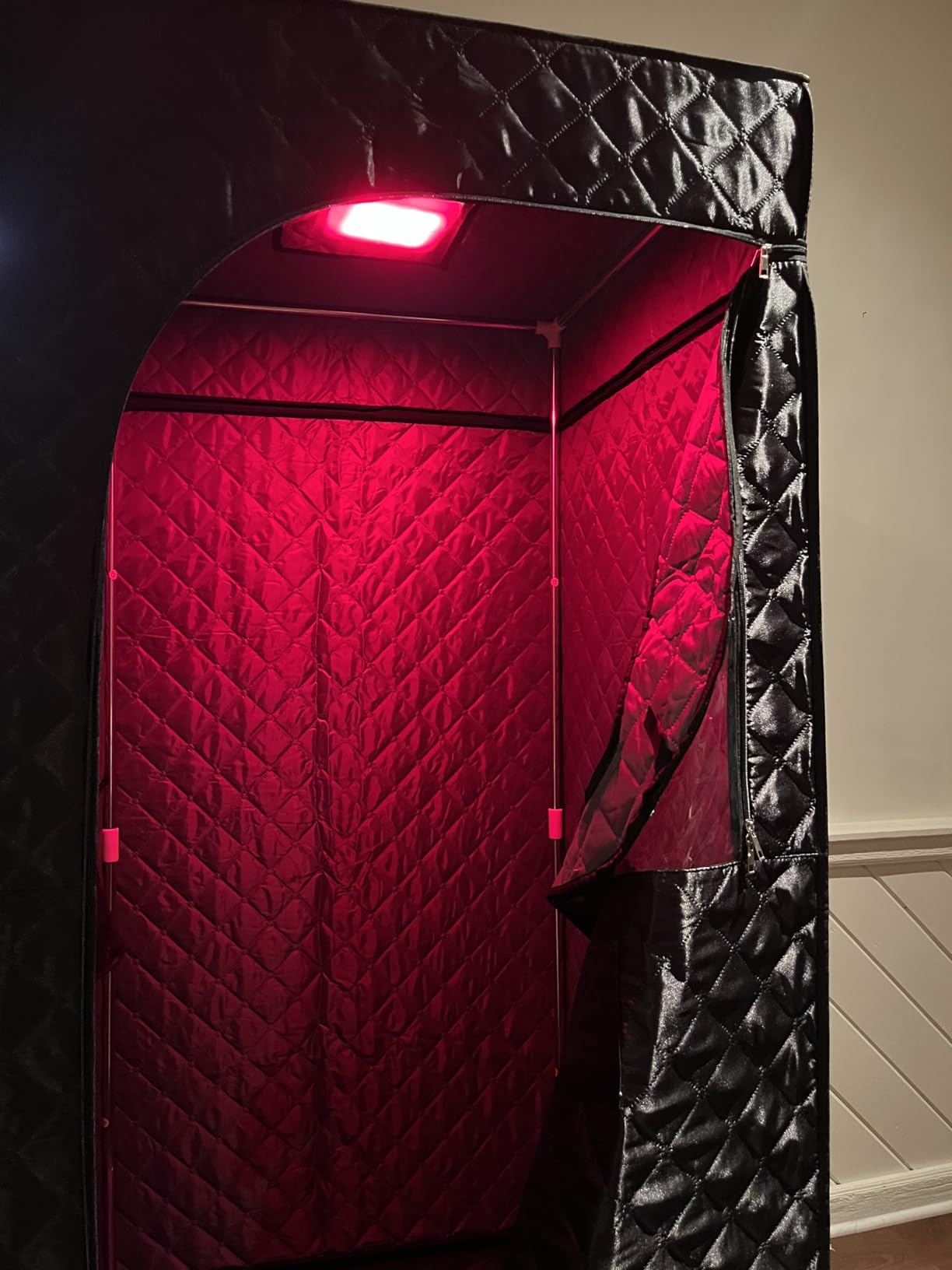
This is the option when you cannot touch the room itself. No dedicated circuit for the cabin, no wall venting, no floor work. At 71 by 49 by 36 inches with two high-power steamers, two people can sit or stand at the same time.
It carries the most ratings of any product in the roundup at 1704, and it is the top-selling sauna in its category. Owners who share it with a partner like the ability to sit or stand and the quick steam from two heaters rather than one.
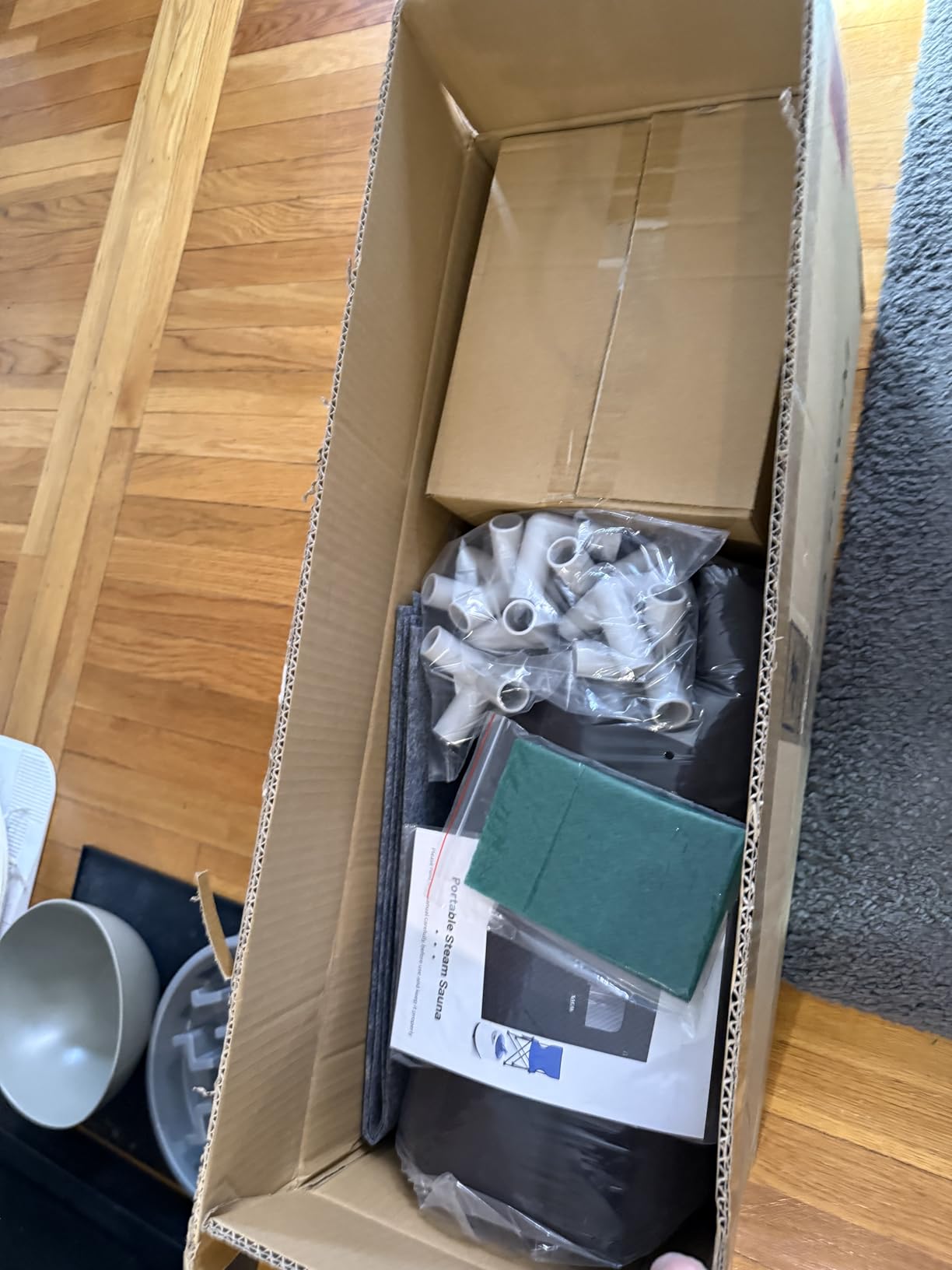
Five-layer waterproof fabric, a zippered transparent window, interior pockets and a double pull zipper make it a reasonable temporary room. Both steamers have dry-burning and leakage functions, which is the safety detail you want on an unattended appliance.
At 24.6 pounds folded down to 35 by 12 by 10 inches, it moves around a basement in one trip. Nothing else in this roundup stores that way.
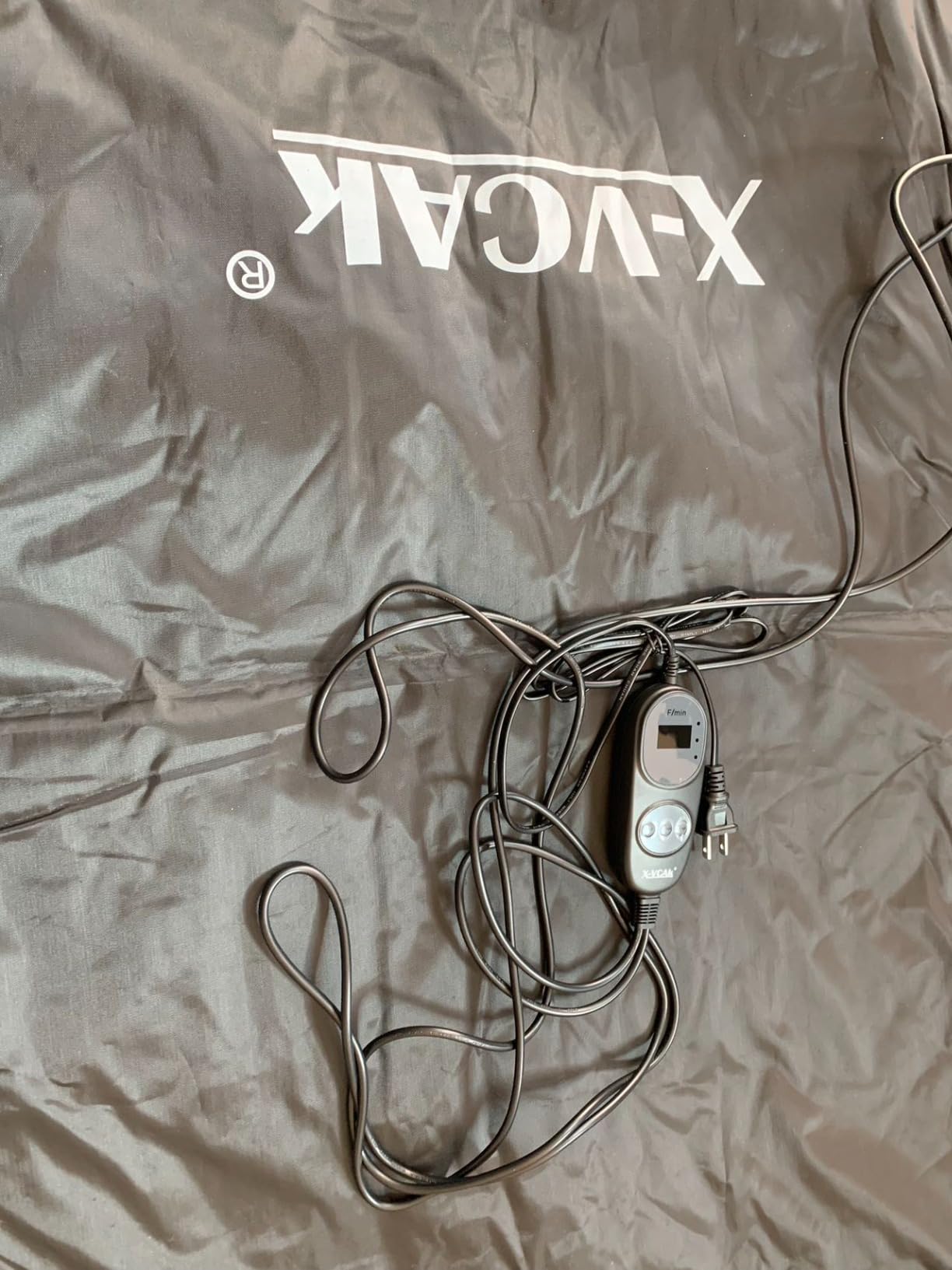
Why it fits a basement well
It is damp heat, and a basement is the one room where that matters most. Steam adds real moisture to the air, and in a below-grade space with no easy evaporation path that moisture has somewhere to go and stay.
Treat it as a session, not a build. Set it up, use it, fold it, and run a dehumidifier afterward. That habit is the whole difference between this working in a basement and this causing a problem in one.
Where it falls short
At 4.1 it has the second-lowest average rating of the ten, with 11% one-star reviews. The pattern behind those is durability and heat consistency, both of which worsen over years of use.
You get damp heat only, with none of the dry far infrared or red light benefits the other nine provide. If you plan to use it more than a few times a month, the cost per session makes a wooden cabin look sensible.
10. SereneLife Portable Steam Sauna Tent – Best Budget Steam Setup
- Most reviewed option in the roundup
- 1600W steamer with remote control
- Folds flat at 13.2 lb
- Automatic low-water shutoff
- 122F maximum temperature
- 4.0 average with 13% one-star
- 5.9 foot height needs a tall ceiling
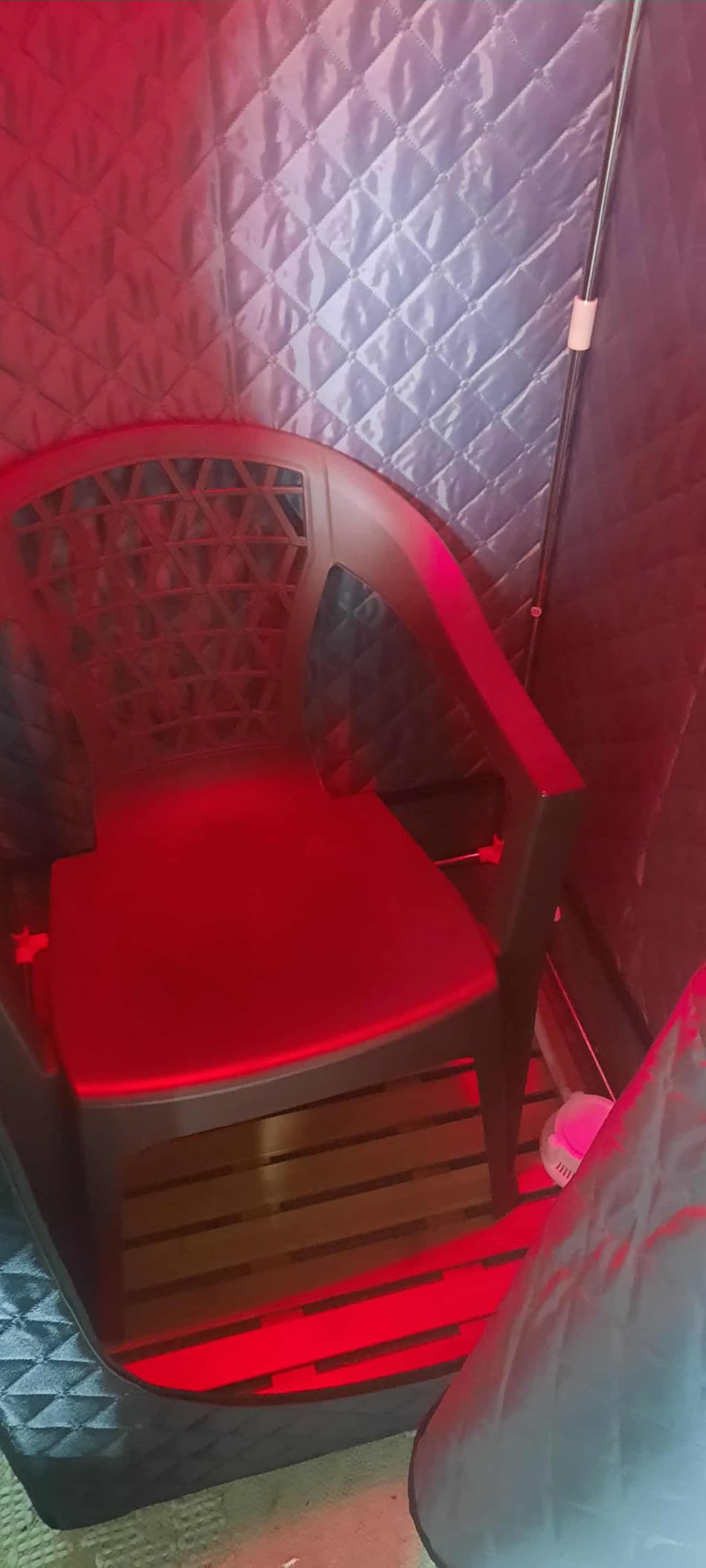
The SereneLife is the simplest steam setup here and one of the two cheapest ways to find out whether a sauna belongs in your basement. A 4-liter, 1600W steamer with nine heat levels and a remote control runs up to 60 minutes per session.
At 3101 ratings it is the most reviewed product in the roundup, and that record is worth reading carefully. Buyers like the fast steam, the nine heat levels, the remote and how easily the tent folds for storage in a basement.
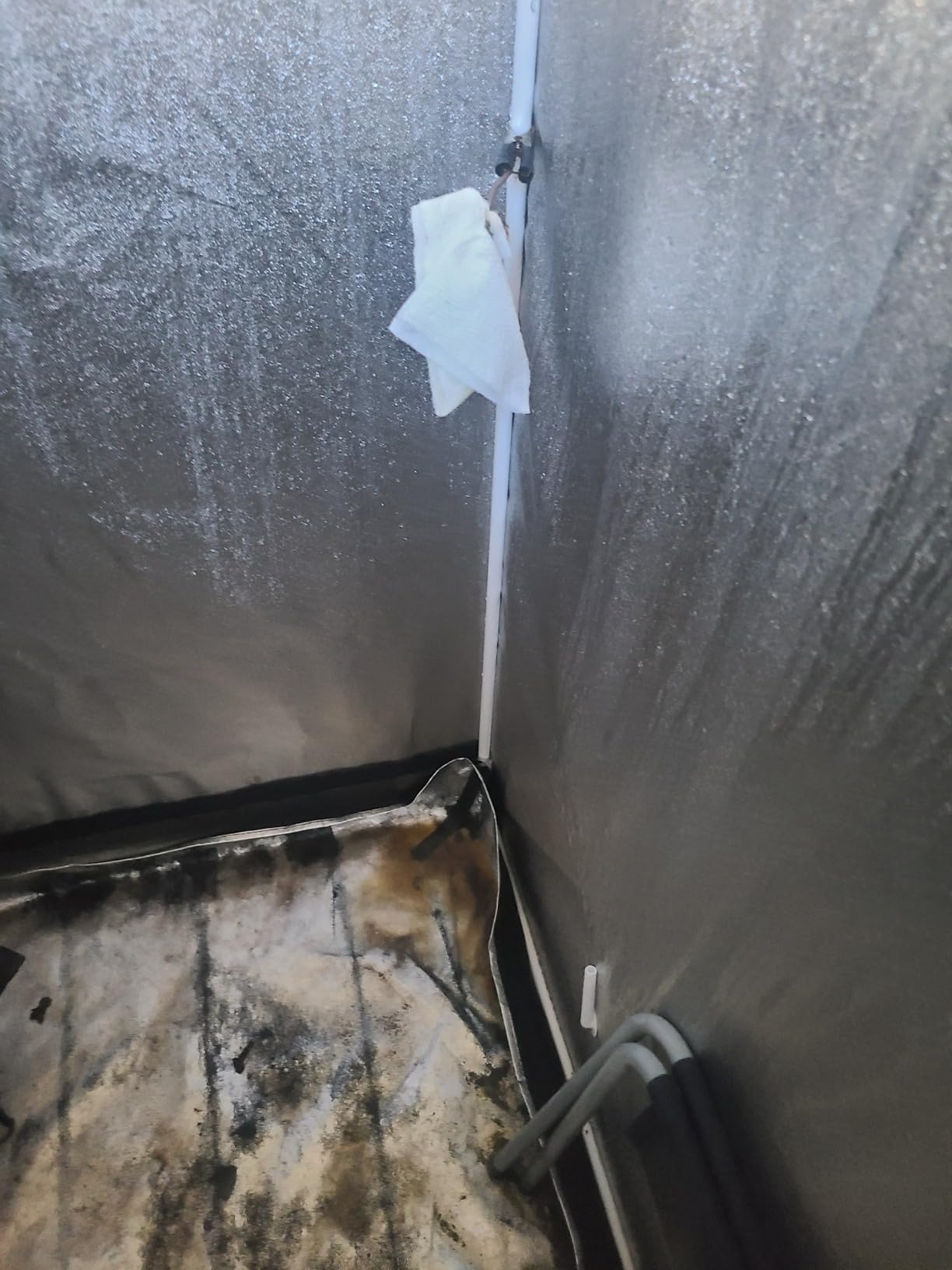
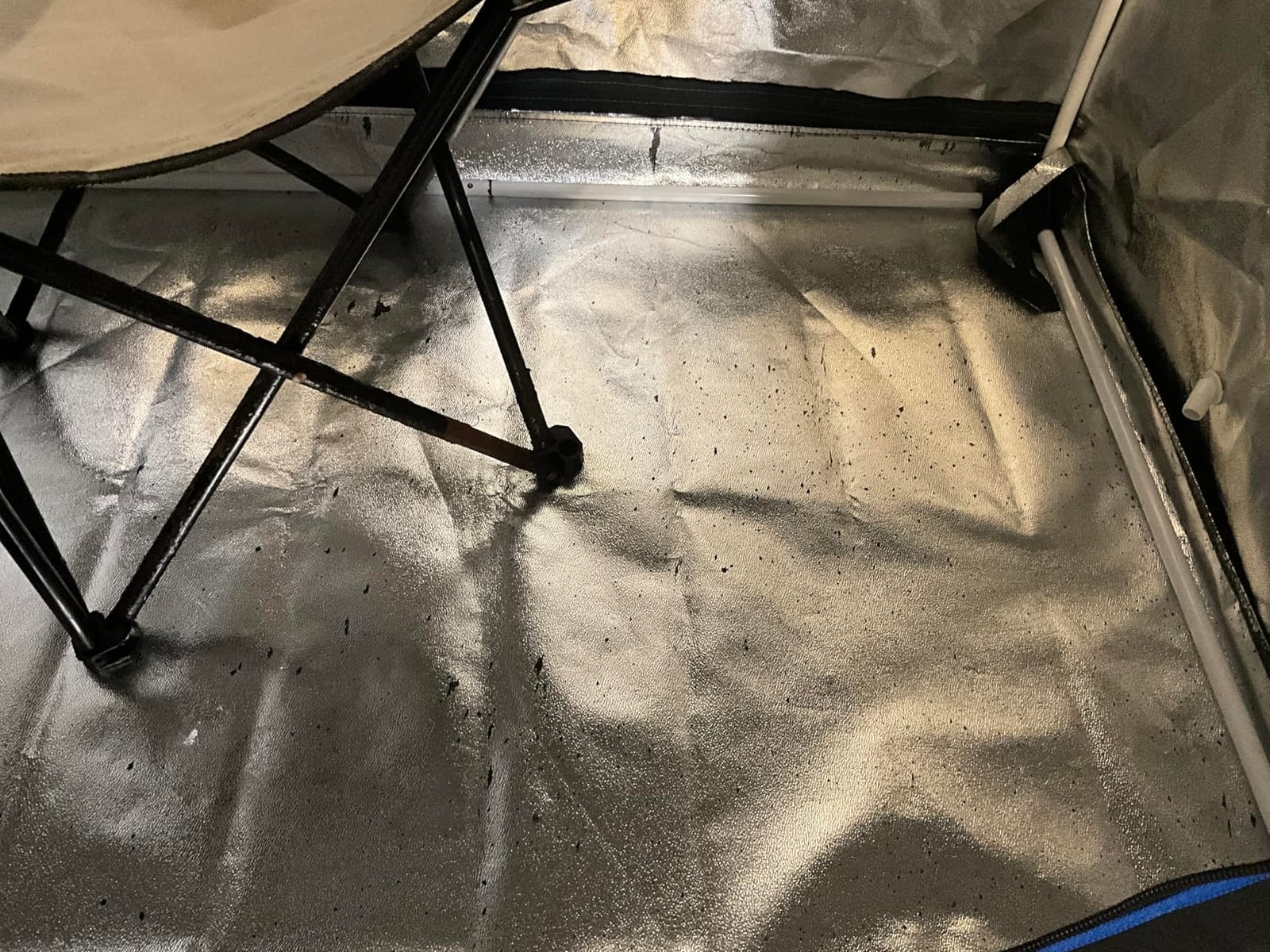
The 35 by 35 by 70 inch aluminum frame is a full-height cabin, so you are standing in it rather than sitting. It includes a folding chair, a sponge cushion, an interior pocket and a transparent window, and it folds down for storage.
Automatic shutoff at low water and a safety pressure valve are the two features that make a steam appliance reasonable in a room you are not standing next to. Both are worth having and neither is optional.
Why it fits a basement well
At 13.2 pounds and a folded depth of about 12 inches, it is the easiest unit here to move, store and eventually take with you. Nothing needs to be permanent.
The 122F ceiling temperature is the honest limitation, and it is a lower number than most people expect. Think warm and humid rather than genuinely hot, and this is a good fit.
Where it falls short
At 4.0 across 3101 ratings it has the lowest average in the set, with 13% one-star reviews and a 62% five-star share. The tent fabric durability and the 122F ceiling are what drive the negative reviews.
The 5.9-foot height requires a tall basement ceiling to stand, and a one-person interior at 35 inches is snug for two. If your basement has anything overhead at seven feet, this will not go under it.
Basement Fit Checklist: Five Things to Confirm Before You Order
Every install problem we saw described in basement sauna discussions came back to one of these five. Run through them in order and you will know within an afternoon whether a given cabin is a real possibility.
Measure the ceiling against the unit height, plus ventilation. A 7-foot basement gives you roughly 84 inches of clear height. Cabin at 76 inches leaves you 8 inches of air gap above, which is tight for a top vent. Measure to the joists, not the drywall.
Trace the delivery path before you pay attention to the specs. Stairwell width, the turn at the landing, and the 84-inch doorway at the top of the stairs decide more installs than ceiling height does. Cabin sections that are assembled before delivery will not go up a tight stair.
Confirm the circuit. Anything under about 1500W runs on a standard 15A outlet. Above that, budget a dedicated 15A or 20A 120V circuit. A wood heater at 240V is a different project with a different price and a different permit conversation.
Pick a floor you can live with. Sealed concrete, ceramic tile and vinyl are the three that tolerate sauna heat and moisture. Carpet, engineered hardwood and laminate are not. If your basement floor is carpet over pad, plan to cover it or protect it under a tray.
Decide where the air goes. A sauna needs a fresh-air intake near the heater and an exhaust on the opposite wall, and in a basement the exhaust should reach outdoors. Plan the path before the cabin arrives.
Basement Ventilation: Intake, Exhaust, and Where the Air Goes
Yes, you need ventilation, and a basement makes it more important rather than less. Warm, moisture-laden air in a below-grade room has nowhere to rise out of, so it condenses on structure instead of escaping through a second story.
The arrangement that works: an intake vent low and near the heater, an exhaust vent high and on the opposite wall, and a path from that exhaust to the outdoors. A powered bathroom exhaust fan rated for the room is a common and inexpensive way to move the air once the session ends.
Place the intake low on the wall nearest the heater so fresh air feeds the combustion and the user directly.
Place the exhaust high on the opposite wall so warm air has a dedicated exit instead of pooling at the ceiling.
Run the mechanical fan after the session, and long enough to dry the cabin and the surrounding surfaces.
Do not leave a gap under the door. A mechanical fan will preferentially pull air through that gap rather than through your intended intake, and the whole path is wasted.
Run a dehumidifier in the basement space after every session, and again the next morning if you can.
The most common mistake in r/Sauna venting discussions is venting into the unfinished part of the same basement. It moves moisture from one room to another rather than out of the house, and if the receiving room is not itself dehumidified you have built a damp corner rather than solved a problem. Wall vents to the exterior are the better path.
One buyer in those threads drew fresh air from and vented into an unfinished but dehumidified part of their own basement, and explicitly warned others not to copy it. It can work in a specific house with specific equipment, and it is not the general answer.
The 200 Rule, Explained and Where It Breaks Down
The 200 rule is shorthand for balancing air temperature against stone temperature, based on the idea that you can be at 200F in the air, or 200F in the stones, but you should not try to hold both. It is a widely repeated rule among sauna builders, and it is not an official standard.
It also does not apply to anything in this roundup. Every cabin here is a dry infrared or steam unit with no sauna stones, no löyly and no rock-heater thermostat to balance. If you are buying an infrared cabin, the number to think about is watts per cubic foot of cabin volume, and the number to think about in your basement is the circuit.
The 200 rule matters to you only if you later move to a traditional 240V Finnish sauna. At that point the real basement question is not the rule, it is whether you can support a 6kW to 8kW heater on a dedicated circuit without a subpanel.
Flooring, Dehumidification and Humidity in a Below-Grade Room
Ideal sauna humidity is between 10% and 20% relative humidity in a traditional room, and 5% to 15% in a dry infrared cabin. Below-grade rooms naturally sit higher than that at rest, so you are managing a background condition rather than adding to a neutral room.
Start with the floor. Sealed concrete, ceramic tile and moisture-tolerant vinyl are the only three finishes we would put under a cabin in a basement. If the concrete is bare, sealing it matters more than the sauna you choose. Carpet and engineered hardwood under a sauna is a mold claim waiting to happen.
Then plan the dry-down as part of the session, not after it. Leave the cabin door ajar, run the mechanical vent, and run a dehumidifier in the basement for an hour or two afterward. Our related guide to [basement dehumidifiers](https://www.nauticamalibutri.com/best-commercial-dehumidifiers-for-basements/) covers the sizing question if your basement runs damp even with the sauna switched off.
If you have ever worried about condensation on the floor above, that is the correct worry, and the two steam tents in this list are where it is most likely to appear. The infrared cabins add far less water to the room per session.
Electrical: What a Basement Sauna Actually Needs
Sauna heaters and infrared cabins are covered by a different part of the National Electrical Code than pool and spa equipment, and the requirements for heat-mitigating equipment, clearances and overcurrent protection are specific. Your electrician needs to see the heater nameplate and the manufacturer’s installation manual, not a general electrician’s rule of thumb.
Practically, the list above divides cleanly. Six units plug into a standard fifteen-amp 120V outlet. The two highest-wattage cabins, the DAIMOT and the KUNSANA, need dedicated twenty-amp circuits. None of them requires a 240V subpanel, which is why this roundup is achievable in a finished basement without opening a wall.
Two things change the plan in a basement specifically. A sauna near a sump, an egress window or a below-grade outlet changes the electrical layout, and a room on a shared or metered panel may not have the capacity for a new 20A circuit at all.
If you are weighing infrared against a traditional build, our guide to [infrared saunas for home use](https://www.nauticamalibutri.com/best-infrared-saunas-for-home-use/) covers the temperature and humidity trade in more depth. We are not a permit advisory and we are not a waterproofing guide, so confirm both with your local authority and a licensed electrician before you cut anything.
Frequently Asked Questions
Is it okay to put a sauna in my basement?
Yes, a basement is one of the most common indoor sauna locations, because the room is climate-controlled and usually unused. The conditions are manageable with a moisture-tolerant floor such as sealed concrete or tile, an intake and exhaust vent path to the outside, and a dry-down step after each session.
What type of sauna is best for a basement?
A 120V infrared cabin is best for most basements. It reaches 135F to 150F on a fifteen-amp circuit, produces no steam, and adds far less moisture to a below-grade room than a rock-heater sauna. A traditional Finnish sauna is better only if the room is dry and can support a 240V dedicated circuit.
How should I ventilate my indoor sauna?
Put an intake vent low and near the heater, an exhaust vent high on the opposite wall, and run the exhaust to the outdoors. A powered bathroom exhaust fan plus a dehumidifier after the session handles the dry-down. Do not leave a gap under the door, because a mechanical fan pulls air through that gap instead of your intake.
What is the 200 rule for saunas?
The 200 rule is shorthand for balancing air temperature against stone temperature, roughly meaning you can sit at 200F air or 200F stones but not both. It is a builder’s rule of thumb rather than an official standard, and it does not apply to infrared or steam cabins, which have no sauna stones.
Should a sauna have 2×4 or 2×6 walls?
Use 2×6 framing for a built-out sauna room so the wall can hold dense insulation, a vapor barrier and an air gap, all of which a below-grade wall needs. A 2×4 wall limits you to about R-11, which is thin for a room that also has to resist moisture. The prefabricated cabins in this roundup arrive as finished panels and skip the framing question entirely.
Bottom Line
The JNH Lifestyles Joyous is our pick for the best indoor sauna for a basement in 2026. It seats two adults properly, holds heat in a thin dual wall, runs on an ordinary outlet and has the longest public review history of anything we evaluated. The Dynamic Saunas Andora is the runner-up if interior room matters more to you than warm-up time, and the Kanlanth is the one to buy when the corner is genuinely tight.
Measure your ceiling and your stairwell before you order anything, seal the floor, and plan the vent path to the outdoors. If you are still comparing formats, our picks for [backyard saunas](https://www.nauticamalibutri.com/best-home-saunas-for-backyards/) cover the outdoor side of the decision for anyone with garden space to put one in.