
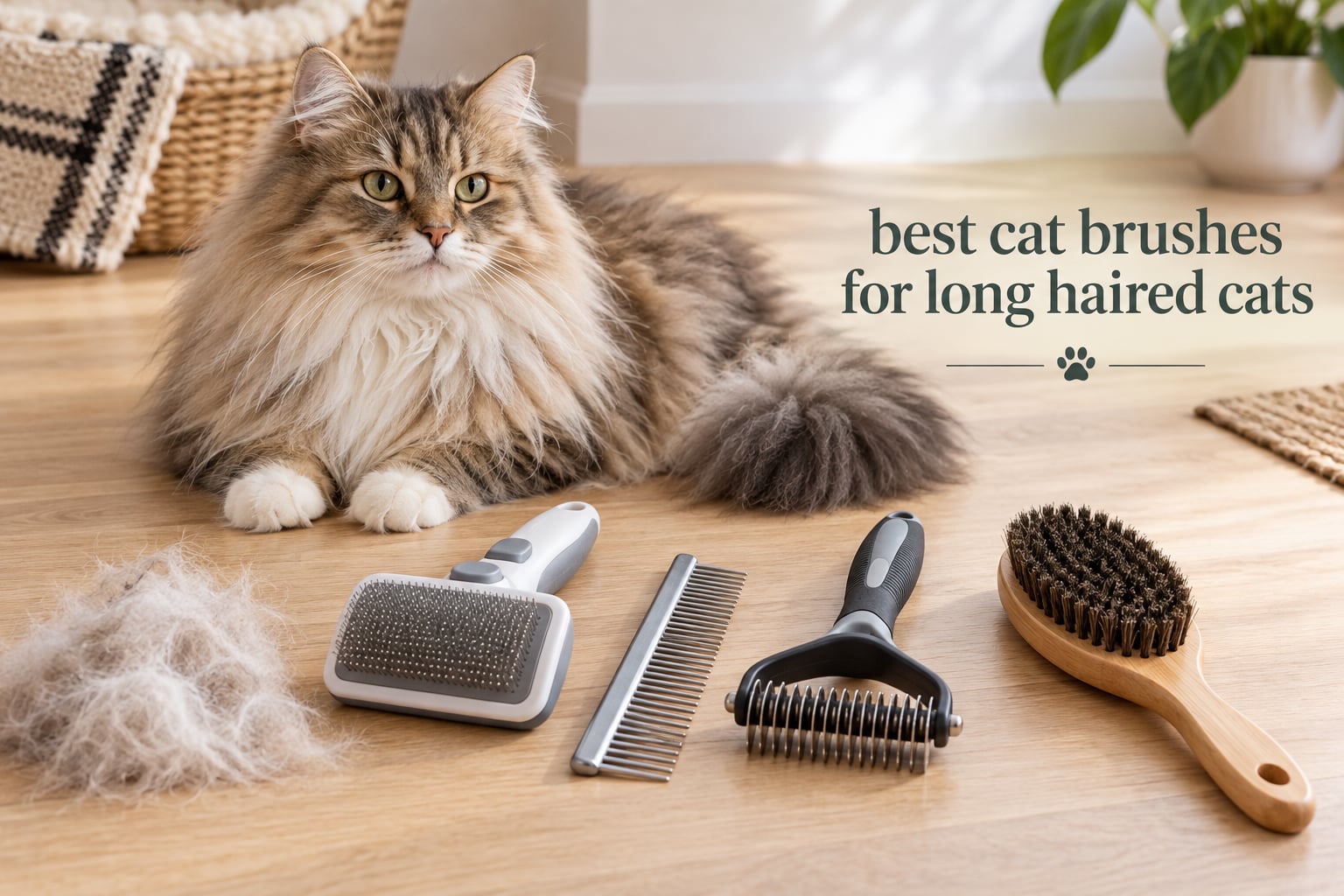
The best cat brushes for long haired cats are not one tool but a small set of them: a self-cleaning slicker brush for the topcoat, a wide-tooth or greyhound-style steel comb that reaches the dense undercoat, and an undercoat rake or de-shedding tool for stripping dead hair during shedding season. Long-haired cats carry a double coat where tangles begin at the root, so a single brush will either fluff the surface or scratch the skin without fixing the problem underneath.
Our team ran these twelve brushes through a realistic home grooming routine over six weeks, using them on long-haired cats across different coat densities: a dense Persian-type coat, a heavy Maine Coon-type undercoat, and mixed long hair. We paid attention to how much loose fur actually came out in a single session, whether the tool reached skin-level tangles, how the cat reacted to the sensation, and what happened to the brush after weeks of daily use.
What follows is the complete list, ordered by how well each tool performs in a long-hair routine rather than by price. We also cover the order of tools, which matters more than most owners expect, plus a step-by-step routine you can repeat without pulling hair out of your cat’s skin.
Table of Contents
Brushes for Long-Haired Cats at a Glance
- Self-cleaning slicker brush — Coated wire pins glide through the topcoat, lift loose fur and dander, and smooth tangles. The push-button retracts the pins so collected hair falls off in one clump. Best for daily maintenance on almost every long-haired cat.
- Wide-tooth or greyhound-style steel comb — Long, widely spaced teeth reach the undercoat and find tangles before they tighten into mats at the skin line. Experienced groomers treat this as the first tool in every session, not an accessory.
- Undercoat rake or de-shedding tool — Raked metal edges pull dead undercoat away from the skin, which cuts hairball formation and furniture fur. Use it last, after the coat is already untangled.
- Dematting comb — A double-sided tool with a low tooth density for cutting mats and a higher density for detangling and shedding. The main rescue option once knots have already formed.
- Bristle brush — Soft boar bristles remove dust and dander and give a finishing polish. It bonds with the cat but removes very little undercoat, so it never replaces a rake.
- Rubber or plastic pin brush — The gentlest option for sensitive, senior or easily overstimulated cats. It massages rather than de-sheds, so it works best in short daily sessions.
Top 3 Picks for Long-Haired Cats in 2026

FURminator Long Hair deShedding Tool
- Reaches through topcoat to undercoat
- FuReaker hair-release button
- Built for cats over 10 pounds

SleekEZ Deshedding Brush
- Patented serrated metal blade
- Single-stroke hair removal
- Fits in the palm
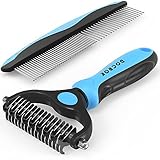
Docrok Brush and Comb Combo
- Two-piece rake and metal comb
- Dual-density teeth on both tools
- Rounded stainless steel edges
The Best Cat Brushes for Long-Haired Cats in 2026
| Product | Specifications | Action |
|---|---|---|
| FURminator Long Hair deShedding Tool |
|
Check Latest Price |
| SleekEZ Deshedding Brush |
|
Check Latest Price |
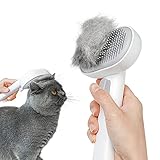 Aumuca Self-Cleaning Cat Brush Aumuca Self-Cleaning Cat Brush |
|
Check Latest Price |
 Pretty Paw Gentle Massage Brush Pretty Paw Gentle Massage Brush |
|
Check Latest Price |
| Docrok Brush and Comb Combo |
|
Check Latest Price |
 FelineFun 2-in-1 Undercoat Rake FelineFun 2-in-1 Undercoat Rake |
|
Check Latest Price |
 YiEFUR Self-Cleaning Cat Brush YiEFUR Self-Cleaning Cat Brush |
|
Check Latest Price |
 CHILLPLN 2-in-1 Undercoat Rake CHILLPLN 2-in-1 Undercoat Rake |
|
Check Latest Price |
 Coastal Pet Safari Slicker Brush Coastal Pet Safari Slicker Brush |
|
Check Latest Price |
 Garstor Self-Cleaning Pin Brush Garstor Self-Cleaning Pin Brush |
|
Check Latest Price |
 petgle Cat Brush and Comb petgle Cat Brush and Comb |
|
Check Latest Price |
 Mars Coat King Bristle Brush Mars Coat King Bristle Brush |
|
Check Latest Price |
How We Picked
Every brush here was judged on the same five things: how much loose undercoat it removed in a single session, whether it could reach tangles that form at the skin line, how the cat reacted to the sensation, how well it cleaned up afterwards, and whether the pins or blades held up after weeks of daily work.
We weighted coat-type fit heavily. A brush that is excellent on a Maine Coon undercoat can be useless on a Persian’s dense topcoat, and the reverse is also true. We also excluded any tool whose rounded or coated tips we could not confirm from the product specifications, because scratched skin ends the session early.
1. FURminator Medium to Large Cat deShedding Tool for Long Hair
- Pulls large amounts of loose undercoat in one session
- Hair release button clears the tool instantly
- Reduces hairball formation
- Most long-haired cats tolerate it well
- Can scrape skin if pressed too hard
- Small head means more passes on big cats
- Metal teeth suit cats that tolerate brushing
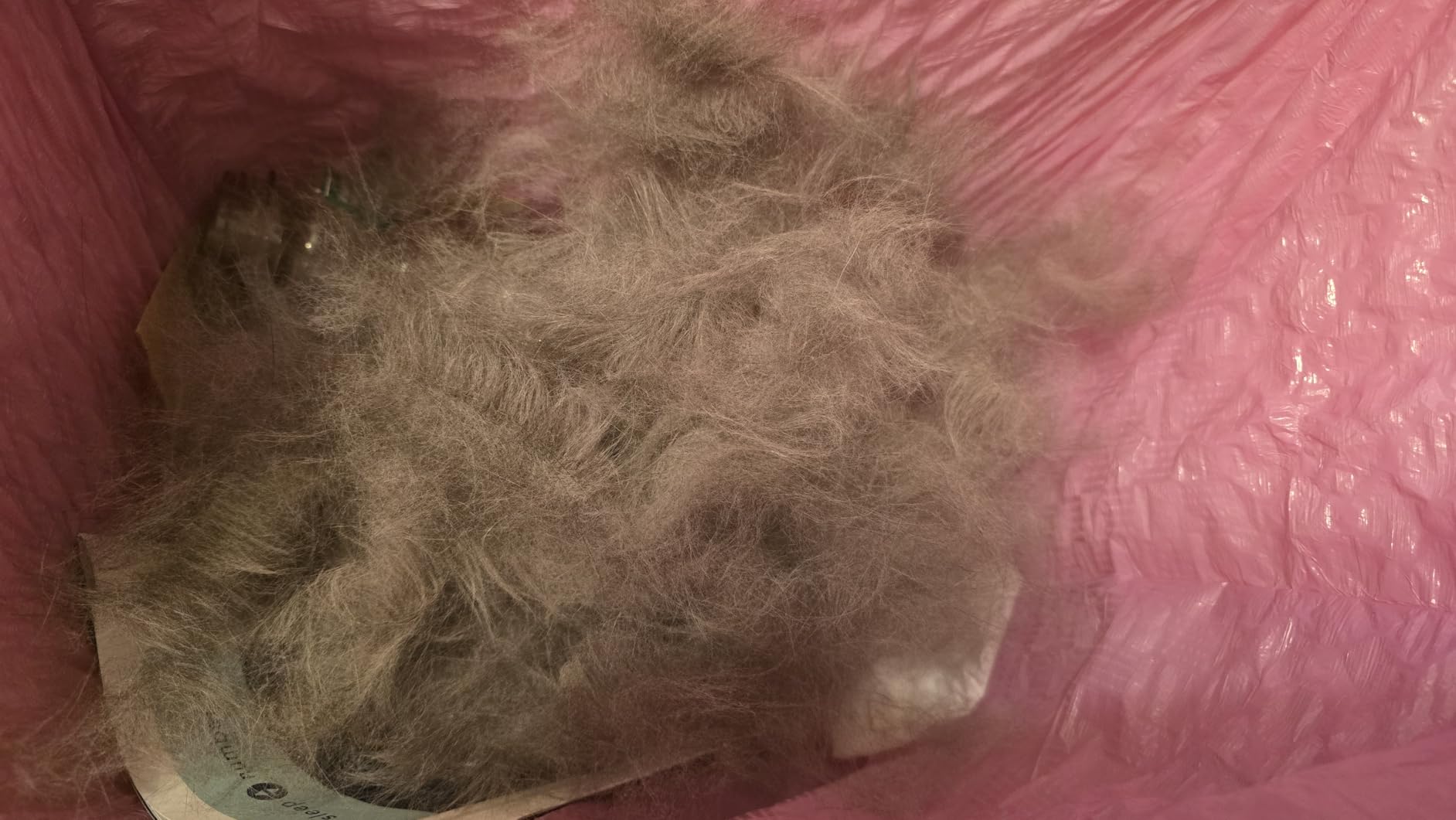
This is the tool that does what most people are actually hoping a brush will do. On our long-haired test cats it lifted clumps of loose undercoat in a handful of strokes, and the coat looked noticeably smoother on the far side of a session. Owners of Persian and Maine Coon cats in particular tend to buy this one first and stay with it.
The metal deShedding edge is what separates it from a normal slicker. It reaches through the topcoat to the loose hair underneath rather than skimming the surface, which is why the fur pile afterwards is so much larger. The FuReaker button on the handle then releases everything in one press, so there is no picking hair off the teeth between passes.
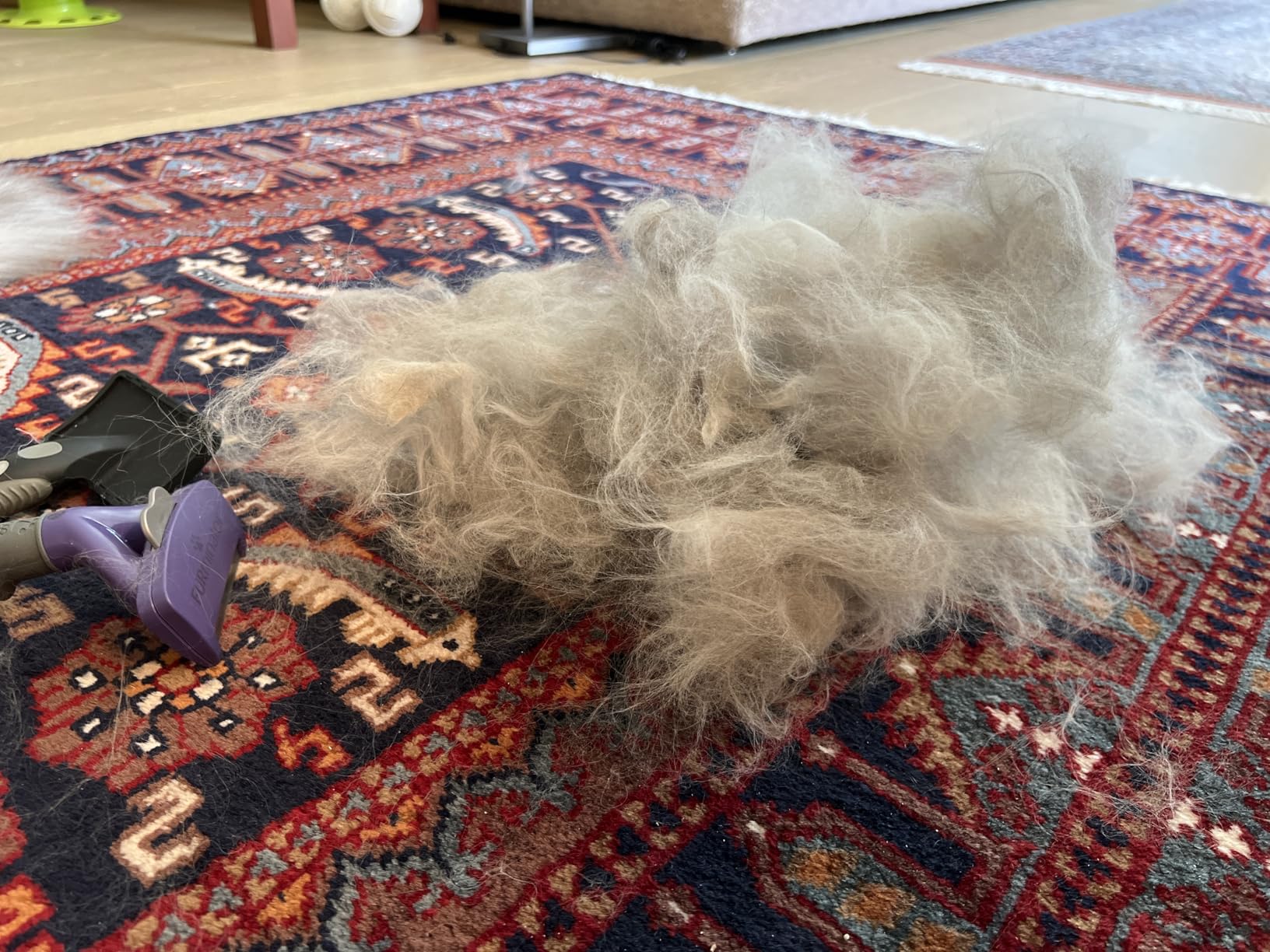
Reviewers consistently point to two things: dramatic undercoat removal within the first few weeks, and a drop in hairballs because the loose hair never reaches the cat’s mouth. Cats that normally resent brushing often settle and purr with this one, which is unusual for a metal-edged tool.
The honest weakness is technique. Press it down and the metal edge can scrape sensitive skin, so light, repeated strokes work far better than hard single pulls. It is also a medium-to-large tool built for cats over 10 pounds, which means more passes on a smaller long-haired cat than you might expect.
When this tool makes sense
This is the right buy for shedding season, for a Maine Coon or Ragdoll type undercoat, and for any owner whose main complaint is hairballs or fur on the sofa. Paired with a steel comb used first, it clears more loose hair per session than anything else we tried.
Buy the larger variant if your cat is a big long-haired one. Owners of heavy cats frequently report wishing they had gone up a size sooner, since the head covers more area per stroke.
When it is the wrong choice
Skip it for a cat with thin, delicate skin or one that bolts at the sight of metal, because the sensation is firmer than a slicker or rubber pin brush. It is also a last step rather than a first step: running it through a matted coat will pull hard instead of cutting the mat out.
For anxious or easily overstimulated cats, pair it with a gentler brush for the first pass. Our routine on overstimulated cats was comb first, slicker second, this tool last, in sessions of no more than a few minutes.
2. SleekEZ Cat Brush for Shedding
- Exceptional single-pass fur removal
- Most cats tolerate it even if they hate brushing
- Lifts fur from carpets and cat trees
- Durable metal build
- Jagged teeth need care near eyes and nose
- Loose hair does not collect on the tool
- Short grip can strain the wrist
The SleekEZ is the odd one out in this list because it is not a brush in the usual sense. It is a handheld serrated metal blade that strips loose hair and undercoat in a single pass, and it handles long hair far better than its size suggests.
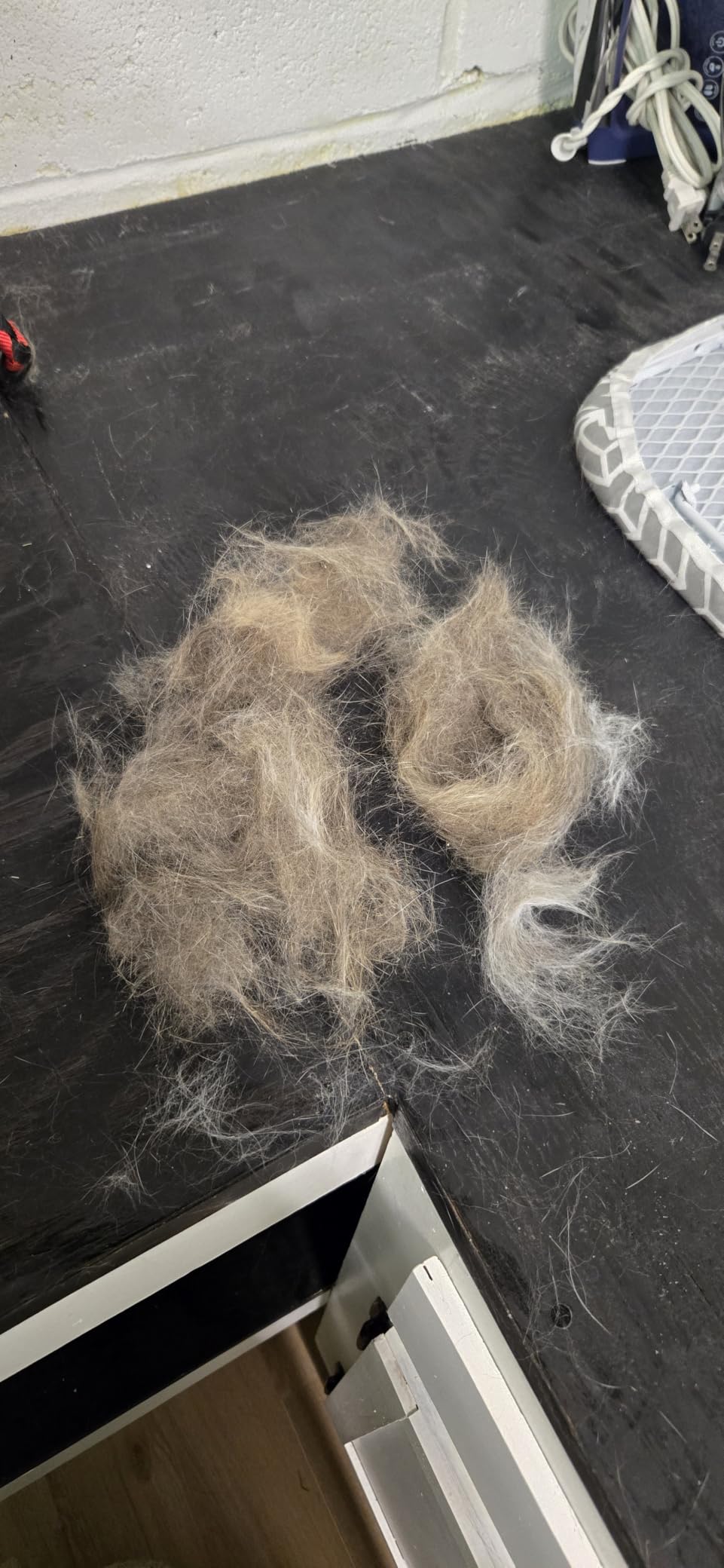
In testing, it removed more loose fur in one stroke than the larger brushes managed in three. Cats that fled from our slicker trials often sat for this one, partly because there is no pin field dragging over the skin and partly because the motion is quick.
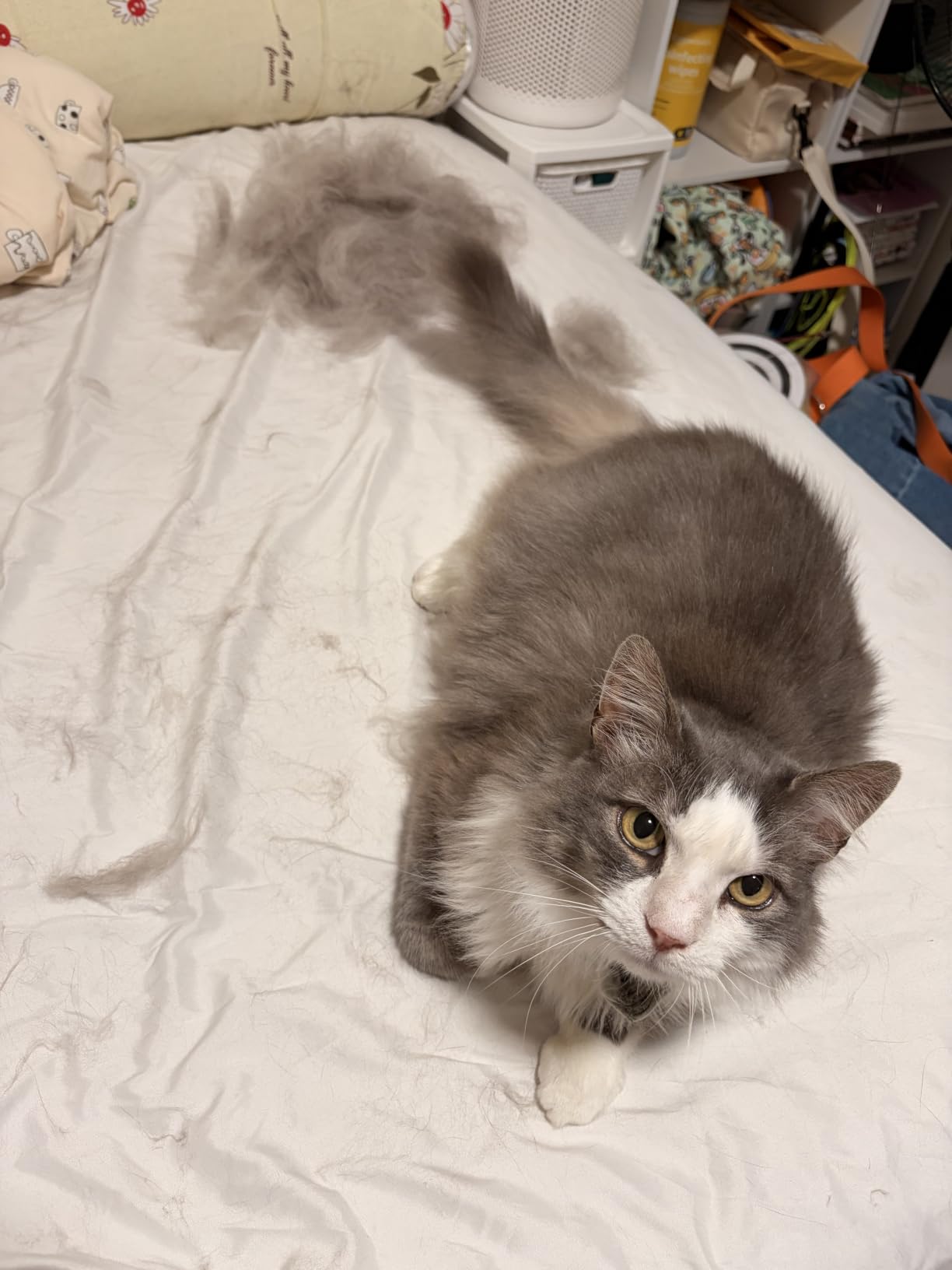
Owners also use it on carpets, bedding and cat trees, where it does the job of a rubber glove brush far more thoroughly. The blade is patented and made in the USA, and the build has held up for owners reporting years of daily use.
Two cautions come up repeatedly. The serrated teeth can catch near the eyes, nose or mouth if you rush, so work on the body and neck first. And because the hair does not collect on the tool, you need a free hand or a nearby bin for the fur as you go.
When this tool makes sense
It is the strongest single option for owners of mixed long hair and medium coats who want dramatic shedding removal without spending on a multi-tool kit. It also works well as a mid-session reset after a slicker pass.
If your cat dislikes every traditional brush we have listed, start here. The sensation is closer to being scratched than brushed, and plenty of brush-averse cats accept it within a session or two.
When it is the wrong choice
It is not a mat cutter. Run it into a tight mat and you will pull rather than slice. Tight knots need the low-density side of a dematting comb like the FelineFun or the Docrok.
The short grip is also worth considering if you have wrist or hand issues. A session that takes five minutes becomes uncomfortable well before that, and the Docrok set gives you a longer handle with more control.
3. Aumuca Self-Cleaning Cat Brush
- Rounded tips gentle on sensitive skin
- Self-cleaning button releases hair in seconds
- Removes loose fur and dander
- Cats often seek this brush out
- Handle can feel slick in long sessions
- Does not thin the undercoat like a rake
- Better for frequent light brushing
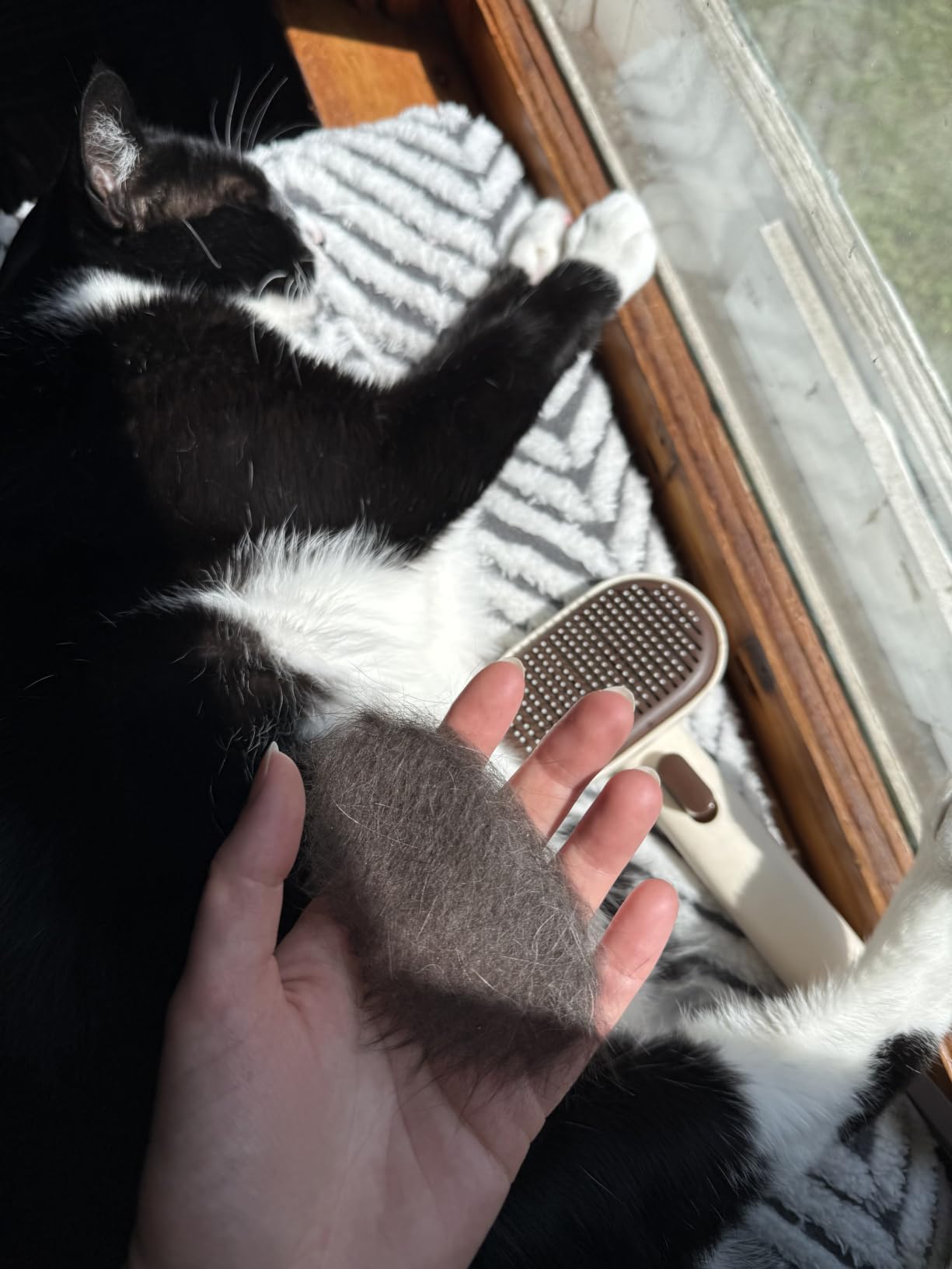
The Aumuca is the brush we recommend first for a cat whose skin reacts to metal pins. The needles are 304 stainless steel, but each one ends in a rounded rubber tip, which is the single change that turns a scratchy slicker into something most cats accept.
It also has the highest review volume of anything on this list, and the sentiment is consistent: gentle, massaging, satisfying to use. Cats that normally avoid grooming sessions often come over on their own when this brush is out.
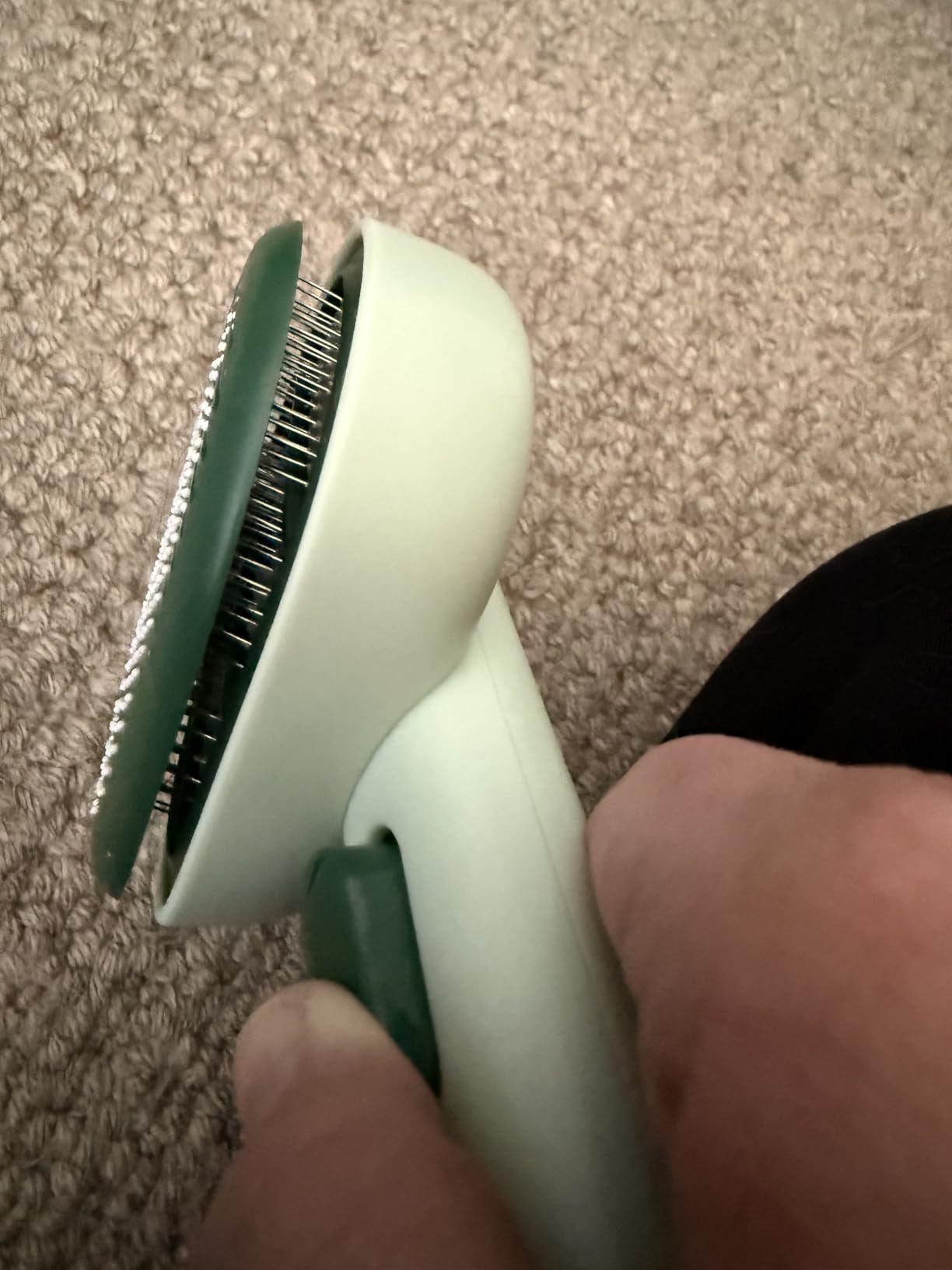
The one-click release button retracts the pins so the whole sheet of hair lifts away, which matters more than it sounds when you are brushing daily. There is also a silicone hanging loop, and the store lists a 365-day replacement guarantee.
The 150-degree bend in the needles is designed to reach the undercoat rather than only the surface. In practice that gives a good amount of loose fur on a long coat, though it is still a groomer rather than a true undercoat extractor.
When this tool makes sense
This is the one to buy for sensitive skin, senior cats, kittens being trained to accept grooming, or any cat that has refused metal brushes before. It is also a solid everyday maintenance brush for a mixed long-haired coat.
Seven colours are available, which sounds trivial until you are trying to keep one specific brush in a multi-cat household where tools get swapped around.
When it is the wrong choice
Do not rely on it for a seasonal blowout or an existing mat. It lifts loose fur and dander well, but it will not strip a heavy undercoat the way the FURminator or SleekEZ do.
The handle is the most common complaint. It feels slick and less ergonomic over a long session, which matters if you are planning 10-minute grooming sessions rather than two-minute ones.
4. Pretty Paw Gentle Massage Brush
Pretty Paw Cat Brush for Indoor Cats & Long Hair with Gentle Massage, Blue
- Very soft bristles that massage rather than pull
- Good for short daily routines
- Lifts undercoat during coat changes
- No parts that can break
- Not built for severe mats or felted areas
- No self-cleaning release
- Less shedding removal than metal rakes
This is the brush to reach for when the problem is the cat, not the coat. There is no metal anywhere on it. The bristles are soft plastic that massages, and on our most overstimulated test cat it was the only tool that produced a calm session from the first attempt.
Short routines of two to five minutes are what this brush is built for, and it does them well. It lifts loose fur during a coat change and releases light tangles early, which is exactly the preventive job a long coat needs between professional grooms.
The ergonomic grip is solid and the all-plastic construction means there is nothing to bend, snap or loosen. Owners describe it as a maintenance tool rather than a rescue tool, and that framing is accurate.
When this tool makes sense
Choose it for sensitive cats, cats who hate metal, and anyone building a grooming habit with a kitten or a rescue that has had bad experiences with brushes. It is also a good second tool to keep on the sofa for a quick tidy.
Pair it with a de-shedding tool and you cover the full routine: this for the calm session, the FURminator for the seasonal strip.
When it is the wrong choice
It is not a dematter. Severe mats, felted patches and tight knots at the skin line need a metal-bladed comb, and forcing this brush through them only pulls.
There is no release button, so collected fur comes off by hand every session. That is fine for a two-minute tidy and annoying at the end of a full groom.
5. Docrok Deshedding Brush and Metal Comb Combo
- Pulls large undercoat clumps in few strokes
- Rounded teeth safe for cat and hands
- Cats often sit and purr
- Comb reaches legs head and tail
- No instructions included
- Fur must be swept out by hand
- Comb can tug on dense coats
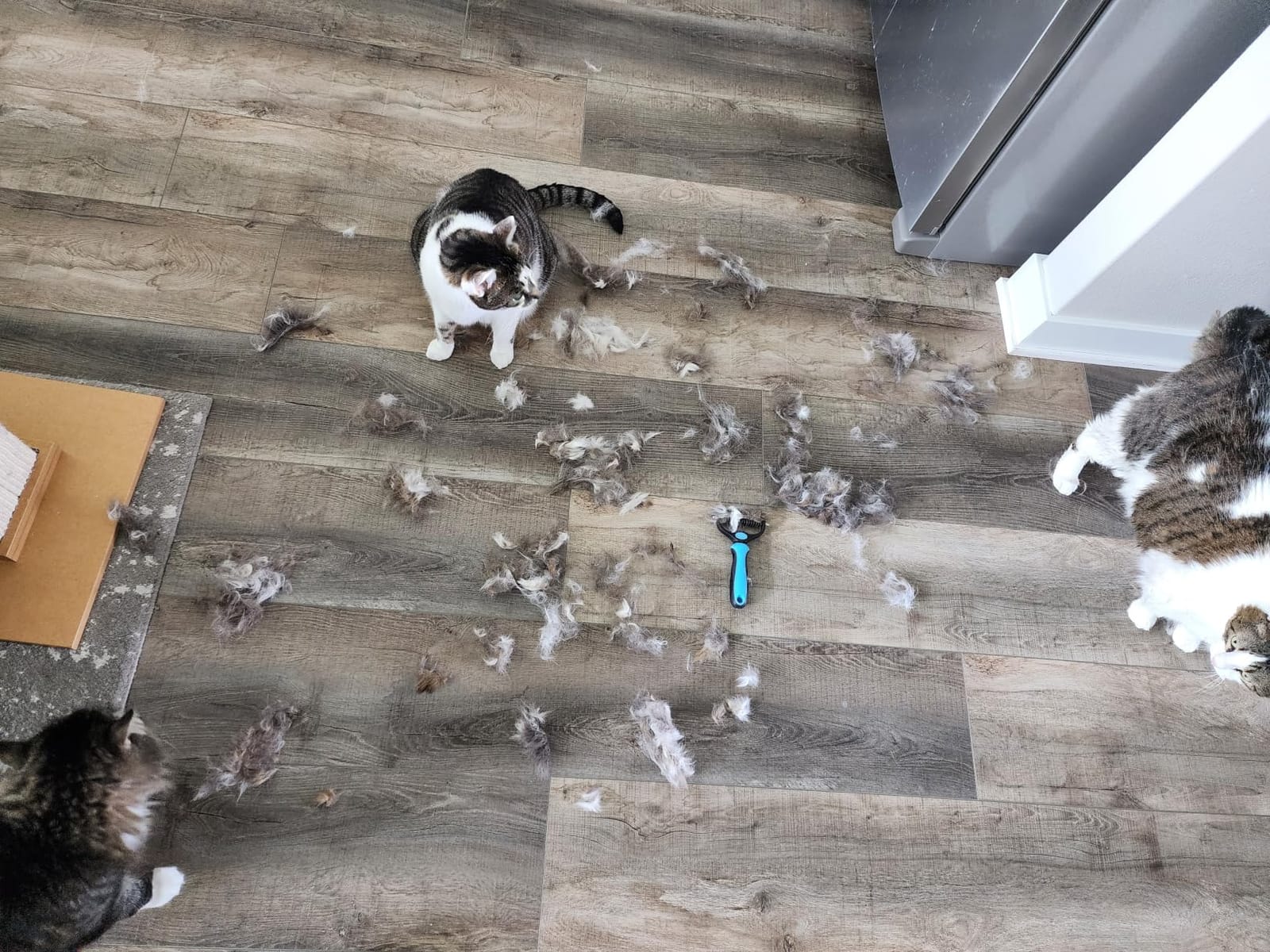
This is the most complete kit in the roundup. You get an undercoat rake with a wide side for dematting and a dense side for deshedding, plus a double-sided metal comb for knots and loose hair on the areas a rake cannot reach.
Two tools means two techniques. The rake works on the broad areas of the back and flanks, and the comb handles the legs, the head, the tail and the armpits where tangles start. Owners of multi-cat households tend to value that versatility more than anything else in the set.
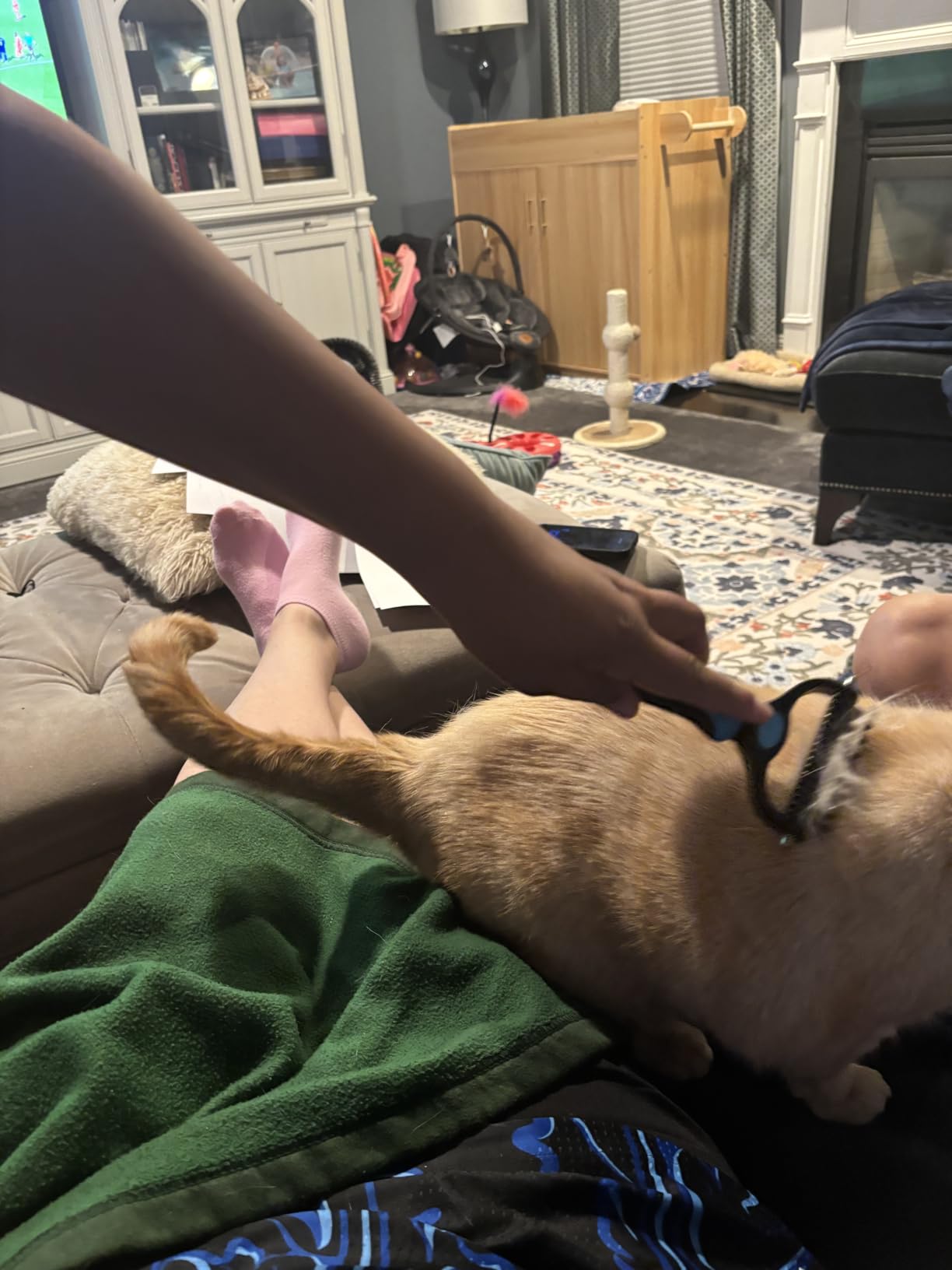
The teeth are stainless steel with rounded protective edges, which is the safety detail that matters on a cat. Users often report that cats who flee from brushes will sit and purr with this one, partly because the rounded edge never catches the skin.
Compared against a premium deshedding tool, owners frequently rate it as the better value for long-haired cats specifically. The lightweight TPR handle also stays comfortable over a full session, which is not true of every tool in this price bracket.
When this tool makes sense
It suits almost any long-haired cat, and it is the pick we would recommend to someone starting from zero who wants one purchase rather than three. It covers dematting, detangling, undercoat work and shedding in a single kit.
The comb is the tool most owners underuse. It is genuinely good for the neck, the belly and behind the ears, which is where skin-line mats form first.
When it is the wrong choice
There are no instructions in the box, so expect a week of figuring out the technique on your own. The wide side is for opening mats and the dense side is for finishing, and using them the wrong way round just pulls.
On a very thick, dense coat the comb can tug slightly. Work it out in sections rather than dragging it the length of the body.
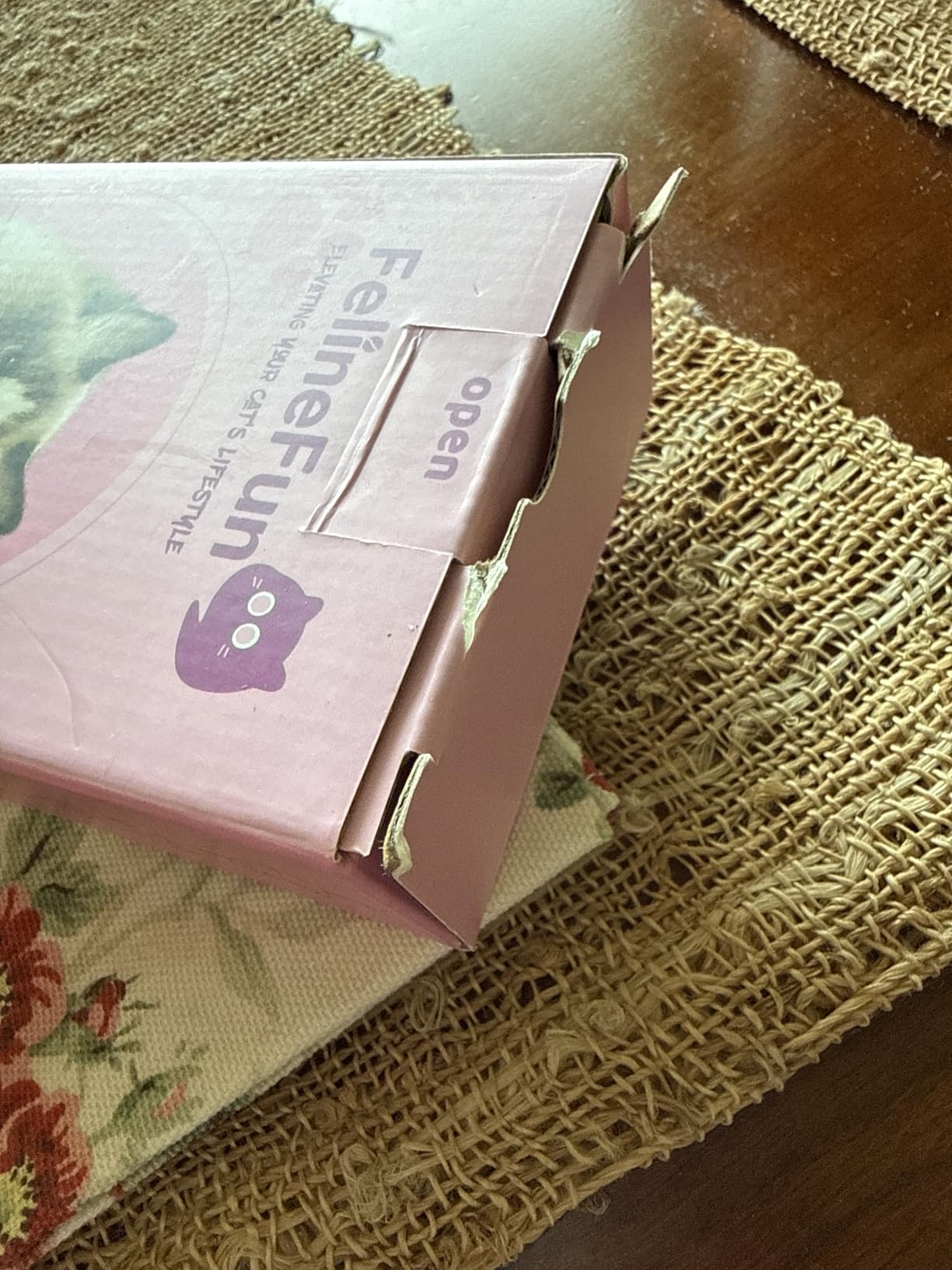
6. FelineFun 2-in-1 Undercoat Rake
- Cuts stubborn mats in a few passes
- Rounded ends stay scratch-free
- One tool covers dematting and deshedding
- Removes very large amounts of floof
- Straight head must be held almost parallel to the back
- Dense side teeth too close for some coats
- Sessions take longer without a curved head
When a long-haired cat has mats that have already set, this is the rescue tool. The lower-density side works through knots and the higher-density side detangles and removes undercoat, so one comb replaces two separate tools.
Owners of heavy-matted cats report that mats clear in a handful of gentle passes, with very large amounts of undercoat coming free afterwards. The stainless steel blades cut through hair rather than dragging it, and every tooth end is rounded to stay scratch-free.
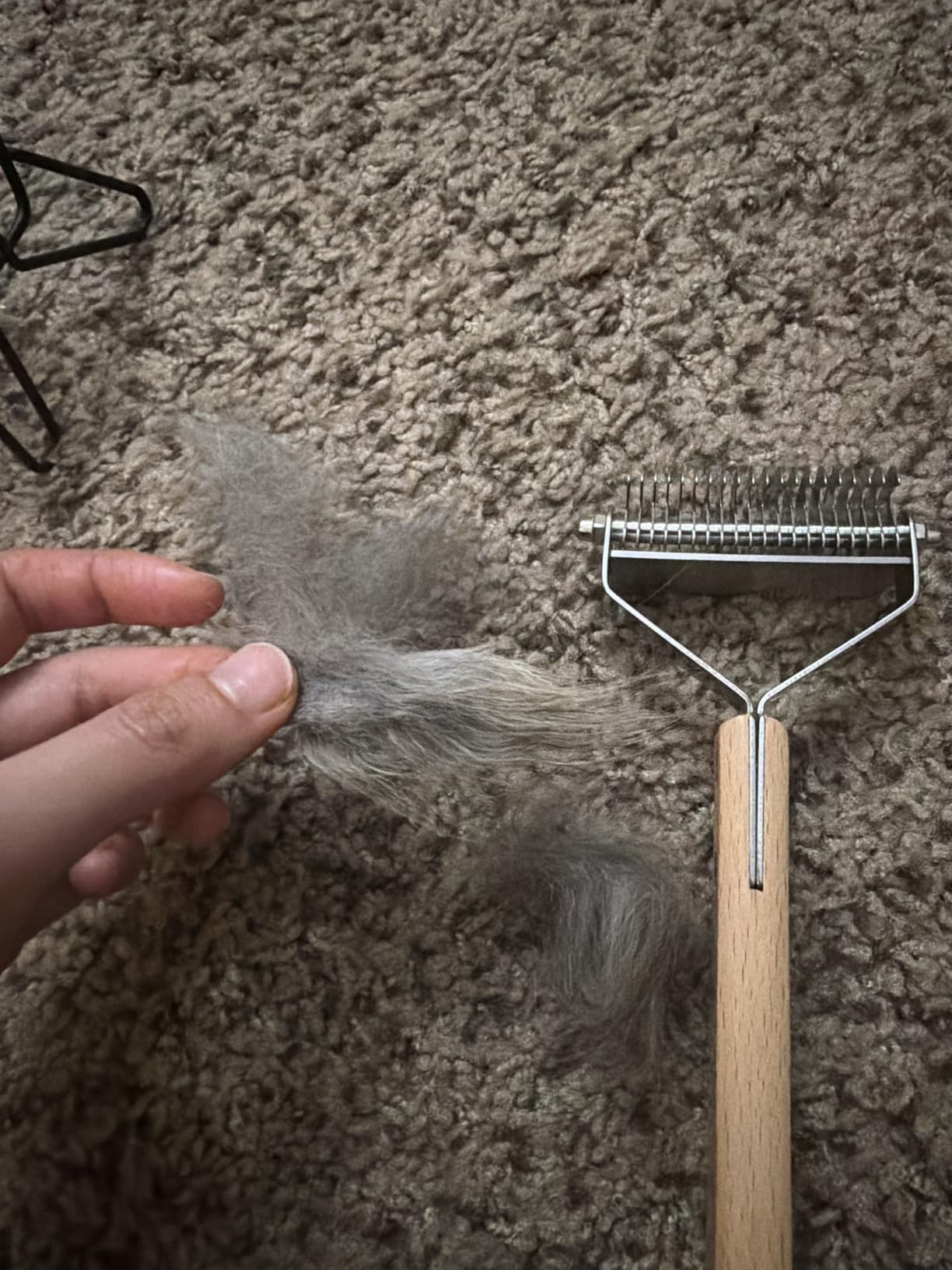
The wooden grip is anti-slip and warms up in the hand, which makes it easy to use slowly. Slow is the operative word here: several short strokes beat one long pull every time.
This is also the pick if you want a natural material in the hand. Owners often mention the grip as noticeably more comfortable than moulded plastic on a long coat.
When this tool makes sense
Reach for it when tangles have already formed at the skin line, when a Persian-type coat needs rescuing between grooms, or when shedding has produced knots behind the ears and under the belly.
For owners with a large, dense-coated cat, the CHILLPLN rake is the more recent alternative with a similar two-sided design. Both cover the same job.
When it is the wrong choice
The head is straight rather than curved to follow a cat’s back, so it has to be held almost parallel to the body. Get that angle wrong and the tool simply does nothing, which is the reason a small number of owners return it.
The dense side’s teeth are closely spaced, so it will not pass through every coat type. Use the wide side first and save the dense side for the finishing pass.
7. YiEFUR Self-Cleaning Cat Brush
- Lifts loose fur without scratching
- One-button cleanup needs no picking
- Grippy silicone gel handle
- Small head reaches chest and armpits
- Some heads detach from the handle
- Hair sticks to the silicone grip
- Teeth too widely spaced for short coats
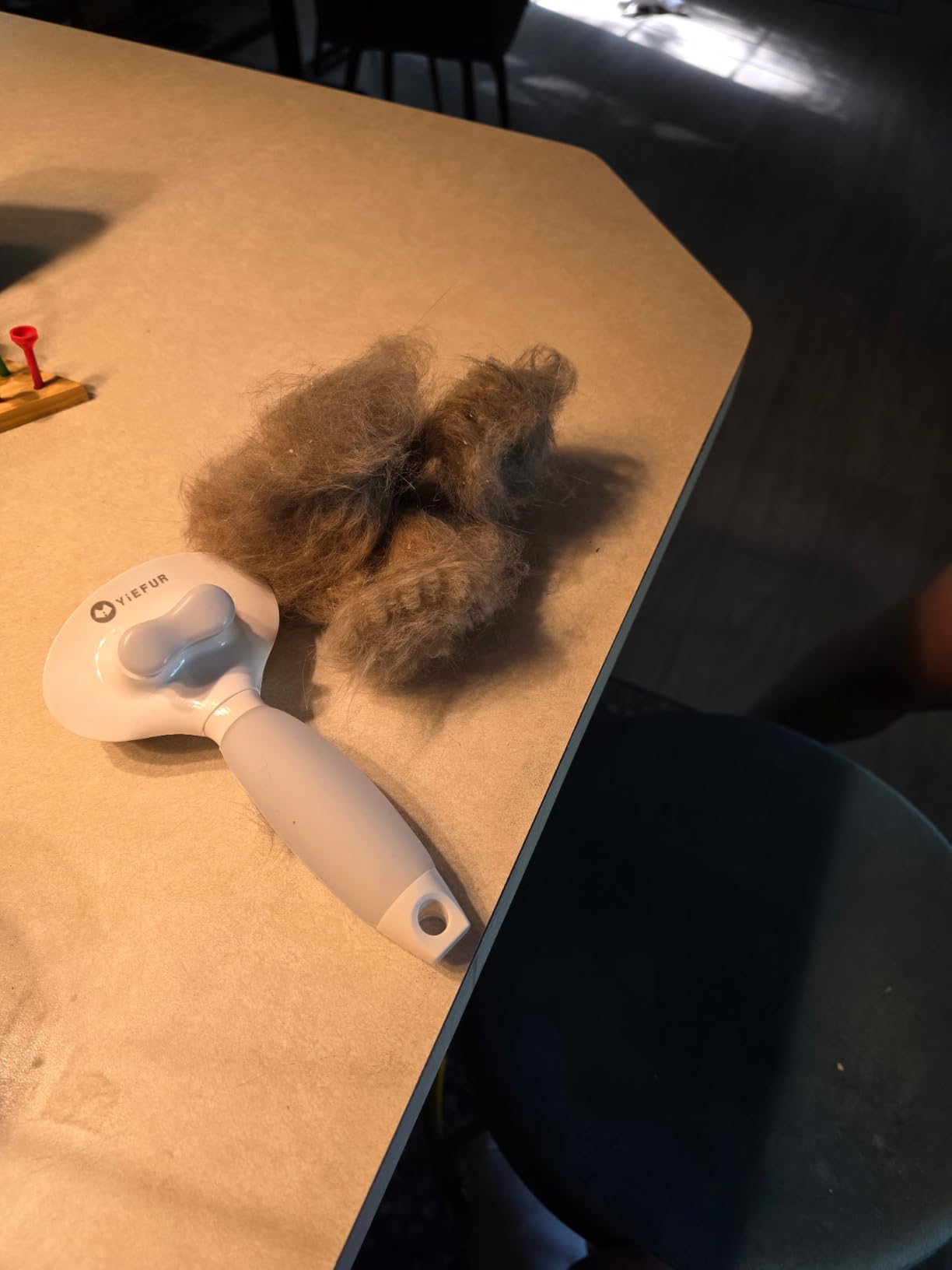
The YiEFUR is the cheapest tool here and behaves like something twice its tier. The curved soft-tip bristles lift loose fur, break up light tangles and massage at the same time, and the anti-skid silicone gel handle stays comfortable through a long session.
The push-button release retracts the bristles and the fur comes off in one clump. That feature alone puts it ahead of most brushes at this level, and owners report that cats actively ask to be brushed with it.
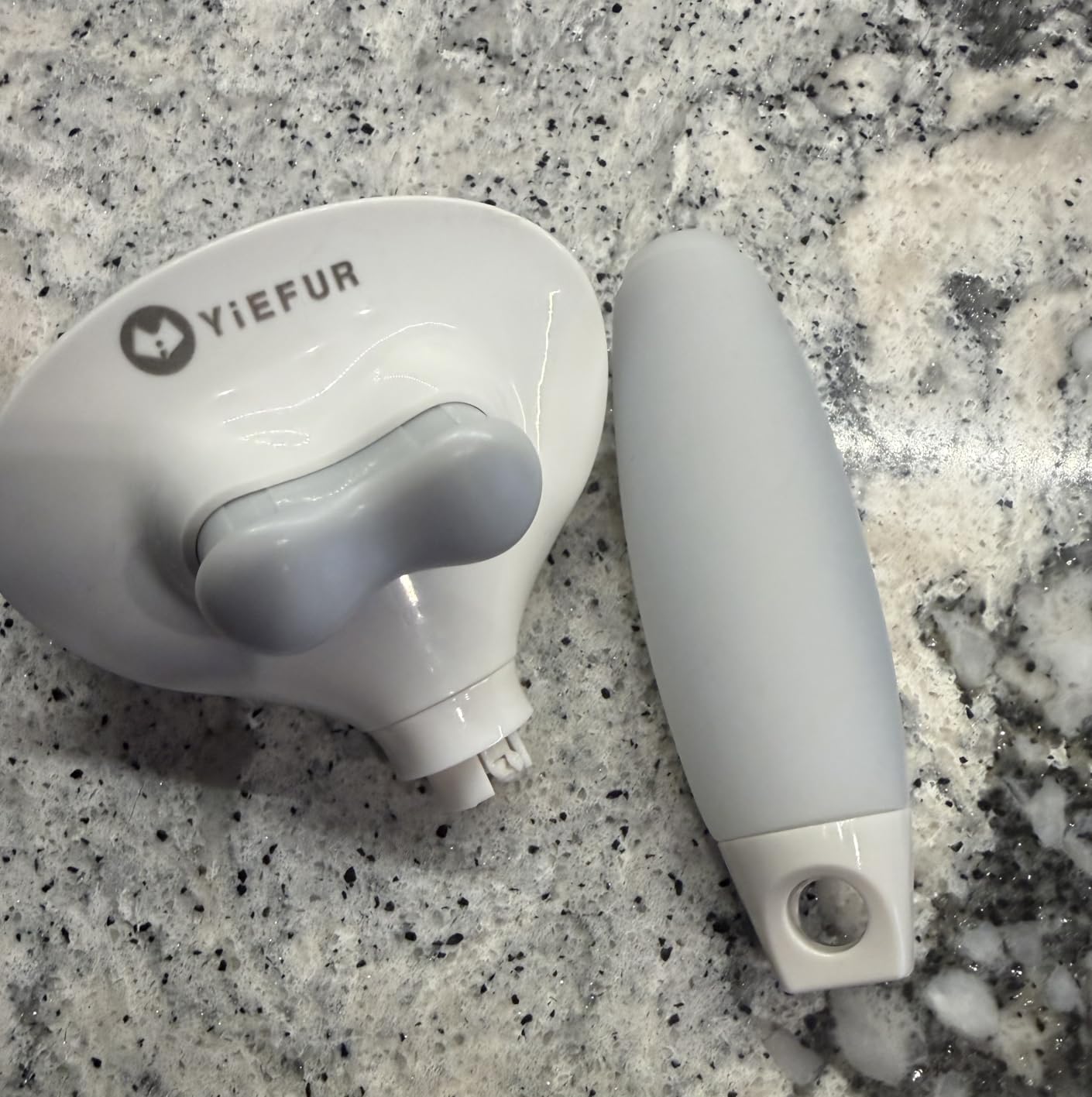
The small head is a genuine advantage rather than a compromise. It fits into the chest, the armpits and the area behind the ears, which is where skin-line mats begin on many long-haired cats.
Five colours are available and the material is described as durable and toxin-free. For a first brush, a kitten’s first brush, or a second household brush, it is difficult to argue against.
When this tool makes sense
It fits short daily sessions on mixed long hair, cats on a small budget, and multi-cat homes that need several brushes in rotation. The small head makes it the one we reach for behind the ears.
It also works well as a travel or cattery tool, where losing one is less costly than losing a premium rake.
When it is the wrong choice
Some owners report the brush head separating from the handle, so check it is seated properly before the first full session. Hair also sticks to the silicone grip and needs a damp cloth to remove.
The tooth spacing is wide, which is wrong for short-haired cats, and curved bristles can snag on mats that have already formed. Work tangles out first with a steel comb.
8. CHILLPLN 2-in-1 Undercoat Rake
- Cuts mats out of dense long coats
- Leaves the coat smooth and shiny
- Cats that swatted at brushes accept it
- Good behind ears and under belly
- Heavier than most cat brushes
- Cats can object to the weight
- Small review base compared with rivals
The CHILLPLN is built for the specific job of a thick undercoat on a large cat. The 20-tooth side detangles and cuts through mats, and the 30-tooth side removes loose undercoat once the tangles are gone.
What is unusual is the tooth design. The outer teeth are rounded to massage the skin while the inner edges stay sharper to slice through tough mats, so one side handles both jobs without dragging on the coat.
Owners of Maine Coons, Persians and Ragdolls report that it reaches deep into the undercoat and into hard-to-reach areas, and that the coat looks smooth and shiny afterwards. The beech wood handle feels warm and comfortable through a long session.
When this tool makes sense
It suits large, dense-coated cats that need more coat depth than a standard slicker can manage. It also works well for finding hidden knots behind the ears and under the belly.
If your cat previously hissed and swatted at brushes, the rounded outer teeth and the wood finish make this a gentler introduction than a metal pin brush.
When it is the wrong choice
It weighs more than most cat brushes, and some cats object to the weight alone before the teeth touch the coat. Small or young cats may find it unwieldy.
Dense areas need slow, careful strokes. Rushing pulls hair, and the review base is far smaller than the established tools here, so it carries less long-term track record.
9. Coastal Pet Safari Self-Cleaning Slicker Brush
Coastal Pet Safari Cat Self Cleaning Slicker Brush, Cat Grooming Supplies
- Highest-rated brush in the group
- Self-cleaning keeps pins straight
- Works on undercoats and long fluffy coats
- Pins hold shape over years of daily use
- Large head for chest and armpits
- Handle could be longer for leverage
- Fur builds up between the plates
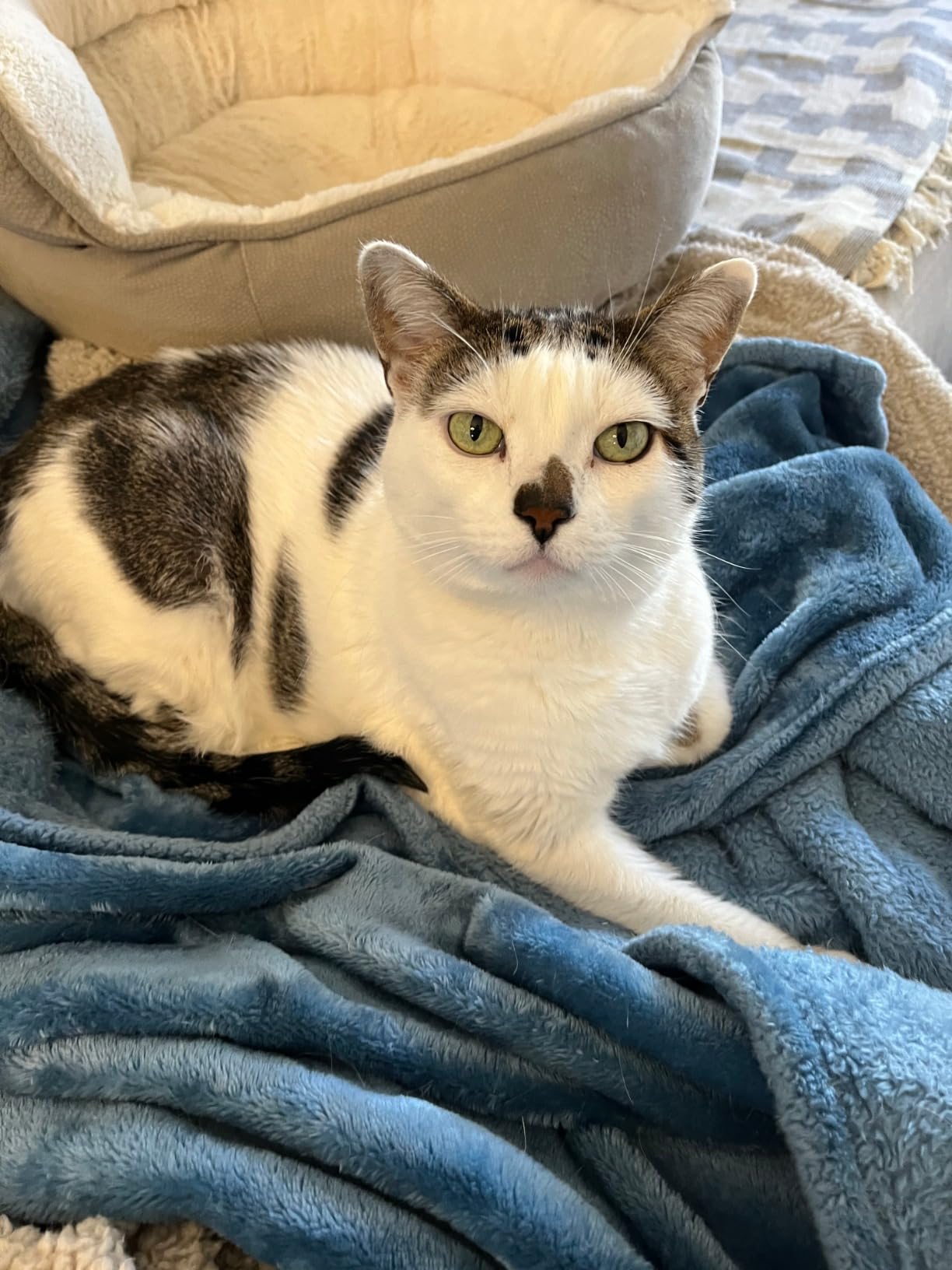
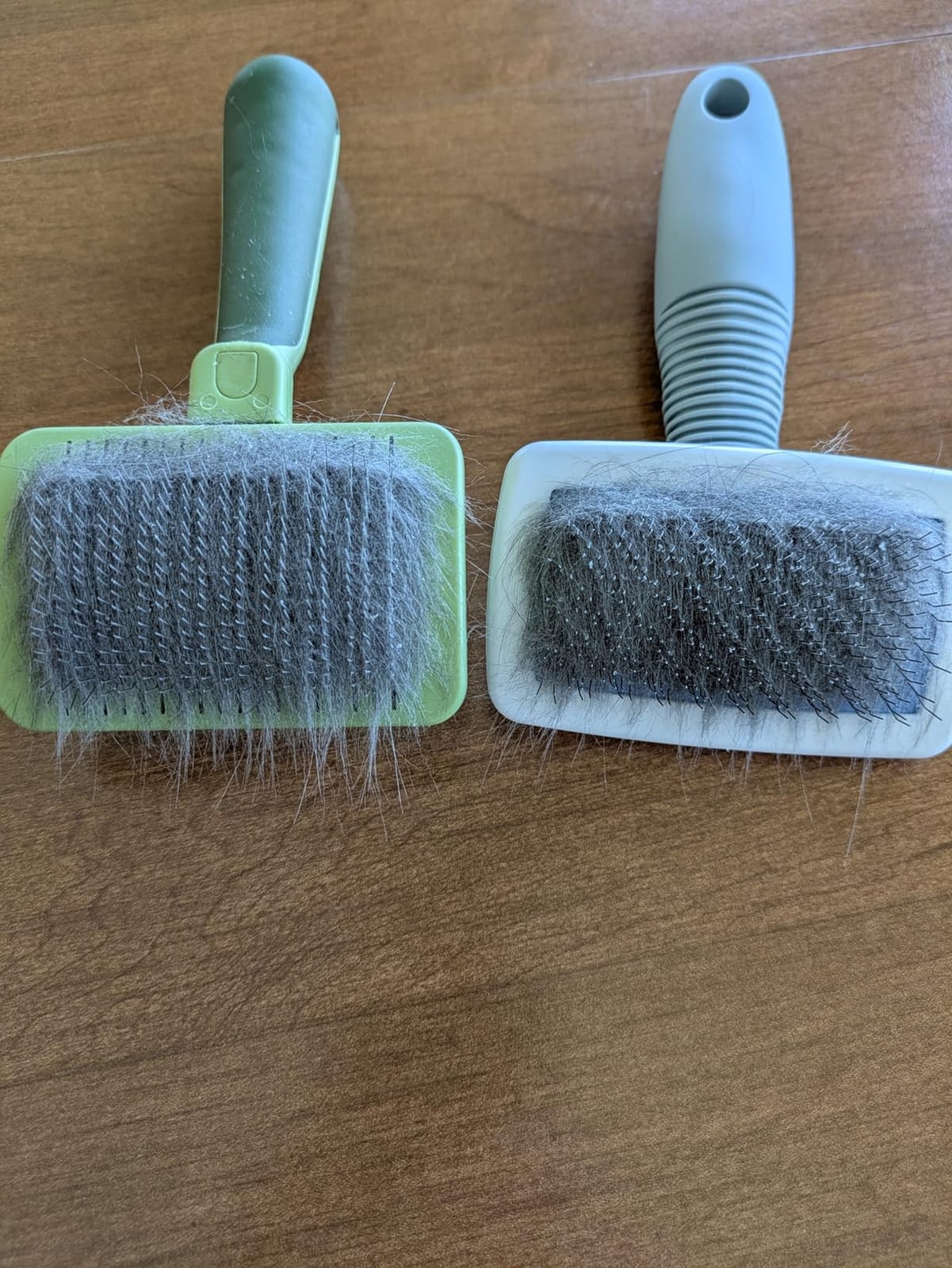
This is the brush that made us reconsider our usual order of operations. It is a classic slicker with coated stainless steel pins, and it has the highest average rating in this roundup at 4.7 stars across more than 2,700 reviews.
The pins detangle and lift loose fur and hidden dandruff without scratching, and the coating is what makes it tolerable on sensitive skin. It worked on both short dense undercoats and long fluffy coats in our sessions, which is unusual for a slicker of this size.
Durability is the headline here. Owners report pins that do not bend or dull with regular use, and several have used the same brush for years of daily grooming. The push-button release keeps the pins straight, which is what makes that durability possible.
It is also the best tool here for finishing. Run it after a comb and the coat looks polished rather than merely untangled, and it distributes natural oils through the topcoat.
When this tool makes sense
This is the brush to buy if you will groom every day and want one tool that stays in good shape for years. It is our pick for the topcoat step in a three-tool routine.
Owners of long-haired cats often buy it alongside a rake for shedding season, using the slicker for daily work and the rake for the twice-yearly strip.
When it is the wrong choice
The head is on the large side, which makes it awkward for sweeping the chest, armpits and belly of a smaller cat. Keep a small brush like the YiEFUR for those areas.
The handle is short, so leverage on a thick coat takes more wrist effort and a scratchier stroke is more likely. Fur can also build up between the two plastic plates over time.
10. Garstor Self-Cleaning Pin Brush
- Tips glide through coat without pulling
- Release button frees a whole sheet of fur
- Removes snarls and light knots
- Sturdy without feeling unwieldy
- Pins too fine for mats once formed
- Heavy for arthritic hands
- Some outer pins bent after a few uses
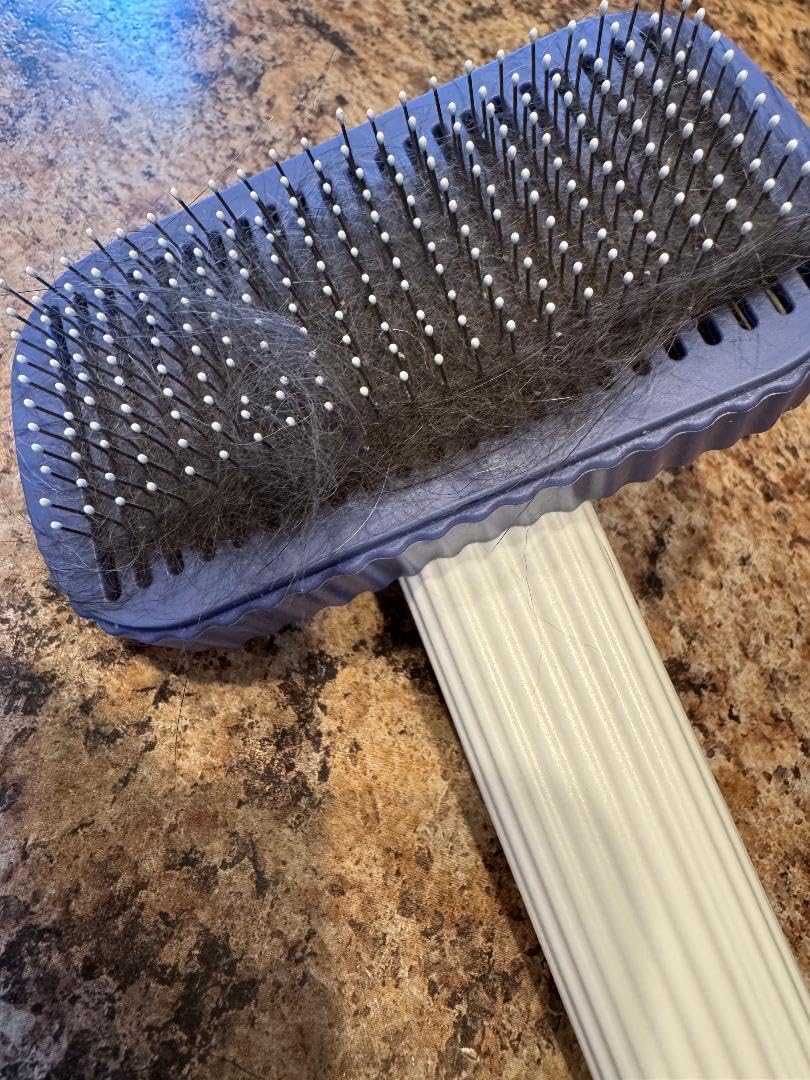
The Garstor is the brush owners most often describe as the one their cat finally accepted. Rounded rubber tips on the pins mean nothing catches the skin, and the 150-degree bend reaches deeper into the coat than a straight pin brush.
The one-touch release button frees the collected hair as a single sheet rather than a loose cloud, which keeps fur off the floor and out of the air. That difference is small in description and large in daily use.
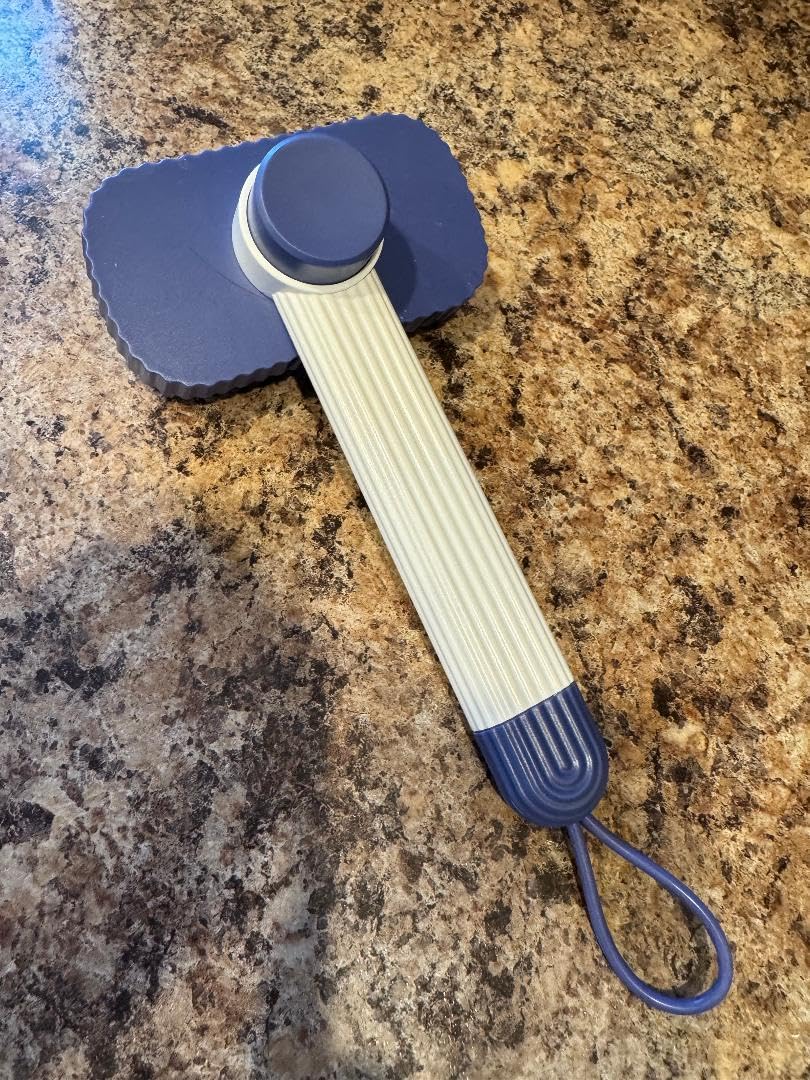
It handles snarls and light knots in long-haired cats well, and the listing names Ragdolls, Maine Coons, American Shorthairs, Siamese and Persians among the coats it suits. Owners of long-haired cats frequently report that their cat accepted this brush after rejecting several others.
At just under five ounces it feels sturdy in the hand without becoming unwieldy, which is a good balance for longer sessions.
When this tool makes sense
It is a strong choice for mixed and long coats with snarls that have not yet become mats, and for owners whose cat reacts badly to bare metal pins. The rubber tips handle that problem directly.
Keeping fur in a sheet rather than scattering it also makes it a good choice in homes where loose hair on the floor is the main complaint.
When it is the wrong choice
Once a mat has fully formed, these pins are too fine to break through it. That is a job for the FelineFun or the Docrok comb, and forcing this brush into a mat only pulls hair from the skin.
It is a little heavy for hands with arthritis, and a small number of owners report outer pins bending after only a few uses.
11. petgle Cat Brush and Comb, 2.5 inch
- Removes a large amount of dead coat in season
- Cats often purr and enjoy the scratch
- TPE handle repels hair
- Backed by a three-year replacement warranty
- Can split very fine silky coats
- Blade dulls within months with no replacement sold
- Not a substitute for an undercoat tool on double coats
The petgle is built around coat length rather than breed. The raked metal edge is designed for coats measuring roughly 1.2 to 2.8 inches, which covers most long-haired cats outside the extremes of a Persian’s dense topcoat.
Owners like it during seasonal shedding, when the pile of removed coat is impressive and cats often purr through it. The TPE and PP handle repels pet hair and stays comfortable, which keeps the tool clean between uses.
Two sizes are made: 2.5 inch for small to medium pets and 4 inch for larger, faster work on big cats. That makes it easy to size correctly for a Maine Coon versus a smaller long-haired mix, and it is covered by a three-year free replacement warranty.
The raked edge feels gentler than a slicker pin field, so it is a reasonable middle ground for a cat that tolerates brushing but dislikes metal pins.
When this tool makes sense
It suits shedding season on medium and long coats within that length range, and owners of mixed long hair tend to get the most out of it. The size choice is genuinely useful in a multi-pet home.
It is also a good value option if a premium de-shedding tool feels like more than you need, since the work it does on a medium coat is similar.
When it is the wrong choice
Owners report two specific problems. The blade dulls within roughly six months and no replacement blade is sold, so performance drops over time. And on very fine, silky hair, such as that of a half Maine Coon, it has been reported to break and split the topcoat over several months of use.
On a sturdy double coat it is also not a substitute for a proper undercoat tool, so pair it rather than replace one.
12. Mars Coat King Bristle Cat Brush
- Very soft natural boar bristles
- Less static than nylon bristle brushes
- Small head fits well in the hand
- Excellent for senior or bony cats
- Does not strip undercoat
- Removes far less hair than a wire rake
- Hard to clear hair from between bristles
The Coat King does the one job no other tool on this list does: finishing. After the undercoat is out and the topcoat is combed, this brush polishes the coat and removes dust and loose dander without disturbing the hair underneath.
The bristles are natural boar, three-quarter inch long on a two-inch wide head, set into a finished birch wood handle with nutwood varnishing. Made in Germany, it is also smaller than most cat brushes, which makes it easy to hold precisely.
Boar bristle produces noticeably less static than nylon bristle brushes, which matters in dry months. Owners also report it doubles as a calming massage, and senior or bony cats that dislike stiff tools tend to accept it.
When this tool makes sense
Use it as the last step of a full groom, and as a bonding tool on its own. For a cat who will tolerate brushing but not a heavy de-shedding session, it delivers a satisfying scratch without any pulling.
It is particularly good with senior cats, whose skin is thinner and whose coats often feel dry, and it distributes natural oils through the topcoat.
When it is the wrong choice
Despite the deShedding wording, it removes loose surface hair rather than undercoat, and reviewers are candid about that. Do not buy it expecting to reduce shedding volume.
The bristles are also too soft to work through knots or mats, and collected hair is difficult to pull out completely from between them. Keep a slicker on hand for detangling.
How to Brush a Long-Haired Cat Without Creating Mats
Tool order matters more than any individual brush. Working the topcoat before the undercoat just pushes loose hair down into the coat, where it tangles at the skin line. Follow these steps in order and the same three tools cover an entire session.
- Start with a wide-tooth or steel comb on the undercoat. Work in short strokes from the skin outwards along the neck, back and flanks, looking for the small tight knots that signal matting. Do not force through a knot; open it with the wide side of a dematting comb first.
- Move to a slicker or pin brush on the topcoat. Gentle, repeated strokes over the direction of growth lift loose hair and spread natural oils. Keep the pressure light enough that the coat does not shift under your hand.
- Check the areas brushes miss. The armpits, the belly, behind the ears and the base of the tail are where skin-line mats form. Use the comb teeth here rather than the brush head.
- Use the de-shedding tool last. Only on a coat that is already untangled, in the direction of growth. This is the step that cuts hairballs and furniture fur, and it will pull hard if you use it out of order.
- Finish with a bristle brush if the coat needs polishing. A few slow strokes with boar bristles finish the session and leave the coat looking clean rather than merely untangled.
- Keep sessions short and end on a win. Two or three minutes with a treat is far more productive than a long struggle. Cats that are groomed consistently from a young age accept far more handling than those groomed only when mats appear.
If you are setting up a space for a large cat to climb and groom comfortably, our picks for cat trees for large cats make grooming sessions easier to schedule because the cat is already relaxed from a play session.
How Often to Brush a Long-Haired Cat
Daily is the target for most long-haired cats, and the reason is not vanity. Loose hair that stays on the coat moves around during self-grooming and gets swallowed, which is how hairballs form. Removing it first is the single most effective thing an owner can do about them.
Frequency should follow coat density. A Persian or Himalayan type coat needs daily work across the whole body. A Maine Coon or Ragdoll can manage on three or four sessions a week outside shedding season, with more during coat change. Mixed long hair sits in between.
During shedding season, roughly twice a year, increase to daily use of a de-shedding tool and drop to a weekly full groom. The tools on this list were built for that volume: a normal pin brush will simply fill up.
Watch your cat rather than the calendar. Cats that overstimulate quickly do better with several short sessions than one long one, and a cat that suddenly resists a brush it tolerated last month may be sore, ill or carrying mats that need professional attention.
Cat Brush Buying Guide: Coat Type, Pin Length and Skin Sensitivity
Match the tool to coat density. Dense, woolly coats such as the Persian and Himalayan need a comb and a slicker working together, because the topcoat hides knots. Heavier but less dense coats such as the Maine Coon and Ragdoll respond best to an undercoat rake used after a comb. Mixed long hair works with almost anything, which is why most of the affordable brushes on this list handle it well.
Check pin type before pin length. Coated or rubber-tipped pins are the deciding factor for sensitive skin. The Aumuca, the Garstor and the Coastal Pet Safari all use rounded or coated tips, and those three are the ones we would recommend to a cat that flinches at metal. Bare wire pins are more effective but need a lighter hand.
Size the brush head to the cat. Large heads like the Coastal Pet Safari cover more area per stroke on a big long-haired cat, but they are awkward on the chest and armpits. Small heads like the YiEFUR are better for those tight areas and for kittens. Many owners end up keeping two sizes, which is normal.
Prioritise self-cleaning. A push-button release turns a two-minute chore into a ten-second one. Every brush here except the Pretty Paw and the bristle brush has a release mechanism, and on a daily grooming habit it makes a measurable difference.
Know when to stop. Tight mats that sit against the skin, bald patches, scabs, lumps or a sudden change in coat texture should go to a professional groomer or a vet rather than to a metal blade. Working a skin-level mat out at home risks pulling hair out of the follicle and tearing skin. If you are also considering new territory in the home, our guide to exercise wheels for large cats is a related read on keeping a heavy cat comfortable and settled.
Frequently Asked Questions
What kind of cat brush is best for long-haired cats?
Three tools work best, used in order: a wide-tooth or greyhound-style steel comb to find tangles in the undercoat, a self-cleaning slicker brush to smooth the topcoat and lift loose hair, and an undercoat rake or de-shedding tool to strip dead undercoat during shedding season. A single brush cannot do all three jobs well.
Should you brush a long-haired cat?
Yes. Daily brushing is the target for most long-haired cats because loose hair left on the coat gets swallowed during self-grooming and turns into hairballs. Regular brushing also prevents mats forming at the skin line, distributes natural oils and cuts the amount of fur on your furniture. Short sessions work better than long ones.
What do professional cat groomers use?
Groomers usually work a small set of tools in a fixed order: a steel comb or greyhound comb on the undercoat first, a slicker brush on the topcoat second, and a de-shedding tool last. For matted coats they reach for a double-sided dematting comb, and they finish with a bristle brush to polish the coat.
How to properly groom a long haired cat?
Comb the undercoat first with a wide-tooth steel comb, opening knots before they tighten. Then use a slicker or pin brush on the topcoat with light strokes. Check armpits, belly, behind the ears and the tail base with comb teeth, use the de-shedding tool last on untangled coat, and finish with a bristle brush. Keep sessions to two or three minutes with treats.
Are slicker brushes painful for cats?
They can be, if used too firmly. A slicker is designed to skim the topcoat, so pressing hard makes the pins drag across the skin rather than through the hair. Use light repeated strokes, and choose coated or rubber-tipped pins for sensitive cats. Persistent redness or flinching means switching to a bristle or rubber brush instead.
Final Verdict: The Best Cat Brushes for Long-Haired Cats
The best cat brushes for long haired cats depend on what your coat is actually doing. For shedding season and hairball control, the FURminator Medium to Large deShedding Tool is our top pick, and the Docrok combo covers de-matting and detangling in one kit. For sensitive skin, the Aumuca’s rubber-tipped pins change the whole experience.
Whichever you choose, the order is the same: comb the undercoat, slick the topcoat, de-shed last, and keep every session short. Owners of multi-cat homes may also want to compare our tall cat towers for multiple cats while planning a consistent grooming spot.