
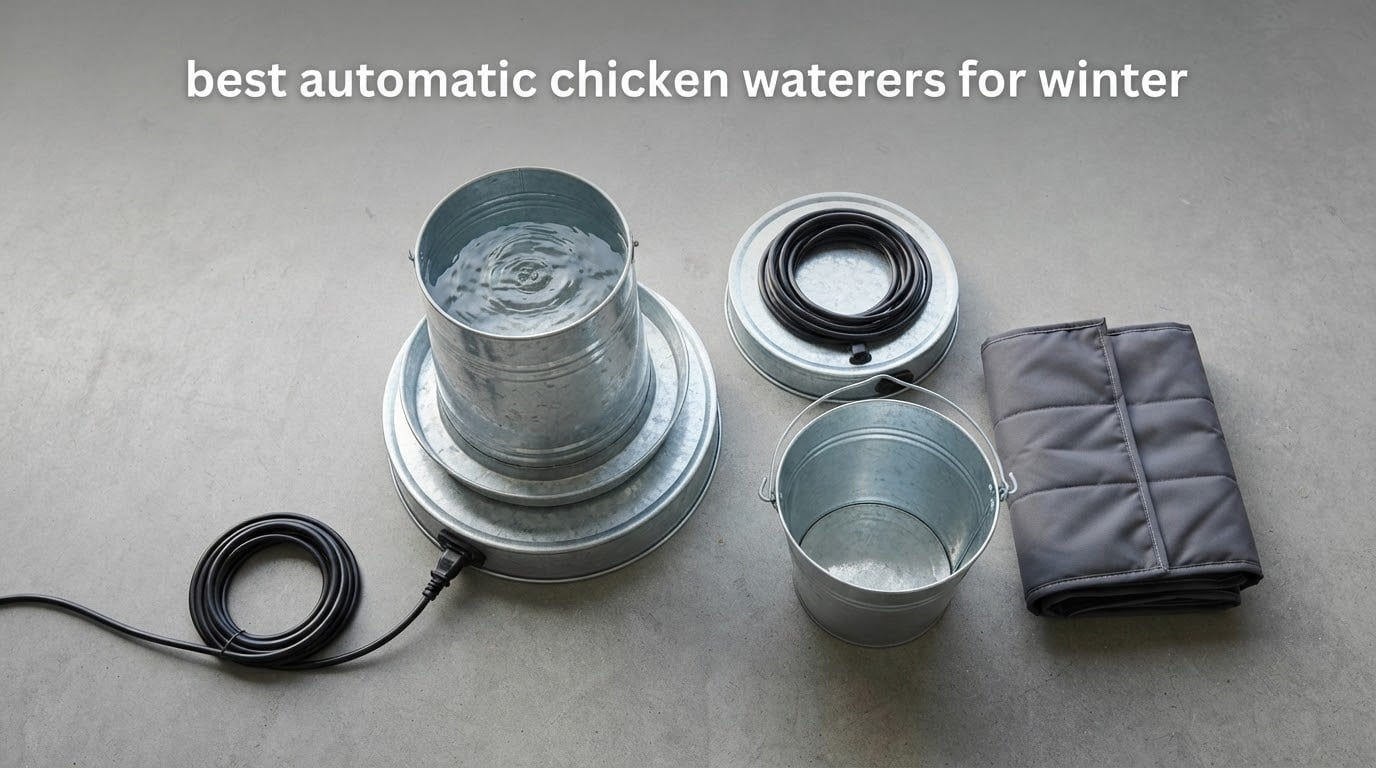
A solid block of ice in the water pan at 6am is the fastest way to start a bad winter day. Chickens need water every single hour, and the freeze that ends it almost always happens overnight, while you are asleep, so the flock goes hours without any before you notice.
The best automatic chicken waterers for winter are the units with a thermostatically controlled heating element or a heated base that hold the reservoir just above freezing through the coldest hours, and that keep birds drinking from nipples, cups or an open trough instead of an ice-covered pan. Our pick for most flocks is the Farm Innovators HB-60P 2-Gallon Heated Fount, because it pairs a 60-watt thermostat with side-mounted freeze-free nipples and has the deepest pool of long-term owner feedback of anything we looked at.
We built this roundup around the failures rather than the marketing. Every pick below lists its capacity, wattage, rated minimum temperature and the specific complaint that shows up most often in owner reports, cross-checked against what keepers say on Backyard Chickens and Reddit. If you want the general-purpose version first, start with our guide to poultry waterers for chicken coops, then come back here when the temperature drops.
Table of Contents
Top 3 Winter Waterers for Chickens in 2026

Farm Innovators HB-60P Fount
- 60W thermostat
- 2 gallon capacity
- Side freeze-free nipples
- Serves up to 15 birds

Premier 1 3-Gallon Heated
- 100W element
- 3 gallon capacity
- Recessed horizontal nipples
- Detachable 16 ft cord

Omlet Insulated 3-Gallon
- Insulated walls
- Cups and nipples included
- Anti-roost locking lid
- Water-level window
The Editor’s Choice carries the most reviews in this group by a wide margin, which matters most for a device you plug in and forget for three months at a time. The Premium Pick has the strongest low-temperature engineering, and the Top Rated pick has the highest satisfaction score in the lineup.
Best Automatic Chicken Waterers for Winter in 2026
| Product | Specifications | Action |
|---|---|---|
| Farm Innovators HB-60P |
|
Check Latest Price |
| Premier 1 3-Gallon All-Season |
|
Check Latest Price |
| Omlet Insulated 3-Gallon |
|
Check Latest Price |
 Zoblise 125W Heater Base Zoblise 125W Heater Base |
|
Check Latest Price |
 API 3-Gallon Heated API 3-Gallon Heated |
|
Check Latest Price |
 My Favorite Chicken 28W Base My Favorite Chicken 28W Base |
|
Check Latest Price |
 K&H Thermo-Poultry 2.5 Gal K&H Thermo-Poultry 2.5 Gal |
|
Check Latest Price |
 Myodal 62W Steel Base Myodal 62W Steel Base |
|
Check Latest Price |
 Gsbomzap 12-Inch Base Gsbomzap 12-Inch Base |
|
Check Latest Price |
 RentACoop Thermo Bucket Belt RentACoop Thermo Bucket Belt |
|
Check Latest Price |
Wattage tells you how hard the heater works, rated minimum temperature tells you how deep the cold goes, and capacity tells you how often you walk out in the dark. Nothing on this list does all three perfectly, which is why the picks below each name the situation they suit.
1. Farm Innovators HB-60P 2-Gallon Heated Fount – The Best All-Round Winter Waterer
- Thermostat cycles only when needed
- Huge long-term review base
- Removable lid and metal handle for hanging or ground placement
- Drip-free side nipples suit free-range birds
- 2 gallons is the smallest capacity here
- Plastic body less durable than metal options
- Birds need training to use nipple drinkers
- About 1 in 10 reviews cites cord or plug problems
This is the unit we keep coming back to, and it has been the backbone of our own winter setup for several seasons. The 60-watt element is thermostatically controlled, so it draws power only when the water actually needs warming, and the side-mounted nipples are angled to stay drip-free in cold weather. A metal handle lets you hang it clear of wet ground or set it down on the ground for free-ranging birds.
What makes it our first pick is the evidence base. It carries 6504 reviews with a 4.2 average and a 67% five-star share, and owners across cold states describe it as the unit that got them through a polar vortex without a frozen block at dawn.
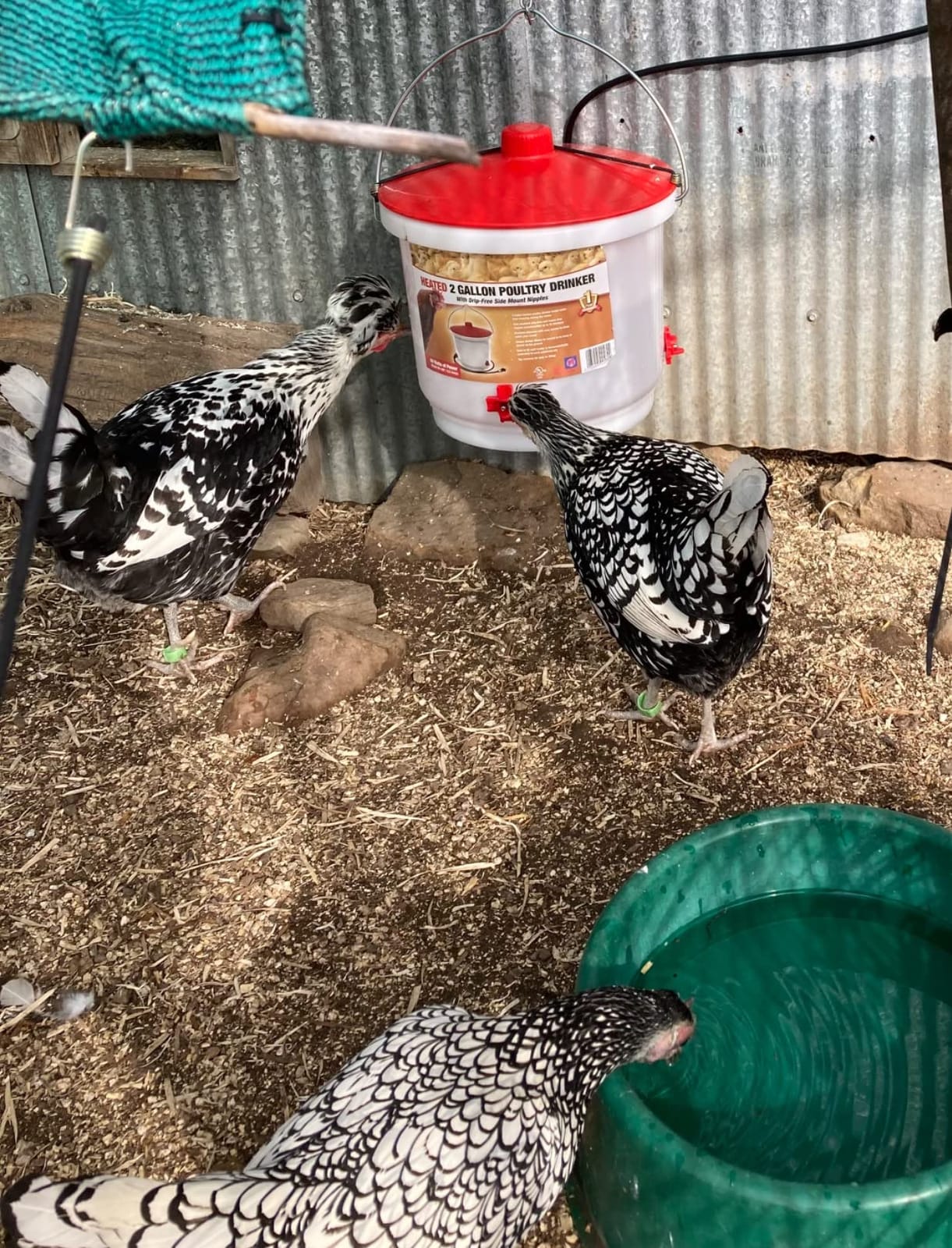
The honest limit is capacity. Two gallons serves up to about 15 chickens on the manufacturer’s guidance, and in sustained deep cold birds drink more, so a flock at that ceiling needs a daily top-up or a second unit. We also see nipple drinkers take new birds a few days to learn, which matters if you are introducing pullets right as the cold hits.
Roughly a tenth of reviews are one-star, and cord and plug problems are the recurring theme among them. That is worth taking seriously, because it is the same failure mode that trips breakers when moisture reaches the connection.
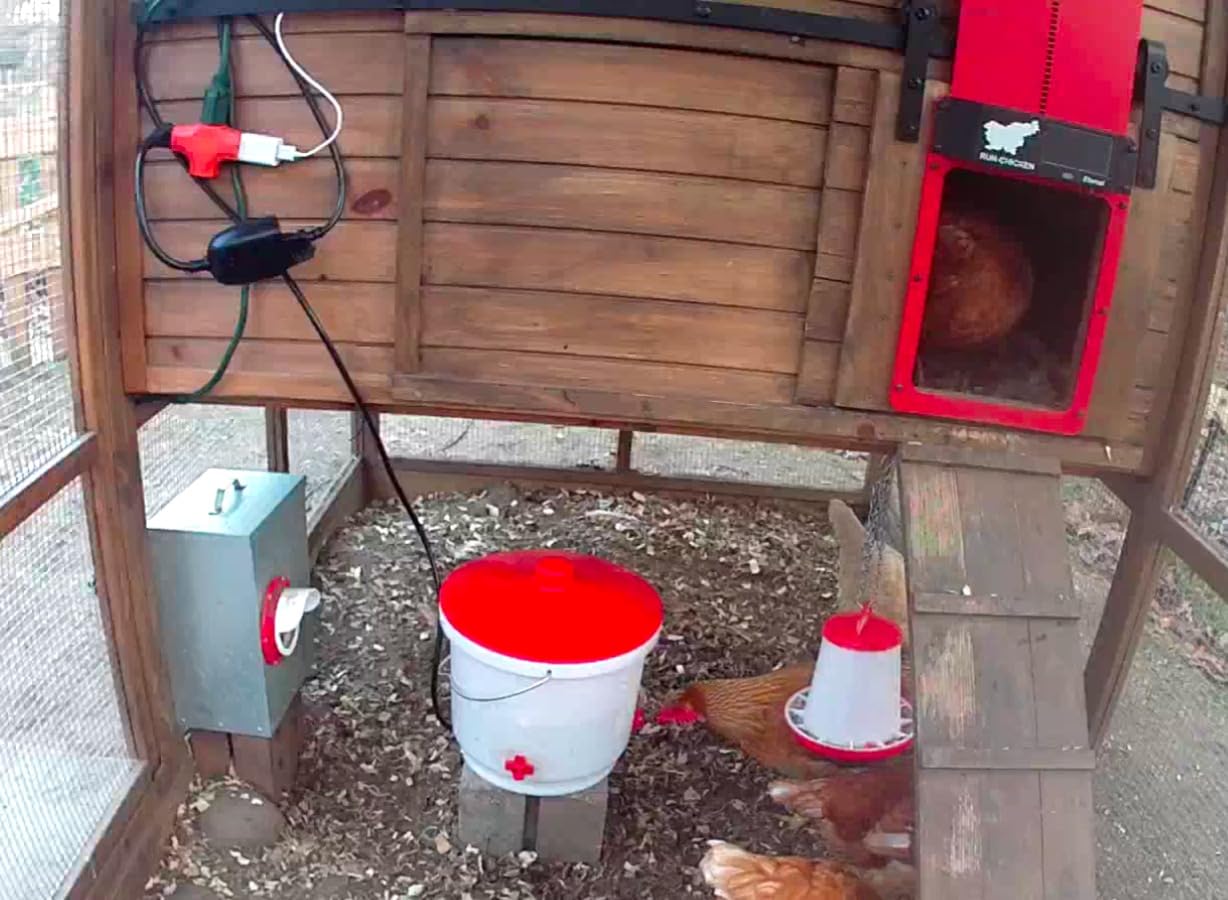
Why the HB-60P works for a mixed-age backyard flock
Side-mounted nipples sit above the water line, so birds drink from a small metal pin rather than an open surface. That matters in winter because open water loses heat faster and collects bedding, droppings and ice. For a flock of 6 to 15 birds on ground-level or free-range, the geometry here is as good as it gets at this size.
Owners running it through hard cold frequently pair it with a shallow rubber pan underneath to catch drips, which also gives the birds a place to stand without scratching the plastic base.
Where the HB-60P falls short
If you keep more than about 15 birds, this is not the vessel. Two gallons gets consumed faster than you would expect once the water is sitting near freezing and the flock is active at dawn, and a bigger reservoir means a bigger element or an external base.
The plastic shell is also the part most likely to crack if a unit is dropped on frozen ground, and plastic holds cold worse than galvanized steel. Keep it off the frozen ground and you will get many seasons of service.
2. Premier 1 3-Gallon All-Season Heated Waterer – Best for Serious Cold
Premier 1 All-Season Heated Poultry Waterer for Chickens & Ducks – 3 Gallon
- Strongest low-temperature engineering in this lineup
- Hinged quick-fill cap works with a hose in any weather
- Detachable 16 ft cord allows year-round use
- Interior easier to clean than base-mounted designs
- Highest cost tier of the founts here
- Some owners report nipples or lid icing in exposed setups
- Manufacturer advises against extension cords
- Replacement cords must come from the manufacturer
When the forecast shows single-digit temperatures and falling, this is the unit we reach for. The 100-watt element is governed by a built-in thermostat that switches on below 40°F and off at 60°F, and three gallons covers up to 35 adult chickens, which removes the daily refill from the equation for most backyard flocks.
The nipples are recessed horizontal rather than vertical, and that orientation is the single most useful engineering detail on this list. Horizontal nipples present a smaller surface area of trapped water, so they freeze later than vertical pins and they sit higher in the reservoir where the water is warmest. Owners in Indiana and Ohio report no freezing at all through multiple full winters.
The hinged quick-fill cap is sized for a hose or a watering can, so you never pry a frozen lid off with cold hands at 5am. The 16-foot cord detaches for warm months, which turns one fount into your year-round waterer instead of a winter-only box in the barn.
The most common complaint is freezing at the nipples or around the top in very cold, fully exposed placements. The other recurring note is that the manufacturer advises against extension cords, which is a problem if your coop has no outlet within reach.
Why the detachable cord matters more than it sounds
Most heated waterers become dead weight in July. This one unplugs and runs as a plain nipple fount through the warm season, so you own one vessel instead of two and your birds never have to relearn a drinking station at the seasonal switch.
Three spare nipples ship in the box, which matters more than it looks because nipples clog and freeze, and a spare means a two-minute fix rather than a trip to the store.
Where the Premier 1 falls short
It sits at the top of the price range for a 3-gallon fount, and you pay for the element and thermostat rather than for capacity. If your winters are mild or your birds number eight or fewer, the HB-60P covers the same ground for less.
Because the manufacturer rules out extension cords, a long cord run means running a proper outdoor-rated circuit to the coop. Plan that before you buy, not after.
3. Omlet Insulated 3-Gallon Waterer – Best Rated and Best for Water Quality
- Highest satisfaction score in this lineup
- Blocks 99 percent of light so water stays clear
- Anti-roost lid birds cannot displace
- Both cups and nipples let you mix drinking styles
- Top of the price range for 3 gallons
- No active heating element for sustained hard freezes
- Manufacturer does not endorse the nipples for deep winter
- Over-tightened fittings leak
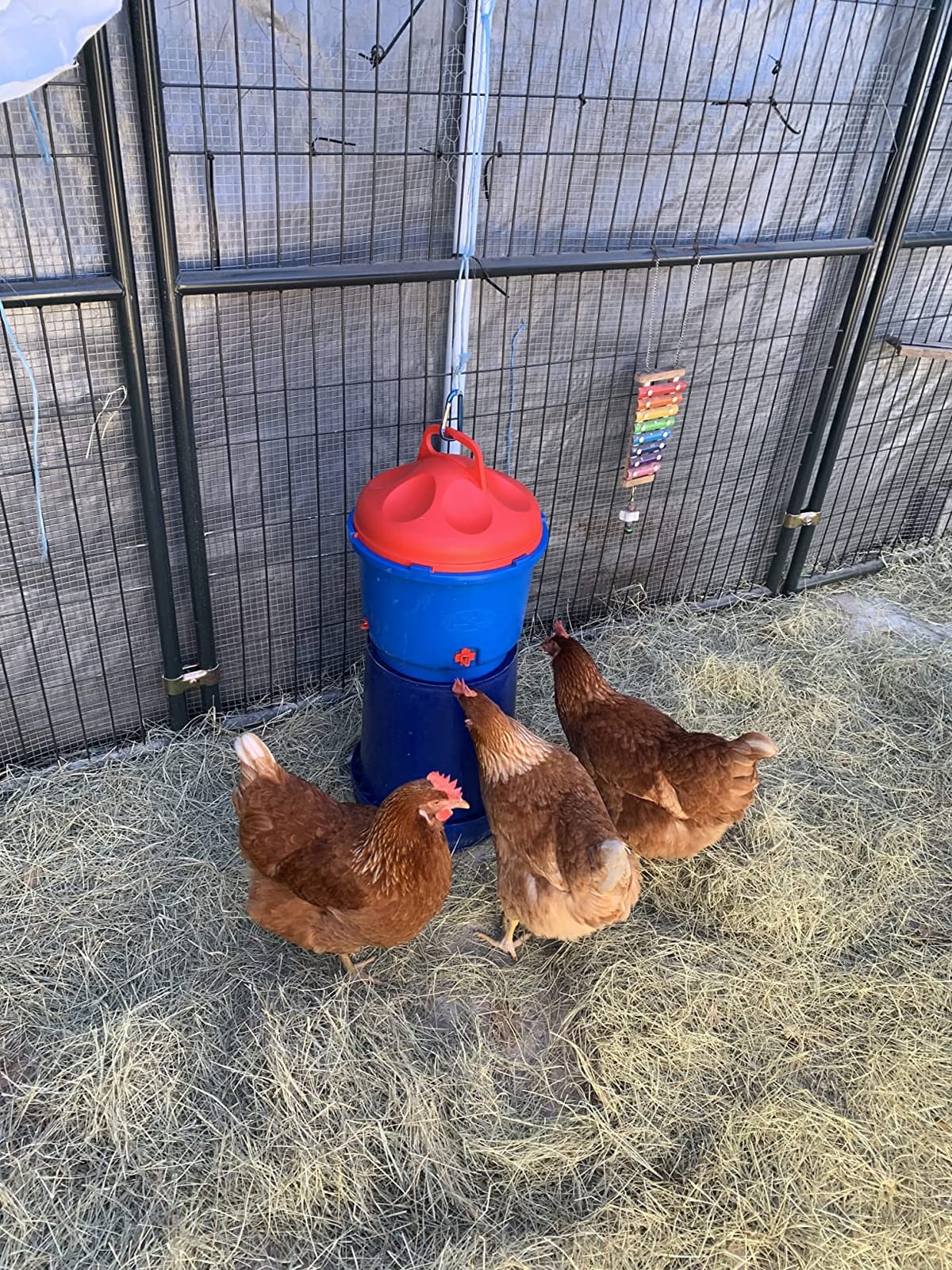
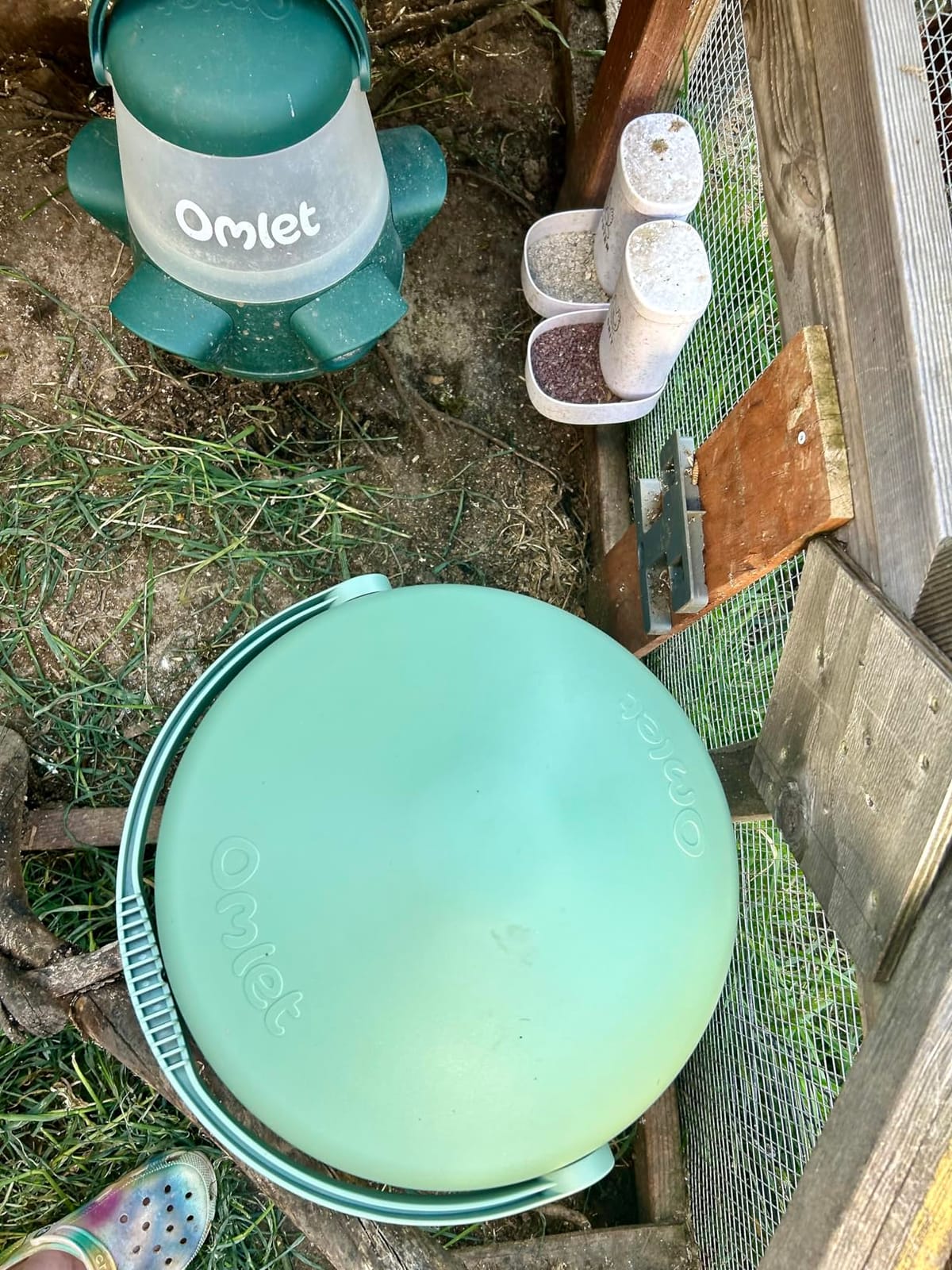
This unit carries a 4.6 average with an 81% five-star share and only 4% one-star, the strongest satisfaction profile in the group, and owners describe it as the cleanest water they have ever kept. It blocks 99% of light, which stops algae in the water, and the dome lid uses a handle-based lock that birds cannot displace, so nothing perches on top and fouls the reservoir.
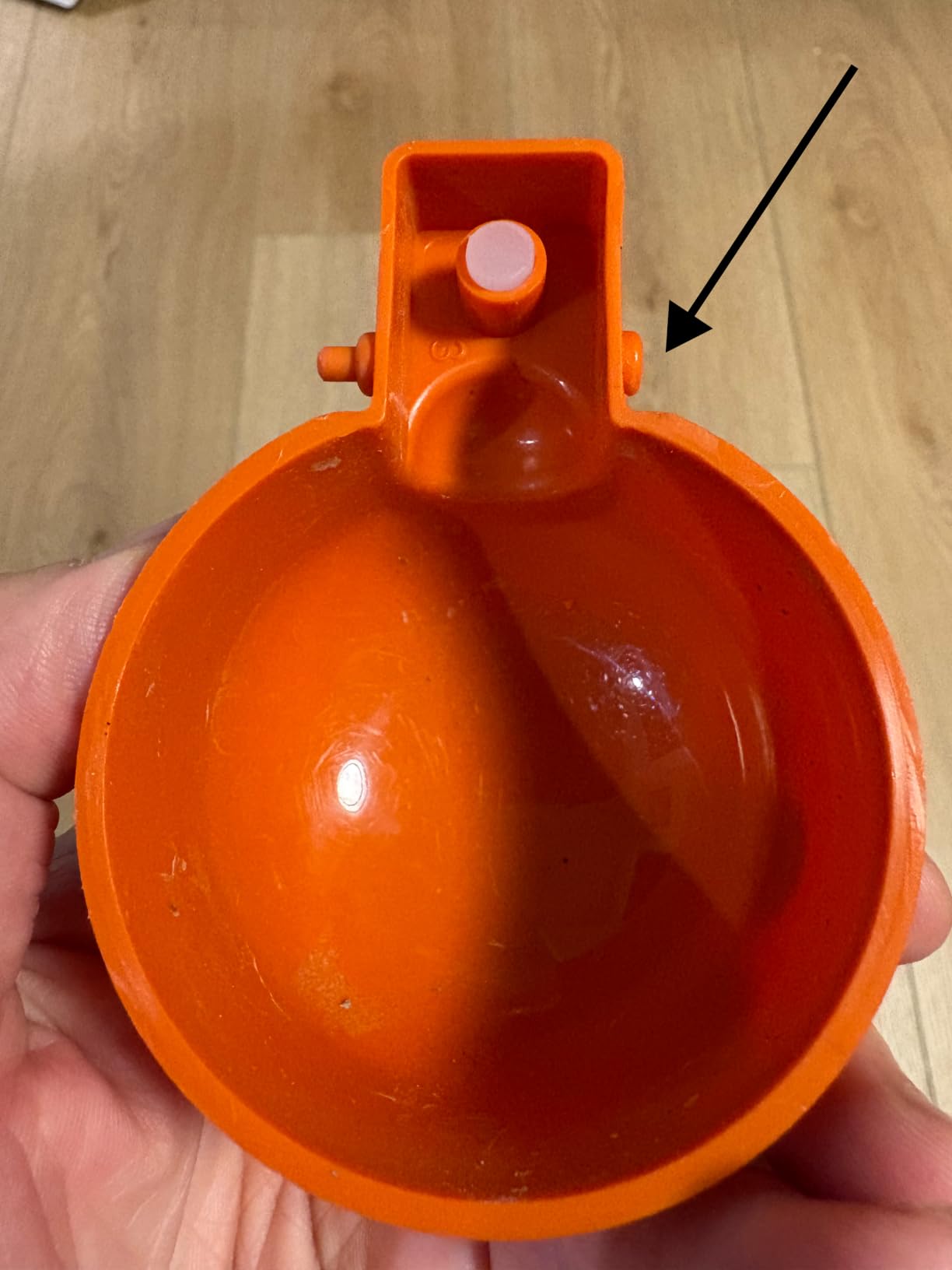
Both cups and nipples are included and interchangeable, so a flock with mixed preferences can drink its own way. Owners also report water staying cool for two to three days in extreme summer heat, which is where most of the review volume comes from.
Here is the part that matters for this article: it is insulated, not heated. There is no element and no thermostat, so it helps against a cold night or a cold snap, and it slows freezing rather than defeating it. The manufacturer’s own guidance is not to rely on the nipples in deep winter.
Treat it as a shoulder-season unit, a mild-winter unit, or as a second waterer you rotate in when the forecast drops. That is exactly how several owners describe using it through a northern winter.
Why water quality decides more winter health than temperature
Algae and droppings in an open water source are a bigger everyday problem than a cold night. Light blocking, a roost-proof lid and cups that sit below the rim keep the water clean, which means fewer blocked nipples and fewer birds drinking fouled water in February.
The water-level window also removes a daily guess. You can see the level from outside the coop instead of lifting the lid in the cold.
Where the Omlet falls short
Insulation slows freezing. It does not prevent it, and pairing it with a heater base costs more than buying a purpose-built heated fount. If your winters go well below freezing for days at a time, this is a supporting unit rather than your only source.
Three gallons also means larger flocks need more than one, and over-tightening the wing nuts on cups or nipples is a common source of small leaks.
4. Zoblise 125W Heater Base – Best Retrofit for 5-Gallon Waterers
Chicken Water Heater Base for Winter, Heated Chicken Waterer 5 Gallon 125W
- Handles 5-gallon waterers without tipping
- Galvanized steel transfers heat and resists rust
- Thermostat cycling cuts evaporation and refills
- Waterproofing has held through months of snow and rain
- Several owners report mid-season failure after a few months
- Single-digit temperatures still ice the top of the drinker
- Overfilling exposes the upper portion to freezing
- Base can get hot enough to mark a soft surface
If you already own a big fount, this is the cheapest path to winter water, and at 125 watts it has the most heating output of any base in this roundup. The 14.6-inch galvanized platform is wide enough that a full 5-gallon waterer sits flat instead of tipping, which matters more than it sounds when the ground is frozen and uneven.
Owners in Fairbanks and across the Northeast report it holding a 5-gallon drinker liquid down to around 5°F. The thermostat reheats below 35°F and shuts off above 77°F, so it idles most of the season.
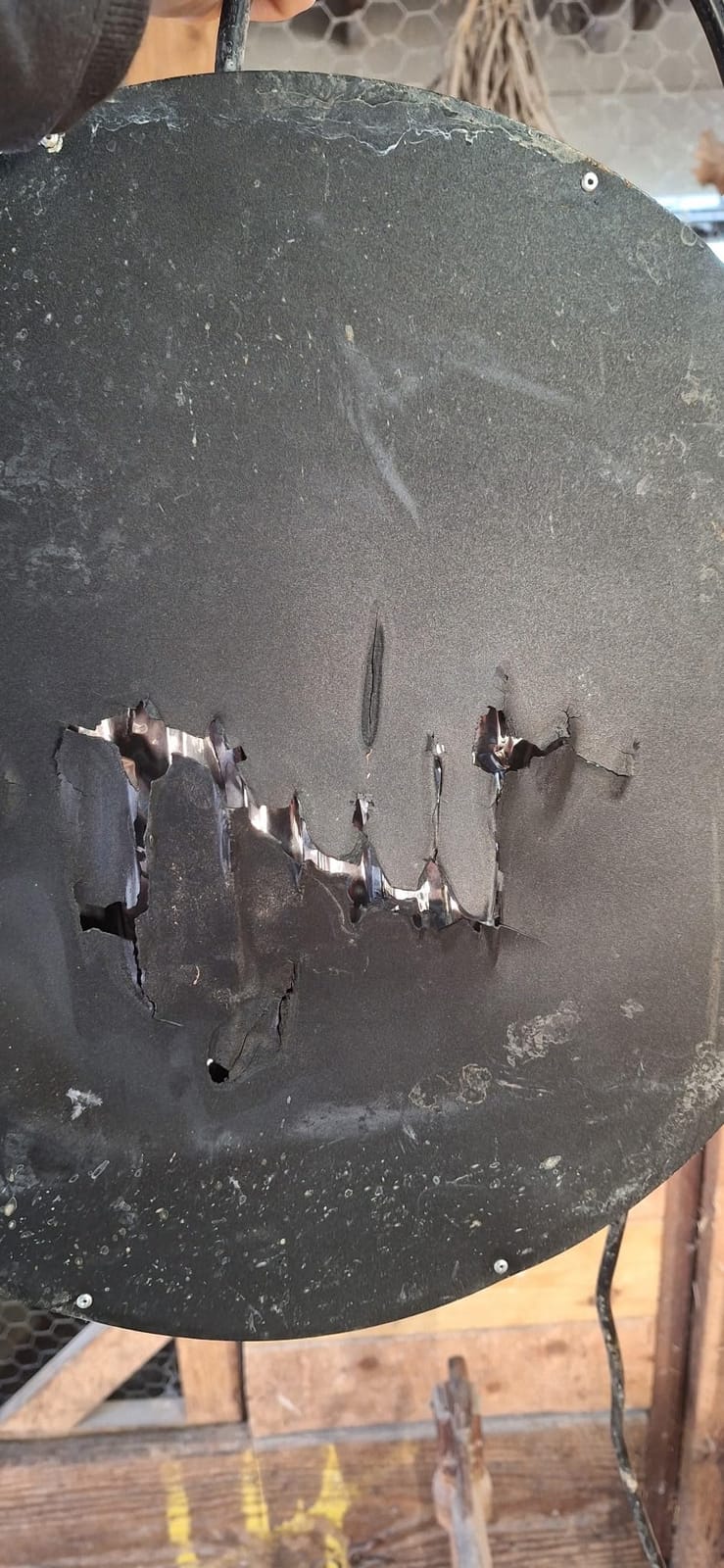
The weakness is thermal physics. A base heats from below, so in a tall fount the water at the top sits outside the warm zone and ices first, and owners who overfill see exactly that problem get worse.
Durability is the other theme. Multiple reviewers report the heater dying after roughly four months or arriving dead, and one reported melted marks on the underside where it sat on a soft surface.
Why a bigger base is worth the extra footprint
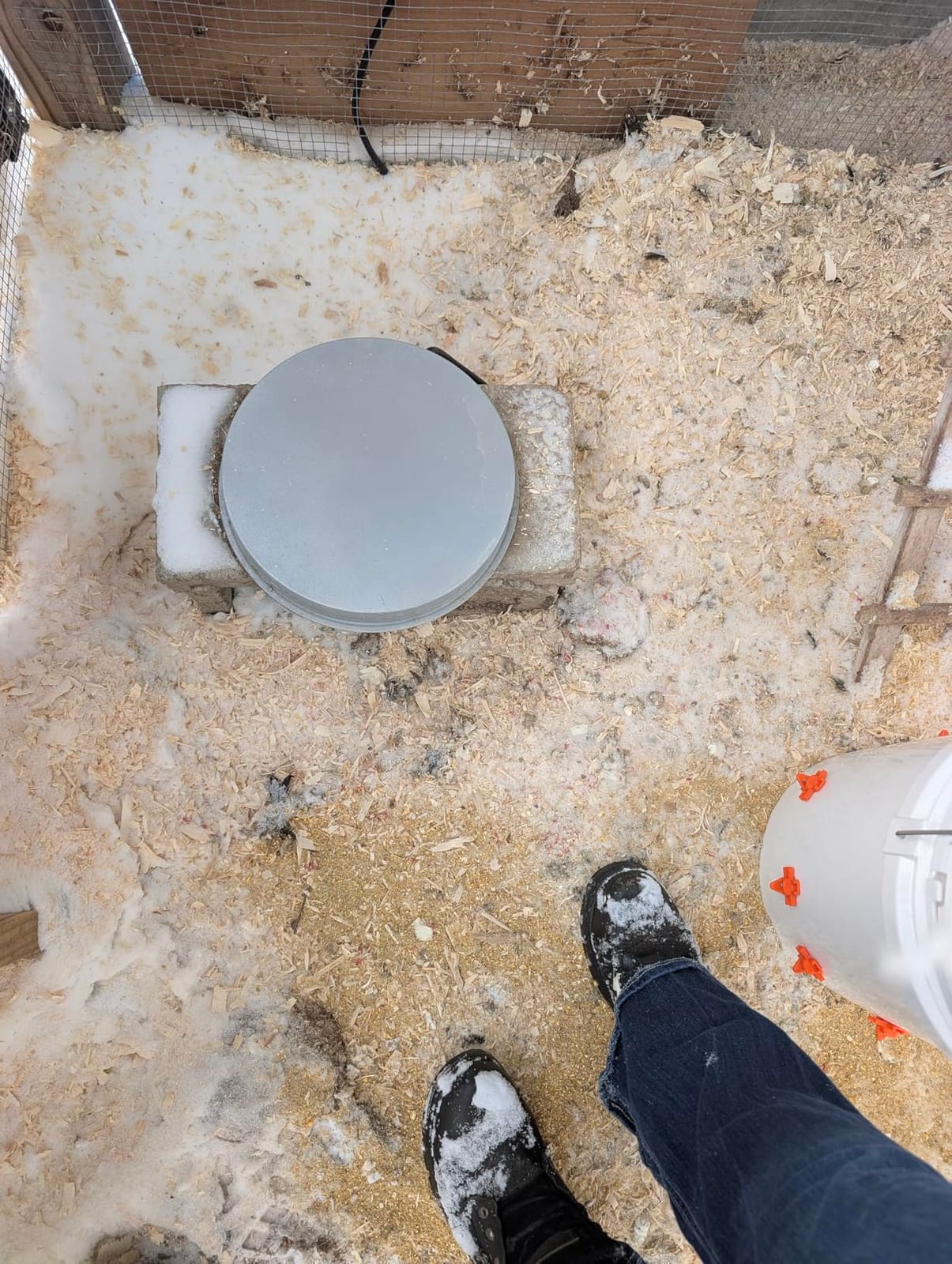
A full 5-gallon waterer weighs more than 40 pounds. A smaller plate concentrates that load on a narrow ring, and reviewers of the compact bases report wobble, tipping and ice forming outside the heated zone where the container never made contact.
The 14.6-inch platform also leaves room to set a wide trough across the top rather than balancing it. Never run a plastic waterer on a base while it is empty, because the element can scorch the plastic.
Where the Zoblise base falls short
This is a bottom-heat solution. If your winter problem is a 5-gallon fount freezing solid from the top down, this delays it rather than solving it, and you will still need to check the upper water on the coldest mornings.
The 14% one-star share points at a genuine reliability question, so keep a plain backup waterer and treat this as gear that may need replacing each season.
5. API 3-Gallon Heated Waterer – Best for Cold Hands and Simple Filling
API 3 Gallon Heated Chicken or Bird Waterer with Overheating Protection, Galvanized Steel Handle, and Easy to Fill Funnel Design, White
- Funnel fill opening is easy to use with gloves on
- Thermostat and even heater pad avoid overheating
- Rounded top stops birds roosting in the water
- Galvanized steel handle for carrying and hanging
- Rated only to about -5F so not built for northern winters
- 4-foot cord is short for coops away from an outlet
- Mixed reports on heating consistency across units
- Heavier than plastic founts
The design detail that earns this one its place is the funnel-style fill opening on a 3-gallon jug. At 5am with gloves on, filling a wide-mouthed bucket while water splashes everywhere is the part of winter chores people complain about most, and this layout solves it.
The thermostat works with an optimized heater pad designed to warm the water evenly rather than cooking a ring at the bottom, and the rounded top discourages roosting so the water stays uncontaminated.
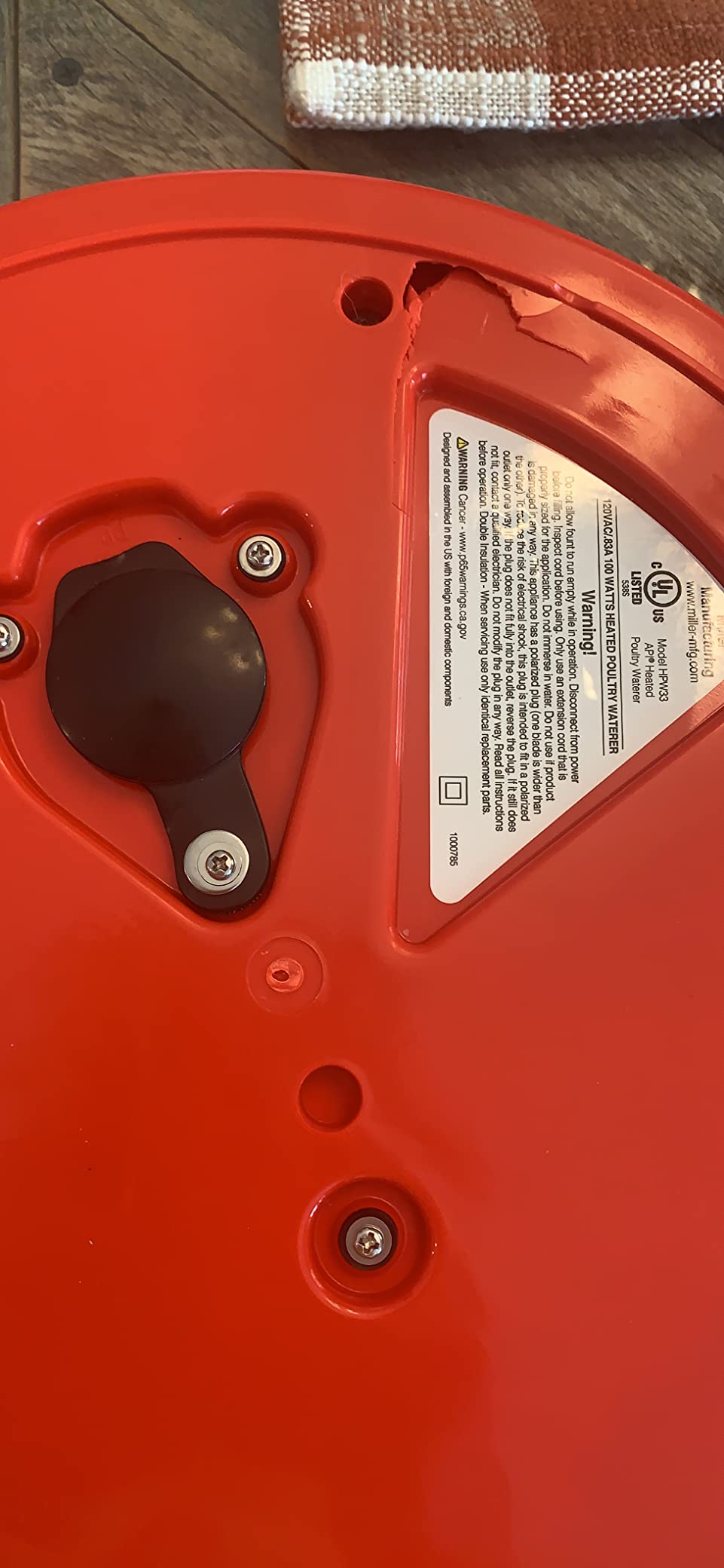
Be clear-eyed about the temperature rating: ice-free to about -5°F. That covers a lot of ordinary winters, and it does not cover northern climates, where published and observed failures start appearing below that line. The 4-foot cord with a lock-and-dry connection is also short if your outlet sits at the far end of the run.
Its 4.0 average with a 60% five-star share and 13% one-star is the widest mid-rating band here, and reviewers point to inconsistent heating across units in the same batch.
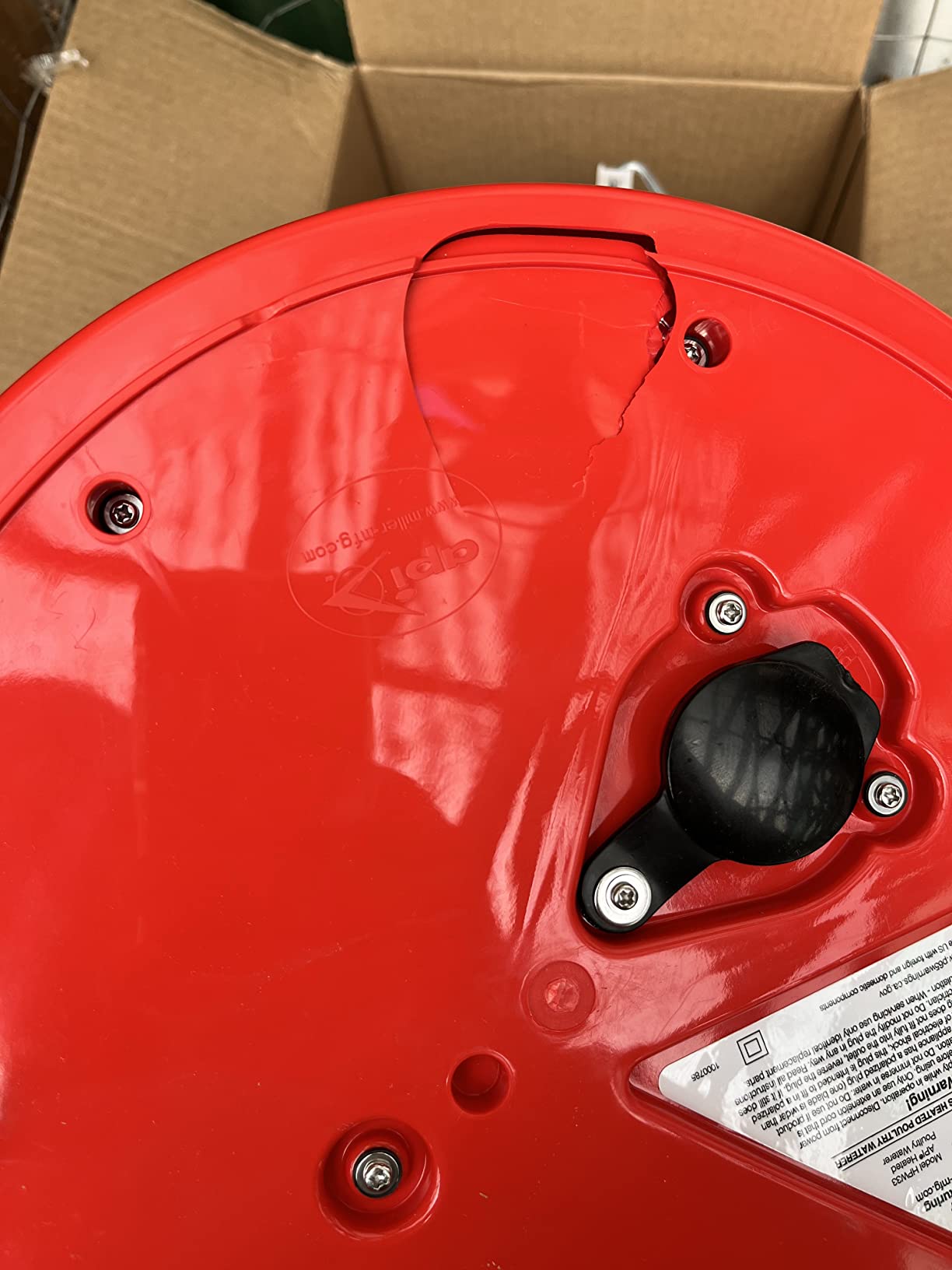
Why the roost-proof top is a genuine winter feature
Anything flat on top of a waterer becomes a perch, and a perched bird dropspings into the water overnight. In winter that contamination sits in a tank that birds drink from for days, because the cold suppresses the smell that would warn you off.
A sloped or rounded top removes the perch entirely. Several owners cite this, rather than the heating, as the reason their water stayed drinkable all winter.
Where the API waterer falls short
The -5°F rating is the deciding factor for anyone north of the mid-Atlantic. If your local record low drops into the teens, budget for a second unit or pick something rated deeper.
The alloy steel body also adds weight compared with plastic founts, which matters if you are hauling water in from a spigot rather than using a hose.
6. My Favorite Chicken 28W Heater Base – Best for Low-Voltage Safety
- 24V supply keeps household line voltage away from water
- Rated to -20F
- among the deepest claims here
- Lowest wattage of any heated base in this roundup
- Sealed housing resists moisture ammonia and corrosion
- No maintenance and simple plug-and-play setup
- 11.8 inch tab span excludes many 5-gallon waterers
- Base-only warmth leaves tall founts partly exposed
- Sizing smaller than higher-output bases
- Waterer not included
The safety argument here is the reason to buy this one. A 24-volt power supply keeps household line voltage away from the water, and in a damp coop where a bird can knock a splash into a connection, that separation is worth more than raw heating power.
It also draws only 28 watts, the lowest figure in this roundup, which makes it cheap to leave running for months. The sealed housing resists ammonia, moisture and corrosion, all three of which destroy ordinary open-frame heaters inside a chicken coop.
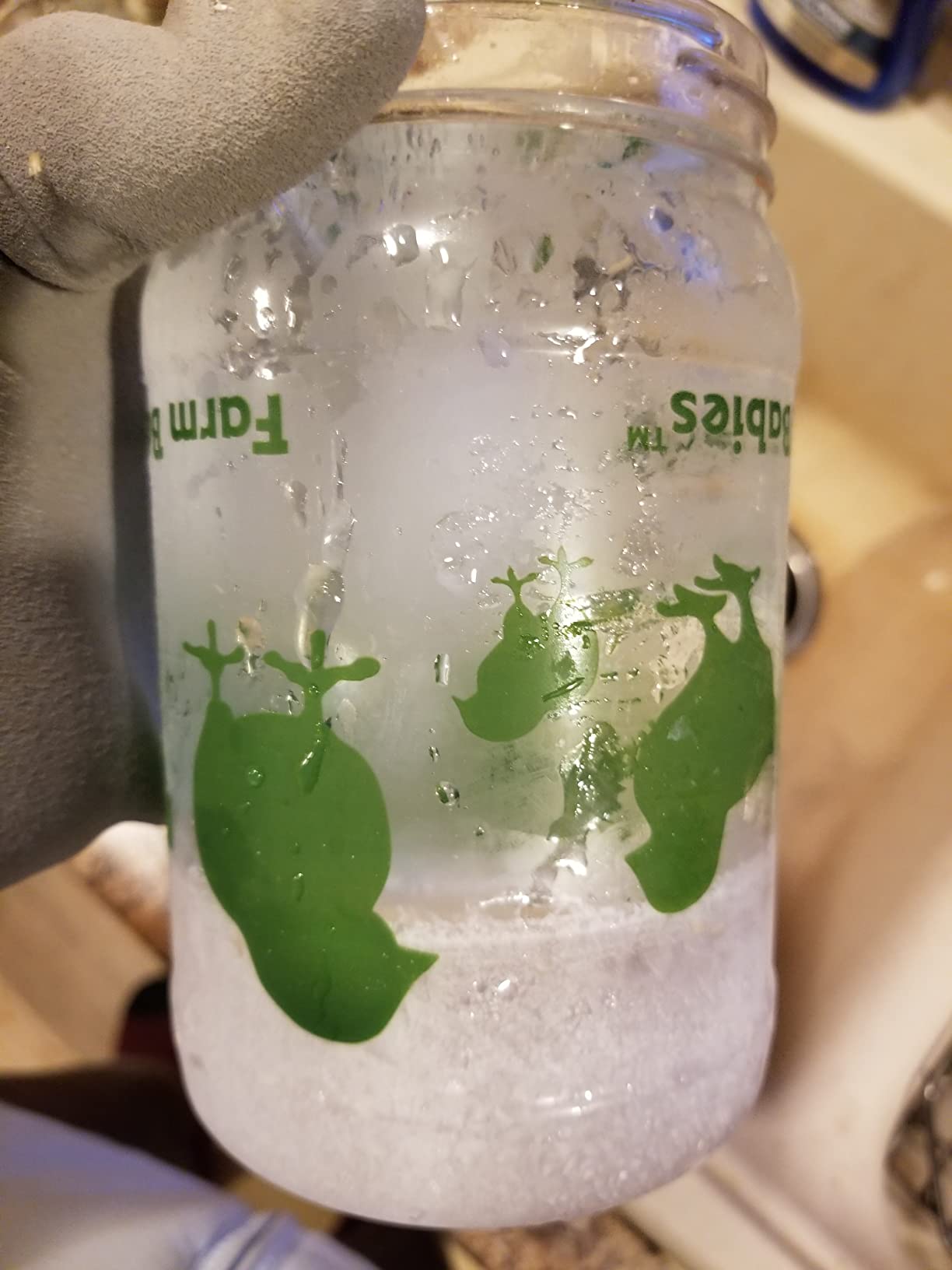
The rated freeze protection to -20°F is among the deepest claims we found, and adjustable sliding tabs fit most plastic and galvanized waterers, buckets and founts up to 11.8 inches. Owners report easy installation and compatibility with containers they already had.
The trade-off is heat output. At 28 watts, warmth comes from the base only, so a tall fount keeps water liquid at the bottom while the top stays exposed, and the tab span will not clamp onto a wide 5-gallon container.
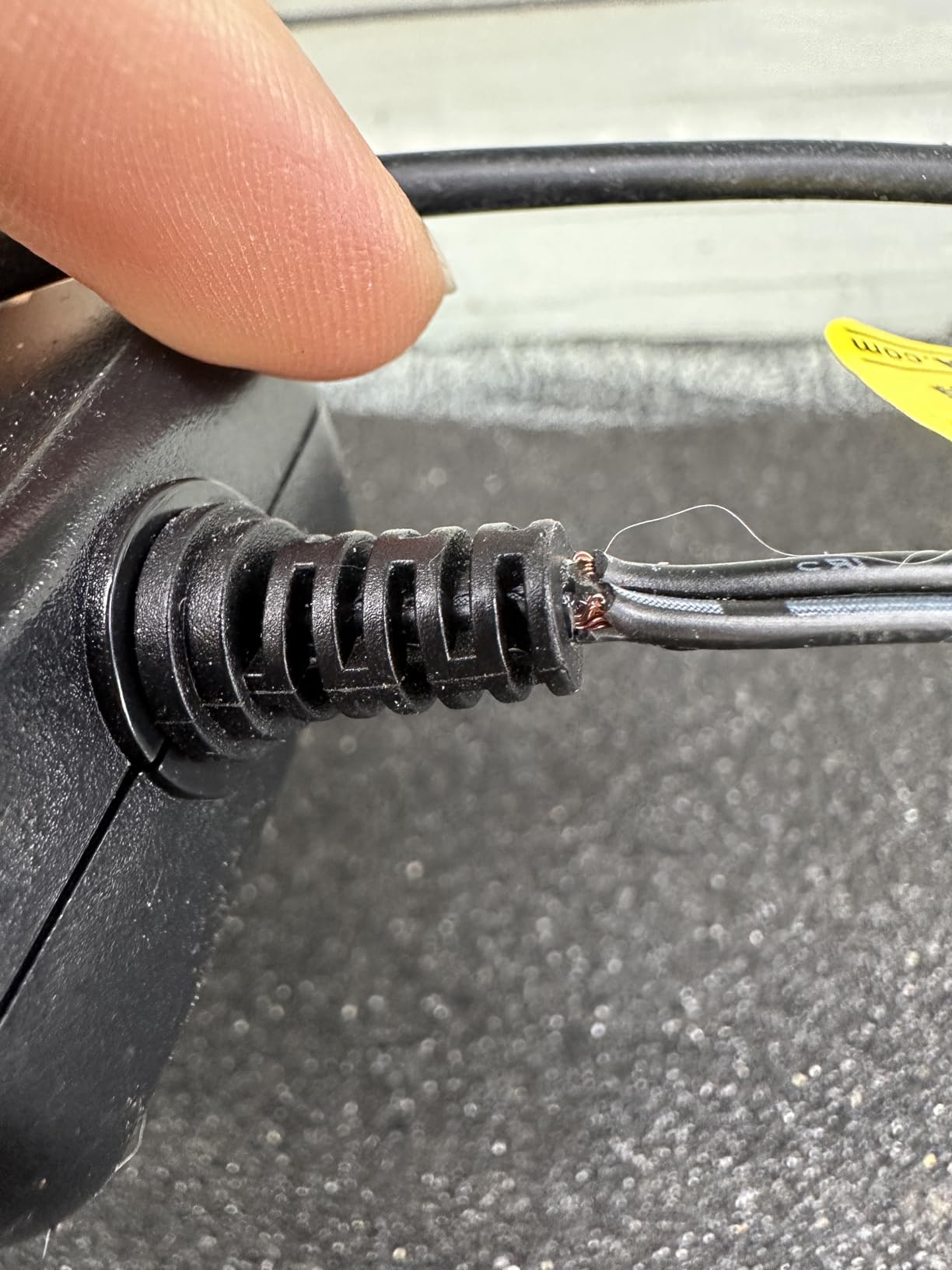
Why low voltage changes the risk calculation
Every waterer failure that matters in a coop involves water and electricity meeting. A low-voltage supply means the energy delivered into that water is far lower than household current, which lowers the severity of a fault and makes a ground fault far less likely to injure a bird or trip a breaker.
This is not a guarantee, and any heater in a wet environment still belongs on a GFCI-protected circuit, but it is the design choice that most reduces the chance of trouble.
Where the 28W base falls short
28 watts is modest next to the 100-watt and 125-watt bases, and that gap shows up in deep cold with a large container. It is a good match for a 2 to 3 gallon fount and a poor match for a wide 5-gallon one.
Several owners also report durability complaints over the longer term, with an 11% one-star share reflecting that pattern.
7. K&H Thermo-Poultry 2.5-Gallon Waterer – Best for Keeping the Floor Dry
K&H Pet Products Thermo-Poultry Waterer 2.5gal. (Heated) Gray 60 Watts – No Roost Top & Non-Spill Refill
- Spill-proof cap means no soaked floor while carrying
- Roost-eliminating shape keeps birds off the water
- Removable filter ring lifts debris out of the trough
- Thermostatic control avoids overheating
- 2.5 gallon tank is quick to fill
- Smallest useful capacity for anything beyond a modest flock
- Highest share of 3-star reviews here
- Tank is not insulated like newer units
- Base requires hand washing rather than dishwasher
The spill-proof refill cap is the feature owners mention most, and it changes winter mornings. Most bottom-fill founts shed water when you lift the lid and set the jug back on its base, which means a wet coop floor, damp bedding and a fouled waterer before the first cup is poured.
A roost-eliminating top shape keeps birds off the source, and a removable filter ring lifts debris out of the trough so you can clean the water without draining the whole tank.
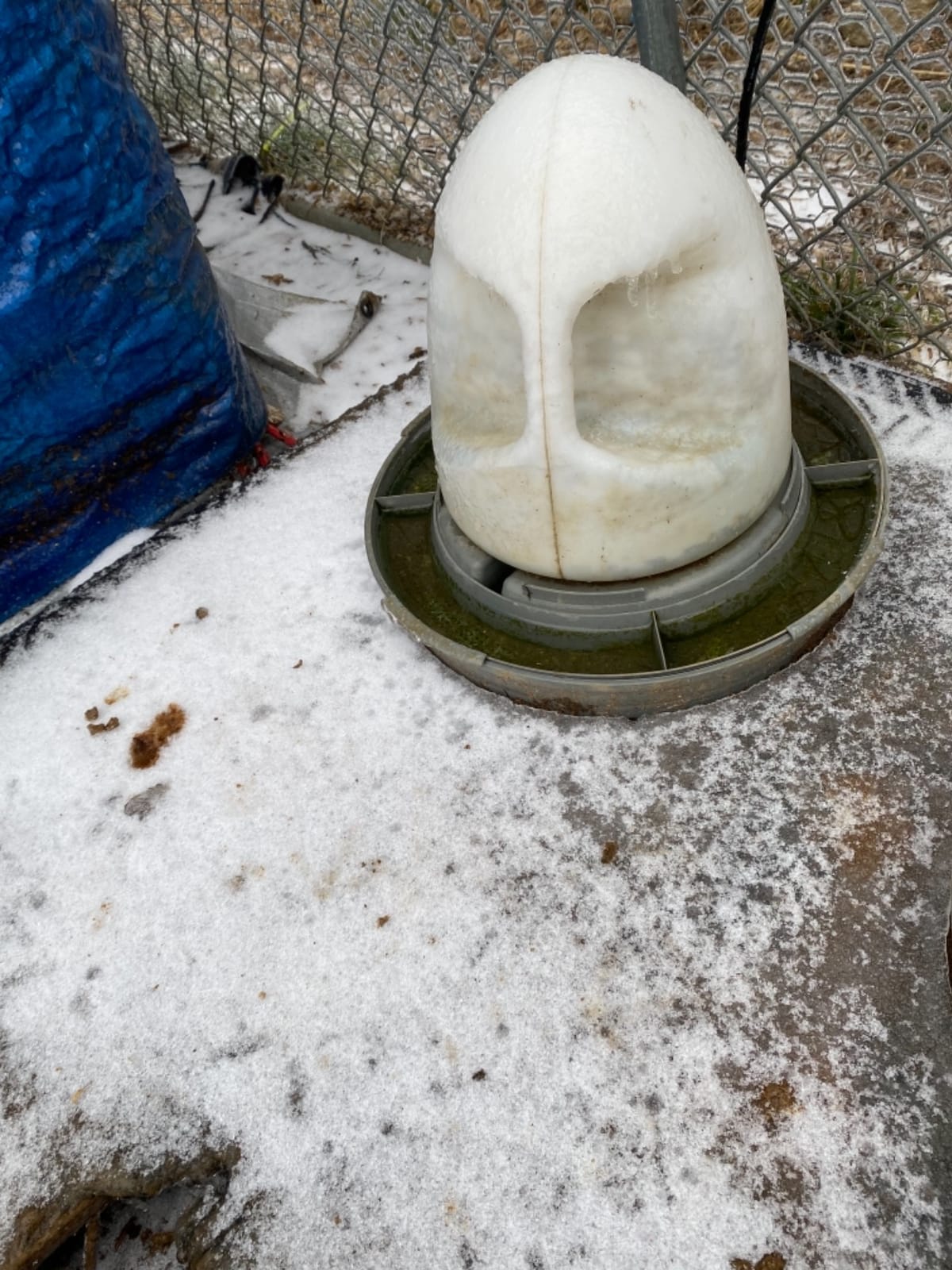
The 60-watt element is thermostatically controlled, which is what you want in an unheated run or at the edge of the coop where cold accumulates. It weighs 2.51 pounds and measures 16 by 16 by 15 inches, so it is easy to move when you want to swap it out.
The 4.0 average with a 58% five-star share is the weakest five-star share here, and 11% of reviews sit at three stars. Capacity is the recurring complaint: 2.5 gallons is small, and mixed reports mention how consistently the element performs in the hardest cold.
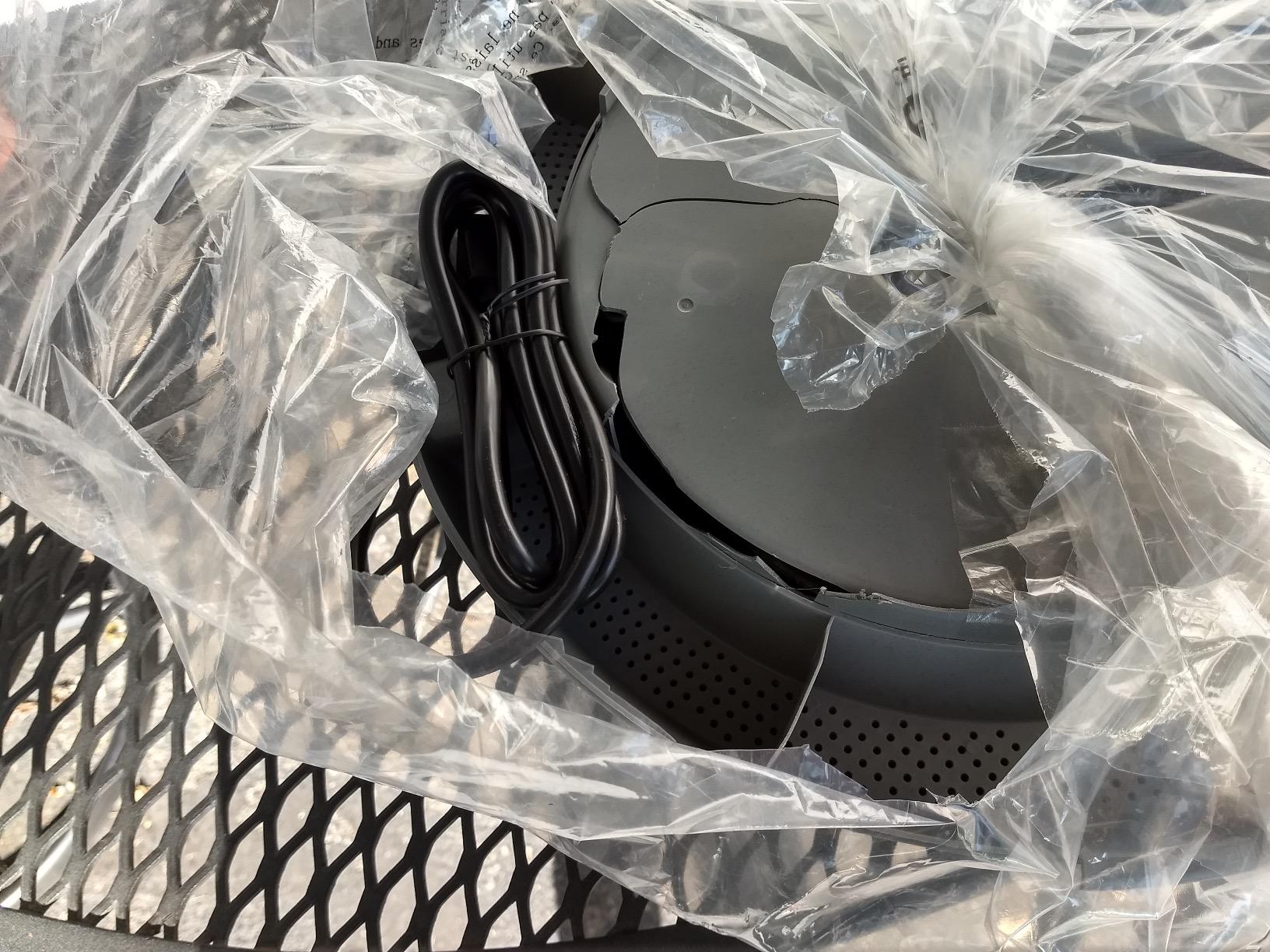
Why the refill cap is worth more than the heating
Water on a coop floor in winter is a problem on two fronts. It dampens bedding, which stays wet and smells, and it turns a 2.5-gallon reservoir into an open dish because you are carrying water in by hand every morning. A cap that stays sealed through the carry solves both.
The filter ring adds a second layer. Debris that sinks to the bottom can be lifted out without emptying the tank, so you keep the water you poured in during a hard freeze.
Where the K&H waterer falls short
Two and a half gallons is not a large-flock vessel, and in sustained cold a modest flock can empty it in a day. If you are past about a dozen birds, plan two units or a larger source.
The base is hand-washed rather than dishwasher-safe, which is a small daily tax in a season when you are already doing more chores.
8. Myodal 62W Stainless Steel Heater Base – Best for Cold Climates and Mixed Vessels
- 4.6 rating with an 80 percent five-star share
- Strongest consistency of any heated base here
- Stainless base resists rust and supports over 120 lbs
- Works with plastic metal glass or ceramic containers
- Owners in Alberta report water liquid at -30 to -40C
- Multiple owners report failure after roughly two months
- Water still freezes in the deepest windchill
- Heating output tapers around 10F in some placements
- Longer cord run may be needed from the coop
This base has the tightest satisfaction profile of any heated base here, with a 4.6 average, an 80% five-star share and only 3% one-star. The 62-watt plate reheats below 35°F and cuts out around 68°F, and the thermostat sensor means it never gets hot enough to cook the water or scald a bird.
Owners in Alberta, northern New England and Alaska report the plate keeping water liquid through -30 to -40°C while staying only warm to the touch, which is the behaviour you want around a plastic container. That last detail is worth stating plainly, because it is the difference between a heater and a scalding risk.
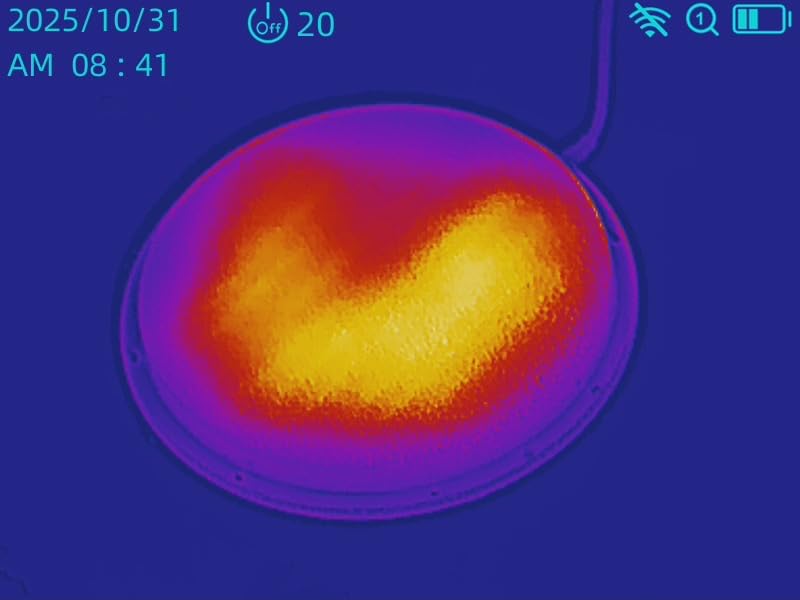
The stainless steel base is rated to support over 120 pounds, which gives you room for a full 5-gallon container, and it fits plastic, metal, glass or ceramic vessels from 1 to 5 gallons. Buyers regularly pair it with whatever container they already own, which makes it the most reusable pick in this roundup.
The negative theme is premature failure. Multiple owners report the unit dying after roughly two months, and some note that output tapers in the coldest placements, with water freezing anyway in the deepest windchill.
Why the thermostat ceiling matters with plastic containers
Heater bases sit inches from the bottom of whatever vessel you give them. If the cut-out is too high, a plastic container can warp or a bird can burn itself on the metal, and the failure looks like a product defect when it is really a settings problem.
A plate that stops around 68°F rather than running continuously stays in that safe band. Owners mention the warm-to-the-touch result specifically because it is the only way to know the cutoff is working.
Where the Myodal base falls short
The base-only design leaves the upper part of a tall waterer exposed, so a deep fount still forms an ice layer above the heated zone. Combine it with a short, wide vessel rather than a tall one.
A 6.56-foot cord is short by coop standards. If your outlet is further away, you need proper outdoor-rated cable and ideally a proper circuit rather than a household extension lead.
9. Gsbomzap 12-Inch 55W Heater Base – Budget Pick With an Adjustable Dial
- Adjustable dial lets you tune output to the weather
- Sealed underside keeps pests and debris off the coil
- 55W runs cool enough for plastic containers
- Works with any plastic or metal trough up to 5 gallons
- Owners report it performing in Michigan and Canadian winters
- 11.8 inch base is smaller than many 5-gallon waterers
- Ice builds in the drinking tray below about -17C
- Lightest platform here at 1.62 pounds
- Listed dimensions do not clearly match the 12 inch base
- Intended for dry or covered areas
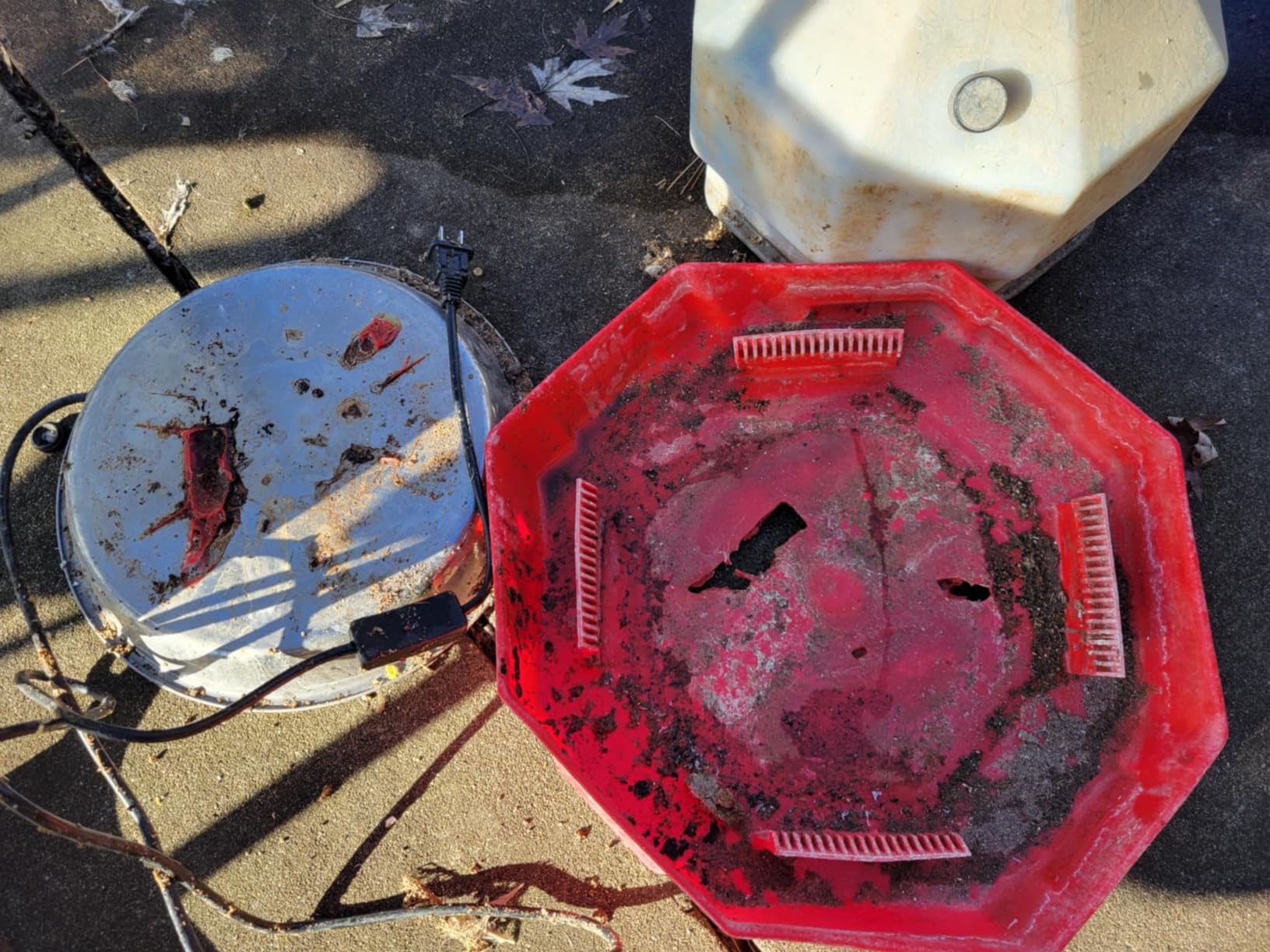
The adjustable temperature dial on the cord is the feature that separates this from every other base in this roundup. Instead of trusting a fixed thermostat, you turn output up as the forecast drops and down when a mild spell arrives, which is a sensible approach in a climate with big swings.
At 55 watts the element runs cool enough to use under plastic containers, and the sealed underside keeps bedding, droppings and pests away from the heating coil. It works with any plastic or metal trough up to 5 gallons.
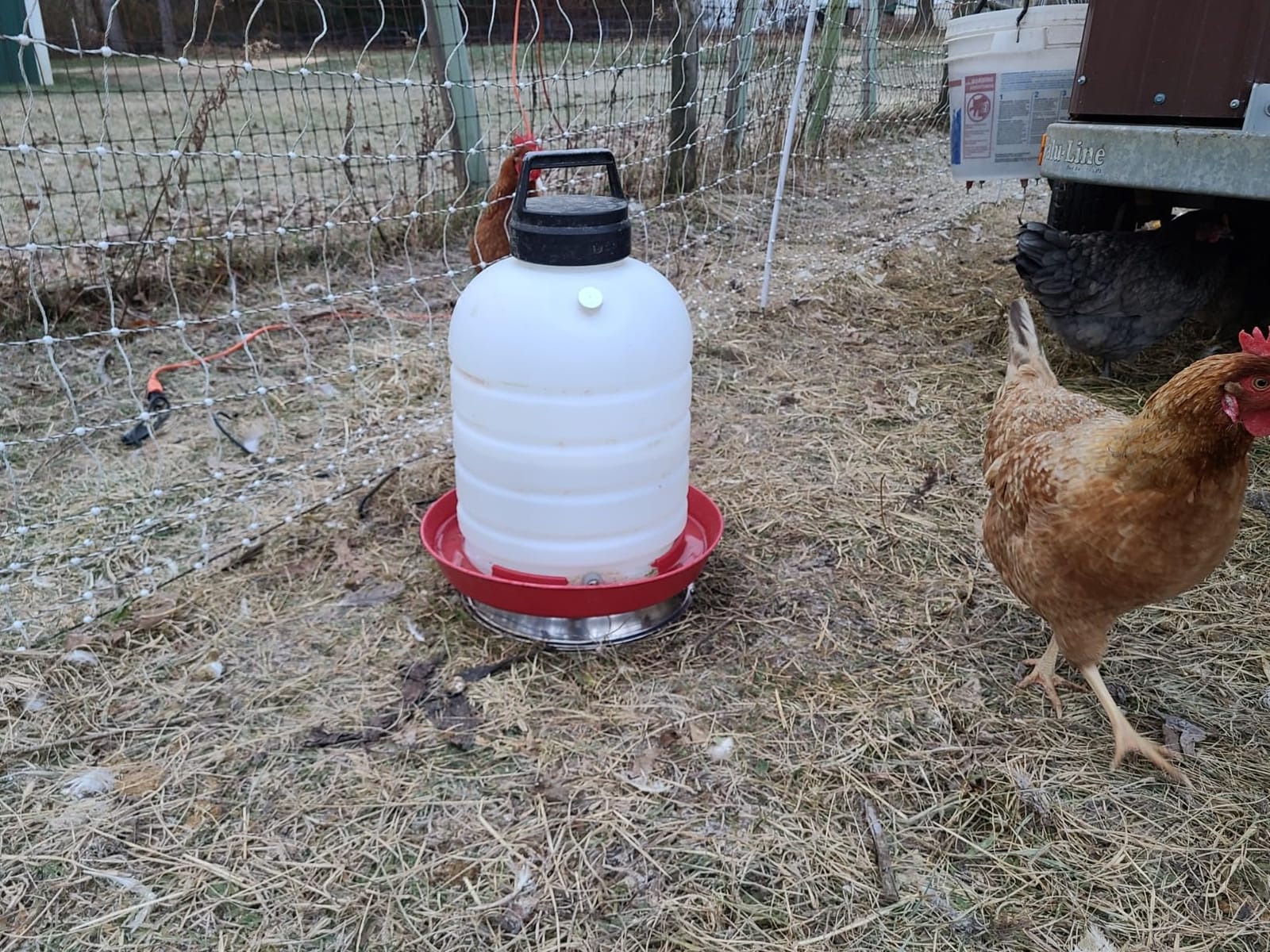
Owners across Michigan and Canada report it performing down to around -20°C, with a 78% five-star share and only 5% one-star. In a category where durability complaints are common, that consistency is the reason it rates well.
The sizing is the catch. The 11.8-inch platform is smaller than the base of a 3.5 to 7 gallon waterer, so it must sit centred and fully in contact, and at 1.62 pounds it is the lightest platform here, which is minimal for a large filled container.
Why a manual dial suits variable climates
Fixed thermostats are tuned for an average winter. In a region where daytime temperatures swing from mild to hard freeze within a week, an owner who can dial the base up the night before a cold front gets a meaningfully better result than one relying on a factory setting.
Reviewers in Michigan and Ontario specifically describe dialing the base up during cold snaps. Treat the dial as a supplement to daily checks rather than a replacement for them.
Where the Gsbomzap base falls short
Owners report some ice building up in the drinking tray below about -17°C, so the reservoir stays liquid while the trough at the bottom freezes. That is the failure that dehydrates a flock, because the water is right there and the birds cannot reach it.
It is also listed for dry or covered areas rather than fully exposed outdoor placement, which rules out using it in an open run during a storm.
10. RentACoop Thermo Bucket Belt – Best for Reusing a Bucket You Already Own
RentACoop LG Thermo Bucket Belt Chicken Waterer Heater with Insulated Wrap
- Only 40W so running cost stays minimal
- Tight 38 to 42F thermostat band wastes little energy
- Fiberglass-reinforced silicone belt will not melt plastic buckets
- Uses any standard 2 to 5 gallon bucket you already own
- Insulated wrap extends protection to -10F
- Lightest and most portable at just over 1 pound
- Bucket sold separately so this is not a complete waterer
- Rated only to -10F with the wrap
- No dispensing method included
- Wrap and belt take care to fit snugly
- Smallest review base at 195 reviews
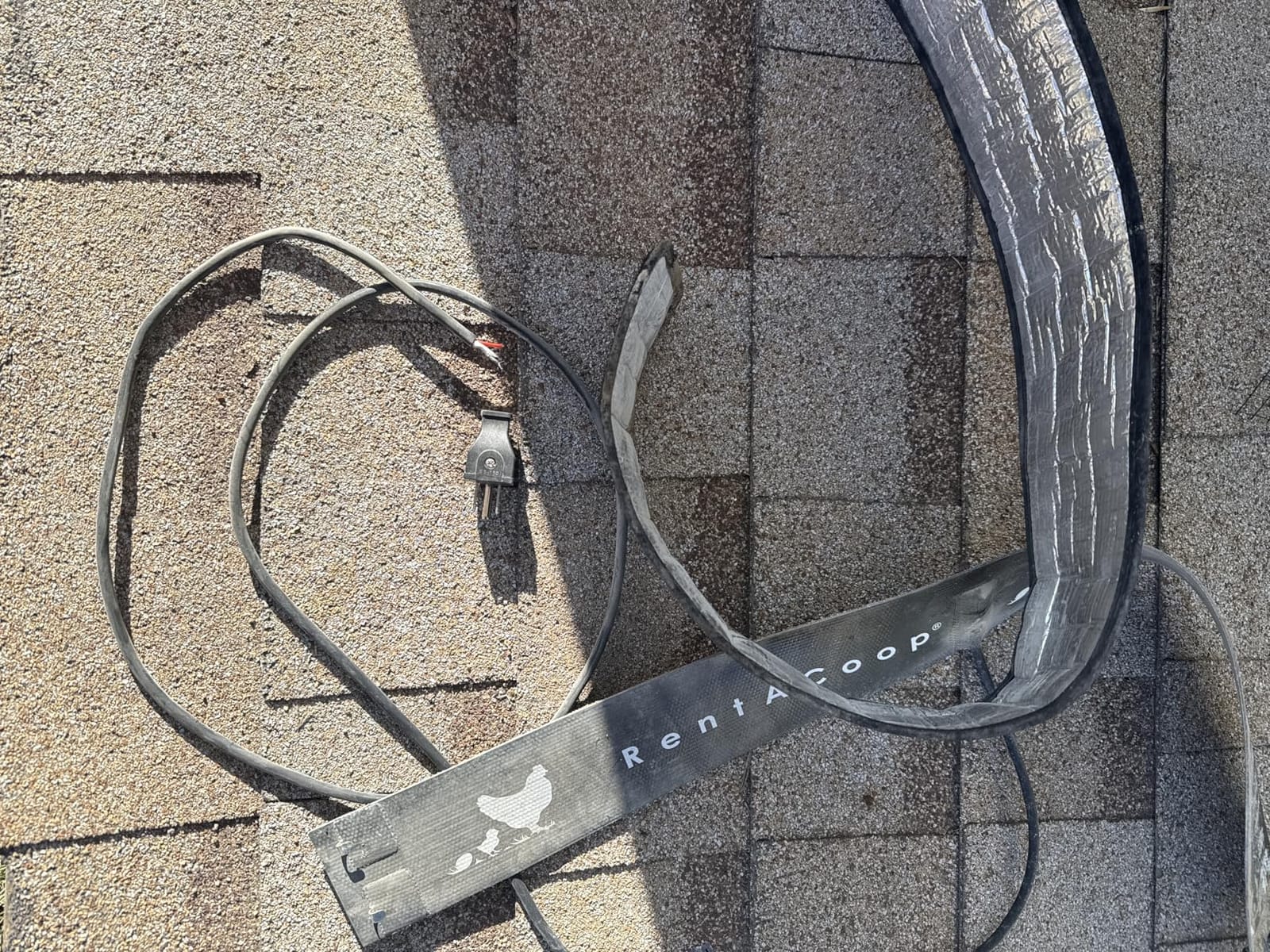
This is a different shape of solution. Instead of a self-contained fount, it is a 40-watt belt heater that wraps around a standard 2 to 5 gallon bucket, 24 to 34 inches around, with an insulated wrap included. You bring the bucket and you bring the drinker, and the belt handles the cold.
The silicone rubber is fiberglass-reinforced, which means it will not melt a plastic bucket and is safe to touch. The thermostat band is very tight, switching on below 38°F and off at 42°F, so it idles most of the time and costs almost nothing to run over a full winter.
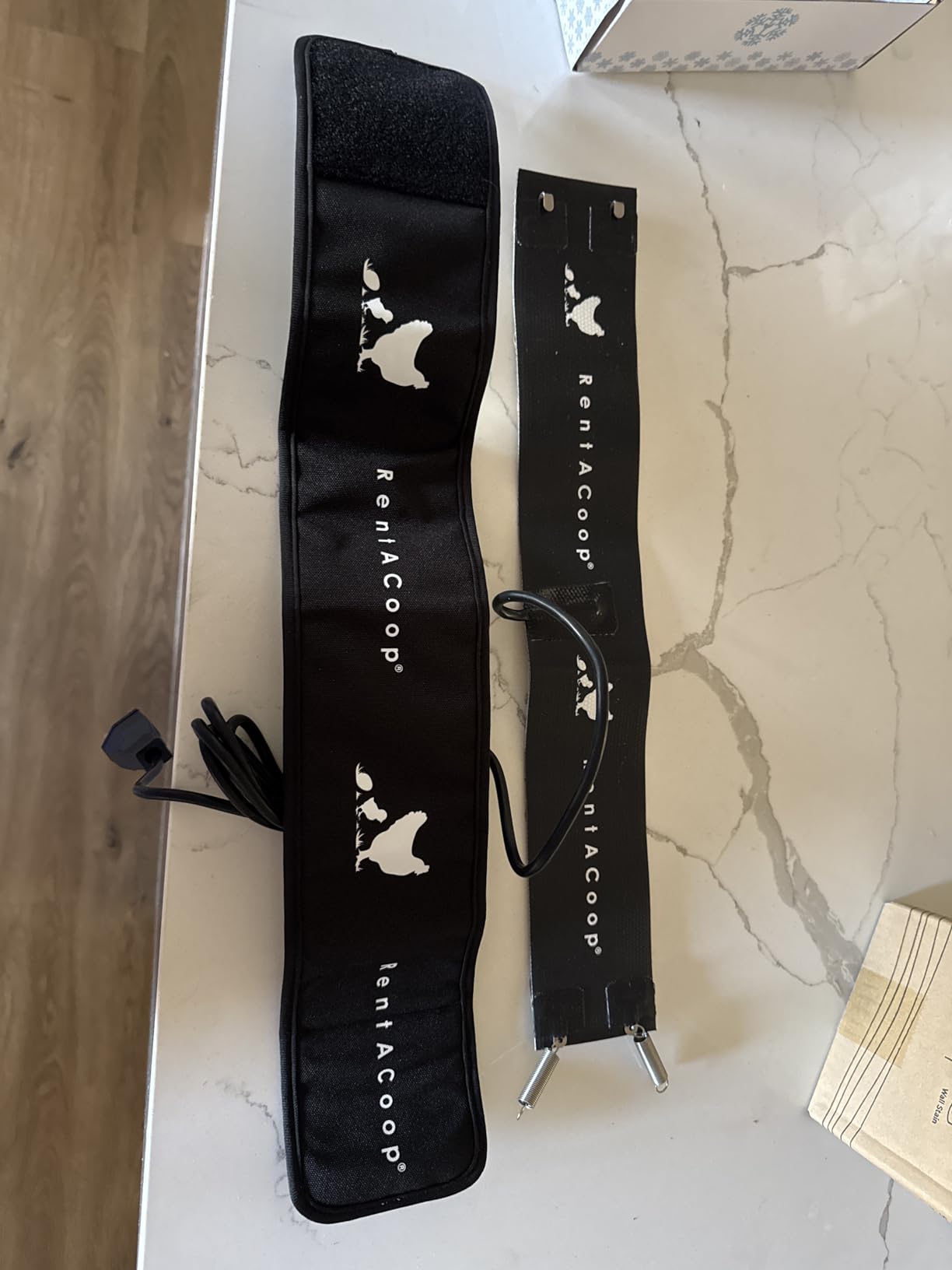
The insulated wrap is what pushes the rating to -10°F, so use it. Without the wrap you lose meaningful cold protection, and owners who skip it report noticeably worse results in the teens.
The 6-foot cold-weather cord is short, and since the bucket is sold separately you are assembling the drinking station yourself. Reviewers frequently pair it with a separate cup or nipple system because the belt supplies heat only.
Why a belt heater suits a mixed flock
A bucket leaves you free to choose the drinking method. Put a horizontal nipple system on it for chickens, or drop in a top-fill or open cup arrangement for waterfowl, and change your mind next season without replacing anything but the belt.
Because the belt is external, it also works on any container shape you already own, including an insulated tote if you want to layer cold protection.
Where the Thermo Bucket Belt falls short
Rated to -10°F with the wrap, it claims less cold than the deep-rated bases in this list, so it is a moderate-to-deep-cold solution rather than a northern one. The wrap and belt can also be fiddly to fit snugly, and a loose belt transfers heat poorly.
With 195 reviews, it carries the smallest evidence base here, and it is incomplete as a purchase: you need a bucket and a dispenser before it does anything.
How to Keep Chicken Water From Freezing Without Electricity
If your coop has no power, you cannot out-winter a hard freeze with any of the heaters above. What you can do is slow the freezing, raise the effective temperature around the water, and rotate a second source so the flock is never left with only ice.
Set the waterer in a sun-exposed, sheltered spot. South-facing against a windbreak is meaningfully warmer than an open run. Effectiveness in moderate cold: good. In sustained hard freeze: limited.
Run the waterer through an insulated tire. Cut the tire in half, lay the fount in it and pack the gap with spray foam. Effectiveness in moderate cold: good. In deep cold: partial, because the top stays exposed.
Build a small sun tent from old windows or polycarbonate over the waterer. It traps solar heat and cuts wind chill. Effectiveness in mild cold: good. In deep cold with no sun: poor.
Float ping pong balls or sealed plastic bottles on the surface. The moving surface disrupts ice formation. Effectiveness in light frost: moderate. In hard freezes: negligible on its own.
Rotate two waterers. Put a fresh one out in the morning and bring the frozen one indoors to thaw, then swap them at night. This is the method keepers on Backyard Chickens describe using most reliably, and it costs nothing but your attention.
Top off with warm water at dawn. Pouring warm rather than cold water raises the whole reservoir temperature, and cold water accelerates freezing instead of slowing it.
None of these replace a heater in a climate that drops well below freezing for days, and we would not claim otherwise. They work best in combination, layered on top of each other and on top of a daily visual check.
If your birds number more than a dozen and you have no power, our guide to chicken coops for backyard homesteaders is worth a look, since coop design and waterer placement decide as much as the waterer itself.
Minimum Temperature Ratings and the Cold Ladder
Published minimum temperatures are lab figures measured under controlled conditions. Real performance depends on wind, whether the unit sits inside a coop or under an open shelter, flock size and how full the reservoir is, so treat these as the depth of cold each unit is designed to handle rather than a guarantee.
Sub-zero, below -10°F: My Favorite Chicken 28W base is rated to -20°F and is the deepest rated unit here. Premier 1 and RentACoop with its wrap both operate in this band.
Deep cold, -10°F to 0°F: Premier 1 3-Gallon, Myodal 62W base and the Zoblise 125W base all sit here. Owner reports on the Myodal reach well past the manufacturer band.
Moderate cold, 0°F to 20°F: API is rated to -5°F and Gsbomzap is rated to -20°C, which is about -4°F. Both are competent here and neither is built for deep cold.
No rated figure: The Omlet has no element and no published rating, because it relies on insulation. It belongs in mild conditions and shoulder seasons.
Owners on Backyard Chickens describe a pattern that matches these numbers. Buckets and reservoir water usually stay barely cool, and it is the nipples and the drinking surfaces that freeze first, which is a different problem with a different fix.
Electrical Safety Checklist for Waterers in a Wet Coop
Yes, heated waterers are safe to leave plugged in, provided the installation is right. Nearly every serious complaint we found involved a connection in a damp environment rather than a defective heater, and the recurring pattern is moisture reaching a plug or an overloaded circuit.
Use a GFCI-protected outlet. This is the single most important item on the list and it costs almost nothing.
Run outdoor-rated cable to the coop. If you cannot, have an electrician add a circuit rather than extending a lead.
Do not use ordinary extension cords. Both Premier 1 and other manufacturers advise against them, and keepers report breakers tripping after a few weeks of use with a cord run.
Keep the connection off the ground and out of splashing range. A lock-and-dry connection, as offered on the API unit, helps.
Protect the cord from chewing. Chickens and rodents damage cable, and a damaged cord in standing water is the exact scenario you are trying to avoid.
Never use a heat lamp to keep water warm. This is the common shortcut and it is a fire hazard, particularly with dry bedding, plastic and a metal reflector in the same space.
If a unit starts tripping the outlet after a few weeks, unplug it and dry the connection before assuming the element has failed. A ground fault from dampness looks identical to a dead heater from the outside, and replacing a perfectly good heater is an expensive way to learn the difference.
Why Vertical Nipples Freeze Before the Reservoir Does
A reservoir holds gallons of water and has a large thermal mass, so it takes a long time to reach freezing. A nipple holds a fraction of an ounce in a narrow metal tube, loses heat to the air immediately, and has no mass to slow it down. The small volume simply gets there first.
Orientation changes the outcome. Vertical nipples present a small opening at the bottom of a vertical tube, and water in that tube sits in the coldest, least-moving part of the reservoir. Horizontal nipples drain back toward the reservoir after a bird drinks, so they hold far less standing water and reach the warmest part of the water column.
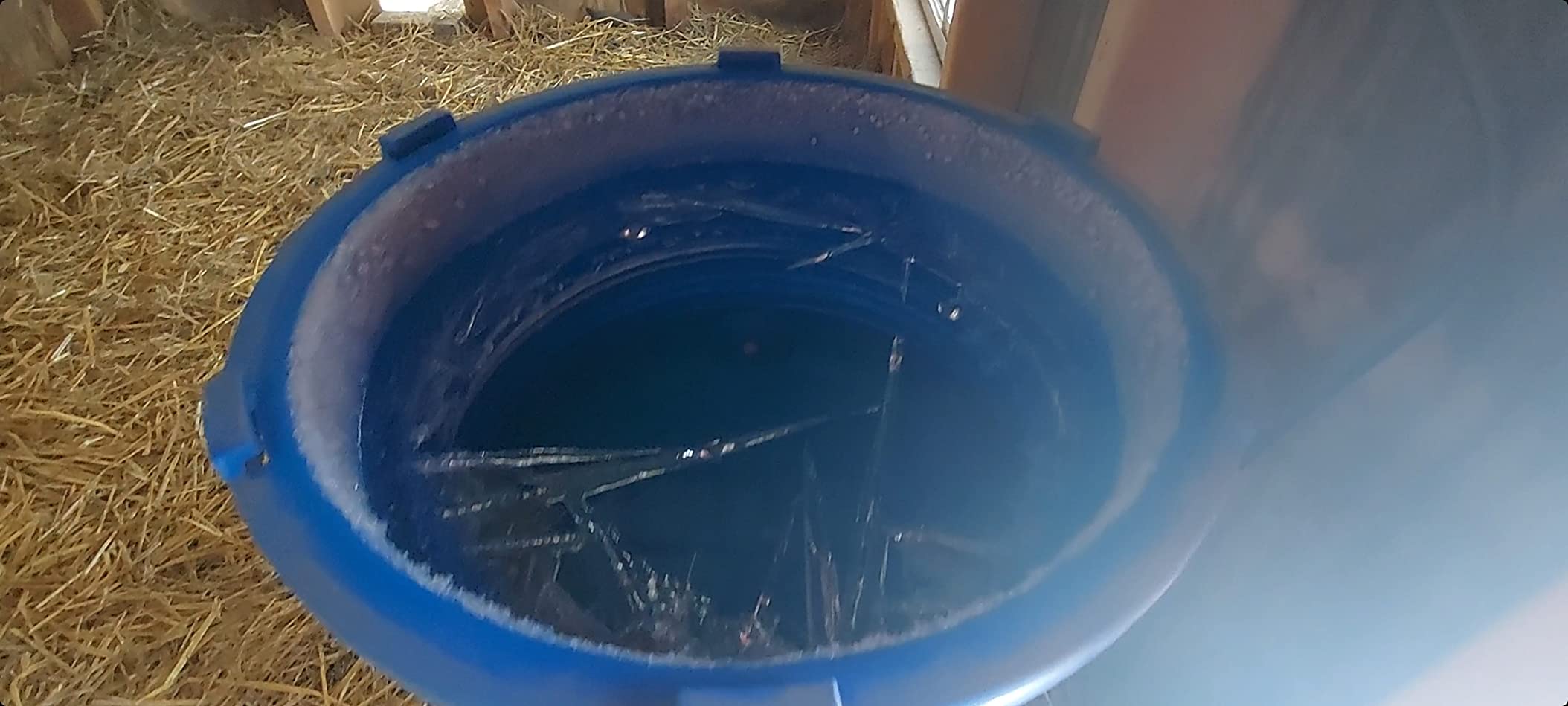
This is why the Premier 1 3-Gallon, with three recessed horizontal nipples, is the pick for deep cold, while many vertical-nipple designs get reported as freezing solid. Keepers confirm the pattern directly, including one owner whose heated reservoir stayed merely cool while the nipples froze shut completely.
A second mechanism catches experienced keepers out. Water freezes from the top down, and heating elements sit at the bottom, so an overfilled fount develops an ice layer above the element that no amount of heating can reach. Filling to the line rather than to the brim prevents this.
Capacity vs Flock Size: How Often You Refill
Chickens drink roughly half a gallon per bird per day in mild weather and more in hard cold, when the energy cost of staying warm raises intake. Planning on around two-thirds of a gallon per bird per day for winter gives you a working number.
That makes the math simple. A 2-gallon unit covers about 3 birds for a day, or 15 birds on a roughly two-day cycle. A 3-gallon fount covers about 4 birds daily, or 35 birds over two days. One owner running the Farm Innovators HB-60P reports exactly this, filling roughly every second morning for 10 birds in cold weather.
Past about 15 birds, a single 2 to 3 gallon unit stops being practical in winter, because you are filling in the dark every morning. Use two or three units spaced apart so a single failure never leaves the flock without water, and spread them so dominant birds cannot guard one source.
Ducks and geese need more than volume. They submerge their whole head to clean their nares and eyes, so a shallow cup or a nipple line will not work. They need an open-top vessel deep enough to dunk a head, and open-top means they will splash it empty, often several times a day. Heated open buckets are the practical answer, paired with a deep enough reservoir. For anyone moving beyond poultry to goats or other livestock, our roundup of livestock waterers for goat farms covers the larger, insulated tier.
Power Outages, Spring Teardown, and the Shoulder Season
Every heated waterer will eventually fail, and a multi-day outage during a cold snap is the scenario that catches people out. Have a plain backup waterer ready, know where the spare bulbs, nipples and bases are, and treat any outage lasting more than a few hours as an emergency that requires you to physically bring liquid water to the flock.
Watch for two early failure signs before the birds suffer. One is a thermostat that never clicks on when you press the base, which points at a failed element. The other is a unit that stays cold in a hard frost, which usually means the cord was not fully seated or a breaker has tripped.
Come spring, unplug before you clean. Detachable-cord models such as the Premier 1 turn straight back into standard founts, while fixed-cord founts get scrubbed, dried and stored away from moisture. Bases and belts come off entirely and go in a dry shed.
Switch back to plain waterers as soon as nights stop dropping below freezing. Leaving a heater running when it is not needed wastes electricity and shortens the life of the element. Many owners keep the heated unit running through shoulder season on a mild thermostat setting, then retire it when overnight lows move back up.
Frequently Asked Questions
Do heated chicken waterers work?
Yes, and reliably, as long as the unit is matched to your climate and installed on a protected circuit. A thermostatically controlled element keeps the reservoir just above freezing and costs a few cents a day at 60 to 100 watts. They stop working when the temperature falls below the published rating, when the reservoir is overfilled so ice forms above the element, or when a connection gets damp and trips the circuit.
How can I keep my chicken water from freezing without electricity?
Use a combination. Place the waterer in a sun-exposed sheltered spot, nest it in half an insulated tire packed with spray foam, and build a small sun tent from old windows over the top. Float ping pong or sealed bottles on the surface to break up ice formation. Most reliably, rotate two waterers so a fresh one goes out each morning while the frozen one thaws indoors. Top off with warm rather than cold water. These work in moderate cold, not in sustained deep freeze.
How can I keep my chicken water warm during the winter?
There are four practical options. A thermostatically controlled heated waterer raises the whole reservoir temperature and is the complete solution where power exists. An external heater base warms the container you already own. Placement in a sun-exposed, sheltered position uses free heat from the sun and cuts wind chill. Manual rotation of two waterers means the flock always has liquid water even if one freezes. The first two defeat hard freezes, the last two only slow them.
What are some good heated waterers for chickens?
The strongest general-purpose pick is the Farm Innovators HB-60P 2-Gallon Heated Fount, a 60-watt thermostatically controlled unit with side freeze-free nipples for up to 15 birds. For serious cold and larger flocks, the Premier 1 3-Gallon All-Season Heated Waterer uses a 100-watt element and recessed horizontal nipples for up to 35 chickens. If you already own a big container, a heated base such as the Zoblise 125W is the cheapest retrofit. The Omlet insulated 3-gallon has the best water quality but no active heat.
How cold can a heated chicken waterer go?
It depends entirely on the unit. The My Favorite Chicken 28W base is rated to -20°F, the RentACoop Thermo Bucket Belt reaches -10°F with its insulated wrap, and the API 3-Gallon Heated Waterer is rated to -5°F. Published ratings are lab figures, so in real conditions a tall fount will freeze at the top before the bottom does. Match the rating to your local record low, and check the drinking surfaces daily when you are within ten degrees of it.
Are heated chicken waterers safe to leave plugged in?
They are designed to run continuously all winter, but only on a correct installation. Use a GFCI-protected outlet, outdoor-rated cable, and no ordinary extension cords, which manufacturers advise against and which keepers report tripping after a few weeks. Keep connections off the ground and away from splashing, and guard cords against chewing. Never use a heat lamp over a waterer as a substitute, because dry bedding, plastic and a metal reflector in one space is a fire risk.
Conclusion
The best automatic chicken waterers for winter are the ones whose rated cold depth matches your local record low and whose capacity matches your flock, and no single unit wins on both. The Farm Innovators HB-60P is our Editor’s Choice because 60 watts of thermostatically controlled heat, freeze-free side nipples and thousands of seasons of owner feedback make it the safest default for a backyard flock. Pair it with a second plain waterer so a single failure never leaves your birds dry.
Move up to the Premier 1 3-Gallon if your winters go well below freezing or your flock passes 15 birds, and choose a heater base instead if you already own a large container worth keeping. Whatever you pick, put it on a GFCI circuit, keep the drinking surfaces clear of ice, and check the water every morning until the pattern of your own winters is clear.
We update this roundup each season as new owner reports come in, so treat the failure notes here as the place to start your own notes in 2026.