
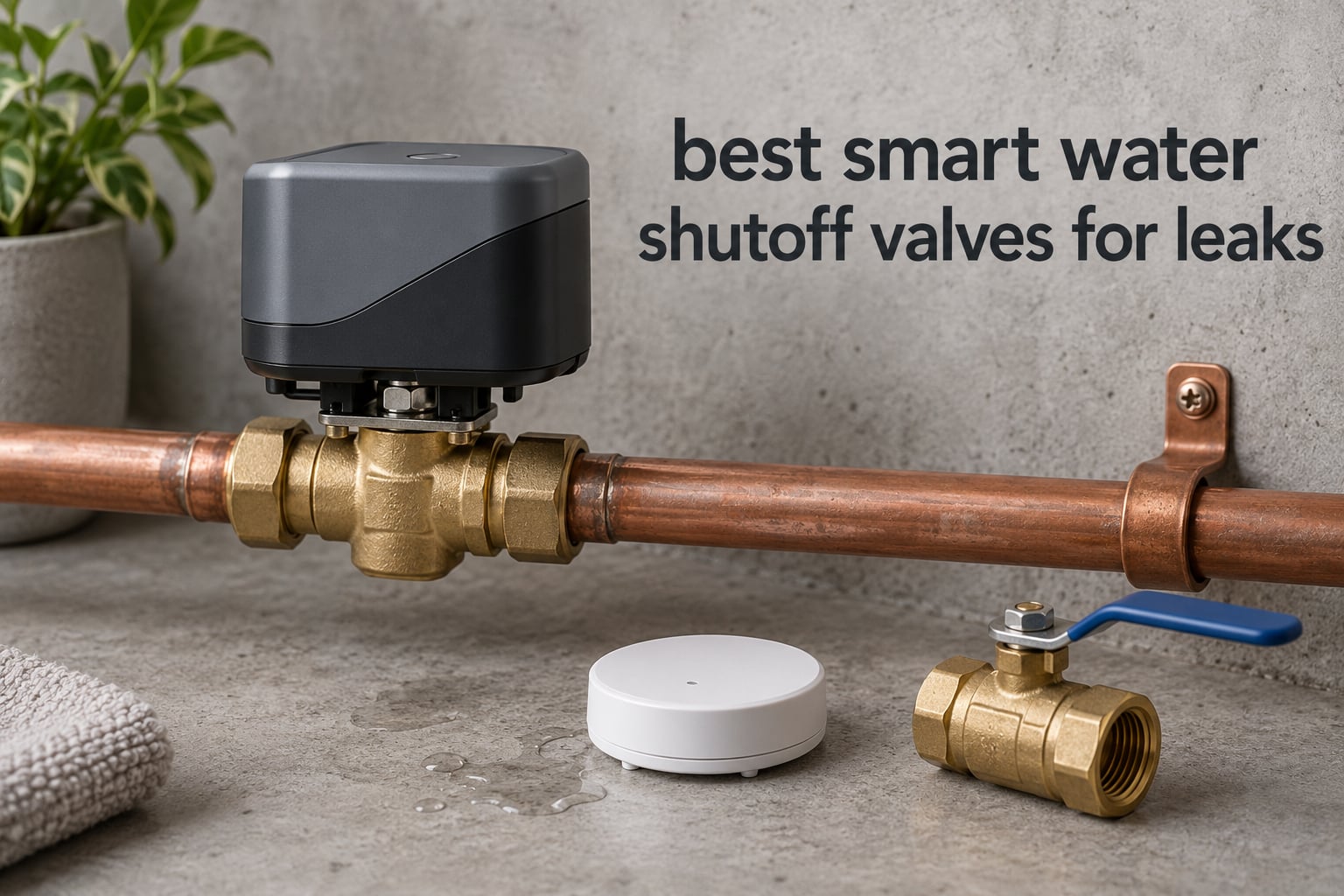
A burst supply line behind a finished basement wall can turn a weekend into a remediation bill with a five-digit number on it. A smart water shutoff valve sits on your main water line, watches flow in real time, and closes the house off before a slow drip becomes a flooded room. We went through the specs, the install requirements and the owner feedback on ten of the most popular smart water shutoff valves for leaks so you can pick one that fits your plumbing instead of your wish list.
The word “smart” covers three very different machines. Inline valves are plumbed into the main line and cut the pipe, then measure flow with an ultrasonic probe or a mechanical turbine to spot anything from a burst hose to a dripping toilet fill valve. Retrofit valve controllers clamp onto the valve you already own and shut it down when a paired sensor wets, with no pipe cutting at all. Point-of-leak shutoffs are small inline units sized for a single appliance such as a water heater or washing machine.
That split matters more than any brand name. A whole-home flow monitor and a simple puck-and-hose sensor solve different problems, and pairing one of each is what most owners end up doing anyway. If your main concern is a finished basement or crawlspace, our guide to the best smart water leak detectors for basements covers the sensor side in detail.
Table of Contents
Top 3 Picks for Smart Water Shutoff Valves in 2026
The three picks below cover the most common household situations: a complete kit that works without internet, an inline valve with the most sensitive leak detection on the market, and a retrofit controller for homes that already run Z-Wave.
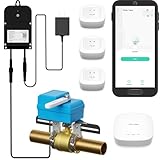
YoLink Water Shutoff Kit
- Hub
- EVO valve operator and 3 sensors included
- D2D shutoff that keeps working without power or internet
- LoRa range up to 1/4 mile
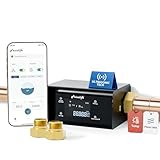
Frizzlife LP365 Smart Water Monitor
- 0.01 GPM ultrasonic flow detection
- Real-time flow and temperature data
- Daily and monthly usage reports

EcoNet Bulldog Valve Robot
- Retrofits onto an existing valve with no plumbing work
- High-torque motor closes in about 18 seconds
- Works with SmartThings
- Hubitat and Ring
Best Smart Water Shutoff Valves for Leaks (October 2026)
Every unit below closes water automatically. The columns that separate them are what they use to detect a leak, whether they need a pipe cut, and what they need to keep that protection running.
| Product | Specifications | Action |
|---|---|---|
| YoLink Water Shutoff Kit with Hub and 3 Sensors |
|
Check Latest Price |
| Frizzlife LP365 Ultrasonic Smart Water Monitor |
|
Check Latest Price |
| EcoNet Controls Bulldog Valve Robot |
|
Check Latest Price |
 YoLink 1/2 inch Motorized Stainless Steel Ball Valve YoLink 1/2 inch Motorized Stainless Steel Ball Valve |
|
Check Latest Price |
 Zooz Titan ZAC36 Long Range Water Valve Actuator Zooz Titan ZAC36 Long Range Water Valve Actuator |
|
Check Latest Price |
 YoLink 3/4 inch Brass Ball Valve and Controller Kit YoLink 3/4 inch Brass Ball Valve and Controller Kit |
|
Check Latest Price |
 E-SDS Water Leak Detector with Shutoff Valve E-SDS Water Leak Detector with Shutoff Valve |
|
Check Latest Price |
 aquaHALT Toilet Leak Detector and Shutoff Valve aquaHALT Toilet Leak Detector and Shutoff Valve |
|
Check Latest Price |
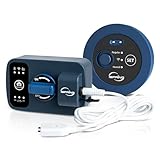 iSpring LS43WL Smart Leak Detector Shutoff iSpring LS43WL Smart Leak Detector Shutoff |
|
Check Latest Price |
 Frizzlife LPG365 Ultrasonic Valve with 3 Sensors Frizzlife LPG365 Ultrasonic Valve with 3 Sensors |
|
Check Latest Price |
1. YoLink Water Shutoff Kit: Best All-Round Protection for Most Homes
- Complete kit with hub
- valve operator
- controller and 3 sensors
- Device-to-device shutoff keeps working without internet or mains power
- LoRa range up to 1/4 mile reaches basements
- attics and outbuildings
- No pipe cutting needed for installation
- Long sensor battery life with SMS
- app and email alerts
- Requires the included YoLink hub for app and third-party integrations
- SMS alerts limited to a small free monthly allowance
- No flow-rate or water usage metering in the valve operator
Nothing else in this roundup ships as a complete system. You get the hub, the EVO valve operator that clamps onto your existing shutoff, the controller, and three leak sensors, so the first afternoon covers the whole house instead of starting with one appliance.
What sets it apart is the device-to-device pairing. Once the sensors and valve operator are linked, a wetted sensor triggers the shutoff directly without routing through the hub or the internet. That is the feature owners single out most, and it is the one that matters when your main valve sits in a cinder-block basement corner with no usable signal.
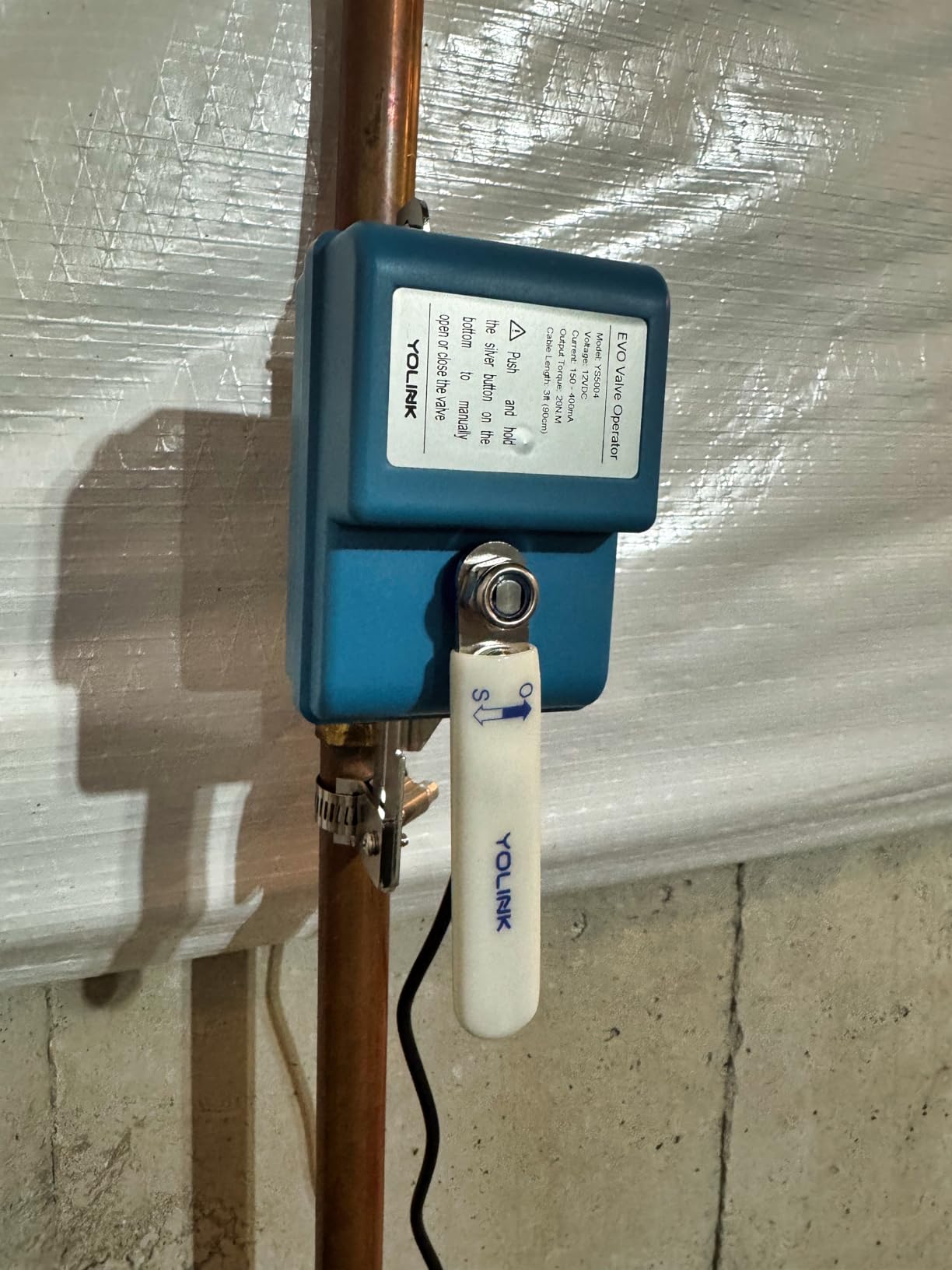
The tradeoff is that this kit senses, it does not measure. The valve operator has no flow metering, so you will not get fixture-level usage reports or a gallon-by-gallon picture of where your water goes. Pair it with an inline flow monitor if usage data is part of your goal.
Reviewers also note the hub can occasionally drop its connection and that batteries need periodic replacement, both manageable with the battery level and signal strength readings the app exposes.
Check the reach before you buy
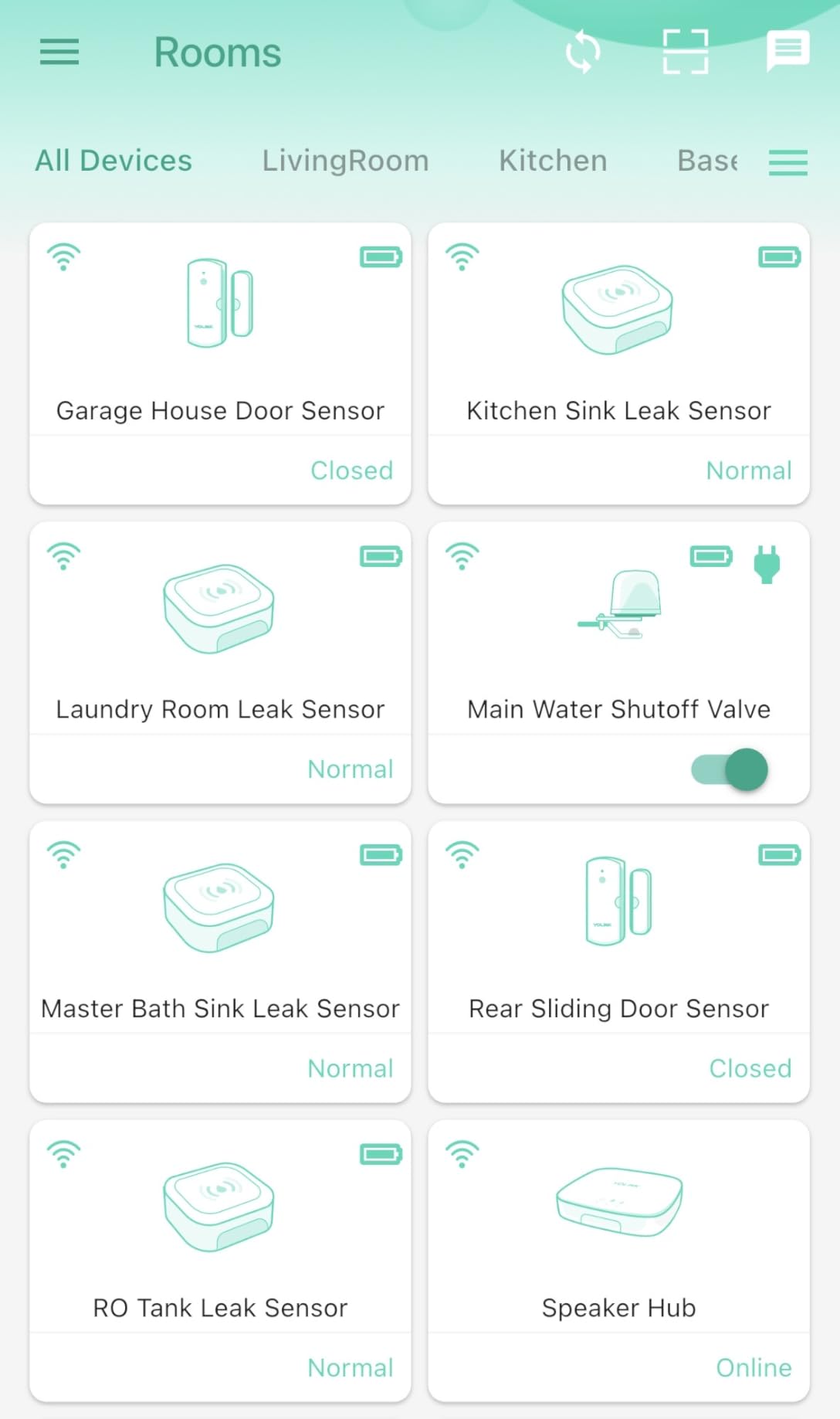
The 1/4 mile LoRa range is the quiet hero here. It is enough to place a sensor at the water heater, one behind the washing machine, and one at the far end of a finished basement without worrying about walls.
Confirm the hub can sit somewhere with power and a sensible position before ordering, because everything downstream depends on it for notifications even though the shutoff does not.
Where this kit falls short
If you want water usage analytics, this is the wrong box. You get alerts and automatic shutoff, not a usage dashboard.
If you already own a hub-based system you are happy with, adding a second ecosystem adds another app to check and another thing to keep on firmware.
2. Frizzlife LP365: Best Inline Valve for Detecting Tiny, Slow Leaks
- Ultrasonic flow measurement with no moving parts
- Detects micro-leaks down to 0.01 GPM and running toilets
- Usage analytics that match municipal meter readings
- App-based remote shutoff plus flow and temperature data
- Works with Home Assistant through Tuya-based ecosystems
- Requires mains power and Wi-Fi for protection to work
- No detection below roughly 0.001 GPM so very slow drips go unseen
- App lacks data export and third-party device settings
- Brass adapters lack wrench flats so NPT connections are harder to tighten
This is the most sensitive leak detection in the group. The ultrasonic sensor registers flow changes down to 0.01 GPM with no moving parts, which means it can catch a running toilet fill valve or a pinhole weep long before a turbine meter registers anything at all.
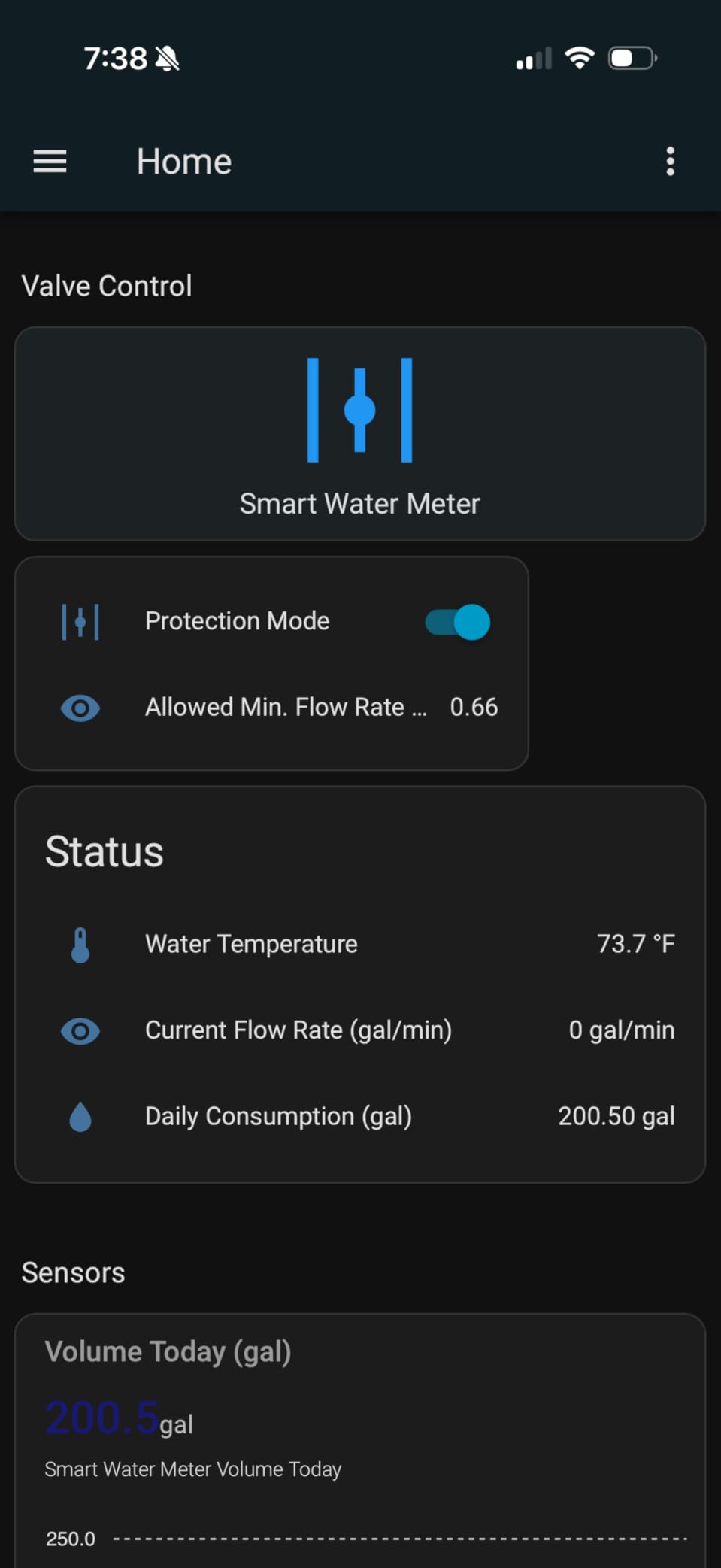
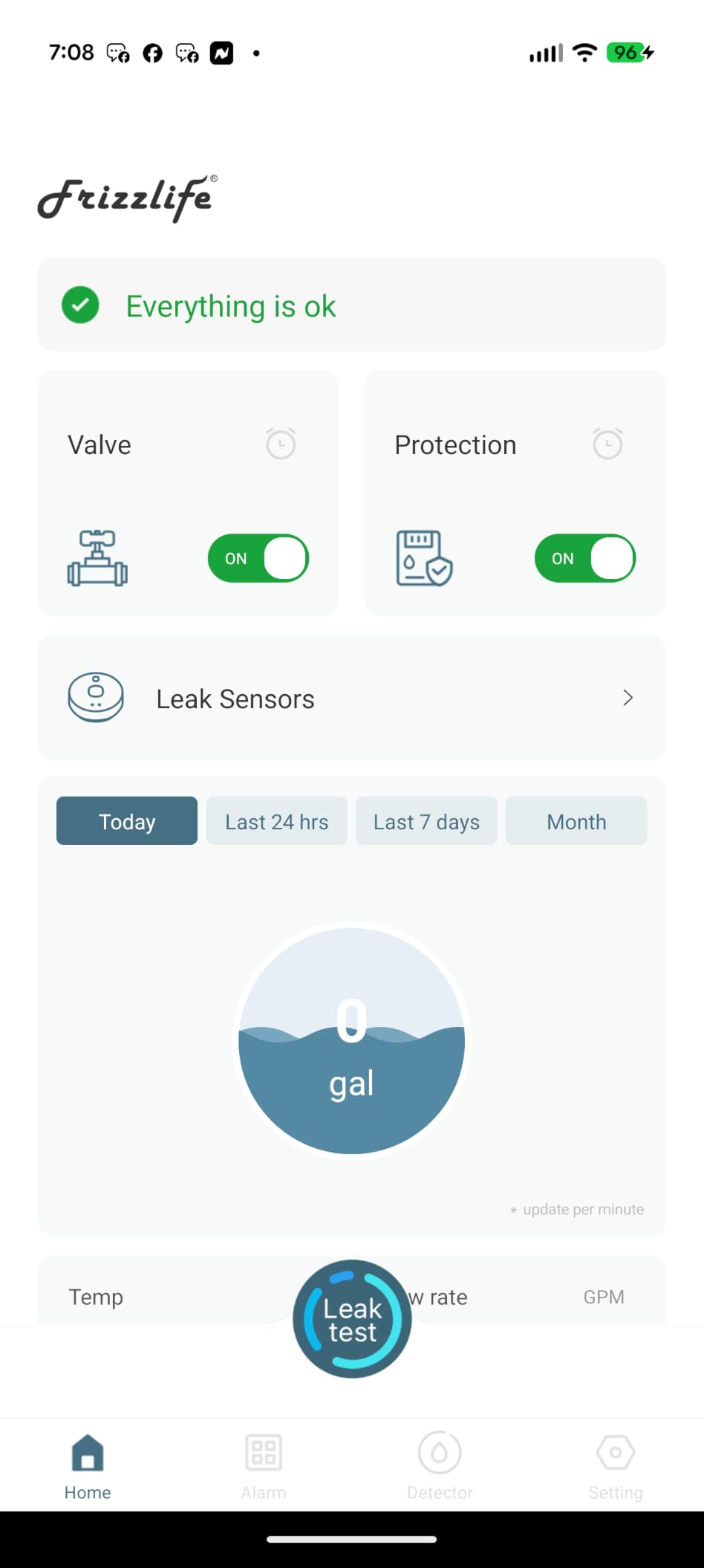
It also does the reporting job properly. The app shows real-time flow rate, temperature and pressure, plus daily and monthly usage breakdowns that owners report matching their municipal meter, which turns a leak detector into a genuine water-use tool.
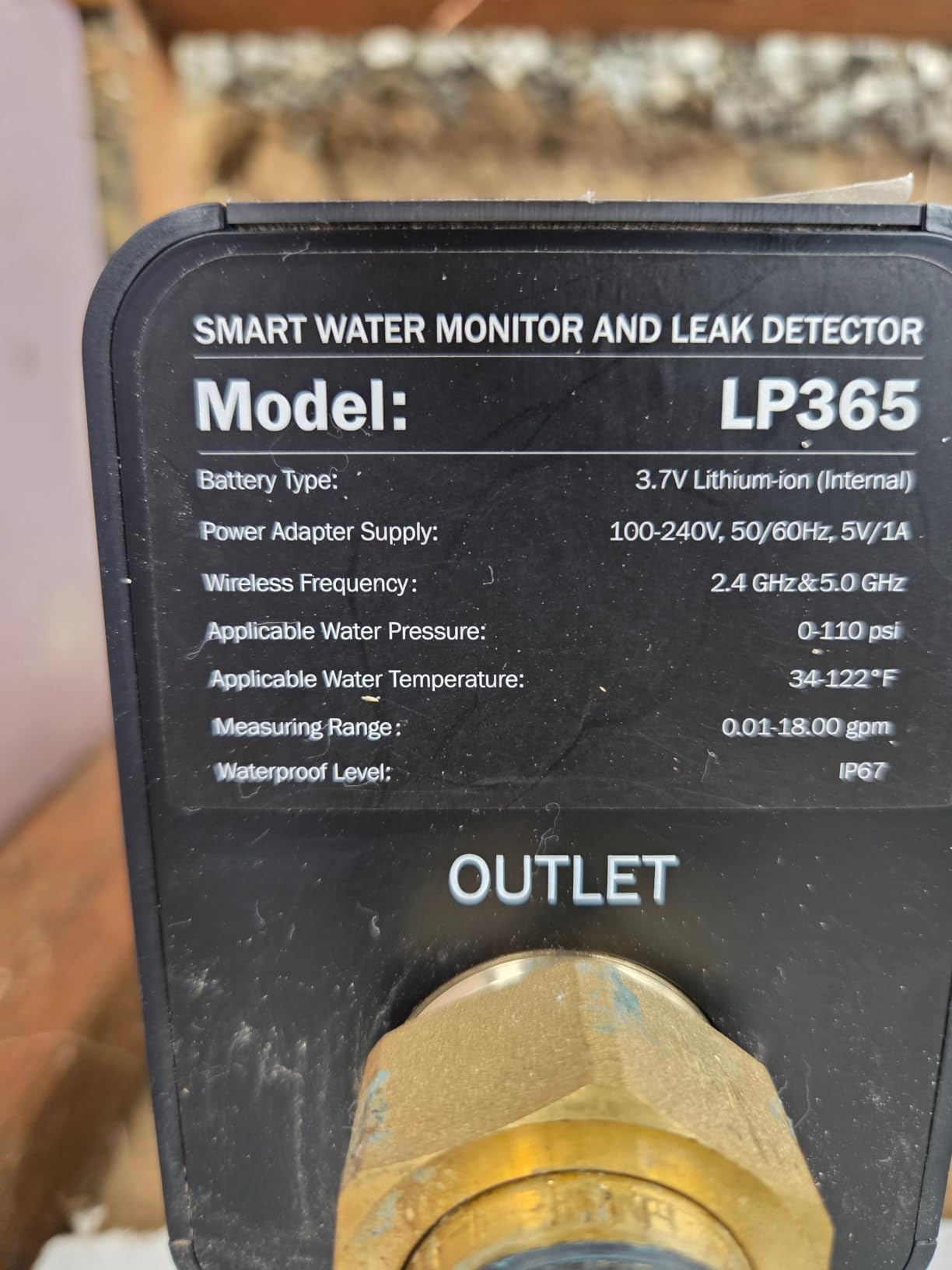
The catch is dependence. This unit runs on mains power with a lithium-ion battery backup, and the Wi-Fi connection has to be solid for app control and remote shutoff. A valve buried in a dead zone gives you a local alarm but little else.
Planners should also know that the brass adapters have no wrench flats, so the NPT connections take more care than a plain hose bib. Several owners installed it as an upgrade from a costlier branded alternative and report that their insurer accepted it.
Check your pipe size and power location
The unit fits 3/4 inch and 1 inch pipe with included NPT adapters and a 6.6 ft power cable. If your main shutoff is more than a few feet from an outlet, budget for an extension or a different location.
Measure the clear space around the valve before ordering. Inline bodies need room on both sides that an old cramped meter vault may not have.
Where this valve falls short
If your household runs on well water or has no reliable Wi-Fi at the meter, the app features stop being useful even though the valve still shuts off locally.
At 0.001 GPM and below you are out of range, so a weeping joint that drips once every few minutes will not register. That is a genuinely rare failure mode, but it exists.
3. EcoNet Controls Bulldog Valve Robot: Best Retrofit for Z-Wave Homes
- Retrofits onto an existing valve with no plumbing changes
- High-torque motor handles stubborn valves reliably
- Works with SmartThings
- Wink
- Hubitat
- Ring
- Control4 and more
- Expands to multi-unit buildings with the optional slave valve robot
- Long track record with a large base of verified owners
- Requires a separate Z-Wave hub
- controller or gateway to function
- No built-in flow metering or leak detection of its own
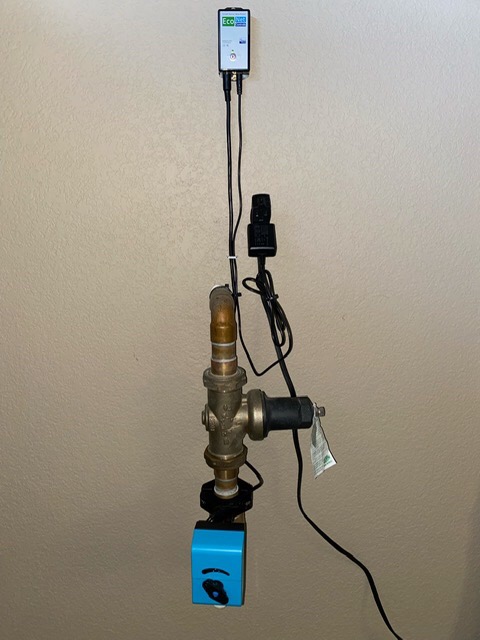
For homes already running Z-Wave, this is the least disruptive way to get automatic shutoff. It mounts over the valve you already have, needs no pipe cutting and no plumber, and joins your existing automation rather than starting a new app ecosystem.
The motor is the reason owners keep it around. It handles 3/4 inch, 1 inch, 1.25 inch and 1.5 inch ball valves and closes in roughly 18 seconds, which is the part that fails on cheap actuators when a valve has gone stiff.
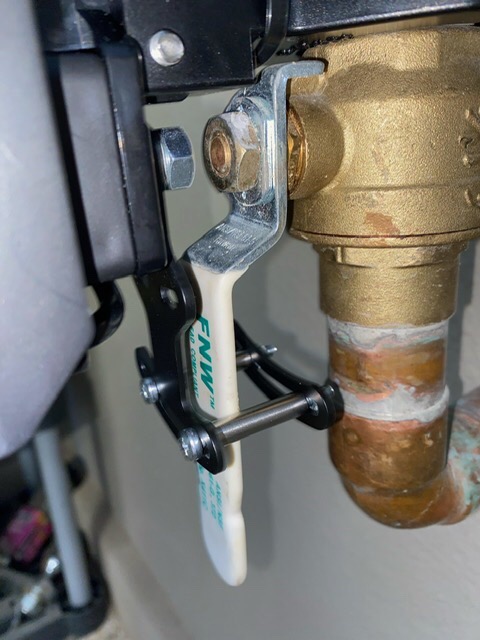
Understand what this device is and is not. It has no flow sensor and no leak detection of its own, so it is a remote valve that closes when something tells it to. Pair it with Z-Wave leak sensors and you have a real system; without them, it is just a motorized handle.
For condos and duplexes there is an optional slave valve robot, which extends the same approach across multiple units without rebuilding the plumbing.
Check your Z-Wave hub situation
The controller does nothing on its own, so confirm you already have a Z-Wave hub or gateway before buying. Owners without one often end up choosing a Wi-Fi sibling product instead, which is the most common reason this unit disappoints buyers.
Confirm your valve size falls inside the supported range, and make sure the handle is a lever type rather than a gate or globe valve, which this controller cannot grip.
Where this controller falls short
If you have no smart home hub, you are adding two purchases instead of one. The hardware is good, the ecosystem requirement is real.
Because it reports no flow data, you will never know a toilet is running from this device alone. That is a common hidden leak, and this kit will not warn you about it.
4. YoLink Motorized Stainless Steel Ball Valve: Best for Outdoor Vaults and Meter Pits
YoLink 1/2″ Commercial Grade Smart Motorized Stainless Steel Ball Valve LoRa Wireless Up to 1/4-Mile Open Air Range Battery-Powered, IFTTT, Alexa, Home Assistant
- Works with or without Wi-Fi thanks to LoRa and D2D pairing
- Battery-only operation is immune to power outages
- Very long range suits outdoor valve boxes and meter pits
- Stainless steel commercial-grade valve body
- YoLink replaces defective controllers quickly
- Female NPT threads are difficult to seal without heavy tape or dope
- Condensation in an outdoor valve box can corrode the electronics
- Hub pairing can take several attempts
- One reported instance of the app showing closed while the valve stayed open
Most valves assume an indoor mechanical room. This one is built as a replacement valve for the harshest location on a property: the buried or above-ground meter pit, where there is no power, no Wi-Fi and no comfortable working space.
The stainless steel body and two AA batteries give roughly three years of standby, and the D2D pairing means a paired sensor shuts water off even when the hub and the internet are unreachable. LoRa range of up to 1/4 mile open air is what makes that pairing practical at that distance.
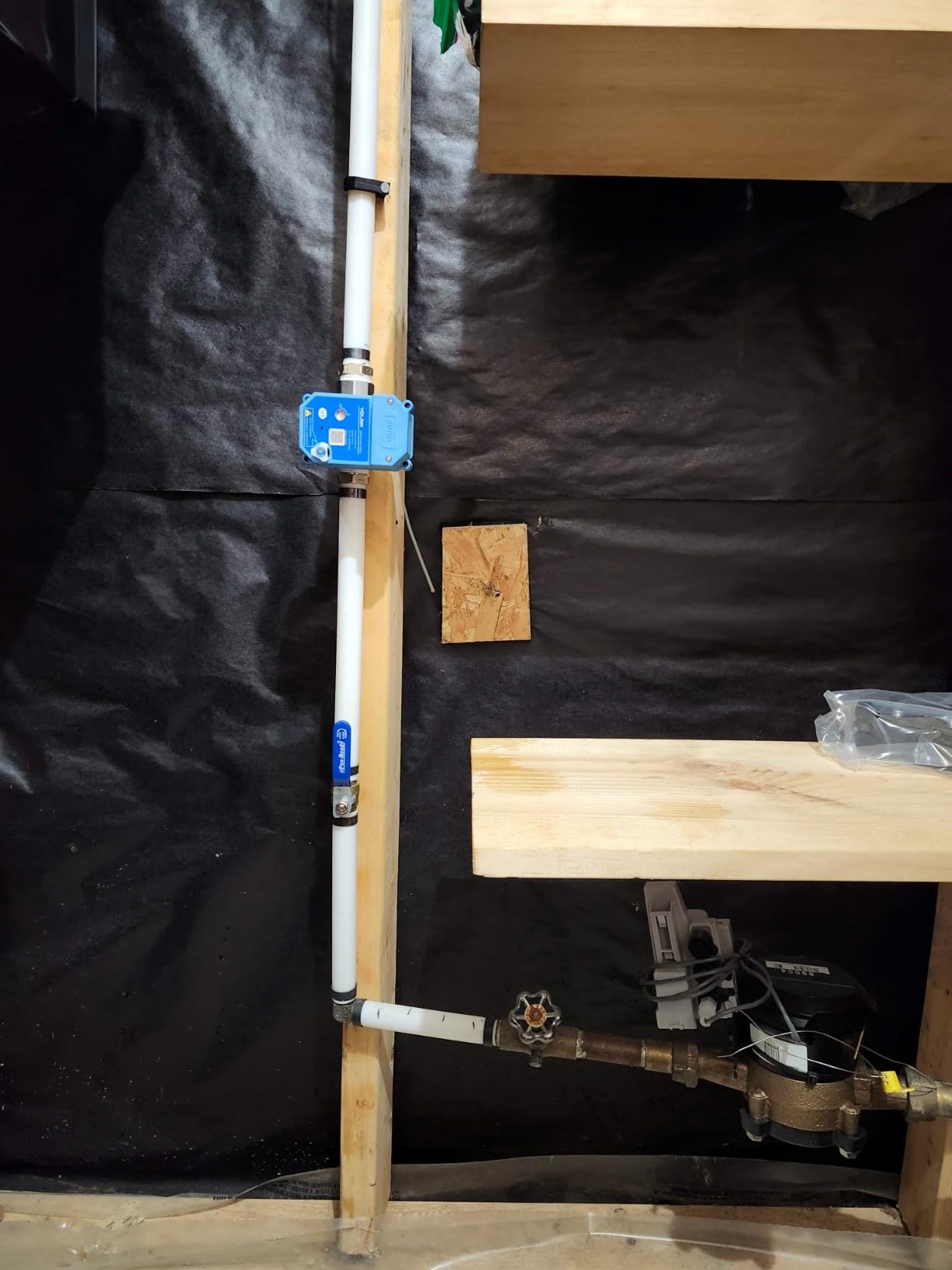
Installation is the dominant complaint here, not the electronics. The female NPT threads tighten progressively and several reviewers describe leaking inlet and outlet connections solved with blue thread compound or extra teflon. Shipped batteries are also occasionally low on arrival.
One detailed low-rating review documents corrosion after condensation formed inside an unheated outdoor box, which is worth taking seriously if your pit is open to the weather.
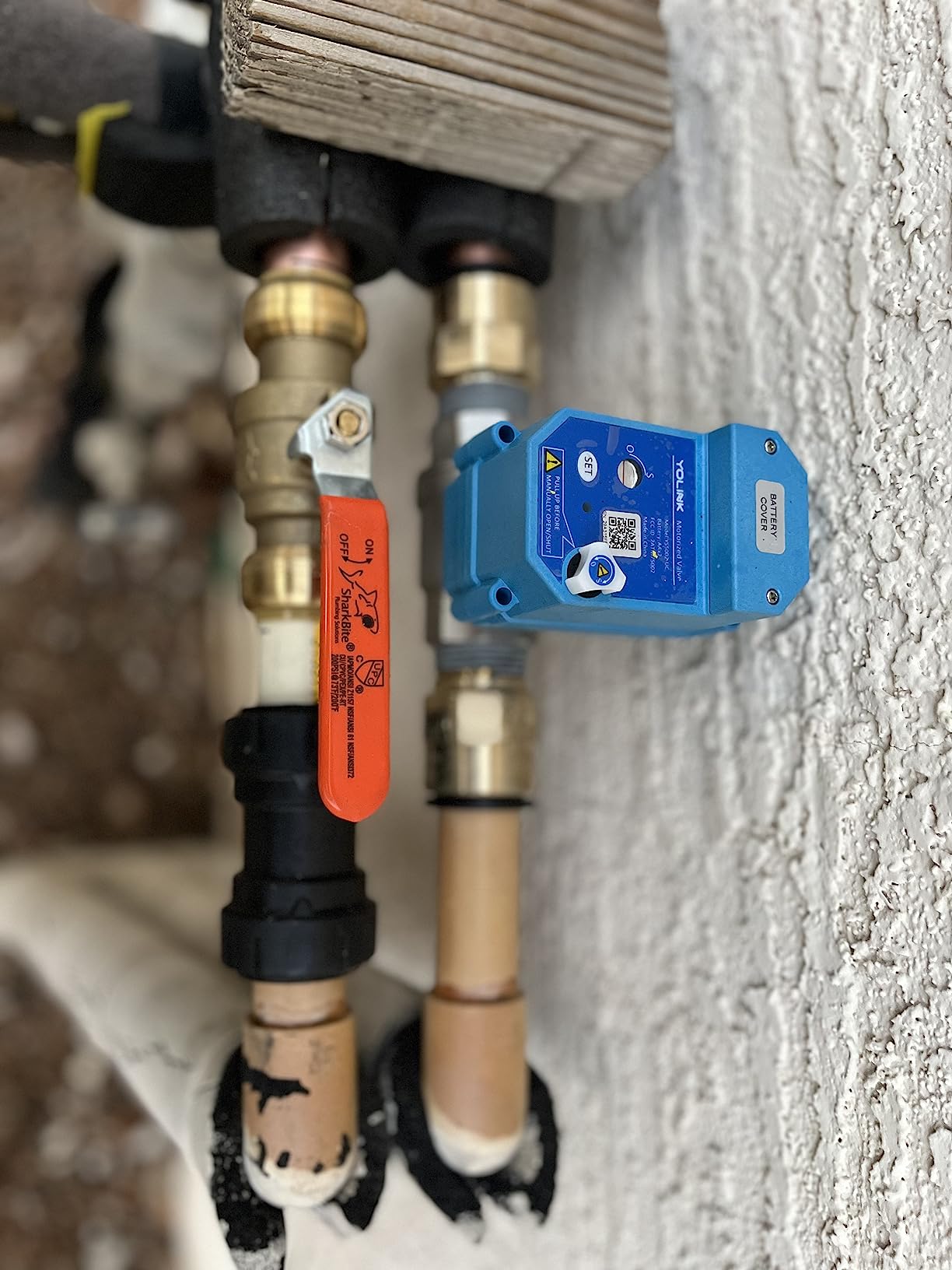
Check your thread situation carefully
This is a 1/2 inch NPT female-threaded valve with cross-linked polyethylene inlet and PEX outlet. Confirm what is actually threaded into your service line before you plan the install, because adapters are not included in the box.
If you are comfortable with SharkBite fittings and basic plumbing tools this is a moderate job. If you have ever had to remake a leaking threaded joint, call a plumber.
Where this valve falls short
It measures nothing. No flow rate, no usage, no leak pattern. It closes the line on command and nothing else.
Condensation in an unprotected outdoor box is the reported long-term failure mode. If your pit is not dry or insulated, weigh that before committing.
5. Zooz Titan ZAC36: Best Retrofit When Your Old Valve Is Stubborn
Zooz Z-Wave Long Range 700 Series Titan Water Valve Actuator ZAC36 | Compatible with Z-Box, SmartThings, Works with Ring Alarm
- Very strong motor that turns even stubborn ball valves easily
- Tool-free install in roughly 15 minutes with no pipe cutting
- Calibration walks up torque so weak valves are handled reliably
- Works with Home Assistant
- Ring Alarm and SmartThings
- Included wired probe gives offline leak protection
- Included water probe cord is far too short for most valve boxes
- Probe connector is a tight fit in its port
- Separate Zooz leak sensors sit low and are not water-tight
- Pairs with only one Z-Wave hub at a time
- 5-year warranty requires registration within 30 days
Valve torque is the hidden failure mode of retrofit controllers, and this is the one built to handle it. Owners of older homes with a seized or oversized quarter-turn valve report that the motor turns valves cheaper actuators simply stall on.
The per-valve calibration at setup walks the motor up through its torque range and stops at the point your specific valve needs, which is what makes that claim credible in practice rather than on a spec sheet.
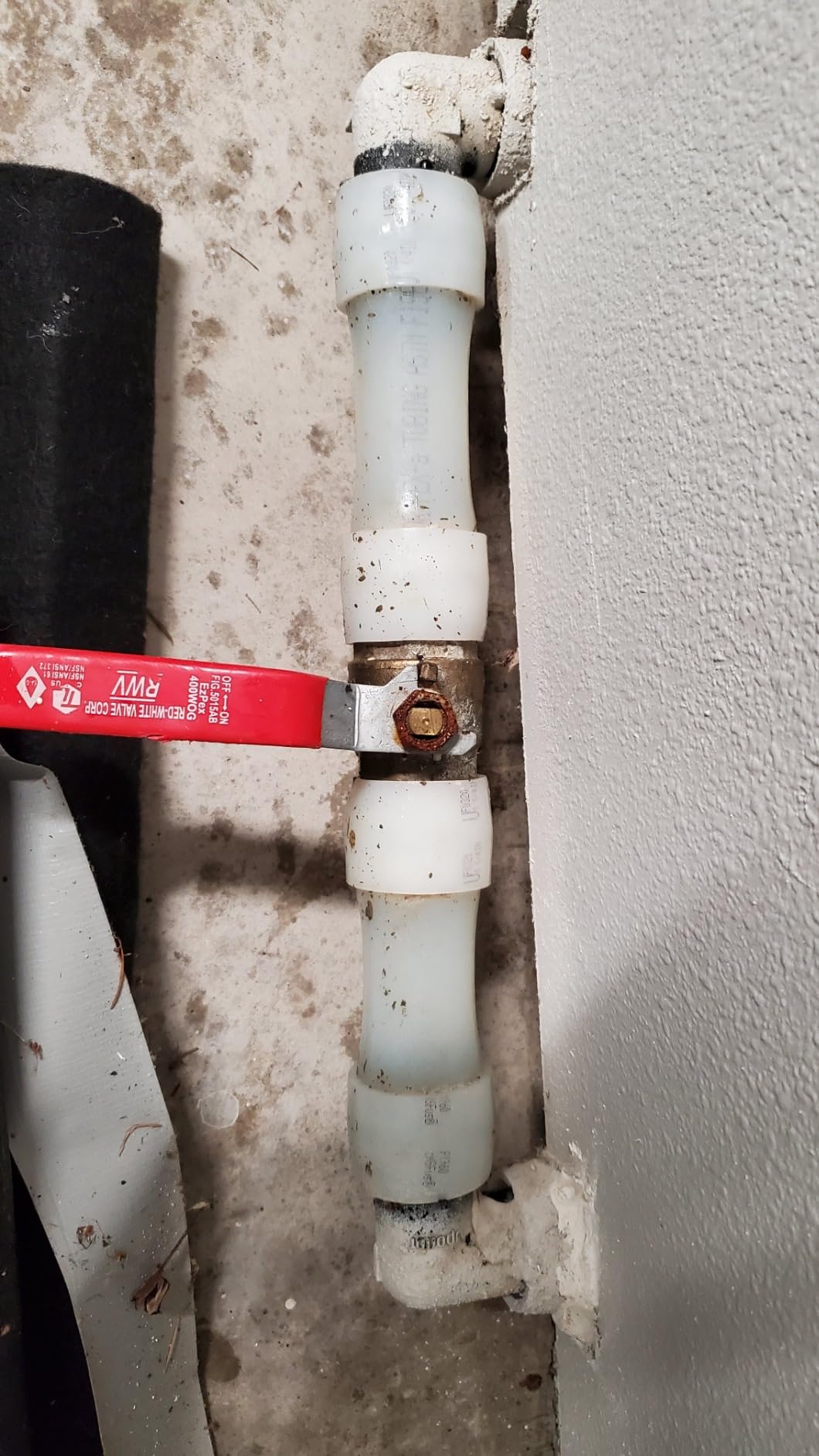
Installation is genuinely quick. It clamps over an existing valve with no cutting and no plumber, and owners put it in in about 15 minutes. Clearance matters more than effort though: you need 3 inch of pipe on each side, 1.25 inch for the handle and 1 inch of wall clearance behind.
The bundled wired water probe is the weak point. Its lead is too short to be useful in most valve boxes and the connector is a tight fit, so most owners end up buying separate sensors anyway. Zooz leak sensors are another consideration since they sit low and are not water-tight.
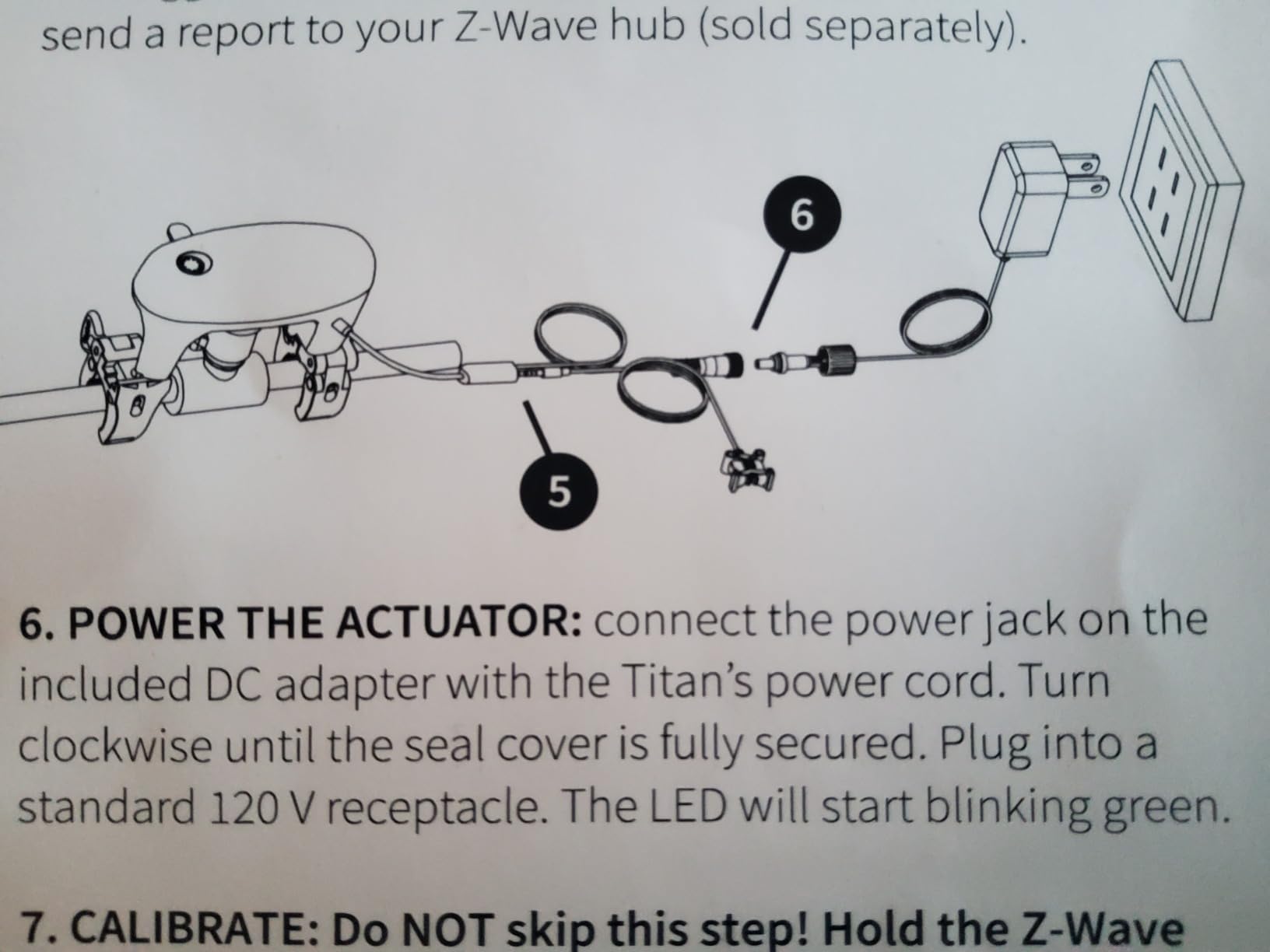
Check clearance before anything else
Measure first. A cramped meter box with the valve against a wall is the single most common reason this install gets abandoned, and no amount of motor torque solves a clearance problem.
Confirm you are ready to use one hub. It will pair with SmartThings, Hubitat, Ring Alarm or Home Assistant, but not two at the same time.
Where this actuator falls short
The included probe will not reach the leak in most real installations. Budget for separate sensors or a longer wired run.
A small number of owners report pairing failures and weak support a year into ownership, and the five-year warranty only applies if you register the unit within 30 days.
6. YoLink Brass Ball Valve Kit: Most Versatile for Basement Mechanical Rooms
- Durable brass valve body at a lower cost than the EVO retrofit option
- Mains power with AA battery backup keeps it working during outages
- D2D pairing allows shutoff without internet or hub connectivity
- Long LoRa range suits meter pits
- basements and outbuildings
- Works with Home Assistant
- Alexa and IFTTT
- YoLink hub required for app
- cloud and third-party integrations
- Operating temperature rated from 32 F so cold locations need protection
- One-star reviews report app pairing difficulty and hub connection drops
- Condensation can damage the unit in an unprotected box
If you want a real motorized valve without the premium of the EVO kit, this is the sensible middle option. The brass body is a genuine valve rather than a clamp-on operator, so you get a clean inline install at a lower outlay.
Power handling is its quiet strength. A 12V adapter runs it continuously and four AA alkaline batteries carry it for roughly two years on battery alone, with D2D pairing closing the line from a paired sensor even with no internet.
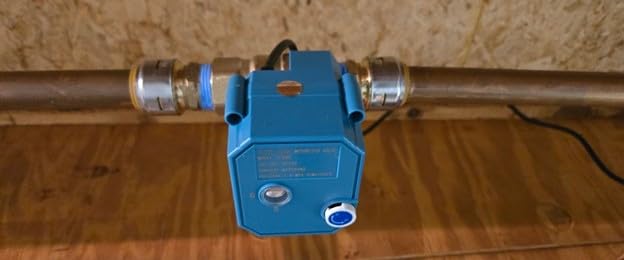
This listing carries a noticeably higher share of one-star reviews than the rest of the group, and the complaints cluster around two things: hub and app pairing difficulty, and condensation damage in an unprotected box. If your valve is in a damp crawlspace, address that before installing.
The 32 F minimum operating temperature is the other one to respect. In an unheated northern mechanical room, protect the unit from freezing or choose an indoor location.
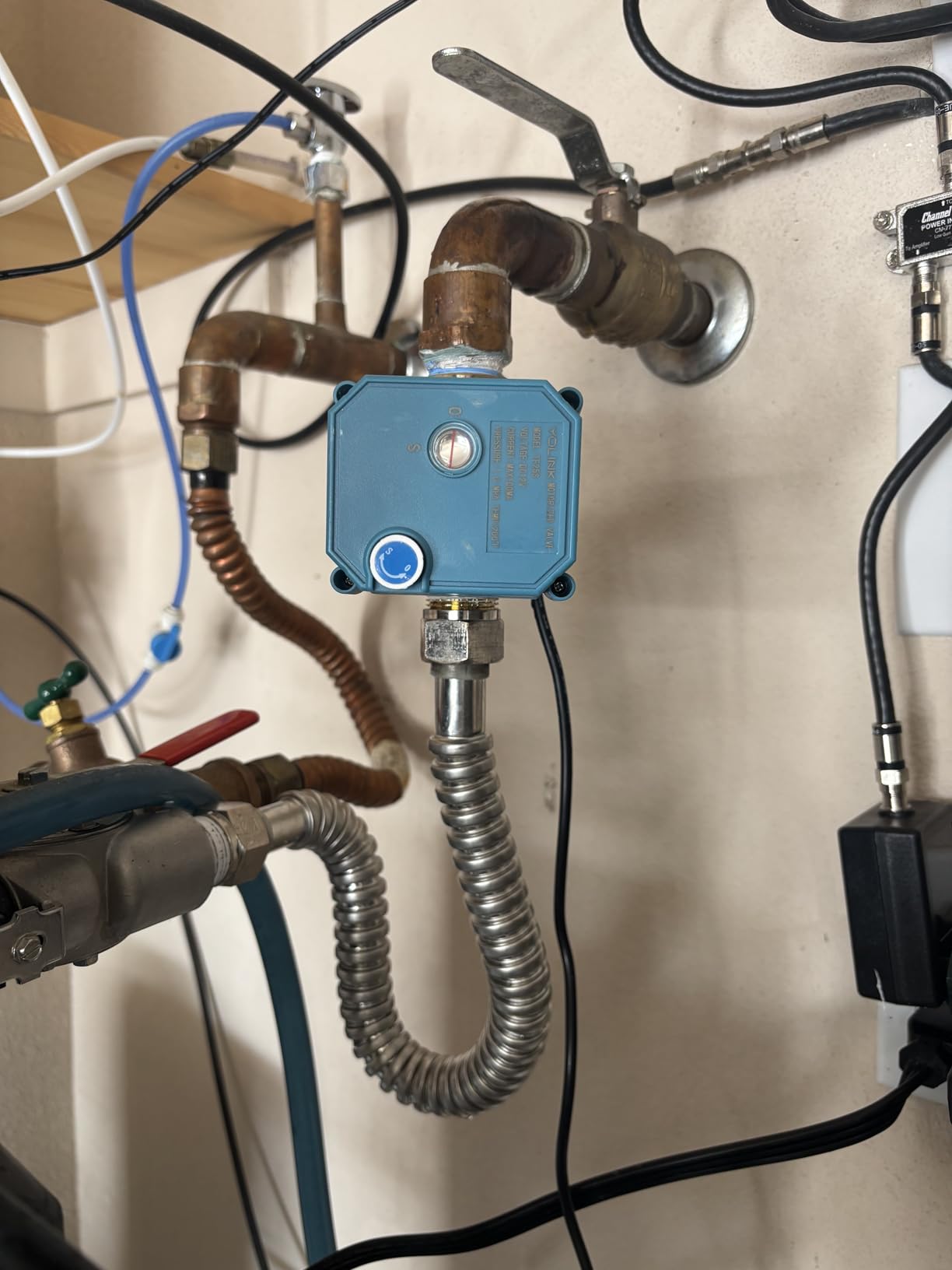
Check size availability against your line
The valve family covers 1/2 inch, 3/4 inch, 1 inch and 1-1/4 inch. This listing is the 3/4 inch brass configuration, so measure before ordering rather than assuming.
Confirm you have somewhere sensible for the hub. App control, cloud monitoring and any voice assistant integration all depend on it, even though the shutoff does not.
Where this kit falls short
Cold and damp environments are its weak spot, on both ends of the rating.
Connectivity complaints are the other theme. If you are installing where signal is marginal, the alert side of the product is the part that degrades first, not the shutoff.
7. E-SDS Shutoff Valve with Probe: Best for Water Heaters and Laundry Rooms
E-SDS Water Leak Detector with Shutoff Valve,Sensors and Sounds Alarm
- Affordable automatic shutoff for a single high-risk appliance
- Long 19.68 ft probe cable reaches drains
- floors and tight spaces
- Fast shutoff within roughly 2 seconds of water contact
- Manual open
- close and reset buttons for service restoration
- Handles hot water up to 212F for water heater use
- Two fixed female threads force you to rotate the bulky assembly to install
- Thread type differences can block direct connection to some appliances
- Probe cable is thin and needs protecting from damage
- Contact sensor only detects water at the probe
- not whole-house flow
This is point protection rather than whole-home monitoring, and that is exactly what a water heater or washing machine supply line needs. Put it on the appliance line and a burst hose closes that branch in about two seconds.
The 19.68 ft probe cable is what makes it useful. It reaches a floor drain, a laundry pan or the base of a water heater tank in a tight closet, and the unit has an audible alarm plus flashing LED indicators at the central box.
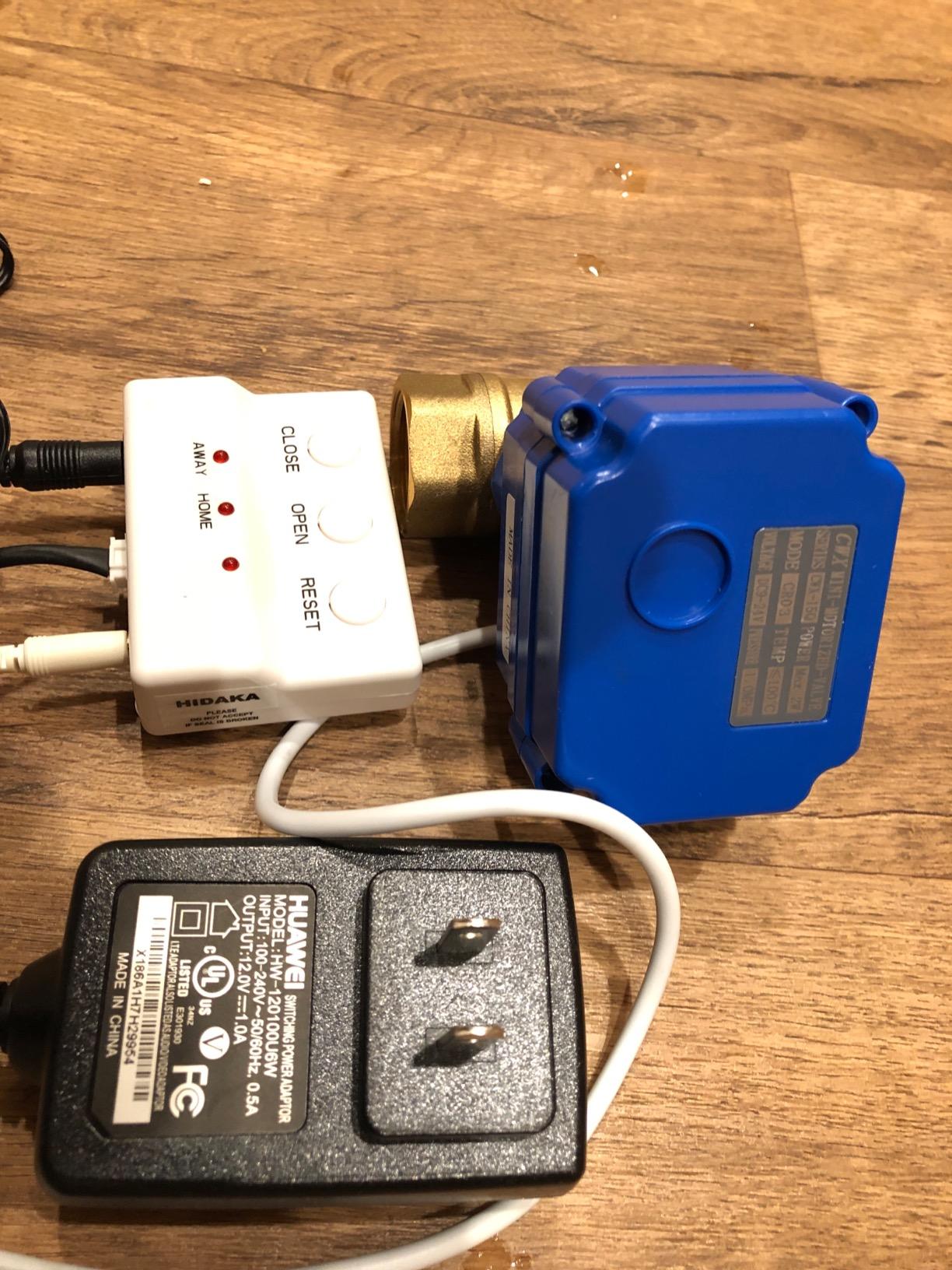
Plumbers and homeowners report that once installed it shuts water off reliably, which is the whole point at this price level. Restoration after a repair is straightforward too, with manual open, close and reset buttons on the unit.
It handles hot water up to 212F, so it works on the hot side of a water heater, and the solid brass 3/4 NPT body is the part you would want at a valve.
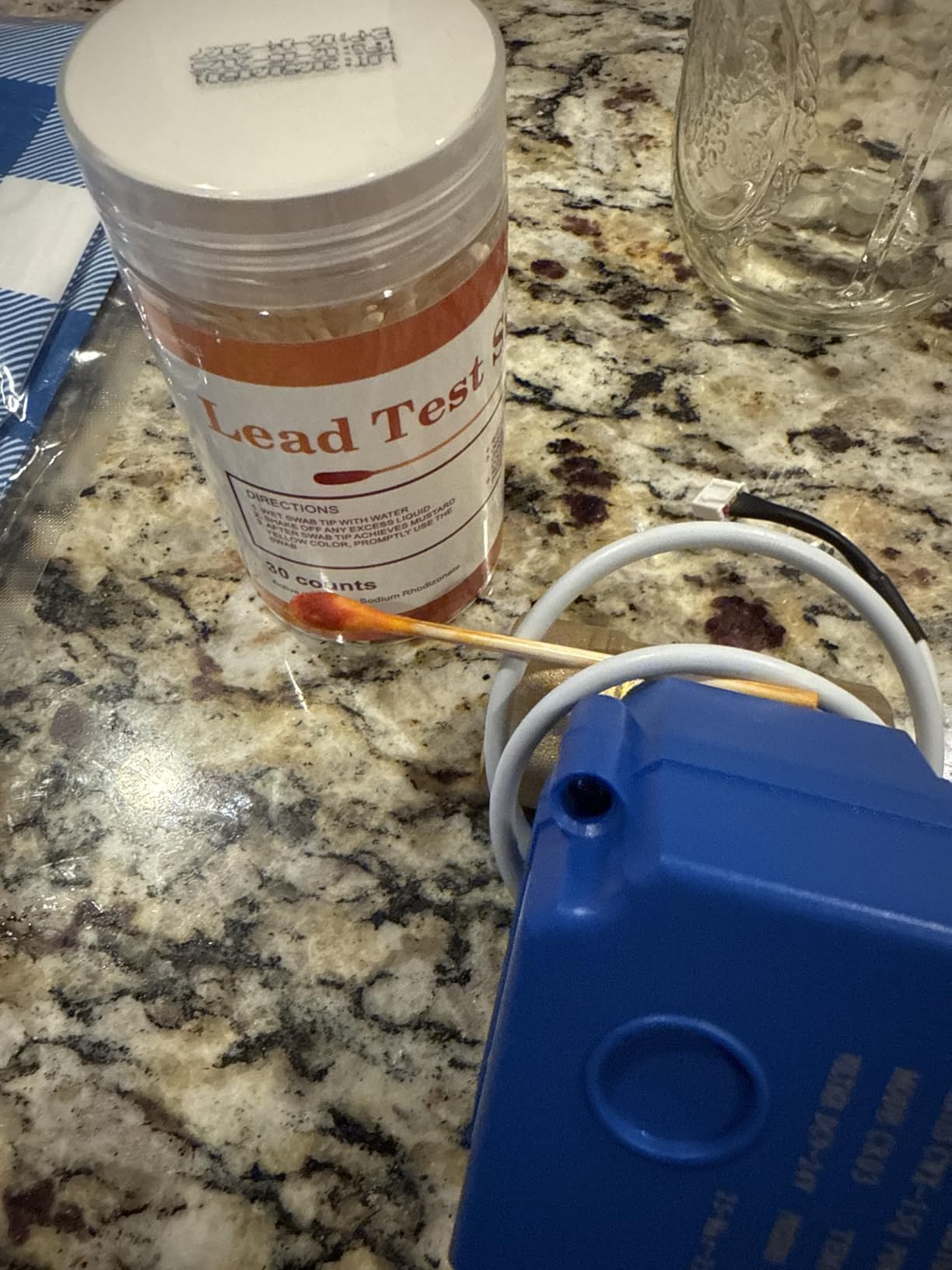
Check your connection before ordering
Two fixed female threads mean you rotate the whole assembly to install, which is awkward in a confined laundry closet. Measure the clearance around the appliance connection first.
Confirm the thread type on your appliance matches. Some washers and heaters use a connection that will not mate directly, and an adapter run by a plumber is the usual fix.
Where this unit falls short
It only detects water where the probe sits. A burst pipe elsewhere in the house, or a running toilet, will not register at all.
The probe cable is thin and vulnerable, so route it where it cannot be stepped on, snagged by a moving appliance or chewed by a pet.
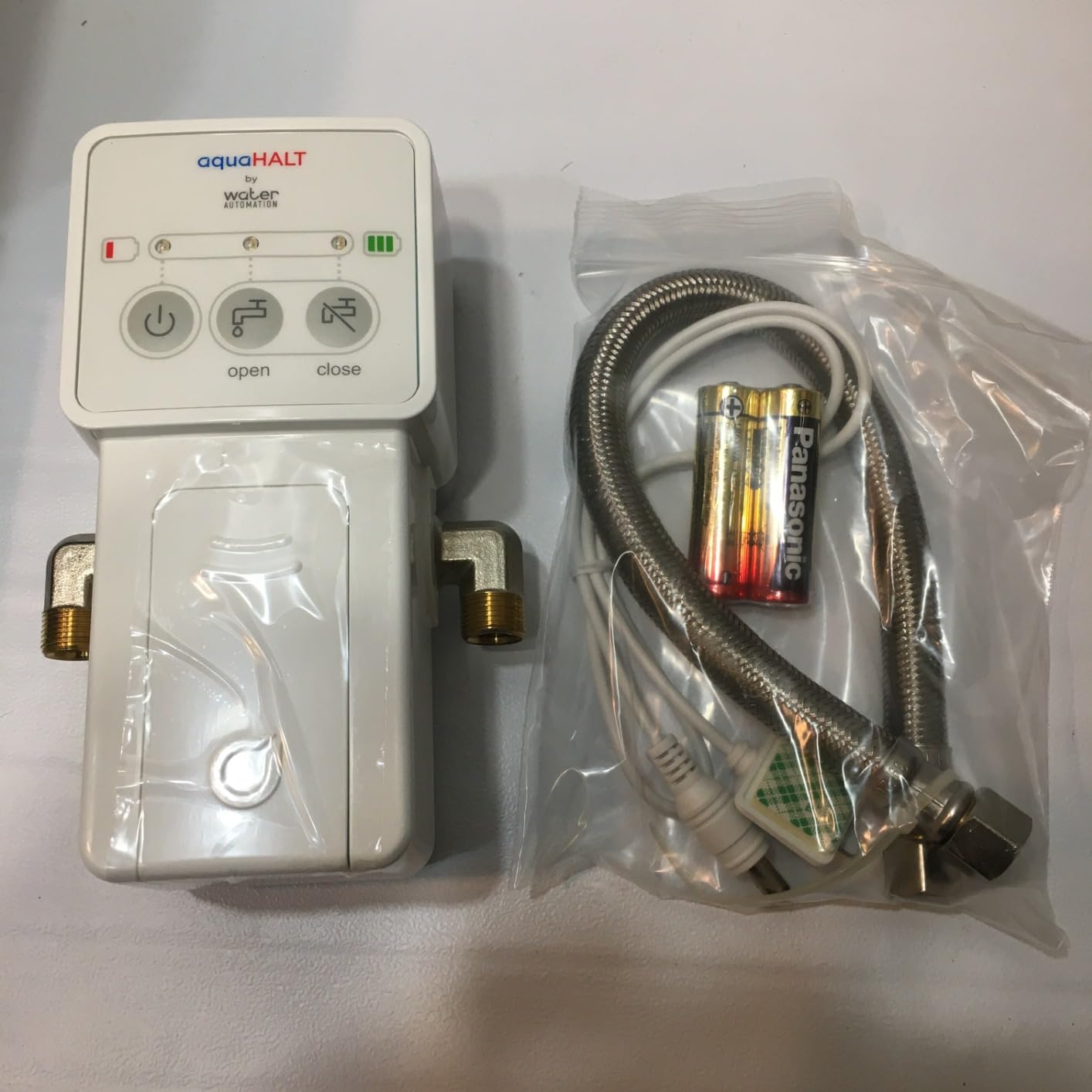
8. aquaHALT Toilet Leak Shutoff: Best for Toilet and Ice Maker Overflow
Smart Home Water Toilet Leak Detector Alarm and Automatic Shut Off Valve
- Purpose-built for toilet and ice maker overflow
- the most common in-home water damage source
- Battery powered with over a year of runtime and no Wi-Fi
- Quick non-invasive installation
- often about 15 to 20 minutes
- Compact wall-mountable form factor
- Good value compared with whole-home systems
- Included 3M tape can fall off a wall and proper foam tape is needed
- No audible low-battery indication
- One reviewer reported the unit itself leaking at the bottom after under a year
- Customer support and warranty replacement is described as hard to reach
- Contact sensor only covers the appliance it is attached to
Toilet overflow is the single most common cause of indoor water damage, and this device is built for exactly that failure. It sits inline at the toilet or ice maker, closes the flow on moisture and sends an alert, with no hub and no Wi-Fi involved.
The hardwired contact sensor runs on two AA batteries for more than a year, which removes the weakest link in most smart leak systems. There is nothing to keep online, so it keeps working when the internet does not.
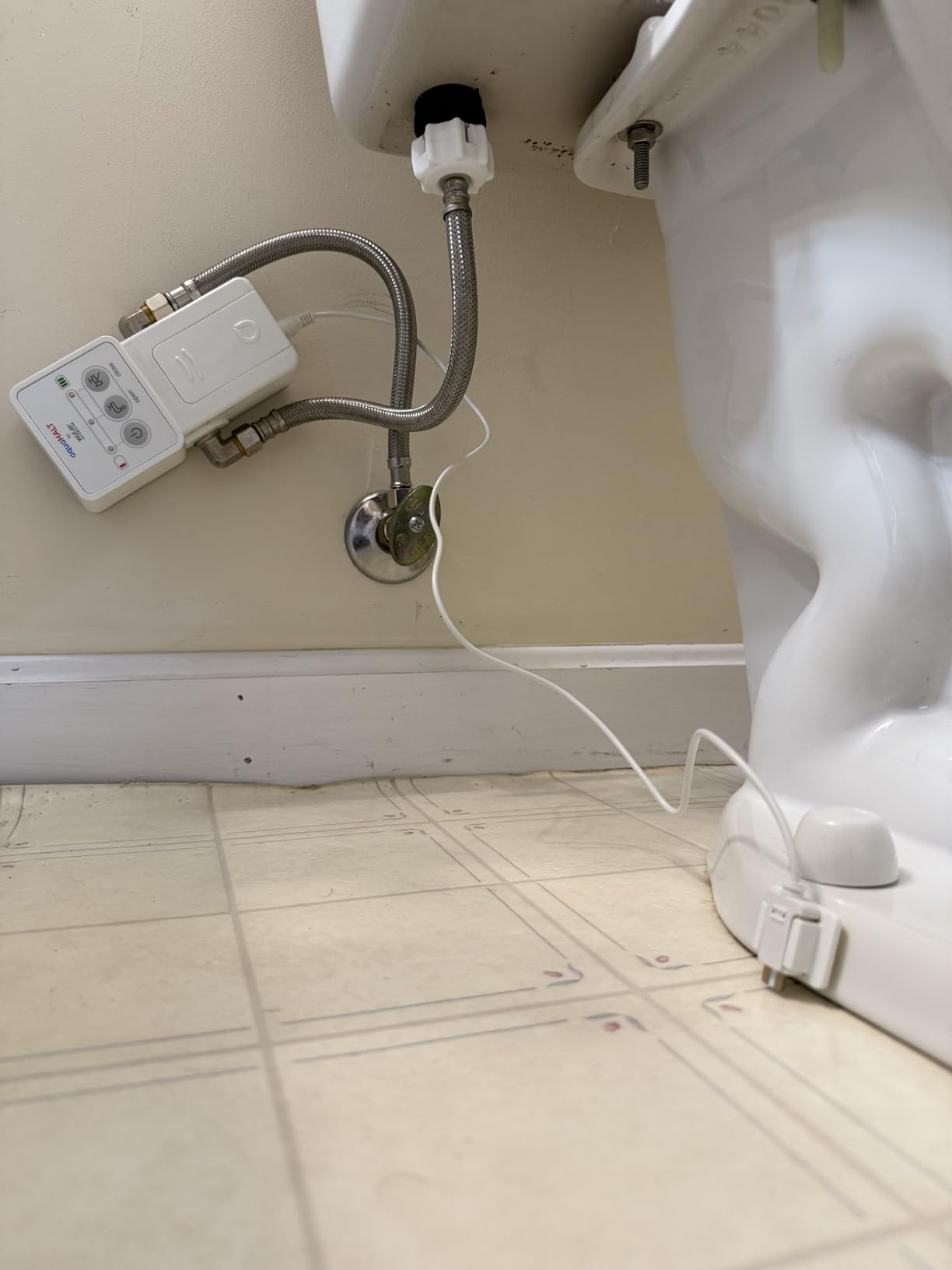
Buyers with real overflow experience rate it highly and describe it as inexpensive peace of mind, which is particularly valuable for caregivers and anyone who travels often. Installation is usually 15 to 20 minutes with the included double-sided tape and no plumbing modifications beyond the inline fitting.
A stainless steel braided hose is included in the box, so the connection hardware is covered.
Check the mounting surface first
The most repeated complaint is the included 3M tape letting go within minutes. Buy proper double-sided foam tape before you mount it, and choose a surface that stays clean and dry.
Confirm you are comfortable with the inline connection on your specific toilet or ice maker before ordering, since fitting sizes vary between manufacturers.
Where this device falls short
It covers exactly one appliance. A second toilet needs a second unit, and nothing outside that appliance line is monitored.
There is no audible low-battery warning, so a dead battery is something you find out about the wrong way. Support and warranty replacement are also described as difficult to reach by a small number of owners.
9. iSpring LS43WL: Best for Damp Utility Rooms and RO Systems
- Fast 20-second automatic shutoff once the sensor pad is wet
- Dual wired and wireless sensors give reliability plus placement flexibility
- Humid Mode reduces false alarms in basements and utility areas
- Expandable to eight wireless leak detectors for wider coverage
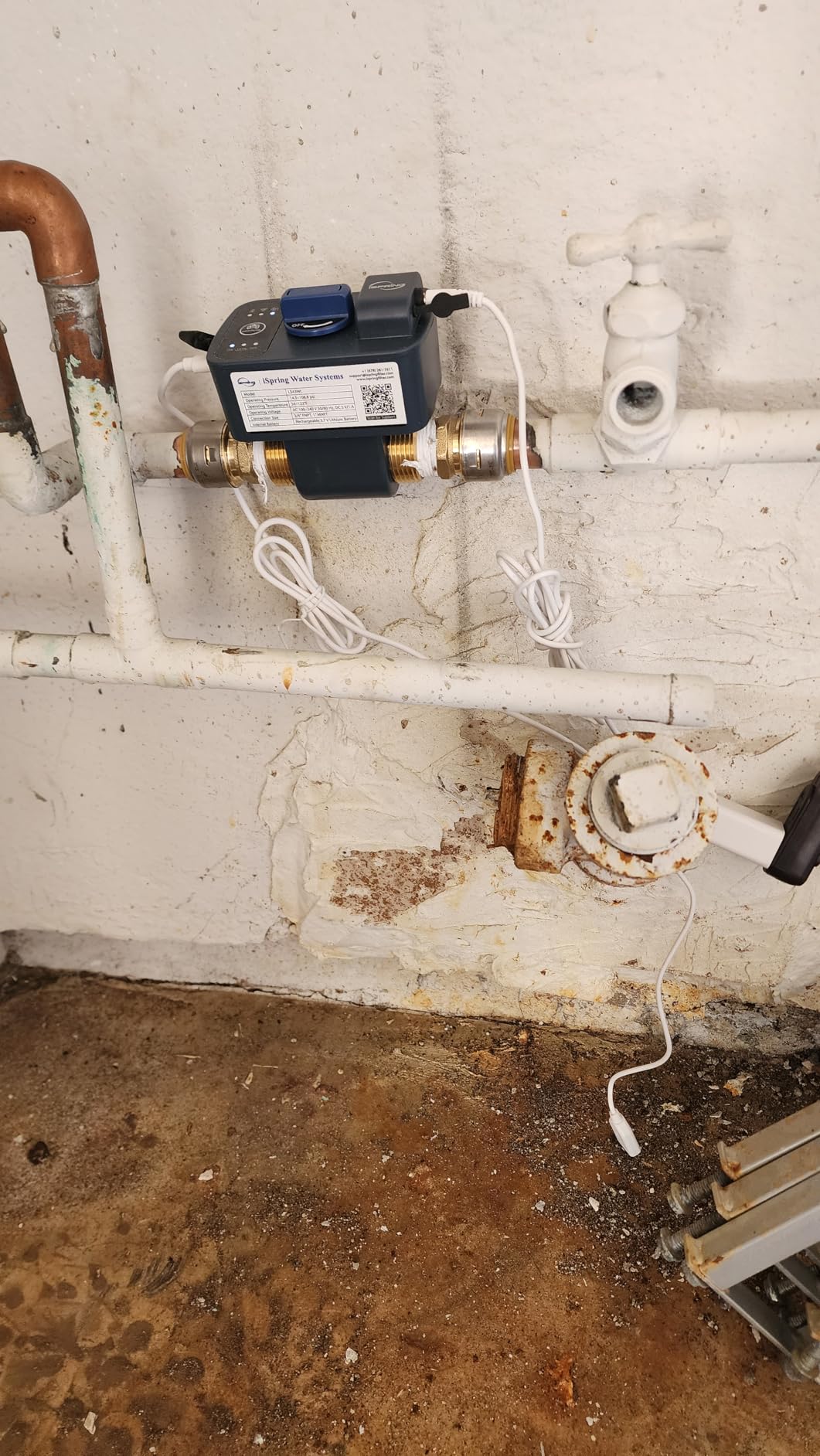
- Straightforward DIY install on 1 inch MNPT and 3/4 inch FNPT
- Newer listing with a smaller volume of reviews than established options
- Requires a power adapter so it is not fully cordless
- Reviews do not report whole-house flow metering on this model
The Humid Mode is the detail that separates this from a generic appliance shutoff. Basements, laundry rooms and RO closets produce enough incidental moisture to trigger constant nuisance alarms on a naive contact sensor, and this one lets you tune the sensitivity for those spaces.
You get one wired pad and one wireless pad out of the box and can expand to eight wireless detectors, which covers an RO system, an under-sink filter, a water heater and a washing machine from a single valve.
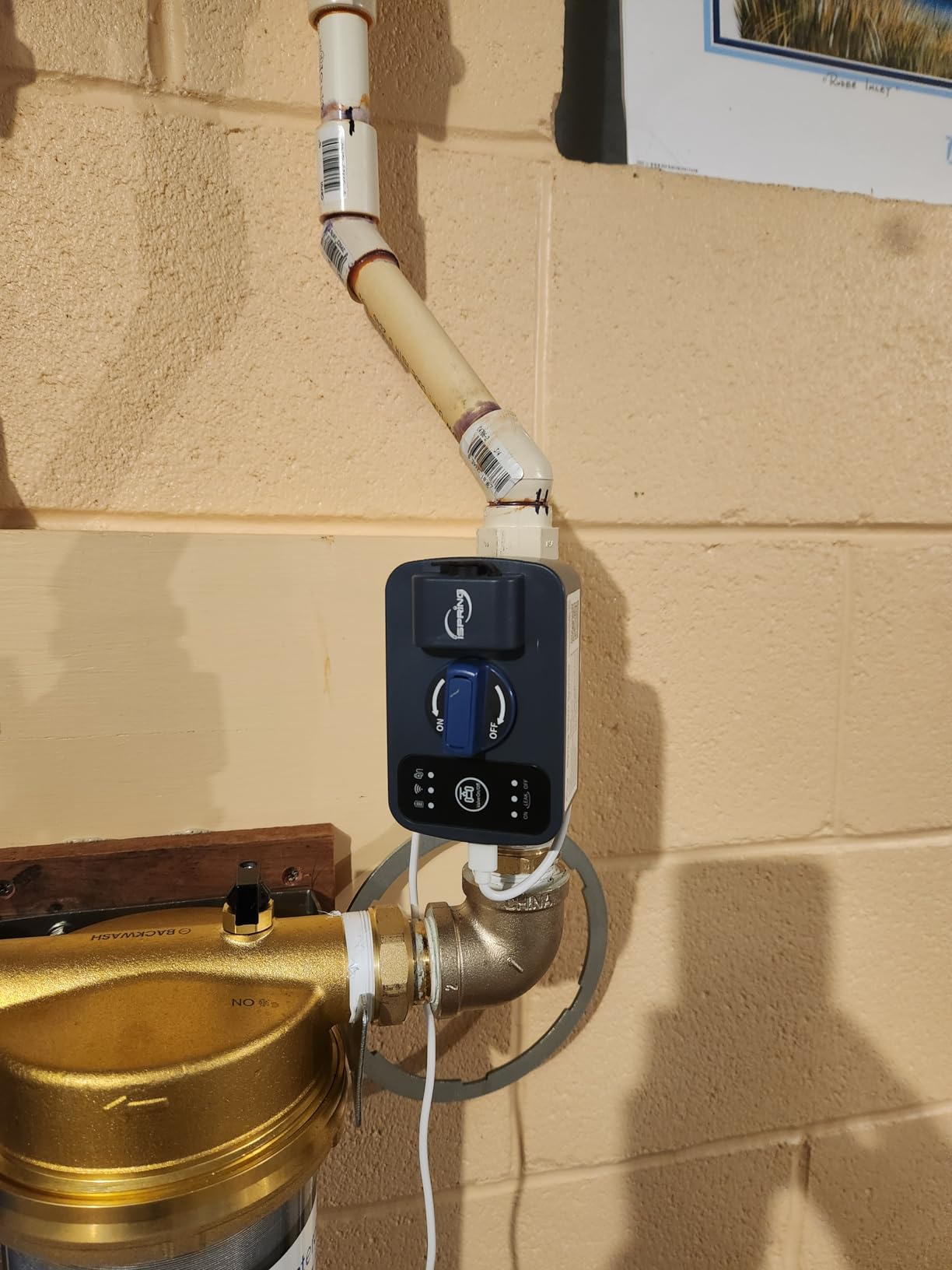
Shutoff takes about 20 seconds from the moment a pad is wet, and the motorized ball valve is mounted on 1 inch MNPT and 3/4 inch FNPT connections, both of which are straightforward for a competent DIYer.
At 4.6 across 67 reviews with a high share of five-star ratings, performance for the category is solid. The honest caveat is field history: this is a newer listing, so it does not have years of service data behind it yet.
Check your connection sizes and adapter
Confirm 1 inch MNPT or 3/4 inch FNPT against the appliance you are protecting before ordering. Mismatched thread direction is the most common reason these installs stall.
Note that it needs a power adapter nearby, so it is not the right choice for an unpowered closet or a location with no outlet.
Where this unit falls short
There is no flow metering reported on this model, so it protects an appliance without telling you anything about usage.
It is point protection only, and the smaller review base means you are relying on a shorter track record than the YoLink and Frizzlife units offer.
10. Frizzlife LPG365 Ultrasonic Valve with 3 Sensors: Best Combined Whole-Home and Point Protection
Frizzlife LPG365 Smart Water Auto Shutoff Valve W/ 3 Leak Sensors, 100% Dual Detection- 0.01GPM Ultrasonic Micro Leak Detector & Sensor-Triggered Shutoff, App Control, Flow & Temp Monitor,Fits 3/4″&1″
- Combines whole-home ultrasonic flow monitoring with 3 wireless leak sensors
- Reviewers repeatedly report it catching slow unknown leaks such as a running toilet or pinhole
- Sensors hold a stable long-range connection and work without internet or power
- Rechargeable battery keeps the valve functional during outages
- Clear display with good-quality bundled fittings
- Most expensive kit in this roundup
- No built-in manual override so a manual bypass should be plumbed alongside
- App is barebones
- offering basic on-off plus flow and usage data
- Installation generally needs a plumber or a confident DIYer with the right fittings
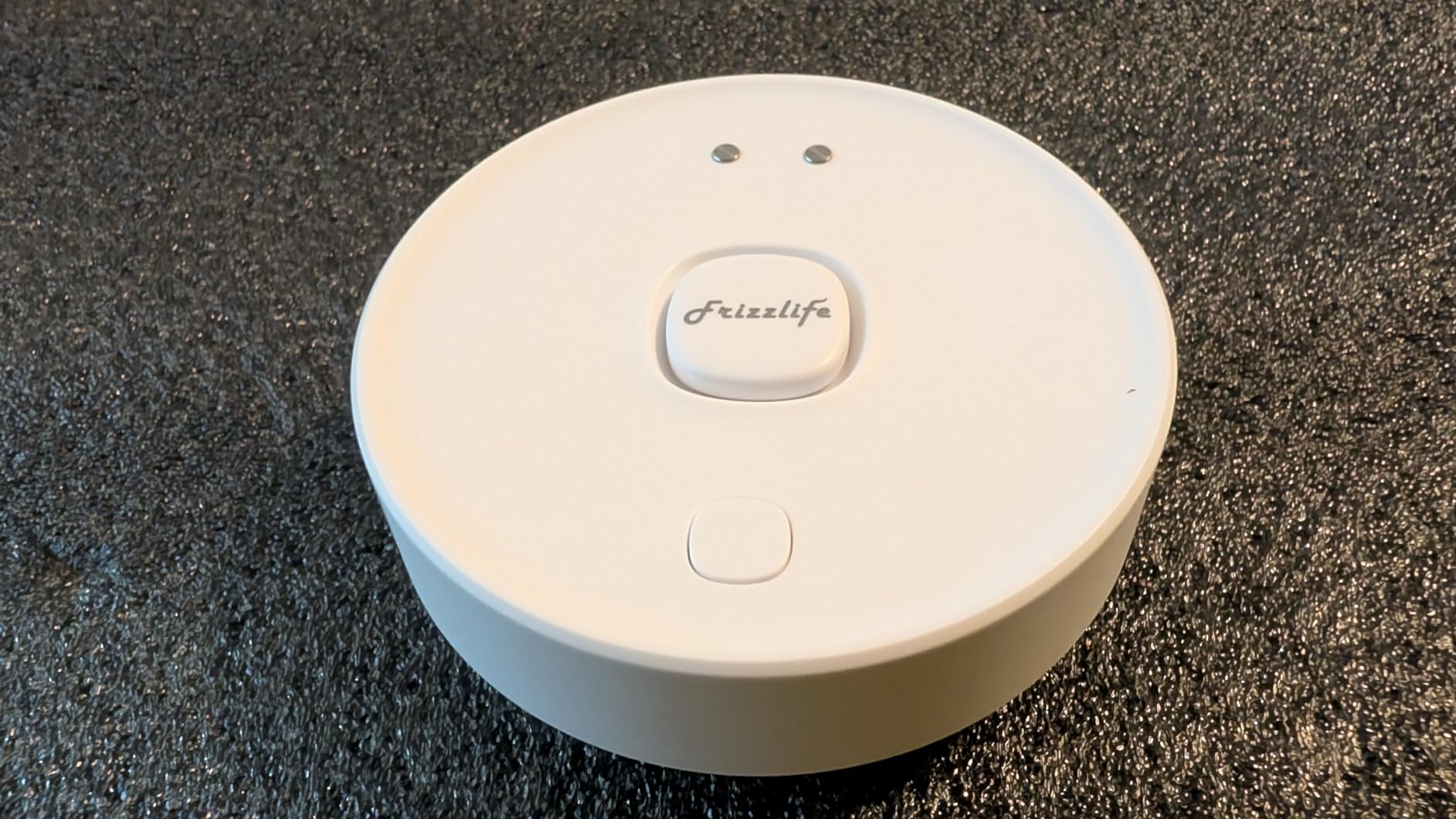
This is the most complete single purchase in the roundup. It pairs the same 0.01 GPM ultrasonic inline valve found in the LP365 with three wireless LoRa leak sensors, so you get whole-home flow monitoring and point protection in one box.
The wireless sensors reach a third of a mile and work without internet or mains power, which means a wetted sensor near the water heater closes the main line even if the hub is offline. A rechargeable lithium-ion battery keeps the valve itself functional during a power cut.
Owner reports are strikingly consistent on detection. Multiple buyers describe the system finding real, previously unknown leaks within days of installation, including a toilet losing 50 gallons a day and a cracked sprinkler vacuum breaker. That is the failure this category exists to catch.
It is also NSF/ANSI 61 and 372 certified, supports both 2.4GHz and 5GHz Wi-Fi, and ships with 3/4 inch to 1 inch adapters plus a 6.6 ft power cord.
Check whether you need the extra coverage
Ask yourself honestly whether the LP365 alone would be enough. If you want sensors at the water heater, washer and far end of a basement without buying them separately, this kit is worth the step up.
If you are on a tight budget and happy adding sensors later, the standalone valve plus two or three sensors costs less for the same coverage.
Where this kit falls short
It is the most expensive option here, and the app is minimal by design, offering basic control plus flow and usage data rather than detailed reporting.
There is no built-in manual override, so plan to plumb a manual bypass valve alongside it. One buyer also could not independently verify the NSF/ANSI 61 and 372 certification on the unit despite the listing claim.
Buying Guide: How to Choose a Smart Water Shutoff Valve
Start with how the valve senses water
Two sensing methods dominate. Ultrasonic sensors measure the speed of a signal through moving water and have no moving parts, which makes them dramatically more sensitive to small changes and immune to the wear that eventually kills a turbine. Mechanical turbine meters spin a small plastic impeller, which is cheaper and simpler but can miss a slow drip and can wear over years.
If your risk is a pinhole leak or a running toilet in an older house, ultrasonic detection is worth the premium. If you want shutoff capability and nothing more, sensing method barely matters.
Decide between inline, retrofit and point-of-leak
Inline systems are plumbed into the main line. The pipe gets cut, so the water is off during install, and this is the category that produces real flow data. Retrofit controllers clamp onto the valve you already have and avoid the plumber entirely, but they measure nothing and depend on a paired sensor to trigger them. Point-of-leak units sit on a single appliance line and protect that appliance only.
Most owners end up with one of each: an inline valve for the house, plus point sensors at the water heater, washing machine and dishwasher.
Check power and offline behaviour before anything else
Ask what happens when the power goes out and when the internet drops. This is the most common failure gap in the category. Products with device-to-device pairing, where a sensor communicates straight to the valve, keep shutting water off regardless. Products that route every alert through a hub or a cloud service degrade to a local alarm at best.
Also note the minimum operating temperature for outdoor or unheated installs. Several units here are rated from 32 F, which matters in a northern mechanical room.
Set expectations about the learning phase
Flow-monitoring valves need to learn your household’s normal usage before they can call something abnormal. The duration varies widely between brands, and homeowners on r/Plumbing and r/HomeImprovement describe Phyn Plus owners tolerating a multi-week phase of roughly 1,000 water events while Moen Flo owners report settling in closer to seven to ten days.
Expect some false alarms during that window, especially if you have irrigation or a pool fill cycle. Two things reduce them: telling the system about scheduled long-flow events, and adding a bypass line for the pool and irrigation so routine watering never looks like a leak.
Match the ecosystem to what you already run
Home Assistant and Hubitat users have the widest choice here, with Z-Wave controllers such as the Bulldog and the Zooz Titan fitting naturally into an existing mesh. SmartThings and Ring Alarm users have solid Z-Wave options too. Alexa and Google Assistant work across most of the Wi-Fi products, but voice control cannot close a valve that has lost its internet connection.
If your priorities are wider smart-home integration and no single vendor lock-in, our picks for the best smart locks for smart homes follow the same logic: pick the ecosystem first, then the device.
Place point sensors where leaks actually start
In priority order, that is the water heater and its drain pan, the washing machine supply hose and pan, the dishwasher connection, the main shutoff and meter location, and the lowest point in each finished basement or crawlspace. If you can only afford two sensors, the water heater and the washing machine are the two to buy.
Ask your insurer before you buy
Several carriers recognise specific approved devices and offer an installation rebate or premium discount. Farmers Insurance has offered discounts that offset much of the install cost for some buyers, and Chubb requires or recommends the Watts Leak Defense class of system on larger homes.
Get the qualifying model list in writing from your carrier before you purchase, and confirm the device has to stay active and installed to keep the discount.
Know when you should skip an inline valve
If you rent, or your main shutoff sits in a spot no plumber will touch, a monitor-only or point-protection setup is the honest recommendation. If you want usage data rather than automatic shutoff, a flow monitor without a motorized valve does the job at a lower cost and no plumbing work.
And if you have no history of leaks, no finished basement and no long absences, a small investment in point sensors at the water heater and washer may cover most of the realistic risk.
Frequently Asked Questions
What’s the best water shutoff system that works with leak detection?
For most single-family homes, the YoLink Water Shutoff Kit is the strongest all-round pick because it includes the hub, valve operator and three leak sensors, and its device-to-device pairing keeps the shutoff working during a power or internet outage. If your priority is catching the smallest possible leaks, choose an inline ultrasonic valve such as the Frizzlife LP365, which detects flow changes down to 0.01 GPM.
What is the most reliable water shut-off valve?
Reliability comes down to three things: a motor that can actually turn your valve, sensing that does not depend on the cloud, and backup power. The EcoNet Bulldog and Zooz Titan have the strongest motors for old or stiff valves, while YoLink’s device-to-device pairing is the most reliable way to shut off water when the hub or internet is down.
Are smart water leak detectors worth it?
For most homeowners, yes. Water damage is one of the most common and expensive insurance claims, and a shutoff valve turns an undetected leak running for hours or days into a contained event. The strongest case is a finished basement, older plumbing, hard water, a water heater in a closet, or a home that sits empty for weeks at a time.
Can I install a smart water shutoff valve myself?
Retrofit controllers that clamp onto an existing valve, such as the EcoNet Bulldog or Zooz Titan, are genuinely DIY jobs and take about 15 minutes with basic tools. Inline valves that require cutting the main line usually need a plumber to drain, cut and re-solder or press the line properly, especially with a threaded NPT valve like the YoLink ball valves.
What happens to a smart water valve during a power outage?
It depends on the model. Mains-powered inline valves such as the Frizzlife LP365 rely on battery backup and a Wi-Fi connection for app alerts, though local shutoff still works. YoLink and Frizzlife wireless sensors, the Zooz Titan with its wired probe, and battery-powered YoLink valves keep closing water during an outage because the sensor signals the valve directly.
Conclusion: The Best Smart Water Shutoff Valves for Leaks in 2026
The YoLink Water Shutoff Kit is our pick for the best smart water shutoff valve for leaks in 2026, because it is the only unit here that arrives as a complete system and keeps protecting your home when the power and internet are gone. Add sensors at the water heater and washing machine on day one and you have covered most of the realistic failure modes.
Choose the Frizzlife LP365 instead if the smallest possible leak detection is your priority, or the Frizzlife LPG365 if you want that valve bundled with three sensors. If you already run Z-Wave and do not want a plumber cutting pipe, the EcoNet Bulldog and the Zooz Titan are the two retrofit options worth serious consideration.
Whichever you pick, pair it with at least one point sensor near the water heater. That single addition catches more real damage than any valve alone.